
Edo Period Sports: Pastimes That Shaped Social Dynamics

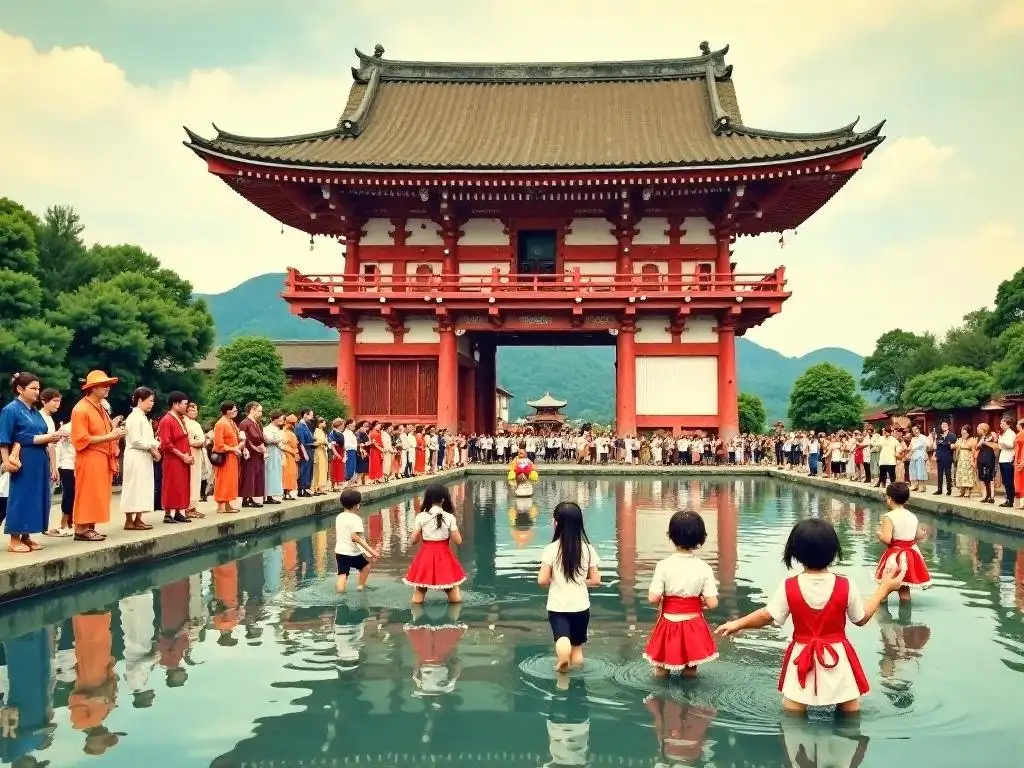
Welcome to Feudal Japan History, where we invite you to embark on a captivating journey through the intricate tapestry of Japan’s feudal era. As you delve into our expert-driven articles, you'll uncover the rich cultural history that shaped this remarkable period. Our featured article, “Edo Period Sports: Pastimes That Shaped Social Dynamics,” will reveal how sports and leisure activities not only entertained but also influenced societal structures and relationships in the Edo period.
Are you ready to explore the vibrant world of Edo-era sports and culture? Let your curiosity guide you as you discover the fascinating connections that lie within!
- Edo Period Sports and Culture: An Overview
- Popular Sports During the Edo Period
- Edo Period Sports and Social Classes
- Cultural Significance of Edo Period Sports
- The Evolution of Sports in the Edo Period
- Conclusion: The Lasting Legacy of Edo Period Sports and Culture
-
Frequently Asked Questions
- What were the main sports during the Edo period?
- How did sports influence social dynamics in Edo Japan?
- Were there any unique cultural practices associated with Edo period sports?
- How did the Edo period's sports reflect the society of the time?
- What legacy did Edo period sports leave on modern Japanese culture?
- Final Reflection: The Enduring Legacy of Edo Period Sports and Culture
- Dive Deeper into Edo Period Culture!
Edo Period Sports and Culture: An Overview
The Edo period, spanning from 1603 to 1868, represents a transformative era in Japanese history, marked by relative peace, economic growth, and cultural flourishing. During this time, sports and recreational activities emerged not only as forms of entertainment but also as vital components that shaped social dynamics and cultural identity.
The interplay between Edo period sports and culture reveals how various pastimes reflected societal values, class distinctions, and community interactions. This article delves into the diverse sports of the Edo period, exploring their significance and impact on Japanese society, while highlighting the intricate relationship between physical activities and the cultural fabric of the time.
Introduction to Edo Period Sports
The Edo period witnessed the rise of numerous sports and leisure activities that captivated the population. Unlike the preceding periods, where martial skills dominated, the focus shifted towards more diverse forms of recreation. The introduction of new sports and the evolution of traditional games offered a glimpse into the changing societal values of the time.
- Popular Sports:
- Sumo: A sport with deep historical roots, sumo became highly organized during this era, with formal tournaments and a structured ranking system.
- Kendo: As a practice rooted in the techniques of samurai warfare, kendo evolved into a sport emphasizing discipline and mental focus.
- Jujutsu: Often practiced by the samurai class, it provided both physical training and practical combat skills.
- Leisure Activities:
- Kabuki Theatre: While not a sport in the traditional sense, the theatrical performances of kabuki provided entertainment and cultural insight.
- Festivals: Local festivals often included competitive games and races, fostering community spirit and cultural pride.
The proliferation of these activities was indicative of the period's increasing leisure time, which allowed different social classes to engage in pastimes that transcended their daily responsibilities.
The Role of Sports in Edo Period Society
Sports during the Edo period were not merely pastimes; they played a significant role in the societal structure and cultural identity of Japan. They served various functions, from reinforcing social hierarchies to promoting communal bonds.
- Social Stratification:
- Sports often reflected the hierarchical nature of Edo society. While samurai participated in martial sports, commoners engaged in folk games, illustrating class distinctions.
- Sumo wrestling, for instance, was predominantly associated with the elite, yet it garnered widespread admiration from all classes, blurring the lines of social stratification at times.
- Cultural Identity and Values:
- The emphasis on discipline, respect, and perseverance found in sports like kendo and jujutsu echoed the broader cultural values of the samurai code, known as Bushido.
- Participation in sports and festivals fostered a sense of community and cultural pride, reinforcing local identities within the broader framework of Edo society.
Through these dynamics, Edo period sports not only provided entertainment but also contributed to the social and cultural tapestry of Japan, reflecting the values, aspirations, and conflicts of its time.
Popular Sports During the Edo Period
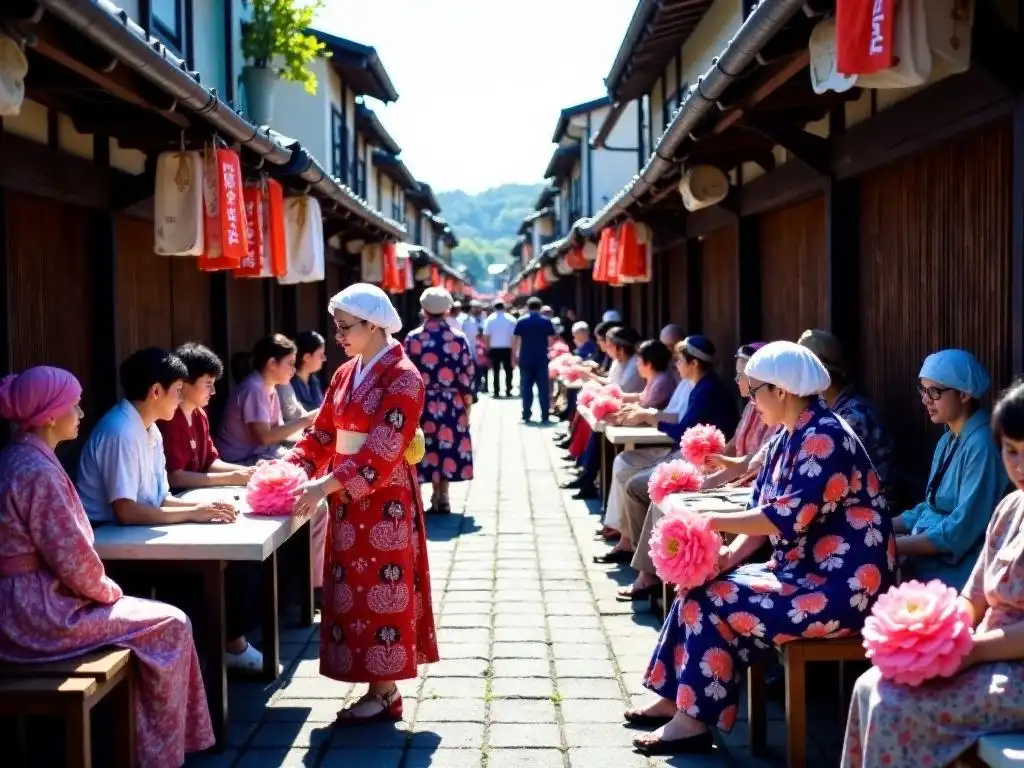
The Edo period (1603-1868) was a time of relative peace and stability in Japan, which allowed for the flourishing of various sports and pastimes. These activities were not just forms of entertainment; they played a crucial role in shaping social dynamics, reinforcing cultural values, and fostering community ties. The following sections will explore some of the most popular sports during this era, highlighting their significance in Edo period culture.
Sumo Wrestling: The National Sport of Japan
Sumo wrestling has deep roots in Japanese culture, but it truly emerged as a national sport during the Edo period. This period saw the formalization of sumo as a professional sport, with the establishment of rules and the organization of tournaments.
- Historical Context: Sumo has been practiced for centuries, but it gained prominence in the Edo period when the Tokugawa shogunate recognized it as a significant cultural activity. The first official sumo tournament was held in 1684, further legitimizing the sport.
- Cultural Significance: Sumo wrestling was not merely a sport; it was imbued with religious and cultural meanings. Rituals such as the purification of the ring with salt and the involvement of Shinto deities underscored its spiritual dimensions. The wrestlers, known as rikishi, were revered figures, often regarded as embodiments of strength and honor.
| Aspect | Details |
|---|---|
| Origin | Ancient, with formalization in Edo |
| Tournaments | First held in 1684 |
| Cultural Rituals | Purification, Shinto influences |
| Social Role | Community gatherings and entertainment |
- Social Dynamics: Sumo served as a bridge between social classes, attracting spectators from all walks of life. The tournaments were major events that fostered community spirit and allowed for social interaction among different classes, from samurai to merchants and farmers.
The Art of Archery: Kyudo and Its Cultural Significance
Kyudo, the traditional Japanese art of archery, flourished during the Edo period, reflecting both martial discipline and spiritual practice. This sport was deeply intertwined with the cultural ethos of the time.
- Philosophical Underpinnings: Kyudo is more than just a physical activity; it encompasses a philosophy that emphasizes mental focus, precision, and self-discipline. Practitioners often speak of the "way of the bow" (弓道, kyudo) as a path to personal enlightenment.
- Training and Techniques: The practice of kyudo involves rigorous training in techniques and postures, with a focus on the entire process of shooting rather than just hitting the target. This meditative approach encourages practitioners to cultivate a sense of calm and concentration.
| Kyudo Elements | Description |
|---|---|
| Posture | Rigid yet fluid, emphasizing form |
| Target | Traditional round targets |
| Equipment | Yumi (bow) and ya (arrows) |
| Practitioners | Samurai, monks, and commoners |
- Social Impact: Kyudo was practiced by samurai, who saw it as a vital skill for warfare. Over time, it also became accessible to the general populace, promoting values of discipline and harmony. The practice of kyudo clubs in urban areas allowed for community engagement and cultural exchange.
Traditional Games: From Kemari to Go
In addition to formal sports, various traditional games flourished during the Edo period, contributing to the cultural landscape.
- Kemari: A game similar to a form of football, kemari involved keeping a ball in the air using feet, with an emphasis on skill and teamwork. It was often played during festivals and served as an entertainment form for the nobility.
- Go: This ancient board game, known for its strategic depth, gained immense popularity during the Edo period. The game became a cultural phenomenon, with professional players emerging and even prestigious tournaments being held.
| Game | Description |
|---|---|
| Kemari | Team-based ball game |
| Go | Strategic board game |
| Cultural Role | Entertainment and social bonding |
- Cultural Exchange: Both kemari and go were not just games; they were social activities that fostered connections among players. As these games spread, they enabled cultural exchange between different classes and regions, reinforcing community bonds.
The sports and pastimes of the Edo period played a significant role in shaping social dynamics, reflecting the values and cultural practices of the time. From sumo wrestling to the meditative practice of kyudo, and traditional games like kemari and go, these activities were essential to the fabric of Edo period culture.
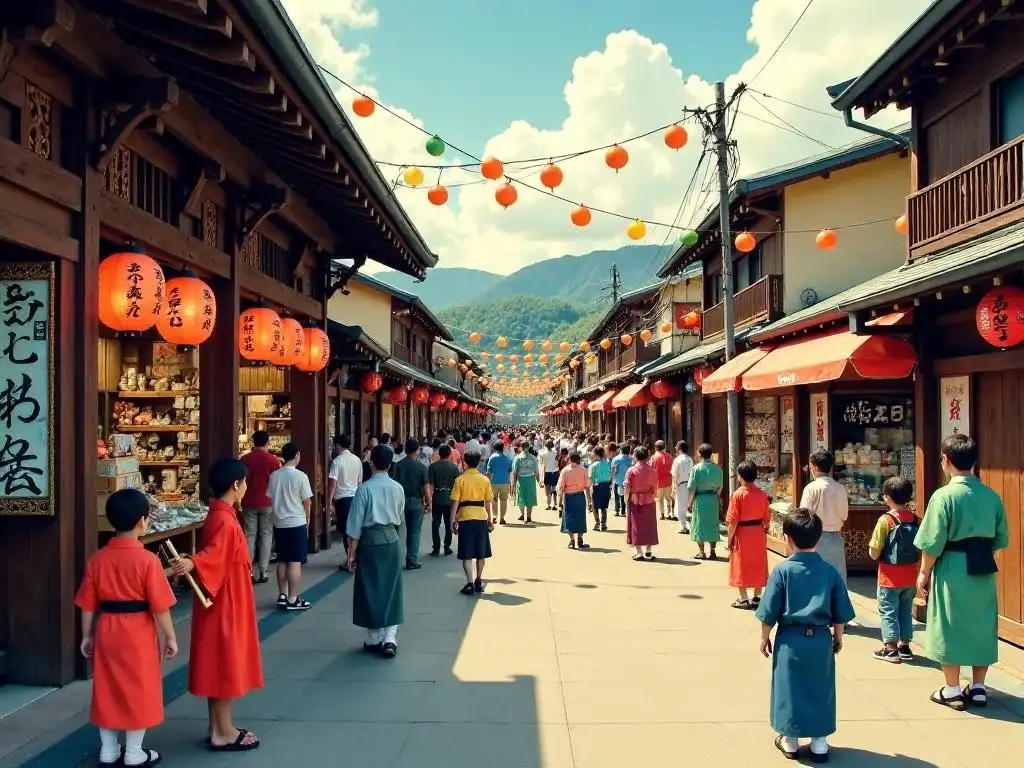
During the Edo period (1603-1868), sports were not merely recreational activities; they served as a mirror reflecting the intricate social hierarchies of the time. The division of society into distinct classes—primarily samurai, farmers, artisans, and merchants—was evident in the types of sports that were popular among each group.
- Samurai Sports:
- Samurai engaged in sports that emphasized martial skills and discipline, such as kyudo (archery), kendo (swordsmanship), and judo. These activities were not only forms of physical training but also methods to maintain their status and uphold the bushido code.
- The practice of these sports fostered camaraderie among samurai, often reinforcing their social standing and prestige within communities.
- Commoner Activities:
- In contrast, the common classes gravitated towards more communal and accessible sports. Sumo wrestling and festivals featuring traditional games were particularly popular, allowing for participation across various social strata.
- The events often served dual purposes: entertainment and a means for commoners to showcase their strength and skills, thereby gaining respect and recognition within their communities.
- Class Distinctions in Sport:
- Specific sports were often designated for particular social classes. For example, horseback archery was predominantly practiced by the samurai, while fishing and traditional board games like go or shogi were popular among merchants and artisans.
- This stratification not only reflected social hierarchies but also perpetuated them, as participation in certain sports was often tied to the resources available to each class.
The Participation of Samurai in Edo Period Sports
Samurai participation in sports during the Edo period was deeply intertwined with their identity and societal expectations. The commitment to physical prowess was seen as an extension of their warrior ethos, and several key sports played a significant role in their lives:
- Martial Arts Training:
- Practicing martial arts was essential for samurai, as their primary role was that of a warrior. Sports like kendo and judo were not just about physical fitness; they were integral to honing combat skills and maintaining readiness for battle.
- Formal Competitions:
- Samurai often participated in formal competitions that showcased their skills. These events were organized by feudal lords and attracted significant attention, reinforcing the social hierarchy where samurai competed for honor and recognition.
- Cultural Significance:
- Beyond physical training, samurai sports were imbued with cultural significance. The rituals and aesthetics associated with sports like kyudo emphasized discipline, focus, and spirituality, aligning with the samurai's philosophical beliefs.
- Networking and Alliances:
- Sports also served as a platform for forming alliances and networks among samurai. Through competitive events, they could strengthen bonds with other warriors and their lords, further entrenching their social standing.
The Role of Commoners in Sports and Recreation
While samurai sports were characterized by discipline and formality, commoners engaged in sports and recreation that emphasized community and enjoyment. The following aspects highlight their role in Edo period sports:
- Community Events:
- Festivals often featured sports that involved collective participation. Events like sumo wrestling matches drew large crowds and fostered a sense of community, allowing commoners to engage socially and celebrate their culture.
- Accessible Sports:
- Unlike the samurai, commoners had fewer resources for formal training. However, they embraced sports that were easily accessible, such as traditional games and fishing contests. These activities required minimal equipment and could be enjoyed in local settings.
- Cultural Expression:
- Sports among commoners often incorporated local traditions and folklore, reflecting their cultural heritage. For example, regional festivals would showcase unique games that celebrated community identity and pride.
- Social Mobility:
- Participation in sports could also provide opportunities for social mobility. A talented athlete might gain recognition and respect, potentially leading to better social standing within their community.
Edo period sports served as a complex tapestry of social dynamics, where the practices and attitudes of both samurai and commoners highlighted the societal structures of the time. By examining these interactions, one can gain a deeper understanding of how sports and culture were intricately linked in shaping the social fabric of feudal Japan.
Cultural Significance of Edo Period Sports
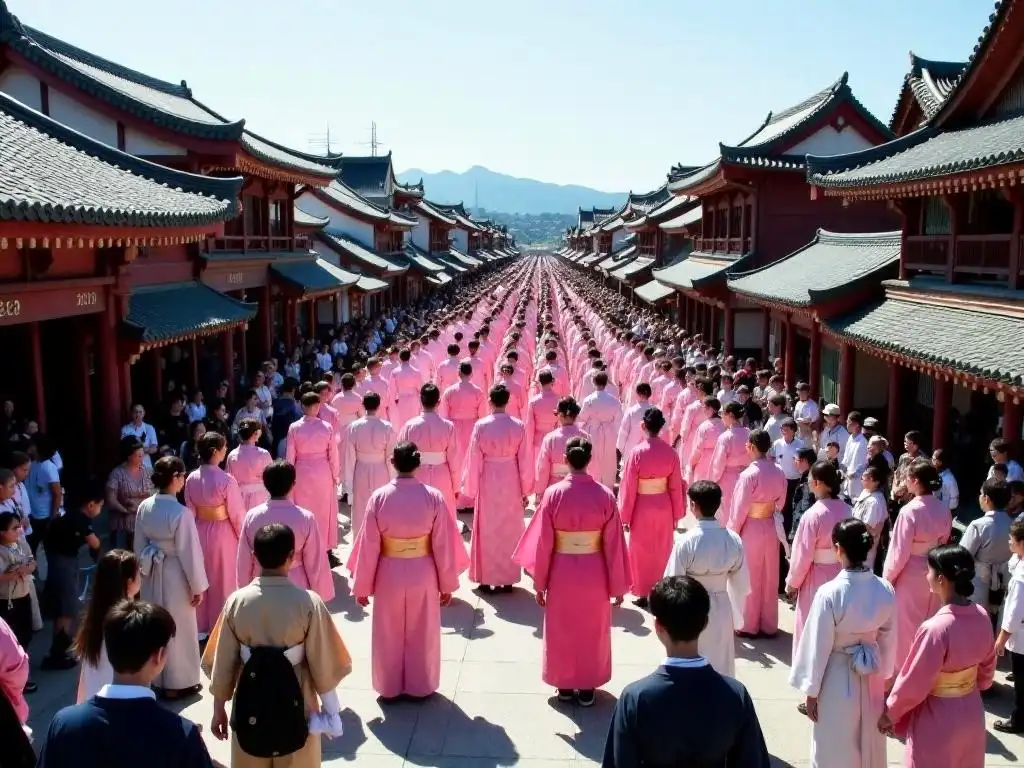
Sports as a Form of Entertainment in Edo Culture
During the Edo period (1603-1868), sports played a vital role in the cultural fabric of Japanese society. As urban centers flourished, particularly in Edo (modern-day Tokyo), the population sought diverse forms of entertainment, and sports emerged as a popular pastime.
Key sports of the Edo period included:
- Sumo: The most iconic of Japanese sports, sumo wrestling was not only a competitive spectacle but also a religious ritual. Matches were often held at grand arenas, drawing large crowds. Sumo wrestlers, or rikishi, were celebrated figures, embodying strength and discipline.
- Kendo and Kenjutsu: These martial arts, rooted in the samurai tradition, became popular as a means of physical training and discipline. They were practiced by both samurai and commoners, contributing to the overall martial culture of the time.
- Jujutsu: This form of unarmed combat was practiced widely and served as a practical self-defense technique. Its teachings emphasized adaptability and the use of an opponent’s force against them.
Edo period sports were characterized by a blend of physical prowess and cultural performance, often accompanied by elaborate rituals and ceremonial aspects. These sports were not merely for leisure; they reinforced social hierarchies and were deeply intertwined with the cultural identity of the period.
Festivals and Competitions: Community Engagement Through Sports
Festivals and competitions were integral to the social dynamics of the Edo period, with sports serving as a vehicle for community engagement and celebration. These events fostered a sense of belonging and unity among participants and spectators alike.
Notable events included:
- Sumo Tournaments: Held multiple times a year, these tournaments attracted thousands of spectators. They were not only competitions but also community events where people gathered to celebrate and socialize.
- Local Festivals (Matsuri): Many festivals incorporated sports and games, such as tug-of-war and traditional dance competitions. These activities were often linked to agricultural cycles, celebrating harvests and seasonal changes.
- Martial Arts Demonstrations: Local dojos would often showcase their students’ skills during festivals, allowing for community participation and the promotion of martial arts as a respected discipline.
The participatory nature of these events reinforced social bonds and provided an opportunity for various classes to interact, breaking down some of the rigid social barriers characteristic of the Edo period. Through sports, communities celebrated their shared cultural heritage and identity.
The Influence of Edo Period Sports on Modern Japanese Culture
The legacy of Edo period sports continues to resonate in contemporary Japanese culture, shaping various aspects of society, entertainment, and identity.
Influences include:
- Sumo's Enduring Popularity: Modern sumo retains many of its Edo period traditions, including rituals and tournament structures. It remains a significant cultural icon, attracting both national and international audiences.
- Martial Arts Evolution: The martial disciplines that gained prominence during the Edo period have evolved into modern sports like judo, karate, and kendo, which are practiced worldwide and reflect the values of discipline, respect, and resilience.
- Cultural Festivals: Many local festivals today still feature sports and traditional games, celebrating Japan's rich cultural heritage and fostering community spirit. These events often attract tourists, further embedding sports within Japan’s cultural identity.
The sports of the Edo period were not only forms of entertainment but also essential components of social interaction and cultural expression. Their influence has shaped modern Japanese culture, ensuring that the pastimes of this pivotal historical era continue to thrive in contemporary society.
The Evolution of Sports in the Edo Period
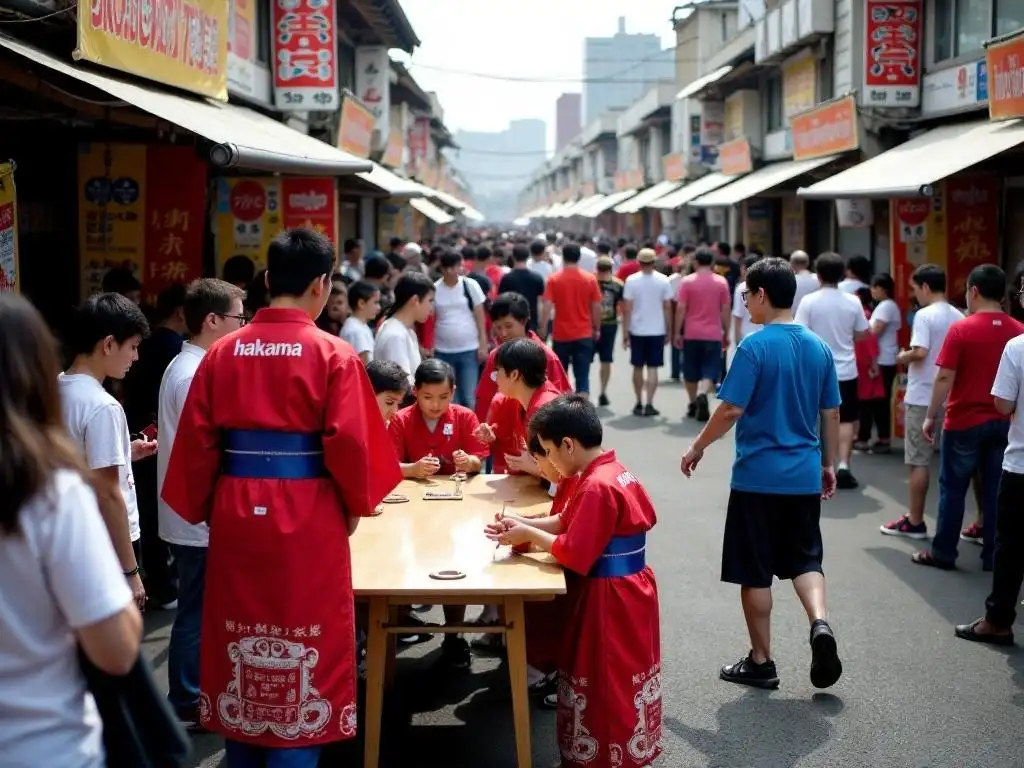
The Edo period (1603-1868) marked a significant transformation in Japanese society, particularly in the realm of sports and culture. During this era, sports evolved from simple pastimes into structured activities that reflected the social hierarchies and cultural values of the time. The rise of a merchant class, along with increased stability and peace, allowed for greater participation in various sports, contributing to the development of unique Japanese traditions.
Changes in Rules and Regulations of Traditional Sports
As sports gained popularity during the Edo period, formalization of rules and regulations became essential. This shift was evident in various traditional sports, such as:
- Sumo Wrestling: Sumo evolved into a highly organized sport with defined rules. The establishment of the Yokozuna (grand champion) title and the formalization of ranking systems helped to standardize competitions. Specific rituals and ceremonies were also introduced to honor the sport's Shinto roots.
- Martial Arts: Various forms of martial arts, such as Kendo and Judo, began to adopt more systematic approaches to training and competition. Schools ( dojos) emerged, focusing not only on combat techniques but also on discipline and philosophy.
- Team Sports: Games like Kemari (a form of kickball) saw the introduction of more structured gameplay. Participants played in teams with established rules, emphasizing cooperation and strategy.
These changes reflected a growing need for organization in sports, aligning with the societal values of discipline and respect.
The Impact of Foreign Influence on Edo Period Sports
The Edo period was characterized by limited foreign contact, particularly due to Japan's isolationist policies (Sakoku). However, some foreign influences managed to permeate the cultural fabric of the era, impacting sports in subtle yet significant ways:
- Western Sporting Practices: Although largely insular, Japan experienced sporadic contact with foreign traders. This led to the introduction of Western sports, such as baseball and soccer, towards the end of the Edo period. These sports began to attract attention, particularly among the younger population.
- Cultural Exchange: The arrival of Dutch traders introduced new forms of physical activity and games, which influenced traditional Japanese sports. For example, activities such as Gyakuten, a type of wrestling, saw adaptations from foreign techniques.
- Adaptation of Equipment: The introduction of new materials and technologies influenced the sports of the time. For instance, the use of imported textiles improved the quality of martial arts uniforms, enhancing both performance and aesthetics.
Despite the prevailing isolation, the seeds of foreign influence began to take root, setting the stage for the broader integration of sports in Japanese culture.
Preservation of Edo Period Sports Traditions in Contemporary Japan
The sports of the Edo period have left a lasting legacy, with many traditional practices continuing to thrive in contemporary Japan. This preservation is evident in various aspects:
- Cultural Festivals: Many Edo period sports are showcased during local festivals. Sumo tournaments, for example, are not only competitive events but also cultural spectacles that celebrate Japan's history and traditions.
- Martial Arts Schools: Traditional martial arts remain popular, with numerous dojos dedicated to preserving the techniques and philosophies established during the Edo period. These schools emphasize the importance of discipline, respect, and the historical significance of martial practices.
- Education and Promotion: Efforts to educate younger generations about Edo period sports are increasingly common. Schools and community organizations promote traditional games, fostering a sense of cultural identity and continuity.
The evolution of sports during the Edo period was marked by significant changes in organization, the impact of foreign influences, and the ongoing preservation of these traditions in modern Japan. By understanding this rich history, we can appreciate how Edo period sports and culture have shaped the social dynamics of Japanese society through centuries.
Conclusion: The Lasting Legacy of Edo Period Sports and Culture
The Edo period (1603-1868) was a transformative era in Japan, characterized by significant social, political, and cultural developments. Among these, Edo period sports played a crucial role in shaping social dynamics, serving not just as entertainment but also as a reflection of the era's values and societal structure. The integration of sports into daily life fostered community cohesion and provided an outlet for the expression of social identity.
During the Edo period, sports such as sumo wrestling, kenjutsu (swordsmanship), and traditional games like go and shogi were more than mere pastimes; they were deeply intertwined with the social hierarchies and cultural practices of the time.
- Sumo Wrestling: As Japan's national sport, sumo held a significant position in society. It was not only a physical contest but also a ceremony steeped in Shinto traditions, emphasizing virtues such as strength, discipline, and respect. The popularity of sumo created a unique social space where commoners and samurai could gather, blurring class lines temporarily during tournaments.
- Martial Arts: Disciplines like kenjutsu were vital for the samurai class, serving both practical military training and spiritual development. The practice of martial arts contributed to the samurai’s identity, promoting values such as honor, loyalty, and perseverance, which were essential in maintaining their status within the rigid class structure of Edo society.
- Board Games: Games such as go and shogi were intellectual pursuits that appealed to all social classes. These games fostered strategic thinking and social interaction, often played in teahouses where people from different backgrounds could connect.
The interplay between these sports and social dynamics highlights how Edo period sports and culture were instrumental in reinforcing community bonds while also delineating social roles.
The Continued Relevance of Edo Period Sports in Today's Society
The legacy of Edo period sports continues to resonate in contemporary Japanese culture. Many traditional sports have evolved yet remain integral parts of Japan's cultural heritage.
- Revival of Traditional Sports: Events such as sumo tournaments draw large crowds and maintain their cultural significance, attracting both locals and tourists. The rituals and ceremonies associated with sumo reflect a deep respect for tradition, echoing values from the Edo period.
- Cultural Festivals: Festivals celebrating traditional sports, games, and martial arts are commonly held, emphasizing community engagement and cultural pride. These events serve as a reminder of the historical roots of these pastimes and their role in fostering social unity.
- Educational Programs: Many schools incorporate traditional sports into their curricula, allowing younger generations to connect with their cultural heritage. This not only promotes physical health but also instills values learned from the practices of past eras.
In essence, the teachings and practices from the Edo period continue to influence modern Japanese society, reinforcing the idea that the past shapes the present.
Additional Resources for Further Exploration of Edo Period Sports and Culture
For those interested in delving deeper into the fascinating world of Edo period sports and culture, consider the following resources:
- Books:
- The Culture of Sumo: A History of Sumo Wrestling in Japan – A comprehensive exploration of sumo's historical and cultural significance.
- Martial Arts of the World: An Encyclopedia of History and Innovation – Covers various martial arts, including those practiced during the Edo period.
- Documentaries:
- Sumo: The Last Samurai – A documentary that showcases the life of sumo wrestlers and the sport's cultural relevance.
- The Way of the Samurai – An exploration of the samurai culture and martial arts during the Edo period.
- Online Databases:
- National Diet Library of Japan – Offers access to a wealth of historical documents and literature related to Edo period sports.
- JSTOR – Provides scholarly articles that discuss various aspects of Edo period culture, including sports.
By engaging with these resources, readers can gain a more nuanced understanding of how Edo period sports and culture have shaped and continue to influence Japanese society today.
Frequently Asked Questions
What were the main sports during the Edo period?
The Edo period saw the rise of various traditional sports such as swordsmanship, sumo wrestling, and archery. These activities not only entertained but also reinforced social hierarchies and cultural values.
Sports during the Edo period played a crucial role in shaping social dynamics by promoting camaraderie among different classes. They served as venues for social interaction and were often tied to political and cultural events.
Were there any unique cultural practices associated with Edo period sports?
Yes, many sports were accompanied by cultural rituals and festivals. For instance, sumo wrestling was deeply intertwined with Shinto traditions, showcasing the spiritual significance of physical contests.
How did the Edo period's sports reflect the society of the time?
Sports reflected the class divisions and cultural values of Edo society. Activities favored by the samurai class often emphasized martial skills, while commoners enjoyed more festive and communal sports, highlighting the social stratification.
What legacy did Edo period sports leave on modern Japanese culture?
The legacy of Edo period sports can be seen in contemporary Japanese culture, where traditional sports like sumo and martial arts remain popular. They continue to embody the values and traditions established during the feudal era.
Final Reflection: The Enduring Legacy of Edo Period Sports and Culture
Edo period sports and culture are not merely relics of the past; they are vibrant threads woven into the fabric of modern Japanese society. The pastimes that flourished during this time, from sumo wrestling to the intricate art of kendo, have left an indelible mark on contemporary cultural practices and social interactions. As we explore these historical sports, we uncover not just games but the values, community bonds, and social hierarchies that they fostered. This connection between past and present reveals a striking truth: understanding our history is essential for appreciating the complexities of our current social dynamics.
The influence of Edo period sports continues to resonate in today's cultural landscape, shaping identities and fostering community spirit. These traditional activities serve as a bridge between generations, allowing modern practitioners to connect with their heritage while promoting physical health and social cohesion. As the renowned Japanese philosopher Daisaku Ikeda once said, Culture is the foundation of human existence, and it is through culture that we can find our way back to our true selves.
This sentiment underscores the ongoing relevance of Edo period sports, as they not only reflect historical practices but also inspire contemporary cultural expressions and collective identities.
As we reflect on the lessons of Edo period sports, let us invite ourselves to engage more deeply with our own cultural practices and community activities. Consider how you can incorporate elements of these historical pastimes into your life, whether through participation in traditional sports, supporting local cultural events, or simply learning more about the rich tapestry of history that shapes our present. By doing so, we not only honor the legacy of the Edo period but also contribute to a vibrant cultural future that celebrates diversity, connection, and the spirit of community.
Dive Deeper into Edo Period Culture!
Thank you for exploring the unique world of Edo Period sports with us! You've uncovered how these fascinating pastimes helped shape social dynamics in Japan. Now, let’s take your interest further and engage with this rich history in meaningful ways.
Here are a few steps you can take right now:
- Join a local martial arts class to experience the physicality of Edo sports firsthand and gain insights into their historical significance.
- Connect with fellow enthusiasts by sharing this article on social media; engaging in discussions enriches our understanding and appreciation of these traditions.
- Visit a museum or historical site dedicated to Edo Period culture to deepen your knowledge and witness artifacts that reveal more about this vibrant era.
What aspect of Edo Period sports intrigues you the most, and how do you think it has influenced modern activities today?