
Sumo Wrestling: The Traditional Sport That Thrived in Edo Japan

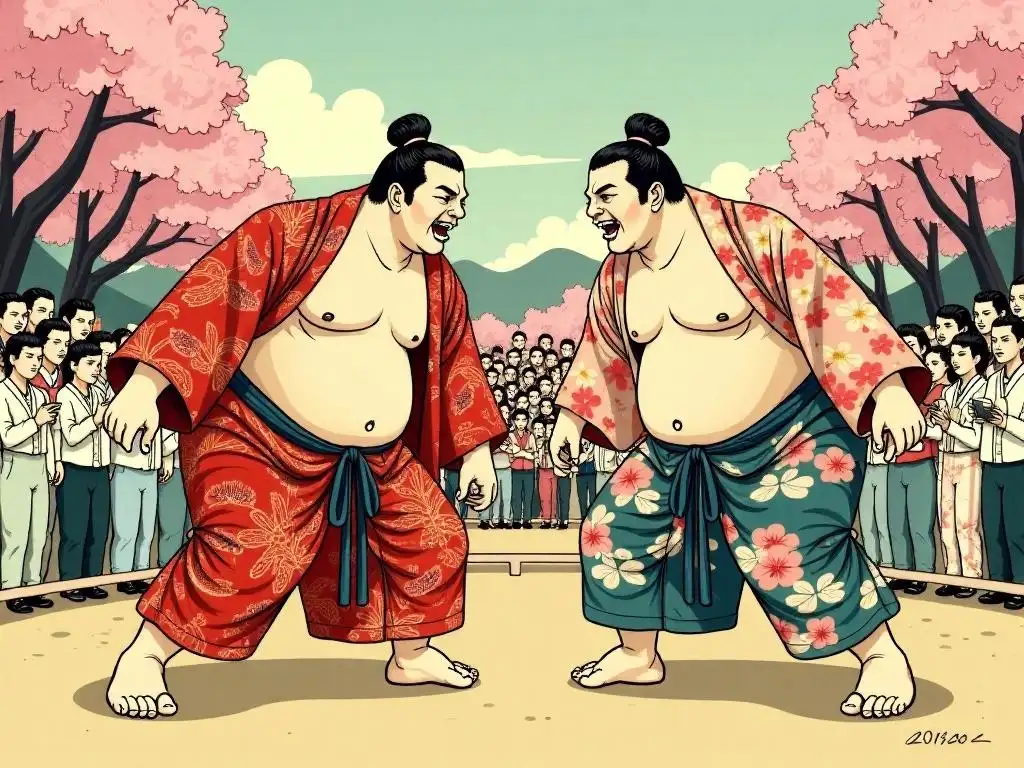
Welcome to Feudal Japan History, where we invite you to embark on a captivating journey through the rich tapestry of Japan’s feudal era. Dive deep into the cultural history that shaped a nation, and discover the fascinating world of Sumo wrestling in the Edo period. This traditional sport, steeped in ritual and significance, thrived during a time of profound societal transformation. Are you ready to uncover the untold stories and intricate traditions behind this iconic pastime? Let the exploration begin!
- Introduction to Sumo Wrestling in Edo Period
- Historical Origins of Sumo Wrestling
- The Role of Sumo Wrestling in Edo Society
- Key Features of Sumo Wrestling in the Edo Period
- Prominent Figures in Edo Period Sumo Wrestling
- The Decline and Transformation of Sumo Wrestling
- Conclusion: The Enduring Influence of Sumo Wrestling in Japanese Culture
-
Frequently Asked Questions
- What was the significance of sumo wrestling during the Edo period?
- How did sumo wrestling influence Japanese culture in the Edo period?
- What were the rules and rituals associated with sumo wrestling in Edo Japan?
- How did social status affect sumo wrestlers in the Edo period?
- What role did sumo wrestling play in Edo period festivals?
- Final Reflection: The Enduring Legacy of Sumo Wrestling in Edo Japan
- Experience the Thrill of Sumo Today!
Introduction to Sumo Wrestling in Edo Period
Sumo wrestling, a sport deeply rooted in Japan's history, flourished during the Edo period (1603-1868), becoming a significant aspect of Japanese culture and society. This traditional sport, characterized by its unique rituals and striking athleticism, offers a fascinating glimpse into the values and traditions of Edo Japan.
As we explore the multifaceted world of sumo wrestling during this era, we uncover not only the competitive nature of the sport but also its role as a cultural icon, intertwining with social, political, and religious elements of life in Edo Japan. The following sections will delve into the essence of sumo wrestling as a cultural symbol and highlight its profound significance in the context of Edo period society.
Overview of Sumo Wrestling as a Cultural Icon
Sumo wrestling emerged as more than just a sport in Edo Japan; it became a cultural icon that embodied the spirit and values of the time. Originating from ancient rituals and agricultural festivals, sumo was initially a means of divination for harvest success. By the Edo period, it evolved into a highly organized sport with strict rules and grand public spectacles that captivated the masses.
The establishment of professional sumo stables (heya) and the formation of formal tournaments (honbasho) during this period contributed to the sport's popularity. Wrestlers, known as rikishi, were revered figures, often celebrated in woodblock prints and literature. The visual representation of sumo wrestlers, combined with their larger-than-life personas, helped cement sumo's status as a cultural phenomenon.
Additionally, sumo wrestling served as a conduit for various cultural expressions, such as:
- Rituals and Ceremonies: Sumo matches were often accompanied by Shinto rituals, emphasizing the spiritual significance of the sport.
- Art and Literature: Many artists and writers drew inspiration from sumo, leading to a rich body of work that celebrates the sport.
- Social Commentary: The sport offered a platform for reflecting on social hierarchies and national pride, resonating with the populace.
Through these cultural intersections, sumo wrestling became a symbol of unity and national identity, representing the strength and resilience of the Japanese people during a transformative period in their history.
Significance of Sumo Wrestling in Edo Japan
The significance of sumo wrestling in Edo Japan can be encapsulated in several key aspects that highlight its impact on society and culture:
- Social Status and Hierarchy: Sumo wrestlers held a unique position in Edo society, often enjoying privileges that transcended their humble beginnings. Their success in the ring could elevate their status, leading to wealth and recognition, which was particularly remarkable in a period marked by strict social stratification.
- Entertainment and Public Spectacle: Sumo matches were major events that attracted large crowds, providing entertainment for the masses. The festivals surrounding these tournaments created a sense of community, as people from various backgrounds gathered to witness the competitions.
- Political Influence: The shogunate recognized the power of sumo wrestling as a tool for political stability. By supporting the sport, they could foster loyalty among the populace and distract them from political dissent, ensuring a more harmonious society.
- Cultural Preservation: Sumo wrestling played a crucial role in preserving traditional Japanese customs and values. The rituals, ceremonies, and practices associated with sumo not only honored the past but also reinforced a sense of cultural continuity amidst the rapid changes occurring during the Edo period.
In essence, sumo wrestling was not merely a sport in Edo Japan; it was a vital cultural institution that shaped social dynamics, influenced politics, and preserved traditions. Its legacy continues to resonate in modern Japan, where the echoes of the Edo period still inform the practice and perception of this iconic sport.
Historical Origins of Sumo Wrestling
Early Beginnings of Sumo Wrestling in Japan
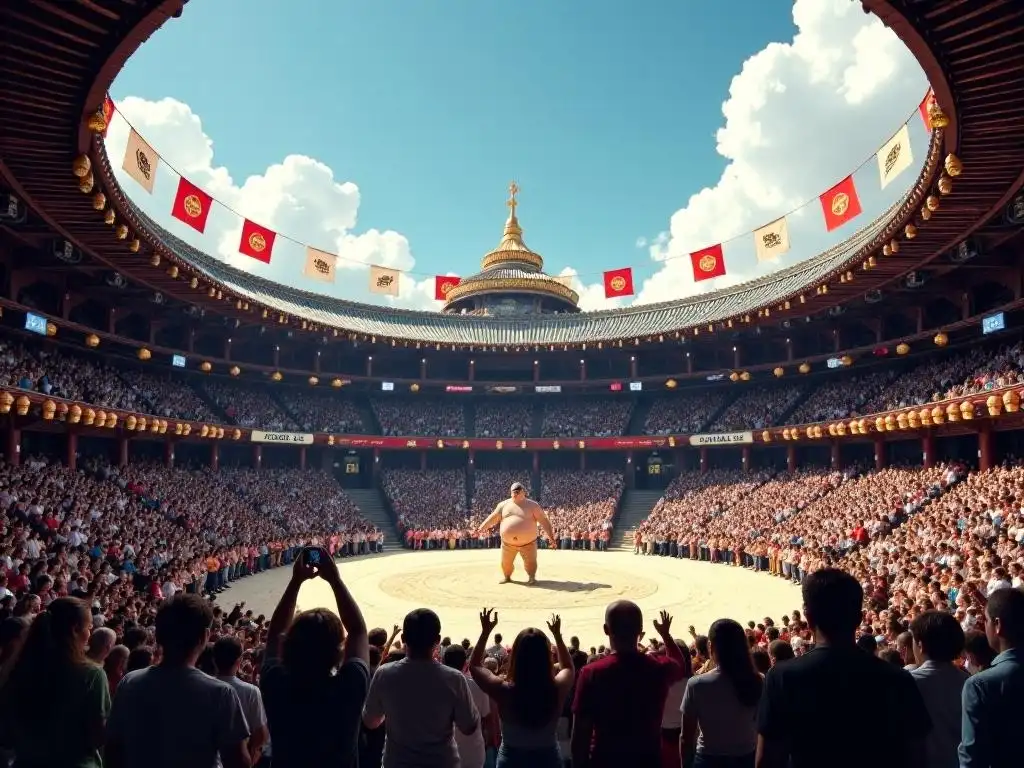
Sumo wrestling, known as "sumō" in Japanese, has roots that trace back to ancient rituals and practices. The origins of this traditional sport are believed to date back over a thousand years, with the earliest references found in the "Nihon Shoki," a historical chronicle from 720 AD. This text describes a wrestling match held during a ceremonial festival, indicating that sumo was originally part of Shinto rituals aimed at ensuring a good harvest and appeasing the deities.
The earliest forms of sumo were quite different from the modern sport we see today. Matches were often held in natural settings, such as rice fields, and were accompanied by offerings and prayers. The wrestlers, known as "rikishi," were often regarded as spiritual figures tasked with protecting the community. Their physical prowess was celebrated, and these early events served both as entertainment and religious observance.
Evolution of Sumo Wrestling During the Edo Period
The Edo period (1603-1868) marked a significant transformation in the sport of sumo wrestling, as it transitioned from a religious ceremony to a popular form of entertainment and a structured competitive sport. During this time, several key developments contributed to the evolution of sumo:
- Formalization of Rules: The Edo period saw the establishment of standardized rules governing sumo matches. This included the creation of the "dohyo," or wrestling ring, which was constructed from clay and rice straw, and the introduction of specific techniques and regulations for winning a match.
- Professionalization: Sumo began to take on a more professional character, with the rise of stablemasters, or "oyakata," who trained wrestlers and managed their careers. This led to a system of rankings and titles, allowing rikishi to gain social status and recognition based on their performance.
- Cultural Integration: The popularity of sumo during the Edo period was not limited to the wrestling matches themselves. Sumo became intertwined with various aspects of Edo culture, influencing art, literature, and theater. Artists such as Utagawa Kuniyoshi produced woodblock prints depicting famous wrestlers, while kabuki plays often featured sumo-themed stories, further embedding the sport into the cultural fabric of the time.
- Public Spectacle: Sumo matches in the Edo period attracted large audiences, often held in grand arenas. The excitement of the matches, combined with the festive atmosphere, made sumo a beloved public spectacle. Festivals and tournaments, such as the "Hatsu Basho" (New Year Tournament), became major events, drawing crowds from all over Japan.
- Social Structure and Class: Sumo wrestling during this era also reflected the social hierarchy of Japan. Wrestlers from different backgrounds competed alongside each other, but those who belonged to the samurai class often received more respect and recognition. This dynamic highlighted the intersection of sport, class, and culture in Edo society.
Overall, the evolution of sumo wrestling during the Edo period laid the foundation for the sport as we know it today. The combination of ritual, entertainment, and cultural significance transformed sumo into a national pastime, deeply rooted in the history and ethos of Japan.
The Role of Sumo Wrestling in Edo Society
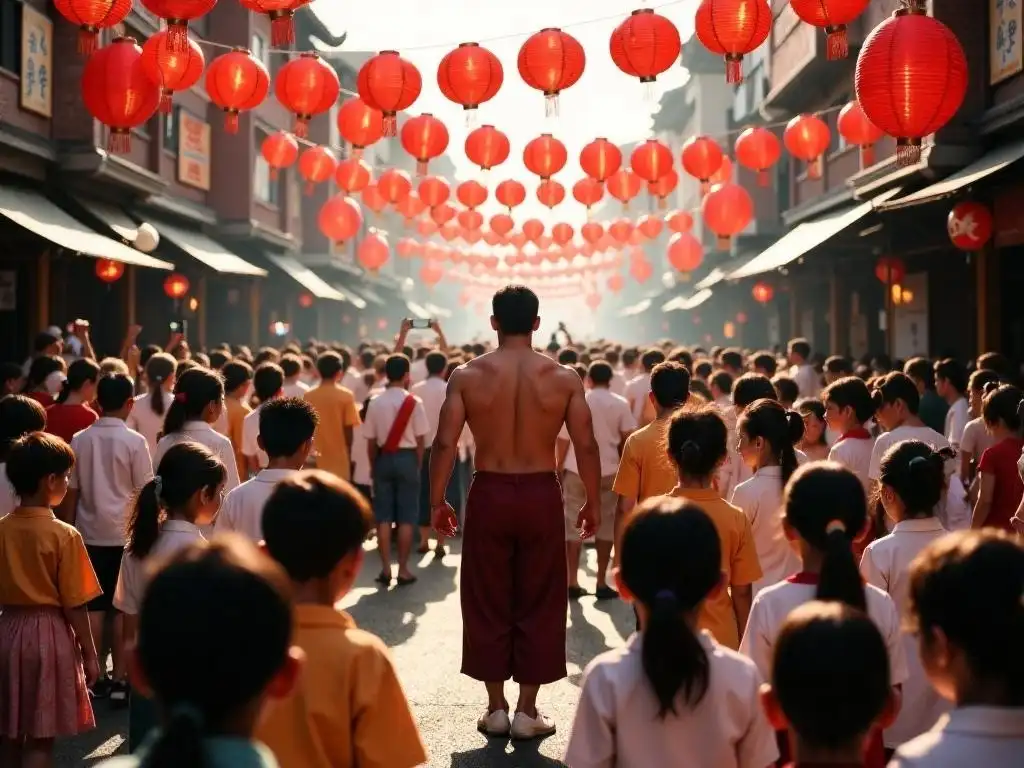
Sumo wrestling during the Edo period (1603-1868) was not merely a sport; it was a vital component of Edo society, intertwining entertainment, social hierarchy, and cultural festivities. This traditional sport flourished in an era characterized by relative peace, allowing it to evolve into a popular spectacle that attracted various social classes and served multiple functions within the community.
Sumo Wrestling as a Form of Entertainment
Sumo wrestling became an essential form of entertainment in Edo, drawing large crowds eager to witness the physical prowess and ritualistic elements of the matches. The sport was characterized by its unique blend of athleticism, tradition, and spectacle.
- Public Matches: Sumo matches often took place in designated arenas, such as the famous Edo's Ryogoku district, where thousands gathered to watch bouts. These events were not only competitions but also social gatherings, where people from different walks of life congregated to enjoy the spectacle.
- Cultural Significance: The rituals associated with sumo, including the purification of the ring with salt and the ceremonial entrance of the wrestlers, added layers of cultural significance that resonated with the audience. The grandeur of these rituals made each match an event steeped in tradition, further enhancing its appeal.
- Regional Competitions: Beyond the main events in Edo, regional competitions also contributed to the sport's popularity, showcasing local talents and encouraging community engagement. These competitions fostered a sense of local pride and competition, drawing spectators who supported their home wrestlers.
Sumo wrestling as entertainment thus played a crucial role in the cultural landscape of Edo, providing a platform for social interaction and community bonding.
The status of sumo wrestlers in Edo society was a complex issue, reflecting broader societal values and hierarchies. Wrestlers enjoyed a unique position that was both revered and scrutinized.
- Professional Recognition: Successful sumo wrestlers gained celebrity status, often becoming household names. Their physical prowess and skill in the ring earned them respect and admiration from all social classes. Notably, champions were often depicted in ukiyo-e (woodblock prints), immortalizing their image and achievements.
- Social Mobility: For some wrestlers, sumo represented a pathway to social mobility. Wrestlers from humble backgrounds could rise to prominence if they excelled in the sport. This potential for upward mobility attracted many young men to pursue a career in sumo, motivated by the promises of fame and fortune.
- Discrimination and Scrutiny: Despite their status, sumo wrestlers also faced discrimination and societal scrutiny. Their lifestyle, which often included rigorous training and a distinctive diet, set them apart from the general populace. Additionally, some viewed them as lower in the social hierarchy compared to samurai and merchants, complicating their standing in society.
The intricate social dynamics surrounding sumo wrestlers highlight the sport's dual role as both a means of prestige and a source of societal tension within Edo.
Sumo Wrestling and Edo's Festivals
Sumo wrestling was deeply embedded in the festivals and celebrations of Edo, reinforcing its cultural significance and communal spirit.
- Seasonal Festivals: Major festivals often featured sumo matches as a central attraction. Events like the annual Hatsu Basho (New Year’s Tournament) drew massive crowds, integrating sumo into the fabric of festive celebrations. These matches transformed festivals into vibrant showcases of local talent and community pride.
- Rituals and Offerings: During festivals, sumo matches were often accompanied by rituals and offerings to deities, reflecting the spiritual dimensions of the sport. The connection between sumo and Shinto beliefs was evident in the practices of purifying the ring and dedicating the matches to the gods, reinforcing the notion that sumo was more than just a physical contest.
- Community Engagement: The inclusion of sumo in festivals fostered a sense of unity among spectators, as they collectively supported their favorite wrestlers. This communal engagement strengthened social bonds and created a shared cultural identity centered around the sport.
Sumo wrestling during the Edo period was a multifaceted institution that thrived through its role in entertainment, social dynamics, and cultural festivals, solidifying its place in the historical narrative of Japan's feudal society.
Key Features of Sumo Wrestling in the Edo Period
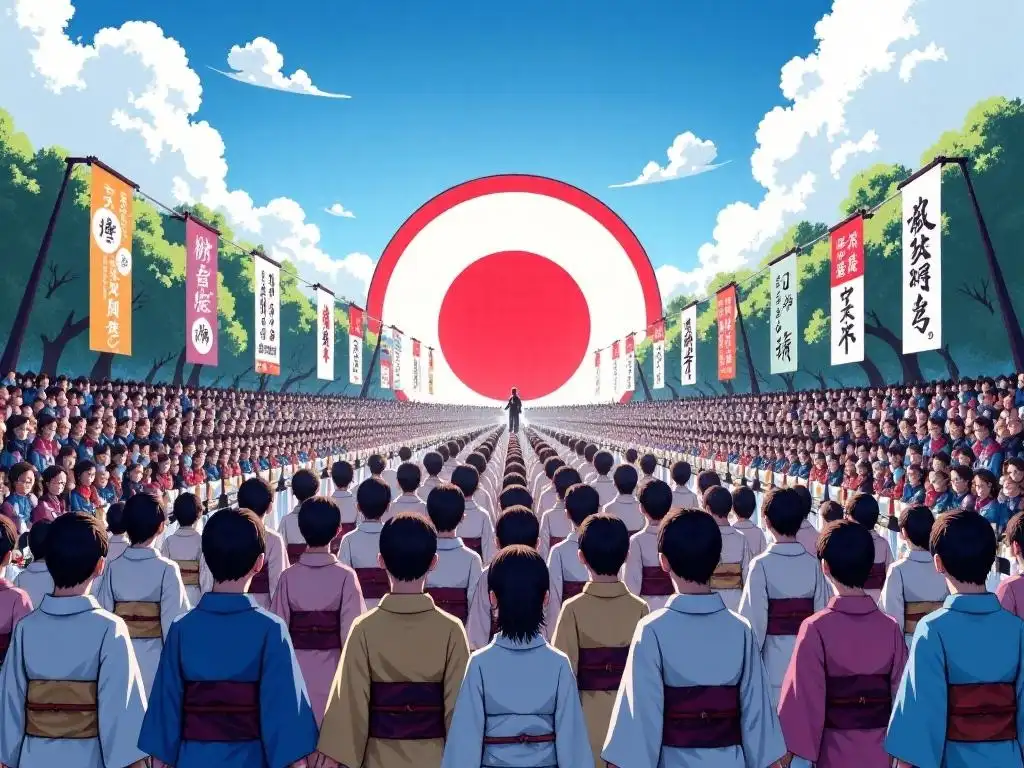
Sumo wrestling in the Edo period (1603-1868) emerged as not only a sport but also a significant cultural phenomenon that reflected the values, traditions, and societal norms of the time. This era saw the formalization of sumo practices, which were deeply intertwined with religious rituals and the everyday lives of the people. Below, we explore the key features that defined sumo wrestling during this fascinating period in Japanese history.
Traditional Sumo Wrestling Techniques and Styles
Sumo wrestling techniques, known as "shiai", incorporated a variety of styles and maneuvers that were essential for success in the ring. The primary techniques can be categorized as follows:
- Nage Waza (Throwing Techniques): These techniques involved utilizing an opponent's weight and momentum to execute throws. Notable examples include:
- Yoko Nage: A sideways throw.
- Uwatenage: A throw executed with an overarm grip.
- Oshi Waza (Pushing Techniques): In this category, wrestlers employed pushing and shoving techniques to force their opponents out of the ring. Key moves include:
- Tsuppari: A series of rapid thrusts.
- Hikiotoshi: Pulling down an opponent while pushing.
- Yori Waza (Wrestling Techniques): This style focused on grappling and gaining a superior position, allowing wrestlers to control their opponents. Common maneuvers include:
- Yori-kiri: Forcing an opponent out of the ring while maintaining a grip.
- Shove and lift techniques: Used to unbalance the opponent.
These techniques evolved through rigorous training, and wrestlers would often practice under the guidance of seasoned coaches in "heya" (training stables). The mastery of these techniques was crucial, as the competition was fierce, and the techniques themselves were often a reflection of a wrestler's lineage and training.
Rituals and Ceremonies Associated with Sumo Wrestling
The Edo period saw the incorporation of various rituals and ceremonies that enhanced the spiritual significance of sumo wrestling. These practices not only emphasized the sport's connection to Shinto beliefs but also elevated the stature of wrestlers as cultural icons. Key rituals included:
- Kensho: Before each bout, wrestlers would perform a series of ceremonial gestures, which included purifying the ring with salt. This ritual was believed to ward off evil spirits and ensure a fair contest.
- Dohyo-iri (Ring Entering Ceremony): The formal entrance of wrestlers into the sumo ring was a grand spectacle, where they would don traditional "yukata" and perform symbolic movements that showcased their readiness for battle.
- Miko (Shinto Priestess): Often present at sumo events, Miko would conduct blessings and rituals to invoke the favor of the deities, ensuring the safety and success of the wrestlers.
- Seasonal Festivals: Sumo matches were often held in conjunction with local festivals, linking the sport with the community and fostering a sense of togetherness among spectators and participants alike.
These rituals underscored the cultural significance of sumo wrestling in Edo Japan, making it a key aspect of societal identity and tradition.
The Architecture of Sumo Wrestling Arenas in Edo Japan
The architecture of sumo wrestling arenas, known as "dohyo," during the Edo period was integral to the sport's cultural landscape. Key architectural features and designs included:
- Natural Elements: Dohyos were traditionally constructed using clay and sand, mimicking the natural environment. The circular shape symbolized the cyclical nature of life and the earth.
- Dohyo Ring: The ring itself was raised slightly above the ground, often surrounded by a wooden platform known as the "dohyo-mune," where officials and spectators could observe the matches. The ring's dimensions varied, but it typically measured around 4.5 meters in diameter.
- Shinto Influence: Many arenas were adorned with sacred Shinto symbols, such as ropes made of rice straw known as "shimenawa", which marked the boundaries of the sacred space and provided spiritual protection.
- Seating Arrangements: Spectator areas were designed with a tiered system to accommodate large crowds. Traditional seating was often done on tatami mats, allowing fans to engage closely with the matches in a communal atmosphere.
- Main Arena Structures: Larger events were held in specially constructed buildings, such as the Edo's Ryogoku Kokugikan, which became a focal point for major sumo tournaments and showcased the grandeur of the sport.
These architectural elements not only facilitated the matches but also highlighted the cultural significance of sumo wrestling within Edo society, emphasizing its role as a communal and celebratory event.
The unique interplay of techniques, rituals, and architectural features in sumo wrestling during the Edo period reveals much about the society's values and traditions, making it a captivating subject for those interested in Japan's cultural history.
Prominent Figures in Edo Period Sumo Wrestling
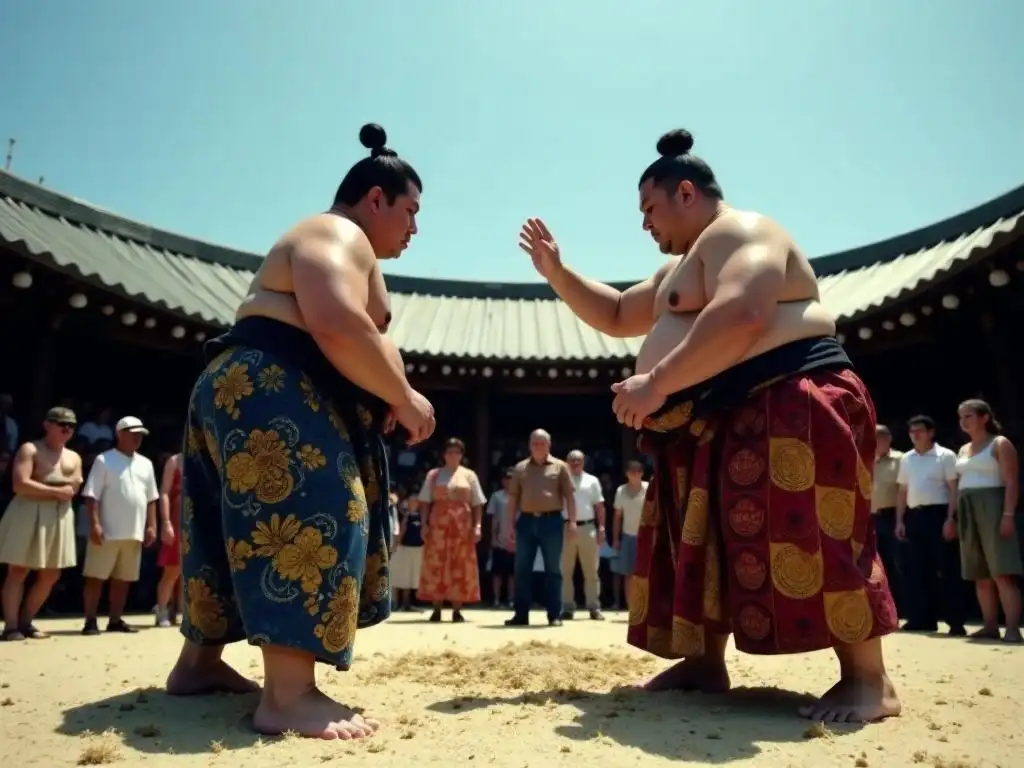
Notable Sumo Wrestlers of the Edo Period
The Edo period (1603-1868) was a golden age for sumo wrestling, marked by the emergence of several notable wrestlers who left an indelible mark on the sport. These athletes not only excelled in the ring but also influenced the culture and perception of sumo within society.
-
Yokozuna Raiden Tameemon
Raiden Tameemon, who competed in the late 18th century, is often regarded as one of the greatest sumo wrestlers in history. He was known for his exceptional strength and technique, holding the yokozuna title for an impressive span of 16 years. His matches consistently drew large crowds, and his fame contributed significantly to the popularity of sumo wrestling during the Edo period.
-
Yokozuna Tanikaze Kajinosuke
Another legendary figure, Tanikaze, was known for his remarkable agility and powerful throws. He became the first wrestler to be officially recognized as a yokozuna in 1789. His rivalry with Raiden Tameemon captivated audiences, and their matches are still celebrated today. Tanikaze's contributions to sumo wrestling techniques are still studied by modern wrestlers.
-
Kitanoumi Katsuaki
Competing in the early 19th century, Kitanoumi was known for his innovative fighting style that emphasized speed and technique. He held the yokozuna title and was a significant figure in promoting sumo wrestling as a respected sport among the samurai class and the common people alike.
-
Kiseki no Naka (Kiseki the Great)
Known for his enormous size and strength, Kiseki was a prominent figure in the latter part of the Edo period. His battles were characterized by brute strength, and he became a folk hero among the common people. His legacy helped to elevate the status of sumo wrestling as a national sport, intertwining it with the cultural identity of Japan.
These wrestlers not only shaped the competitive landscape of sumo but also influenced its cultural significance, paving the way for future generations of wrestlers and fans.
The Influence of Sumo Wrestling on Edo Culture
Sumo wrestling during the Edo period was not merely a sport; it was a cultural phenomenon that permeated various aspects of society, influencing art, religion, and social hierarchy.
-
Cultural Significance
Sumo wrestling was deeply rooted in Shinto beliefs, with rituals and ceremonies integral to the sport. The dohyo (wrestling ring) is considered sacred, and matches often began with a purification ceremony, emphasizing the spiritual connection between the wrestlers and the gods. This blend of sport and spirituality highlighted sumo's role in Edo culture as a form of entertainment and religious expression.
-
Art and Literature
The popularity of sumo wrestling extended to the arts, with ukiyo-e (woodblock prints) and literature depicting matches and wrestlers. Artists such as Utagawa Kuniyoshi created vibrant prints showcasing famous wrestlers in dynamic poses, capturing the intensity and drama of the matches. These artworks contributed to the idolization of wrestlers, making them cultural icons of the time.
-
Social Hierarchy and Class
Sumo wrestling served as a reflection of the social hierarchy within Edo society. While predominantly associated with the samurai class, sumo also provided opportunities for commoners to ascend socially through talent and skill. The emergence of professional wrestlers from various backgrounds contributed to a more inclusive view of the sport, fostering a sense of unity among the populace.
-
Economic Impact
The thriving sumo wrestling scene significantly impacted the economy, with sumo tournaments attracting large crowds and boosting local businesses. Festivals and celebrations surrounding sumo matches became major events, drawing spectators from all walks of life, and contributing to the cultural vibrancy of the Edo period.
Sumo wrestling in the Edo period played a pivotal role in shaping the cultural landscape of Japan. Its influence extended beyond the wrestling ring, embedding itself into the very fabric of society through religion, art, and social dynamics. This enduring legacy continues to resonate in modern Japan, where sumo remains a cherished tradition.
The Decline and Transformation of Sumo Wrestling
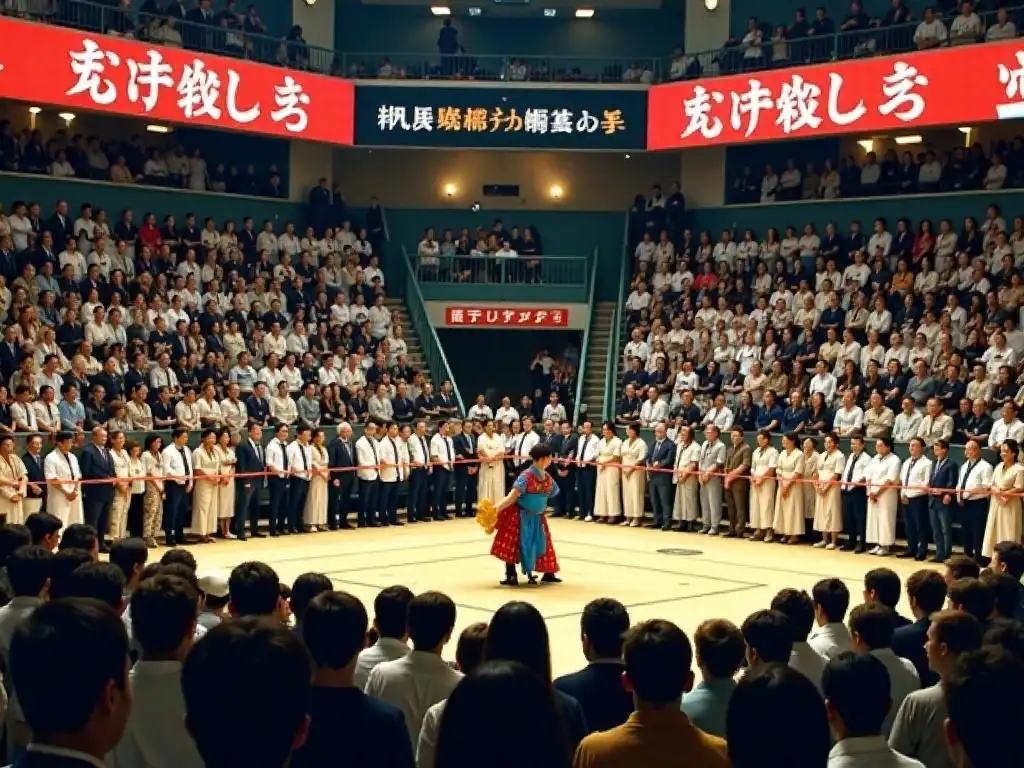
The Edo period (1603-1868) marked a significant era for sumo wrestling, where the sport flourished in popularity and became a vital aspect of Edo culture. However, as Japan transitioned into the Meiji era, sumo wrestling experienced a decline and transformation that would redefine its role in society. Understanding this evolution reveals how historical events and societal changes impacted sumo, leading to its modern form.
Factors Leading to Changes in Sumo Wrestling Post-Edo
The transition from the Edo period to the Meiji era brought about various factors that influenced the decline and transformation of sumo wrestling.
- Political Changes:
- The Meiji Restoration in 1868 dismantled the feudal system that supported sumo wrestling as a state-sponsored sport. The new government focused on modernization and Westernization, which often sidelined traditional practices.
- The shift in political power also meant that many sumo stables lost their patronage, leading to financial difficulties and a decrease in the number of active wrestlers.
- Cultural Shifts:
- The influx of Western culture introduced new sports and entertainment forms, such as baseball and soccer, which began to captivate the public's interest. This growing enthusiasm for Western sports diminished the spotlight on sumo wrestling.
- As Japan opened its doors to international influences, the perception of sumo as a national sport was challenged, leading to a decline in its prominence.
- Economic Factors:
- The economic upheaval during the Meiji era, including the struggle of former samurai to adapt to new societal roles, affected sponsorship and attendance at sumo events.
- Many sumo stables faced bankruptcy, forcing them to reduce the number of wrestlers and limit their training facilities.
- Changes in Regulations:
- The establishment of new regulations governing sumo wrestling aimed at modernizing the sport. While these changes were necessary for growth, they also altered traditional practices, leading to tensions within the sumo community.
- The introduction of formalized competitions and rankings, although beneficial for standardization, shifted the focus from regional festivals to more structured events.
The Legacy of Edo Period Sumo Wrestling in Modern Japan
Despite the challenges faced after the Edo period, the legacy of sumo wrestling has endured and evolved, leaving an indelible mark on Japanese culture.
- Cultural Identity:
- Sumo wrestling remains a symbol of Japanese heritage, often featured in festivals and cultural exhibitions. Its rituals and practices are steeped in Shinto traditions, emphasizing the sport’s connection to spirituality and community.
- The continued reverence for sumo in modern Japan showcases its role in maintaining cultural identity, serving as a bridge between the past and present.
- Modern Sumo Organizations:
- The establishment of the Japan Sumo Association in 1925 helped revitalize the sport, ensuring its survival and adaptation to contemporary society. This organization standardized practices and helped promote sumo wrestling both domestically and internationally.
- Modern sumo tournaments attract large audiences, demonstrating that the sport has successfully navigated the changing cultural landscape while retaining its traditional roots.
- International Influence:
- Over the years, sumo wrestling has gained international recognition, with foreign wrestlers joining the ranks of sumo, further enriching the sport’s diversity and appeal.
- The global interest in sumo has led to cultural exchanges and increased tourism, with events drawing spectators from around the world.
While sumo wrestling in the Edo period faced significant challenges during the transition to the Meiji era, its legacy persists. The sport has transformed, adapting to modern times while preserving its rich traditions. The resilience of sumo wrestling illustrates the enduring nature of cultural practices, ensuring that this unique sport continues to thrive in Japan today.
Conclusion: The Enduring Influence of Sumo Wrestling in Japanese Culture
Throughout history, sumo wrestling has not only served as a form of entertainment but has also played a significant role in shaping Japan's cultural identity, particularly during the Edo period. This traditional sport, steeped in rituals and customs, reflects the values of strength, discipline, and respect that are integral to Japanese society. The influences of sumo wrestling can be seen in various aspects of modern Japanese culture, showcasing its enduring legacy.
Reflection on Sumo Wrestling's Cultural Heritage
Sumo wrestling in the Edo period was more than just a physical contest; it was a manifestation of cultural and spiritual values. The rituals surrounding sumo matches include Shinto elements, such as the purification of the ring with salt and the ceremonial dances performed by rikishi (wrestlers). This integration of spirituality and sport highlights the reverence for tradition that characterizes Japanese culture.
The Edo period saw the establishment of sumo as a formalized sport, with the creation of official tournaments and the codification of rules. As a result, sumo became a popular spectator sport among the samurai and commoners alike, fostering a sense of community and shared identity. The rich history of sumo wrestling is preserved in various art forms, including ukiyo-e woodblock prints and kabuki theatre, which depict wrestlers and matches, further embedding the sport within the cultural fabric of Japan.
Moreover, sumo wrestling has influenced language and literature, with numerous proverbs and sayings rooted in the sport. The concept of "fighting spirit" (気合, kiai) derived from sumo continues to inspire individuals across various fields in Japan, demonstrating its impact beyond the ring.
Future of Sumo Wrestling and its Historical Roots
As sumo wrestling continues to evolve in contemporary Japan, it faces both challenges and opportunities for growth. The sport remains deeply connected to its historical roots, yet it is adapting to modern societal changes. For instance, efforts to internationalize sumo, including the inclusion of foreign wrestlers, have broadened its appeal and audience. This globalization may introduce fresh perspectives while maintaining the essential qualities that define sumo.
In addition, the preservation of traditional practices is vital for the future of sumo wrestling. Organizations and governing bodies are working to ensure that rituals, training techniques, and the historical context of the sport are passed down to future generations. This commitment to heritage is crucial in maintaining the authenticity of sumo wrestling amidst the pressures of modernization.
Looking ahead, the enduring influence of sumo wrestling in Japanese culture will likely continue to thrive, as it embodies the spirit of resilience, honor, and community. The sport's rich historical narrative offers valuable lessons and connections to Japan's past, ensuring that it remains a significant aspect of cultural heritage for years to come.
Frequently Asked Questions
What was the significance of sumo wrestling during the Edo period?
Sumo wrestling served as a major cultural activity and entertainment in Edo Japan, reflecting the societal values and spiritual beliefs of the time.
How did sumo wrestling influence Japanese culture in the Edo period?
The sport became a symbol of strength and honor, influencing various aspects of art, literature, and even religious practices throughout the era.
What were the rules and rituals associated with sumo wrestling in Edo Japan?
Sumo had strict rules and rituals, including pre-match ceremonies and specific moves, emphasizing respect and discipline among wrestlers.
Sumo wrestlers were often viewed with high regard, but their social status could vary, with some achieving noble rank while others remained in lower classes.
What role did sumo wrestling play in Edo period festivals?
Sumo matches were a central feature of many festivals, drawing large crowds and serving as a means to promote community spirit and local pride.
Final Reflection: The Enduring Legacy of Sumo Wrestling in Edo Japan
Sumo wrestling in the Edo period is not merely a sport; it is a vibrant tapestry of culture, tradition, and identity that continues to resonate in today's society. The rituals, values, and community spirit encapsulated in this ancient practice remind us of the importance of preserving our heritage while adapting to modernity. As we navigate a rapidly changing world, the lessons from Edo Japan's sumo wrestling can guide us in fostering resilience and unity within our communities.
The impact of sumo wrestling extends far beyond the ring, shaping social dynamics and cultural narratives throughout history. This traditional sport has influenced art, literature, and even the spiritual lives of many, creating a rich cultural legacy that endures to this day. In sumo, we find not just a sport, but a reflection of life itself—its struggles, its triumphs, and its deep-rooted traditions.
The ongoing popularity of sumo wrestling serves as a testament to its ability to adapt and thrive, reminding us that cultural practices can evolve while still honoring their origins.
As you reflect on the significance of sumo wrestling in the Edo period, I invite you to consider how these lessons can be applied in your own life. Embrace the values of discipline, respect, and community that sumo embodies, and find ways to incorporate them into your daily interactions. Let the spirit of sumo inspire you to connect with your own traditions and to celebrate the diverse cultures that enrich our world. Together, we can ensure that the legacy of sumo wrestling continues to thrive for generations to come.
Experience the Thrill of Sumo Today!
Thank you for joining us on this fascinating journey through the rich tradition of sumo wrestling in Edo Japan! We hope you've gained valuable insights into this unique sport and its vibrant cultural significance. Now, let’s bring this experience to life—here’s how you can connect with sumo wrestling in an exciting way!
- Attend a live sumo match in your area or plan a visit to Japan to witness the intensity and tradition of this incredible sport firsthand.
- Explore local dojos and consider signing up for a trial class, where you can learn the basic techniques and principles of sumo wrestling.
- Share your newfound knowledge! Discuss what you've learned with friends or share it on social media—help spread the passion for sumo wrestling and its historical roots.
What aspect of sumo wrestling fascinates you the most, and how do you plan to incorporate that into your own life?