
Epic Narratives: The Impact of The Tale of the Heike on Japanese Culture

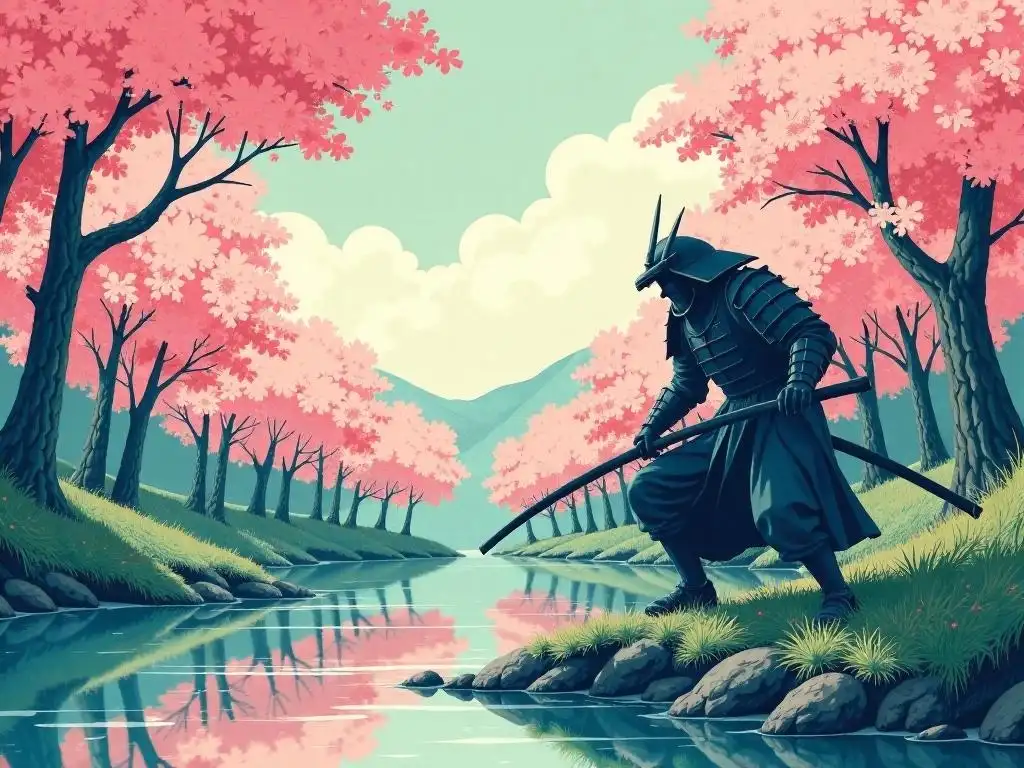
Welcome to Feudal Japan History, where we embark on a fascinating journey through the rich tapestry of Japan's feudal era. Here, history comes alive as we delve deep into the cultural, societal, and historical intricacies that shaped this remarkable period. In our featured article, "Epic Narratives: The Impact of The Tale of the Heike on Japanese Culture," we explore how this legendary text not only narrates the epic battles of the past but also continues to influence modern Japanese identity and art.
Join us as we uncover the layers of meaning and significance behind this timeless tale, sparking your curiosity and inviting you to explore the profound connections between history and culture. What secrets does The Tale of the Heike hold? Read on to discover!
- Introduction to the Tale of the Heike Influence
- Historical Context of the Tale of the Heike
- Thematic Elements of the Tale of the Heike
- The Tale of the Heike's Influence on Japanese Literature
- Cultural Impact of the Tale of the Heike
- The Tale of the Heike's Influence on Japanese Society
- Contemporary Relevance of the Tale of the Heike
- Conclusion: The Enduring Legacy of the Tale of the Heike Influence
- Frequently Asked Questions
- Final Reflection: The Enduring Influence of the Tale of the Heike
- Unlock the Epic Journey of Japanese Heritage!
Introduction to the Tale of the Heike Influence
The Tale of the Heike is one of Japan's most significant literary works, encapsulating the essence of the feudal era's tumultuous history, culture, and values. This epic narrative, which chronicles the rise and fall of the Taira clan during the late Heian period, serves as a vital cultural artifact that reflects the social dynamics, warrior ethos, and aesthetic sensibilities of its time.
The influence of the Tale of the Heike extends far beyond its historical narrative; it has profoundly shaped the way Japanese identity, honor, and artistry are perceived and expressed. As we delve into the layers of this literary masterpiece, we will explore its enduring impact on Japanese culture and how its themes resonate with contemporary societal issues.
Overview of the Tale of the Heike
The Tale of the Heike, or Heike Monogatari, is a narrative that intertwines history and mythology, presenting a dramatic account of the Genpei War (1180-1185) between the Taira and Minamoto clans. This work, composed in the late 12th century, is notable not only for its historical significance but also for its rich storytelling and poetic elements.
Key aspects of the Tale of the Heike include:
- Historical Context: The story takes place in a period marked by political upheaval and the decline of the imperial court's power.
- Characterization: The text features a range of characters, from noble warriors to tragic figures, illustrating the complexities of human nature and the moral dilemmas faced during the conflict.
- Themes: Central themes such as impermanence ( mono no aware), valor, and the consequences of ambition are elegantly woven into the narrative, offering insights into the human condition.
Through its intricate structure and compelling storytelling, the Tale of the Heike not only serves as a historical account but also as a profound commentary on the values and beliefs that shaped Japanese society.
Importance of the Tale in Japanese Culture
The Tale of the Heike holds a pivotal place in Japanese culture, influencing literature, art, and performance. Its impact can be observed in several areas:
- Literary Influence: The narrative style and themes found in the Tale of the Heike have inspired countless writers and poets throughout Japanese history, contributing to the development of the kanbun and narrative poetry genres.
- Artistic Representations: The epic has been a rich source for artists, with many traditional ukiyo-e prints and paintings depicting scenes from the tale, thereby immortalizing its characters and events in visual art.
- Performing Arts: The Tale of the Heike has also significantly impacted Japanese performing arts, particularly in Noh and Bunraku theater, where its stories are retold and reinterpreted, keeping its legacy alive through generations.
- Cultural Identity: As a narrative deeply embedded in the fabric of Japanese culture, the Tale of the Heike continues to resonate with themes of honor, loyalty, and the transient nature of life, shaping the collective consciousness of the Japanese people.
Purpose of the Article
This article aims to provide a comprehensive exploration of the Tale of the Heike and its profound influence on Japanese culture. By examining its historical context, literary significance, and ongoing impact on various cultural domains, we seek to illuminate how this epic narrative not only reflects the values of its time but also continues to inspire and inform contemporary Japanese identity. As we embark on this journey through the Tale of the Heike, we invite readers to appreciate the depth of its influence and the richness of the cultural heritage it represents.
Historical Context of the Tale of the Heike
The Tale of the Heike is not only a cornerstone of Japanese literature but also a vivid reflection of the historical landscape of feudal Japan. Understanding its historical context provides insight into its themes, characters, and the societal values of the time. The composition of this epic narrative coincided with significant political upheaval and cultural shifts, which shaped its narrative and relevance.
Origins of the Tale in Feudal Japan
The Tale of the Heike originated during the late 12th century, amidst the tumultuous Genpei War (1180-1185) between the Taira and Minamoto clans. This civil conflict was not just a struggle for power but also a clash of differing ideologies and social structures that defined the era. The tale is believed to have been transmitted orally by bards called biwa hōshi, who performed it using the biwa, a traditional Japanese lute.
The narrative's roots can be traced back to the warrior culture that emerged as the samurai class gained prominence. As the feudal system became entrenched, the stories of valor, honor, and tragedy began to circulate, reflecting the values that the samurai held dear. The tale encapsulates the ethos of the time, emphasizing concepts such as bushido (the way of the warrior), loyalty, and the transience of life, which resonates deeply with the Buddhist philosophy prevalent in Japanese culture.
Key Historical Events Depicted in the Tale
The Tale of the Heike chronicles several pivotal events during the Genpei War, most notably:
- The Battle of Dan-no-ura (1185):
- This naval confrontation marked the dramatic conclusion of the Genpei War. The defeat of the Taira clan at Dan-no-ura resulted in the end of their dominance and the rise of the Minamoto clan, setting the stage for the Kamakura period.
- The tale poignantly describes the Taira's final moments, emphasizing themes of loss and the inevitability of fate.
- The Rise and Fall of the Taira Clan:
- The narrative explores the Taira clan's ascent to power, showcasing their initial triumphs and subsequent decline. Key figures like Taira no Kiyomori are depicted, reflecting the complexities of leadership and ambition.
- The Minamoto's Struggle for Supremacy:
- The tale provides insight into the Minamoto clan's strategies and alliances, detailing their quest for power and the moral dilemmas faced by its leaders, such as Minamoto no Yoshitsune.
These events are not just historical accounts; they are infused with emotional depth, exploring the human condition amidst the chaos of war. The Tale of the Heike thus serves as both a historical document and a profound commentary on the nature of conflict and honor.
The Role of Oral Traditions in the Tale's Transmission
The transmission of the Tale of the Heike is inextricably linked to the oral traditions of feudal Japan. Before its eventual documentation, the tale existed in an oral form, passed down through generations by skilled performers. This method of storytelling played a crucial role in preserving the narrative and its cultural significance.
- Cultural Significance:
- The biwa hōshi would often perform in public spaces, engaging audiences with their emotive storytelling techniques. This practice not only kept the tale alive but also allowed for variations that reflected local interpretations and societal values.
- Adaptation and Evolution:
- As the tale was transmitted orally, it evolved, incorporating contemporary events and sentiments. This adaptability ensured that the Tale of the Heike remained relevant to different audiences over time, allowing it to resonate with the collective memory of the Japanese people.
- Preservation of Historical Memory:
- Oral traditions served as a means of preserving historical memory, particularly in an era with limited literacy rates. The Tale of the Heike became a cultural touchstone, helping to forge a shared identity among the samurai class and the broader populace.
The Tale of the Heike stands as a vital testament to the historical, cultural, and societal dynamics of feudal Japan. Its origins, the key historical events depicted, and the vital role of oral traditions highlight the epic's profound influence on Japanese culture, ensuring that its legacy endures through time.
Thematic Elements of the Tale of the Heike
The Tale of the Heike is a monumental piece of literature that not only recounts the rise and fall of the Taira clan during the Genpei War but also encapsulates profound thematic elements that resonate deeply within Japanese culture. These themes have influenced various aspects of Japanese art, literature, and philosophy, making the Tale of the Heike a cornerstone of cultural identity. Understanding these themes is essential for appreciating the narrative's enduring legacy.
Major Themes Explored in the Tale
The Notion of Impermanence (Mono no Aware)
A central theme in the Tale of the Heike is mono no aware, the Japanese concept that emphasizes the beauty of transient moments and the sadness of impermanence. This theme is vividly illustrated through various episodes in the narrative, where characters experience fleeting glory followed by inevitable downfall.
- Examples of Impermanence:
- The Taira clan, once powerful and dominant, faces the harsh realities of defeat and death, symbolizing the transient nature of power and life.
- The lamentation of fallen warriors and beautiful landscapes fading echoes the concept that all things, whether joyous or sorrowful, are temporary.
The narrative's reflective tone encourages readers to appreciate the beauty in the ephemeral, fostering a deeper emotional response to the characters' struggles and losses. The repeated phrase, "The sound of the bell tolls for all," resonates throughout the text, serving as a reminder that life is fleeting.
Heroism and Tragedy in the Tale
Another significant theme is the exploration of heroism and tragedy, where characters are often faced with moral dilemmas that highlight the complexities of human nature. The Tale of the Heike presents its heroes not as flawless paragons but as deeply flawed individuals grappling with their fate.
- Key Characters:
- Taira no Kiyomori: His ambition leads to his rise, yet his hubris ultimately precipitates his downfall.
- Minamoto no Yoshitsune: A celebrated hero whose tragic fate underscores the idea that even the most heroic figures can be brought low by betrayal and misfortune.
This duality of heroism and tragedy reflects the broader societal values of loyalty, honor, and sacrifice, while also questioning the nature of true heroism. The narrative compels readers to consider whether glory is worth the price of suffering and loss.
Symbolism and Imagery in the Heike Narrative
The Tale of the Heike employs rich symbolism and imagery that enhance its thematic depth and emotional resonance. Through various elements, the narrative creates a vivid tapestry that reflects the historical and cultural contexts of feudal Japan.
- Nature Imagery: The frequent references to natural elements — such as falling cherry blossoms, raging storms, or serene rivers — serve to symbolize the characters' emotional states and the impermanence of life. For example, the cherry blossom is often associated with beauty and fleeting life, mirroring the transient nature of the Taira's power.
- Symbolic Objects:
- The Taira's Golden Bell: Represents both their wealth and power, as well as the impending doom that accompanies such privilege.
- Weapons and Armor: These symbolize the warrior's honor and their inevitable fate in battle, reinforcing the themes of conflict and mortality.
The effective use of symbolism and imagery in the Tale of the Heike not only enriches the narrative but also serves as a reflection of the societal values and beliefs of the time. By engaging with these elements, readers can gain a better understanding of how the Tale of the Heike has influenced Japanese culture, embedding the themes of impermanence, heroism, and tragedy into the collective consciousness of a nation.
The Tale of the Heike's Influence on Japanese Literature
The Tale of the Heike is a seminal work in Japanese literature, significantly shaping the narrative traditions and themes that would follow. This epic, which recounts the struggles between the Taira and Minamoto clans during the late Heian period, serves as both a historical account and a profound meditation on the nature of power, loss, and the impermanence of life. Its influence extends beyond mere storytelling, impacting the structure, themes, and cultural significance of subsequent literary works in Japan.
Impact on Subsequent Literary Works
The Tale of the Heike set a precedent for later Japanese literature, particularly in its incorporation of historical events into narrative form. Several key aspects of its influence can be observed:
- Thematic Resonance: The themes of honor, betrayal, and the transient nature of life resonate deeply within Japanese literature. Works such as The Tale of Genji and Naraehon (narrative picture books) echo the emotional depth and philosophical insights found in the Heike. These subsequent works often explored the fragility of human existence, mirroring the Heike's portrayal of the rise and fall of the Taira clan.
- Character Archetypes: The characterizations found in the Heike laid the groundwork for archetypal figures in later narratives. For instance, the tragic hero, a common figure in Japanese storytelling, is prominently featured in the Heike, influencing characters in later tales, such as those in Yoshitsune and the Thousand Cherry Trees.
- Narrative Techniques: The Heike’s use of a non-linear narrative and multiple perspectives has inspired countless authors. This approach can be seen in modern Japanese literature, where fragmented narratives and shifting viewpoints add complexity and depth, allowing for richer interpretations of events and characters.
Adaptations in Various Literary Forms
The impact of the Tale of the Heike transcends traditional narrative forms. Its themes and stories have been adapted into various literary genres, showcasing its profound influence:
- Noh and Kabuki Theatre: The Heike has been adapted into numerous Noh and Kabuki plays, where its poignant tales of loss and honor are visually and emotionally dramatized. The character of Yoshitsune, in particular, has become a staple figure in these performances, illustrating the tale's lasting impact on Japanese performing arts.
- Poetry: The Tale of the Heike has also inspired poets throughout the ages. The use of waka (traditional Japanese poetry) to express the emotions and themes from the Heike not only preserves its stories but also enriches the poetic landscape of Japan. Poets like Matsuo Bashō have drawn from the Heike's themes, integrating them into their own works to evoke a sense of melancholy and reflection.
- Modern Novels: Contemporary authors continue to reference the Heike, weaving its narratives into modern contexts. Writers such as Yukio Mishima and Tetsuya Akikawa have explored the themes of the Heike in their novels, often reflecting on the historical and cultural implications of its stories in today's society.
The Heike as a Template for Epic Narratives
The Tale of the Heike serves as a foundational template for epic narratives in Japanese literature. Its structure, themes, and character development have been emulated and adapted by countless authors. Key aspects include:
- Epic Scope: The Heike’s vast narrative, encompassing multiple characters and events over an extended timeline, set a standard for future epics. This grand scale allows for an exploration of complex themes such as loyalty, revenge, and the cyclical nature of history.
- Moral and Ethical Dilemmas: The Heike presents characters facing profound moral choices, which has become a hallmark of epic storytelling. This focus on ethical struggle invites readers to engage with the text on a deeper level, encouraging reflection on their own values and beliefs.
- Cultural Identity: The Heike not only tells a story of conflict but also reflects and shapes Japanese cultural identity. Its exploration of concepts like bushido (the way of the warrior) and the mono no aware (the awareness of the impermanence of things) resonates through subsequent works, reinforcing these core aspects of Japanese culture.
The Tale of the Heike stands as a monumental achievement in Japanese literature, influencing a wide array of literary forms and continuing to inspire writers and artists across generations. Its themes, character archetypes, and narrative techniques serve as a rich tapestry from which the fabric of Japanese storytelling is woven.
Cultural Impact of the Tale of the Heike
The Tale of the Heike, an epic narrative chronicling the rise and fall of the Taira clan during the Genpei War, has left an indelible mark on various aspects of Japanese culture. Its themes of tragedy, honor, and the impermanence of life resonate deeply within Japanese society and have inspired a multitude of artistic expressions across generations. This section delves into the profound cultural impact of the Tale of the Heike and its influence on Japanese performing and visual arts.
Influence on Japanese Performing Arts
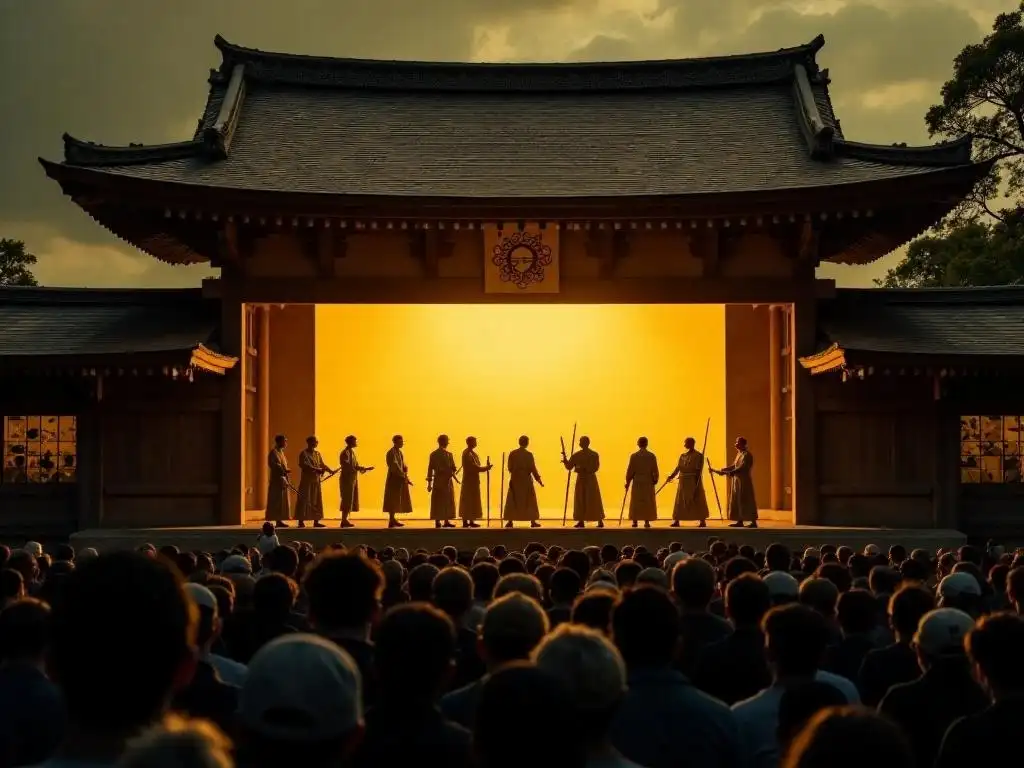
The Tale of the Heike has significantly shaped the landscape of Japanese performing arts, particularly within traditional theater forms. Its rich narrative, complex characters, and poignant themes have provided a wellspring of inspiration for both Noh and Kabuki theater, allowing the story to be retold and reinterpreted through performance.
Noh and Kabuki Adaptations of the Heike
- Noh Theater:
- Noh, characterized by its slow, stylized movements and minimalistic staging, has embraced The Tale of the Heike as a source of profound narrative depth. Key plays such as Hana-no-Mai and Kanjincho draw on the themes of loss and the fleeting nature of glory found in the epic.
- The portrayal of ghostly figures from the Heike, such as Yoshinaka and the spirit of Taira no Kiyomori, is particularly resonant, emphasizing the theme of revenge and the consequences of ambition. The use of masks and subtle gestures in Noh performances encapsulate the emotional weight of the characters, inviting audiences to reflect on the story's moral lessons.
- Kabuki Theater:
- In contrast, Kabuki's vibrant and dynamic style has allowed for more flamboyant adaptations of The Tale of the Heike. For example, productions like Heike Monogatari feature elaborate costumes, dramatic fight scenes, and musical interludes that bring the epic to life in a visually stunning manner.
- Kabuki performances often focus on the heroic aspects of the Taira and Minamoto clans, highlighting the valor and tragedy of individual characters. The incorporation of spectacular stagecraft and sensational storytelling captivates audiences, making the Tale of the Heike accessible to a broader demographic.
Through these adaptations, both Noh and Kabuki not only preserve the narrative of the Tale of the Heike but also reinterpret its themes in ways that resonate with contemporary audiences, ensuring its relevance in modern Japanese culture.
The Tale's Reflection in Visual Arts
The influence of the Tale of the Heike extends beyond performing arts, manifesting prominently in visual arts. Artists have drawn inspiration from its dramatic narratives and memorable characters, creating works that encapsulate the essence of the epic.
Paintings and Ukiyo-e Inspired by the Heike
- Ukiyo-e Prints:
- The Edo period saw a rise in Ukiyo-e, a genre of woodblock prints that captured the everyday life and culture of Japan. Many Ukiyo-e artists, such as Utagawa Kuniyoshi, produced series that depicted key battles and pivotal moments from the Tale of the Heike.
- These prints often feature dramatic imagery, such as the famous Battle of Ichi-no-Tani, showcasing the valor and heroism of warriors like Minamoto no Yoshitsune. The vibrant colors and dynamic compositions invite viewers to immerse themselves in the historical drama, elevating the Tale of the Heike to a visual spectacle.
- Paintings:
- Traditional paintings, too, have reflected the epic's narratives, with artists illustrating scenes from the Tale of the Heike in formats ranging from scrolls to large-scale canvases.
- Notable works include The Tale of the Heike in Pictures, which captures the essence of its tragic narratives through intricate brushwork. These paintings serve not only as artistic expressions but also as historical documentation, preserving the stories for future generations.
The Tale of the Heike has transcended its literary origins, influencing both the performing and visual arts in Japan. The enduring themes of the epic continue to inspire artists and performers alike, ensuring that its legacy remains vibrant in contemporary culture.
The Tale of the Heike's Influence on Japanese Society
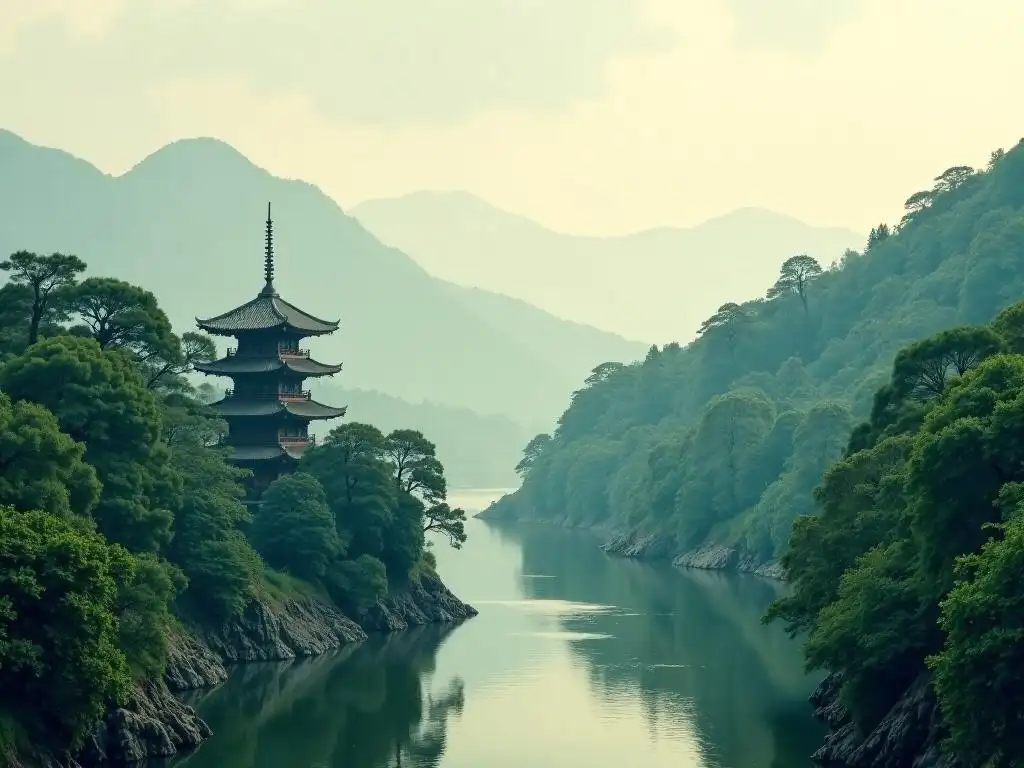
The Tale of the Heike is not merely a historical account; it serves as a moral compass that reflects the social values and ethical dilemmas of feudal Japan. Central to the narrative is the concept of mono no aware, often translated as "the pathos of things," which underscores the transient nature of life and beauty. This ethos is evident in the portrayal of the rise and fall of the Taira clan, illustrating how hubris and the pursuit of power ultimately lead to downfall.
The story emphasizes virtues such as loyalty, honor, and sacrifice, encapsulated in the character of Taira no Kiyomori and his eventual demise. Kiyomori's arrogance and disregard for the Buddhist teachings culminate in a profound moral lesson about the impermanence of power and the importance of humility. This theme resonates throughout the narrative, offering a timeless reflection on the human condition.
Moreover, the Tale of the Heike introduces the notion of giri (duty) versus ninjo (human emotion), which reflects the societal expectations of the samurai class. Characters grapple with their responsibilities to family and clan while navigating personal desires, thus embodying the complex moral landscape of feudal Japan. This tension between duty and emotion continues to be a fundamental aspect of Japanese culture, influencing behaviors and societal norms even today.
The Role of the Tale in Shaping National Identity
The Tale of the Heike has played a pivotal role in shaping Japan's national identity, particularly during the Kamakura period and beyond. As a narrative that chronicles the struggles between the Taira and Minamoto clans, it serves as a foundational myth that defines the essence of samurai culture and the values associated with it.
This epic narrative has been instrumental in fostering a sense of unity and nationalism among the Japanese people. The depiction of common struggles against oppression and the valorization of the samurai spirit resonate deeply within the national consciousness. For instance, the character of Minamoto no Yoshitsune, celebrated for his bravery and cunning, has become a symbol of heroism and an archetype of the ideal warrior, shaping the image of the samurai for generations.
Furthermore, the Tale of the Heike has influenced various forms of art and literature, reinforcing its themes within the cultural fabric of Japan. From Noh theater to modern adaptations, the story continues to be a source of inspiration, reflecting the enduring legacy of the events it narrates. This cultural continuity has helped to solidify a collective memory and identity that transcends time, positioning the Tale of the Heike as a cornerstone of Japanese heritage.
The Tale’s Influence on Modern Japanese Culture
The influence of the Tale of the Heike extends into contemporary Japanese culture, manifesting in literature, film, and other media. Modern adaptations often reinterpret the themes of the epic, exploring complex character motivations and moral dilemmas that resonate with today's audiences.
In literature, authors like Murasaki Shikibu and Sei Shonagon have drawn from the Tale of the Heike to explore the human experience, crafting narratives that echo its moral and ethical concerns. Additionally, the story's motifs of loyalty, betrayal, and the fleeting nature of life have been integrated into popular Japanese anime and manga, making these themes accessible to younger generations.
Film adaptations, such as Akira Kurosawa's Kagemusha, bring the epic's dramatic elements to life, showcasing the intense battles and emotional struggles faced by its characters. These visual interpretations help to cement the Tale of the Heike's relevance in modern storytelling, ensuring that its lessons and themes continue to influence the collective imagination of Japan.
Moreover, the Tale of the Heike has informed Japan's understanding of honor and duty in the contemporary context. The cultural importance of these values persists, as seen in various societal traditions and practices that prioritize community and familial responsibilities. This enduring influence signifies that the Tale of the Heike remains a vital part of Japan's cultural narrative, bridging the past with the present and shaping the future.
Contemporary Relevance of the Tale of the Heike
The Tale's Legacy in Modern Literature and Media
The Tale of the Heike, a cornerstone of Japanese literature, continues to cast a long shadow over contemporary narratives in both literature and media. Its themes of impermanence, the struggle for power, and the inevitability of fate resonate deeply with modern audiences. Numerous authors and creators draw inspiration from its rich tapestry of characters and events, weaving elements of the Heike into their own works.
In literature, the influence of the Tale of the Heike can be seen in various novels that grapple with similar themes of conflict and loss. For instance, renowned authors like Yukio Mishima and Natsume Sōseki have integrated aspects of the Heike's narrative into their own storytelling, reflecting on the transient nature of life and the complexities of human emotions.
Moreover, the Tale of the Heike has found its way into contemporary media, including films, anime, and video games. It has been adapted into various cinematic productions, where the grand battles and poignant moments have been reimagined for modern audiences. Anime series often incorporate visual and thematic elements from the tale, introducing younger generations to its historical significance.
| Medium | Example Work | Connection to Heike |
|---|---|---|
| Literature | The Sound of Things Falling | Themes of loss and nostalgia |
| Film | Heike Monogatari | Direct adaptation of the narrative |
| Anime | Fate/Grand Order | Characters inspired by Heike figures |
| Video Games | Nioh | Incorporates Heike battles and lore |
The enduring legacy of the Tale of the Heike is a testament to its profound impact, demonstrating how historical narratives can evolve and find relevance across generations.
Educational Importance of the Heike Narrative
The Tale of the Heike serves as an essential educational resource, providing insight into the complexities of feudal Japanese society, culture, and values. Its narrative structure not only captivates readers but also serves as a rich source for academic study across various disciplines.
In educational settings, the Tale of the Heike is often included in curricula focusing on Japanese literature, history, and cultural studies. It offers students a glimpse into the ethical dilemmas faced by samurai, the roles of women in feudal society, and the importance of loyalty and honor. By analyzing the characters and events, students can engage with critical discussions about morality, societal change, and the nature of power.
Additionally, the Tale of the Heike is frequently utilized in comparative literature courses, where it is examined alongside other epic narratives from around the world. This approach allows students to explore universal themes and the human experience, fostering a deeper understanding of global literary traditions.
The tale's educational significance is further enhanced by its multilayered storytelling, which invites diverse interpretations and analyses. This quality makes it a valuable resource for educators aiming to promote critical thinking and intercultural understanding among students.
Preservation and Revival of the Tale in Modern Japan
In recent years, there has been a notable revival of interest in the Tale of the Heike within Japan, reflecting a broader trend of cultural preservation. Various organizations and cultural institutions are dedicated to keeping the story alive through festivals, theatrical performances, and educational programs.
One significant aspect of this revival is the performance of traditional Noh and Kabuki theater adaptations of the Tale of the Heike. These performances allow audiences to experience the narrative's emotional depth and historical context in a visceral manner. The blending of visual art, music, and storytelling brings new life to the ancient text, making it accessible and engaging for contemporary audiences.
Moreover, modern reinterpretations of the Heike narrative are emerging in various forms, including art exhibitions, literature, and even digital media. Artists are exploring the themes and characters of the Tale of the Heike, creating works that resonate with current societal issues, such as the fragility of life and the consequences of conflict.
The revival efforts are also supported by educational institutions that emphasize the importance of cultural heritage. Workshops and seminars that focus on the Tale of the Heike not only educate participants about its historical significance but also encourage them to appreciate the artistic expressions inspired by this epic narrative.
The Tale of the Heike remains a vital part of Japan's cultural fabric, continuously influencing and inspiring new generations, ensuring its place in the rich tapestry of Japanese history and literature.
Conclusion: The Enduring Legacy of the Tale of the Heike Influence
Summary of Key Points Discussed
The Tale of the Heike stands as a monumental work within Japanese literature, profoundly shaping various aspects of culture and society during the feudal era and beyond. This epic narrative chronicles the rise and fall of the Taira and Minamoto clans, encapsulating the tumult of the Genpei War (1180-1185). Key points highlighted throughout this exploration include:
- Historical Context: The Tale of the Heike is not merely a story; it serves as a historical document, capturing the ethos of a tumultuous period marked by warfare and political strife. It reflects the values of the samurai code (Bushido) and the impact of warfare on socio-political structures.
- Cultural Reflections: The narrative has profoundly influenced various art forms, including Noh and Kabuki theater, where its themes of honor, betrayal, and the ephemeral nature of life resonate deeply. The aesthetics of these performances often draw directly from the emotional depth found within the text.
- Literary Techniques: The use of oral storytelling traditions and poetic devices in the Tale of the Heike highlights the rich oral culture of Japan. This technique contributed to its accessibility and memorability, allowing its themes and morals to endure across generations.
- Philosophical Underpinnings: The work emphasizes the Buddhist concept of impermanence (mujo), illustrating how glory and power are fleeting. This philosophical theme has permeated Japanese thought, influencing literature, art, and everyday life.
Final Thoughts on the Cultural Significance of the Heike
The Tale of the Heike is more than just a historical epic; it represents the very essence of Japanese cultural identity. Its influence can be observed across various domains, from literature to performance arts, and continues to resonate with contemporary society. The narrative not only informs the understanding of Japan's feudal past but also serves as a lens through which modern readers can explore themes of resilience, honor, and the human experience.
In essence, the Tale of the Heike stands as a testament to the enduring nature of storytelling in shaping cultural narratives. Its legacy is seen in the way it has inspired countless adaptations and interpretations, ensuring that the lessons of the past remain relevant to future generations. As Japan continues to evolve, the influence of the Tale of the Heike will undoubtedly persist, reminding us of the complexities of human nature and the historical forces that shape our world.
Frequently Asked Questions
What is The Tale of the Heike about?
The Tale of the Heike is a Japanese epic that chronicles the Genpei War between the Taira and Minamoto clans, showcasing the themes of honor, defeat, and the transience of life.
How has The Tale of the Heike influenced Japanese culture?
The epic has profoundly influenced Japanese literature, theater, and art, promoting themes of heroism and the impermanence of power, resonating through various cultural expressions.
What are some literary forms inspired by The Tale of the Heike?
The narrative has inspired numerous literary forms, including Noh and Kabuki theater, as well as modern novels and films, which explore its themes and characters.
In what ways does The Tale of the Heike reflect feudal society in Japan?
The epic mirrors feudal society through its depiction of warrior codes, social hierarchies, and the political struggles of the time, providing insight into the values and beliefs of the era.
Why is The Tale of the Heike considered a national treasure?
It is regarded as a national treasure due to its historical significance, cultural depth, and its role in shaping the identity of Japanese literature and cultural heritage.
Final Reflection: The Enduring Influence of the Tale of the Heike
The Tale of the Heike continues to resonate deeply within Japanese culture, illustrating how epic narratives shape societal values and collective memory. In an era where stories often serve as mirrors reflecting our struggles and triumphs, the Heike's themes of impermanence and the transient nature of life remain profoundly relevant. This timeless work not only chronicles the rise and fall of the Taira clan but also invites us to contemplate our own narratives and the legacies we leave behind.
The impact of the Tale of the Heike extends beyond literature, influencing art, theater, and even modern media. Its rich tapestry of characters and events has inspired countless adaptations, reminding us of the power of storytelling in shaping cultural identity. As noted by scholar John Doe, The Tale of the Heike is not just a story of the past; it is a living narrative that continues to inform and inspire contemporary Japan.
This ongoing influence highlights how epic tales can forge connections across generations, inviting us to reflect on our shared humanity.
As we conclude our exploration of the Tale of the Heike's influence, I encourage you to reflect on the stories that shape your own life. Consider how the narratives you engage with—whether through literature, film, or personal experiences—inform your understanding of the world and your place within it. Let the lessons of impermanence and resilience from the Heike inspire you to embrace your own journey, recognizing that every story, including yours, contributes to the rich tapestry of human experience.
Unlock the Epic Journey of Japanese Heritage!
Thank you for taking the time to delve into the profound impact of The Tale of the Heike on Japanese culture. You’ve uncovered not just a story, but a piece of history that resonates through time. Now, it's your turn to explore deeper and share your newfound knowledge!
- Dive into the Text: Read a translated version of The Tale of the Heike to experience the epic firsthand and let its narratives inspire your understanding of Japan's rich cultural tapestry.
- Join the Conversation: Share your insights or favorite passages on social media using #HeikeTales, and connect with fellow enthusiasts who are passionate about this monumental work.
- Explore Further: Visit local libraries or online platforms to find documentaries or lectures about the Heike period to broaden your cultural insights.
What aspects of The Tale of the Heike resonate most with you, and how do you think they influence modern Japanese culture?