
The Unique Language of Noh: Understanding the Poetic Dialogue

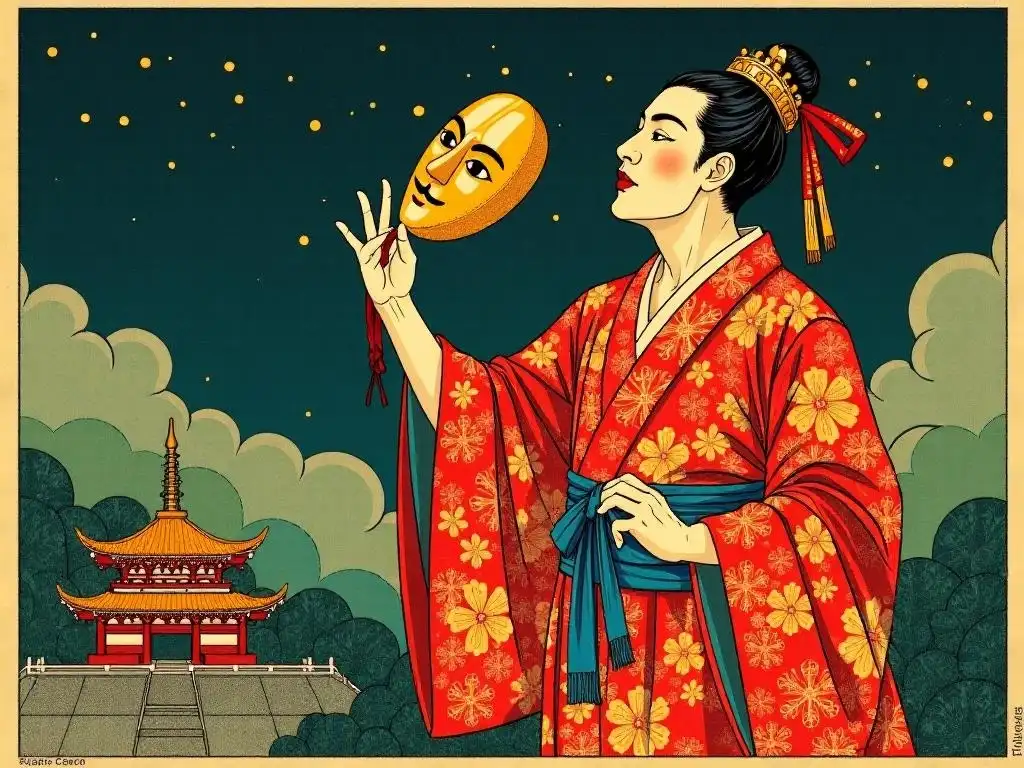
Welcome to Feudal Japan History! Prepare to embark on an intriguing journey through the captivating realms of Japan’s feudal era, where history, culture, and society intertwine. In this exploration, we delve into the enchanting world of Noh theater poetic language—a unique form of artistic expression that weaves together rich tradition and profound meaning. What secrets lie within its poetic dialogue? Join us as we unravel the layers of this ancient performance art, inviting you to discover how it reflects the soul of feudal Japan. Your adventure into the past begins here—let’s dive deeper!
Noh theater, a revered art form in Japan, is deeply rooted in the country's feudal history and cultural evolution. This genre of traditional Japanese theater is not merely a performance but a profound exploration of human emotion, spirituality, and the interplay between the mundane and the ethereal. Central to the experience of Noh is its poetic language, which serves as a vehicle for conveying complex themes and emotions through a distinctive dialogue style.
Understanding this unique language is essential for appreciating the depth of Noh performances, characterized by its rich symbolism and evocative imagery. This article delves into the intricacies of the poetic dialogue in Noh theater, exploring its historical context, key characteristics, and the profound themes that resonate throughout its performances.
Introduction to Noh Theater
What is Noh Theater?
Noh theater, which has been performed for over six centuries, is one of the oldest forms of Japanese theater. It combines elements of drama, music, and dance, presenting stories that are often drawn from classical literature, folklore, and historical events. The performances are characterized by their slow movements, minimalistic stage design, and the use of masks that convey a range of emotions. The dialogue in Noh is set to music, creating an ethereal atmosphere that enhances the storytelling.
Brief History of Noh in Feudal Japan
Originating in the 14th century during Japan's Muromachi period, Noh theater was developed by playwrights such as Kan'ami and his son Zeami. It was initially patronized by the samurai class and was often performed at court and aristocratic gatherings. As Japan transitioned through various historical phases, Noh evolved into a respected art form that encapsulated the philosophical and aesthetic ideals of the time. The feudal era's emphasis on honor, loyalty, and the transient nature of life heavily influenced the themes and styles present in Noh performances.
Importance of Poetic Language in Noh
The poetic language of Noh is not just a means of communication but a crucial element that shapes the entire performance. It encapsulates the essence of the characters, the emotional landscape of the story, and the underlying philosophical themes. This language often employs classical Japanese, which can be challenging for modern audiences to grasp, yet it remains a vital aspect of the theater's authenticity and cultural significance. The nuances of the poetic dialogue are key to unlocking the deeper meanings embedded within the performances.
The Elements of Noh Theater Poetic Language
Characteristics of Noh Theater Poetic Language
Noh theater's poetic language is marked by several distinctive characteristics:
- Conciseness: The dialogue is often succinct, relying on implication and suggestion rather than explicit statements.
- Repetition: Key phrases and motifs recur throughout the performance, reinforcing themes and emotional states.
- Elaborate Metaphor: The use of metaphor is prevalent, allowing for layered meanings that engage the audience's imagination.
- Ritualistic Tone: The language often carries a ceremonial quality, reflecting the spiritual and cultural values of the time.
Key Themes and Motifs in Noh Poetry
The themes explored in Noh poetry are profound and varied, often reflecting the human condition, nature, and the supernatural. Common motifs include:
- Transience: The concept of impermanence, particularly in relation to beauty and life.
- Spirituality: Exploration of the divine and the connection between the physical and spiritual realms.
- Human Emotion: Deep dives into feelings such as love, grief, and longing, often portrayed through the lens of historical or mythical narratives.
The Role of Symbolism and Imagery in Noh Dialogue
Symbolism and imagery play a critical role in enhancing the poetic dialogue of Noh theater. The use of vivid imagery evokes powerful emotions and creates an immersive experience. For instance, natural elements such as cherry blossoms or moonlight are frequently employed to symbolize ephemeral beauty or the passage of time. This rich tapestry of symbols invites audiences to engage in interpretation, encouraging a deeper appreciation of the performance's artistic and cultural significance.
Through this exploration of Noh theater's poetic language, we gain insight into how this traditional art form reflects and shapes Japan's cultural history, inviting us to appreciate its enduring legacy.
Structure of Noh Poetic Dialogue
Noh theater is renowned for its distinct and intricate poetic dialogue, which forms the backbone of its performances. This dialogue is characterized by its unique structure and style, which diverges significantly from conventional spoken language. The poetic dialogue in Noh is often composed of short stanzas that utilize a combination of classical Japanese language and poetic devices, such as metaphor and alliteration.
The dialogue typically follows a call-and-response format, where characters engage in a conversational exchange, enhancing the dramatic tension and emotional depth of the performance. This structure not only serves to convey the narrative but also establishes a rhythm that is crucial for the overall aesthetic experience of the audience. Noh poetry is meticulously crafted, often employing kakekotoba (pivot words) and makura (pillow words) to create layered meanings, allowing for a rich tapestry of interpretation.
Traditional Forms of Noh Dialogue
Within Noh theater, traditional forms of dialogue can be categorized into several distinct types, each serving a unique purpose in the narrative structure. The utai, or singing, is a primary form that combines lyrical expression with musical accompaniment, providing a melodic quality to the spoken word. Another traditional form is the serifu, which refers to the spoken lines that convey the characters’ thoughts and emotions.
Each form of dialogue possesses its own set of rules and conventions, often reflecting historical and cultural contexts. For instance, the use of ancient vocabulary and grammar evokes the Heian period's literary tradition, connecting contemporary audiences to the rich history of Japan. Additionally, the use of honorifics and formal speech patterns within the dialogue demonstrates the social hierarchies and relationships that are pivotal to the narratives depicted in Noh.
The Use of Monologue and Dialogue in Noh
In Noh theater, the interplay between monologue and dialogue is essential in revealing character motivations and the overarching themes of the performance. Monologues often serve as a vehicle for characters to express their innermost thoughts and feelings, providing insight into their psyche. These soliloquies are typically delivered in a slow, deliberate manner, allowing the audience to fully absorb the emotional weight of the words.
Conversely, dialogue between characters facilitates interaction and conflict, driving the narrative forward. The juxtaposition of monologue and dialogue creates a dynamic rhythm, enabling the audience to experience a range of emotions—from introspection to tension. This interplay not only enriches the story but also enhances the overall aesthetic experience, as the audience is drawn into the emotional landscape of the characters.
Rhythm and Meter in Noh Poetry
The rhythm and meter of Noh poetry are fundamental to its unique character and delivery. Noh utilizes a specific metrical structure, often based on syllabic patterns that emphasize musicality. The onji, or sound units, play a crucial role in establishing the performance’s cadence, with each phrase crafted to maintain a delicate balance between speech and song.
The jo-ha-kyu principle, which translates to "beginning, break, and rapid," is a foundational concept in Noh that governs the rhythm of the dialogue. This structure allows for a gradual buildup of tension, followed by a swift resolution, mirroring the emotional journey of the characters. The careful manipulation of rhythm and meter enhances the poetic quality of the dialogue, inviting the audience to engage deeply with the performance's emotional nuance.
Cultural Significance of Noh Theater Poetic Language
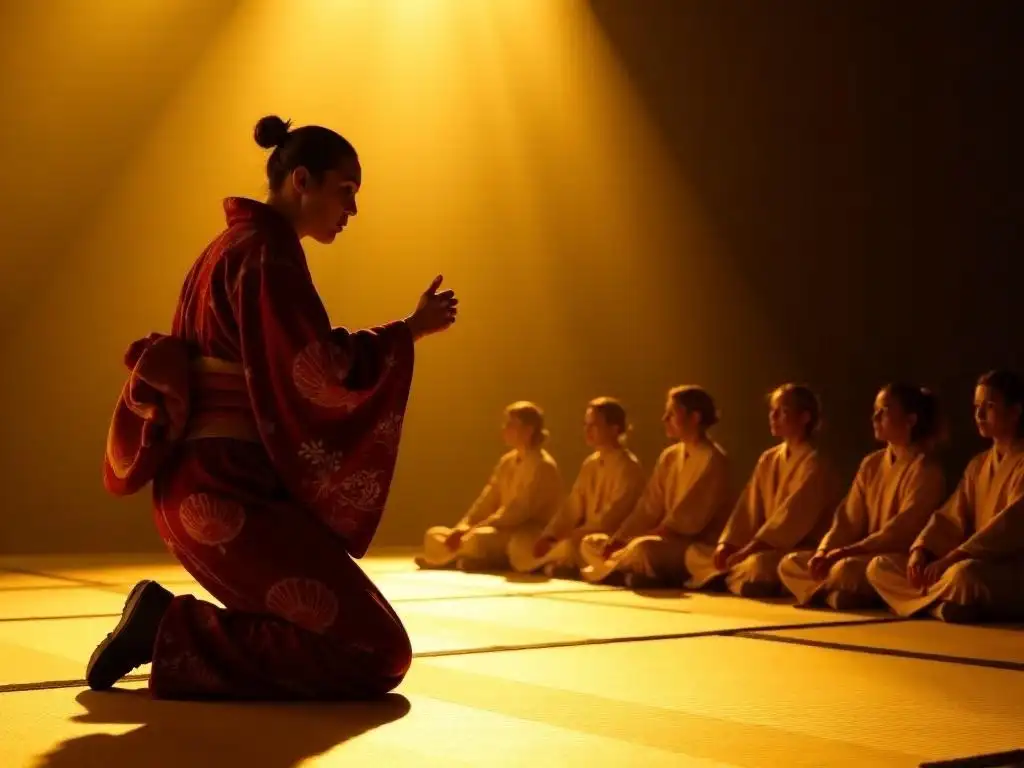
Noh theater's poetic language is not merely a stylistic choice; it serves as a vital cultural artifact that reflects the values, beliefs, and artistic sensibilities of feudal Japan. The intricate language used in Noh performances encapsulates the aesthetic ideals of the period, such as wabi-sabi, which appreciates the beauty in imperfection and transience.
Noh poetry often explores themes of nature, mortality, and the human condition, resonating with the philosophical underpinnings of Japanese culture. As such, the poetic language becomes a medium through which the shared experiences and values of society are expressed and preserved.
Noh Poetry as a Reflection of Feudal Society
The themes and language of Noh poetry offer a window into feudal society, illuminating the social structures and cultural practices of the time. The dialogue often reflects the hierarchical relationships prevalent during the feudal era, with a distinct emphasis on loyalty, honor, and the transitory nature of life.
Characters in Noh plays frequently embody archetypes representative of various social classes, from warriors to spirits, allowing audiences to engage with the complexities of their societal roles. The use of poetic language in these narratives highlights the values and struggles of individuals living in a rigidly stratified society, thus serving as a historical commentary on the human experience within that context.
The Influence of Noh Language on Japanese Literature
The poetic language of Noh theater has left an indelible mark on Japanese literature, influencing writers and poets across generations. Renowned authors, such as Seiji Nishi and Yukio Mishima, have drawn inspiration from Noh's rich imagery and thematic depth, integrating elements of its dialogue and style into their works.
Moreover, the sensitivity to language and aesthetic beauty found in Noh poetry has fostered a broader appreciation for the nuances of the Japanese language itself. This influence extends beyond literature, permeating various aspects of Japanese art, including calligraphy, painting, and music, thereby solidifying Noh’s position as a cornerstone of Japan's cultural heritage.
Noh Theater's Role in Preserving Cultural Heritage
Noh theater plays a crucial role in preserving and transmitting Japan's cultural heritage. As one of the oldest forms of performing arts in Japan, Noh serves as a repository of traditional stories, values, and artistic practices. The poetic language of Noh not only preserves historical narratives but also educates contemporary audiences about their cultural roots.
Through its performances, Noh theater cultivates an appreciation for the Japanese language, encouraging the preservation of its classical forms and expressions. Efforts to maintain and promote Noh, such as educational programs and performances, ensure that this unique art form continues to thrive, fostering a deeper understanding of Japan's rich cultural history among future generations.
Analyzing Notable Noh Works
Noh theater, with its rich tradition and intricate language, has produced numerous remarkable works that exemplify its poetic dialogue. Among these, various notable plays have become staples in the Noh repertoire, showcasing the unique intertwining of text, movement, and emotion. This section delves into one such work, "Aoi no Ue," analyzing its themes, poetic language, and overall impact on contemporary performances of Noh theater.
Case Study: "Aoi no Ue"
"Aoi no Ue," also known as "The Tale of the Heike," is a classic Noh play that draws upon the literary tradition of the "Tale of Genji," written by Murasaki Shikibu in the early 11th century. The play centers around the character of Aoi no Ue, the wife of Hikaru Genji, who is haunted by the spirit of Lady Rokujo, a rival who has resentfully taken her place in Genji’s affections.
This two-part narrative begins with the ghostly visitation of Lady Rokujo, who expresses her feelings of jealousy and loss, creating a vivid exploration of emotional turmoil through its dialogue. The play highlights the themes of love, jealousy, and the transient nature of life, embodying the complex interactions between the human and the spiritual realms. The character's emotions are articulated through carefully crafted poetic language, making it a quintessential example of Noh's artistic depth.
Poetic Language and Themes in "Aoi no Ue"
The poetic language in "Aoi no Ue" serves as a vehicle for conveying profound themes and emotions. The dialogue is characterized by its use of classical Japanese, featuring rich imagery and metaphors that evoke the natural world, reflecting the characters' inner states. For instance, the references to flora and fauna parallel the beauty and fragility of the characters’ experiences, enhancing the audience's emotional engagement.
Key themes include:
- Jealousy and Rivalry: The play explores the destructive nature of jealousy, particularly through Lady Rokujo’s spirit, whose presence signifies unresolved conflict.
- Transience: A prominent theme in Noh, the notion that beauty and life are fleeting resonates throughout the dialogue, reminding the audience of the impermanence of human emotions and relationships.
- Spirituality: The intersection of the human and the supernatural is central to the narrative, showcasing how unresolved feelings can linger beyond death.
The mastery of poetic language in "Aoi no Ue" not only embodies these themes but also elevates the emotional weight of the story, making it a poignant reflection of the human experience.
Impact of "Aoi no Ue" on Contemporary Noh Theater
The influence of "Aoi no Ue" on contemporary Noh theater cannot be overstated. Its exploration of deep psychological themes through poetic dialogue has inspired modern interpretations and adaptations, allowing new generations to connect with its timeless narrative.
Contemporary Noh productions have embraced the emotional depth of "Aoi no Ue," often incorporating innovative staging and choreography while remaining true to the original text. The play has also sparked interest in cross-genre collaborations, with theater artists and musicians reinterpreting its themes in various modern formats, thus broadening its reach.
Additionally, "Aoi no Ue" serves as a critical educational tool, helping to introduce audiences to the complexities of Noh poetic language. Workshops and performances often focus on this play to illustrate the intricacies of Noh dialogue, fostering a deeper appreciation for this traditional art form.
Conclusion
The unique poetic language of Noh theater, exemplified by works such as "Aoi no Ue," offers profound insights into the emotional and spiritual landscape of its characters. The intricate dialogue and thematic richness not only enhance the theatrical experience but also ensure the relevance of Noh in contemporary cultural discourse.
The Lasting Legacy of Noh Theater Poetic Language
The legacy of Noh theater poetic language is marked by its ability to transcend time, continuing to resonate with audiences today. The skillful use of metaphor, imagery, and emotion in Noh dialogues has influenced various art forms, including literature, visual arts, and modern theater. This timeless quality ensures that the poetic language of Noh remains a vital part of Japan's cultural heritage, inspiring ongoing exploration and reinterpretation.
Future Perspectives on Noh and Its Poetic Dialogue
Looking ahead, Noh theater and its poetic dialogue face both challenges and opportunities. As contemporary audiences become increasingly diverse, Noh practitioners are tasked with finding ways to make this traditional art form accessible and engaging. This may involve integrating modern storytelling techniques or collaborating with artists from other genres to create hybrid performances.
Moreover, as globalization continues to reshape cultural landscapes, the themes embedded in Noh’s poetic language—such as love, loss, and the supernatural—will likely resonate on an international scale, inviting a broader audience to appreciate the depth and beauty of this ancient theater form.
References
Noh theater, with its intricate poetic language and rich historical significance, has been the subject of extensive academic study. The following references provide a comprehensive understanding of Noh theater and its unique linguistic characteristics, serving as valuable resources for anyone interested in exploring this traditional Japanese art form further.
Recommended Readings on Noh Theater and Poetic Language
-
"Noh Drama and the Tale of the Heike" by Thomas W. H. Watanabe
This book delves into the connections between Noh theater and classical Japanese literature, particularly focusing on the historical epic, "The Tale of the Heike." Watanabe examines how Noh performances reinterpret and preserve these traditional narratives through poetic dialogue.
-
"The Noh Theater: A History of the Noh Theatre" by John A. Grayson
Grayson's work offers an extensive overview of the history and evolution of Noh theater, highlighting its linguistic features and the role of poetic dialogue in conveying emotional depth and narrative structure.
-
"Poetics of Noh" by Richard M. Dorson
This book provides an insightful analysis of the poetic forms and structures used in Noh theater. Dorson explores various aspects of Noh language, including its rhythm, imagery, and the significance of symbolism in performances.
-
"The Noh Plays of Japan" by Arthur Waley
A classic translation and commentary on several Noh plays, this work presents the original texts alongside Waley's insightful analysis, making it an essential resource for understanding the poetic language of Noh.
-
"The Language of Noh" by John T. K. Wong
Wong's examination focuses specifically on the linguistic elements of Noh theater, discussing how language shapes the audience's experience and the broader cultural implications of Noh's poetic dialogue.
Key Scholars and Experts in Noh Studies
-
Yukio Mishima
As a celebrated playwright and novelist, Mishima's contributions to Noh studies are substantial. His works often reflect Noh's themes and structures, and he has written extensively on the importance of preserving traditional Japanese arts.
-
Mitsuo Sato
An expert in classical Japanese theater, Sato's research encompasses the intricacies of Noh poetic language and its evolution over time. His analyses are often cited for their innovative approaches to understanding Noh's linguistic artistry.
-
Katsuichi Honda
Honda is renowned for his work on the historical context of Noh theater. His studies examine how social and political changes in Japan influenced Noh's poetic forms and themes, offering critical insights into its development.
-
Yoshiko Oshima
A leading scholar in Noh choreography and performance, Oshima emphasizes the integration of language and movement in Noh theater. Her research highlights how poetic dialogue enhances the visual storytelling of performances.
-
Shinichiro Yokoyama
Yokoyama's work focuses on the preservation and teaching of Noh theater, emphasizing the importance of understanding its linguistic elements for future generations. His publications include detailed analyses of various Noh scripts and their performances.
- Introduction to Noh Theater
- The Elements of Noh Theater Poetic Language
- Structure of Noh Poetic Dialogue
- Cultural Significance of Noh Theater Poetic Language
- Analyzing Notable Noh Works
- Conclusion
- References
- Recommended Readings on Noh Theater and Poetic Language
- Key Scholars and Experts in Noh Studies
Frequently Asked Questions
What is Noh theater?
Noh theater is a traditional Japanese performing art that combines drama, music, and dance, characterized by its use of poetic language and minimalistic staging.
How does poetic language function in Noh theater?
The poetic language in Noh is rich and symbolic, often conveying profound themes and emotions through metaphors and allusions that require careful interpretation.
Why is understanding the language of Noh important?
Understanding the poetic dialogue of Noh allows audiences to appreciate the nuances and cultural significance behind the performance, enhancing their overall experience.
What are some common themes in Noh poetry?
Common themes in Noh poetry include love, loss, nature, and spirituality, often reflecting the transience of life and the connection between the human and the divine.
How can one learn more about Noh theater and its language?
To learn more about Noh theater and its poetic language, consider attending performances, reading scholarly articles, or enrolling in workshops that focus on Noh techniques and its rich cultural heritage.
Final Reflection: The Enduring Power of Noh Theater's Poetic Language
The unique language of Noh theater remains a profound testament to the artistry of human expression. In a world increasingly dominated by rapid communication and fleeting interactions, the intricate poetic dialogue of Noh serves as a reminder of the beauty found in deliberate and thoughtful expression. This ancient form of theater not only preserves cultural heritage but also invites us to engage with language in a way that transcends mere words, revealing the depth of emotion and meaning that can be conveyed through carefully crafted dialogue.
The influence of Noh theater's poetic language extends far beyond the stage, shaping our understanding of storytelling and emotional resonance in contemporary art forms. As we navigate a landscape filled with diverse narratives, the lessons drawn from Noh remind us of the importance of nuance and subtleties in communication. The beauty of Noh lies in its ability to evoke profound emotions through minimalistic yet powerful language.
This observation highlights how the poetic dialogue in Noh continues to inspire artists and audiences alike, encouraging a deeper appreciation for the layers of meaning that can exist within a single phrase or gesture.
As we reflect on the lessons of Noh theater, I invite you to consider how you can incorporate the essence of its poetic language into your own life. Take a moment to pause, listen, and engage with the world around you. Whether through your conversations, writing, or creative endeavors, strive to express yourself with the same intentionality and depth that characterizes Noh. By doing so, you not only honor this rich tradition but also enrich your own experiences and connections with others, fostering a culture of understanding and appreciation for the art of communication.
Unveil the Beauty of Noh: Embrace the Poetry Within!
Thank you for diving into the fascinating world of Noh and its poetic dialogue! You've glimpsed how this unique form of expression captures emotions and stories beyond mere words. Now, let’s translate that inspiration into action and explore this art form further.
Here are some engaging steps you can take:
- Start your journey: Watch a live Noh performance online or at a local theater to experience its beauty firsthand.
- Join a community: Connect with fellow enthusiasts in discussions or workshops to deepen your understanding and appreciation of this art form.
- Share your insights: Document your experiences through writing or blogging, inspiring others to explore the depth and richness of Noh.
As you venture into the captivating realm of Noh, what aspect of its poetic dialogue resonates with you the most? We invite you to share your thoughts in the comments!