
The Dramatic Rituals of Japanese Weddings: Feudal Traditions in Matrimony

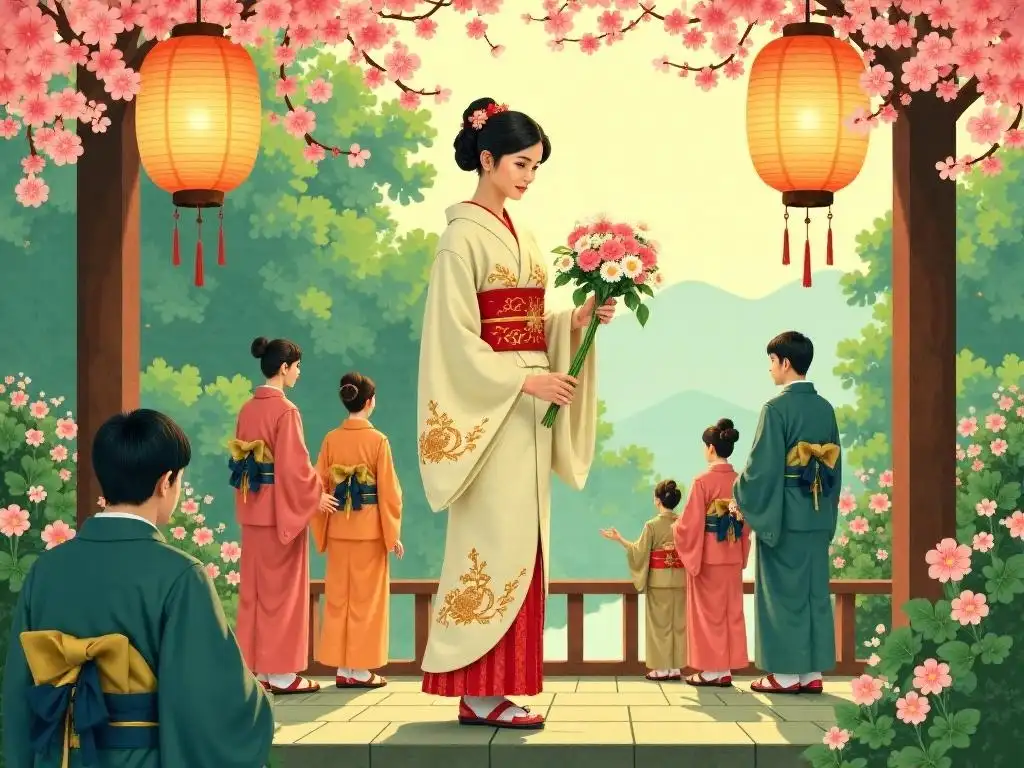
Welcome to Feudal Japan History, where we invite you to embark on an intriguing journey through the captivating tapestry of Japan's feudal era. Delve into the rich historical, cultural, and societal aspects that shaped this remarkable period. In our featured article, "The Dramatic Rituals of Japanese Weddings: Feudal Traditions in Matrimony," we uncover the enchanting Japanese feudal wedding traditions that reflect the complexities of love and duty in a time of honor and hierarchy. Curious about how these rituals influenced modern practices? Join us as we unravel the layers of tradition, ceremony, and meaning behind these timeless customs!
Introduction to Japanese Feudal Wedding Traditions
Japanese feudal wedding traditions encapsulate a rich tapestry of cultural practices, societal norms, and historical influences that have shaped the way marriage was celebrated during Japan's feudal era. These rituals were not merely personal ceremonies; they were deeply intertwined with the social hierarchies and political alliances of the time.
In exploring these traditions, we unearth not only the customs surrounding weddings but also the values and beliefs that defined the lives of those in feudal Japan. From elaborate ceremonies to symbolic rituals, each aspect of a Japanese wedding during this period tells a story of its own, reflecting the intricate relationship between culture, family, and the broader feudal system.
Overview of the Significance of Marriage in Feudal Japan
Marriage in feudal Japan was a cornerstone of social structure and family lineage. It served multiple purposes, including the consolidation of power, the alliance between clans, and the continuation of family heritage. Weddings were not merely personal unions but strategic partnerships that could affect the political landscape. Families often arranged marriages, prioritizing social standing and economic advantages over romantic love. This practice underscored the importance of duty and obligation in Japanese society, where individual desires were frequently secondary to familial expectations.
- Primary Functions of Marriage in Feudal Japan:
- Political Alliances: Uniting powerful families to strengthen their influence.
- Economic Stability: Merging resources and wealth through marriage.
- Cultural Continuity: Ensuring the continuation of family traditions and values.
Importance of Rituals in Japanese Wedding Ceremonies
Rituals in Japanese wedding ceremonies held profound significance, serving to sanctify the union and ensure harmony between the couple and their families. Each ritual was steeped in meaning, often drawing from Shinto beliefs, which emphasized purity and respect for ancestors. The ceremonies were elaborate, often involving multiple stages, and were designed to honor both the gods and the couple's families.
- Common Rituals in Japanese Weddings:
- San-san-kudo: A sake-sharing ritual symbolizing the couple's union and their commitment to each other.
- Exchange of Vows: Reflecting the couple's promises to support and care for one another.
- Family Introductions: Acknowledging the importance of family ties and blessings.
Historical Context of Japanese Wedding Traditions
To fully appreciate the dramatic rituals of Japanese weddings, it is essential to understand the historical context that influenced these practices. The evolution of marriage customs reflects broader societal changes, including shifts in power, culture, and religion throughout Japan's feudal period.
The Influence of Feudal Society on Marriage Practices
Feudal society in Japan was characterized by strict hierarchical structures and a strong emphasis on loyalty and duty. These societal norms heavily influenced marriage practices, dictating not only who could marry whom but also how ceremonies were conducted. The samurai class, for instance, had specific expectations regarding marriage, often marrying within their social class to maintain status and honor.
- Key Aspects of Feudal Influence:
- Arranged Marriages: Families sought matches that would enhance their position.
- Role of Women: Women's roles were often defined by their ability to bear children and support family alliances.
- Cultural Symbolism: Many rituals were laden with symbolism that reflected feudal values of loyalty and honor.
Key Historical Figures and Their Role in Shaping Wedding Traditions
Throughout Japan's history, significant figures have played pivotal roles in shaping wedding traditions. These individuals, ranging from samurai leaders to influential courtiers, not only influenced the practices of their time but also left lasting legacies that continue to inform contemporary Japanese wedding customs.
- Notable Figures:
- Emperor Meiji: His reign marked a transition towards modern marriage practices, blending traditional rituals with Western influences.
- Samurai Leaders: Many samurai were known for their elaborate weddings, which highlighted their status and wealth, influencing common practices.
Understanding the historical context and societal influences behind Japanese feudal wedding traditions allows us to appreciate the depth and complexity of these rituals. Each wedding was not just a celebration of love but a reflection of a society deeply rooted in hierarchy, duty, and cultural heritage.
Core Elements of Japanese Feudal Wedding Traditions
Japanese feudal wedding traditions are steeped in rich cultural heritage, reflecting the societal values and beliefs of the era. Central to these traditions are several core elements that characterize the ceremonies. First and foremost, the involvement of family and community played a pivotal role, emphasizing the collective over the individual. Marriages were often arranged to strengthen alliances between clans, ensuring that personal unions served broader social and political purposes.
Another critical element is the adherence to Shinto beliefs, which imbued the ceremonies with spiritual significance. Rituals often took place in shrines, where the couple would seek blessings from the kami (gods or spirits) for a fruitful union. Traditional attire is also a hallmark of feudal weddings, with the bride typically adorned in an elaborate kimono, often featuring auspicious symbols to ensure good fortune.
Additionally, the concept of purification and the transition from single life to married life is deeply embedded in these traditions. Each ritual, from the pre-wedding preparations to the ceremonial practices during the wedding, serves to symbolize this transformative journey.
Pre-Wedding Rituals in Japanese Feudal Weddings
Pre-wedding rituals in Japanese feudal weddings are crucial in setting the stage for the union. One of the first steps involved yui-no, or engagement gifts, exchanged between the families of the bride and groom. This practice not only solidified the engagement but also symbolized a commitment to the alliance between the two families.
Following the engagement, the couple underwent various purification rituals known as misogi, which involved cleansing the body and spirit to prepare for the sacred union. This process often included visiting a shrine to pray and seek blessings.
The kakeai, or the pre-wedding banquet, was another significant event, bringing together both families to celebrate and discuss arrangements for the marriage. This banquet often featured traditional foods and sake, highlighting the importance of hospitality and community in feudal Japanese culture.
The Wedding Ceremony: A Detailed Breakdown
The wedding ceremony itself is a meticulously orchestrated affair, incorporating various rituals that reflect the couple's commitment and the significance of their union. The ceremony often commenced with a procession to a Shinto shrine, where the couple would be formally united.
At the shrine, the couple would perform san-san-kudo, a ritual involving the sharing of sake. Each spouse would take three sips from three cups, symbolizing their vows and the joining of their families. Following this, the couple would present offerings to the kami, expressing gratitude and seeking blessings for their future together.
The exchange of vows was typically followed by the shinji ceremony, where the couple would partake in sacred rites, reinforcing their commitment to each other and their families. This included the presentation of gifts and the sharing of symbolic food, such as rice and salt, which are believed to purify and bless the union.
The ceremony would conclude with a celebratory feast, attended by family and friends, where traditional music and dance would often be part of the festivities, symbolizing joy and communal support for the newlyweds.
Symbolic Rituals in Japanese Feudal Weddings
Symbolic rituals in Japanese feudal weddings play a vital role in conveying the deeper meanings behind the marriage. Each ritual is steeped in cultural significance, highlighting the values and beliefs of feudal society.
The Exchange of Wedding Vows: "San-san-kudo"
The san-san-kudo ritual is one of the most iconic elements of Japanese feudal weddings. This ritual involves the couple taking three sips from three different sake cups, with each sip symbolizing a vow. The term "san-san-kudo" literally translates to "three, three, nine," where the number three represents the couple and their respective families, while the number nine symbolizes eternity and completeness.
This act not only signifies the couple's commitment to each other but also serves as a means of uniting their families. The sharing of sake, a sacred beverage, highlights the importance of hospitality and the sanctity of the union, reinforcing the bonds between the two families.
The Significance of Sake Rituals in Japanese Matrimony
Sake rituals are a fundamental aspect of Japanese feudal wedding ceremonies, symbolizing purification, celebration, and the binding of families. Sake, made from rice, is considered a sacred drink and is often used in various rituals to invoke blessings from the kami.
During the wedding ceremony, the couple partakes in sake as a symbol of their union and commitment to nurturing their relationship. The act of sharing sake also emphasizes the importance of community and family, as it brings everyone together in celebration of the newlyweds.
In addition to san-san-kudo, other sake rituals include the shinji, where the couple offers sake to the kami, and the kanpai toast during the reception, further solidifying the role of sake in fostering connections and blessings within the feudal society.
Other Rituals: From the "Shinji" to "Mizuko"
Beyond the well-known rituals of san-san-kudo and sake sharing, several other practices enrich the tapestry of Japanese feudal weddings. The shinji ritual involves the couple presenting offerings to the kami, often including rice, salt, and sake, as a way of seeking divine favor for their marriage. This ritual emphasizes the spiritual dimension of the union and the couple's respect for tradition and the divine.
Another important ritual is the mizuko, which refers to the acknowledgment of any miscarriages or stillbirths that may have occurred. This practice involves special prayers and offerings to honor the spirits of these children, reflecting the deep-seated beliefs in ancestral reverence and the importance of family lineage in feudal Japan.
These rituals collectively encapsulate the cultural values of feudal Japan, highlighting the sanctity of marriage, the significance of family ties, and the spiritual dimensions of these unions. Each ceremony, imbued with meaning, contributes to the rich heritage of Japanese feudal wedding traditions.
Cultural Variations in Japanese Feudal Wedding Traditions
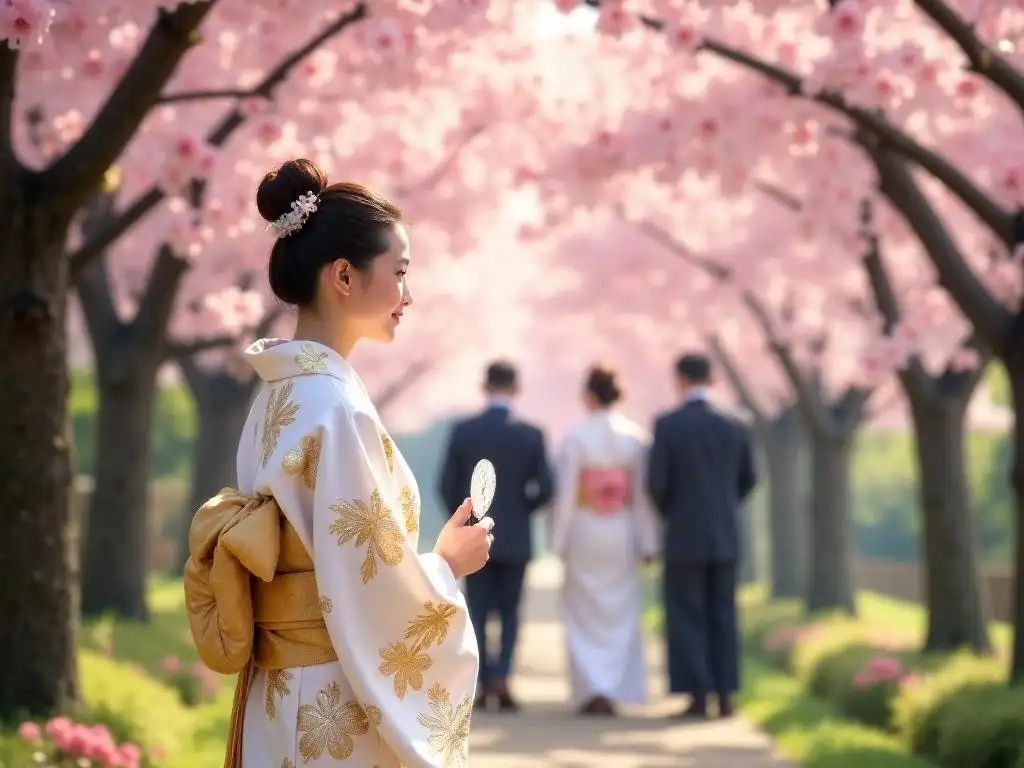
Japanese feudal wedding traditions were deeply influenced by the cultural and regional diversity of the country. Each area of Japan developed its own unique rituals, customs, and practices that reflected local beliefs, societal structures, and clan influences. This variety not only highlights the rich tapestry of Japan's history but also emphasizes the significance of marriage as both a personal and political union.
In many regions, the rituals surrounding weddings were deeply connected to Shinto beliefs, showcasing the importance of spirituality in these ceremonies. For instance, in some coastal areas, the ceremonies included specific prayers or offerings to deities associated with the sea, while in mountainous regions, offerings might be made to local kami (spirits) of the land. These rituals varied greatly, demonstrating the localized nature of Japanese culture during the feudal era.
Additionally, attire and ceremonial practices varied from region to region. While the formal kimono was a staple, the colors, patterns, and styles could reflect local customs and the status of the families involved. This regional variation is a testament to the diverse cultural heritage of Japan, showcasing how environmental factors and historical context shaped wedding traditions.
Regional Differences in Wedding Practices Across Japan
Regional differences in wedding practices during the feudal era are evident through several distinct features, such as the types of ceremonies, attire, and post-wedding customs. For example, in the Kansai region, particularly around Kyoto, weddings were characterized by elaborate ceremonies that often included the "san-san-kudo" ritual, where the couple would sip sake from three different cups, symbolizing the union of their families.
In contrast, the Tohoku region had more modest ceremonies that focused on local agricultural deities. Here, the couple might perform rituals to ensure a bountiful harvest, demonstrating the relationship between marriage and agricultural success. The attire could also differ; while the wedding kimono was prevalent, some regions opted for simpler clothing, reflecting local customs and economic conditions.
Moreover, the practice of matchmaking varied widely. In some areas, marriages were arranged through family connections, while in others, more progressive regions saw the emergence of love marriages, influenced by changing societal norms. These differences highlight how geography and local traditions influenced the concept of marriage across feudal Japan.
The Influence of Different Clans on Marriage Customs
The influence of powerful clans in feudal Japan played a significant role in shaping marriage customs. Clans often viewed marriages as strategic alliances, essential for consolidating power, wealth, and influence. As a result, the rituals associated with weddings frequently reflected the status and traditions of the clan involved.
For instance, the samurai class had specific rites and rituals that underscored their status. Weddings were conducted in the clan's ancestral shrine, and the ceremonies often included formal exchanges of gifts, such as swords or family heirlooms, which symbolized the union of not just the couple but also their families. The importance of lineage was paramount, and the rituals often included prayers for the prosperity and continuation of the family line.
Additionally, inter-clan marriages were carefully orchestrated to forge alliances, with elaborate negotiations preceding the wedding. Such alliances could significantly impact political landscapes, as seen in the unions between the powerful clans of the Sengoku period. The rituals surrounding these marriages often included elaborate feasting and celebrations that reinforced the bond between clans.
The Evolution of Japanese Wedding Traditions Post-Feudal Era
The transition from feudal Japan to the modern era brought significant changes to wedding traditions, influenced by various factors, including Westernization, modernization, and shifts in societal values. The rigid structures of feudal weddings gradually gave way to more individualistic approaches to marriage, reflecting broader changes in Japanese society.
As Japan opened up to Western influences in the late 19th and early 20th centuries, many traditional practices began to blend with Western customs. For instance, the introduction of Western-style wedding attire, such as white wedding gowns, became popular, particularly among the upper classes. This shift showcased the changing perception of marriage, where personal choice began to take precedence over familial obligations.
Furthermore, the post-war period saw a rise in the idea of romantic love and companionship as the basis for marriage, leading to a decline in arranged marriages. While traditional rituals remained, they were often adapted to fit modern sensibilities, creating a unique fusion of old and new.
How Modern Influences Have Transformed Traditional Practices
Modern influences have significantly transformed traditional Japanese wedding practices, leading to a hybridization of customs that reflects contemporary values. Many couples today choose to incorporate elements from both Shinto and Western ceremonies, creating a unique experience that honors their heritage while embracing modernity.
For example, it is now common for couples to have a Shinto ceremony followed by a Western-style reception. The Shinto ceremony may retain traditional rituals such as "san-san-kudo," while the reception might feature a wedding cake and dancing, which were once foreign to Japanese weddings. This blending illustrates how couples navigate the tension between tradition and modernity, creating a personalized celebration.
Additionally, the rise of wedding planners and commercial wedding venues has led to the standardization of certain practices, resulting in less regional variation than in the past. Couples often choose from pre-packaged wedding experiences that may prioritize aesthetic appeal over traditional significance. This shift raises questions about the preservation of cultural heritage in the face of modern demands.
The Resurgence of Interest in Feudal Wedding Rituals Today
In recent years, there has been a resurgence of interest in feudal wedding rituals among younger generations in Japan. This trend reflects a growing appreciation for cultural heritage and a desire to connect with the past. Many couples are now seeking to incorporate traditional elements into their weddings, often as a way to honor their families and cultural roots.
This revival can be seen in the increasing popularity of traditional wedding attire, such as the kimono, and the resurgence of ancient rituals that may have fallen out of favor. Couples are often drawn to the rich symbolism and cultural significance of these practices, viewing them as a way to create a meaningful and memorable ceremony.
Furthermore, cultural festivals celebrating feudal traditions have gained popularity, encouraging broader societal engagement with Japan's historical practices. These events not only provide educational opportunities but also foster a sense of community, allowing participants to experience the richness of their cultural heritage firsthand. As a result, feudal wedding traditions are being rediscovered and revitalized, ensuring their continued relevance in modern Japan.
Conclusion: The Lasting Legacy of Japanese Feudal Wedding Traditions
The wedding traditions of feudal Japan are more than just historic customs; they are the embodiment of a rich cultural heritage that has shaped contemporary Japanese society. These rituals, deeply intertwined with the social hierarchies and values of the time, reflect a unique blend of spirituality, artistry, and community. The rituals—ranging from the san-san-kudo sake-sharing ceremony to the intricate attire worn by brides and grooms—serve as a reminder of the importance of familial bonds and social duty that characterized the feudal era.
As society continues to evolve, the essence of these traditions persists, influencing modern Japanese weddings. Many couples today incorporate feudal elements into their ceremonies, seeking to honor their ancestry while blending it with contemporary practices. This continuity demonstrates not only a respect for the past but also a desire to maintain a connection to cultural roots. The dramatic rituals of Japanese weddings, therefore, not only narrate the history of a bygone era but also help shape the identities of future generations.
Reflection on the Importance of Preserving Cultural Heritage
Cultural heritage represents the collective legacy of a society, encompassing traditions, customs, and practices passed down through generations. The preservation of Japanese feudal wedding traditions is crucial for several reasons. Firstly, it fosters a sense of identity and belonging among individuals, allowing them to connect with their history and community. Traditional practices can serve as a bridge between the past and present, enabling families to share their stories and values with younger generations.
Moreover, preserving these rituals contributes to the broader understanding of Japan's cultural landscape, showcasing the intricacies of its social structures and belief systems. This awareness not only enriches the appreciation of Japanese culture but also promotes cross-cultural understanding in an increasingly globalized world. By honoring and maintaining these traditions, society can safeguard its unique identity while fostering respect for diverse cultural narratives.
The Relevance of Historical Wedding Traditions in Contemporary Japan
In contemporary Japan, the relevance of historical wedding traditions remains significant. Many couples today seek to incorporate elements of feudal customs into their ceremonies, recognizing that these practices hold deep meaning and connection to their heritage. For instance, the san-san-kudo ceremony, which symbolizes the union of two families, continues to be a popular choice, representing a fusion of the couple's past and future.
Additionally, the aesthetic aspects of feudal wedding attire, such as the shiromuku (white wedding kimono) and kakeibo (traditional ceremonial robe), have found their way into modern weddings, blending elegance with cultural significance. This revival not only honors the beauty of traditional garments but also reinforces the importance of ritual in marking significant life events.
Furthermore, as Japanese society grapples with the challenges of modernization and globalization, these historical traditions serve as a stabilizing force, reminding individuals of their roots and the values that have shaped their families and community. Consequently, the incorporation of feudal wedding traditions into contemporary practices fosters a deeper appreciation for cultural heritage, ensuring that it continues to thrive in a rapidly changing world.
Additional Resources on Japanese Feudal Wedding Traditions
Recommended Readings and References for Further Exploration
For those interested in delving deeper into Japanese feudal wedding traditions, several resources can provide valuable insights:
-
"Weddings in Japan: A Cultural History" by Aiko Tanaka
This book offers an in-depth look at the evolution of wedding customs in Japan, highlighting the significance of feudal traditions.
-
"The Art of Japanese Weddings" by Hiroshi Yamamoto
A comprehensive exploration of the aesthetic aspects of Japanese weddings, including detailed discussions on traditional attire and ceremonies.
-
"Cultural Heritage and Identity: The Role of Tradition in Modern Japan" by Yuki Sato
This work examines the broader implications of preserving cultural heritage in contemporary Japanese society.
Links to Related Articles on Cultural History and Festivals in Feudal Japan
To further enhance your understanding of feudal Japan's cultural history and festivals, consider exploring the following articles:
- Feudal Festivals: Celebrations of the Past:
- The Role of Religion in Japanese Wedding Ceremonies
- Understanding Japanese Kimono: A Historical Perspective:
These resources provide additional context and knowledge about the traditions that define Japan’s rich cultural tapestry.
- Introduction to Japanese Feudal Wedding Traditions
- Historical Context of Japanese Wedding Traditions
- Core Elements of Japanese Feudal Wedding Traditions
- Symbolic Rituals in Japanese Feudal Weddings
- Cultural Variations in Japanese Feudal Wedding Traditions
- The Evolution of Japanese Wedding Traditions Post-Feudal Era
- Conclusion: The Lasting Legacy of Japanese Feudal Wedding Traditions
- Additional Resources on Japanese Feudal Wedding Traditions
Frequently Asked Questions
What are Japanese feudal wedding traditions?
Japanese feudal wedding traditions were marked by elaborate rituals and ceremonies that emphasized social status, family alliances, and adherence to cultural customs.
In feudal Japan, social hierarchy played a crucial role in determining wedding practices, with samurai families often hosting more lavish ceremonies compared to peasant weddings, reflecting their status and wealth.
What role did Shinto rituals play in feudal weddings?
Shinto rituals were integral to feudal weddings, symbolizing the union of the couple and seeking blessings from deities for a prosperous marriage, often involving purification and offerings.
Were there any specific attire associated with feudal weddings?
Yes, specific attire such as the uchikake (a formal kimono) and hakama were commonly worn during feudal weddings, showcasing the cultural significance and aesthetic values of the time.
How have Japanese feudal wedding traditions evolved over time?
While some elements of Japanese feudal wedding traditions remain, modern ceremonies have integrated contemporary practices, reflecting changes in societal values and the blending of traditional customs with modern influences.
Final Reflection: The Enduring Legacy of Japanese Feudal Wedding Traditions
The exploration of Japanese feudal wedding traditions reveals a profound connection between the past and present, illustrating how these rituals continue to shape contemporary matrimonial practices. In a world increasingly driven by modernization and globalization, the intricate customs of Japanese weddings serve as a reminder of the rich cultural heritage that informs our identities. The dramatic rituals, steeped in history, not only celebrate love but also honor the legacies of those who came before us, reinforcing the idea that our roots are integral to our present and future.
Cultural traditions, such as those found in Japanese feudal wedding ceremonies, have a remarkable ability to influence our social fabric. These rituals encapsulate values of respect, family, and commitment that resonate deeply within society today. As we navigate the complexities of modern relationships, we can draw inspiration from these time-honored practices. Tradition is not the worship of ashes, but the preservation of fire.
This quote reminds us that while we may evolve, the essence of our traditions can ignite passion and purpose in our lives.
As you reflect on the significance of Japanese feudal wedding traditions, consider how these lessons can be woven into your own life and relationships. Embrace the beauty of your heritage and the stories that shape who you are. Let the wisdom of the past guide you as you forge your path forward, recognizing that every ritual, every tradition, can serve as a bridge connecting generations. Take a moment to honor your own roots and the traditions that have influenced you, allowing them to inspire your journey in love and life.
Unveil the Beauty of Japanese Wedding Traditions!
Thank you for exploring the rich and fascinating world of Japanese wedding rituals with us! We hope this article has illuminated the unique customs that intertwine history and love in the heart of feudal Japan. Now it's time to take that inspiration and make it yours!
Here are a few actionable steps to deepen your understanding and appreciation:
- Engage with Local Culture: Attend a cultural event or workshop that focuses on Japanese traditions to experience the beauty of these rituals firsthand.
- Share Your Insights: Discuss your newfound knowledge with friends or in online communities. Your passion can spark interest in others!
- Dive Deeper: Research specific wedding rituals that captivated you in this article and uncover the stories behind them.
As you reflect on these traditions, consider this: How can the timeless wisdom of feudal Japanese wedding rituals enhance your own celebration of love today?