
The Story of Edo’s Public Baths: A Cultural Institution

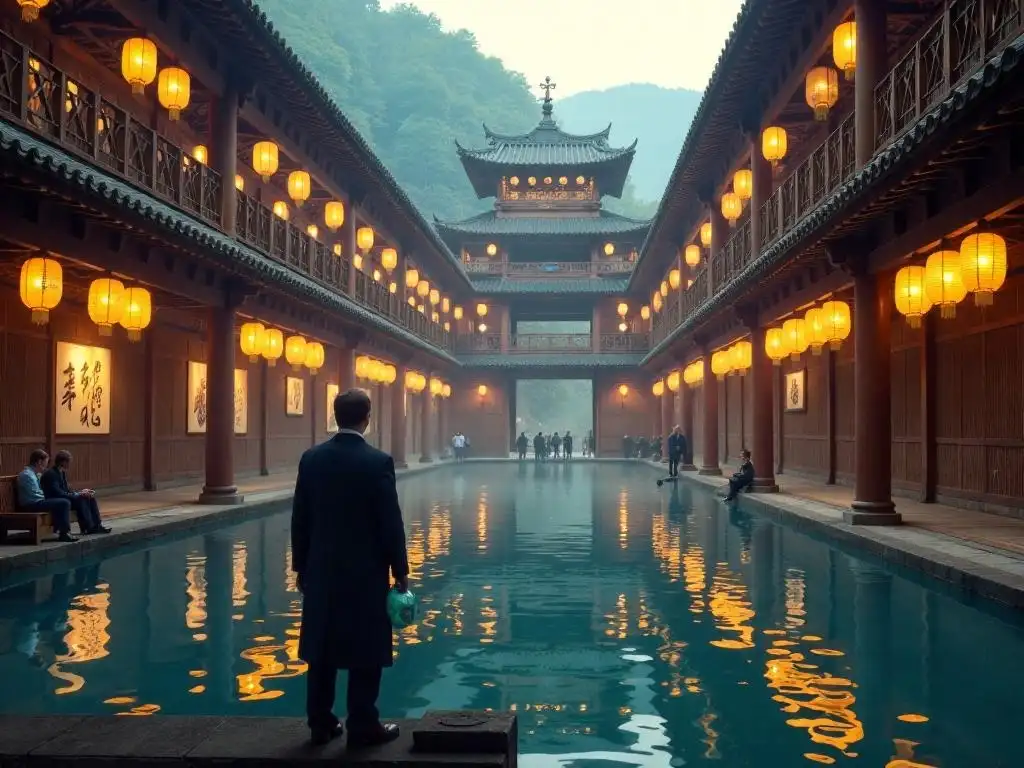
Welcome to Feudal Japan History, where we invite you to dive into the captivating world of Japan’s feudal era. Here, history comes alive as we explore the intricate tapestry of cultural, societal, and historical elements that shaped a nation. In our featured article, “The Story of Edo’s Public Baths: A Cultural Institution,” we unravel the fascinating history of public baths during the Edo period—an essential aspect of daily life that reflects the values and customs of the time.
Prepare to embark on a journey that will pique your curiosity and deepen your understanding of this vibrant era. Let the exploration begin!
Introduction to Edo Period Public Baths History
The Edo period, spanning from 1603 to 1868, was a transformative era in Japan's history, marked by peace, prosperity, and cultural flourishing. Among the many societal practices that emerged during this time, public baths, or sento, played a crucial role in shaping the daily lives of Edo's inhabitants.
These communal bathing spaces were not merely places for hygiene; they became vital cultural institutions where people from all walks of life engaged socially, culturally, and even politically. This article delves into the rich history of Edo period public baths, exploring their origins, significance, and the cultural dynamics they fostered within the rapidly growing urban environment of Edo (modern-day Tokyo).
Overview of the Edo Period (1603-1868)
The Edo period was characterized by the Tokugawa shogunate's rule, which established a long-lasting peace known as the Pax Tokugawa. This stability allowed for significant developments in various aspects of Japanese life, including the economy, arts, and social structures.
- Urbanization: Edo transformed into one of the world's largest cities, with a population exceeding a million by the late 18th century.
- Cultural Growth: The era saw the rise of ukiyo-e (woodblock prints), kabuki theater, and other cultural expressions that reflected the vibrant urban life.
- Social Hierarchies: The rigid class system, divided into samurai, farmers, artisans, and merchants, created unique social dynamics that influenced everyday interactions.
Public baths emerged as a reflection of these broader societal trends, providing a space where people could escape the pressures of their social status and engage in communal experiences.
Significance of Public Baths in Edo Society
Public baths served multiple functions in Edo society, making them an essential aspect of daily life:
- Hygiene and Health: With limited access to private bathing facilities, public baths were crucial for maintaining cleanliness, especially in densely populated urban areas.
- Social Interaction: Sento became hubs of social activity, where individuals could meet, converse, and build community ties across class boundaries.
- Cultural Exchange: The baths facilitated the sharing of cultural practices and ideas, contributing to the rich tapestry of Edo life.
Through these functions, public baths not only fulfilled practical needs but also reinforced the social fabric of Edo, making them a cornerstone of urban culture.
Origins of Public Baths in Edo
Historical Development of Bathing Culture in Japan
The tradition of bathing in Japan dates back centuries, with various customs evolving over time. The practice of communal bathing can be traced to:
- Ancient Times: Early records indicate that bathing was common in Japan, influenced by Shinto beliefs in purification.
- Heian Period (794-1185): The introduction of more formalized bathing practices, including the use of wooden tubs, began to take shape.
- Muromachi Period (1336-1573): The establishment of yuya (private bathhouses) gained popularity, leading to an increase in communal bathing facilities.
As Edo emerged as a major urban center, the demand for public baths surged, paving the way for their development into essential institutions.
Influence of Chinese and Korean Bathing Traditions
The concept of public bathing was not unique to Japan; it was significantly influenced by neighboring cultures:
- Chinese Influence: The Chinese bathing culture emphasized steam baths and herbal infusions, which gradually integrated into Japanese practices.
- Korean Traditions: The communal aspect of Korean bathing, particularly in jjimjilbangs (Korean bathhouses), also played a role in shaping Edo's bathing culture.
These influences contributed to the distinctive features of Edo period public baths, creating a unique blend of practices that reflected both local customs and external inspirations.
The Role of Public Baths in Edo's Urban Life
During the Edo period (1603-1868), public baths, known as sento and onsen, played a crucial role in urban life in Edo (modern-day Tokyo). These institutions were not merely places for cleansing the body; they served as vibrant social and cultural centers where citizens from various backgrounds converged. The baths were integral to the daily routines of Edo's residents, providing a space to relax, socialize, and escape the urban hustle.
Public baths contributed significantly to the sense of community in Edo. With limited private bathing facilities in the densely populated city, sento became essential for hygiene and social interaction. Beyond their practical function, these baths embodied the spirit of Edo, reflecting its values of communal living, hospitality, and shared experiences. The bathhouses often facilitated interactions between different social classes, breaking down barriers and fostering a sense of unity among the populace.
Public baths in Edo were bustling social hubs where people from all walks of life gathered. Beyond bathing, these establishments offered a space for relaxation and conversation. Patrons would engage in lively discussions, share news, and forge friendships, effectively turning the bath into a community center.
The layout of sento often encouraged social interaction; large communal bathing areas allowed bathers to mingle freely. Furthermore, the presence of amenities such as rest areas and tea stalls within or nearby the baths helped create a welcoming environment conducive to socializing. Festivals and seasonal events at public baths also played a role in enhancing community ties, as people would gather to celebrate together, making the baths an integral part of Edo's cultural fabric.
Economic Impact: Jobs and Business Opportunities
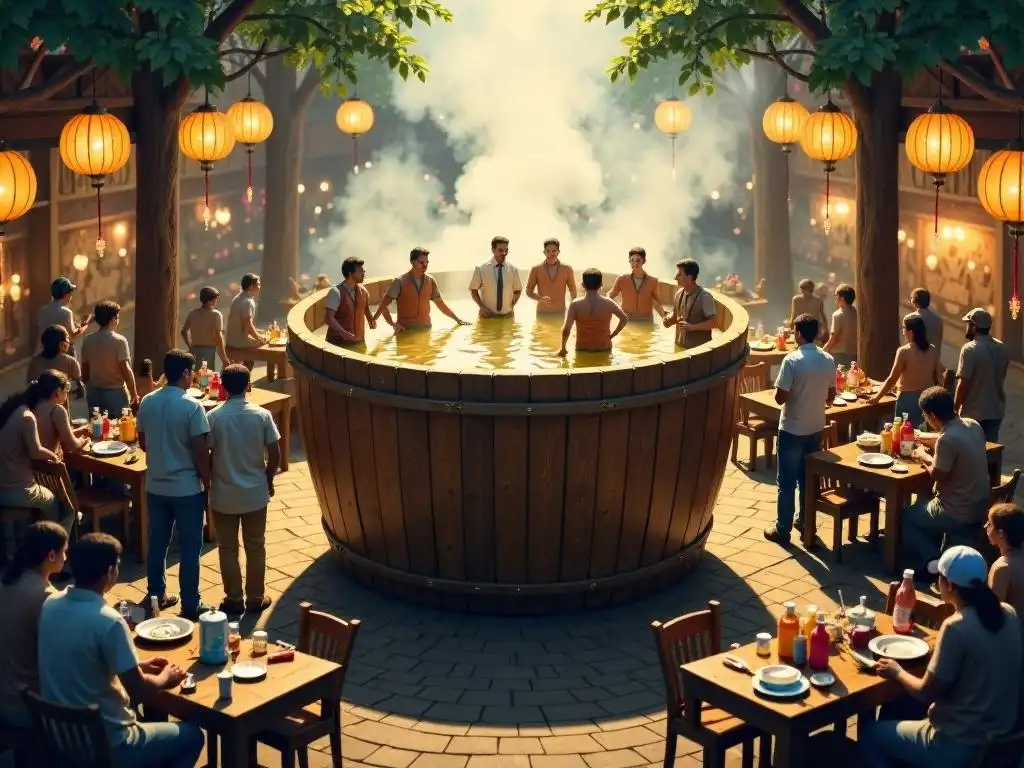
The popularity of public baths in Edo had significant economic implications. As essential services, sento provided numerous job opportunities, from bath attendants to maintenance workers. The demand for public bathing facilities led to the establishment of various businesses supporting the industry, including suppliers of bathing materials, artisans creating bath-related products, and vendors selling refreshments.
Moreover, public baths stimulated local economies. Bathhouses often encouraged patrons to visit surrounding shops and eateries, creating a ripple effect in commerce. The influx of visitors to these establishments fostered a dynamic economic environment, contributing to the overall prosperity of Edo. This interconnectedness of bathing culture and economic activity underscored the importance of public baths not only as places of cleansing but also as vital components of the urban economy.
Architectural Features of Edo Period Public Baths
The architectural design of Edo period public baths is as fascinating as their cultural significance. Sento and onsen showcased unique architectural styles that reflected the aesthetics of the time, often incorporating traditional Japanese elements such as wooden structures, sliding doors, and tatami mat flooring.
The designs were not solely functional; they also created an inviting atmosphere that enhanced the bathing experience. Many baths featured elaborate entranceways adorned with decorative signage and symbols, welcoming visitors into a serene space. Additionally, the layout of these baths was meticulously planned to ensure privacy, comfort, and ease of movement, illustrating the thoughtful consideration given to both architecture and user experience.
Design Elements of Traditional Sento and Onsen
Traditional sento and onsen were characterized by several distinctive design elements. The bathing areas were typically separated by gender, with separate entrances and facilities to maintain modesty. Inside, large communal tubs were often filled with hot water, sourced from natural springs for onsen or heated manually for sento.
Aesthetically, the interiors of these baths were designed to evoke tranquility. Natural materials such as wood and stone were commonly used, often complemented by decorations like bamboo or seasonal flowers. The lighting was soft, creating a calming ambiance conducive to relaxation. Furthermore, many baths featured outdoor bathing options, allowing patrons to enjoy nature while soaking, which added to the overall experience.
Innovations in Bathing Facilities and Technology
The Edo period was marked by significant innovations in bathing facilities and technology. Advances in heating systems allowed for more efficient and consistent water heating, enhancing the comfort of bathers. Additionally, the introduction of filtration systems improved water quality, making public baths more hygienic and appealing.
Architectural innovations also included the development of larger communal spaces to accommodate more patrons, as the popularity of public baths continued to rise. The integration of features such as steam rooms and saunas further diversified the bathing experience, allowing for a variety of relaxation methods. These innovations not only improved the functionality of sento and onsen but also reflected the evolving social attitudes towards cleanliness and wellness in Edo society.
Cultural Significance of Edo Period Public Baths
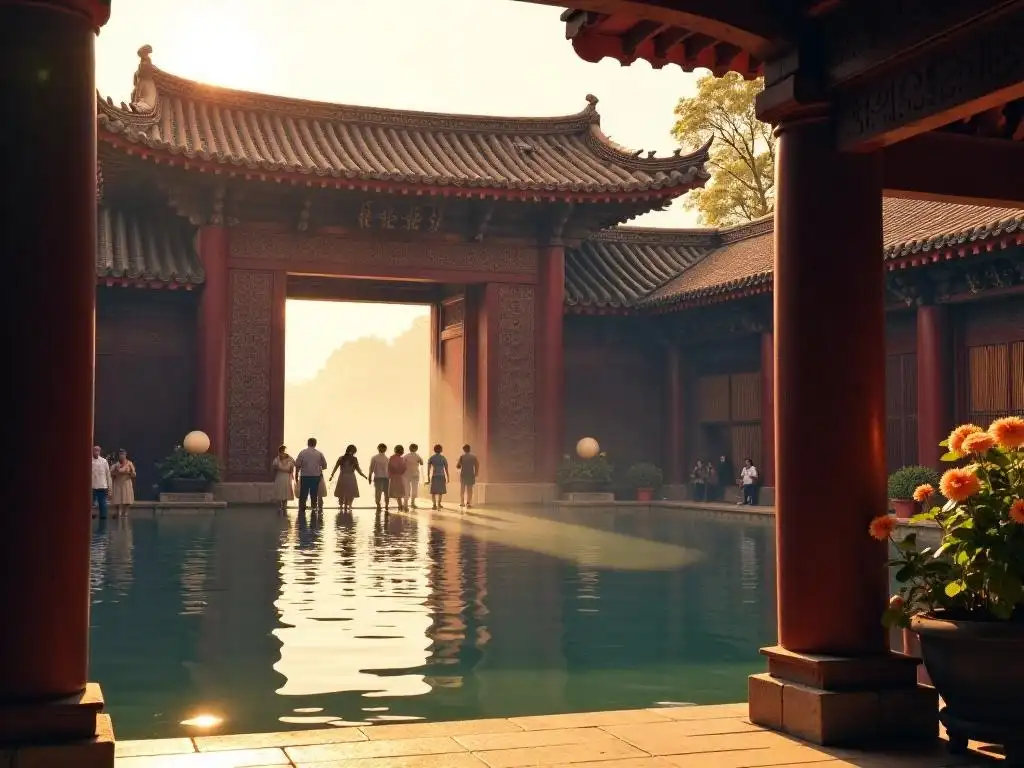
Edo period public baths, known as sento, were far more than mere places for washing; they were vibrant social hubs that reflected the cultural life of the time. These baths played a crucial role in everyday life, serving as venues for relaxation, social interaction, and community building. In a bustling urban environment like Edo (modern-day Tokyo), where the population swelled to over a million, sento provided an essential respite from the stresses of daily life.
The architectural design of public baths often featured elaborate decorations and intricate wooden structures, showcasing the craftsmanship of the era. The communal aspect of bathing fostered a sense of belonging among the citizens, as people from various walks of life came together in these spaces, breaking down some of the societal barriers that defined Edo society. As such, sento became a reflection of the broader cultural practices and philosophies that characterized the Edo period, particularly the emphasis on cleanliness, health, and community.
Moreover, these baths often included amenities such as massage services, which contributed to the overall wellness culture of the time. The experience of visiting a sento encompassed not just physical cleansing but also mental relaxation, making them an integral part of Edo's cultural landscape.
Bathing Rituals and Etiquette Among Edo Citizens
Bathing in Edo period public baths was steeped in ritual and etiquette, reflecting the cultural values of the society. Before entering the communal bath, patrons were expected to wash their bodies thoroughly at individual washing stations. This practice emphasized the importance of cleanliness and respect for others using the facilities. The act of rinsing off before entering the bath not only maintained hygiene but also reinforced a communal code of conduct that was vital in a crowded urban space.
The etiquette extended beyond mere hygiene; it encompassed behavior within the baths as well. Conversations were generally kept to a minimum, allowing bathers to enjoy a moment of tranquility. Additionally, bathing attire was often minimal, as nudity was common in sento, which fostered a sense of equality among patrons, removing distinctions of wealth and status temporarily.
The rituals associated with public bathing also included the use of various herbal infusions, such as yuzu (a citrus fruit), which were believed to have health benefits and were often added to the water on specific occasions. This holistic approach to bathing reflected the Edo period's broader understanding of health and wellness, emphasizing both physical and spiritual rejuvenation.
Representation of Class and Social Hierarchies
While public baths in Edo were communal, they also mirrored the complex social hierarchies of the time. Different sento catered to various classes, with some establishments designed specifically for the wealthier classes, featuring more luxurious accommodations and services, while others were more utilitarian and catered to the common folk. The distinction in facilities highlighted the social stratification that characterized Edo society.
The practice of using public baths also served as a means of social commentary on class dynamics. While the act of bathing was universal, the experience could differ drastically based on one's social status. Wealthier patrons might enjoy private rooms and access to finer amenities, whereas lower-class citizens had to contend with crowded, less serviced environments.
However, despite these distinctions, public baths offered a unique space where class boundaries could blur, if only temporarily. In the steamy atmosphere of the sento, the rigid social norms of the outside world could be softened, allowing for interactions that might not have been possible in other social contexts. This phenomenon underscored the complexity of Edo's societal structure, where public baths served both as a reflection of class and a space for social interaction across different strata.
The Decline of Public Baths in Modern Japan
The decline of public baths in modern Japan is a multifaceted issue influenced by various social, economic, and cultural changes. Following World War II, Japan experienced rapid urbanization and modernization, leading to a shift in lifestyle that diminished the relevance of traditional sento. The rise of private bathrooms in homes became a symbol of progress and comfort, making the communal bathing experience less appealing to the post-war populace.
Additionally, the changing values and lifestyles of younger generations contributed to this decline. As society became more individualistic, there was a marked shift away from communal activities towards private experiences. The traditional social interactions that took place in public baths were no longer prioritized, leading to a gradual decrease in patronage.
Moreover, the increasing influence of Western culture brought about different standards of hygiene and cleanliness, further diminishing the cultural significance of sento. As modern bathing practices evolved, the appeal of traditional public baths waned, leading to the closure of many establishments and the transformation of others into alternative forms of leisure spaces.
Factors Contributing to the Decrease in Popularity
Several key factors have contributed to the decrease in popularity of public baths in modern Japan:
- Urbanization and Housing Changes: The post-war housing boom led to the construction of apartments equipped with private bathrooms, making public baths less necessary.
- Cultural Shifts: Changing social norms have seen a movement towards more private, individualistic lifestyles, diminishing the communal spirit that characterized the Edo period.
- Economic Factors: The rise in operating costs and competition from other forms of leisure and wellness facilities has made it challenging for traditional sento to remain financially viable.
- Health and Hygiene Concerns: With increasing awareness of hygiene standards, some individuals express reluctance to use communal bathing facilities, leading to a preference for private bathing.
- Globalization: The influence of Western culture has introduced new leisure activities, further sidelining traditional practices like public bathing.
Preservation Efforts for Edo Period Bathing Culture
Despite the decline in public baths, there are ongoing efforts to preserve the cultural heritage of Edo period bathing practices. Several organizations and local governments in Japan are working to maintain the historical significance of sento through various means:
- Cultural Festivals: Events celebrating the history and significance of public baths are organized, often incorporating traditional music, food, and demonstrations of historical bathing rituals.
- Restoration Projects: Some historic sento have been restored and transformed into cultural centers that educate visitors about the bathing culture of the Edo period. These projects often focus on preserving the architectural styles and traditional practices associated with public baths.
- Community Engagement: Local communities are encouraged to participate in activities that promote the sento experience, allowing younger generations to appreciate and engage with this aspect of their cultural heritage.
- Documentation and Research: Scholars and historians are actively documenting the history and cultural significance of public baths in Edo, ensuring that this integral part of Japan's cultural history is not forgotten.
These preservation efforts highlight a growing recognition of the importance of Edo period public baths in understanding Japan’s cultural identity, and they aim to ensure that future generations can appreciate the depth and significance of this unique aspect of Japanese heritage.
Conclusion: Legacy of Edo’s Public Baths
The legacy of Edo’s public baths extends far beyond their physical structures; they are emblematic of a unique cultural phenomenon that flourished during the Edo period (1603-1868). These baths served as essential social spaces where individuals from various walks of life converged, fostering a sense of community, relaxation, and shared cultural identity. The architectural beauty and intricate designs of these establishments often reflected the artistry and craftsmanship of the time, showcasing woodblock prints and other artistic expressions that celebrated the bathing experience.
Moreover, the public bath culture in Edo set the stage for the evolution of communal bathing practices in Japan, influencing modern onsen (hot spring) culture and sentō (public bathhouses). Even today, the importance of public bathing remains entrenched in Japanese society, where it is seen as a vital ritual for purification, relaxation, and social interaction. As such, the public baths of Edo not only shaped the era's social fabric but also left a lasting imprint on contemporary cultural practices.
Lasting Impact on Contemporary Japanese Culture
The traditions established during the Edo period regarding public baths continue to resonate in modern Japan. Today, sentō and onsen are popular destinations for both locals and tourists, serving as sanctuaries for relaxation and rejuvenation. The experience of communal bathing remains a cherished aspect of Japanese culture, where people gather to unwind and connect with one another.
Furthermore, features such as the emphasis on cleanliness, hospitality, and the importance of a serene bathing environment can be traced back to Edo’s public baths. This cultural continuity illustrates how the practices of the past still influence contemporary societal norms and behaviors, reinforcing the significance of these spaces as cultural institutions.
Reflections on the Historical Importance of Public Baths
Public baths in Edo were not merely places for hygiene; they played a crucial role in the socio-economic landscape of the time. They provided employment opportunities for artisans, bath attendants, and vendors, contributing to the local economy. The baths also served as forums for social exchange, where individuals engaged in discussions ranging from politics to personal matters, thus acting as a microcosm of Edo society.
Moreover, the practices surrounding bathing in Edo reflected broader societal values, such as the importance of communal living and shared experiences. The rituals of bathing, including the use of specific herbs and bathing techniques, were intertwined with spiritual beliefs surrounding purification and health. Consequently, the historical significance of these public baths goes beyond their functional purpose, highlighting their integral role in shaping the cultural identity of Edo and, by extension, Japan.
References
Recommended Reading on Edo Period Culture
-
"Edo Culture: Daily Life and Diversions in Urban Japan, 1600-1868" by Edward Seidensticker
This book offers an in-depth look at the daily lives of Edo's citizens, including the cultural practices surrounding public baths.
-
"The World of the Shining Prince: Court Life in Ancient Japan" by Ivan Morris
While focused on the Heian period, this book provides a backdrop for understanding the evolution of bathing customs leading into the Edo period.
-
"Bathing in Public: The History of Japanese Public Baths" by Akira Yoshida
A comprehensive exploration of the history and cultural significance of public baths in Japan.
Academic Sources Discussing Public Baths in Japan
-
"The Role of Public Baths in Edo Society" by Hiroshi Yamamoto
This academic article examines the socio-economic and cultural roles of public baths during the Edo period.
-
"Purity and Pollution: Rituals of Bathing in Edo Japan" in the Journal of Japanese Studies
An analysis of the spiritual and cultural implications of bathing practices in Edo, highlighting their significance in Shinto beliefs.
-
"Urbanization and Public Health: The Case of Edo Period Bathhouses" by Tomoko Tanaka
This research paper discusses the impact of urban growth on public health through the lens of bathing practices in Edo.
- Introduction to Edo Period Public Baths History
- Origins of Public Baths in Edo
- The Role of Public Baths in Edo's Urban Life
- Social Hub: A Meeting Place for the Community
- Economic Impact: Jobs and Business Opportunities
- Architectural Features of Edo Period Public Baths
- Design Elements of Traditional Sento and Onsen
- Innovations in Bathing Facilities and Technology
- Cultural Significance of Edo Period Public Baths
- The Decline of Public Baths in Modern Japan
- Conclusion: Legacy of Edo’s Public Baths
- References
- What was the significance of public baths in Edo period Japan?
- How did public baths reflect the culture of the Edo period?
- Were public baths accessible to everyone during the Edo period?
- What changes occurred in public baths during the Edo period?
- How did public baths influence modern Japanese bathing culture?
Frequently Asked Questions
What was the significance of public baths in Edo period Japan?
Public baths, or sento, were an essential part of Edo social life, offering a space for relaxation and community interaction. They played a crucial role in promoting hygiene and social equality among different classes.
How did public baths reflect the culture of the Edo period?
Public baths showcased the aesthetic values of the Edo era, combining art, design, and community spirit. They were often decorated with intricate woodblock prints and served as a venue for cultural exchanges.
Were public baths accessible to everyone during the Edo period?
Yes, public baths were generally accessible to all classes, promoting a sense of community. While some facilities catered to the wealthy, many were affordable, allowing the common people to enjoy their benefits.
What changes occurred in public baths during the Edo period?
During the Edo period, public baths evolved from simple facilities to more elaborate establishments, featuring multiple bathing styles and services. These changes reflected the economic growth and increasing urbanization of the time.
How did public baths influence modern Japanese bathing culture?
Public baths laid the groundwork for modern onsen and sento culture in Japan, influencing current practices of communal bathing. The traditions and values established during the Edo period continue to shape Japan's approach to relaxation and well-being today.
Final Reflection: The Enduring Legacy of Edo's Public Baths
The story of Edo’s public baths is not just a tale of hygiene and leisure; it is a profound reflection of community, culture, and social interaction that resonates deeply in today's society. In an era where personal space and individualism often overshadow communal experiences, the public baths of the Edo period remind us of the importance of shared spaces that foster connection and belonging. These baths were more than places to cleanse the body; they were vibrant hubs of social life, where relationships were forged and community bonds strengthened.
Edo's public baths have left an indelible mark on Japanese culture, influencing everything from architecture to social customs. The communal aspect of bathing has evolved but remains relevant, showcasing how cultural practices can adapt while retaining their core values. As we navigate the complexities of modern life, the essence of these baths serves as a reminder that we are all part of a larger community. In the end, it is not the years in your life that count, but the life in your years.
This quote encapsulates the spirit of the Edo public baths, emphasizing the quality of our interactions over the quantity of our possessions.
As we reflect on the legacy of Edo’s public baths, I invite you to consider how you can cultivate a sense of community in your own life. Take a moment to engage with those around you, whether through shared experiences or simple conversations, and recognize the beauty of connection. By embracing the lessons of the past, we can create spaces that honor our shared humanity and foster a sense of belonging in an increasingly fragmented world. Let the story of Edo’s public baths inspire you to seek out and nurture the communal bonds that enrich our lives today.
Experience Edo's Bathing Culture Today!
Thank you for diving into the fascinating story of Edo’s public baths with us! You've uncovered the rich history and cultural significance of these communal spaces, and now it’s time to embrace and explore that legacy in your own life.
Here are a few enjoyable ways to bring the spirit of Edo's public baths into your modern experience:
- Visit a local bathhouse or onsen: Immerse yourself in the restorative effects of bathing just like the people of Edo did.
- Host a community wellness event: Organize a gathering focused on relaxation and self-care to foster connections, inspired by the communal nature of Edo’s baths.
- Share your insights: Discuss your discoveries with friends or on social media to spread appreciation for this unique cultural heritage.
What aspect of Edo’s public bathing culture resonates with you the most, and how will you incorporate its charm into your own life?