
Beyond the Brew: The Symbolism and Philosophy Behind Tea in Feudal Japan

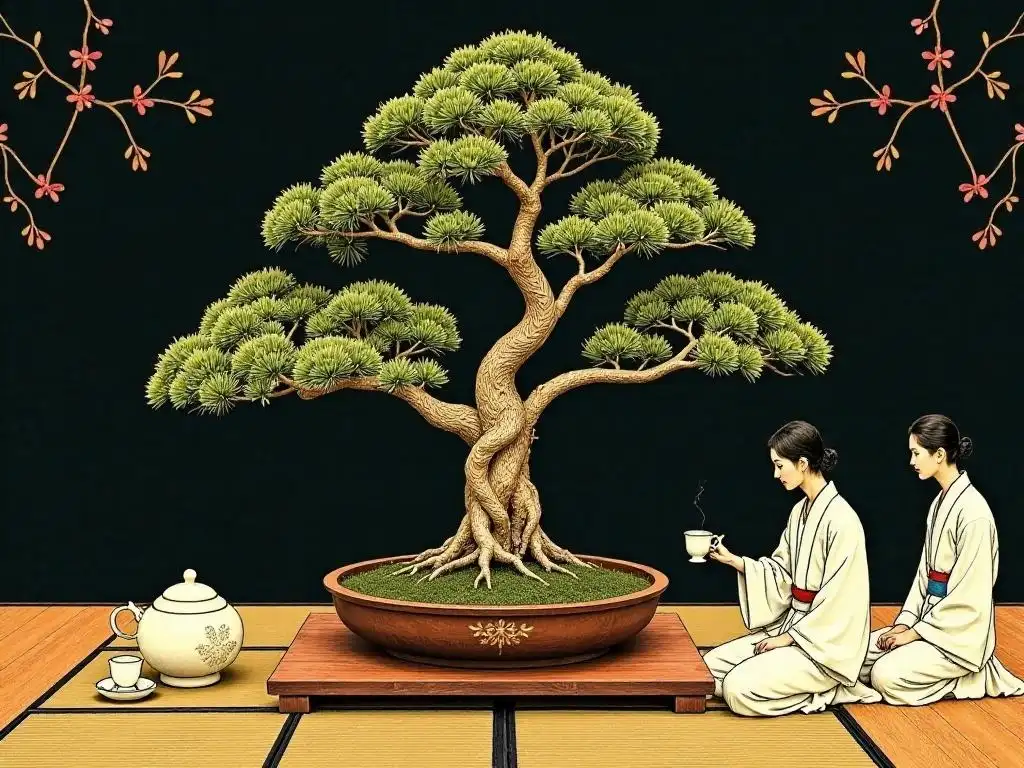
Welcome to Feudal Japan History, where we invite you to embark on a journey through the intricate tapestry of Japan’s feudal era. Here, you will uncover the profound symbolism of tea in feudal Japan, a topic steeped in rich history and cultural significance. From the serene rituals of the tea ceremony to the deeper philosophical meanings behind each sip, our latest article, "Beyond the Brew," promises to unveil the layers of tradition that shaped a society.
Are you ready to discover how something as simple as tea can reveal the essence of an entire culture? Dive in and explore the captivating world of feudal Japan!
- Introduction to the Symbolism of Tea in Feudal Japan
- Historical Context of Tea in Feudal Japan
- The Symbolism of Tea in Feudal Japan
- Philosophy Behind Tea Ceremonies
- The Tea Ceremony: A Ritual of Reflection and Connection
- The Impact of Tea on Feudal Japanese Society
- Conclusion: The Lasting Legacy of Tea in Feudal Japan
- References and Further Reading on Tea in Feudal Japan
- Frequently Asked Questions
- Final Reflection: The Enduring Legacy of Tea's Symbolism in Feudal Japan
- Unveil the Ancient Wisdom of Tea!
Introduction to the Symbolism of Tea in Feudal Japan
Tea has long been an integral part of Japanese culture, serving not only as a beverage but also as a profound symbol steeped in philosophy and tradition. In feudal Japan, the symbolism of tea transcended its physical properties, becoming a reflection of social values, spiritual practices, and artistic expressions.
This article delves into the layers of meaning attributed to tea during this era, highlighting its significance within the broader context of Japanese society. By exploring the complex interplay between tea and the feudal social structure, as well as its role in cultural rituals such as the tea ceremony, we gain insight into how this seemingly simple drink encapsulated the essence of Japanese life.
Understanding the Cultural Significance of Tea
Tea in feudal Japan was far more than a mere refreshment; it was intertwined with the very fabric of Japanese identity. The arrival of tea from China in the 9th century marked the beginning of a transformative journey that would elevate this drink to a revered status.
- Spiritual Dimensions: The consumption of tea was often linked to Buddhist practices, where it was believed to enhance meditation and mindfulness. The act of preparing and consuming tea became a ritual that fostered tranquility and spiritual clarity.
- Social Hierarchies: Within the feudal system, tea ceremonies served as a platform for social interaction among the samurai class and nobility. These gatherings were imbued with etiquette and decorum, reinforcing social bonds and hierarchies.
- Artistic Expression: The aesthetics of tea preparation, from the choice of utensils to the presentation of the drink, became an art form in itself. This attention to detail reflected the values of simplicity and harmony, central to Japanese culture.
In this way, tea was not just consumed; it was experienced, embodying a philosophy that emphasized the importance of presence, appreciation, and respect for nature.
Overview of Tea in Japanese Society
The role of tea in Japanese society during the feudal era was multifaceted, influencing various aspects of daily life and cultural practices.
- Economic Importance:
- Tea cultivation emerged as a significant agricultural practice, contributing to the economy of regions like Uji and Shizuoka.
- The trading of tea also created a network of commerce that spanned across Japan.
- Cultural Rituals:
- The tea ceremony, known as chanoyu, became a formalized ritual that emphasized harmony, respect, purity, and tranquility.
- It was often seen as a means of bringing people together, transcending social classes and fostering a sense of community.
- Symbol of Hospitality:
- Offering tea to guests was regarded as a gesture of hospitality, reflecting the host's character and social standing.
- The manner in which tea was served conveyed respect and appreciation, further embedding tea into the fabric of social customs.
Through these lenses, we can appreciate how the symbolism of tea in feudal Japan was not only about the beverage itself but also about the values, beliefs, and social structures that it represented. The legacy of tea continues to resonate in Japan today, reminding us of its profound historical significance.
Historical Context of Tea in Feudal Japan
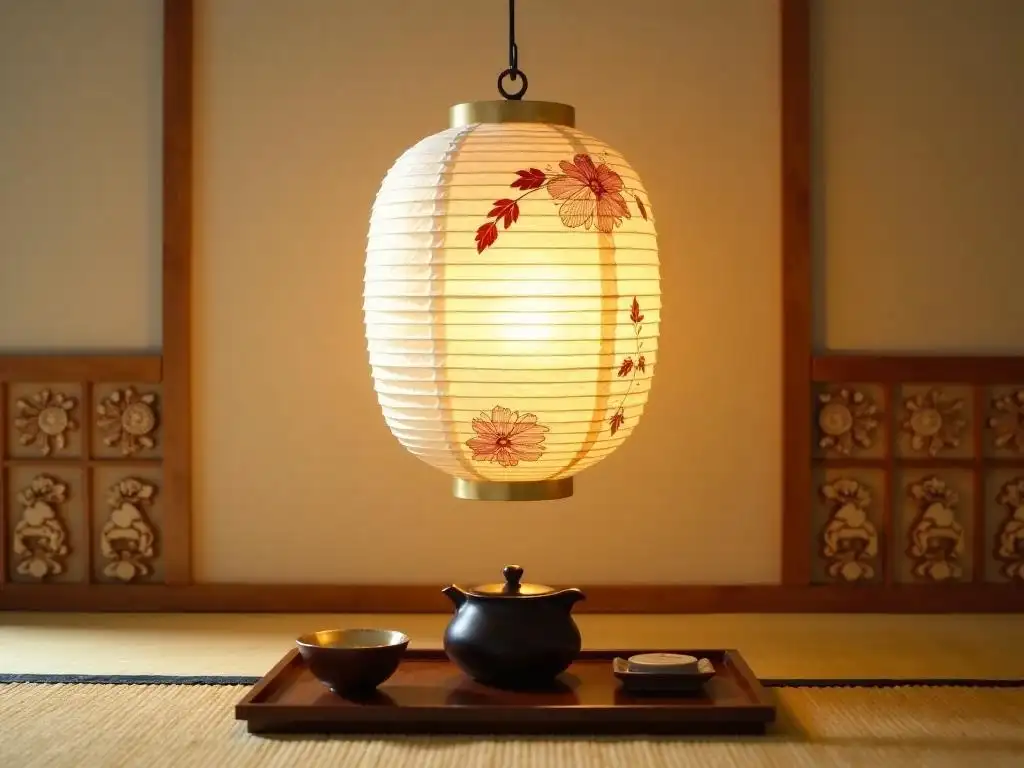
The Introduction of Tea to Japan
The history of tea in Japan begins in the early 9th century, when it was introduced by Buddhist monks who traveled to China to study. These monks, particularly the likes of Saichō and Kūkai, recognized the invigorating properties of tea, which helped them stay alert during long hours of meditation. Initially, tea was consumed primarily for its medicinal benefits, but its significance would evolve dramatically over the ensuing centuries.
The earliest documented mention of tea in Japan is found in a text called Nihon Kiryaku, which dates back to 815 CE. This record describes the use of powdered tea, known as matcha, a method that was heavily influenced by Chinese tea culture. By the late Heian period (794-1185), tea was becoming more integrated into the aristocratic lifestyle, particularly among the elite, who valued it for its aesthetic and ceremonial qualities.
The Evolution of Tea Practices
As Japan progressed into the Kamakura period (1185-1333) and beyond, tea began to permeate various layers of society, transitioning from a luxury item reserved for the aristocracy to a more accessible beverage. One critical turning point in this evolution was the rise of the samurai class, who adopted tea drinking as part of their cultural identity. The act of tea consumption became associated with the ideals of discipline, focus, and simplicity that were paramount in samurai philosophy.
The emergence of the chanoyu (tea ceremony) during the Muromachi period (1336-1573) marked a significant shift in the symbolism of tea. Influenced by Zen Buddhism, the tea ceremony became a ritualistic practice emphasizing aesthetics, mindfulness, and the appreciation of nature. The practitioner, or teishu, would prepare and serve tea in a manner that highlighted the beauty of the utensils, the tea itself, and the surrounding environment. This practice encapsulated the philosophy of wabi-sabi, which values the beauty found in imperfection and transience.
| Period | Key Developments | Symbolism of Tea |
|---|---|---|
| Heian (794-1185) | Introduction by Buddhist monks | Medicinal and spiritual rejuvenation |
| Kamakura (1185-1333) | Samurai adoption of tea | Discipline, focus, and cultural identity |
| Muromachi (1336-1573) | Emergence of chanoyu and Zen influence | Mindfulness, simplicity, and aesthetics |
The tea ceremony during the Azuchi-Momoyama period (1568-1600) further refined the practice, with figures such as Sen no Rikyū establishing the principles that still guide tea ceremonies today. His emphasis on harmony, respect, purity, and tranquility transformed the tea ceremony into a profound expression of Japanese culture, where the symbolism of tea encompassed not only the beverage itself but also the relationships between the host and guests, and the environment in which the ceremony took place.
In this way, tea transitioned from a simple drink to a multifaceted symbol of cultural identity, philosophical thought, and artistic expression in feudal Japan, encapsulating the complex interplay of social classes, spirituality, and aesthetics that defined the era.
The Symbolism of Tea in Feudal Japan
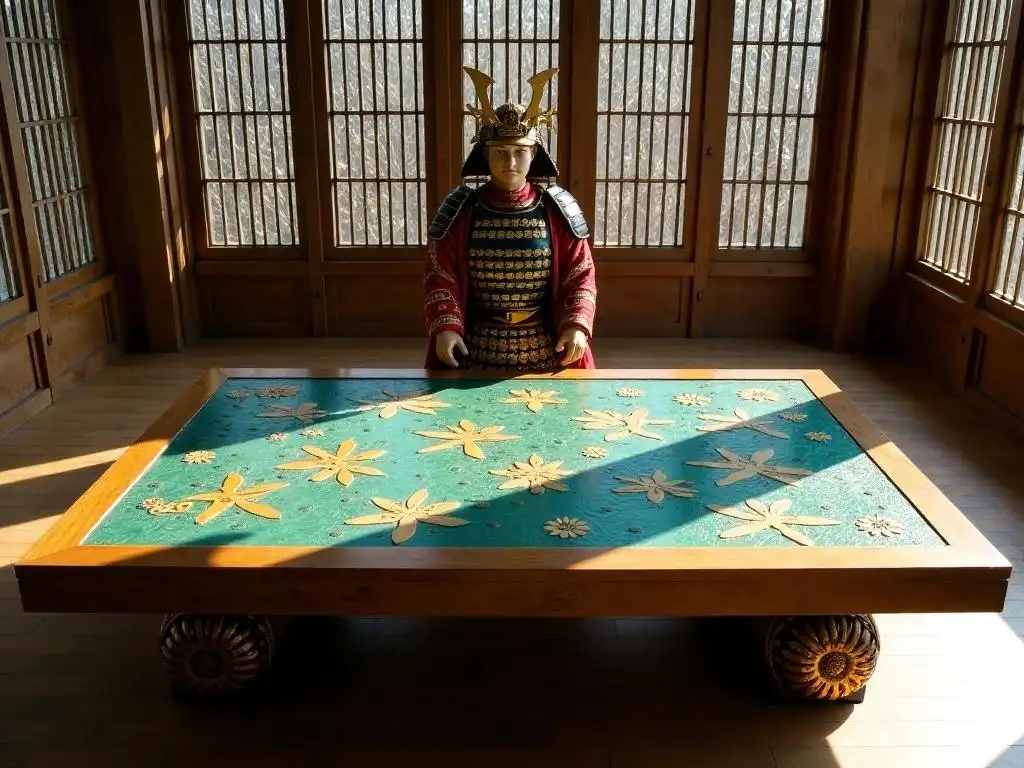
Tea as a Representation of Harmony and Respect
In feudal Japan, tea transcended mere consumption; it became a profound medium for expressing harmony and respect among individuals. The Chanoyu, or tea ceremony, epitomizes this ethos, where each act is meticulously choreographed to promote a sense of tranquility and interconnectedness. The concept of wa, kei, sei, and jaku—which translates to harmony, respect, purity, and tranquility—underpins the entire ceremony.
- Harmony (Wa): The tea ceremony fosters a harmonious atmosphere, often achieved through the careful arrangement of the tea room and the selection of utensils. Each element is chosen to create a serene environment conducive to contemplation and connection.
- Respect (Kei): Respect is manifested through gestures such as bowing and the meticulous handling of tea utensils. The act of serving tea is not just about the beverage; it signifies an acknowledgment of the guest's presence and importance.
The symbolism of tea thus acts as a vehicle for promoting social cohesion, allowing participants to engage in a moment of shared appreciation for the subtleties of life.
The Role of Tea in Zen Buddhism
Tea's integration into Zen Buddhism significantly enhanced its symbolic weight in feudal Japan. Monks valued tea for its ability to aid concentration during meditation, thus reinforcing the connection between tea and spiritual practice. The ritual of preparing and drinking tea became a meditative act in itself, embodying the Zen principles of mindfulness and presence.
Key aspects include:
- Mindfulness: The preparation of tea requires focus and attention to detail. Each movement is performed with intention, transforming a simple act into a meditative experience. This mindfulness extends beyond the ceremony, encouraging participants to embrace the present moment.
- Simplicity: Zen philosophy celebrates simplicity, a value echoed in the aesthetics of tea utensils and the tea room itself. The minimalist design and natural materials serve to strip away distractions, emphasizing the beauty of the moment and the tea.
Through these practices, tea evolved into a powerful symbol of Zen Buddhist principles, inviting practitioners to engage with their inner selves and the world around them.
During the feudal era, tea became intertwined with social hierarchy and power dynamics. The ability to host a tea ceremony was often a reflection of one's social standing and influence. The samurai class and nobility used tea as a means to showcase their wealth and sophistication, often employing exquisite utensils and rare tea varieties.
Social Implications:
- Ceremonial Prestige: Hosting a tea ceremony was a privilege typically reserved for the elite. The intricacies involved in organizing such an event highlighted the host's status and knowledge of tea etiquette, further elevating their social position.
- Cultural Exchange: Tea gatherings often served as venues for political and diplomatic discussions. The act of sharing tea fostered relationships and alliances, subtly reinforcing power structures within feudal society.
The symbolism of tea in feudal Japan thus extends beyond personal enjoyment, embedding itself into the very fabric of social interaction and hierarchical structures, affirming its role as a medium of both connection and distinction.
Philosophy Behind Tea Ceremonies
The philosophy behind tea ceremonies in feudal Japan extends far beyond the act of drinking tea; it embodies a rich tapestry of cultural values, aesthetics, and spiritual insights. Central to this philosophy is the notion that the tea ceremony serves as a medium for self-cultivation, reflection, and the establishment of harmony between the participant and their surroundings. The ritualized nature of the ceremony creates a space where individuals can momentarily transcend the chaos of daily life, fostering a deeper connection with nature, others, and oneself.
The Aesthetics of the Tea Ceremony
The aesthetics of the tea ceremony, or chanoyu, is characterized by simplicity, tranquility, and a profound appreciation for beauty in the mundane. The environment in which the tea is served is meticulously arranged, often featuring elements that evoke a sense of harmony with nature. Key aesthetic principles include:
- Simplicity: The tea room, or chashitsu, is often sparsely decorated, emphasizing minimalism. This simplicity allows participants to focus on the act of tea preparation and consumption, stripping away distractions.
- Natural Materials: The use of natural materials such as bamboo, clay, and wood reinforces the connection to the natural world. Each item, from utensils to the tea bowl ( chawan), is chosen not only for functionality but also for its aesthetic appeal.
- Attention to Detail: Every action in the ceremony is deliberate and precise, reflecting the beauty of craftsmanship. This attention to detail enhances the overall experience, inviting participants to appreciate the moment fully.
The aesthetics of the tea ceremony are not merely superficial; they serve as a vehicle for deeper philosophical exploration. The way the tea is prepared, served, and consumed is imbued with meaning, encouraging mindfulness and presence.
Key Philosophical Concepts in Tea Practices
Several key philosophical concepts underpin the practices of tea ceremonies in feudal Japan, shaping the experiences of both the host and the guests. These concepts include:
- Harmony (wa): Central to the tea ceremony is the idea of harmony, which emphasizes balance and interconnectedness. Participants strive to create an environment where everyone feels at ease, fostering a sense of unity.
- Respect (kei): Respect is fundamental to the interactions between the host and guests. This respect is manifested in the careful preparation of the tea and the thoughtful consideration of the guests' needs and preferences.
- Purity (sei): Purity refers not only to the cleanliness of the tea utensils but also to the intention behind the ceremony. The act of purifying the mind and spirit before engaging in the tea ceremony is essential to achieving a genuine experience.
These philosophical concepts are not merely theoretical; they are enacted through the physical movements and rituals of the ceremony, creating a profound experience that resonates with the participants.
The Influence of Wabi-Sabi on Tea Culture
Wabi-sabi, a Japanese aesthetic philosophy, significantly influences the tea culture of feudal Japan. This philosophy embraces the beauty of imperfection, transience, and the natural cycle of growth and decay. Key aspects of wabi-sabi in tea culture include:
- Embracing Imperfection: Wabi-sabi encourages an appreciation for the imperfect nature of objects. In tea ceremonies, a cracked tea bowl may be seen as more beautiful than a flawless one, as it tells a story of its journey and use.
- Transience: The fleeting nature of beauty and life is a central tenet of wabi-sabi. Participants are reminded to cherish the moment and the ephemeral beauty of the tea ceremony, as each gathering is unique and unrepeatable.
- Connection to Nature: Wabi-sabi fosters a deep connection to the natural world, encouraging participants to honor the changing seasons and the simplicity of nature's creations. Seasonal elements are often incorporated into the tea ceremony, reflecting the philosophy's core belief in the beauty of change.
The influence of wabi-sabi on tea culture enriches the experience of the tea ceremony, inviting participants to reflect on the deeper meanings of life, beauty, and existence itself. Through the lens of wabi-sabi, the symbolism of tea in feudal Japan transcends the beverage itself, becoming a profound expression of cultural identity and philosophical inquiry.
The Tea Ceremony: A Ritual of Reflection and Connection
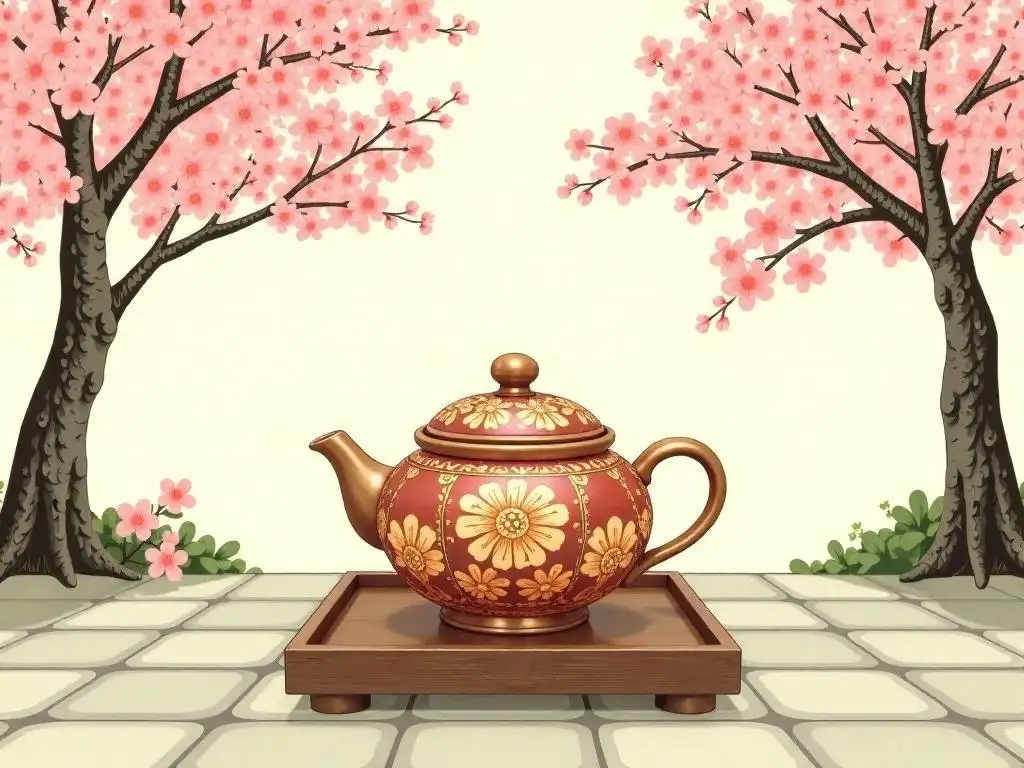
The tea ceremony, known as chanoyu (茶の湯), embodies a deeply rooted cultural practice in feudal Japan that transcends mere beverage preparation. It represents a complex interplay of art, philosophy, and social interaction, specifically crafted to foster a sense of harmony and tranquility. The ceremony emphasizes mindfulness and contemplation, allowing participants to step away from the chaos of daily life and engage in a moment of reflection.
During the feudal era, the tea ceremony became a vital expression of Japanese aesthetics, emphasizing simplicity, natural beauty, and the impermanence of life. Participants are encouraged to appreciate the moment, leading to a collective experience that transcends individual concerns. The setting, often characterized by rustic tea houses surrounded by nature, enhances this sense of connection with the environment.
Structure of a Traditional Tea Ceremony
The structure of a traditional tea ceremony is meticulously designed to guide participants through a series of intentional actions and experiences, each holding significant meaning. Below is an outline of the key stages involved:
- Preparation of the Space:
- The tea room is typically adorned with minimalistic decor, reflecting the principles of wabi-sabi—the beauty found in imperfection and simplicity.
- Seasonal flowers and a calligraphy scroll may be displayed to create an atmosphere that resonates with the time of year.
- Welcoming the Guests:
- The host greets guests with formal bows, establishing a respectful atmosphere.
- Guests may partake in a purification ritual, washing their hands and rinsing their mouths to signify the cleansing of body and spirit.
- Preparation of Tea:
- The host prepares matcha (powdered green tea) with precision, highlighting the skill and artistry involved in the process.
- The act of whisking the tea is performed with deliberate care, showcasing the host's dedication to the ritual.
- Serving the Tea:
- The host presents the tea to each guest, often with a specific order based on hierarchy, reinforcing social bonds and respect.
- Guests receive the tea with both hands, acknowledging the host's effort and intention.
- Enjoying the Tea:
- Participants savor the tea in silence, allowing time for reflection and appreciation of the flavors and aromas.
- The act of drinking tea becomes a meditative experience, emphasizing presence and mindfulness.
The Symbolic Elements of the Tea Ceremony
The tea ceremony is rich with symbolic elements that enhance its philosophical underpinnings. Each component, from the utensils to the environment, carries deeper meanings:
- Tea Utensils: The tea bowl ( chawan), tea whisk ( chasen), and tea scoop ( chashaku) are not merely tools but represent the harmony between nature and human craftsmanship. Each utensil is often handcrafted, embodying unique characteristics that reflect the natural world.
- Seasonal Elements: The incorporation of seasonal flowers and motifs in the tea room underscores the ephemeral nature of beauty and the changing cycles of life, inviting participants to reflect on their own existence.
- Silence and Space: The emphasis on silence during the ceremony allows for introspection, fostering a connection with oneself and others. This quietude encourages participants to be present and engage fully with the experience.
- The Act of Serving: The ritual of serving tea symbolizes hospitality and the bond between host and guests. It reflects the values of generosity and respect, critical components of Japanese culture.
The Role of the Host and Guests
In the context of the tea ceremony, the roles of the host and guests are foundational to the overall experience. Each participant plays a crucial part in creating an atmosphere of respect, harmony, and connection.
- The Host: The host is responsible for orchestrating the ceremony, ensuring that every detail reflects careful thought and intention. Their demeanor must convey calmness and grace, guiding participants through the ritual. The host's ability to read the room and adapt to the needs of the guests is essential, as it fosters a sense of comfort and belonging.
- The Guests: Guests arrive with an attitude of respect and appreciation for the ceremony. Their behavior, including how they receive and consume the tea, reflects their understanding of the ritual's significance. Engaging in thoughtful conversation after the tea is served enhances the communal experience, allowing for a deeper connection among participants.
The tea ceremony in feudal Japan serves as a profound reflection of cultural values, emphasizing the importance of mindfulness, harmony, and interpersonal connections. The symbolism of tea in this context goes beyond the drink itself, encompassing a rich tapestry of meanings that resonate deeply with both historical and contemporary Japanese society.
The Impact of Tea on Feudal Japanese Society
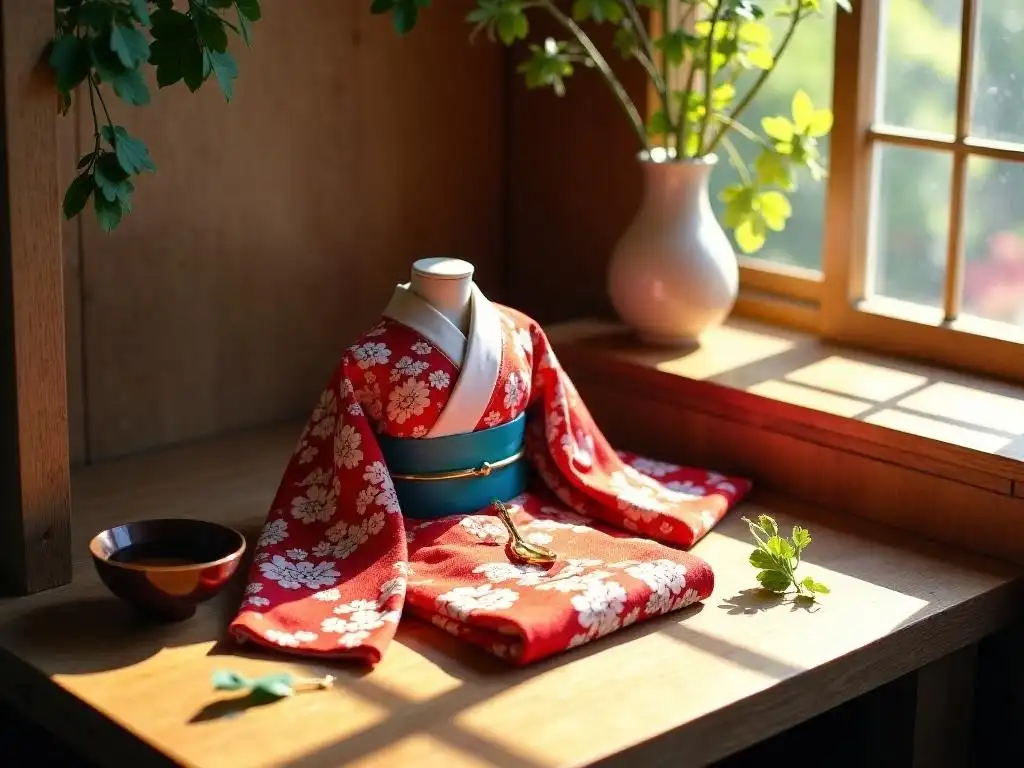
In feudal Japan, tea served as more than just a beverage; it was a catalyst for social interaction and a crucial element in the construction of relationships among the samurai, merchants, and farmers. The act of sharing tea was often ritualized, transforming a simple drink into an intricate social event.
- Tea Gatherings: These gatherings, known as chanoyu, were occasions for the elite to display their refinement and knowledge of tea preparation. The meticulous nature of tea ceremonies encouraged participants to engage in thoughtful conversation, fostering connections and alliances.
- Symbolism of Harmony: The ritualistic preparation and consumption of tea emphasized values such as harmony, respect, purity, and tranquility—known as the four principles of the tea ceremony. This philosophy permeated social interactions, encouraging a sense of community and mutual appreciation.
Moreover, tea houses became popular venues for discussions, negotiations, and the sharing of ideas, highlighting the symbolism of tea in feudal Japan as a means of cultural exchange and unity among diverse social classes.
The Economic Importance of Tea Trade
The tea trade played a significant role in the economic landscape of feudal Japan, particularly during the Muromachi period (1336-1573) when tea began to gain popularity among the samurai class. The following points illustrate its economic impact:
- Production and Export: The cultivation of tea, particularly in regions like Uji and Shizuoka, became a vital agricultural endeavor. Local lords invested in tea production, recognizing its potential for profit. By the late 16th century, tea exports began to flourish, contributing to local economies and the overall trade networks within Japan and beyond.
- Taxation and Revenue: The government imposed taxes on tea production and sales, generating significant revenue. This taxation system allowed feudal lords to fund their military campaigns and maintain their estates, intertwining tea's economic importance with the political landscape of the time.
The symbolism of tea in feudal Japan thus transcended mere consumption, becoming a vital economic commodity that influenced the power dynamics within feudal society.
The Influence of Tea on Art and Literature
The appreciation of tea in feudal Japan extended into the realms of art and literature, inspiring a rich cultural heritage that reflected its significance. Artists, poets, and philosophers embraced tea, integrating its themes into their works.
- Artistic Depictions: Tea was often portrayed in various art forms, from paintings to ceramics, showcasing the beauty and elegance of the tea ceremony. The aesthetic principles of simplicity and naturalness associated with tea influenced the development of traditional Japanese art, particularly during the Edo period (1603-1868).
- Literary Expressions: Tea also found its way into literature, with poets like Matsuo Bashō capturing the essence of tea in their haikus. These literary works often reflected the tranquility and mindfulness that tea drinking inspired, embedding tea's symbolism in feudal Japan deeply within the cultural consciousness.
The influence of tea on art and literature in feudal Japan highlights its multifaceted role as a symbol of aesthetic beauty, philosophical thought, and cultural identity during a transformative period in Japanese history.
Conclusion: The Lasting Legacy of Tea in Feudal Japan
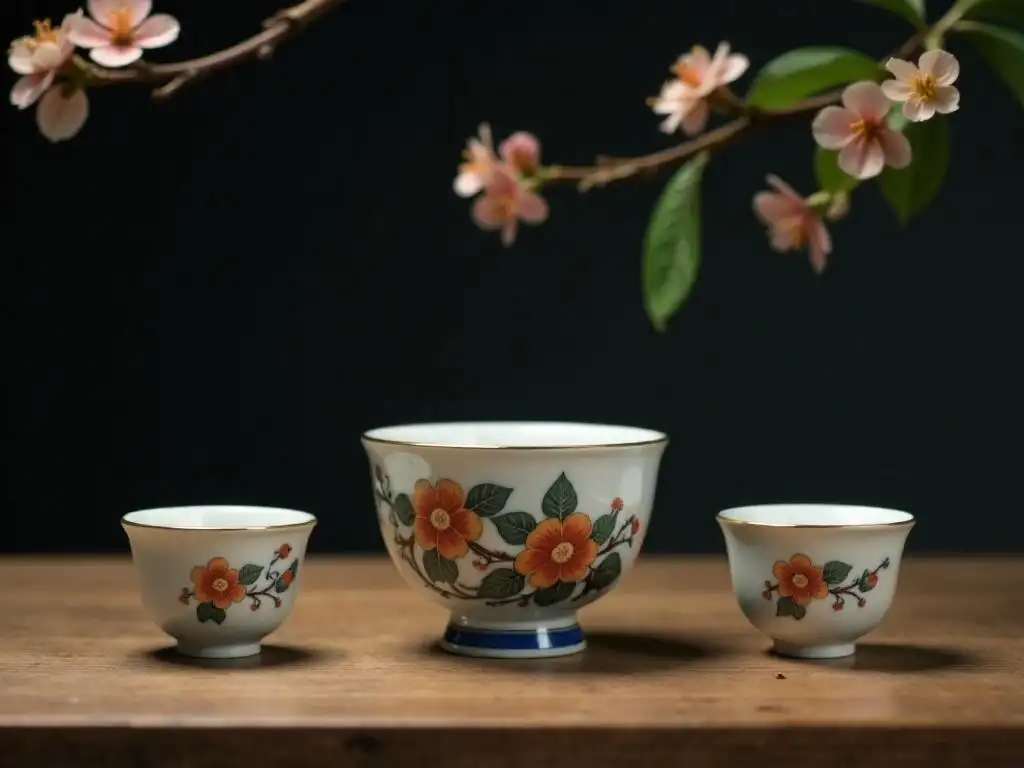
The legacy of tea in feudal Japan extends far beyond the simple act of drinking. It encapsulates a rich tapestry of cultural, philosophical, and artistic influences that continue to resonate in modern society. The symbolism of tea in feudal Japan reflects a deep connection to nature, spirituality, and the pursuit of harmony, values that were ingrained in the practices of the time.
During the feudal era, tea was not merely a beverage; it was a conduit for expressing social hierarchies, aesthetics, and personal philosophies. The ritual of the tea ceremony, known as chanoyu, embodied principles such as wa (harmony), kei (respect), sei (purity), and jaku (tranquility). These principles are integral to understanding how tea shaped interpersonal relationships and cultural identity during this period.
The aesthetic of simplicity and rustic beauty that characterized many tea utensils and the settings for tea gatherings mirrored the Zen Buddhist philosophy prevalent in feudal Japan. The enduring influence of these ideals is evident in various aspects of Japanese culture today, including art, architecture, and even contemporary tea practices.
Lessons from Tea Culture in Contemporary Society
The teachings of tea culture from feudal Japan offer valuable lessons that can be applied in today’s fast-paced world. The emphasis on mindfulness, appreciation for simplicity, and the cultivation of relationships through shared experiences are more relevant than ever.
- Mindfulness: The slow, deliberate actions involved in the tea ceremony encourage a meditative state. Practicing mindfulness through tea can help individuals reconnect with the present moment, fostering mental well-being.
- Simplicity: In a society often overwhelmed by excess, the principles of simplicity and minimalism found in tea culture can inspire a more intentional lifestyle. This can manifest in various forms, from decluttering our environments to focusing on quality over quantity in our relationships.
- Community and Connection: The tea ceremony was a social event that brought people together, transcending social classes and fostering a sense of community. Today, hosting tea gatherings can serve as a means of building connections and strengthening bonds among friends and family.
Reflecting on the Symbolism of Tea Today
In contemporary society, the symbolism of tea continues to evolve while retaining the core values established during feudal Japan. It serves as a symbol of hospitality, respect, and the importance of ritual in daily life.
- Cultural Exchange: As tea has become a global phenomenon, its role in cultural exchange highlights the importance of understanding and respecting diverse traditions.
- Sustainable Practices: The modern emphasis on sustainability resonates with the feudal Japanese practice of valuing natural materials and harmony with nature. This has led to a resurgence in interest in organic teas and environmentally friendly production methods.
- Personal Reflection: For many, tea serves as a personal ritual that encourages introspection and a moment of pause in a busy day. The act of brewing and enjoying tea can be a form of self-care and a meditative practice.
The symbolism of tea in feudal Japan is not just a relic of the past but a vibrant aspect of contemporary life that invites individuals to reflect on their values, relationships, and the world around them. The enduring influence of tea culture offers profound insights into the art of living well, bridging the historical with the modern in a seamless flow of tradition and innovation.
References and Further Reading on Tea in Feudal Japan
Recommended Books on Japanese Tea Culture
When exploring the symbolism of tea in feudal Japan, a variety of literature offers insightful perspectives into the cultural and historical significance of tea. Here are some recommended books that provide a comprehensive understanding of Japanese tea culture:
-
"The Book of Tea" by Okakura Kakuzō
This classic work, first published in 1906, delves into the aesthetics and philosophy of tea in Japan, emphasizing its role in art and culture. Kakuzō discusses the deeper meanings behind tea practices, making it essential for understanding tea's symbolism.
-
"Tea Life, Tea Mind" by Soshitsu Sen XV
This book offers a modern perspective on the traditional tea ceremony, highlighting its philosophical underpinnings. The author, a descendant of the famous tea master Sen no Rikyū, connects tea practice with mindfulness and spirituality.
-
"The Japanese Tea Ceremony: A Cultural History" by Paul Varley
Varley provides a thorough historical account of the tea ceremony’s evolution, illustrating how it reflects societal changes in Japan. This book is crucial for understanding the interplay between tea rituals and feudal society's values.
-
"Chanoyu: The Japanese Tea Ceremony" by Shizuko N. Oda
This book presents an in-depth analysis of the tea ceremony's cultural significance, touching on its aesthetics, rituals, and the deep-rooted philosophies that inform these practices.
Academic Articles on the Philosophy of Tea
The academic exploration of the symbolism of tea in feudal Japan is rich and varied, with numerous articles shedding light on its philosophical implications. Here are some noteworthy papers:
-
"The Way of Tea: A Philosophical Overview"
This article examines the fundamental philosophies that underpin the practice of tea in Japan, including Zen Buddhism's influence. It discusses how tea embodies concepts such as harmony, respect, purity, and tranquility.
-
"Tea and the Samurai: The Role of Tea in the Warrior Class"
This scholarly paper investigates the relationship between the samurai and tea culture, detailing how tea rituals served as a means of fostering camaraderie and discipline among warriors.
-
"Aesthetic Experience and the Tea Ceremony"
Focusing on the sensory aspects of tea ceremonies, this article analyzes how aesthetics play a critical role in the tea experience. It discusses the importance of beauty, simplicity, and the transient nature of tea events.
-
"Ritual and Symbolism in Japanese Tea Ceremonies"
This research delves into the symbolic elements present in tea ceremonies, exploring how they reflect broader societal values and beliefs during the feudal era.
These resources provide a foundation for understanding the multifaceted symbolism of tea in feudal Japan, revealing its profound impact on culture, philosophy, and society.
Frequently Asked Questions
What is the significance of tea in feudal Japan?
Tea in feudal Japan served not only as a beverage but also as a symbol of social status and cultural refinement, influencing various aspects of Japanese society and traditions.
How did the tea ceremony reflect Japanese philosophy?
The tea ceremony embodies key philosophical concepts such as simplicity, harmony, and respect, showcasing the deep connection between tea and Zen Buddhism in Japanese culture.
What role did tea play in samurai culture?
For the samurai, tea was more than a drink; it was a means to practice mindfulness and foster camaraderie, often accompanying important rituals and gatherings.
How did tea influence Japanese art and literature?
Tea inspired various forms of art and literature, leading to the creation of poetry, paintings, and other artistic expressions that celebrated its aesthetics and cultural significance.
What are the broader cultural impacts of tea in feudal Japan?
Beyond mere consumption, tea shaped social interactions, influenced ceremonial practices, and became a cultural symbol representing the values and beliefs of feudal Japanese society.
Final Reflection: The Enduring Legacy of Tea's Symbolism in Feudal Japan
The symbolism of tea in feudal Japan remains profoundly relevant today, as it encapsulates not only the art of brewing but also the intricate philosophies that shaped a culture. The rituals surrounding tea transcend mere consumption; they represent a deep connection to nature, mindfulness, and the pursuit of harmony. In a world increasingly driven by speed and convenience, the slow, deliberate practice of tea drinking serves as a powerful reminder of the beauty found in stillness and reflection.
The influence of tea extends far beyond its historical context, weaving itself into the fabric of modern society and cultural practices. The principles of respect, tranquility, and simplicity that are inherent in the tea ceremony continue to resonate, encouraging individuals to cultivate a sense of mindfulness in their daily lives. Tea is the magic elixir that brings people together, transcending time and space.
This enduring philosophy invites us to embrace the moments of connection and contemplation that tea symbolizes, fostering a sense of community and belonging.
As we reflect on the lessons imparted by the symbolism of tea in feudal Japan, let us take a moment to incorporate these values into our own lives. I invite you to pause, brew a cup of tea, and allow yourself to be present in the moment. Consider how the act of sharing tea can deepen relationships and enhance your appreciation for the simple joys of life. In doing so, we not only honor the rich history of tea but also cultivate a mindful existence that can transform our everyday experiences.
Unveil the Ancient Wisdom of Tea!
Thank you for exploring the profound world of tea’s symbolism and philosophy during Feudal Japan. We hope you found inspiration in the intricate layers of meaning behind this beloved beverage. Now, let’s take those insights into action!
Here are a few ways you can deepen your connection with this ancient tradition:
- Join a local tea ceremony: Experience firsthand the mindfulness and grace that tea embodies in Japanese culture.
- Explore Japanese tea varieties: Visit a specialty tea shop or an online retailer to discover unique flavors and learn about their historical significance.
- Share your thoughts: Engage with friends or online communities about the role of tea in your daily life and how it connects to broader cultural practices.
What does the ritual of tea mean to you, and how might you incorporate it into your modern routine?