
The Legacy of Tea Ceremonies: From Feudal Japan to Contemporary Society

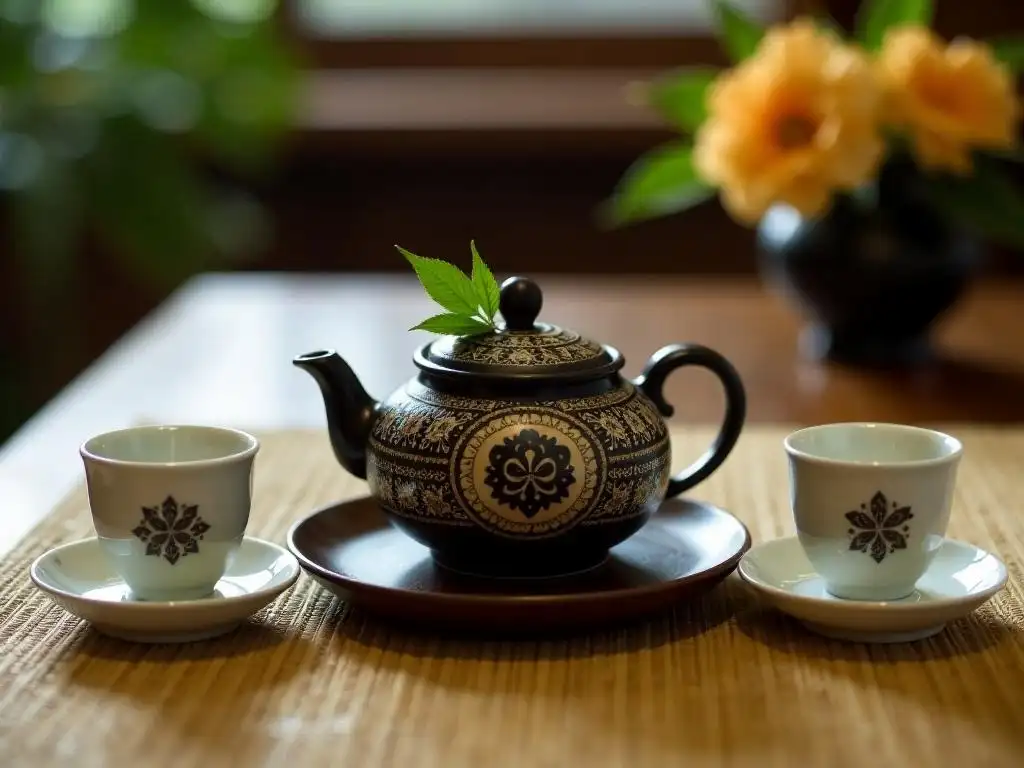
Welcome to Feudal Japan History, where we invite you to embark on a captivating journey through the intricate tapestry of Japan’s feudal era. Dive deep into the rich cultural history that shaped a nation, and discover how the delicate art of tea ceremonies in feudal Japan transcended mere tradition to forge connections between the past and present. What secrets do these ceremonies hold? Join us as we unravel their legacy and explore how they continue to influence contemporary society. Get ready to be inspired—your journey into the heart of feudal Japan begins now!
Introduction to Tea Ceremonies in Feudal Japan
Tea ceremonies in feudal Japan, known as chanoyu (茶の湯), represent a profound cultural tradition that reflects the intricate relationship between art, spirituality, and social interaction. These ceremonies are not merely rituals for consuming tea but embody a philosophy of harmony, respect, purity, and tranquility. As Japan transitioned from the tumultuous eras of war and conflict to a more stable and structured society, tea ceremonies evolved, integrating various elements of Japanese culture, aesthetics, and spirituality. This article delves into the historical roots, cultural significance, and lasting legacy of tea ceremonies in feudal Japan, tracing their impact on contemporary society.
Definition and Significance of Tea Ceremonies
At its core, a tea ceremony is an orchestrated ritual that involves the preparation and serving of matcha, powdered green tea, in a serene and meditative environment. The significance of these ceremonies extends beyond the act of drinking tea; they serve as a medium for fostering connection and mindfulness, emphasizing the importance of each moment.
Participants engage in a meticulously arranged process that highlights the beauty of simplicity and the aesthetic value of the surrounding environment. The tea ceremony encapsulates the essence of Japanese culture, where every gesture and element is imbued with meaning, promoting a sense of calm and reflection.
Historical Context: The Emergence of Tea in Japan
The introduction of tea to Japan dates back to the early 9th century when Buddhist monks brought tea seeds from China. Initially, tea was used primarily for its medicinal properties and as a stimulant during long meditation sessions. However, by the 12th century, tea began to take on a more prominent role in Japanese society, particularly among the elite.
The practice of preparing and consuming tea gradually transitioned into a formalized ritual, influenced by various cultural and religious practices, especially during the Kamakura (1185-1333) and Muromachi (1336-1573) periods. This evolution set the stage for the intricate tea ceremonies that would flourish in feudal Japan.
The Origins of Tea Ceremonies in Feudal Japan
The Influence of Chinese Tea Culture
Chinese tea culture played a pivotal role in shaping the early practices of tea in Japan. The Zen Buddhist monks who introduced tea were influenced by the Chinese tea-drinking customs, which emphasized aesthetics and tranquility. The Japanese adapted these customs, incorporating elements such as the use of tea bowls and the ceremonial aspects of tea preparation. Over time, this blend of Chinese influences and native traditions gave rise to unique Japanese tea practices that would develop into the formal tea ceremonies recognized today.
Key Historical Figures in the Development of Tea Ceremonies
Several notable figures emerged during the feudal era who significantly contributed to the evolution of tea ceremonies. Among them, Sen no Rikyū (1522-1591) stands out as a central figure in the refinement of the tea ceremony. Rikyū emphasized simplicity, natural beauty, and the spiritual aspects of tea preparation, shaping what would become the standard for tea practices. His teachings and aesthetic principles laid the foundation for the wabi-sabi philosophy, which celebrates imperfection and transience, further enriching the cultural significance of tea ceremonies.
The Role of Zen Buddhism in Shaping Tea Practices
Zen Buddhism has been instrumental in molding the principles and practices of tea ceremonies in feudal Japan. The philosophies of Zen, which focus on meditation and mindfulness, resonate deeply with the ritualistic aspects of tea preparation. The tea ceremony became a form of moving meditation, allowing participants to engage fully in the present moment. This connection to Zen not only enhanced the spiritual significance of the ceremony but also transformed it into an art form that continues to influence contemporary practices, reflecting the enduring legacy of tea ceremonies in Japan's cultural history.
The Structure and Elements of Tea Ceremonies
Tea ceremonies in feudal Japan, known as chanoyu or sado, are intricate rituals that blend aesthetics, philosophy, and social etiquette. At their core, these ceremonies are not merely about drinking tea; they represent a holistic experience that encompasses preparation, presentation, and consumption. The structure of a tea ceremony is methodical and deliberate, often following a set sequence that reflects deep cultural values.
The ceremony is typically conducted in a tea room, which is designed to foster a tranquil atmosphere conducive to meditation and reflection. This setting is often adorned with simple yet meaningful decorations, such as a hanging scroll and seasonal flowers, which enhance the aesthetic experience. The participants are invited to partake in this serene environment, where they engage with the tea master and each other in a manner that emphasizes respect, humility, and mindfulness.
Essential Components of Traditional Tea Ceremonies
Several key components define a traditional tea ceremony. Firstly, the tea itself, usually matcha, is a finely powdered green tea that requires specific preparation techniques. Beyond the tea, the utensils play a crucial role; these include the tea bowl ( chawan), tea whisk ( chasen), and tea scoop ( chashaku). Each tool is carefully selected not only for its functionality but also for its aesthetic qualities, reflecting the principles of simplicity and beauty.
Moreover, the ritualistic movements performed by the host are integral to the ceremony. These movements are choreographed with precision, embodying grace and mindfulness. The act of serving and receiving tea involves a series of gestures that convey respect and appreciation. Lastly, the atmosphere created during the ceremony is vital; it is meant to encourage participants to engage in meaningful conversation and contemplation, fostering a sense of harmony and connection.
The Art of Tea Preparation: Tools and Techniques
The preparation of tea in a ceremony is an art form that demands skill and dedication. The tools used are essential for achieving the desired flavor and presentation of the tea. The tea bowl is central to this process; it is where the matcha is combined with hot water. The choice of bowl can reflect the season or the significance of the occasion, with different styles evoking various emotional responses.
The tea whisk, made from bamboo, is instrumental in creating the frothy texture of the tea. The whisking technique is deliberate, focusing on both the rhythm and the strength of the movements to achieve an optimal blend. Additionally, the tea scoop is used to measure the correct amount of matcha, ensuring consistency and quality in every serving.
Moreover, the temperature of the water and the quality of the ingredients are meticulously controlled to enhance the flavor profile of the tea. This attention to detail exemplifies the philosophy of wabi-sabi, which embraces imperfection and transience, further enriching the experience of the tea ceremony.
The Aesthetic Principles: Wabi-Sabi in Tea Ceremonies
The concept of wabi-sabi plays a pivotal role in the aesthetics of tea ceremonies. This philosophy celebrates the beauty found in imperfection and the transient nature of life, which is reflected in the simplicity and rustic charm of the utensils and the tea room itself. The asymmetry of a handmade tea bowl or the irregularities of natural materials evoke a sense of authenticity and connection to nature.
In tea ceremonies, this aesthetic is not merely visual; it influences the overall experience. Participants are encouraged to appreciate the ephemeral beauty of the moment, whether it be the steam rising from a freshly poured cup or the fleeting conversations shared among guests. Wabi-sabi teaches that true beauty lies in the acceptance of impermanence, fostering a deeper appreciation for the ritual of tea drinking.
The Societal Impact of Tea Ceremonies in Feudal Japan
Tea ceremonies in feudal Japan were not only cultural rituals but also served significant societal functions. They acted as a microcosm of the broader social structures and relationships within feudal society, reflecting the complexities of status, power, and community.
Tea Ceremonies as a Reflection of Social Hierarchies
The practice of tea ceremonies was often reserved for the elite, serving as a social marker of status and refinement. Participation in these rituals was an indicator of one’s education, taste, and social standing. The hierarchical nature of feudal Japan was mirrored in the seating arrangements and the roles assigned during the ceremony, with the host typically being of a higher social rank than the guests.
Moreover, the types of tea and utensils used could signify wealth and prestige. For example, exquisite tea bowls made by renowned artisans were highly coveted, further emphasizing the connection between tea culture and social hierarchy. Through these ceremonies, societal norms were reinforced, and the nuances of power dynamics were subtly navigated.
The Role of Tea Houses in Feudal Society
Tea houses, or chashitsu, were significant venues where tea ceremonies took place and served as important social hubs in feudal Japan. These spaces were designed to foster intimacy and contemplation, allowing participants to engage in the ritual while disconnecting from the outside world. The architecture of tea houses often incorporated natural elements, reflecting the Japanese appreciation for nature and the seasons.
In addition to serving as venues for tea ceremonies, these establishments became places for cultural exchange and social interaction. They provided a setting for the samurai class and merchants to gather, discuss politics, and share ideas. This interaction contributed to the development of a shared cultural identity, bridging gaps between different social strata within feudal society.
Interpersonal Relationships and the Art of Hospitality
Tea ceremonies were deeply rooted in the principles of hospitality, emphasizing the importance of interpersonal relationships. The act of serving tea was a gesture of respect and care, where the host aimed to create a welcoming environment for guests. This hospitality extended beyond mere service; it involved anticipating the needs of the participants and fostering a sense of community.
The careful attention to detail in preparing and serving tea reflects an understanding of the emotional nuances in human interactions. The shared experience of a tea ceremony often strengthened bonds between individuals, allowing for open dialogue and the sharing of personal stories. This aspect of hospitality was crucial in maintaining social harmony and mutual respect within the often rigid structures of feudal Japan.
Evolution of Tea Ceremonies from Feudal Japan to Modern Times
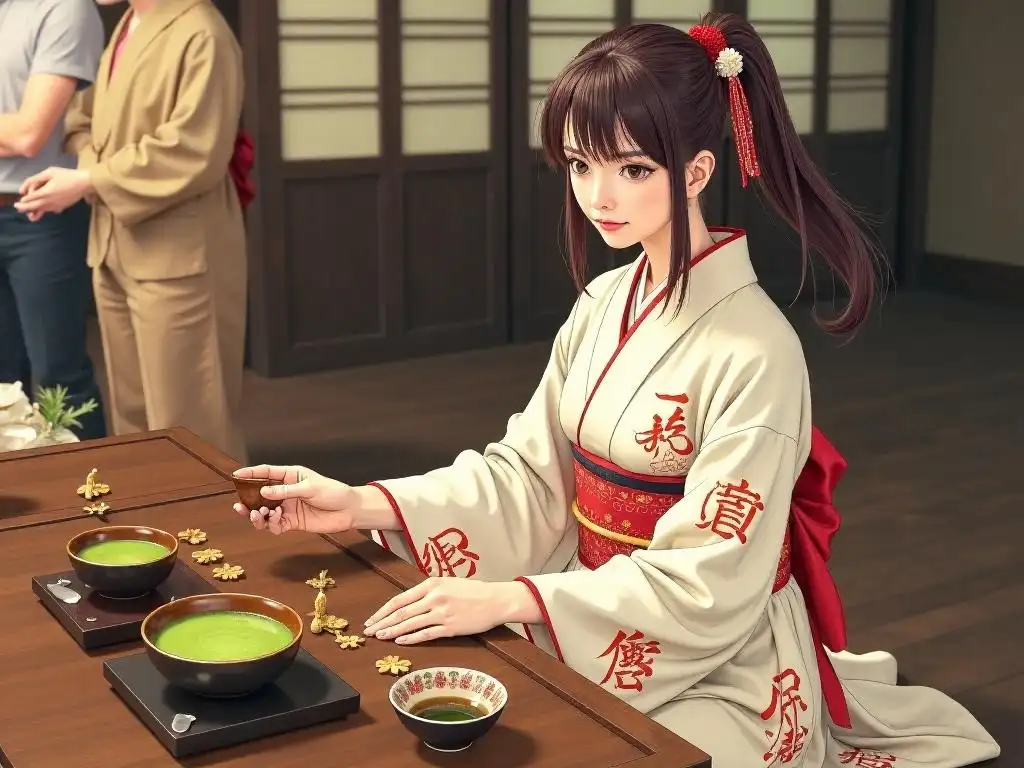
The evolution of tea ceremonies in Japan is a reflection of the country's shifting social dynamics and cultural values throughout its history. During the feudal era, tea was introduced by Buddhist monks, who valued it for its stimulating effects that aided meditation. The practice of tea drinking evolved into a formalized ritual, especially among samurai and aristocrats, emphasizing precision, aesthetics, and a deep appreciation for nature.
As Japan transitioned into the Edo period (1603-1868), the tea ceremony became more codified, thanks largely to influential figures like Sen no Rikyū, who is credited with refining the practice into what is recognized today as the "Way of Tea" or Chado. Rikyū emphasized simplicity, natural beauty, and harmony, which became foundational elements of the ceremony. This period also saw the rise of tea houses, where the elite would gather to perform and witness tea ceremonies, further embedding the practice into Japan's cultural fabric.
In contemporary society, tea ceremonies have retained their essence while also adapting to modern sensibilities. The focus has shifted from exclusive gatherings to more inclusive experiences, with practices now being offered to a wider audience, including tourists and locals alike. This evolution showcases how traditions can be preserved yet transformed to remain relevant in today’s fast-paced world.
How Historical Events Shaped Contemporary Tea Practices
Historical events, such as the Meiji Restoration and subsequent Westernization of Japan, significantly influenced contemporary tea practices. During the Meiji era (1868-1912), Japan opened its doors to the West, resulting in a cultural exchange that impacted traditional practices, including tea ceremonies. The influx of Western ideas and lifestyles prompted a reevaluation of Japanese customs, leading to a blend of traditional and modern elements in tea rituals.
Furthermore, the aftermath of World War II saw a resurgence of interest in traditional Japanese arts, including tea ceremonies, as a means of cultural preservation. This period fostered a renewed appreciation for the spiritual and meditative aspects of the tea ceremony, which many saw as a counterbalance to the chaos of modern life. Today, contemporary tea practices often reflect a deeper understanding of mindfulness and cultural heritage, making them relevant for a society that seeks both solace and connection.
The Adaptation of Tea Ceremonies in Modern Japanese Culture
In modern Japanese culture, tea ceremonies have adapted to fit contemporary lifestyles while maintaining their core principles. Many tea schools now offer classes that cater to various skill levels, promoting accessibility and interest among younger generations. This educational approach helps demystify the complexities of the tea ceremony, encouraging participation from individuals who may not have been exposed to it in traditional settings.
Additionally, tea ceremonies are increasingly integrated into corporate settings, wellness programs, and cultural festivals, demonstrating their versatility and appeal. This adaptation reflects a broader trend in Japan, where traditional practices are being revitalized to engage a younger audience, fostering a sense of community and cultural pride while embracing modern values.
Global Influence and Popularity of Japanese Tea Ceremonies Today
The global influence of Japanese tea ceremonies has surged in recent years, as international interest in Japanese culture continues to grow. Cultural institutions and Japanese embassies around the world often host tea ceremonies to promote cultural exchange and understanding. These events introduce participants to the values of harmony, respect, and tranquility that underpin the ritual, allowing for an appreciation that transcends cultural boundaries.
Moreover, the popularity of Japanese tea, such as matcha, has contributed to the global fascination with its associated ceremonies. The health benefits of green tea and the aesthetics of the tea ceremony have been embraced by wellness communities and culinary enthusiasts alike. This globalization of tea practices highlights the adaptability of the tradition, as it is embraced and reinterpreted by diverse cultures, further solidifying its legacy on the world stage.
Conclusion: The Enduring Legacy of Tea Ceremonies
The enduring legacy of tea ceremonies lies in their ability to adapt while retaining their essential cultural significance. As they transitioned from the structured rituals of feudal Japan to the more inclusive practices of today, tea ceremonies have become a symbol of Japan's rich cultural heritage. They serve as a reminder of the importance of mindfulness, community, and the appreciation of nature, resonating with both Japanese and international audiences.
The Cultural Significance of Tea Ceremonies in Contemporary Society
In contemporary society, tea ceremonies hold a unique cultural significance that goes beyond mere aesthetics. They embody principles of respect, tranquility, and simplicity, which are increasingly sought after in today’s fast-paced world. Participation in tea ceremonies offers a respite from daily life, encouraging individuals to slow down, reflect, and connect with others in a meaningful way.
Moreover, tea ceremonies act as a bridge between generations, fostering a sense of continuity and cultural identity. They provide an avenue for elders to pass down traditions to younger generations, ensuring that the rich history of tea practices is preserved and appreciated in a modern context.
Future of Tea Ceremonies: Preserving Tradition in a Changing World
The future of tea ceremonies lies in their ability to evolve while preserving their foundational values. As global interest continues to rise, it is essential to strike a balance between maintaining traditional practices and embracing innovative approaches. This may involve integrating technology, such as virtual workshops or online tea tastings, to reach a wider audience.
Preserving the art of tea ceremonies also requires a commitment to education and cultural exchange. By sharing knowledge and experiences, both within Japan and globally, tea ceremonies can continue to thrive as a vital aspect of cultural heritage. The challenge will be to navigate the complexities of modernization while honoring the traditions that have shaped this beautiful practice for centuries.
References and Further Reading on Tea Ceremonies in Feudal Japan
The rich history of tea ceremonies in feudal Japan offers a wealth of knowledge for those interested in the intricate relationship between culture, art, and social customs. To gain a deeper understanding of this fascinating subject, the following resources provide comprehensive insights into the practices, philosophies, and evolution of tea ceremonies throughout Japan's feudal period and beyond.
Recommended Books and Articles
-
"The Book of Tea" by Okakura Kakuzō
This classic text explores the aesthetic and philosophical principles of the tea ceremony, linking it to broader themes in Japanese culture. It is an essential read for understanding the significance of tea in Japanese society and its artistic expressions.
-
"Tea: The History of a Legend" by Ernest L. S. H. De Jong
This scholarly work traces the origins of tea and its development in Japan, providing a detailed account of the tea ceremony's evolution from the Kamakura to the Edo period. The book delves into historical context, cultural implications, and the figures who shaped tea practices.
-
"The Tea Ceremony" by Sen Soshitsu XV
Written by a prominent authority on tea, this book presents an insider's perspective on the tea ceremony's rituals, etiquette, and philosophies. It serves as both a practical guide and a historical account.
-
"Chanoyu: The Japanese Tea Ceremony" by John K. McCullough
This book offers an in-depth look at the art of the tea ceremony, including its historical development and aesthetic principles. It's excellent for both beginners and those seeking deeper knowledge.
-
"The Spirit of Tea: A Japan Perspective" by T. M. Kuroda
This article discusses the spiritual aspects of the tea ceremony and how they reflect Japanese values, making it a compelling read for those interested in the philosophical underpinnings of this cultural practice.
Online Resources for Learning More About Japanese Tea Culture
-
The Urasenke Foundation
The Urasenke school is one of the most prominent tea schools in Japan. Their website offers extensive resources, including articles, videos, and online courses related to the tea ceremony.
-
The Japanese Tea Association
This organization provides a wealth of information on tea cultivation, varieties, and cultural significance, including resources pertaining to the historical context of tea ceremonies in Japan.
-
YouTube Channels
Channels like "Tea Masters" and "Japanese Tea Ceremony" feature practical demonstrations and discussions about the tea ceremony, its history, and its cultural importance, making it easy to visualize the practice.
-
Online Articles and Blogs
Websites such as "Japan Today" and "Matcha Maiden" publish articles that explore modern interpretations of tea ceremonies, their historical roots, and the ongoing relevance of these traditions in contemporary society.
-
Podcasts
Programs like "Tea with T" and "The Tea Podcast" often feature episodes dedicated to the discussion of tea culture in Japan, including interviews with experts and practitioners of the tea ceremony.
Through these resources, enthusiasts and scholars alike can explore the depths of tea ceremonies in feudal Japan and appreciate their lasting impact on Japanese culture today.
- Introduction to Tea Ceremonies in Feudal Japan
- The Origins of Tea Ceremonies in Feudal Japan
- The Structure and Elements of Tea Ceremonies
- The Societal Impact of Tea Ceremonies in Feudal Japan
- Evolution of Tea Ceremonies from Feudal Japan to Modern Times
- Conclusion: The Enduring Legacy of Tea Ceremonies
- References and Further Reading on Tea Ceremonies in Feudal Japan
Frequently Asked Questions
What were tea ceremonies in feudal Japan?
Tea ceremonies in feudal Japan were structured rituals centered around the preparation and serving of matcha, emphasizing aesthetic principles, mindfulness, and the importance of hospitality.
How did tea ceremonies reflect the culture of feudal Japan?
Tea ceremonies reflected the cultural values of feudal Japan, such as simplicity, tranquility, and respect for nature, serving as a medium for social interaction among the samurai and nobility.
Tea served as a symbol of status in feudal Japan, with elaborate ceremonies often reserved for the upper classes, reinforcing their social standing and fostering connections among the elite.
How have tea ceremonies evolved since feudal Japan?
Since feudal Japan, tea ceremonies have evolved into more accessible practices in contemporary society, retaining their cultural significance while adapting to modern aesthetics and social dynamics.
Why are tea ceremonies important to Japanese heritage today?
Tea ceremonies remain an important aspect of Japanese heritage today, representing tradition, artistry, and mindfulness, and are celebrated as a means of connecting with the past while promoting cultural identity.
Final Reflection: The Enduring Legacy of Tea Ceremonies
The rich tradition of tea ceremonies in feudal Japan continues to resonate profoundly in contemporary society, reminding us of the importance of mindfulness and connection in our fast-paced world. As we navigate the complexities of modern life, the principles embodied in these ceremonies—respect, harmony, purity, and tranquility—offer valuable lessons that transcend time and culture. The art of tea, once a ritual reserved for the elite, has evolved into a universal practice that invites us to pause, reflect, and appreciate the simple joys of life.
Cultural practices like tea ceremonies have a lasting impact on our social fabric, fostering community and encouraging introspection. The rituals surrounding tea not only celebrate the beverage itself but also create a space for meaningful interactions and personal growth. As the renowned philosopher D.T. Suzuki once said, The tea ceremony is a way of life, a way of seeing the world.
This perspective highlights how tea ceremonies have shaped our understanding of hospitality and mindfulness, influencing everything from modern dining experiences to personal wellness practices.
As we conclude our exploration of tea ceremonies in feudal Japan, I invite you to reflect on how you can incorporate the essence of these rituals into your daily life. Consider setting aside time for a moment of stillness, whether through a cup of tea or a quiet reflection, to cultivate a deeper connection with yourself and those around you. Embrace the legacy of tea ceremonies as a source of inspiration, reminding us that in every sip, there lies an opportunity for peace, connection, and a renewed appreciation for the present moment.
Embrace the Serenity of Tea: Take Action Today!
Thank you for exploring the rich legacy of tea ceremonies with us! We hope you discovered the beauty and mindfulness that these rituals bring to life, connecting us to history and culture. Now, it’s time to take what you’ve learned and experience it for yourself.
Here are some actionable steps you can take:
- Participate in a local tea ceremony: Seek out workshops or events in your area that allow you to experience the art of tea firsthand.
- Host your own tea ceremony: Gather friends or family for a peaceful afternoon and share the meanings and traditions you’ve learned.
- Explore international tea cultures: Research and try various cultural tea practices from around the world to deepen your understanding and appreciation of this timeless art.
How will you incorporate the peaceful practice of tea ceremonies into your everyday life?