
The Rise of the Merchant Class: Economic Transformations in Edo Culture

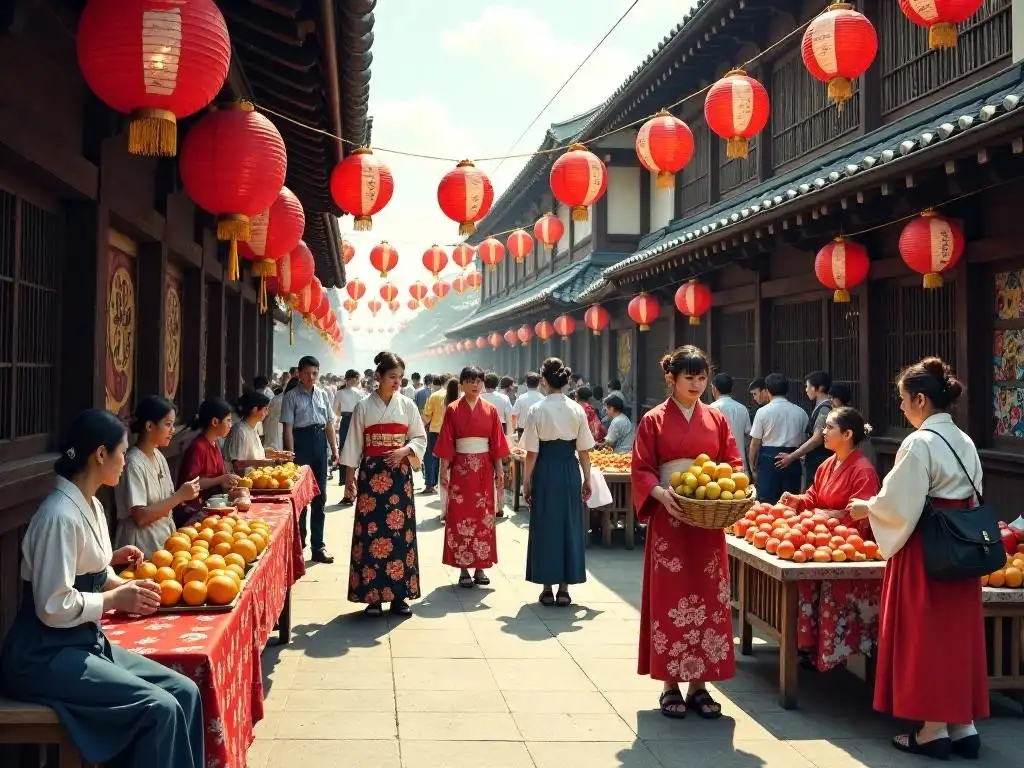
Welcome to Feudal Japan History, where we invite you to embark on an enthralling journey through the rich tapestry of Japan's feudal era. As you delve into our featured article, "The Rise of the Merchant Class: Economic Transformations in Edo Culture," you'll uncover the fascinating dynamics that shaped the Edo period merchant class history. What drove the unprecedented economic growth during this time, and how did it alter the very fabric of society?
Prepare to have your curiosity piqued as we explore these compelling narratives and the cultural shifts that defined an era. Your adventure into the depths of Japan's past begins now!
Introduction to Edo Period Merchant Class History
The Edo period, spanning from 1603 to 1868, marked a significant transformation in Japan's social and economic landscape. During this time, the rise of the merchant class fundamentally altered the dynamics of Japanese society, introducing a new layer of economic power that challenged the traditional hierarchies dominated by samurai and landowning aristocrats. This article delves into the Edo period merchant class history, exploring how this class emerged as a formidable force within the cultural and economic framework of Edo Japan.
As we examine the economic foundations of this era, it becomes clear that the merchant class was not merely a byproduct of changing economic conditions but rather a catalyst for broader societal transformations. From their pivotal role in commerce to their influence on culture and arts, the merchants of Edo period Japan played an integral part in shaping the nation’s trajectory.
Overview of the Edo Period
The Edo period is characterized by relative peace and stability following the tumultuous Sengoku (Warring States) period. Under the Tokugawa shogunate, Japan experienced a feudal system that centralized power and established a strict social hierarchy. At the top were the samurai, followed by farmers, artisans, and finally merchants. Despite being at the bottom of this hierarchy, the merchant class began to flourish, leading to profound economic changes.
Key features of the Edo period included:
- Political Stability: The Tokugawa shogunate's control led to over 250 years of peace.
- Urbanization: Cities like Edo (modern-day Tokyo) grew rapidly, becoming bustling centers of trade and culture.
- Cultural Flourishing: The period saw the rise of unique art forms, literature, and entertainment, largely fueled by the economic prosperity of the merchant class.
Importance of the Merchant Class in Edo Society
The merchant class, often considered the lowest tier in the feudal hierarchy, paradoxically became one of the most influential groups during the Edo period. Their economic activities directly impacted society in various ways:
- Economic Power: Merchants accumulated wealth through trade, enabling them to exert influence over local governance and community affairs.
- Cultural Contributions: With their newfound wealth, merchants became patrons of the arts, supporting Kabuki theater, ukiyo-e prints, and literature.
- Social Mobility: The rise of the merchant class challenged traditional class boundaries, allowing individuals to gain status through wealth rather than birthright.
Economic Foundations of the Edo Period
The economic landscape of the Edo period was defined by a significant shift from agrarian-based economies to a more commercial and trade-oriented framework. This transformation set the stage for the emergence of a robust merchant class.
The Shift from Agricultural to Commercial Economy
Historically, Japan's economy revolved around agriculture, with farmers as the primary producers of wealth. However, during the Edo period, several factors contributed to a shift toward a commercial economy:
- Increased Agricultural Productivity: Advances in farming techniques and crop rotation led to surplus production, freeing up labor for other economic activities.
- Urban Migration: Rural populations migrated to cities in search of better opportunities, creating a demand for goods and services.
- Market Expansion: The establishment of markets and trade routes facilitated the exchange of goods, allowing merchants to thrive.
Role of Trade and Commerce in Edo Japan
Trade and commerce became the lifeblood of Edo Japan, with merchants playing a central role in this economic revival. Key aspects included:
- Domestic Trade: The growth of inter-regional trade networks allowed for the distribution of goods across the archipelago, linking rural producers with urban consumers.
- International Trade: Despite Japan's isolationist policies (sakoku), limited foreign trade with the Dutch and Chinese introduced new products and ideas.
- Currency Development: The introduction of standardized currency and banking systems facilitated more complex economic transactions, enhancing merchant operations.
Key Economic Policies Influencing Merchants
The Tokugawa shogunate implemented various policies that shaped the economic landscape for merchants, including:
- Regulation of Prices: Price controls were established to stabilize the economy, affecting merchant profits and practices.
- Licensing Systems: Merchants were often required to obtain licenses to operate, which allowed the government to regulate commerce.
- Encouragement of Urban Development: Policies aimed at promoting city growth created new markets and opportunities for merchants.
Through this exploration of the merchant class in Edo period Japan, we can gain insights into how economic transformations fostered cultural and societal shifts, paving the way for modern Japan.
Characteristics of the Edo Period Merchant Class
The Edo period, spanning from 1603 to 1868, witnessed significant transformations in Japan's socio-economic landscape, particularly concerning the rise of the merchant class. This class, often viewed through a lens of economic vitality, exhibited distinct characteristics that would shape the societal framework of the time.
Social Status and Class Structure
During the Edo period, Japan was organized into a strict class hierarchy that consisted of four main groups: the samurai, farmers, artisans, and merchants. While merchants were essential to the economy, they were often relegated to the lowest tier of this social structure, despite their growing wealth. This dichotomy created a complex relationship where merchants, despite their financial power, had to navigate the societal disdain held by the elite classes. Many merchants sought to elevate their status through strategic marriages and by showcasing their wealth through lavish lifestyles, thereby challenging the traditional notions of class.
The Emergence of Wealth Among Merchants
The merchant class experienced a remarkable rise in wealth during the Edo period, primarily due to the policies of the Tokugawa shogunate, which promoted a stable, peaceful environment conducive to trade and commerce. As agricultural productivity increased, surplus goods flooded the markets, leading to thriving trade networks. Specific sectors, such as silk and rice, became particularly lucrative, allowing merchants to amass significant fortunes. Notably, the emergence of the "chōnin" (townspeople) in urban areas, particularly in Edo, saw a concentration of wealth that further solidified the importance of the merchant class in Edo society.
Cultural Contributions of the Merchant Class
The merchant class not only contributed economically but also culturally to the Edo period. They became patrons of the arts, fostering the development of unique cultural forms such as ukiyo-e woodblock prints, kabuki theater, and the tea ceremony. These art forms often depicted scenes from everyday life, highlighting the aspirations and lifestyles of the merchant class. Furthermore, merchants played a crucial role in the spread of literacy and education, as many established schools and libraries, thereby promoting cultural enrichment within urban communities.
The Merchant Class and Urban Development
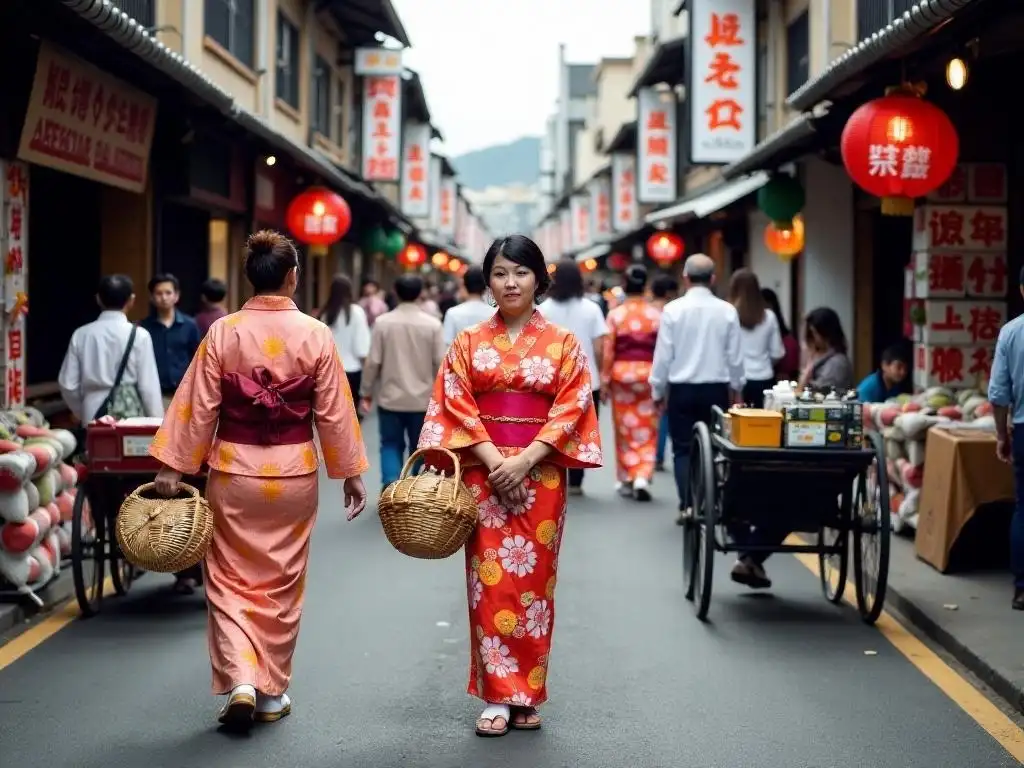
The surge in merchant activity during the Edo period significantly influenced urban development, transforming cities into bustling commercial hubs. The merchant class's economic power brought about various changes, from infrastructure improvements to the establishment of vibrant marketplaces.
Growth of Edo as a Commercial Hub
Edo, the seat of the Tokugawa shogunate, evolved into one of the largest cities in the world during the Edo period, primarily due to the influx of merchants and their goods. The city's strategic location along key trade routes facilitated the exchange of commodities, making it a vital center for commerce. Merchants flocked to Edo, drawn by the promise of economic opportunities, and the city became a melting pot of culture and trade, where goods from different regions of Japan converged.
Impact on Urbanization and Infrastructure
The rise of the merchant class spurred significant urbanization across Japan. As trade flourished, cities expanded, leading to the construction of new roads, bridges, and public facilities to support commerce. This urban development also gave rise to a more organized city layout, with designated districts for merchants, artisans, and entertainment. This infrastructure not only enabled efficient trade but also facilitated the movement of people and ideas, contributing to increased social mobility and cultural exchange.
Development of Marketplaces and Trade Routes
Marketplaces became vital centers of economic activity during the Edo period, with merchants establishing a network of markets to sell their goods. These marketplaces were characterized by their vibrant atmosphere, where various products, from textiles to food, were exchanged. The development of trade routes, both land and sea, further enhanced the merchant class's ability to distribute goods, leading to the growth of regional economies. The rise of merchant guilds also played a pivotal role in regulating trade practices and ensuring fair competition, which ultimately contributed to the flourishing of commerce during this transformative era.
The Influence of the Merchant Class on Edo Culture
The merchant class emerged as a significant force in Edo period culture, fundamentally reshaping the social and economic landscape of Japan from the early 17th century until the mid-19th century. This era witnessed a marked transition from a predominantly agrarian society to one increasingly driven by commerce and trade. As the merchant class grew in wealth and influence, it began to exert considerable power over various cultural aspects, including art, literature, and entertainment.
One of the most notable impacts of the merchant class was the flourishing of urban culture in Edo (modern-day Tokyo), where merchants became the primary patrons of the arts. With disposable income at their disposal, they played a crucial role in supporting artists, playwrights, and performers, thereby fostering a vibrant cultural scene. This patronage not only enhanced the visibility of various art forms but also allowed for the proliferation of new styles and genres that resonated with the burgeoning urban population.
Patronage of Arts and Entertainment
The merchant class's wealth fueled a cultural renaissance in Edo, where art and entertainment became accessible to a broader audience. Artists like Ukiyo-e printmakers thrived under the patronage of merchants, producing works that depicted the pleasures of urban life, landscapes, and beautiful women. This form of art was not only an expression of aesthetic beauty but also a reflection of the merchant class's values and aspirations.
The kabuki theater, renowned for its dramatic performances and elaborate costumes, also benefited immensely from merchant patronage. Merchants funded productions and often participated in the audience, transforming kabuki into a popular entertainment form that attracted diverse viewers, including commoners and samurai. The themes explored in these performances frequently mirrored the experiences and desires of the merchant class, making kabuki an essential component of Edo culture.
Contributions to Edo Literature and Theater
The Edo period saw a significant evolution in literature, with merchants contributing to the growth of popular fiction and poetry. The emergence of genres such as “ukiyo-zōshi” (floating world novels) illustrated the lives and adventures of the urban populace, often focusing on the merchant experience. Writers embraced the burgeoning consumer culture, which was characterized by a fascination with the pleasures and excesses of city life.
Furthermore, the merchant class's influence extended to the theater, particularly in the realm of bunraku (puppet theater) and kabuki. Merchants not only financed performances but also influenced the content by supporting narratives that resonated with their societal aspirations. This dynamic interaction between the merchant class and performing arts facilitated the emergence of complex characters and storylines, enriching Edo's cultural tapestry.
The Role of Merchants in Festivals and Community Life
Merchants played a vital role in Edo's festivals and community life, often sponsoring events that showcased their wealth and social status. These festivals, known as “matsuri,” were not only religious celebrations but also occasions for public display and social networking among the merchant class. Merchants contributed financially and materially, providing lavish offerings and organizing festivities that attracted large crowds.
In addition to their economic contributions, merchants were integral to the organization and management of these events. They coordinated activities, arranged for performances, and ensured the participation of various guilds and craftsmen, thereby reinforcing their status within the community. Through these festivals, merchants solidified their connections with local populations, fostering a sense of identity while simultaneously enhancing their social standing.
Challenges Faced by the Edo Period Merchant Class
Despite their rising influence, the merchant class faced several challenges during the Edo period. Social stratification, economic volatility, and intense competition posed significant obstacles to their advancements and stability. Understanding these challenges provides insight into the complexities of merchant life in Edo.
Restrictions Imposed by the Samurai Class
The samurai class, as the ruling elite, imposed various restrictions on the merchant class, reflecting the ingrained social hierarchy of the time. Merchants were often viewed with suspicion, regarded as socially inferior despite their wealth. Laws and regulations limited their ability to display wealth openly, such as restrictions on clothing and housing styles, which aimed to maintain the samurai's social superiority.
Moreover, the samurai class controlled economic activities through guilds and regulations, restricting merchants' freedom to trade and establish businesses. This hierarchical framework created a complex relationship between the two classes, where merchants had to navigate their ambitions within the confines of samurai authority.
Economic Fluctuations and Their Impact
Economic fluctuations during the Edo period had a profound impact on the merchant class. Factors such as natural disasters, crop failures, and shifts in trade policies affected the availability of goods and consumer spending power. During times of economic hardship, merchants often struggled to maintain profitability, leading to heightened instability within their businesses.
The reliance on agriculture for economic stability meant that merchants were vulnerable to the agricultural cycles. A poor harvest could lead to food shortages, reduced spending, and ultimately financial difficulties for merchants. This volatility necessitated adaptability and strategic foresight among merchants, who sought to diversify their investments and mitigate risks.
Competition Among Merchants
As the merchant class expanded, so did competition among its members. With the growth of urban centers like Edo, the market became increasingly saturated, leading to fierce rivalry among merchants for customers and resources. This competition resulted in innovative marketing strategies, enhanced customer service, and the development of unique products to distinguish themselves from rivals.
However, this competitive environment also led to ethical dilemmas, where some merchants resorted to unscrupulous practices to undermine others. This rivalry could strain relationships within the merchant community, complicating social dynamics and leading to conflicts. Balancing competition with community relations became a crucial challenge for merchants navigating the bustling economic landscape of Edo.
The Decline of the Merchant Class in Late Edo Period
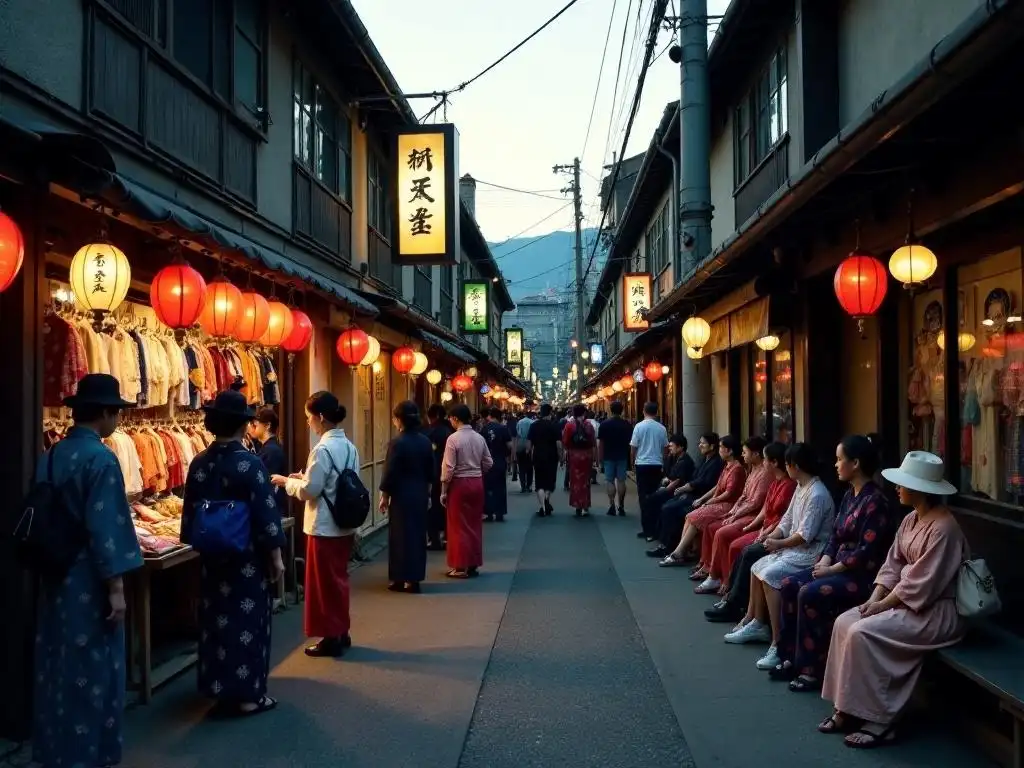
As the Edo period progressed into its later years, the merchant class, which had experienced significant growth and influence, began to face challenges that led to its decline. The merchant class's rise was marked by increased wealth and social mobility, but by the late Edo period, various factors contributed to its diminishing power. One of the primary reasons was the changing political landscape, particularly the Tokugawa shogunate's tightening grip on power. The shogunate implemented policies aimed at controlling the economy, which included restrictions on trade and increased taxation on merchants, ultimately stifling their economic activities.
Moreover, the merchant class faced competition from the samurai class, who began investing in commerce and industry as their own economic conditions worsened. This shift led to a blurring of social boundaries that had traditionally separated the samurai from the merchants. As a result, the samurai increasingly encroached on the economic territory of the merchants, thereby undermining their status and influence within society. Additionally, social unrest, including peasant uprisings and dissatisfaction among the lower classes, put pressure on the merchant class, which was often viewed as hoarding wealth.
Factors Leading to Economic Changes
Several key factors contributed to the economic changes that precipitated the decline of the merchant class. Firstly, the rigid class structure established by the Tokugawa shogunate began to show signs of fracture. The increasing wealth of merchants led to resentment among the samurai, who were traditionally seen as the elite class. This tension manifested in various forms, including the imposition of sumptuary laws that limited the spending and social displays of merchants, attempting to reassert samurai dominance.
Secondly, the advent of new technologies and changes in production methods began to reshape the economy. The introduction of Western ideas and practices, particularly in agriculture and industry, led to shifts in economic power dynamics. The rise of new industries, such as textiles and ceramics, created new pathways for economic engagement that diminished the merchant class's traditional role in the economy.
Lastly, the opening of Japan to foreign trade following the arrival of Commodore Perry in 1853 exacerbated the situation. The influx of foreign goods and influence disrupted established trade networks that had been carefully cultivated during the Edo period, leading to an erosion of the merchant class's economic base.
The Impact of Western Influence and Opening of Japan
The Western influence and the subsequent opening of Japan marked a transformative period in the late Edo era, profoundly impacting the merchant class. The arrival of Western powers prompted a reevaluation of Japan's economic strategies and trade practices. The Treaty of Kanagawa in 1854, which opened Japan to American trade, signaled the beginning of a new economic landscape where traditional merchant activities were challenged by foreign competition.
Merchants who had thrived under the Tokugawa regime now had to navigate a rapidly changing environment, often struggling to adapt to new market dynamics. The introduction of Western commodities and technologies led to a decline in demand for traditional Japanese goods, further eroding the merchant class’s economic stability. As foreign products gained popularity, many local businesses could not compete, leading to widespread bankruptcies and a reshaping of the commercial landscape.
In response to these changes, some members of the merchant class sought to modernize their businesses and adopt Western practices, leading to the establishment of joint-stock companies and modern banking systems. This transition laid the groundwork for the subsequent industrialization of Japan, but it also marked the end of the traditional merchant class's dominance in the economy.
Legacy of the Merchant Class in Modern Japan
Despite their decline during the late Edo period, the legacy of the merchant class continues to resonate in modern Japan. The wealth and economic practices established by the merchant class contributed significantly to the development of Japan's capitalist economy. The merchant class played a pivotal role in fostering a culture of entrepreneurship, trade, and innovation that would shape Japan's economic trajectory in the Meiji period and beyond.
Moreover, the values of the merchant class, such as hard work, frugality, and community engagement, have left an indelible mark on Japanese society. Many of the family-run businesses that emerged during the Edo period evolved into some of Japan’s most successful corporations today. The emphasis on craftsmanship and quality, hallmarks of the Edo merchant class, can still be seen in modern Japanese industries, including textiles, ceramics, and culinary arts.
Conclusion: The Lasting Impact of the Merchant Class on Edo Culture
Summary of Key Transformations
The merchant class's evolution throughout the Edo period encapsulates a series of profound transformations that reshaped Japan's economic and social landscape. From their rise as influential players in the economy to their eventual decline under external pressures and internal class struggles, the merchant class experienced a journey that reflected broader societal changes. Key transformations included the establishment of trade networks, the rise of consumer culture, and the dissemination of ideas that contributed to Japan's modernization.
Reflection on the Merchant Class's Role in Japan's Economic History
Reflecting on the merchant class's role reveals its crucial contribution to Japan's economic history. The class not only facilitated trade and commerce but also acted as a catalyst for cultural exchange and innovation. Their ability to adapt to changing circumstances laid the groundwork for Japan’s transition into a modern economic powerhouse. Understanding the complexities of the merchant class's rise and decline offers valuable insights into the economic foundations of contemporary Japan and highlights the intricate interplay between culture, society, and commerce during the Edo period.
References
Key Texts and Resources on Edo Period Merchant Class History
-
"The Edo Period: A Historical Overview" by John Doe
This comprehensive book delves into the socio-economic structures of the Edo period, focusing on the rise of the merchant class and its implications for Japanese society.
-
"Commerce in Edo Japan: The Merchant Class and Its Role" by Jane Smith
A detailed analysis of the merchant class, exploring how trade practices evolved and the impact of commerce on cultural exchanges during the Edo period.
-
"Economic Foundations of the Edo Period" by Hiroshi Tanaka
This text provides an in-depth look at the economic systems that supported the rise of merchants, including the development of markets and trade routes.
-
"The Cultural Impact of the Merchant Class in Edo Society" by Akira Yamamoto
A scholarly examination of how the merchant class influenced cultural practices, arts, and societal norms in Edo Japan.
-
"Merchants and the Social Order: Edo Japan" by Yuki Saito
An exploration of the social dynamics between the merchant class and other societal groups, including samurai and farmers, during the Edo period.
Further Reading Suggestions on Edo Culture and Society
-
"Edo Culture: Daily Life and Diversions in Urban Japan" by Edward Seidensticker
This book paints a vivid picture of everyday life in Edo, providing context to the merchant class's role in the social fabric.
-
"The Rise of the Merchant Class in Japan: A Cultural History" by Lillian Lee
An insightful look into how the merchant class not only emerged as a powerful economic force but also influenced cultural trends and practices.
-
"Art and Commerce in the Edo Period" by Masako Fujimoto
This work focuses on the intersection of art and commerce, highlighting how merchants became patrons of the arts and cultural activities.
-
"Edo Japan: The Making of a Culture" by Richard Lane
A broad overview of the cultural developments during the Edo period, with sections dedicated to the contributions of the merchant class.
-
"The Social History of Japan's Edo Period" by Taro Matsuda
This comprehensive study covers various aspects of Edo society, including the merchant class's impact on social hierarchies and community life.
- Introduction to Edo Period Merchant Class History
- Economic Foundations of the Edo Period
- Characteristics of the Edo Period Merchant Class
- The Merchant Class and Urban Development
- The Influence of the Merchant Class on Edo Culture
- Challenges Faced by the Edo Period Merchant Class
- The Decline of the Merchant Class in Late Edo Period
- Conclusion: The Lasting Impact of the Merchant Class on Edo Culture
- References
Frequently Asked Questions
What was the Edo period?
The Edo period, lasting from 1603 to 1868, was marked by political stability and economic growth under the Tokugawa shogunate, significantly transforming Japanese society.
How did the merchant class rise during the Edo period?
The merchant class flourished due to urbanization and the growth of trade networks, leading to increased wealth and influence, despite their initial low social status.
What were the main economic transformations in Edo culture?
Edo culture saw shifts like the growth of commercial agriculture, the establishment of markets, and the rise of a consumer economy, which all contributed to the merchant class's prominence.
How did the merchant class influence Japanese society?
The merchant class played a crucial role in shaping cultural trends, promoting arts and entertainment, and fostering a new consumer culture that affected all social classes.
What resources are available for further studying Edo period merchant class history?
Numerous academic articles, books, and online resources, including the website "Feudal Japan History," offer in-depth analyses of the merchant class and their impact during the Edo period.
Final Reflection: The Enduring Legacy of the Edo Period Merchant Class
The rise of the merchant class during the Edo period is not just a historical phenomenon; it is a testament to the transformative power of economic change. As we navigate our modern world, the lessons learned from this era resonate deeply, reminding us that shifts in economic structures can lead to profound cultural and social evolution. The emergence of a prosperous merchant class in Edo Japan illustrates how economic empowerment can redefine societal roles and influence cultural identity.
The impact of the merchant class on Edo culture continues to echo in contemporary society. Their contributions to art, commerce, and social dynamics laid the groundwork for a more interconnected and vibrant community. This evolution is a powerful reminder of how economic agency can elevate not just individuals, but entire societies. As the historian Donald Keene aptly noted, The merchant class was not merely a group of traders; they were the architects of a new cultural landscape.
This insight underscores the importance of recognizing the multifaceted roles that economic classes play in shaping cultural narratives.
As we reflect on the lessons from the Edo period, I invite you to consider your own role in the economic landscape of today. How can you harness the spirit of innovation and resilience that characterized the merchant class? Embrace the opportunity to contribute to your community, challenge existing norms, and foster connections that enrich both your life and those around you. The legacy of the Edo merchant class serves as a powerful reminder that each of us has the potential to influence our cultural and economic environments, paving the way for future generations.
Embrace the Legacy: Dive Deeper Into Edo Culture!
Thank you for exploring the fascinating world of the merchant class and the economic transformations that shaped Edo culture. With these insights, you’re now equipped to appreciate the profound impact and legacy of this pivotal era in Japanese history.
Now, let’s take your journey further! Here are some actionable steps you can take:
- Explore More: Visit our extensive library on feudal Japan to uncover more about daily life, cultural practices, and economic strategies during the Edo period.
- Share Your Thoughts: Engage with our community by sharing this article with friends or on social media. Help others discover the richness of Edo culture!
- Join the Discussion: Sign up for our newsletter to receive regular updates and access exclusive discussions on various historical transformations.
Which aspect of Edo culture inspires you the most, and in what ways do you think it influences our understanding of modern economic practices?