
The Role of Zen in the Development of Japanese Martial Arts


Welcome to Feudal Japan History, where we embark on a fascinating journey through the intricate tapestry of Japan's feudal era. Dive deep into the cultural and societal nuances that shaped this remarkable period. In our featured article, "The Role of Zen in the Development of Japanese Martial Arts," we unravel the profound influence of Zen philosophy on the discipline and artistry of martial practices.
Discover how the meditative essence of Zen not only transformed combat techniques but also fostered a unique mindset among warriors. What secrets lie within the fusion of spirituality and martial prowess? Join us as we explore this captivating intersection and much more!
Introduction to Zen Influence on Japanese Martial Arts
The intricate relationship between Zen Buddhism and Japanese martial arts is a fascinating exploration of how spirituality and physical discipline converge to shape a unique cultural legacy. This connection is not merely superficial; it runs deep, influencing the philosophies, techniques, and even the mental states of practitioners. As we delve into this topic, we will uncover how Zen principles have permeated various martial arts forms, enhancing not just the skills of practitioners but also their understanding of self, discipline, and harmony.
Understanding the Zen influence on Japanese martial arts requires an appreciation of the historical and philosophical contexts in which these disciplines evolved. From the serene meditation practices that form the backbone of Zen to the relentless pursuit of perfection in martial arts, the two areas share a profound interdependence that has shaped the identity of Japanese culture over centuries.
Overview of Zen Buddhism
Zen Buddhism, a branch of Mahayana Buddhism, emphasizes direct experience and meditation as means to attain enlightenment. Originating in China as Chan Buddhism, Zen made its way to Japan in the 12th century, where it flourished and evolved into a distinct school of thought. Fundamental to Zen are concepts such as mindfulness, simplicity, and the importance of the present moment.
Key Characteristics of Zen Buddhism
- Meditation (Zazen): The practice of seated meditation is central to Zen, promoting clarity and focus.
- Mindfulness: Living in the moment and being aware of one's thoughts and actions.
- Simplicity: Emphasis on minimalism and the beauty of the ordinary.
- Direct Experience: Encouraging practitioners to find truth through personal experience rather than relying solely on intellectual understanding.
Zen's emphasis on mental clarity and discipline resonates deeply within the framework of martial arts, where the mental state of a practitioner can significantly impact their performance.
Historical Context of Martial Arts in Japan
Japanese martial arts have a rich history that traces back to the samurai class, with origins in the need for effective combat techniques. Over time, these martial practices evolved from battlefield skills to structured arts that emphasized discipline, honor, and philosophy.
Evolution of Martial Arts
- Early Forms: Initially, martial arts were practical combat techniques used by the samurai.
- Development of Schools: As the need for battlefield skills diminished, various schools (ryu) began to form, focusing on different techniques and philosophies.
- Integration of Zen: By the late 16th century, many martial arts schools incorporated Zen principles, recognizing the importance of mental discipline and focus in training.
The intertwining of Zen Buddhism with martial arts during this period established a foundation that continues to influence modern practices.
The Philosophical Foundations of Zen in Martial Arts
The intersection of Zen philosophy and martial arts is a rich field of study, highlighting how the mental and spiritual dimensions of Zen can enhance physical training. Understanding these philosophical foundations sheds light on the holistic approach to martial arts that many practitioners adopt today.
Key Zen Principles Influencing Combat Techniques
Several Zen principles have significantly influenced the development of combat techniques within various martial arts:
- Awareness: Practitioners learn to maintain a heightened sense of awareness of their surroundings.
- Flow: The concept of moving fluidly in combat aligns with Zen teachings of harmony and naturalness.
- Discipline: The rigorous training and self-control required in martial arts reflect Zen’s emphasis on discipline.
The Concept of Mushin (No Mind) in Martial Arts
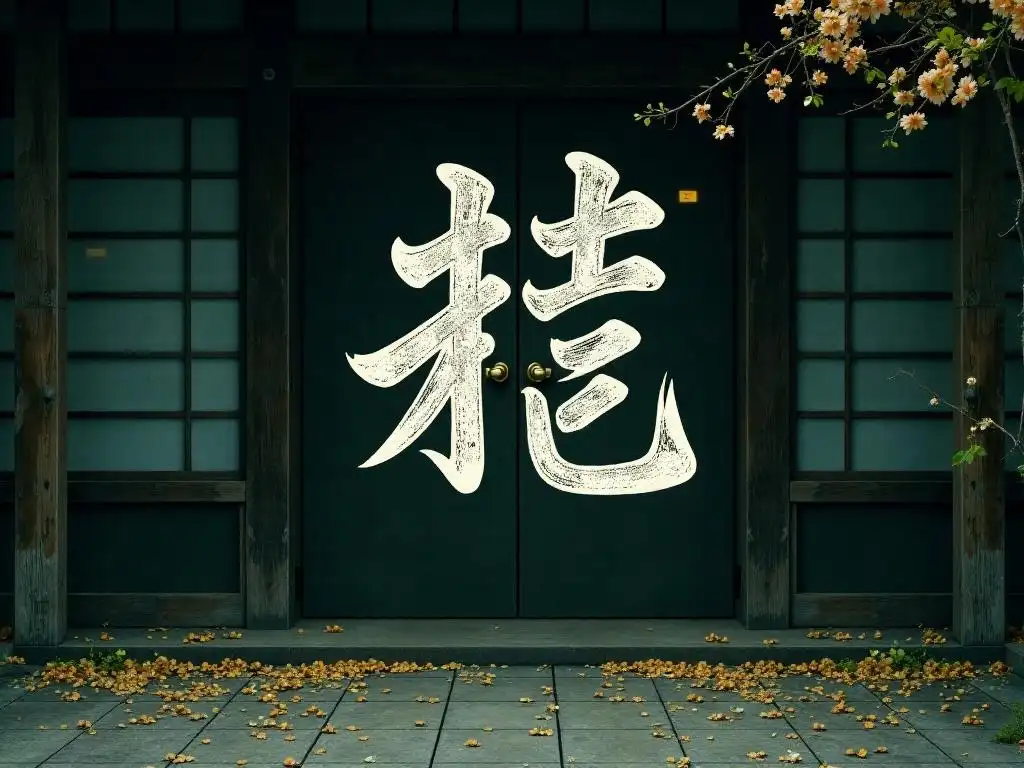
One of the most significant Zen concepts in martial arts is Mushin, or "No Mind." This state of mind is characterized by the absence of distraction, allowing practitioners to respond instinctively and fluidly during combat.
Understanding Mushin
- Mental Clarity: In this state, the mind is clear of preconceived notions and judgments, enabling decisive actions.
- Intuitive Responses: Practitioners can react to situations without overthinking, leading to more effective techniques.
- Connection to Zen: Achieving Mushin is considered a form of enlightenment, aligning closely with Zen's ultimate goal of transcending the ego.
The practice of cultivating Mushin is essential in many Japanese martial arts, highlighting the profound influence of Zen on the development of these disciplines. In the following sections, we will explore these aspects in greater detail, further illuminating the synergy between Zen Buddhism and Japanese martial arts.
Historical Development of Zen and Martial Arts
The historical development of Zen and martial arts in Japan is a fascinating narrative that intertwines spirituality with physical discipline. Zen Buddhism, which was introduced to Japan from China in the late 12th century, rapidly evolved and gained prominence, especially among the samurai class. Zen philosophy emphasizes direct experience and meditation, which resonated deeply with the principles of martial arts that focus on mental clarity, discipline, and physical prowess.
As Zen Buddhism spread throughout Japan, it began to influence various aspects of life, including the warrior code of the samurai. The practices and teachings of Zen provided a framework for samurai to cultivate their inner strength and focus, which were essential for success in battle. The concept of mushin, or "mind without disturbance," became particularly significant, allowing warriors to react instinctively and efficiently in combat situations. This harmonious blend of Zen practices and martial training laid the foundation for many traditional Japanese martial arts, such as Kendo, Aikido, and Judo, which continue to be practiced today.
The Emergence of Zen Schools in Feudal Japan
The emergence of Zen schools in feudal Japan played a pivotal role in shaping the martial ethos of the samurai. By the 13th century, several Zen sects, including Rinzai and Soto, had established themselves firmly in Japanese society. The Rinzai school, in particular, emphasized the use of koans—paradoxical anecdotes or riddles—to stimulate deep contemplation and insight, fostering a warrior’s mental acuity and resilience.
The samurai, who were bound by a strict code of conduct and the necessity for readiness in battle, found solace and purpose in Zen teachings. Many samurai adopted Zen as a means of fortifying their resolve and refining their combat skills. Temples often served dual purposes, acting as both spiritual sanctuaries and training grounds for martial disciplines. The integration of Zen practices into martial arts training became a defining characteristic of the samurai culture, where mental discipline was as vital as physical skill.
Prominent Samurai and Their Zen Practices
Several prominent samurai figures exemplified the profound relationship between Zen practices and martial arts. One such figure is Yamamoto Tsunetomo, a former samurai who authored the influential text Hagakure, which explores the philosophy of bushido, or the way of the warrior. Tsunetomo emphasized the importance of Zen meditation in preparing the mind for the inevitability of death in battle, advising samurai to cultivate a calm and focused mind through regular meditation.
Another notable figure is Miyamoto Musashi, one of Japan’s most revered swordsmen. Musashi's unique understanding of Zen meditation shaped his approach to combat and strategy. His seminal work, The Book of Five Rings, illustrates how Zen principles guided his martial practices, emphasizing adaptability, timing, and the importance of mental clarity in achieving victory. These samurai not only practiced martial arts but also engaged in Zen meditation, demonstrating a holistic approach to warrior training that integrated physical skill with spiritual depth.
Zen Meditation Practices and Their Impact on Martial Arts Training
Zen meditation practices have significantly influenced martial arts training, creating a distinctive approach that prioritizes mental discipline alongside physical execution. The meditative techniques foster a heightened state of awareness and presence, essential for martial artists as they navigate the complexities of combat. The integration of Zen practices into martial arts has not only enhanced individual performance but has also contributed to the cultivation of a deeper understanding of the self and the art of fighting.
Zazen: The Art of Sitting Meditation
Zazen, or seated meditation, is a fundamental practice in Zen Buddhism that has profound implications for martial arts training. Practiced in a still and focused manner, zazen allows practitioners to quiet the mind and cultivate an inner stillness that is crucial for effective martial performance.
During zazen, the practitioner adopts a specific posture, focusing on their breath and thoughts, allowing distractions to fade away. This practice fosters a state of mindfulness that translates directly to martial arts, where the ability to remain calm under pressure is paramount. By regularly engaging in zazen, martial artists develop a profound sense of awareness and presence that enhances their reaction times and decision-making abilities in high-stress situations.
The Role of Mindfulness in Martial Arts Mastery
Mindfulness, a core principle of Zen, plays a critical role in achieving mastery in martial arts. The concept of being fully present in the moment allows martial artists to engage more deeply with their training, enhancing both their physical skills and mental resilience. Through mindfulness, practitioners learn to observe their thoughts and emotions without judgment, enabling them to respond more effectively in combat scenarios.
Incorporating mindfulness into martial arts training leads to improved focus, reduced anxiety, and heightened performance. Many modern martial arts schools emphasize mindfulness training as part of their curriculum, recognizing its importance in helping students achieve a state of flow during practice and competition. The synergy between Zen mindfulness and martial arts training continues to foster a holistic approach to self-improvement and mastery, ensuring that the legacy of Zen’s influence on Japanese martial arts endures.
The Integration of Zen Aesthetics in Martial Arts
The integration of Zen aesthetics in Japanese martial arts is profound and multifaceted, shaping not only the techniques practiced but also the overall philosophy and experience of martial arts training. Zen aesthetics emphasize simplicity, directness, and an appreciation for the beauty of natural forms, qualities that resonate deeply within martial disciplines.
In this context, practitioners often seek a level of purity in their movements, minimizing unnecessary actions and distractions. This pursuit of simplicity is reflected in the training environments, which are typically stripped of excess ornamentation, focusing instead on clean lines and natural materials. The dojo, or training hall, is designed to promote a serene atmosphere, encouraging a meditative state conducive to deeper learning and self-discovery.
Moreover, Zen aesthetics manifest in the very movements of martial arts. For instance, the fluidity and grace found in kata (forms) or the precision in techniques reflect a harmony with the principles of Zen. Practitioners embody the Zen ideal of "no mind" (mushin), allowing them to respond instinctively rather than through conscious thought. This state of being is essential for achieving mastery over one’s body and mind, leading to a deeper connection with the art form itself.
The Influence of Zen on Martial Arts Techniques

Zen has significantly influenced various martial arts techniques, particularly in how practitioners approach their training and execution of movements. One of the most notable impacts is the emphasis on breath control and mindfulness during practice. Breathing techniques, a core aspect of Zen meditation, have been integrated into martial arts training, enabling practitioners to maintain focus and enhance their physical performance.
In addition, the concept of "satori" or awakening in Zen plays a crucial role in martial arts. Many martial artists strive for moments of sudden clarity or insight during practice, which can lead to improved techniques and a more profound understanding of their art. This experience often transcends mere physical execution, fostering a deeper connection between mind, body, and spirit.
Furthermore, the discipline required in Zen meditation parallels the rigor found in martial arts training. Practitioners learn to endure hardship and maintain focus, cultivating patience and resilience—qualities essential for mastering complex techniques. The blending of Zen principles with martial arts techniques creates a holistic approach that not only enhances physical abilities but also nurtures mental and emotional well-being.
Zen in Martial Arts Philosophy and Ethics
The philosophy and ethics of martial arts are deeply rooted in Zen teachings, shaping practitioners' attitudes and behaviors both on and off the mat. Central to this philosophy is the concept of non-attachment, encouraging martial artists to let go of ego and personal desires. This principle fosters humility, allowing practitioners to view challenges as opportunities for growth rather than obstacles to overcome.
Additionally, Zen emphasizes the importance of mindfulness and presence in every action. This focus encourages martial artists to be fully engaged in their practice, cultivating a sense of awareness that transcends the training environment. Such mindfulness translates into everyday life, influencing how practitioners interact with others and approach various situations.
Ethically, the Zen influence guides martial artists to adopt a spirit of compassion and respect for their opponents. Violence is not an end goal; instead, martial arts are viewed as a means of self-improvement and a way to develop a harmonious relationship with oneself and others. This ethical framework ultimately promotes peace, understanding, and the pursuit of a higher state of being, aligning with the core tenets of Zen Buddhism.
Case Studies of Zen-Inspired Martial Arts
Examining specific martial arts that have embraced Zen principles provides insight into the profound relationship between Zen and these ancient disciplines. Two prominent examples are Kendo and Aikido, both of which exemplify the integration of Zen in their philosophies, techniques, and overall practice.
Kendo: The Way of the Sword and Zen Influence
Kendo, often translated as "the way of the sword," is a modern Japanese martial art that emphasizes the spiritual and mental aspects of swordsmanship. The practice of Kendo is deeply intertwined with Zen principles, particularly in the pursuit of self-discipline and mental clarity.
In Kendo, practitioners engage in rigorous training that not only develops physical skills but also cultivates a meditative state of mind. The act of striking with the bamboo sword (shinai) becomes a form of meditation, allowing practitioners to focus on the present moment. The principles of Zen are evident in the emphasis on proper posture, breathing techniques, and the cultivation of a calm, focused mind.
Moreover, competitions in Kendo are not merely contests of skill but are viewed as opportunities for personal growth and self-reflection. This aligns with the Zen belief that true mastery goes beyond physical prowess, encompassing a profound understanding of oneself and one's place in the universe.
Aikido: Harmonizing with the Universe through Zen
Aikido, which translates to "the way of harmonious spirit," is another martial art heavily influenced by Zen philosophy. Founded by Morihei Ueshiba, Aikido emphasizes blending with an opponent’s movements rather than opposing them directly, reflecting the Zen principle of harmony.
In Aikido practice, practitioners learn to redirect energy and movement, embodying the Zen ideal of non-resistance. This approach fosters a sense of unity with one's surroundings, promoting a deeper understanding of the interconnectedness of all things. The fluid movements and techniques practiced in Aikido serve as a physical manifestation of Zen teachings, encouraging practitioners to maintain a calm mind and an open heart.
Additionally, Aikido training often incorporates meditation, further grounding practitioners in the principles of Zen. This practice not only enhances physical abilities but also cultivates a sense of inner peace and clarity, allowing martial artists to approach challenges—both on and off the mat—with a tranquil spirit. Through this harmonious practice, Aikido serves as a powerful example of how Zen can profoundly influence martial arts.
The Legacy of Zen Influence on Modern Japanese Martial Arts

The legacy of Zen influence on modern Japanese martial arts is profound and multifaceted. Various martial disciplines, including kendo, judo, aikido, and karate, continue to embody principles rooted in Zen philosophy. This influence manifests in the emphasis on mindfulness, discipline, and the pursuit of inner tranquility, which are integral to both the practice of martial arts and the tenets of Zen Buddhism.
Zen's impact can be traced back to the samurai, who incorporated meditation and Zen practices into their training regimens. This historical relationship has evolved into contemporary practices where practitioners not only focus on physical techniques but also engage in mental conditioning through meditation and breathing exercises. As a result, modern martial artists strive to cultivate a harmonious balance between mind and body, reflecting Zen principles in their training and competitive experiences.
Moreover, many dojos today integrate Zen practices into their curriculums, emphasizing the importance of mental clarity and emotional control during combat. This holistic approach fosters resilience and adaptability, qualities that are essential not only in martial arts but also in everyday life.
Contemporary Practices Rooted in Zen Philosophy
Contemporary martial arts practices rooted in Zen philosophy often include structured routines that promote mindfulness and self-awareness. For instance, during training sessions, practitioners may begin with zazen (seated meditation), allowing them to center their thoughts and cultivate a focused mindset. This practice not only enhances concentration but also prepares the mind for the physical challenges ahead.
Additionally, martial arts like aikido emphasize the concept of "mushin," or "no-mindedness," which is a state of mental clarity where the practitioner responds instinctively to an opponent’s movements without hesitation. This principle is deeply aligned with Zen ideals, encouraging a fluidity of action that transcends mere technique.
Training methods that incorporate breathing exercises, such as kata and kihon, also reflect Zen teachings. These practices promote a deeper connection between breath and movement, fostering a sense of calm and control that is essential in high-pressure situations. As a result, martial artists are better equipped to maintain composure and focus during competitions and sparring sessions.
The Global Impact of Zen on Martial Arts Today
The global impact of Zen on martial arts has been significant, influencing not only practitioners within Japan but also martial artists around the world. As martial arts gained international popularity, the principles of Zen philosophy were embraced by diverse cultures, leading to a broader appreciation for the mental and spiritual aspects of martial training.
In Western countries, many dojos have adopted Zen practices, integrating meditation and mindfulness into their training programs. This shift has resonated with practitioners seeking a more holistic approach to martial arts, emphasizing personal growth alongside physical skill development. Workshops and seminars often include discussions on Zen principles, illustrating the widespread recognition of their importance in martial arts training.
Furthermore, the popularity of Zen-influenced martial arts has contributed to a greater understanding of Eastern philosophies in the West. This cultural exchange has fostered a dialogue between Eastern and Western martial arts, leading to innovative training methods that incorporate elements from both traditions. As practitioners explore these intersections, they continue to shape the evolution of martial arts, ensuring that the influence of Zen remains relevant and impactful.
Conclusion: The Enduring Legacy of Zen in Japanese Martial Arts
The enduring legacy of Zen in Japanese martial arts is a testament to the profound connection between physical prowess and spiritual development. The principles of Zen philosophy have not only shaped the training methodologies of various martial arts but have also cultivated a mindset that values discipline, respect, and inner peace. As martial artists continue to explore and embody these teachings, they honor the rich history that has shaped their practices.
Summary of Key Points on Zen Influence
- Mindfulness and Meditation: Modern martial arts incorporate zazen and mindfulness practices to enhance focus and mental clarity.
- Mushin Concept: The principle of "no-mindedness" allows for instinctive and fluid responses during combat.
- Holistic Training: Breathing exercises and kata are used to connect physical movement with mental calmness.
- Global Adoption: Zen principles have influenced martial arts practices worldwide, promoting a holistic approach that combines physical skill with personal growth.
Reflection on the Future of Zen and Martial Arts
As we look to the future, the relationship between Zen and martial arts is likely to evolve further. With increasing recognition of mental health and well-being, Zen practices within martial arts will continue to gain importance. As martial artists seek to navigate the complexities of modern life, the teachings of Zen offer valuable tools for personal development, resilience, and mindfulness.
The potential for innovation in training methodologies, coupled with a renewed focus on mental and emotional aspects, suggests that the influence of Zen on martial arts will endure. As practitioners around the globe continue to explore the depths of these ancient teachings, the legacy of Zen will remain a guiding force in the world of martial arts, enriching the experiences of those who dedicate themselves to the path.
Additional Resources on Zen Influence in Martial Arts
For those interested in delving deeper into the intricate relationship between Zen Buddhism and Japanese martial arts, a variety of resources are available that provide comprehensive insights and analyses. These resources range from scholarly articles and books to documentaries and online courses, each contributing unique perspectives on how Zen philosophies have shaped martial practices in Japan.
Some recommended platforms for exploration include:
- Online Courses: Websites like Coursera and edX often feature courses on Zen Buddhism that incorporate elements of martial arts philosophy.
- Documentaries: Visual storytelling through documentaries can offer a captivating look at the lives of martial artists who embody Zen principles.
- Academic Journals: Journals such as the "Journal of Asian Martial Arts" frequently publish studies exploring the philosophical underpinnings of martial practices.
Engaging with these resources can provide a richer understanding of how Zen has influenced not only the techniques and forms of martial arts but also the mindset and spiritual development of practitioners.
Recommended Readings on Zen Buddhism and Martial Arts
-
"Zen and the Art of Archery" by Eugen Herrigel
This classic text explores the deep connection between Zen philosophy and the practice of archery, illustrating how mindfulness and presence are crucial in mastering this art form.
-
"The Zen Way to the Martial Arts" by Taisen Deshimaru
Deshimaru emphasizes the importance of Zen in martial arts training, offering practical advice on integrating Zen principles into daily practice.
-
"The Book of Five Rings" by Miyamoto Musashi
While primarily a treatise on strategy and swordsmanship, Musashi's work is steeped in Zen philosophy and reflects on the mental discipline required in martial arts.
-
"Zen Mind, Beginner's Mind" by Shunryu Suzuki
Though not solely about martial arts, this influential book provides insights into Zen practice that are applicable to martial arts training, emphasizing the importance of a beginner's mindset.
-
"The Spirit of Zen: A Way of Life" by Alan Watts
Watts articulates the philosophical aspects of Zen that resonate within martial arts, making it a valuable read for understanding the broader implications of Zen thought in physical practice.
These readings, among others, can serve as foundational texts for anyone seeking to comprehend the depth of the Zen influence on Japanese martial arts.
Notable Figures in the Intersection of Zen and Martial Arts
Throughout history, several influential figures have significantly contributed to the synthesis of Zen Buddhism and Japanese martial arts. Their teachings and practices have left a lasting legacy, shaping the way martial arts are practiced and understood today.
- Miyamoto Musashi: A legendary swordsman and strategist, Musashi's writings reflect a profound understanding of both martial technique and Zen philosophy. His approach to combat emphasizes the mental clarity and focus that Zen practice cultivates.
- Taisen Deshimaru: A prominent Zen master, Deshimaru brought Zen teachings into the dojo, emphasizing the importance of meditation and mindfulness in martial training. His influence has inspired many martial artists to integrate Zen practices into their routines.
- Haguro Zenji: Known for his contributions to the development of Katori Shinto-ryu, Haguro Zenji blended Zen principles with traditional martial arts training, creating a holistic approach to combat that focused on spiritual and physical development.
- O-sensei Morihei Ueshiba: The founder of Aikido, Ueshiba's martial philosophy was heavily influenced by his study of Zen. He emphasized harmony and the spiritual dimensions of martial practice, encouraging practitioners to cultivate a peaceful mindset.
- Shihan Masayuki Hoshino: A modern practitioner and educator, Hoshino has worked to bridge the gap between traditional martial arts and Zen practice, promoting the integration of meditation into training regimens.
These figures exemplify the profound ways in which Zen Buddhism has shaped the philosophies, techniques, and teachings of Japanese martial arts, illustrating the ongoing dialogue between spiritual practice and physical discipline.
- Introduction to Zen Influence on Japanese Martial Arts
- Overview of Zen Buddhism
- Historical Context of Martial Arts in Japan
- The Philosophical Foundations of Zen in Martial Arts
- The Concept of Mushin (No Mind) in Martial Arts
- Historical Development of Zen and Martial Arts
- Zen Meditation Practices and Their Impact on Martial Arts Training
- The Integration of Zen Aesthetics in Martial Arts
- The Influence of Zen on Martial Arts Techniques
- Zen in Martial Arts Philosophy and Ethics
- Case Studies of Zen-Inspired Martial Arts
- The Legacy of Zen Influence on Modern Japanese Martial Arts
- Conclusion: The Enduring Legacy of Zen in Japanese Martial Arts
- Additional Resources on Zen Influence in Martial Arts
- What is the connection between Zen and Japanese martial arts?
- How did Zen Buddhism shape martial arts practices in Japan?
- Are there specific martial arts that are more influenced by Zen?
- What role does meditation play in modern martial arts training?
- Can beginners practice Zen-influenced martial arts?
Frequently Asked Questions
What is the connection between Zen and Japanese martial arts?
The Zen influence on Japanese martial arts is significant, as it emphasizes mental clarity, focus, and discipline, which are essential for mastering martial techniques.
How did Zen Buddhism shape martial arts practices in Japan?
Zen Buddhism introduced concepts like meditation and mindfulness into martial arts, enhancing practitioners' ability to maintain calm and composure during combat.
Are there specific martial arts that are more influenced by Zen?
Yes, styles such as Kendo, Aikido, and Iaido prominently feature Zen principles, integrating meditative practices to improve performance and spiritual growth.
What role does meditation play in modern martial arts training?
Meditation helps martial artists cultivate mental resilience and focus, allowing them to remain centered in high-pressure situations, a practice rooted in Zen philosophy.
Can beginners practice Zen-influenced martial arts?
Absolutely! Beginners can greatly benefit from Zen-influenced martial arts, as these practices promote inner peace, self-discipline, and physical fitness, making them accessible to all skill levels.
Final Reflection: The Enduring Influence of Zen on Japanese Martial Arts
The profound connection between Zen and Japanese martial arts remains strikingly relevant today, as practitioners seek not only physical mastery but also mental clarity and spiritual growth. In a world that often feels chaotic and overwhelming, the principles of Zen offer a pathway to inner peace and focus, reminding us that the journey of self-discovery is as important as the destination. The synthesis of Zen philosophy and martial arts creates a unique framework that transcends mere combat techniques, fostering a holistic approach to personal development.
The influence of Zen on Japanese martial arts has shaped not just the techniques and practices but also the very culture surrounding these disciplines. From the meditative practices that cultivate mindfulness to the ethical teachings that promote respect and humility, Zen has become an integral part of the martial arts experience. As one practitioner eloquently stated, Martial arts is not about fighting; it’s about finding peace within oneself.
This ongoing dialogue between Zen and martial arts continues to inspire countless individuals, encouraging them to explore their own paths toward balance and harmony.
As you reflect on the teachings of Zen and their application in martial arts, I invite you to consider how these principles can enrich your own life. Embrace the opportunity to cultivate mindfulness, resilience, and a deeper understanding of yourself through your chosen practices. Whether you are a seasoned martial artist or a curious newcomer, let the wisdom of Zen guide you on your journey, reminding you that true mastery lies not only in skill but in the cultivation of a peaceful mind and spirit.
Embrace the Way: Unleash Your Inner Warrior Today!
Thank you for joining us on this enlightening journey through the intersection of Zen and Japanese martial arts. Having explored the profound influence of Zen philosophy on these ancient practices, it’s now time to take the next step in your personal development.
Here are three empowering actions you can take right now:
- Practice Mindfulness: Dedicate just 10 minutes a day to meditation or breathing exercises to cultivate presence and clarity.
- Join a Martial Arts Class: Locate a local dojo that offers Zen-influenced disciplines such as Aikido or Kendo to experience the physical and mental benefits firsthand.
- Share Your Insights: Discuss your experiences and newfound knowledge with friends or on social media to inspire others to explore this fascinating connection.
Which aspect of Zen will you integrate into your daily life to enhance your personal growth and understanding?