
Edo Period Poetry: Expressions of Life, Love, and Nature

Welcome to Feudal Japan History, where we invite you to embark on a fascinating journey through the rich tapestry of Japan’s feudal era. Here, you'll uncover the intricate layers of historical, cultural, and societal aspects that shaped this remarkable period. Delve into our featured article on Edo period poetry analysis, where the verses become windows into the souls of those who lived through it—expressing the profound connections of life, love, and nature. Are you ready to explore how poetry serves as a reflection of its time? Let your curiosity lead the way!
The Edo period (1603-1868) stands as a transformative era in Japan's rich cultural history, marked by peace, stability, and economic growth under the Tokugawa shogunate. During this time, a unique literary landscape flourished, with poetry serving as a vital medium for personal and societal expression. Edo period poetry, particularly forms such as haiku and ukiyo-zōshi, intricately weaves themes of life, love, and nature, reflecting the complexities and nuances of human experiences in a rapidly changing world.
In this exploration of Edo period poetry analysis, we delve into the artistic expressions that emerged during this time, highlighting the interplay between poetic form and thematic content. From the delicate observations of nature to the profound expressions of love and longing, the poems of this era provide invaluable insights into the cultural psyche of Edo Japan. As we navigate through various poetic forms and notable poets, we will uncover how these works not only captured the essence of life during the Edo period but also laid the groundwork for future generations of Japanese literature.
Through detailed analysis and contextual exploration, we aim to illuminate the significance of Edo period poetry, showcasing its enduring influence on Japanese culture and its relevance in today’s literary discourse. Join us as we embark on this comprehensive journey into the heart of Edo period poetry, uncovering the layers of meaning behind each verse and the historical context that shaped them.
- Understanding the Edo Period (1603-1868)
- Characteristics of Edo Period Poetry
- Edo Period Poetry Analysis
- The Role of Poetry in Edo Society
- Conclusion: The Legacy of Edo Period Poetry
- Frequently Asked Questions
- Final Reflection: The Timeless Echoes of Edo Period Poetry
- Embrace the Beauty of Edo Poetry Today!
Understanding the Edo Period (1603-1868)
Historical Context of the Edo Period
The Edo period, spanning from 1603 to 1868, marked a significant transformation in Japan's history, characterized by relative peace, political stability, and economic growth under the Tokugawa shogunate. This era followed the tumultuous Sengoku period, a time of civil war and chaos, leading to the unification of Japan by Tokugawa Ieyasu. The establishment of a centralized feudal government allowed for the development of a structured society where the samurai class held power, while commerce flourished among merchants and artisans in growing urban centers.
During the Edo period, Japan adopted a policy of isolation known as sakoku, which limited foreign influence and trade primarily to the Dutch and Chinese. This isolation contributed to a unique cultural evolution, as Japanese arts, including poetry, developed independently from Western influences. The stability provided by the Tokugawa regime also encouraged the flourishing of the arts, leading to a rich tapestry of literary expression that reflected the everyday lives of the people.
Societal Changes and Their Impact on Poetry
The Edo period saw significant societal changes that had a profound impact on poetry. With the rise of a wealthy merchant class, a new audience emerged for literature and poetry, which was no longer solely the domain of the samurai or aristocracy. This democratization of literature allowed for diverse poetic forms to flourish, including haiku, kyōka, and uta.
Key societal changes influencing poetry include:
- Urbanization: The growth of cities like Edo (modern Tokyo) created vibrant cultural hubs where poets could gather and share their work.
- Increased Literacy: The establishment of schools and the spread of woodblock printing led to higher literacy rates, allowing more people to engage with poetry.
- Cultural Exchange: As different classes mingled, themes in poetry evolved, reflecting a broader spectrum of human experience, from the struggles of the common folk to the natural beauty surrounding them.
These changes resulted in poetry that was more accessible and relatable, often focusing on themes such as love, nature, and daily life, thus allowing poets to express their thoughts and feelings in innovative ways.
Key Figures in Edo Period Literature
Several prominent poets emerged during the Edo period, each contributing uniquely to the evolution of Japanese poetry. Their works provide valuable insight into the cultural and societal values of the time.
- Matsuo Bashō (1644-1694): Often regarded as the master of haiku, Bashō's poetry captures the essence of nature and the fleeting moments of life. His famous work, "The Narrow Road to the Deep North," is a travelogue interspersed with haiku that reflect his philosophical musings.
- Yosa Buson (1716-1784): A painter and poet, Buson elevated haiku with a focus on imagery and emotion. His work often depicted seasonal changes and the beauty of everyday moments, blending visual art with poetic expression.
- Kobayashi Issa (1763-1828): Known for his compassion and humor, Issa's poetry often highlights the struggles of the common people and themes of empathy towards nature and animals. His haiku resonate with personal experiences and universal emotions.
- Natsume Sōseki (1867-1916): Although he wrote at the tail end of the Edo period, Sōseki's influence is significant. His works, such as "I Am a Cat," reflect the transition into the modern era while maintaining ties to earlier poetic traditions.
These poets not only shaped the literary landscape of their time but also left a lasting legacy that continues to influence Japanese literature and culture today. Their contributions underscore the rich tapestry of Edo period poetry, offering profound insights into life, love, and nature.
Characteristics of Edo Period Poetry
Edo period poetry, flourishing from the early 17th century to the mid-19th century in Japan, is marked by its rich thematic diversity and stylistic innovation. This era witnessed the emergence of a distinct poetic voice that reflected the social changes, cultural shifts, and aesthetic values of its time. Edo period poetry is characterized by its accessibility, as it often aimed to resonate with the everyday experiences of ordinary people, moving away from the elitist traditions of previous eras.
One of the most notable characteristics of Edo period poetry is its integration of common vernacular and everyday language. This approach allowed poets to connect with a broader audience, fostering a vibrant literary culture. Additionally, the use of imagery and symbolism became prevalent, enabling poets to convey profound emotions and ideas through concise and vivid expressions. The following sections delve deeper into the predominant themes and various poetic forms that emerged during this influential period.
Themes in Edo Period Poetry
Life and Daily Experiences
Edo period poets often drew inspiration from the mundane aspects of life, capturing the essence of daily experiences. Poems reflected the rhythm of the seasons, the hustle of urban life, and the simplicity of rural existence. For instance, the bustling streets of Edo (modern-day Tokyo) provided a rich tapestry for poets to explore themes of community, commerce, and social interactions.
Examples of such works often depict scenes of festivals, marketplaces, and the joys and sorrows of everyday life. Poets like Matsuo Bashō and Kobayashi Issa masterfully illustrated the beauty found in the ordinary. Their verses often included detailed observations of people in their daily routines, reflecting a profound appreciation for the simplicity of life.
Expressions of Love and Emotion
Love, in its many forms, was a central theme in Edo period poetry. Poets explored the complexities of romantic relationships, unrequited love, and the bittersweet nature of human emotions. The expressiveness of these poems captured the multifaceted nature of love, often intertwining personal feelings with broader societal perspectives.
Renga, a collaborative linked-verse poetry form, was particularly popular for expressing emotional connections. Poets would often engage in playful exchanges, creating verses that resonated with yearning, nostalgia, and the transience of love. This thematic focus on emotion allowed for rich exploration of the human psyche and fostered a deeper connection between the poet and the reader.
Nature and Its Symbolism
Nature played a pivotal role in Edo period poetry, serving as both a backdrop and a source of inspiration. Poets frequently employed natural imagery to express complex emotions and philosophical ideas. The changing seasons, landscapes, and elements of nature were not merely descriptive; they symbolized deeper truths about life, love, and existence.
The use of kigo (seasonal words) in haiku and tanka is a hallmark of this poetic tradition, providing context and evoking specific emotions tied to particular times of the year. For instance, cherry blossoms often symbolize the fleeting nature of life, while winter scenes might evoke feelings of solitude and reflection. This intimate relationship between nature and human experience is a defining characteristic of Edo period poetry.
Styles and Forms of Poetry
Haiku: The Quintessential Form
Haiku emerged as one of the most recognized poetic forms of the Edo period, characterized by its strict structure of three lines with a syllable pattern of 5-7-5. This brevity demands precision and clarity, compelling poets to convey profound insights in just a few words.
The haiku often captures a moment in time, emphasizing the beauty of nature and the transience of life. Poets like Matsuo Bashō elevated the haiku to an art form, employing juxtaposition and imagery to evoke deep emotions within the reader. The simplicity of haiku belies its complexity, making it a powerful vehicle for expression.
Tanka: A Deeper Dive into Emotion
Tanka, another prominent poetic form of the Edo period, consists of five lines with a syllable pattern of 5-7-5-7-7. This structure allows for a more extended exploration of themes compared to haiku, enabling poets to delve deeper into emotional landscapes.
Tanka often incorporates personal reflections and intimate feelings, making it a favored form for addressing themes of love and longing. The interplay between the first three lines and the concluding couplet creates a contrast or resolution, enriching the emotional depth of the poem.
Other Poetic Forms of the Edo Period
Beyond haiku and tanka, the Edo period saw the development of various other poetic forms, each contributing to the rich tapestry of Japanese literature. Forms such as renga (linked-verse poetry) and choka (long poem) offered poets opportunities for collaboration and extended expression.
Renga, in particular, became a communal art, where multiple poets would contribute alternating verses, creating a tapestry of voices and perspectives. This collaborative spirit fostered a sense of community and shared creativity, making it a popular pastime among the literate classes of the Edo period.
The poetry of the Edo period is a vibrant reflection of its time, characterized by its focus on life, love, and nature. Through its diverse themes and innovative forms, Edo period poetry continues to resonate with readers and scholars, offering insights into the human experience and the cultural landscape of Japan during this significant era.
Edo Period Poetry Analysis
Techniques Used in Edo Poetry
Edo period poetry, particularly known for its diverse expressions and unique styles, employs various techniques that enhance its thematic depth and emotional resonance. Understanding these techniques provides insight into the artistry of the poets of this era.
Imagery and Symbolism
Imagery and symbolism play a crucial role in Edo period poetry, allowing poets to convey profound emotions and complex thoughts through vivid descriptions.
- Nature Imagery: Poets often drew inspiration from the natural world, using seasonal references to evoke feelings and moods. For instance, cherry blossoms symbolize the transient beauty of life, while the changing seasons reflect the inevitability of time.
- Symbolism: Objects in nature and daily life were imbued with deeper meanings. For example:
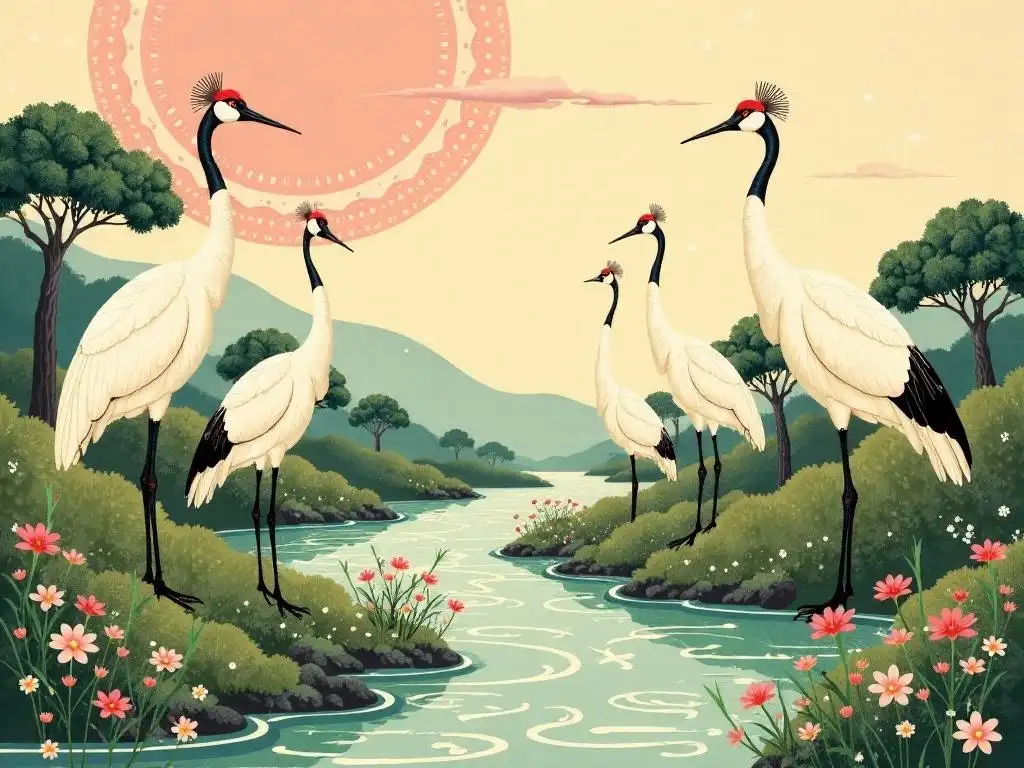
- Cranes: Represent longevity and good fortune.
- Wisteria: Symbolizes love and tenderness.
This use of imagery creates a rich tapestry that invites readers to explore the layers of meaning within each poem.
Use of Language and Structure
Edo period poets skillfully manipulated language and structure to enhance their poetic expressions.
- Form and Structure: The haiku, a prominent form during this period, consists of three lines with a 5-7-5 syllable structure. This concise format challenges poets to convey deep emotions succinctly.
- Playful Language: Many poets engaged in wordplay, using puns and double meanings to create layered interpretations. This linguistic dexterity made the poems both entertaining and thought-provoking.
The combination of these techniques resulted in poetry that was not only aesthetically pleasing but also intellectually stimulating.
Influential Poets and Their Contributions
The Edo period was home to several influential poets whose contributions shaped the landscape of Japanese poetry and continue to resonate today.
Matsuo Bashō: Master of Haiku
Matsuo Bashō is perhaps the most celebrated poet of the Edo period, known primarily for his mastery of haiku. His work encapsulates the essence of the natural world and human experience.
- Philosophical Depth: Bashō's poems often reflect a Zen Buddhist influence, emphasizing simplicity and the beauty of impermanence.
- Notable Works: His famous haiku, such as “An old silent pond…” captures the tranquility of nature while inviting contemplation.
Bashō's innovative approach to form and theme laid the groundwork for future generations of poets and solidified the haiku as a respected literary form.
Yosa Buson: Nature and Emotion
Yosa Buson, another prominent figure of the Edo period, is celebrated for his vivid depictions of nature and the emotional depth of his poetry.
- Visual Art Influence: A trained painter, Buson infused his poems with rich visual imagery, creating a strong connection between his literary and artistic endeavors.
- Emotional Resonance: His works often explore the interplay between nature and human emotion, capturing moments of beauty and melancholy. For example, his haiku on the sound of a bell ringing in a quiet forest evokes feelings of solitude and reflection.
Buson's ability to blend visual art with poetry set him apart and contributed significantly to the evolution of Edo period poetry.
Kobayashi Issa: Everyday Life and Compassion
Kobayashi Issa is renowned for his ability to find beauty in the mundane aspects of daily life, often highlighting themes of compassion and empathy.
- Human Experience: His poems frequently reflect on the struggles and joys of ordinary people, making his work relatable and poignant.
- Notable Themes: Issa often included animals and nature in his poetry, using them as metaphors for human experiences. His famous line, “O snail, climb Mount Fuji, but slowly, slowly,” encourages patience and perseverance.
Issa’s focus on the human condition, combined with his unique voice, has left a lasting legacy in the realm of Japanese poetry.
The analysis of Edo period poetry reveals a rich tapestry of techniques, influential poets, and deep thematic explorations. The interplay of imagery, structure, and emotional depth not only reflects the cultural landscape of the time but also continues to inspire and resonate with readers today.
The Role of Poetry in Edo Society
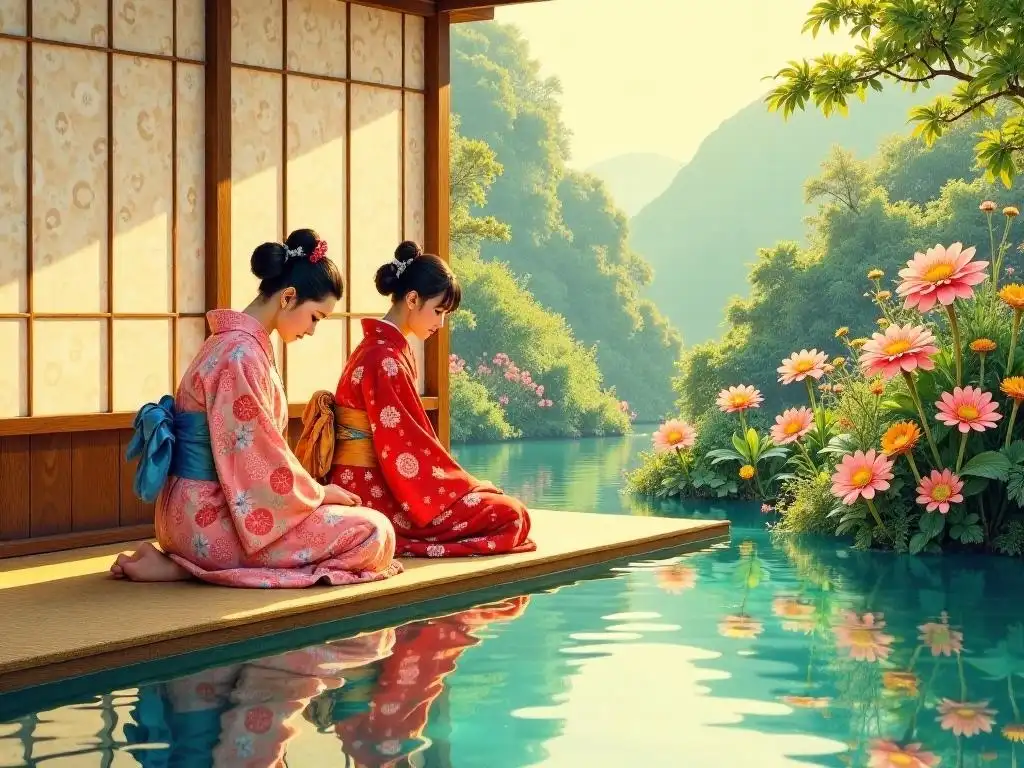
Edo period poetry, flourishing from the early 17th century until the mid-19th century, played a pivotal role in shaping the cultural and social fabric of Japan during this time. This era was marked by peace and stability under the Tokugawa shogunate, which allowed cultural pursuits, including poetry, to thrive. As a reflection of societal values and a medium for personal expression, poetry became an integral part of everyday life, providing insights into the thoughts and emotions of the people.
Poetry in Everyday Life
During the Edo period, poetry was not reserved solely for the elite or the educated; it permeated various layers of society. Common people, as well as samurai and merchants, engaged in poetry as a form of expression. The haiku and the more extended forms of waka were particularly popular, serving as a means to capture fleeting moments of beauty, love, and nature.
- Social Gatherings: Poetry recitals and competitions were common in social gatherings, fostering a sense of community. People would compose verses on the spot, showcasing their wit and creativity.
- Seasonal Celebrations: Many poems were tied to seasonal festivals and events, embodying the connection between nature and human experiences. For instance, cherry blossom viewing (hanami) often inspired short poems celebrating the ephemeral beauty of blossoms.
- Literary Contests: Poetry contests, known as utaawase, were organized, allowing poets to display their skills. These competitions often featured themes that resonated with contemporary issues, thus blending personal creativity with social commentary.
This accessibility of poetry made it a cherished and integral part of daily life in Edo, fostering connections among individuals and communities.
Edo period poetry also served as a lens through which social issues were explored and critiqued. Poets used their craft to comment on the political landscape, societal norms, and the struggles of different classes.
- Class Distinctions: The samurai class often expressed their frustrations regarding their roles and responsibilities through poetry. In contrast, merchants, who gained wealth and influence, penned verses reflecting their newfound status and its implications.
- Gender Roles: Women poets emerged during this era, offering unique perspectives on gender dynamics. Their poetry often highlighted the constraints imposed by society and the longing for freedom, providing a voice to the female experience.
- Political Commentary: Some poets subtly critiqued the shogunate and the rigid social structure through allegory and metaphor. This allowed them to navigate censorship while expressing dissent and advocating for change.
Through these verses, poets contributed to the discourse surrounding the evolving societal landscape, making Edo period poetry a potent vehicle for social commentary.
The Influence of Zen and Buddhism on Poetry
The philosophical underpinnings of Zen and Buddhism significantly influenced Edo period poetry, shaping its themes and aesthetics. The principles of these belief systems encouraged poets to explore concepts such as impermanence, simplicity, and the beauty of the natural world.
- Transience: The Buddhist notion of impermanence ( anicca) is vividly reflected in haiku, where poets capture the fleeting moments of nature. This emphasis on the ephemeral resonates deeply with the aesthetics of Edo period poetry.
- Nature as a Teacher: Zen principles encouraged poets to find enlightenment through nature. Many verses depict serene landscapes, inviting readers to pause and reflect on their surroundings while contemplating deeper truths.
- Simplicity and Clarity: The Zen influence favored simplicity in expression, leading to the development of concise forms like haiku. This style emphasizes clarity and directness, allowing poets to convey profound emotions with minimal words.
The interplay between Zen and poetry fostered a rich literary tradition during the Edo period, resulting in works that resonate with both beauty and philosophical depth.
Edo period poetry not only reflects the societal dynamics of its time but also serves as a testament to the enduring human experiences of love, nature, and the search for meaning. Through its various forms and themes, it offers a comprehensive understanding of the cultural landscape of Japan during this remarkable era.
Conclusion: The Legacy of Edo Period Poetry
Edo period poetry, flourishing from the early 17th century to the mid-19th century, serves as a profound reflection of its time, encapsulating the complexities of life, love, and nature in Japan. This era produced a rich tapestry of poetic forms, including haiku, tanka, and renga, which have left an indelible mark on both Japanese literature and the broader cultural landscape. As we explore the legacy of Edo period poetry, it is essential to recognize its lasting impact, preservation, and significance in contemporary society.
Lasting Impact on Modern Japanese Literature
The influence of Edo period poetry can be observed in various facets of modern Japanese literature. Many contemporary authors draw inspiration from the themes and structures established during this time. For instance:
- Innovative Forms: The haiku, popularized during the Edo period, remains a prominent poetic form today. Modern poets often experiment with its concise structure to express complex emotions and observations.
- Thematic Continuity: Themes of nature, transient beauty, and human emotions prevalent in Edo poetry resonate with modern readers, reflecting a continuity in cultural values and aesthetic appreciation.
- Intertextuality: Contemporary works frequently reference Edo period poets, creating a dialogue between past and present. This intertextuality enriches the literary landscape, allowing new interpretations and understandings to emerge.
Preservation of Edo Poetry in Contemporary Culture
The preservation of Edo period poetry is vital for cultural heritage and continues to thrive in various forms today. Key aspects of this preservation include:
- Literary Anthologies: Collections of Edo period poetry are regularly published, ensuring that these works remain accessible to new generations. These anthologies often include critical essays that contextualize the poems within their historical and cultural frameworks.
- Education: Schools and universities incorporate Edo period poetry into their curricula, fostering an appreciation for this unique literary tradition among students. This educational focus helps maintain the relevance of these works in modern Japanese culture.
- Cultural Festivals: Events celebrating Edo culture often feature poetry readings and competitions, allowing artists to perform traditional works and original compositions inspired by the era. This not only preserves the poetry but also revitalizes it through contemporary performance.
The Importance of Edo Period Poetry Analysis Today
Analyzing Edo period poetry is crucial for several reasons, which contribute to a deeper understanding of both the literature itself and the broader cultural context of the time:
- Cultural Insight: Through a detailed analysis of the themes, styles, and historical context of Edo period poetry, scholars and enthusiasts can gain insight into the societal norms, values, and philosophies of feudal Japan.
- Literary Techniques: An examination of literary devices used by poets, such as metaphor, imagery, and symbolism, enhances our appreciation of the craft and artistry involved in poetry. Understanding these techniques can inform contemporary writing practices.
- Emotional Connection: Analyzing the emotional depth and nuanced expressions found in Edo poetry allows readers to connect with the experiences and sentiments of people from a different era. This connection fosters empathy and encourages a greater appreciation for the human experience across time.
The legacy of Edo period poetry endures through its lasting impact on modern literature, its preservation in contemporary culture, and the ongoing significance of its analysis. As we continue to explore and celebrate this artistic heritage, we ensure that the voices of the past resonate with future generations.
Frequently Asked Questions
What is the Edo period in Japanese history?
The Edo period (1603-1868) was a time of peace and stability in Japan, characterized by the rule of the Tokugawa shogunate. It was marked by significant cultural developments, including poetry, art, and theater.
How does Edo period poetry reflect the culture of the time?
Edo period poetry often expressed themes of life, love, and nature, showcasing the aesthetic values and societal norms of the era. Poets utilized various forms, such as haiku and renku, to convey their emotions and observations.
What are some notable poets from the Edo period?
Prominent Edo period poets include Matsuo Bashō, known for his haiku, and Yosa Buson, who blended poetry with visual art. Their works remain influential in the study of Japanese literature.
How did the Edo period influence modern Japanese poetry?
The Edo period laid the foundation for modern Japanese poetry by establishing key themes and forms. Many contemporary poets draw inspiration from the imagery and techniques developed during this time.
Where can I find more information on Edo period poetry analysis?
For a comprehensive exploration, visit the "Feudal Japan History" website, which provides expert-driven articles analyzing various aspects of Edo period poetry, including its historical and cultural significance.
Final Reflection: The Timeless Echoes of Edo Period Poetry
Edo period poetry serves as a profound reminder of the intricate tapestry of human emotions and experiences that transcend time. In today's fast-paced world, where we often overlook the beauty of simplicity and the depth of our connections, the verses from this era resonate with a clarity that is both refreshing and enlightening. The themes of life, love, and nature explored in these poems are not just relics of the past; they are reflections of our own struggles and joys, urging us to pause and appreciate the world around us.
Cultural expressions like Edo period poetry continue to shape our understanding of emotional depth and artistic beauty. The delicate balance of nature and human experience captured in these works invites us to reflect on our own lives and relationships. As poet Matsuo Bashō once said, Every day is a journey, and the journey itself is home.
This sentiment encapsulates the essence of Edo period poetry, reminding us that our experiences, like the verses of these poets, are woven into the fabric of our existence, influencing our perceptions and interactions with the world.
As we conclude our exploration of Edo period poetry, I invite you to take a moment to reflect on the lessons embedded within these timeless verses. Consider how the themes of love, nature, and the human experience resonate in your own life. Let the beauty of these poems inspire you to cultivate deeper connections, appreciate the fleeting moments of joy, and embrace the natural world around you. In doing so, you not only honor the legacy of these poets but also enrich your own journey through life.
Embrace the Beauty of Edo Poetry Today!
Thank you for joining us on this journey through the enchanting world of Edo Period poetry! We hope you’ve gained valuable insights into how these timeless expressions reflect profound connections with life, love, and nature. Now, it's your turn to experience this beauty firsthand.
Take action today and immerse yourself in the realm of Edo poetry with these suggestions:
- Explore a classic poem: Choose a renowned poem from the Edo Period and reflect on its themes. Share your thoughts in a journal or discuss them with friends!
- Create your own poem: Inspired by the styles of the Edo masters, try writing a poem that captures your feelings about nature or a personal experience.
- Participate in our community: Join our forum at Feudal Japan History and share your favorite poems or your own creations with fellow enthusiasts!
What resonates most with you about the themes explored in Edo Period poetry, and how will you incorporate this inspiration into your life? 🌸