
Kabuki: The Colorful World of Japan's Dramatic Art Form

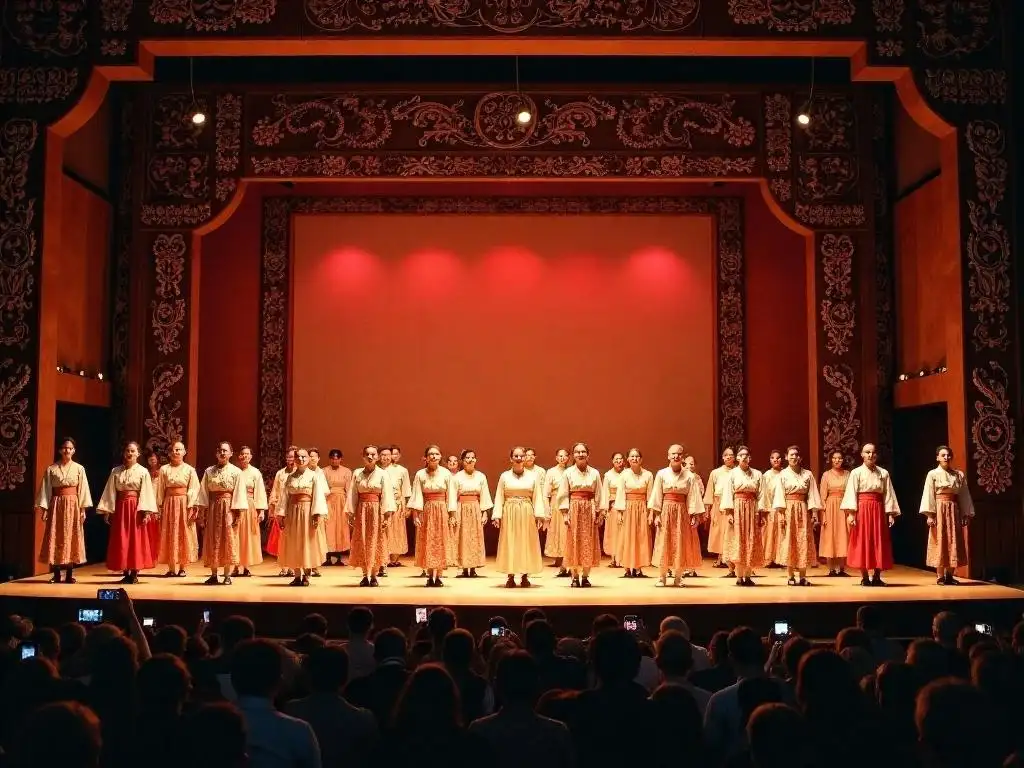
Welcome to Feudal Japan History, where we invite you to embark on a journey through the captivating and intricate tapestry of Japan’s feudal era. Here, history, culture, and society intertwine to reveal the rich narrative of a time long past. In our featured article, "Kabuki: The Colorful World of Japan's Dramatic Art Form," delve into the enchanting history of Kabuki theater in Japan—a mesmerizing art form that not only entertains but also reflects the societal norms and vibrant spirit of its time.
Are you ready to uncover the layers of this dramatic tradition and discover how it has shaped Japanese culture? Let’s explore together!
Introduction to Kabuki Theater in Japan
Kabuki theater, a vibrant and dynamic form of traditional Japanese performance, captivates audiences with its elaborate costumes, stylized movements, and intricate narratives. Emerging during the early 17th century, this theatrical art form has evolved significantly, intertwining with the rich tapestry of Japan's cultural history.
As we embark on a comprehensive exploration of Kabuki theater history in Japan, we will delve into its origins, key developments, and the influential figures who helped shape this fascinating art form. The enduring appeal of Kabuki not only reflects the artistic spirit of its time but also serves as a mirror to the societal values and historical events that have influenced Japanese culture over the centuries.
Overview of Kabuki and Its Significance
Kabuki is characterized by its unique blend of drama, dance, and music, often featuring exaggerated movements and vibrant aesthetics. The term "Kabuki" is believed to derive from the verb "kabuku," meaning "to lean" or "to be out of the ordinary," encapsulating its essence of unconventional storytelling. This theatrical genre plays a vital role in Japanese cultural identity, acting as a vehicle for both entertainment and social commentary. By exploring themes ranging from love and betrayal to the samurai code of honor, Kabuki offers audiences a glimpse into the complexities of human emotions and societal norms.
Kabuki's significance extends beyond mere entertainment; it serves as a historical record of the era in which it flourished, providing insights into the lives, struggles, and aspirations of the people of Japan. The art form has been celebrated for its ability to adapt and transform, ensuring its relevance across generations while preserving the traditional techniques that define its character.
The Role of Kabuki in Japanese Cultural History
Throughout Japan's feudal era, Kabuki emerged as a reflection of the changing social landscape. Initially performed by female actors, the genre transitioned to an all-male cast due to government edicts and societal norms. Despite these challenges, Kabuki thrived, becoming a popular form of entertainment among the merchant class and eventually gaining acceptance among the samurai elite.
The theater's rich symbolism and elaborate staging played a crucial role in shaping Japanese aesthetics, influencing not only theater but also visual arts and literature. Kabuki's impact can be seen in various aspects of Japanese culture, from the design of traditional clothing to the themes explored in contemporary media. As such, it stands as a testament to Japan's ability to preserve its cultural heritage while embracing change.
Historical Background of Kabuki Theater
Origins of Kabuki: From the Edo Period
Kabuki traces its roots back to the early Edo period (1603-1868), when it was first performed by a woman named Izumo no Okuni. Her performances in Kyoto featured a mix of dance, music, and drama, captivating audiences and marking the inception of what would become a distinctly Japanese art form. As Kabuki gained popularity, it evolved into a male-dominated medium, with actors adopting elaborate makeup and costumes that became synonymous with the genre.
This transformation coincided with the rise of the merchant class and the growth of urban centers, where Kabuki theaters emerged as social hubs. The performances often drew inspiration from historical events, folklore, and contemporary life, allowing audiences to connect with the stories being told.
Key Developments in Kabuki Theater History
Over the centuries, Kabuki underwent significant changes that shaped its artistic direction. The establishment of the "shingeki" style in the late 19th century introduced Western theatrical elements, leading to a blend of traditional and modern techniques. This evolution was further influenced by the Meiji Restoration, which prompted a reevaluation of Japanese arts and culture.
Key developments in Kabuki also included the establishment of renowned theaters, such as the Kabukiza in Tokyo, which became a symbol of Kabuki's enduring legacy. The introduction of new performance techniques, such as the use of stage machinery and innovative lighting, enhanced the visual experience for audiences and solidified Kabuki's status as a premier theatrical form.
Influential Figures in Kabuki's Evolution
The evolution of Kabuki theater is marked by the contributions of several influential figures, whose artistry and innovation helped shape the genre. One of the most notable is the legendary actor Ichikawa Danjūrō, who is credited with popularizing the "aragoto" style, characterized by its exaggerated movements and heroic characters. His impact on Kabuki remains profound, as he set the standard for future generations of actors.
Additionally, playwrights such as Chikamatsu Monzaemon revolutionized Kabuki with their compelling narratives and complex characters. Their works not only entertained but also challenged societal norms, making Kabuki a medium for social commentary. The interplay between these influential figures and the evolving cultural landscape has ensured Kabuki's place at the heart of Japan's artistic heritage, continuing to inspire audiences and performers alike.
Characteristics of Kabuki Theater
Kabuki theater is renowned for its vibrant performances and rich cultural significance within the context of Japan's feudal era. This dramatic art form, which originated in the early 17th century, is characterized by its dynamic interplay of acting, music, and dance. One of the most distinguishing features of Kabuki is its use of exaggerated gestures and stylized movements, which serve to convey emotions and narratives powerfully. Performers, known as "kabuki actors," often engage in elaborate choreography that reflects the intense emotions of their characters.
Another significant characteristic is the use of a unique stage design, which includes a prominent runway called the "hanamichi." This allows actors to make dramatic entrances and engage with the audience directly, enhancing the immersive experience. Additionally, the performances are highly stylized, integrating intricate lighting and special effects that further captivate viewers.
Unique Elements of Kabuki Performance
Kabuki performances are marked by several unique elements that differentiate them from other forms of theater. One such element is the "onnagata," or male actors who specialize in portraying female roles. These performers undergo extensive training to embody the nuances of femininity, contributing to the art form's complexity and depth.
Moreover, Kabuki incorporates a variety of theatrical techniques, including "mie" (a striking pose) and "keren" (theatrical tricks). These techniques are designed to heighten the emotional impact of the performance and allow actors to create memorable moments that resonate with the audience. The elaborate staging and choreography, combined with the actors' mastery of these techniques, create a mesmerizing spectacle that has captivated audiences for centuries.
Costumes and Makeup in Kabuki
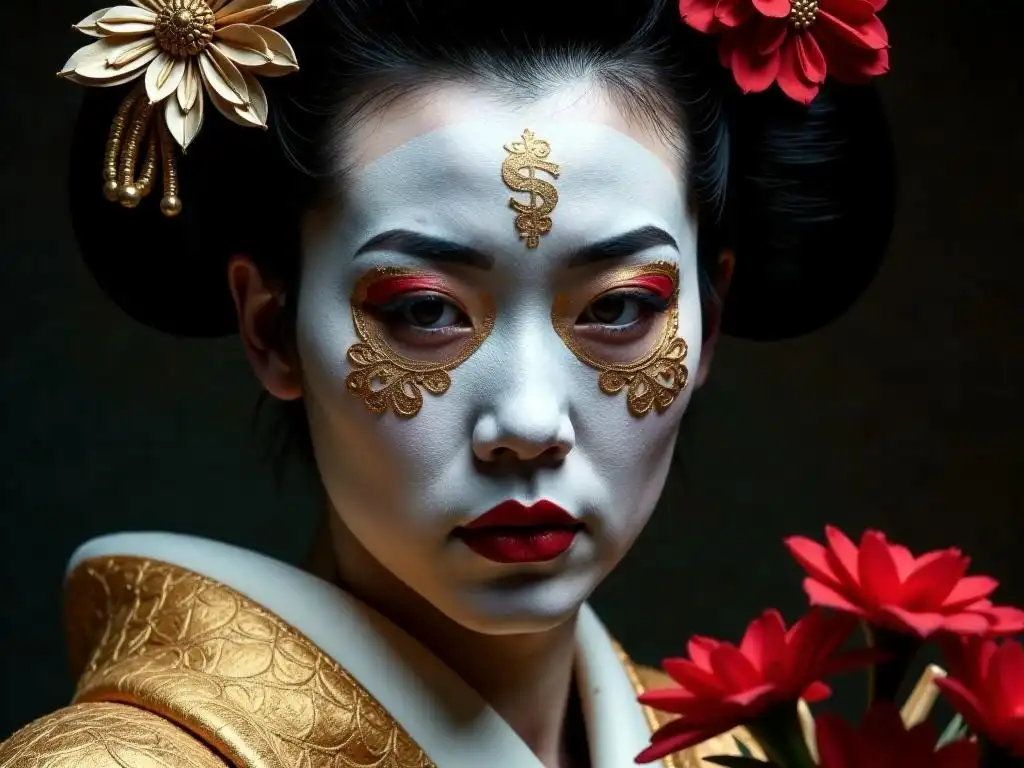
Costumes and makeup are essential aspects of Kabuki theater, contributing significantly to its visual appeal and storytelling. The costumes are often lavishly designed, featuring bold colors, intricate patterns, and elaborate accessories that reflect the status and personality of the characters. Each costume is carefully crafted to enhance the portrayal of the character and to captivate the audience’s attention.
Makeup in Kabuki, known as "kumadori," is equally important. This distinctive makeup style uses vivid colors and exaggerated designs to symbolize different character traits. For instance, red might represent virtue and bravery, while blue can indicate villainy. The application of kumadori is an art form in itself, requiring skill and precision to convey the emotional essence of the character effectively.
Music and Dance: The Heart of Kabuki Theater
Music and dance are integral components of Kabuki theater, serving as the backbone of its performances. Traditional music, often played live, accompanies the action on stage, enhancing the emotional tone and atmosphere of the play. Instruments such as the shamisen (a three-stringed instrument) and various drums are commonly used, creating a unique auditory experience that complements the visual spectacle.
Dance in Kabuki is not merely an accompaniment but a vital storytelling tool. Performers use movement to express emotions and advance the plot. The choreography is often intricate, with each gesture and step carefully choreographed to align with the music. The seamless integration of music and dance in Kabuki creates a holistic experience that immerses the audience in the narrative.
Thematic Elements in Kabuki Plays
Kabuki theater is rich in thematic elements that reflect the complexities of human experience and the societal issues of its time. These themes often explore the contrasts between duty and desire, love and betrayal, and the struggle between good and evil. The narratives are typically drawn from historical events, folklore, and classical literature, providing audiences with both entertainment and moral lessons.
The use of archetypal characters, such as the noble hero or the tragic villain, allows Kabuki to delve into universal themes that resonate across cultures. This thematic depth is one of the reasons why Kabuki continues to be relevant and appreciated in contemporary society.
Common Themes in Kabuki Theater
Among the common themes in Kabuki theater, love and loyalty often take center stage. Many plays revolve around the conflicts arising from forbidden love or the sacrifices made in the name of loyalty. This theme is evident in classics such as "Chūshingura," which tells the story of the 47 ronin who seek vengeance for their master’s death.
Revenge is another prevalent theme, frequently portrayed through tales of betrayal and the quest for justice. Characters driven by revenge often face moral dilemmas, reflecting the societal values and codes of honor that were significant in feudal Japan.
The Importance of Storytelling in Kabuki
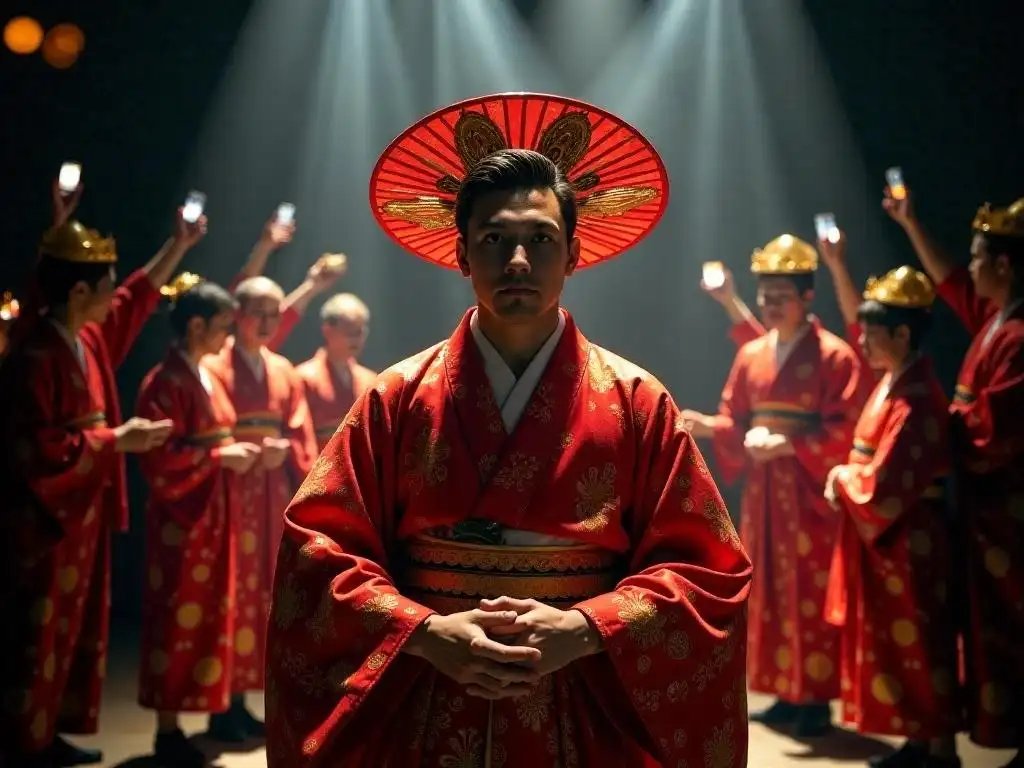
Storytelling in Kabuki is paramount, as it serves to engage the audience and convey complex narratives. The combination of dialogue, music, and dance creates a rich tapestry of storytelling that captivates viewers. Each performance is meticulously crafted to balance entertainment with thematic depth, allowing audiences to reflect on the moral and ethical implications of the characters' actions.
The oral tradition of storytelling in Kabuki also plays a crucial role in preserving Japan's cultural heritage. By passing down these stories through generations, Kabuki not only entertains but also educates audiences about historical events and societal values.
Symbolism and Cultural References in Kabuki
Kabuki theater is deeply embedded with symbolism and cultural references that enrich its narratives. Many elements, such as the use of colors in costumes and makeup, carry specific meanings that resonate with Japanese culture. For example, the color white signifies purity, while black often represents evil or death.
Furthermore, Kabuki incorporates various cultural references, including allusions to historical events, folklore, and even contemporary societal issues. These references not only provide depth to the storytelling but also allow audiences to connect with the performances on a personal level, reflecting their own experiences and beliefs.
By understanding these symbolic and cultural elements, audiences can appreciate the layers of meaning within Kabuki theater, making each performance a profound exploration of the human condition.
Kabuki's Influence on Japanese Society
Kabuki theater has played a significant role in shaping Japanese society, influencing not only the performing arts but also cultural norms and social interactions. Emerging in the early 17th century, Kabuki became a vibrant form of entertainment that appealed to a wide audience, including the merchant class and common people, thereby democratizing the theatrical experience in Japan. The colorful costumes, exaggerated movements, and intricate storytelling captivated audiences and facilitated a shared cultural identity.
Moreover, Kabuki has often served as a reflection of societal values and issues, addressing themes such as love, loyalty, and the struggles of everyday life. Through its narratives, Kabuki has been instrumental in voicing the sentiments of the masses, often highlighting the contrasts between the elite and commoners. This duality not only entertained but also sparked conversations about class struggles and societal norms, making it a crucial part of social discourse in feudal Japan.
Kabuki's Role in Feudal Japan
During the feudal era, Kabuki served multiple purposes, transcending mere entertainment. It was a vehicle for political expression, subtly commenting on contemporary events and societal issues while maintaining a veneer of artistic abstraction. Kabuki performances often took place in theaters that were thriving hubs of social activity, where people from various backgrounds gathered, fostering a communal experience.
The art form was also deeply intertwined with the cultural and religious practices of the time. Many Kabuki plays were inspired by historical events, folklore, and traditional stories, which helped preserve and propagate cultural heritage. Furthermore, the theater became a space where women could initially perform—a rarity in Japanese society—before the ban on female performers led to the rise of male actors, known as "onnagata," who specialized in female roles. This shift not only altered the dynamics of performance but also influenced the perception of gender roles within society.
The Impact of Kabuki on Modern Japanese Culture
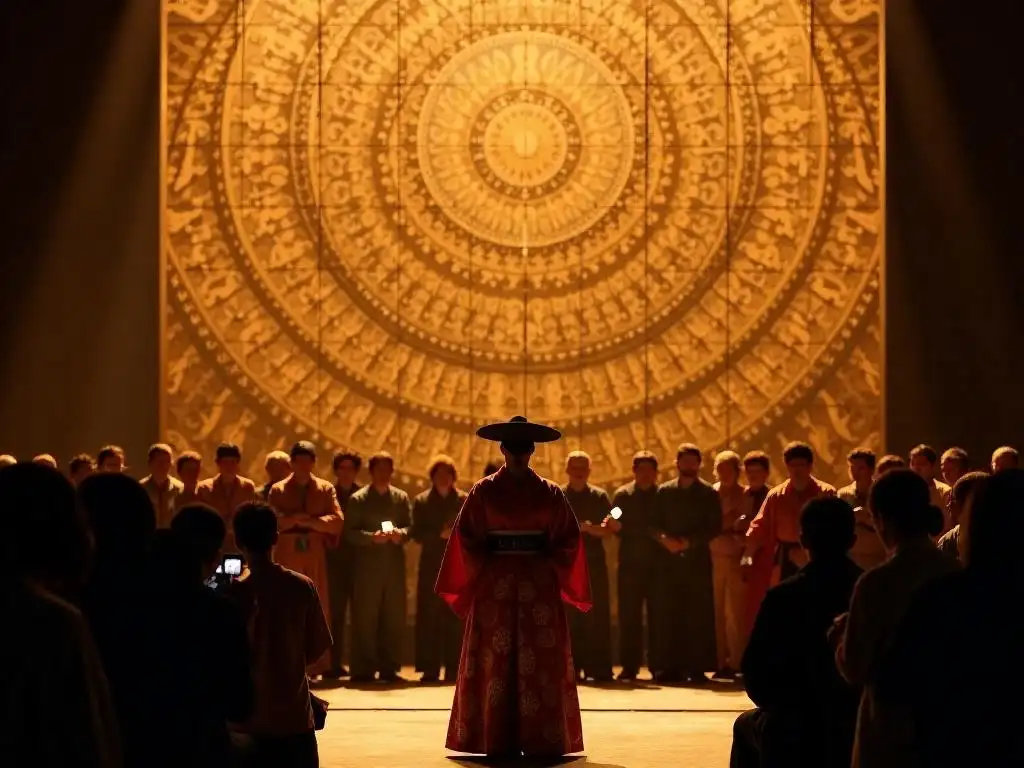
Kabuki continues to resonate within modern Japanese culture, evolving while still honoring its rich traditions. The aesthetics and techniques of Kabuki have influenced various modern art forms, including film, television, and contemporary theater. For example, the visual style of Kabuki, characterized by its elaborate makeup and stylized movements, can be seen in the works of modern Japanese filmmakers and animators.
Additionally, Kabuki has played a role in promoting Japanese culture internationally. Efforts to modernize and adapt traditional performances have made Kabuki more accessible to global audiences, bridging cultural gaps and fostering appreciation for this unique art form. The integration of contemporary themes and technology into performances has also helped to attract younger generations, ensuring the longevity of Kabuki as a cultural staple.
Global Recognition of Kabuki Theater
Kabuki theater has gained significant recognition beyond Japan's borders, becoming an iconic symbol of Japanese culture. Its recognition on the global stage was solidified when UNESCO designated Kabuki as an Intangible Cultural Heritage in 2005, acknowledging its historical significance and cultural value. This distinction has prompted greater interest in Kabuki among international audiences, leading to performances being staged in various countries.
The global appreciation for Kabuki has also been fueled by cultural exchanges, festivals, and educational programs that introduce the art form to diverse audiences. Collaborative projects with artists from different backgrounds have enriched Kabuki's repertoire, allowing for innovative interpretations that resonate with global themes. This cross-cultural dialogue not only preserves the essence of Kabuki but also showcases its adaptability in a rapidly changing world.
Preservation and Future of Kabuki Theater
Efforts to Preserve Kabuki Traditions
The preservation of Kabuki traditions is a priority among cultural organizations, practitioners, and enthusiasts. Various initiatives have been implemented to ensure that the techniques, performances, and narratives intrinsic to Kabuki are passed down to future generations. This includes formal training programs at Kabuki schools, where students learn the intricacies of performance, from vocal techniques to stage movement.
Additionally, efforts are being made to document and archive performances, ensuring that historical records are accessible for research and reference. Collaborations with educational institutions and the establishment of Kabuki festivals play a crucial role in raising awareness and appreciation for this traditional art form. These initiatives not only preserve the art itself but also foster a sense of community and collective identity among Kabuki practitioners and audiences.
Challenges Facing Kabuki in Contemporary Society
Despite its rich heritage, Kabuki faces several challenges in contemporary society. One of the most pressing issues is the declining audience numbers, particularly among younger generations who may find traditional performances less appealing compared to modern entertainment options. This shift in preferences poses a significant risk to the sustainability of Kabuki as a cultural practice.
Additionally, the financial viability of Kabuki theaters has come under strain, with many struggling to maintain operations due to high production costs and limited funding. The need for innovative approaches to attract new audiences and revitalize interest in Kabuki is critical. While efforts are being made to modernize performances, balancing tradition with contemporary appeal remains a delicate challenge.
The Future of Kabuki Theater in Japan and Beyond
The future of Kabuki theater hinges on its ability to adapt while preserving its core essence. Embracing modernization through technology, such as virtual reality and multimedia presentations, could enhance the viewing experience and attract a broader audience. Furthermore, collaborations with international artists may introduce fresh perspectives and innovations that invigorate the art form.
Despite the challenges, the enduring legacy of Kabuki and its cultural significance suggest a resilient future. As long as there are passionate practitioners and dedicated audiences, Kabuki will continue to thrive, evolving to meet the needs of contemporary society while remaining rooted in its rich historical traditions. The ongoing dialogue between tradition and modernity will ultimately shape the next chapter of Kabuki theater, ensuring its relevance in both Japan and the global arts landscape.
Conclusion: The Enduring Legacy of Kabuki Theater
Kabuki theater has left an indelible mark on Japan's cultural landscape. Originating in the early 17th century, it has evolved through centuries, adapting to changing social, political, and artistic contexts while maintaining its unique essence. Today, Kabuki stands not only as a form of entertainment but also as a vital expression of Japanese identity and heritage. Its intricate blend of drama, music, and dance continues to captivate audiences, both locally and internationally, ensuring that this traditional art form remains vibrant and relevant.
The legacy of Kabuki is evident in its influence on other forms of theater and art, including modern Japanese cinema and contemporary performance art. As a UNESCO Intangible Cultural Heritage, Kabuki is recognized for its historical significance and its role in fostering cultural exchange. The commitment of performers, scholars, and enthusiasts to preserve and innovate within this art form speaks volumes about its enduring importance in Japan's cultural narrative.
Reflecting on Kabuki's Cultural Impact
Kabuki's cultural impact extends beyond the stage, permeating various aspects of Japanese society. Historically, Kabuki played a significant role in reflecting the social issues and sentiments of its time. Themes of love, honor, and conflict resonated with audiences, providing a mirror to the societal values and struggles of the Edo period. The colorful costumes, elaborate makeup, and stylized movements serve as a visual language that communicates deep emotional and philosophical ideas, making Kabuki accessible to diverse audiences.
Moreover, Kabuki has fostered a sense of community and identity among its practitioners and audiences. The art form has traditionally been passed down through generations, creating a lineage of artists who dedicate their lives to mastering its craft. Additionally, Kabuki's incorporation of local folklore and historical events has allowed it to remain relevant to Japanese culture, reinforcing a sense of pride and continuity among its spectators. The experience of attending a Kabuki performance today not only entertains but also educates audiences about Japan's rich history and cultural heritage.
Kabuki as a Living Art Form in Japan
In contemporary Japan, Kabuki continues to thrive as a living art form, showcasing its adaptability to modern tastes while honoring traditional practices. The introduction of new technologies and innovative stagecraft has allowed Kabuki to evolve without compromising its core elements. For instance, contemporary productions may incorporate advanced lighting and sound design to enhance the storytelling experience, attracting younger generations and broadening its appeal.
Furthermore, the global interest in Kabuki has led to international performances and collaborations, allowing this art form to reach audiences worldwide. Festivals and workshops dedicated to Kabuki are held outside Japan, fostering cross-cultural appreciation and understanding. As a result, Kabuki is not merely a relic of the past but a dynamic and evolving expression of Japan's artistic spirit.
Kabuki theater history in Japan embodies a rich tapestry of cultural significance, historical relevance, and artistic innovation. Its legacy continues to inspire and engage, ensuring that this captivating form of theater remains an integral part of Japan's cultural heritage for generations to come.
- Introduction to Kabuki Theater in Japan
- Historical Background of Kabuki Theater
- Characteristics of Kabuki Theater
- Unique Elements of Kabuki Performance
- Costumes and Makeup in Kabuki
- Music and Dance: The Heart of Kabuki Theater
- Thematic Elements in Kabuki Plays
- Common Themes in Kabuki Theater
- The Importance of Storytelling in Kabuki
- Symbolism and Cultural References in Kabuki
- Kabuki's Influence on Japanese Society
- Kabuki's Role in Feudal Japan
- The Impact of Kabuki on Modern Japanese Culture
- Global Recognition of Kabuki Theater
- Preservation and Future of Kabuki Theater
- Conclusion: The Enduring Legacy of Kabuki Theater
Frequently Asked Questions
What is Kabuki theater?
Kabuki is a traditional Japanese theatrical art form characterized by stylized performances, elaborate costumes, and exaggerated makeup. It combines drama, music, and dance to tell historical and contemporary stories.
When did Kabuki theater originate?
Kabuki originated in the early 17th century during the Edo period. It began with female performers, but after government restrictions, it transitioned to an all-male performance style, which remains today.
What are the main elements of Kabuki performances?
Kabuki performances are known for their vibrant costumes, unique makeup (known as Kumadori), and dynamic staging. The art form incorporates live music, dance, and dramatic storytelling to engage audiences.
How has Kabuki evolved over time?
Kabuki has undergone significant changes since its inception, adapting to cultural shifts and incorporating modern themes while maintaining its traditional roots. Today, it is recognized as an important cultural heritage of Japan.
Where can one experience Kabuki theater today?
Kabuki performances can be experienced at theaters in major Japanese cities such as Tokyo and Osaka, with the Kabukiza Theatre in Tokyo being the most famous venue. Visitors can enjoy various shows that showcase the artistry of this dramatic form.
Final Reflection: The Enduring Legacy of Kabuki Theater
Kabuki theater history in Japan is not just a chronicle of artistic expression; it is a vibrant tapestry woven with threads of culture, tradition, and resilience. Today, as we navigate a world increasingly influenced by globalization, the significance of Kabuki remains profound. This unique art form serves as a reminder of the importance of preserving cultural heritage in the face of modernity. Kabuki is not merely a performance; it is a living history that continues to resonate with audiences around the globe.
The impact of Kabuki extends far beyond the stage, influencing various aspects of Japanese culture and society. As we witness the revival of interest in traditional arts, Kabuki stands as a beacon of inspiration, bridging generations and fostering a sense of identity. The words of renowned Kabuki actor Ichikawa Danjuro XII encapsulate this sentiment perfectly: Kabuki is a reflection of the human experience, capturing the essence of life in its most dramatic form.
This ongoing influence highlights how Kabuki not only entertains but also educates and connects people to their roots.
As we conclude our exploration of Kabuki, I invite you to reflect on the lessons this art form imparts. Consider how the themes of love, conflict, and resilience portrayed in Kabuki mirror our own lives. Let the colorful world of Kabuki inspire you to embrace your cultural heritage and seek out the stories that shape your identity. In doing so, you not only honor the past but also contribute to the vibrant tapestry of our shared human experience.
Immerse Yourself in the Vibrant World of Kabuki!
Thank you for delving into the colorful art of Kabuki! You've explored a fascinating slice of Japan's rich cultural heritage and the expressive storytelling that captivates audiences. Now, it's your turn to keep the spirit of Kabuki alive and share this dynamic art form with others!
Here’s how you can get involved:
- Attend a Kabuki performance: Seek out local shows or international tours to experience this vibrant art form firsthand and truly feel the energy of the stage!
- Participate in a Kabuki workshop: Join a local theater group that offers classes or workshops, allowing you to explore the unique techniques and styles of Kabuki—it's an unforgettable experience!
- Share your insights: Post about Kabuki on social media or discuss it with friends and family. Initiate conversations about this captivating theatrical tradition.
How has Kabuki inspired your appreciation for cultural arts? We invite you to share your thoughts below!