
The Ethos of the Samurai: Reflections in Feudal Literature

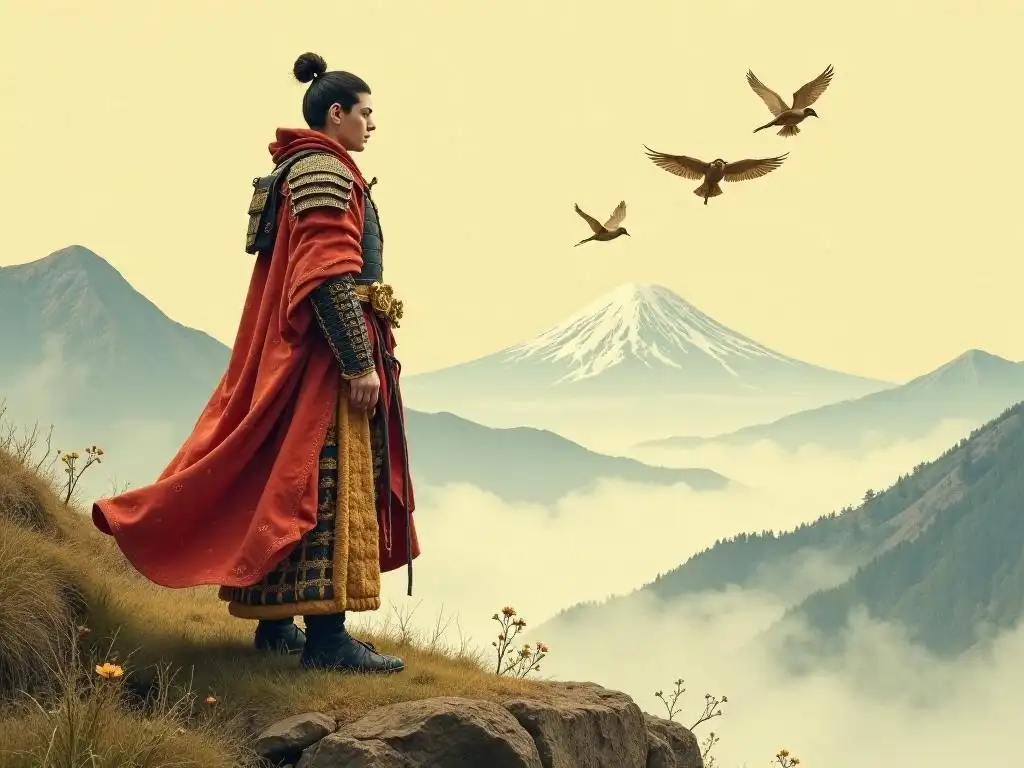
Welcome to Feudal Japan History, where we invite you to journey through the fascinating tapestry of Japan’s feudal era. Here, we delve into the rich cultural history that shaped a nation, spotlighting the samurai ethos in feudal literature. What drove these legendary warriors, and how did their values echo through the stories of their time? Prepare to uncover the profound reflections of honor, loyalty, and duty that define the samurai spirit. Embrace your curiosity and explore the depths of this compelling narrative—your adventure into the heart of feudal Japan awaits!
Introduction to Samurai Ethos in Feudal Literature
The samurai ethos encompasses a rich tapestry of values, principles, and beliefs that shaped the identity of the samurai class during Japan's feudal era. This ethos is intricately woven into the literature of the time, reflecting the complex interplay between honor, loyalty, and martial prowess. Exploring the samurai ethos in feudal literature allows us to gain deeper insights into the psychological and cultural frameworks that governed the lives of these warriors. Through poetic expressions, philosophical texts, and historical narratives, the literature of this period serves as a mirror, reflecting both the ideals and the realities of samurai life.
Definition of Samurai Ethos
The samurai ethos can be defined as the set of moral codes and values that governed the behavior and mindset of the samurai. Central to this ethos are concepts such as Bushido, which translates to "the way of the warrior," emphasizing loyalty, honor, courage, and discipline. These principles not only guided samurai conduct on the battlefield but also shaped their interactions with society and their roles as both warriors and stewards of culture. The literature of feudal Japan showcases these ideals, providing a window into the samurai's philosophical underpinnings.
Importance of Literature in Understanding Samurai Culture
Literature serves as a critical lens through which we can understand the samurai's cultural identity and societal role. Works from this era, such as The Tale of the Heike and Hagakure, highlight the values and dilemmas faced by samurai, illustrating their motivations and internal struggles. By analyzing these texts, we can uncover the deeper meanings behind the samurai ethos, as well as its evolution over time. Literature not only preserves the historical narratives of the samurai but also offers valuable moral lessons that continue to resonate in contemporary discussions about ethics and honor.
Historical Context of the Samurai in Feudal Japan
Overview of the Feudal Era in Japan
The feudal era in Japan, spanning from the late 12th century to the 19th century, was marked by a decentralized political structure where power was held by local lords, known as daimyōs. This period was characterized by frequent military conflicts, social stratification, and the emergence of a complex class system. The samurai, as the warrior class, played a pivotal role in this feudal hierarchy, serving as the military elite and enforcers of the daimyōs' power.
Rise of the Samurai Class
The rise of the samurai class can be traced back to the Heian period (794-1185), when the need for military protection led to the establishment of professional warriors. As the aristocracy began to lose power to regional lords, the samurai found their influence growing. This transition was solidified during the Kamakura period (1185-1333), when the samurai gained political authority and began to codify their values and codes of conduct, laying the foundation for the samurai ethos.
Role of Samurai in Japanese Society
Samurai were not merely warriors; they were also landowners, administrators, and cultural patrons. Their role extended beyond the battlefield, as they were expected to uphold justice, maintain order, and contribute to the cultural fabric of their communities. The samurai ethos, as reflected in the literature, underscores the dual responsibilities of the samurai as both protectors and cultivators of Japanese culture, embodying the ideals of loyalty, service, and honor that defined their existence during the feudal era.
Key Themes of Samurai Ethos in Feudal Literature
The samurai ethos is intricately woven into the fabric of feudal literature, reflecting the social, moral, and philosophical values that defined the samurai class during Japan's feudal era. Key themes such as honor, loyalty, courage, and the philosophy of bushido serve as central pillars in understanding how samurai ideals influenced literary works. Through various forms of storytelling, including epic tales, poetry, and drama, these themes are explored and celebrated, providing insight into the samurai's role in society and their personal codes of conduct.
Honor and Loyalty in Samurai Literature
Honor and loyalty are perhaps the most significant themes in samurai literature. The samurai were bound by a strict code that emphasized the importance of loyalty to their lord and clan. This loyalty was often depicted through narratives of sacrifice, where characters would choose death over dishonor.
For instance, many tales illustrate the concept of seppuku, or ritual suicide, as a means to restore honor after failure or disgrace. In The Tale of the Heike, characters like Taira no Kiyomori exemplify this theme, as their actions are driven by a profound sense of loyalty to their families and clans. Furthermore, works like the Hagakure highlight the philosophical underpinnings of loyalty, asserting that a samurai's life is spent in service to their lord, often to the point of self-sacrifice.
The Concept of Bushido and Its Representation
Bushido, the "Way of the Warrior," is a fundamental concept that permeates samurai literature. This ethical code encapsulates virtues such as righteousness, courage, benevolence, respect, honesty, honor, and loyalty. Literary works often serve as both a reflection and an exploration of bushido, illustrating how samurai navigated the complexities of honor and duty in their lives.
In texts like The Book of Five Rings by Miyamoto Musashi, bushido is not only discussed as a way of life but also as a philosophy that governs the samurai's martial practices and personal conduct. The representation of bushido in literature emphasizes its significance as a guiding principle, showcasing how adherence to these values could lead to glory in battle as well as personal fulfillment.
Courage and Valor in Samurai Stories
Courage and valor are celebrated attributes within samurai literature, often depicted through heroic feats and daring battles. These narratives not only showcase physical bravery but also moral courage in the face of adversity. Samurai literature frequently tells stories of warriors who confront overwhelming odds, embodying the ideal of facing one's fears and standing firm in one's beliefs.
An illustrative example is the story of Minamoto no Yoshitsune, whose exploits during the Genpei War are chronicled in various literary sources. His courage in battle is often paralleled by his loyalty and strategic acumen, highlighting the multifaceted nature of the samurai ideal. Such tales serve to inspire readers, reinforcing the notion that true courage lies in both action and integrity.
Prominent Works Reflecting Samurai Ethos
The ethos of the samurai is immortalized in several prominent literary works that have shaped the cultural landscape of feudal Japan. These texts not only reflect the values of the samurai but also provide insight into the societal norms of the time.
Classic Texts: "The Tale of the Heike"
The Tale of the Heike stands as one of the most significant works in the canon of samurai literature. This epic narrative recounts the rise and fall of the Taira and Minamoto clans during the Genpei War, embodying themes of honor, loyalty, and the transient nature of life.
Through its vivid characters and dramatic events, the tale explores the samurai's commitment to their lords and their inevitable struggles against fate. The work serves as a powerful reminder of the impermanence of power and glory, reflecting the Buddhist philosophy that underlies many aspects of samurai culture.
Poetry and Samurai: The Influence of Haiku
The influence of haiku poetry on the samurai ethos is profound. Although primarily known for its brevity and focus on nature, haiku often encapsulates deeper philosophical and emotional reflections that resonate with bushido principles.
Samurai poets like Matsuo Bashō used haiku to express not only their appreciation of the natural world but also to convey sentiments of loyalty and honor. The simplicity of haiku allows for profound insights, making it an ideal medium for reflecting the samurai's internal struggles and values.
Noh and Kabuki: Dramatic Representations of Samurai Values
Noh and Kabuki theater serve as crucial platforms for the dramatic representation of samurai values and ethos. These traditional forms of Japanese drama often depict stories of loyalty, betrayal, and the moral dilemmas faced by samurai.
In Noh, the emphasis is on poetic language and slow movements, which convey the emotional depth of characters grappling with their honor and duty. Kabuki, on the other hand, brings a more vibrant and expressive style, often highlighting the heroic exploits of samurai in visually stunning performances. Both forms reflect the complexities of the samurai experience, inviting audiences to engage with the ideals of honor, loyalty, and bushido in a compelling and artistic manner.
Comparative Analysis of Samurai Ethos Across Different Literary Forms

The samurai ethos, deeply rooted in the principles of loyalty, honor, and discipline, is reflected across various literary forms in feudal Japan. Each medium—prose, poetry, and drama—offers unique insights into the samurai way of life, portraying their values and ideals in distinct ways. Through a comparative analysis, one can observe how these different forms not only encapsulate the samurai spirit but also highlight the evolution of their representation throughout Japan's literary history.
In prose, narratives often delve into the personal experiences and moral dilemmas faced by samurai. Works such as The Tale of the Heike illustrate the complexities of samurai loyalty and the tragic consequences of warfare. On the other hand, poetry, particularly haiku and tanka, distills samurai ethos into concise expressions of emotion and nature, often reflecting themes of impermanence and beauty, resonating with the Zen philosophies embraced by many samurai.
Samurai Ethos in Prose vs. Poetry
The contrast between prose and poetry in expressing the samurai ethos is striking. Prose narratives, like The Book of Five Rings by Miyamoto Musashi, serve as philosophical treatises that explore the strategic mindset of a samurai. These works provide detailed accounts of martial arts, ethics, and the philosophical underpinnings of the samurai code, offering readers a comprehensive understanding of what it meant to be a warrior in feudal Japan.
In contrast, poetry emphasizes brevity and emotional resonance. The haiku, for example, often captures fleeting moments, reflecting the samurai's appreciation for nature and the transient nature of life. A well-crafted haiku can encapsulate profound truths about duty and honor in just a few syllables, illustrating how the samurai ethos permeated even the most concise literary forms.
Differences in Representation Between Classical and Modern Literature
The representation of samurai ethos has evolved significantly from classical to modern literature. In classical texts, samurai are often depicted as noble warriors, bound by a strict code of honor known as bushido. Works like The Tale of Genji and The Tale of the Heike celebrate their valor and moral integrity, often idealizing their sacrifices for the greater good.
In contrast, modern literature presents a more nuanced view. Contemporary authors may explore the psychological struggles of samurai, highlighting themes of alienation and existentialism. For instance, in works like The Last Samurai by Helen DeWitt, the samurai ethos is scrutinized through the lens of modern values, reflecting societal changes and the complexities of identity in a rapidly evolving Japan. This shift illustrates how the samurai’s traditional values are both revered and questioned in contemporary narratives.
Influence of Samurai Ethos on Japanese Culture

The samurai ethos has profoundly influenced Japanese culture, extending beyond literature into various facets of life. Its principles of loyalty, honor, and discipline have shaped societal norms, influencing everything from business ethics to interpersonal relationships. The cultural reverence for these values can be seen in modern Japanese society, where the samurai spirit continues to inspire actions and attitudes.
Legacy of Samurai Values in Contemporary Japan
The legacy of samurai values is evident in contemporary Japan, where notions of honor and loyalty still hold significant sway. The influence of bushido can be observed in various aspects of Japanese culture, including martial arts, which emphasize discipline and respect. Additionally, the corporate world often mirrors samurai principles, with loyalty to one’s company viewed as a virtue. This enduring legacy highlights the resilience of samurai values in shaping modern Japanese identity.
The Samurai Image in Modern Literature and Media
The samurai image in modern literature and media has taken on diverse forms, ranging from romanticized portrayals to critical examinations of their ethos. Films like Seven Samurai and novels such as Shogun depict samurai as heroic figures, emphasizing their bravery and honor. However, contemporary works often dissect this image, exploring the complexities and moral ambiguities of the samurai lifestyle.
Moreover, the samurai ethos frequently appears in popular media, including video games and anime, where it is adapted to fit modern narratives while retaining core values. This multifaceted representation ensures that the samurai ethos remains relevant, allowing new generations to engage with this rich cultural heritage while reflecting on its implications in today’s society.
Conclusion: The Enduring Impact of Samurai Ethos
The samurai ethos, characterized by principles such as loyalty, honor, and discipline, has left an indelible mark on Japanese culture and literature. This complex system of values transcended the battlefield, influencing the arts, philosophy, and societal norms throughout the feudal era and beyond. In literature, the samurai's ideals are often encapsulated in narratives that convey the struggles and triumphs of these warriors, illustrating their profound commitment to their lords and their own moral codes.
Moreover, the samurai ethos continues to resonate in contemporary Japan, where its values are celebrated and examined in various cultural expressions, from films to novels. The literature of feudal Japan serves as a critical lens through which we can understand not only the historical context of the samurai but also the ongoing relevance of their values in modern society. As we delve into these texts, we uncover the layers of meaning that continue to inspire discussions about ethics, loyalty, and the human condition.
Reflections on the Importance of Samurai Literature Today
Today, samurai literature remains a vital part of Japan's cultural heritage and serves as a rich source for understanding the historical and philosophical underpinnings of samurai life. These works often reflect the tensions between personal desires and societal expectations, providing readers with timeless lessons about integrity and sacrifice.
Furthermore, in an increasingly globalized world, the themes found in samurai literature—such as the quest for identity, the struggle against adversity, and the pursuit of honor—resonate with audiences far beyond Japan. By studying these texts, we not only gain insight into the feudal past but also find universal truths that can inform our own values and actions in today's complex society.
Final Thoughts on the Cultural Significance of Samurai Values
The values of the samurai, as portrayed in feudal literature, are more than mere historical curiosities; they are an integral part of Japan's cultural identity that continues to influence both art and ethics. The samurai ethos emphasizes a deep sense of duty, respect for authority, and a commitment to self-improvement, ideals that have shaped Japanese society for centuries.
As we reflect on the cultural significance of these values, it becomes evident that they advocate for a balance between individual aspirations and collective responsibilities. This duality is key to understanding not only the samurai's role in feudal Japan but also the broader ethical frameworks that guide human behavior across cultures and eras.
References and Further Reading
Recommended Books and Articles on Samurai Ethos
-
"Bushido: The Soul of Japan" by Inazo Nitobe
This classic work explores the samurai code of ethics and its implications for Japanese society.
-
"Samurai: The World of the Warrior" by Stephen Turnbull
A comprehensive examination of the samurai's lifestyle, roles, and cultural impact.
-
"The Book of Five Rings" by Miyamoto Musashi
Musashi's treatise on strategy and philosophy, reflecting the mindset of a samurai warrior.
-
"Hagakure: The Book of the Samurai" by Yamamoto Tsunetomo
A practical and philosophical guide to the way of the samurai.
Online Resources for Exploring Feudal Literature
- The Japan Times: Articles and essays that delve into samurai culture and literature.
- Japanese Studies Resources: A curated list of digital archives and databases featuring samurai texts and historical documents.
- The Samurai Archives: A wealth of information on samurai history and literature, including research articles and bibliographies.
- YouTube Educational Channels: Various channels that provide lectures and discussions on samurai literature and its cultural implications.
By exploring these resources, readers can deepen their understanding of the samurai ethos and its reflection in feudal literature, enriching their appreciation for Japan's cultural history.
- Introduction to Samurai Ethos in Feudal Literature
- Historical Context of the Samurai in Feudal Japan
- Key Themes of Samurai Ethos in Feudal Literature
- Prominent Works Reflecting Samurai Ethos
- Comparative Analysis of Samurai Ethos Across Different Literary Forms
- Samurai Ethos in Prose vs. Poetry
- Differences in Representation Between Classical and Modern Literature
- Influence of Samurai Ethos on Japanese Culture
- Conclusion: The Enduring Impact of Samurai Ethos
- References and Further Reading
Frequently Asked Questions
What is the samurai ethos in feudal literature?
The samurai ethos refers to the principles and values upheld by samurai warriors, including loyalty, honor, and discipline, as depicted in various feudal texts.
How did feudal literature reflect the samurai ethos?
Feudal literature often portrayed the samurai's moral code, showcasing their bravery, loyalty, and the struggles they faced, thus emphasizing their cultural significance in Japanese society.
Can you name some key works that illustrate the samurai ethos?
Notable works include "The Tale of the Heike," which examines themes of honor and loyalty, and "Hagakure," a manual that details the philosophy of bushido.
How did the samurai ethos influence Japanese culture?
The samurai ethos deeply impacted Japanese values such as respect, duty, and self-discipline, shaping cultural norms that persist even in modern society.
Is the samurai ethos relevant today?
Yes, the samurai ethos continues to resonate, influencing contemporary Japanese culture, business practices, and even personal development philosophies that emphasize integrity and perseverance.
Final Reflection: The Enduring Legacy of Samurai Ethos in Feudal Literature
The samurai ethos in feudal literature serves as a profound reminder of the values that shaped not only a warrior class but also the cultural identity of Japan. In an age where individualism often overshadows collective honor, the principles of loyalty, discipline, and integrity exemplified by the samurai resonate deeply with contemporary society. These timeless ideals challenge us to reflect on our own values and the legacies we wish to leave behind.
The influence of samurai ethos extends far beyond the pages of historical texts; it continues to shape our cultural narratives and social interactions today. The stories of these noble warriors remind us of the importance of honor and duty in our personal and professional lives. As noted by the philosopher Yamamoto Tsunetomo, “The way of the samurai is found in death,” emphasizing the profound commitment to one's principles even in the face of adversity. This perspective encourages us to consider how we confront challenges and uphold our values in a rapidly changing world.
As you reflect on the samurai ethos in feudal literature, I invite you to consider how these lessons can be integrated into your own life. What values do you hold dear, and how can you embody them in your daily actions? Embrace the spirit of the samurai by cultivating a sense of purpose and integrity in all that you do. Let the legacy of these warriors inspire you to forge your own path, grounded in honor and commitment to the greater good.
Embrace the Way of the Samurai Today!
Thank you for diving into the fascinating world of Samurai ethos through feudal literature! Your curiosity about this rich history not only enriches your understanding but also inspires a deeper connection to the values of **honor, loyalty, and discipline** that the Samurai embodied.
Now, it’s time to take action and apply these timeless principles in your own life:
- Reflect on Your Own Code: Identify three values that are important to you. Consider how you can integrate them into your daily routine.
- Share the Wisdom: Engage in discussions about Samurai ethics with friends or family. Initiate conversations that bring this historical perspective to life!
- Explore More: Check out our curated reading list on feudal literature to discover more insights about the Samurai way!
What qualities from the Samurai ethos do you believe are most relevant to our modern lives? Share your thoughts below, and let’s continue this enlightening journey together!