
Women in Edo Society: Their Roles, Rights, and Cultural Impact

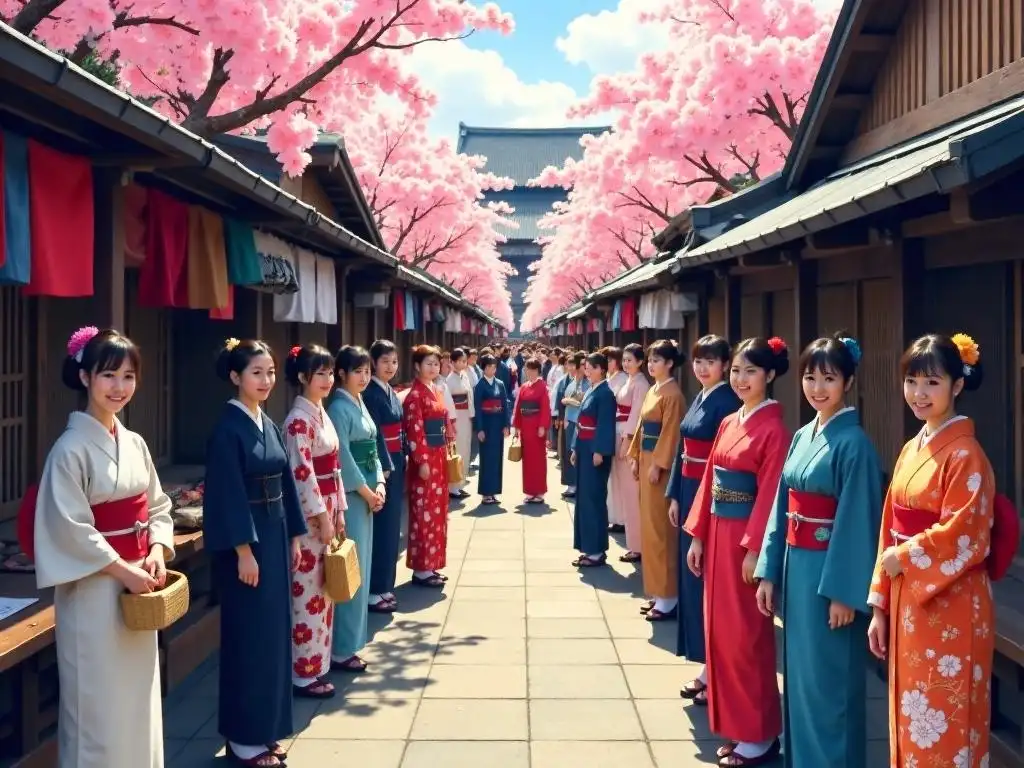
Welcome to Feudal Japan History, where we invite you to embark on an intriguing journey through the captivating world of Japan’s feudal era. In our featured article, "Women in Edo Society: Their Roles, Rights, and Cultural Impact," we delve deep into the lives of women during the Edo period, unraveling the complexities of their roles and the profound influence they had on society. What did it mean to be a woman in a time defined by strict social hierarchies?
Join us as we explore the untold stories and cultural nuances that shaped their existence, sparking curiosity and inspiring a deeper understanding of this pivotal era in history. Your adventure through the annals of cultural history begins now!
- Women in Edo Period Japan: An Overview of Their Roles, Rights, and Cultural Impact
-
Frequently Asked Questions
- What were the primary roles of women in Edo period Japan?
- Did women in Edo society have any legal rights?
- How did cultural practices affect women in the Edo period?
- What impact did women have on the economy during the Edo period?
- How has the perception of women in Edo period Japan evolved over time?
- Final Reflection: The Enduring Legacy of Women in Edo Period Japan
- Empower Your Understanding of Women's Impact in History!
Women in Edo Period Japan: An Overview of Their Roles, Rights, and Cultural Impact
The Edo period (1603-1868) marked a time of significant transformation in Japan, characterized by a unique social structure and cultural evolution. Understanding women in Edo period Japan requires a comprehensive exploration of their multifaceted roles, rights, and the profound impact they had on society. This era saw women navigating a complex landscape defined by Confucian ideals, economic changes, and shifting societal norms.
From the confines of domestic responsibilities to active participation in the economy, women played a crucial role in shaping the cultural fabric of Edo society. This article delves into the historical context of women during this period, their designated roles, and their contributions to economic life, painting a vivid picture of their experiences and influences.
Historical Context of Women in Edo Period Japan
Overview of the Edo Period (1603-1868)
The Edo period, also known as the Tokugawa period, was a time of relative peace and stability following centuries of civil war. Under the rule of the Tokugawa shogunate, Japan experienced a flourishing of culture, commerce, and urbanization. This era saw the rise of the merchant class, the development of a vibrant urban culture, and the establishment of a rigid social hierarchy. Women, while often relegated to traditional roles, found ways to assert their influence within this structured society.
Social Stratification and Women's Position
During the Edo period, Japanese society was divided into four main classes: samurai, farmers, artisans, and merchants. Women's positions varied significantly based on their social class. Samurai women were expected to uphold family honor and manage households, while peasant women contributed to agricultural production and local economy. Despite their varying statuses, all women faced societal restrictions that limited their rights and autonomy, yet they often exhibited resilience and resourcefulness in their daily lives.
Roles of Women in Edo Society
Domestic Roles and Responsibilities
In Edo society, women were primarily seen as caretakers of the home. They were responsible for managing household duties, raising children, and supporting their husbands. This domestic sphere was of paramount importance, as it was believed that a well-run household reflected the family's honor and status. Women also played a crucial role in the education of children, instilling values and cultural practices that would carry on through generations.
Economic Contributions of Women
Women in the Edo period were not merely confined to domestic roles; they also made significant economic contributions. Many engaged in textile production, especially in weaving and dyeing, which were essential to the local economy. Additionally, women often participated in family businesses, contributing to trade and commerce. In urban areas, women could also work as geishas, entertainers, and in various crafts, thus demonstrating their economic agency and adaptability.
As we explore the intricate tapestry of women's lives during the Edo period, it becomes evident that their roles extended far beyond the traditional confines of society, marking their significant impact on Japan's cultural and economic landscape.
Rights of Women in Edo Period Japan
In Edo period Japan (1603-1868), women's rights were heavily influenced by the prevailing Confucian ideals that emphasized patriarchal norms and family hierarchy. While women had some rights, they were generally limited compared to their male counterparts. Women's roles were primarily centered around the household, and their legal rights were closely tied to their familial relationships. For instance, women could inherit property, but their rights to manage that property were often restricted. Marriages were typically arranged, and once married, women were expected to follow their husband's family, which further limited their autonomy.
Despite these restrictions, women in the Edo period played crucial roles within their families and communities. They managed household finances, raised children, and were responsible for maintaining family traditions. Some women even participated in business, particularly in the textile industry and artisanal crafts, where they could contribute to the family income. However, the overarching legal framework reinforced the notion of women as dependents rather than independent actors in society.
Legal Status of Women
The legal status of women in Edo period Japan was characterized by a complex interplay of social expectations and codified laws. Women were classified as "mu" (non-people) under the law, which reflected their subservient status. Although women could own property, the law primarily recognized the male head of the household as the legal authority. Inheritance laws typically favored male heirs, although daughters could inherit if there were no sons.
Furthermore, divorce was a mechanism that could be initiated by men more easily than women, often relegating women to a position of vulnerability. If a woman wished to divorce, she required her husband's consent, making it a challenging and often one-sided process. Despite these legal limitations, some women, especially those from wealthier families, had the means to navigate these restrictions and assert their rights within their familial structures.
Educational Opportunities for Women
Education for women during the Edo period was primarily focused on domestic skills, such as needlework, cooking, and managing a household. However, the level of education varied significantly based on social class. While women from samurai families often received a more formal education that included reading and writing, women from merchant or peasant backgrounds had limited access to educational resources.
In urban areas, some women participated in informal education through community gatherings, where they shared knowledge and skills. The introduction of the print culture and the rise of popular literature also played a role in expanding educational opportunities. Women engaged with novels and poetry, which allowed them to explore their identities and express their thoughts creatively. Nevertheless, the formal educational system remained heavily skewed in favor of men, and women's contributions to literature and education were often overlooked.
Cultural Impact of Women in Edo Period Japan
Women in Edo period Japan significantly influenced cultural development, particularly in the realms of arts, literature, and social practices. Despite societal limitations, women became prominent figures in various cultural forms, leaving an indelible mark on the artistic landscape of the time. Their contributions helped shape cultural narratives and traditions that defined the Edo period.
Women in the Arts and Literature
Women were pivotal in the flourishing of arts and literature during the Edo period. Prominent among them were geisha, who were not only entertainers but also skilled in traditional arts such as music, dance, and poetry. Their performances were highly regarded and contributed to the cultural richness of urban centers like Edo (modern Tokyo). Additionally, women writers emerged in this period, producing works that often highlighted their perspectives and experiences.
One notable example is Murasaki Shikibu, who, although predating the Edo period, inspired later female authors. Women began to write novels, diaries, and poetry, challenging the male-dominated literary canon. Their writings often addressed themes of love, family, and societal expectations, bringing to light the complexities of women's lives in a patriarchal society.
Influence on Cultural Practices and Traditions
The influence of women on cultural practices and traditions in Edo period Japan can be seen in various aspects of daily life and societal rituals. Women were the primary transmitters of cultural heritage, ensuring that traditional practices, such as festivals, crafts, and culinary arts, were preserved and passed down through generations.
For instance, women played a crucial role in the New Year celebrations, preparing special foods and participating in rituals that honored ancestors. They were also instrumental in the production of kimono, a garment that held significant cultural value. The design and crafting skills of women contributed to the evolution of fashion in Edo society, reflecting broader social changes.
Overall, the cultural impact of women during the Edo period was profound, as they navigated their societal roles while significantly contributing to the arts and maintaining cultural traditions. Their resilience and creativity paved the way for future generations and laid the groundwork for evolving gender roles in Japan.
Challenges Faced by Women in Edo Period Japan
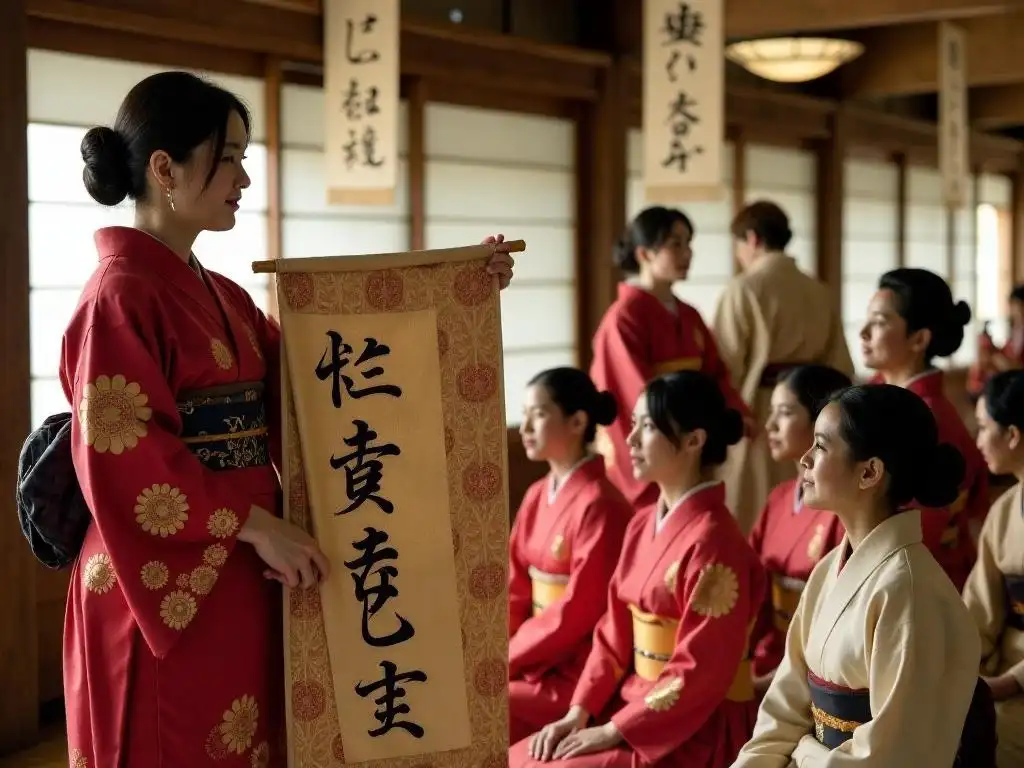
Women in Edo period Japan (1603-1868) navigated a complex societal landscape defined by strict roles, expectations, and various challenges. Their experiences varied significantly depending on their social class, family structure, and personal circumstances. Understanding these challenges provides crucial insight into the lives of women during this era and the ways in which they adapted to, resisted, or thrived within the limitations placed upon them.
Societal Constraints and Expectations
Edo period society was deeply hierarchical and patriarchal, with Confucian ideals influencing gender roles. Women were predominantly expected to fulfill domestic roles: managing the household, raising children, and supporting their husbands. This placed immense pressure on women to conform to societal norms, often limiting their personal aspirations and freedoms.
- Marriage and Family: Marriage was typically arranged, and women were expected to prioritize family loyalty over personal desires. The concept of "on" (obligation) dictated that women adhere to their marital duties, often at the expense of their own agency.
- Education and Employment: Access to education was restricted, particularly for lower-class women. While some women, especially from samurai families, received education, most were trained in domestic skills. Employment opportunities were limited, and women often worked in subordinate positions or informal settings.
The societal constraints placed upon women in Edo Japan not only affected their immediate roles but also shaped the cultural narratives surrounding femininity and virtue during this period.
The Impact of Class Differences on Women's Lives
Class significantly influenced the experiences of women in Edo period Japan, creating distinct disparities in their roles, rights, and social mobility. The three main social classes—samurai, farmers, and merchants—each had unique expectations and opportunities for women.
- Samurai Women: Women from samurai families were often educated and could wield some influence in family decisions, yet they were still expected to maintain the household and support their husbands. Their status provided them with certain privileges, but they were also bound by the rigid expectations of loyalty and duty.
- Peasant Women: In contrast, peasant women worked alongside men in agricultural settings, contributing significantly to their families' economic survival. They had more responsibilities and, in some cases, greater autonomy in their labor, but their social status limited their opportunities for advancement and education.
- Merchant Class Women: Merchant women often had a more prominent role in business and economic activities compared to their peasant counterparts. They could sometimes inherit and manage businesses, which allowed for a degree of financial independence. However, they were still subject to societal norms that prioritized male authority.
These class differences illustrate how women's lives in Edo period Japan were shaped by their social standing, affecting their rights, roles, and overall influence in society.
Legacy of Women in Edo Period Japan
The legacy of women in Edo period Japan is significant, as their experiences and contributions have shaped modern perceptions of gender roles within Japanese society. While often overlooked, the impact of these women can still be felt today.
Lasting Influence on Modern Japanese Society
Women in Edo period Japan laid the groundwork for future generations, influencing contemporary Japanese society in various ways. Their resilience and adaptation to societal constraints have contributed to the evolving roles of women in Japan.
- Cultural Narratives: The cultural representations of women during the Edo period, including literature, art, and theater, continue to inspire modern narratives about femininity and gender equality.
- Advancements in Women's Rights: The struggles faced by women in the Edo period highlight the historical context for the women's rights movement in Japan. Their experiences serve as a reminder of the progress made and the ongoing challenges in achieving gender equality.
The legacy of these women echoes in the ongoing discourse surrounding women's rights and societal roles in modern Japan.
Recognition and Representation in Contemporary Culture
Today, the contributions of women from the Edo period are being increasingly recognized and celebrated in various cultural mediums.
- Media and Literature: Films, novels, and television dramas that depict the lives of women during the Edo period have gained popularity, offering narratives that highlight their resilience and influence. This resurgence of interest allows for a reevaluation of women's roles in history.
- Historical Scholarship: Scholars are increasingly focusing on the nuanced experiences of women in Edo society, contributing to a richer understanding of Japan's cultural history. This academic interest helps to amplify women's voices and recognize their significance in shaping societal norms.
As contemporary society continues to examine its historical narratives, the recognition of women's roles in Edo period Japan plays a crucial part in understanding the complexities of gender dynamics and cultural heritage.
Conclusion: The Multifaceted Role of Women in Edo Society
The role of women in Edo period Japan (1603-1868) was both complex and multifaceted, reflecting the intricacies of Japanese society during this time. Women played essential roles in various aspects of life, from family and household management to cultural production and economic contributions. Their influence extended beyond the private sphere, as they participated in social, educational, and even political activities, albeit often in a limited capacity.
Despite the patriarchal structure that characterized Edo society, women navigated their circumstances in innovative ways, fostering a rich cultural landscape. They were not merely passive participants but active agents who shaped the norms and values of their time. By exploring the roles, rights, and cultural impact of women in Edo period Japan, we gain a deeper understanding of the societal dynamics that defined this era.
Summary of Key Points
- Domestic Sphere: Women primarily managed household duties and child-rearing, ensuring the continuity of family lineage and the transmission of cultural values.
- Economic Contributions: Many women engaged in commerce, craftwork, and agriculture, contributing significantly to their households and local economies.
- Cultural Influences: Women were vital in the arts, literature, and theater, influencing cultural trends and producing notable works that enriched Edo culture.
- Social Mobility: While limited, some women found ways to navigate social structures, gaining access to education and forming networks that allowed for greater agency.
- Political Roles: Although often sidelined, women occasionally held informal power, influencing decisions within their families and communities.
The Importance of Understanding Women's Contributions in Historical Context
Understanding the contributions of women in Edo period Japan is crucial for several reasons. Firstly, it challenges the traditional narratives that often overlook or minimize women's roles in history. By recognizing their contributions, we gain a more comprehensive view of Edo society, which includes diverse experiences and perspectives.
Secondly, studying women's roles helps illuminate the broader socio-economic and cultural dynamics of the time. It showcases how women, despite facing numerous restrictions, were instrumental in shaping family life, cultural practices, and even social movements.
Lastly, acknowledging the impact of women in this period allows contemporary society to reflect on the ongoing struggles for gender equality. It highlights the progress made and the challenges that remain, reminding us that the legacies of the past continue to influence modern discussions about women's rights and societal roles. Understanding these historical contexts fosters a deeper appreciation for the complexities of gender dynamics and the importance of women's voices in shaping history.
Frequently Asked Questions
What were the primary roles of women in Edo period Japan?
Women in Edo period Japan primarily fulfilled domestic roles, such as managing households and raising children. They also participated in economic activities like weaving and selling goods, contributing significantly to the family income.
Did women in Edo society have any legal rights?
While women in Edo society had some legal rights, such as the ability to own property and initiate divorce, their rights were generally limited compared to men. Their legal status was often dependent on their marital status and family lineage.
How did cultural practices affect women in the Edo period?
Cultural practices, including Confucian ideals, emphasized women's roles as obedient wives and mothers, which shaped their social status. However, women also engaged in cultural activities, such as literature and arts, which allowed for some expression of individuality.
What impact did women have on the economy during the Edo period?
Women played a crucial role in the economy of Edo period Japan by engaging in various trades and crafts. Their contributions were vital in sustaining family businesses and enriching local markets, despite societal restrictions.
How has the perception of women in Edo period Japan evolved over time?
The perception of women in Edo period Japan has evolved significantly, with contemporary views recognizing their complex roles beyond mere domesticity. Modern scholarship highlights their influence on culture and society, challenging earlier stereotypes.
Final Reflection: The Enduring Legacy of Women in Edo Period Japan
The roles, rights, and cultural impact of women in Edo period Japan remain profoundly relevant today, as we continue to grapple with issues of gender equality and societal expectations. The historical examination of women during this era reveals not only their significant contributions to culture and society but also the persistent challenges they faced. As we reflect on their resilience and influence, we are reminded that their stories are not just relics of the past but vital lessons for our present and future.
Clearly, the influence of women in Edo society has shaped cultural narratives and social structures that resonate even today. Their ability to navigate complex societal norms and assert their presence in various spheres—from family life to the arts—illustrates a powerful legacy of strength and creativity. As noted by historian Tetsuo Najita, “The voices of women in Edo Japan were often silenced, yet their impact was indelible.” This observation underscores the importance of acknowledging and celebrating the contributions of women, not just in historical contexts but as a continuous thread in the fabric of society.
As we conclude this exploration of women in Edo period Japan, I invite you to reflect on the lessons learned from their experiences. Consider how the struggles and triumphs of these women can inspire you to advocate for equality and empowerment in your own community. Let their stories motivate you to challenge societal norms and support the voices that still seek recognition today. Together, we can honor the legacy of these remarkable women by fostering a more inclusive and equitable future for all.
Empower Your Understanding of Women's Impact in History!
Thank you for diving into the fascinating world of women in Edo society! Your exploration of their roles, rights, and cultural influence provides a deeper appreciation for their contributions throughout history. Now, it’s time to take what you've learned and make a difference!
Here’s how you can further engage with this topic:
- Share your thoughts: Join the conversation! Post your insights about women in Edo society in our comment section or on social media.
- Explore deeper: Read more! Discover additional articles on ancient cultural norms and their impact on modern perspectives.
- Connect with others: Join a local history group or an online forum to discuss the legacies of women in various societies, including Edo.
What aspects of women's roles in Edo society do you find most intriguing, and how do you think they compare to the roles of women today?