
Unveiling the Secrets of Samurai Rituals: Traditions that Defined Honor and Loyalty

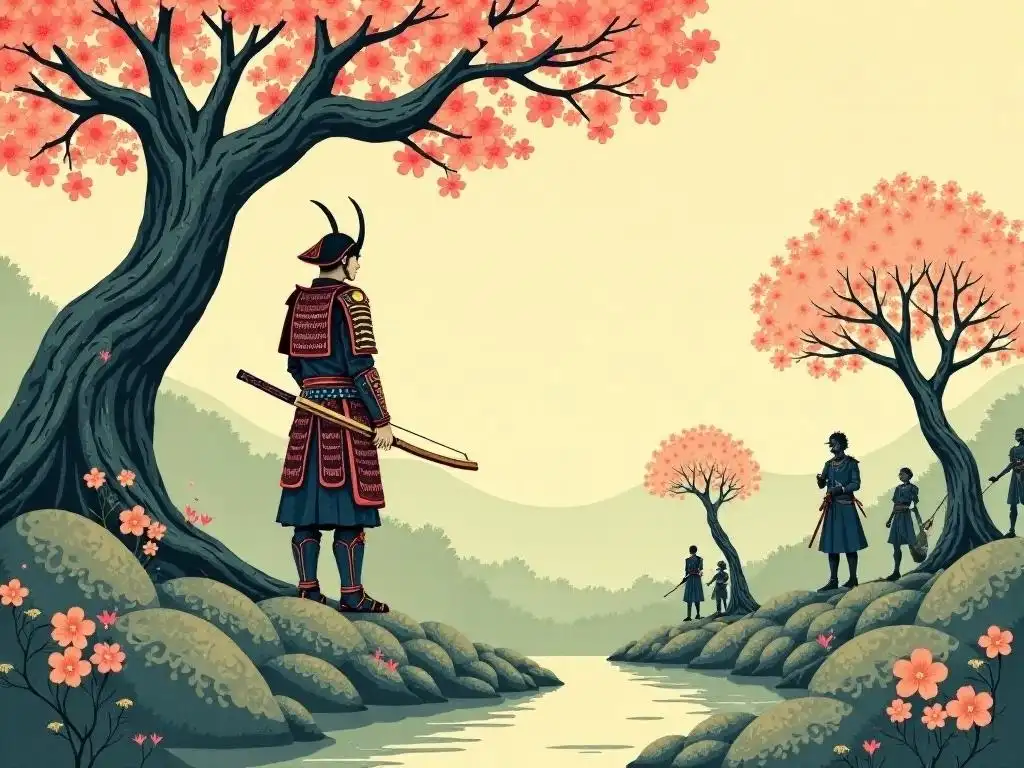
Welcome to Feudal Japan History, where we embark on a captivating journey through the rich tapestry of Japan’s feudal era. Here, you will uncover the intricate samurai rituals and traditions that not only shaped the lives of these noble warriors but also defined the very essence of honor and loyalty in a time of cultural flourishing. Prepare to delve deep into a world where every ritual tells a story, and every tradition holds a secret waiting to be unveiled. Are you ready to explore the profound legacies that continue to resonate in Japan today? Let the adventure begin!
Introduction to Samurai Rituals and Traditions
The samurai, Japan's iconic warrior class, were not merely fighters; they embodied a complex tapestry of rituals and traditions that defined their identity and societal role during the feudal era. Central to their existence were the concepts of honor and loyalty, which influenced every aspect of their lives, from military service to personal conduct. This article delves into the intricate rituals that governed samurai life, exploring how these traditions shaped their values and behaviors, and ultimately, Japan’s historical landscape. Understanding these rituals offers us a unique glimpse into the profound cultural heritage that continues to resonate in modern Japan.
The Significance of Honor and Loyalty in Samurai Culture
In samurai culture, honor (名誉, meiyo) and loyalty (忠義, chūgi) were not just ideals but guiding principles that dictated actions and decisions. Honor was seen as a reflection of one's integrity and reputation, while loyalty was the bond that tied samurai to their lords and comrades. The samurai's adherence to these values was evident in various rituals, which served as public affirmations of their commitment.
- Bushido Code: The ethical code of the samurai, known as Bushido, emphasized these virtues, shaping the warrior's conduct in both life and death.
- Ritual Suicide (Seppuku): The ultimate expression of honor, seppuku was performed to restore honor in the face of failure or disgrace, highlighting the extreme importance placed on reputation.
These principles not only defined the individual samurai but also influenced the broader societal norms within feudal Japan, reinforcing the hierarchical structure that characterized this period.
Overview of Samurai Rituals in Feudal Japan
Samurai rituals encompassed a wide range of practices that reinforced their values and cultural identity. These rituals were often steeped in symbolism, reflecting the intricate relationship between the samurai and their environment. Some key rituals included:
- Tea Ceremony (Chanoyu): A practice that emphasized mindfulness and discipline, allowing samurai to cultivate inner peace and focus.
- Kendo and Martial Arts Training: Regular practice of martial arts served as both physical training and a means to instill discipline and respect for life.
- Ceremonial Armor Dressing: The ritualistic donning of armor was a significant event, marking the transition from civilian life to that of a warrior.
Each of these rituals played a crucial role in shaping the samurai's identity and their perception in society, creating a legacy that continues to intrigue scholars and enthusiasts today.
Historical Context of Samurai Rituals
To fully grasp the importance of samurai rituals, it is essential to consider the historical context in which they evolved. The rituals were not static; rather, they adapted to the changing political and social landscapes of feudal Japan.
The Evolution of Samurai Traditions through the Ages
From the establishment of the samurai class in the late Heian period (794–1185) to the end of the Edo period (1603–1868), samurai traditions underwent significant transformations. Initially, warriors were primarily engaged in military service, but as Japan entered periods of peace, their roles shifted towards governance, culture, and the arts.
- Kamiyama Era: The rise of centralized power under the shogunate led to more formalized rituals that emphasized loyalty to the state.
- Edo Period: The prolonged peace allowed for a flourishing of cultural practices, including the arts and tea ceremonies, which became integral to samurai life.
This evolution reflects the dynamic nature of samurai traditions, showcasing how they adapted to the needs of society while maintaining their core values.
Key Historical Events Influencing Samurai Rituals
Several pivotal events significantly influenced the development of samurai rituals and traditions:
- The Genpei War (1180–1185): Marked the transition from the aristocratic warrior class to a more defined samurai identity, catalyzing the establishment of new rituals.
- The Mongol Invasions (1274 and 1281): These invasions tested samurai loyalty and honor, leading to the reinforcement of values through military rituals.
- The Meiji Restoration (1868): The dissolution of the samurai class brought an end to many traditional rituals, but their essence continues to permeate Japanese culture today.
Understanding these historical events provides essential insight into the evolution of samurai rituals, illustrating how they were both a product of their time and a reflection of the enduring values within Japanese society.
Core Samurai Rituals and Their Meanings
Samurai rituals were integral to the ethos of the samurai class, embodying the values of honor, loyalty, and discipline that defined their identity. These rituals served not only as personal expressions of honor but also as societal practices that reinforced the samurai's role within the feudal hierarchy of Japan. The rituals varied widely, encompassing acts of devotion, ceremonies, and rites of passage, all imbued with deep cultural significance.
One of the primary purposes of samurai rituals was to cultivate a sense of inner peace and focus, enabling the samurai to prepare mentally and spiritually for both combat and the challenges of daily life. The rituals often involved meticulous attention to detail, reflecting the samurai's commitment to perfection and their pursuit of self-discipline. Additionally, many rituals were performed in communal settings, strengthening bonds among samurai and fostering a sense of unity and shared purpose.
Seppuku: The Ritual of Honor and Death
Seppuku, or ritual suicide, was perhaps the most profound expression of samurai honor. This ritual was performed by a samurai who faced disgrace or had failed in their duty. By choosing to end their life through seppuku, a samurai could restore their honor and that of their family. The act was not merely an escape from shame but rather a statement of loyalty to one's lord and principles.
The ritual involved a highly structured process. The samurai would don a white kimono, symbolizing purity, and prepare a ceremonial dagger, known as a tantō. Friends or fellow warriors, known as kaishakunin, would stand by to assist in the ritual, often delivering a swift cut to the neck to ensure a dignified death. This act was seen as a final assertion of control over one's fate, transforming a moment of shame into a powerful statement of honor and loyalty.
The Tea Ceremony: A Reflection of Samurai Values
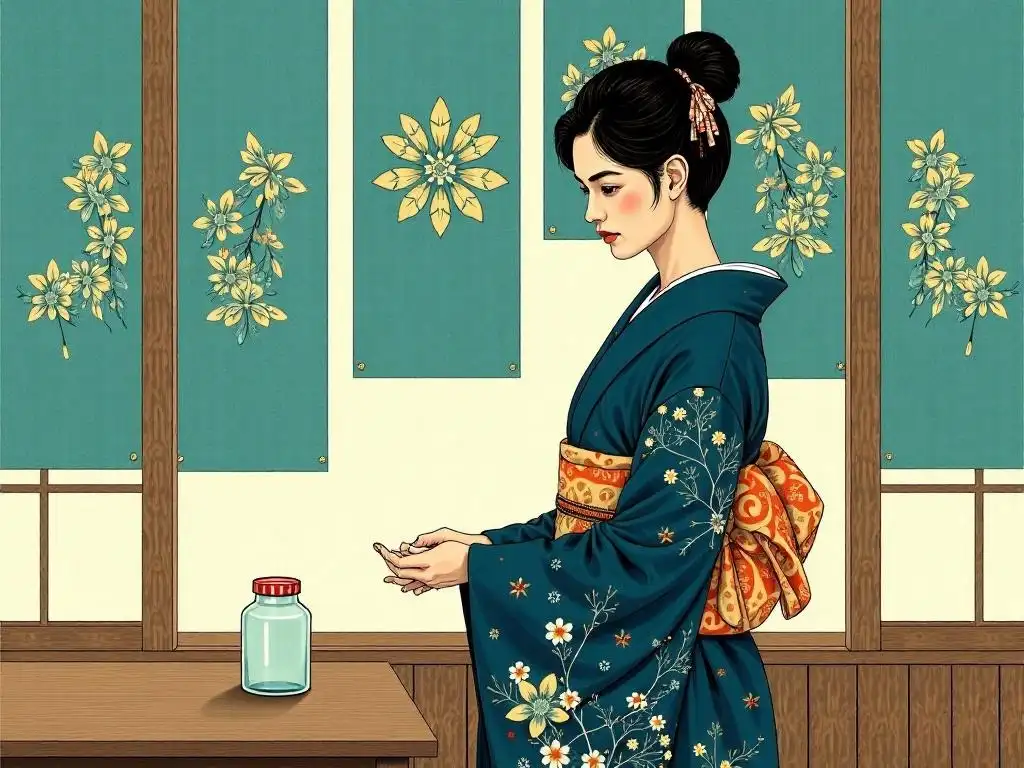
The Japanese tea ceremony, or chanoyu, holds a special place in samurai culture, embodying the principles of simplicity, respect, and tranquility. This ritual was not merely about the act of drinking tea; it represented the samurai's pursuit of harmony and inner peace. The ceremony's meticulous nature, requiring the host to prepare and serve tea with precision and grace, mirrored the samurai's dedication to discipline in all aspects of life.
In the context of the tea ceremony, samurai would often engage in philosophical discussions, reflecting on concepts such as impermanence and the beauty of nature. The ritual served as a form of meditation, allowing samurai to momentarily set aside the burdens of their warrior duties and connect with the deeper aspects of existence. Through the elegance of the tea ceremony, samurai could express their values and cultivate a sense of community and respect.
The Role of Festivals in Samurai Culture
Festivals played a vital role in samurai culture, providing opportunities for celebration, community bonding, and the reaffirmation of loyalty to one's lord and clan. These events often featured elaborate displays of martial prowess, including demonstrations of swordsmanship and archery, showcasing the skills that defined the samurai way of life.
Additionally, festivals served as a means of honoring the gods and ancestors, with rituals designed to ensure prosperity and protection for the samurai and their families. The vibrant atmosphere of these gatherings allowed samurai to step away from their solemn responsibilities, engaging in revelry and fostering camaraderie with their peers. Such celebrations reinforced the social fabric of the samurai class, creating a sense of identity and belonging that transcended individual experiences.
Symbolism and Artistry in Samurai Rituals
The rituals practiced by samurai were rich in symbolism and artistry, reflecting their deep connection to Japanese culture and aesthetics. Each ritual was imbued with meaning, from the choice of materials to the manner in which they were performed. This attention to detail not only enhanced the spiritual significance of the rituals but also served to elevate the status of the samurai as custodians of cultural heritage.
Artistry was expressed through various mediums, including calligraphy, pottery, and floral arrangements, which were often incorporated into rituals. These elements not only enhanced the visual appeal but also symbolized the transient beauty of life—a core principle in samurai philosophy. The fusion of ritual and artistry created a unique cultural legacy that continues to influence Japanese aesthetics today.
The Aesthetics of Samurai Rituals and Traditions
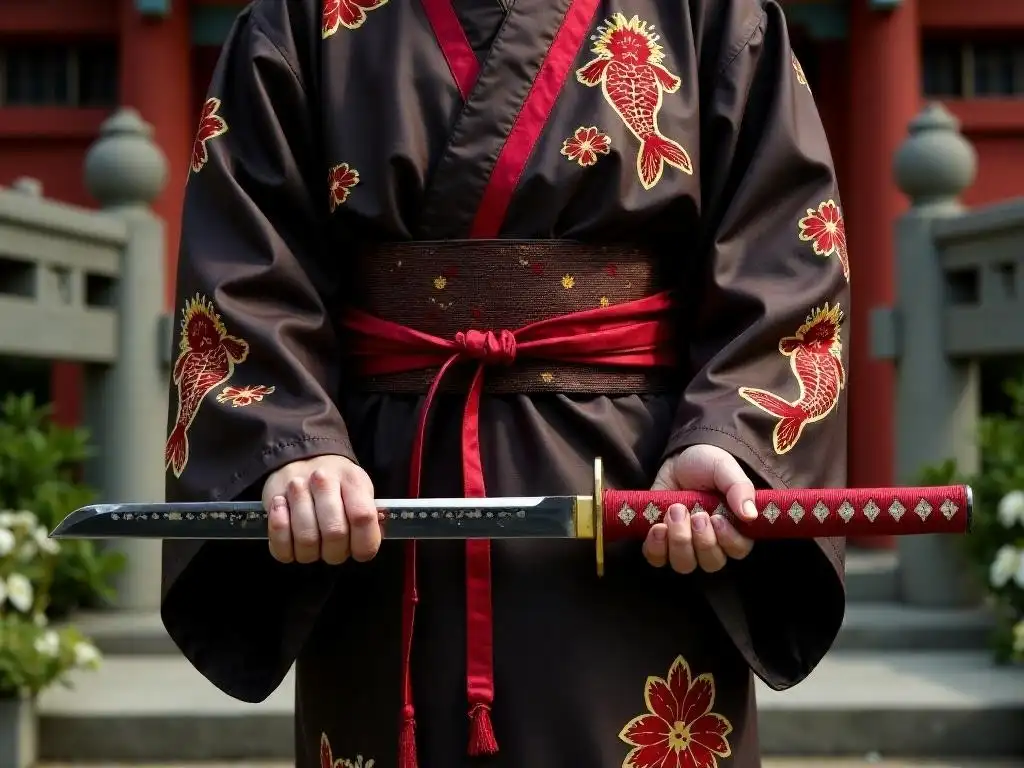
The aesthetics of samurai rituals were characterized by simplicity, elegance, and a profound respect for nature. Every element, from the setting to the objects used, was carefully curated to evoke a sense of harmony and balance. This dedication to aesthetics was not superficial; it was deeply intertwined with the samurai's understanding of their place in the world and the importance of mindfulness in every action.
For instance, the use of natural materials, such as bamboo and rice paper, in ritual objects reflected the samurai's connection to the earth. The rituals often took place in serene settings, such as gardens or tea houses, enhancing the experience and allowing participants to engage fully with the ritual's spiritual dimensions. This aesthetic sensibility contributed to the overall experience, reinforcing the samurai's commitment to honor and loyalty.
The Importance of Ritual Objects and Attire
Ritual objects and attire were essential components of samurai rituals, each carrying significant meaning and purpose. The samurai's armor, for instance, was not only practical but also symbolic, representing their status and dedication to their lord. The intricate designs and craftsmanship of the armor reflected the samurai's identity and the ideals they upheld.
Similarly, the attire worn during rituals was carefully chosen to align with the occasion's significance. White garments, for example, were often worn during seppuku to symbolize purity and a clear mind. The choice of colors, fabrics, and patterns was imbued with meaning, enhancing the ritual's overall impact. These objects and attire served as reminders of the samurai's values, ensuring that the principles of honor and loyalty remained at the forefront of their lives.
The Influence of Religion on Samurai Practices
The samurai, the warrior class of feudal Japan, were heavily influenced by religious beliefs, particularly Shintoism and Buddhism. These religions shaped their values, rituals, and code of conduct, intertwining spirituality with their martial practices. The samurai’s dedication to honor, loyalty, and discipline can be traced back to these religious foundations, which provided both a moral framework and a sense of purpose.
Religious ceremonies and rituals were integral to the samurai's way of life. They believed that their actions in both life and battle were under the watchful eyes of the kami (spirits) in Shintoism and that the Buddhist teachings provided solace and wisdom in the face of mortality. This blend of beliefs not only guided their conduct but also influenced their approach to warfare, loyalty to their lords, and relationships with their peers.
Shintoism and its Impact on Samurai Rituals
Shintoism, the indigenous spirituality of Japan, played a pivotal role in shaping samurai rituals. Central to Shinto beliefs is the reverence for kami, which can be spirits of nature, ancestors, or divine beings. The samurai believed that their actions were influenced by these spirits, leading them to engage in various rituals to seek favor and protection.
One of the most significant rituals was the Kagura, a ceremonial dance performed to please the kami. Samurai often participated in these rituals, hoping to ensure victory in battle or protection for their clan. Additionally, the practice of Harae, a purification ritual, was vital for samurai who sought to cleanse themselves of impurities before engaging in combat. This emphasis on purity and spiritual preparedness underscored the samurai's commitment to their values and the divine.
Moreover, the samurai's connection to Shintoism manifested in their reverence for the land and the concept of Bushido, the way of the warrior, which emphasized loyalty, honor, and courage as not just martial virtues, but as spiritual ideals. The rituals associated with Shintoism thus became a foundation for the samurai’s ethical and moral compass.
Buddhist Practices in Samurai Traditions
Buddhism, particularly Zen Buddhism, had a profound influence on samurai traditions. The samurai adopted various Buddhist practices that emphasized mindfulness, meditation, and the acceptance of mortality. Zen teachings helped the samurai cultivate inner peace and focus, crucial for maintaining composure in battle.
Meditation, known as Zazen, became a common practice among samurai, enabling them to clear their minds and hone their concentration. This mental discipline was invaluable during combat, allowing samurai to remain calm under pressure. The philosophy of impermanence in Buddhism also resonated with samurai, reminding them that life is fleeting and that honor must be upheld at all costs.
Rituals such as Chaji, the tea ceremony, were not merely social gatherings but also spiritual practices that reinforced the samurai’s connection to Zen principles. These ceremonies emphasized simplicity, attention to detail, and tranquility—qualities that were essential for a warrior. The incorporation of Buddhist rituals into samurai life solidified their commitment to a code of ethics that transcended mere martial prowess.
Samurai Rituals in Modern Japan
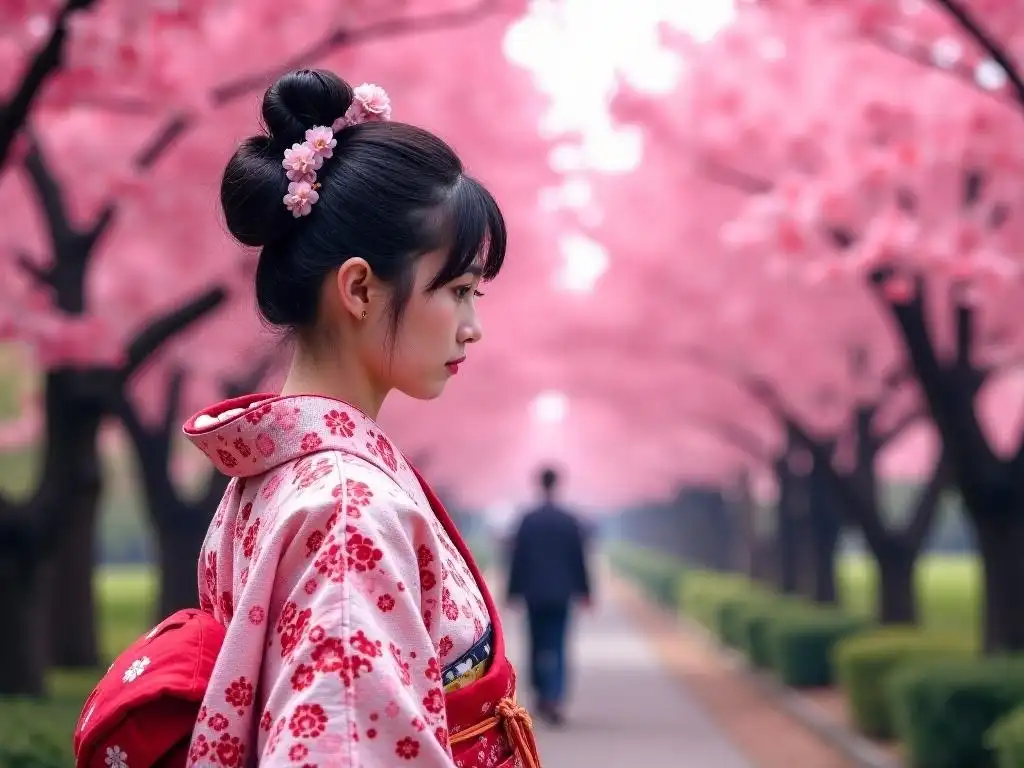
Despite the decline of the samurai class following the Meiji Restoration in the late 19th century, many of their rituals and traditions have been preserved and continue to be celebrated in modern Japan. The reverence for samurai ideals of honor and loyalty remains ingrained in Japanese culture, influencing contemporary practices and social values.
Preservation of Samurai Traditions Today
Today, various organizations and cultural groups actively work to preserve samurai traditions. Practices such as Kendo (the way of the sword) and Iaido (the art of drawing the sword) are not only martial arts but also embody the spirit of the samurai. These disciplines emphasize respect, discipline, and the historical significance of the samurai's way of life.
Additionally, festivals and reenactments celebrating samurai culture are common throughout Japan. Events like the Kawagoe Festival and Jidai Matsuri showcase traditional samurai attire, weaponry, and rituals, allowing contemporary audiences to connect with Japan's feudal past. Such celebrations serve as a reminder of the samurai's enduring legacy and their contributions to Japan's cultural identity.
The Role of Samurai Rituals in Contemporary Japanese Culture
In contemporary Japan, samurai rituals continue to symbolize ideals of honor, loyalty, and discipline. They are often referenced in literature, film, and art, reflecting society's admiration for the samurai ethos. The portrayal of samurai in popular culture often romanticizes their commitment to duty and personal sacrifice, reinforcing the values associated with this warrior class.
Moreover, the principles derived from samurai traditions are evident in modern Japanese business culture, where loyalty to the company and adherence to ethical conduct are highly valued. The concept of wa (harmony) in Japanese society echoes the samurai's dedication to maintaining peace and order, reflecting how these ancient ideals have transcended time.
The influence of samurai rituals and traditions remains a vital aspect of Japanese culture, connecting the past with the present. The enduring legacy of the samurai serves as a source of inspiration, illustrating the profound impact of their rituals on both historical and contemporary Japanese society.
Conclusion: The Legacy of Samurai Rituals
The legacy of samurai rituals is deeply intertwined with the history and culture of Japan. These practices, rooted in the principles of honor, loyalty, and discipline, have transcended their original context to become symbolic representations of the values that many Japanese people still hold dear today. The rituals not only defined the samurai class but also influenced various aspects of Japanese society, including art, literature, and even modern business ethics. The ceremonial practices, such as seppuku (ritual suicide) and the tea ceremony, exemplify the depth of commitment to these values and continue to inspire reverence in modern Japan.
The lessons drawn from samurai traditions encourage a reflection on personal integrity and social responsibility. As Japan continues to evolve, the essence of samurai rituals remains a guiding force, reminding individuals of the importance of commitment, respect, and honor in their daily lives. Therefore, understanding these rituals provides insight not only into Japan's past but also into the principles that shape its present and future.
Lasting Impact on Japanese Society and Culture
Samurai rituals have left an indelible mark on Japanese society and culture, influencing a wide array of domains. The concept of loyalty, epitomized by the samurai's unwavering allegiance to their lords, has permeated various aspects of the social fabric, including family relationships and workplace dynamics. This loyalty often manifests in the form of group cohesion and dedication to communal goals, which are still prevalent in contemporary Japanese culture.
Moreover, samurai rituals have significantly impacted traditional Japanese arts, such as martial arts, calligraphy, and tea ceremonies. The discipline and focus required in these practices echo the samurai's dedication to excellence. For instance, the Japanese tea ceremony, or chanoyu, embodies the principles of harmony, respect, purity, and tranquility—principles that were integral to the samurai ethos. As such, these rituals continue to be celebrated and preserved, ensuring that the values of the samurai live on in modern Japan.
Reflections on Honor and Loyalty in Today's World
In today's fast-paced and globalized society, the themes of honor and loyalty as illustrated by samurai rituals resonate more than ever. The challenges of modern life often call for a reevaluation of these values, prompting individuals to reflect on their commitments to family, community, and work. In many ways, the samurai's dedication to their code of conduct serves as a reminder of the importance of integrity in an increasingly complex world.
Moreover, the resurgence of interest in samurai culture in popular media, such as films and literature, has sparked discussions around these timeless values. As contemporary society grapples with issues of trust and fidelity, the samurai's legacy provides a framework for understanding the significance of honor and loyalty. By learning from the past, individuals can cultivate these virtues in their own lives, fostering a sense of community and responsibility.
References and Further Reading on Samurai Rituals and Traditions
When exploring the intricate world of samurai rituals and traditions, a wealth of resources is available for deeper understanding and appreciation. Below are some recommended readings and online resources that delve into the fascinating aspects of samurai culture.
Recommended Books on Samurai Culture
-
"Bushido: The Soul of Japan" by Inazo Nitobe
A classic work that explores the samurai code of ethics and its significance in Japanese culture.
-
"Samurai: The World of the Warrior" by Stephen Turnbull
An illustrated guide that provides insights into the life and times of samurai warriors, including their rituals and traditions.
-
"Hagakure: The Book of the Samurai" by Yamamoto Tsunetomo
A fundamental text that captures the philosophy and values of the samurai, illustrating their way of life.
Online Resources for Exploring Samurai Rituals
-
The Samurai Archives
A comprehensive online resource that offers articles, timelines, and discussions on samurai history and culture.
-
The Metropolitan Museum of Art - The Samurai Collection
This digital collection features artifacts and artworks related to samurai, along with detailed descriptions that highlight their cultural significance.
-
Japanese Martial Arts and Samurai Culture
A website dedicated to the study of Japanese martial arts, providing insights into the historical context and practices of samurai rituals.
By engaging with these resources, readers can gain a richer understanding of the samurai's enduring legacy and the rituals that shaped their identity and values.
- Introduction to Samurai Rituals and Traditions
- Historical Context of Samurai Rituals
- Core Samurai Rituals and Their Meanings
- Seppuku: The Ritual of Honor and Death
- The Tea Ceremony: A Reflection of Samurai Values
- The Role of Festivals in Samurai Culture
- Symbolism and Artistry in Samurai Rituals
- The Aesthetics of Samurai Rituals and Traditions
- The Importance of Ritual Objects and Attire
- The Influence of Religion on Samurai Practices
- Samurai Rituals in Modern Japan
- Conclusion: The Legacy of Samurai Rituals
- References and Further Reading on Samurai Rituals and Traditions
Frequently Asked Questions
What are the significance of Samurai rituals in feudal Japan?
Samurai rituals were essential for expressing honor and loyalty. They helped maintain the social order and reinforced the Bushido code, guiding samurai behavior.
How did Samurai traditions influence Japanese culture?
The traditions of the samurai shaped various aspects of Japanese culture, including arts, literature, and martial practices. Their values continue to resonate in modern Japanese society.
What role did ceremonies play in Samurai life?
Ceremonies were vital in the samurai's life, marking important events such as coming of age, marriages, and funerals. These ceremonies reflected their commitment to tradition and social hierarchy.
How did the Bushido code affect Samurai rituals?
The Bushido code, emphasizing honor, bravery, and loyalty, directly influenced samurai rituals. Adhering to these principles was essential for maintaining their status and reputation.
Are there any modern-day practices that stem from Samurai traditions?
Yes, some modern practices, such as martial arts and certain cultural ceremonies, are inspired by Samurai traditions. They reflect the enduring influence of samurai values in contemporary Japan.
Final Reflection: The Enduring Legacy of Samurai Rituals
Samurai rituals and traditions are not just relics of the past; they resonate deeply in our contemporary society, reminding us of the values of honor and loyalty that transcend time. In an era where these principles often seem overshadowed by modern complexities, the exploration of samurai customs serves as a powerful reminder of the strength found in commitment and integrity. The samurai's unwavering dedication to their code of conduct continues to inspire individuals and communities alike, urging us to reflect on our own values and the legacies we wish to uphold.
Cultural narratives around samurai rituals have shaped our understanding of honor and loyalty, influencing not only Japan but the global community as well. The reverence for these traditions can be seen in various aspects of modern life, from literature and film to martial arts and personal development.
As the renowned philosopher Yukio Mishima once said, "> The samurai is a man who is aware of his own mortality, and who is prepared to die at any moment." This awareness fosters a profound respect for life and relationships, encouraging us to live with purpose and intention, much like the samurai of old.
As we conclude our exploration of samurai rituals, I invite you to reflect on how these timeless values can be woven into the fabric of your own life. Consider what honor and loyalty mean to you and how you can embody these principles in your daily interactions. Let the spirit of the samurai guide you in cultivating deeper connections, fostering resilience, and embracing a life of integrity. The lessons from the past are not just stories; they are calls to action that can shape our future.
Embrace the Legacy of Samurai Rituals!
Thank you for delving into the rich and captivating world of samurai rituals with us! You’ve explored timeless traditions that embody **honor** and **loyalty**, and now it’s time to take your newfound knowledge to the next level.
Here’s how you can connect more deeply with this fascinating history:
- Join a local or online community dedicated to Japanese history where you can share your insights and experiences.
- Enhance your understanding by reading literature or watching documentaries that delve into samurai culture and their rituals.
- Share this article with friends and family to spark discussions about the relevance of honor and loyalty in today’s society.
Which aspect of samurai rituals resonates with you the most, and in what ways do you see those values reflected in contemporary life?