
The Connection Between Samurai and Tea: A Look at Warrior Culture and Ceremony

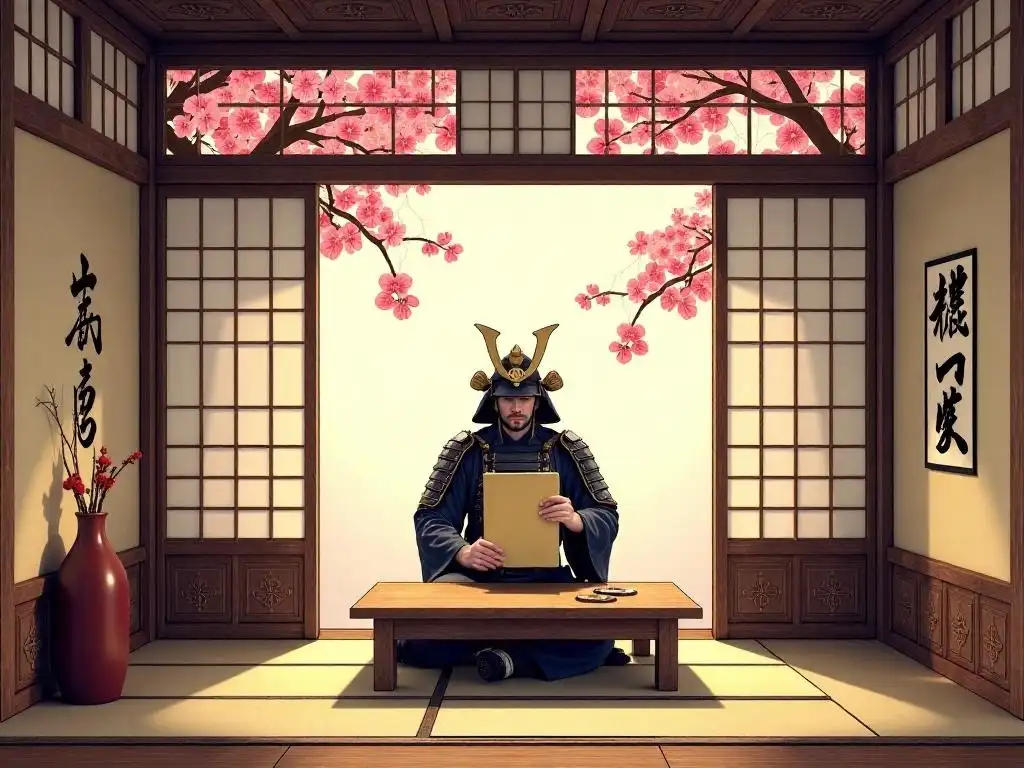
Welcome to Feudal Japan History! Immerse yourself in the captivating world of Japan's feudal era, where honor, tradition, and artistry intertwine. In our featured article, "The Connection Between Samurai and Tea: A Look at Warrior Culture and Ceremony," we delve into the intricate relationship between the esteemed samurai and the delicate art of the tea ceremony.
Discover how this ritual not only reflects the values of the warrior class but also serves as a poignant reminder of the cultural depth that shaped Japan's history. Are you ready to sip from the cup of knowledge? Let's embark on this journey together!
Introduction to Samurai Tea Ceremony Culture
The intricate relationship between the samurai and the tea ceremony reflects a profound aspect of Japan’s feudal history. The samurai, renowned as warriors, were not only defenders of their lords but also pivotal figures in the cultural development of Japan. The tea ceremony, or chanoyu, symbolizes a blend of aesthetics, spirituality, and social structure, and it played a significant role in shaping the samurai's way of life.
This article delves into the confluence of samurai ethos and the art of tea, exploring how this ceremony became a medium for expressing values such as discipline, harmony, and respect within the warrior class. Understanding this connection provides insight into the broader cultural fabric of feudal Japan, highlighting how martial prowess and artistic expression coexisted and enriched each other.
Overview of the Samurai's Role in Feudal Japan
The samurai, a warrior class that emerged in the late 12th century, played a crucial role in shaping Japan's political and social landscape during the feudal era. As vassals to powerful lords, known as daimyōs, samurai were bound by a strict code of conduct known as bushidō, which emphasized virtues such as loyalty, honor, and courage. This ethos not only guided their martial endeavors but also permeated their daily lives and social interactions.
- Key Characteristics of Samurai:
- Loyalty: Unwavering allegiance to their lord.
- Honor: Upholding personal and familial dignity.
- Discipline: Rigorous training in martial arts and strategy.
The samurai's commitment to these values extended beyond the battlefield, influencing their involvement in cultural practices such as the tea ceremony, where these principles were embodied in every aspect of the ritual.
Importance of Tea in Japanese Culture
Tea, particularly green tea, holds a significant place in Japanese culture, transcending mere consumption to embody a rich tradition and philosophy. The arrival of tea in Japan in the early 9th century, attributed to Buddhist monks who sought its stimulating properties for meditation, marked the beginning of its cultural integration. Over time, the consumption of tea evolved into a ceremonial practice, culminating in the formalization of the tea ceremony during the 15th and 16th centuries.
- Cultural Significance of Tea:
- Spiritual Reflection: A means for mindfulness and meditation.
- Social Interaction: A way to foster relationships and express hospitality.
- Artistic Expression: The tea ceremony showcases aesthetics in utensils, presentation, and environment.
For the samurai, engaging in the tea ceremony was as much about personal discipline and reflection as it was about social obligation and cultural participation.
Historical Context of Samurai and Tea
The Emergence of Tea in Japan
Tea was first introduced to Japan from China, with its popularity gradually spreading among the elite and the samurai class. By the 12th century, the practice of consuming powdered tea, known as matcha, became prevalent, especially among Zen Buddhist monks. This practice laid the groundwork for the formalized tea ceremonies that would emerge later.
- Timeline of Tea Introduction:
- 9th Century: Initial introduction by Buddhist monks.
- 12th Century: Rise in popularity among the samurai and aristocracy.
- 15th Century: Formalization into a ceremonial practice.
The introduction of tea coincided with the samurai's growing interest in cultural pursuits, leading to a synthesis of martial and aesthetic disciplines that would define their legacy.
Evolution of Samurai Practices and Traditions
As the tea ceremony evolved, it became a reflection of samurai values and aesthetics. The ritualized preparation and consumption of tea provided a structured environment for samurai to cultivate mindfulness and express their refined tastes.
- Key Developments in Samurai Tea Practices:
- Formalization of Ceremony: Establishment of rules governing tea preparation and etiquette.
- Influence of Tea Masters: Figures like Sen no Rikyū, who shaped the philosophy and techniques of the tea ceremony, emphasizing simplicity and natural beauty.
- Integration with Bushidō: The tea ceremony became a form of meditation, allowing samurai to embody their values in a tranquil setting.
In this way, the samurai's engagement with tea not only enriched their cultural identity but also provided a counterbalance to the violence of their lives, fostering a sense of peace and introspection that was vital in a tumultuous era.
The Significance of the Samurai Tea Ceremony
The samurai tea ceremony, or chanoyu, holds a profound significance within the cultural tapestry of feudal Japan. While tea drinking had initially emerged as a method for relaxation and social interaction among the elite, the samurai adapted this practice into a deeply philosophical and ritualistic ceremony. For samurai, the tea ceremony transcended mere beverage consumption; it became a reflection of their warrior ethos and a channel for mental discipline, mindfulness, and aesthetic appreciation.
The ceremony fosters a unique environment that emphasizes harmony, respect, purity, and tranquility. These principles resonate deeply with the samurai's bushido code, reinforcing the samurai's commitment to honor and discipline. Engaging in the tea ceremony allowed samurai to cultivate a sense of inner peace and focus, essential traits for a warrior facing the uncertainties of battle. Moreover, the tea ceremony served as a means of fostering camaraderie among samurai, strengthening bonds of loyalty and trust.
Rituals and Symbolism in the Samurai Tea Ceremony
The rituals and symbolism embedded in the samurai tea ceremony are rich and multifaceted. Each element of the ceremony is steeped in meaning, from the preparation of the tea to the arrangement of the utensils. The act of whisking matcha tea is not merely about creating a beverage; it symbolizes the blending of individual spirit and the collective essence of the samurai community. Every gesture, from bowing to the careful placement of tea utensils, conveys respect and mindfulness.
Key rituals include the purification of the tea utensils, which reflects the samurai's commitment to purity of heart and intention. The ceremonial space is meticulously prepared, emphasizing simplicity and natural beauty, aligning with the aesthetic principles of wabi-sabi, which embraces imperfection and transience. The sharing of tea among participants fosters a sense of unity and shared experience, reinforcing the bonds of loyalty that are central to samurai culture.
Connection Between Samurai Values and Tea Ceremony Principles
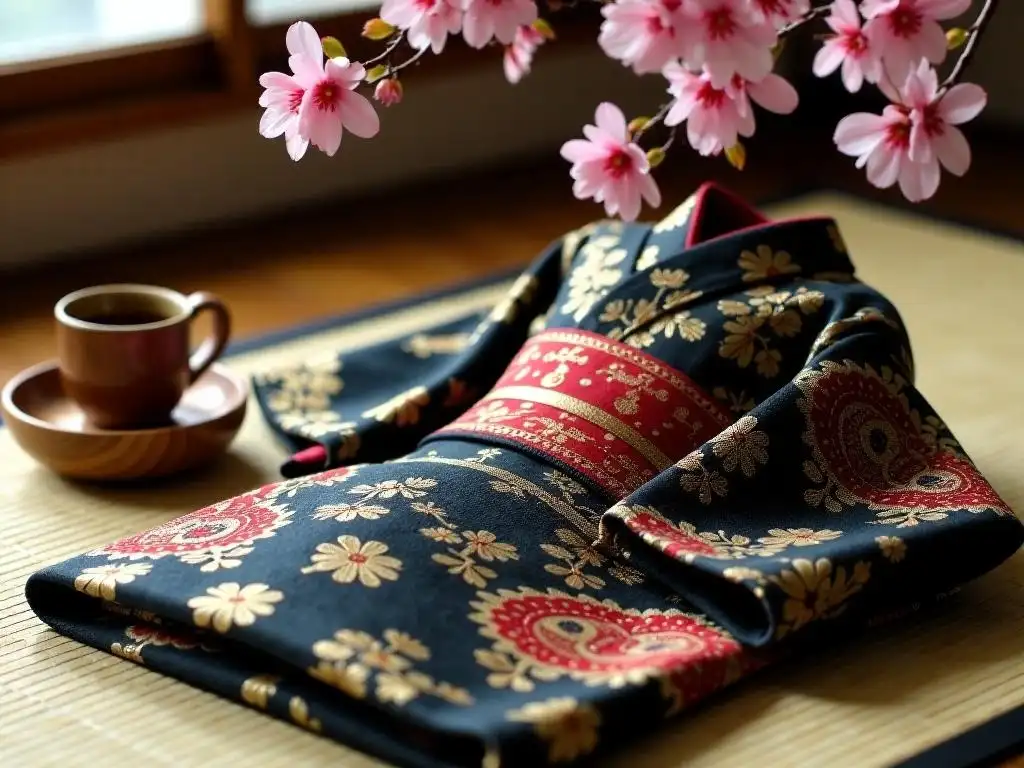
The values upheld by samurai resonate closely with the foundational principles of the tea ceremony. Respect ( sonkei) is a core virtue in both samurai and tea culture, where every action is executed with mindfulness towards others. This respect extends not only to the participants but also to the environment and the tools used during the ceremony. The samurai's commitment to discipline is mirrored in the precise movements required during the chanoyu, where each step is deliberate and intentional.
Furthermore, the concept of harmony ( wa) plays a crucial role in both samurai values and the tea ceremony. The ceremony is designed to create a tranquil space where participants can engage in meaningful interactions, reflecting the samurai's pursuit of balance in their lives. This pursuit of harmony helps to foster a deeper understanding of oneself and one’s place within the community, a vital aspect of the samurai ethos.
Key Elements of Samurai Tea Ceremony Culture
The samurai tea ceremony is characterized by several key elements that contribute to its unique cultural significance. These elements not only enhance the aesthetic experience but also reinforce the values and philosophies central to samurai life. Understanding these components provides insight into how the samurai integrated their warrior spirit into the serene practice of tea ceremony.
Traditional Tea Utensils Used by Samurai
The traditional utensils used in the samurai tea ceremony are integral to its practice, each serving a specific purpose while embodying the aesthetic principles of simplicity and beauty. The primary utensils include:
- Chawan (Tea Bowl): This is where the tea is whisked and served. Samurai often favored bowls that were uniquely crafted, reflecting their taste and status.
- Chasen (Bamboo Whisk): Used to whisk the matcha, the chasen is essential for creating the frothy texture of the tea. Its delicate craftsmanship symbolizes the precision valued by samurai.
- Chashaku (Tea Scoop): This bamboo scoop is used to measure the powdered tea. The act of scooping and serving tea represents the samurai's attention to detail.
- Kensui (Waste Water Container): A vessel to hold excess water and waste, it represents the samurai’s respect for cleanliness and order.
The careful selection, use, and maintenance of these utensils reflect the samurai's commitment to discipline and aesthetics.
The Role of the Tea Master in Samurai Culture
The tea master, known as teishu, plays a crucial role in the samurai tea ceremony, serving not only as a facilitator but also as a guide in the spiritual and aesthetic journey of the participants. The tea master is expected to embody the principles of the tea ceremony fully, demonstrating mastery over the rituals and an understanding of the philosophy behind them.
In samurai culture, the tea master often held a respected position, as they were tasked with educating others about the nuances of the ceremony. Their expertise ensured that the ceremony was conducted with integrity, fostering an environment of respect and mindfulness. The relationship between the tea master and participants mirrors the bond between a mentor and a disciple, reinforcing the values of loyalty, respect, and shared learning that are central to samurai culture.
Emphasizing the samurai's connection to the tea ceremony, the tea master embodies the harmony between martial prowess and the art of peaceful contemplation, illustrating the multifaceted nature of the samurai spirit.
The Influence of Zen Buddhism on Samurai Tea Ceremonies
The interplay between Zen Buddhism and the samurai's way of life has significantly influenced the development of tea ceremonies in feudal Japan. Zen philosophy, which emphasizes meditation, simplicity, and the pursuit of enlightenment, found a natural ally in the disciplined and stoic nature of the samurai. This connection transformed the tea ceremony from a mere social ritual into a profound practice that encapsulated the samurai's values and beliefs.
Zen Buddhism introduced the concept of mindfulness to the samurai, encouraging them to focus on the present moment. This principle is deeply embedded in the tea ceremony, where every action—from the preparation of the tea to the serving of the guests—requires full attention and intention. As a result, the tea ceremony became a form of meditation, allowing samurai to cultivate inner peace and clarity amidst the chaos of their warrior lives.
Zen Philosophy in Samurai Life
Zen philosophy profoundly shaped the samurai’s approach to life and duty. Central to Zen is the idea of "no-mind" or Mushin—a state of mental clarity where one is free from distractions and illusions. For samurai, achieving this state was essential in battle, as it allowed them to respond to threats instinctively and effectively. The discipline required in Zen practices mirrored the martial training of samurai, creating a seamless integration of spiritual and physical mastery.
In the context of the tea ceremony, this philosophy manifested in the ritual's tranquil atmosphere and meticulous attention to detail. The samurai learned to appreciate the beauty of simplicity and the importance of each moment, which in turn deepened their understanding of honor and respect, both towards themselves and their guests. This profound respect for the present is what makes the tea ceremony an extension of samurai values.
How Zen Affects the Tea Ceremony Practice
The principles of Zen Buddhism permeate every aspect of the tea ceremony, from the setting to the actions performed by the host. The environment is often minimalist, reflecting the Zen aesthetic of simplicity and calm. The choice of utensils, the arrangement of the tea room, and even the garden views outside are all curated to promote tranquility and focus.
The practice of tea preparation itself is a ritualized form of art. Each movement is deliberate, embodying Zen's emphasis on mindfulness. Samurai participating in the tea ceremony would engage in the process with a sense of reverence, viewing it as a moment to cultivate their spirit and practice discipline. This meticulous approach also extends to the interaction with guests, where humility and respect are paramount, echoing the samurai's code of honor.
Samurai Tea Ceremony as a Reflection of Warrior Culture
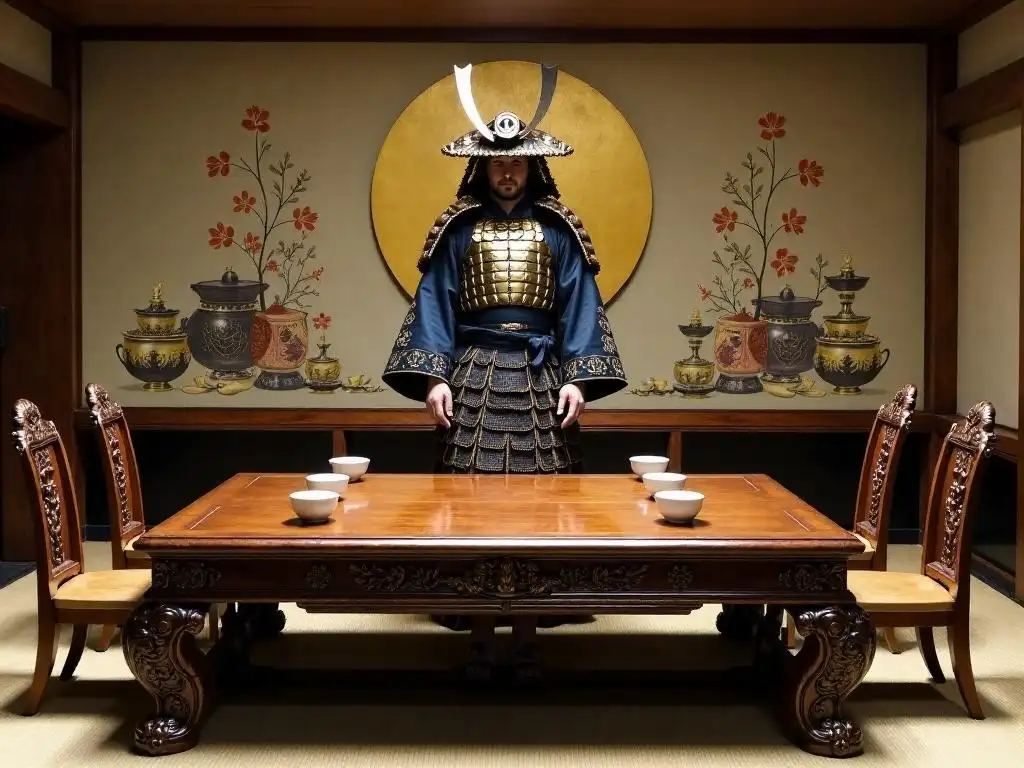
The samurai tea ceremony is not merely a social gathering; it is a reflection of the warrior culture that defined feudal Japan. Through its rituals and practices, it encapsulates the values of discipline, honor, and aesthetic appreciation that characterized the samurai ethos.
Discipline and Honor in the Tea Ceremony
Discipline is at the heart of the samurai tea ceremony. Samurai were trained to exhibit control over their actions, emotions, and even their thoughts. This discipline is mirrored in the precision required during the tea ceremony, where everything must be executed flawlessly—from the whisking of the matcha to the serving of the tea. Each step in the ceremony is imbued with significance, requiring the host to demonstrate mastery and respect for the tradition.
Moreover, the ceremony serves as a demonstration of honor. By inviting guests and preparing tea for them, the samurai honors their presence and status. This act of service reinforces the samurai's commitment to their code, showcasing loyalty and respect—essential qualities within the warrior culture. The tea ceremony thus becomes a vehicle for expressing these values, reinforcing the connections between the host and the guests.
The Aesthetic of Wabi-Sabi in Samurai Tea Practices
A key aesthetic principle that influences the samurai tea ceremony is Wabi-Sabi, which celebrates imperfection and transience. This philosophy encourages an appreciation for the beauty found in the natural world, particularly in objects that exhibit wear and age. Samurai embraced Wabi-Sabi through their choice of tea utensils and the design of the tea room, often selecting imperfect items that tell a story or evoke a sense of history.
In practice, Wabi-Sabi infuses the tea ceremony with a sense of authenticity. The imperfect bowls, the asymmetrical arrangements, and the natural elements incorporated into the setting all contribute to a deeper understanding of beauty that transcends superficial perfection. For the samurai, this aesthetic not only reflects their warrior culture—acknowledging the fleeting nature of life and battle—but also fosters a sense of peace and acceptance. By embracing imperfection, samurai found a profound connection to their own humanity amidst the rigors of their martial existence.
Modern Interpretations of Samurai Tea Ceremony Culture
The samurai tea ceremony, or chanoyu, is a cultural practice that transcends its historical roots, finding new expressions in modern society. Today, enthusiasts and practitioners engage with this ritual not only as a way to honor the traditions of the samurai but also to explore personal interpretations of its significance. This modernization can be seen in various forms, from upscale tea houses to intimate home gatherings where the principles of harmony, respect, purity, and tranquility continue to resonate.
Modern interpretations often incorporate contemporary aesthetics and philosophies, merging traditional elements with innovative practices. For instance, some tea ceremonies now embrace a minimalist approach, utilizing clean lines and sparse decor to emphasize the beauty of the tea itself. Others may blend different cultural practices, showcasing how the samurai's ethos can be relevant and adaptable in a globalized world. These adaptations allow participants to connect with the samurai spirit in diverse and meaningful ways.
Reviving Historical Practices in Contemporary Tea Ceremonies
In an effort to preserve the essence of the samurai tea ceremony, many practitioners are actively reviving historical practices. This revival often includes meticulous attention to detail, from the selection of specific tea types to the use of traditional utensils made from natural materials like bamboo and clay. Workshops and seminars dedicated to educating new generations about the samurai's connection to tea have sprouted up, highlighting the importance of this cultural heritage.
Moreover, historical reenactments and themed events serve as platforms to showcase the samurai tea ceremony in its original context. These gatherings allow participants to experience the profound sense of discipline and mindfulness that characterized samurai life, fostering a deeper appreciation for the cultural significance of tea. By revisiting these practices, modern enthusiasts not only honor the past but also ensure that the samurai tea ceremony's values continue to thrive.
Influence on Modern Japanese Tea Culture
The samurai tea ceremony has profoundly influenced modern Japanese tea culture, shaping both social customs and culinary practices. The principles of the ceremony—such as attention to detail, the pursuit of perfection, and the importance of mindfulness—are now embedded in various aspects of Japanese life. For instance, contemporary tea shops often reflect the serene ambiance of traditional tea houses, promoting a space where patrons can engage with tea in a thoughtful manner.
Furthermore, the resurgence of matcha has roots in the samurai's historical preference for this finely powdered green tea. Today, matcha is celebrated not only for its rich flavor and health benefits but also for its connection to the samurai's disciplined practices. Culinary trends, such as matcha-infused desserts and drinks, further illustrate how the samurai's legacy continues to shape modern tastes and preferences.
Conclusion: The Lasting Legacy of Samurai Tea Ceremony Culture
The samurai tea ceremony culture embodies a rich tapestry of historical significance and cultural depth. Its lasting legacy persists through the revival of traditional practices and the adaptation of its principles into modern contexts. This connection between samurai and tea remains a testament to the enduring values of discipline, mindfulness, and harmony that are as relevant today as they were centuries ago.
Summary of Key Points on Samurai and Tea Connection
- The samurai tea ceremony, or chanoyu, serves as a bridge between historical traditions and modern interpretations.
- Contemporary practices emphasize the importance of harmony, respect, and tranquility, reflecting the samurai spirit.
- Revivals of historical practices ensure that the essence of the samurai tea ceremony is preserved for future generations.
- Modern Japanese tea culture has been significantly influenced by samurai traditions, with elements such as matcha gaining popularity and cultural relevance.
The Ongoing Relevance of Samurai Tea Ceremony Today
The samurai tea ceremony's relevance today is evident in various cultural and social contexts. As society increasingly values mindfulness and the art of living well, the principles embedded in the samurai tea ceremony resonate with individuals seeking depth in their daily lives. From corporate wellness programs incorporating tea rituals to personal practices of mindfulness and relaxation, the teachings of the samurai continue to inspire.
In a world that often seems chaotic, the samurai tea ceremony provides a sanctuary—a space for reflection, connection, and the celebration of life’s simple pleasures. Thus, the legacy of the samurai and their tea ceremony culture lives on, inviting new generations to partake in this profound and enriching experience.
- Introduction to Samurai Tea Ceremony Culture
- Historical Context of Samurai and Tea
- The Significance of the Samurai Tea Ceremony
- Rituals and Symbolism in the Samurai Tea Ceremony
- Connection Between Samurai Values and Tea Ceremony Principles
- Key Elements of Samurai Tea Ceremony Culture
- The Influence of Zen Buddhism on Samurai Tea Ceremonies
- Samurai Tea Ceremony as a Reflection of Warrior Culture
- Modern Interpretations of Samurai Tea Ceremony Culture
- Conclusion: The Lasting Legacy of Samurai Tea Ceremony Culture
- What is the significance of the tea ceremony in Samurai culture?
- How did the Samurai influence the development of the tea ceremony?
- What elements are essential in a Samurai tea ceremony?
- How does the tea ceremony reflect broader Japanese culture?
- Can modern practices of the tea ceremony still reflect Samurai values?
Frequently Asked Questions
What is the significance of the tea ceremony in Samurai culture?
The tea ceremony is a ritual that reflects discipline, aesthetic appreciation, and spirituality in Samurai culture, emphasizing the importance of mindfulness and harmony.
How did the Samurai influence the development of the tea ceremony?
The Samurai played a crucial role in shaping the tea ceremony by integrating martial values and principles of Zen Buddhism, which promoted a deeper appreciation for simplicity and tranquility.
What elements are essential in a Samurai tea ceremony?
Key elements of a Samurai tea ceremony include utensils, tea preparation, aesthetic presentation, and the attitude of the host, all aimed at creating a serene and respectful atmosphere.
How does the tea ceremony reflect broader Japanese culture?
The tea ceremony embodies various aspects of Japanese culture, including hospitality, art, and philosophy, serving as a bridge between the warrior spirit and everyday life.
Can modern practices of the tea ceremony still reflect Samurai values?
Yes, modern practices of the tea ceremony can still embody Samurai values by emphasizing discipline, respect, and a connection to nature, preserving the essence of this historical tradition.
Final Reflection: The Enduring Legacy of Samurai Tea Ceremony Culture
The connection between samurai and tea is not merely a historical curiosity; it is a profound reflection of values that resonate deeply in today's world. In an era where the fast pace of life often overshadows mindfulness, the samurai tea ceremony culture serves as a reminder of the importance of presence, respect, and harmony. This ancient practice embodies the essence of discipline and tranquility, urging us to slow down and appreciate the beauty in simplicity.
Culture is a living entity, constantly evolving yet rooted in its origins. The samurai tea ceremony has influenced not only Japanese culture but has also permeated global perspectives on mindfulness and ritual. As we navigate our modern lives, the principles of the tea ceremony—such as attention to detail, appreciation for nature, and the spirit of hospitality—continue to inspire countless individuals. > “Tea is a religion of the art of life.” This quote encapsulates the essence of the tea ceremony, emphasizing its role in cultivating a deeper understanding of life itself.
As you reflect on the themes presented in this article, consider how you can incorporate the values of the samurai tea ceremony into your daily life. Take a moment to pause, breathe, and engage with the world around you. Whether it's through a simple cup of tea or a mindful practice, allow the spirit of the samurai to guide you toward a more intentional and harmonious existence. Embrace the lessons of this rich culture and let them inspire you to cultivate peace and balance in your own life.
Unveil the Art of Samurai Tea Ceremony!
Thank you for taking the time to explore the fascinating relationship between samurai culture and the tea ceremony. You've just uncovered how these two seemingly different worlds intertwine, highlighting **discipline**, **respect**, and **tradition**. Now, it’s your turn to dive deeper into this rich heritage!
Here are some **exciting ways** to further engage with this beautiful tradition:
- Experience a tea ceremony yourself! Look for local workshops or virtual classes where you can learn the delicate art of Japanese tea preparation and ceremony.
- Explore literature and films on samurai culture or tea traditions to broaden your understanding and appreciation of these elements.
- Share your insights with friends or on social media—start a conversation about what you found most fascinating about this connection.
Have you ever participated in a tea ceremony? How did it shape your perspective on Japanese culture?