
Literature as Resistance: How Authors Addressed Social Issues

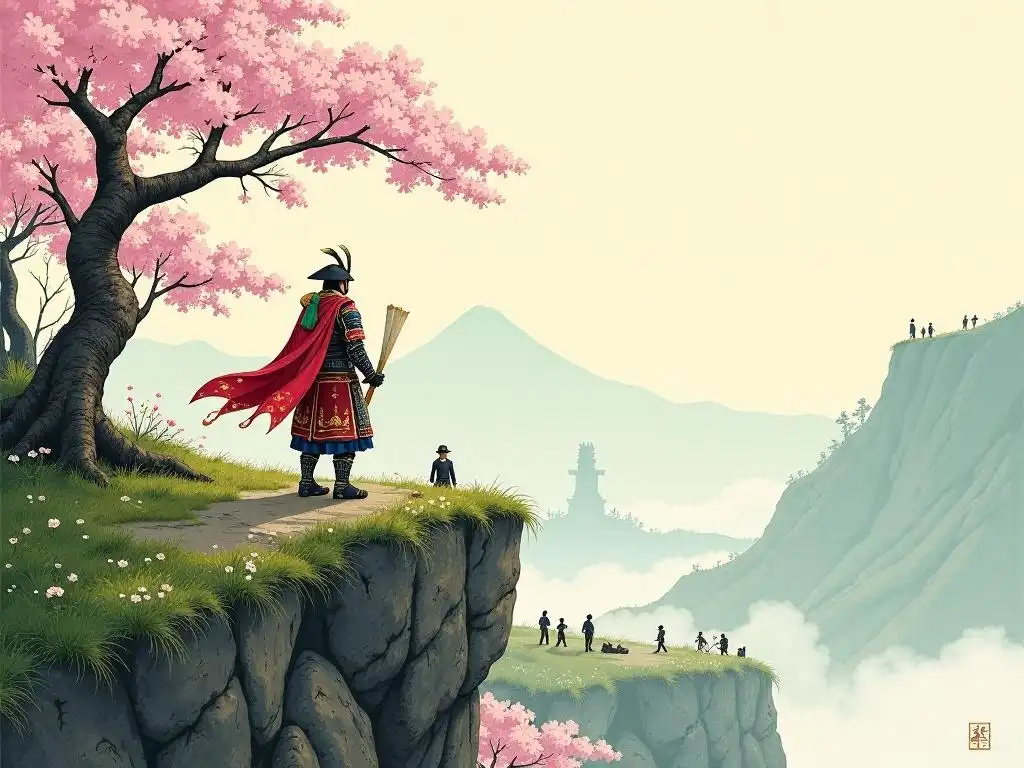
Welcome to Feudal Japan History, where we embark on a captivating journey through the intricate tapestry of Japan’s feudal era. Here, you’ll discover how literature became a powerful form of resistance against societal norms and injustices. In our featured article, “Literature as Resistance: How Authors Addressed Social Issues,” we delve deep into the voices of the past that challenged the status quo and illuminated the struggles of their time.
Prepare to be intrigued as we unravel the profound connections between Japanese feudal literature and the resilience of its authors. Join us as we explore these compelling narratives and their lasting impact on culture and society. Your adventure into the heart of feudal Japan begins now!
- Introduction to Japanese Feudal Literature as Resistance
- Key Themes in Japanese Feudal Literature Resistance
- Notable Authors and Their Works Addressing Social Issues
- Literary Techniques Used in Japanese Feudal Resistance Literature
- Case Studies of Resistance in Japanese Feudal Literature
- The Legacy of Resistance Literature in Feudal Japan
- Conclusion: Literature as a Tool for Resistance
-
Frequently Asked Questions
- What is the significance of Japanese feudal literature in addressing social issues?
- How did authors in feudal Japan use literature as a form of resistance?
- Can you give examples of notable literary works that reflect resistance?
- What role did censorship play in Japanese feudal literature?
- How does the theme of resistance in literature relate to the broader context of Japanese feudal society?
- Final Reflection: Literature as a Beacon of Resistance
- Unleash Your Voice: Take Action for Change!
Introduction to Japanese Feudal Literature as Resistance
In the rich tapestry of Japan's feudal era, literature served as more than just a form of artistic expression; it became a powerful tool for social resistance and commentary. During a time when the samurai class dominated the socio-political landscape, authors utilized their craft to critique prevailing injustices and to voice the struggles of the oppressed.
This article delves into the intricate relationship between literature and resistance, highlighting how Japanese feudal literature reflects societal issues and the resilience of the human spirit in the face of adversity. By examining key texts and their authors, we will uncover the profound impact of literary works on social movements and the cultural history of feudal Japan.
Literature, throughout history, has acted as a mirror reflecting the realities of society, and in feudal Japan, this was no different. Writers and poets often faced restrictions imposed by the ruling classes, yet many found ways to express dissent and advocate for change. The role of literature in social movements can be understood through several key functions:
- Voice of the Oppressed: Many authors depicted the struggles of the lower classes, using their narratives to highlight issues such as poverty, inequality, and the rigid class system. Works like The Tale of the Heike serve as poignant examples of how literature can encapsulate the plight of the marginalized.
- Cultural Preservation: Literature became a means to preserve the cultural identity of the common people. By documenting folktales, myths, and oral traditions, authors ensured that the voices of the oppressed were not lost to time.
- Catalyst for Change: Through allegory and symbolism, authors critiqued the status quo, encouraging readers to question authority and societal norms. The subtlety of their resistance often allowed them to evade censorship while still instilling a sense of urgency for reform.
- Emotional Resonance: Literature has the unique ability to evoke empathy and understanding. By sharing the personal stories of characters facing societal challenges, authors could foster a sense of solidarity among readers, motivating them to take action.
Overview of Japanese Feudal Literature and Its Historical Context
Japanese feudal literature spans several centuries, rooted in a complex historical backdrop marked by political upheaval, social stratification, and cultural evolution. The feudal period, which began in the late 12th century and lasted until the mid-19th century, was characterized by the dominance of the samurai class and a rigid hierarchy that left little room for the voices of the lower classes.
- Historical Developments: The Kamakura period (1185–1333) marked the rise of the samurai and the establishment of the shogunate, leading to a shift in power dynamics. This era saw the emergence of warrior tales, such as The Tale of the Heike, which not only entertained but also critiqued the moral decay of the ruling class.
- Cultural Flourishing: As Japan transitioned into the Muromachi period (1336–1573), cultural exchange flourished, particularly in the realm of literature. The emergence of Noh and Kabuki theater provided new platforms for storytelling, where themes of resistance and social injustice began to surface more prominently.
- Literary Forms: Japanese feudal literature encompasses a variety of forms, including poetry, prose, and drama. Each form offered unique avenues for authors to engage with social issues, with poetry often serving as a subtle means of resistance.
Japanese feudal literature is not merely a collection of artistic works; it is a profound testament to the resilience of individuals who dared to challenge societal norms and advocate for change through the power of their words. This exploration invites readers to appreciate the depth and complexity of literature as a form of resistance during one of Japan's most transformative eras.
Key Themes in Japanese Feudal Literature Resistance

Japanese feudal literature serves as a powerful medium through which authors expressed their resistance to the pressing social issues of their time. The literature from this period not only reflects the societal norms and values but also critiques and challenges the status quo. The following key themes emerge prominently within this literary resistance.
One of the most persistent themes in Japanese feudal literature is the critique of social inequality and the class struggle that characterized the era. Writers like Tachibana Akemi and Kamo no Chōmei vividly illustrated the struggles of the lower classes, often portraying the harsh realities faced by peasants and laborers under the oppressive feudal system.
- Historical Context: The rigid class hierarchy, with the samurai at the top and farmers, artisans, and merchants beneath them, created a fertile ground for literary resistance. Authors used their works to highlight the injustices faced by the lower classes, often through allegorical narratives or poignant poetry.
- Examples:
- In "The Tale of the Heike," the narrative of the rise and fall of the Taira and Minamoto clans not only recounts historical events but also reflects on the transient nature of power and the suffering of the common people caught in the crossfire.
- "Hōgen Monogatari" delves into the consequences of power struggles, showcasing the brutal realities of war and its impact on the peasantry.
This literary focus on social inequality serves as a form of resistance, encouraging readers to question the existing power dynamics and empathize with the marginalized.
The Role of War and Conflict in Literary Resistance
War and conflict are recurring motifs in Japanese feudal literature, often utilized as a backdrop to explore themes of human suffering, loyalty, and betrayal. Authors used these themes to critique the glorification of warfare and the toll it took on society.
- Literary Reflections on War:
- Works such as "The Tale of the Heike" and "The Tale of Genji" examine the duality of honor and loss. They highlight how the samurai's code of honor often led to devastating consequences for both the warriors and the civilian population.
- Critique of Militarism:
- Authors like Murasaki Shikibu subtly criticized the romanticism of war through their depictions of personal tragedies and the futility of conflict. By focusing on the human cost of battles, these writers challenged the valorization of samurai culture and questioned the societal structure that upheld it.
This exploration of war in literature acts as a form of resistance against the glorification of violence, urging a more nuanced understanding of its impact on society.
Gender Issues and Representation in Japanese Literature
Gender issues and representation are integral to understanding the resistance found within Japanese feudal literature. Women often occupied a complex position in these narratives, both as subjects of oppression and as voices of resistance.
- Women’s Voices in Literature:
- Female authors such as Sei Shonagon and Murasaki Shikibu provided unique insights into the lives of women in the Heian period. Their works often reflect the constraints placed on women while simultaneously offering a critique of the patriarchal society.
- Subversion through Narrative:
- In "The Pillow Book," Sei Shonagon's observations and reflections reveal a subversive form of resistance against the male-dominated narratives of her time. Her candid prose allows for a glimpse into the personal lives and thoughts of women, challenging the cultural narratives that marginalized their experiences.
This focus on gender issues in literature not only highlights the struggles faced by women in feudal Japan but also serves as a powerful form of resistance against the societal norms that sought to suppress their voices.
Through these key themes, Japanese feudal literature emerges as a vital form of resistance, addressing social issues that resonate well beyond its historical context. It invites readers to reflect on the inequalities and conflicts of the time, fostering a deeper understanding of the human condition amid the complexities of feudal society.
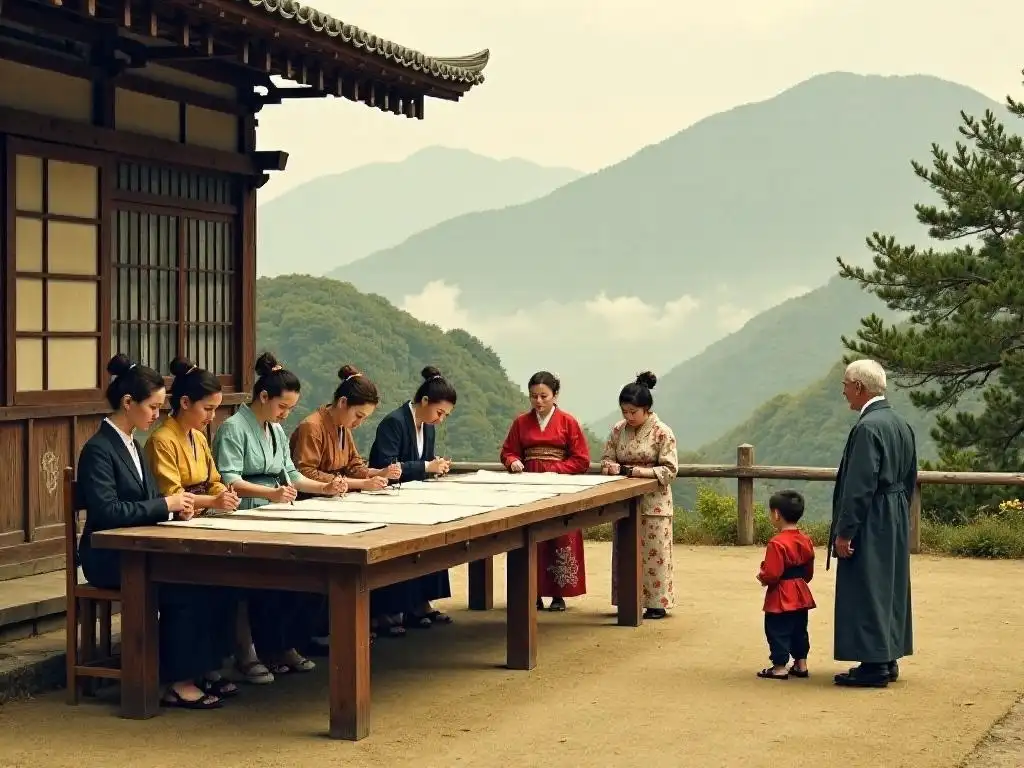
The literature of feudal Japan serves as a profound reflection of the era's societal tensions and cultural dynamics. Various authors employed their craft not just for artistic expression but as a means of resistance against prevailing social issues. This section delves into key figures whose works encapsulated the spirit of resistance, highlighting their impact on the literary landscape and the broader societal context.
Matsuo Bashō, renowned as one of Japan's greatest haiku poets, transcended the boundaries of mere poetic expression to address social issues through his work. Bashō's poetry often blended nature with profound human experiences, subtly critiquing the rigid social hierarchies of his time. His travels across Japan allowed him to encounter various communities, and his observations often revealed underlying social injustices.
- Symbolism in Nature: Bashō used nature as a metaphor for human suffering and societal flaws. For instance, in his famous haiku "An old silent pond...," the imagery of stillness reflects a deeper commentary on the stagnant social conditions of the era.
- Philosophical Underpinnings: His works often reveal a Zen influence, advocating for a return to simplicity and a critique of materialism. This philosophical perspective was not merely aesthetic but served as a subtle rebellion against the excesses of feudal society.
- Travel as Resistance: Bashō's journeys were also a form of resistance. By wandering through the countryside and engaging with common folk, he challenged the elitist norms of the samurai class, emphasizing the value of the everyday person's experience.
Analyzing the Works of Lady Murasaki Shikibu
Lady Murasaki Shikibu, author of The Tale of Genji, is often celebrated for her profound insights into the complexities of court life and gender dynamics in feudal Japan. Her literary contributions go beyond mere storytelling; they serve as a critique of the societal constraints placed upon women.
- Gender Roles and Expectations: Through her characters, particularly the titular Genji, Murasaki explores the restrictive roles assigned to women. By portraying women as multifaceted individuals with their own desires and struggles, she subtly undermines the patriarchal norms of her time.
- Emotional Depth and Realism: Murasaki's ability to convey deep emotional experiences allows readers to empathize with her characters, fostering a sense of shared humanity that transcends social class. This emotional resonance can be viewed as a form of resistance against the dehumanization of individuals within the rigid feudal structure.
- Cultural Critique: The intricate relationships and court intrigues depicted in The Tale of Genji serve as a microcosm of feudal society, revealing the often hypocritical nature of social norms. Murasaki's narrative style encourages readers to question the status quo and consider the implications of their societal roles.
The Impact of Ikkyū Sōjun in Challenging Norms
Ikkyū Sōjun, a 15th-century Zen monk and poet, is renowned for his unconventional approach and fierce criticism of societal hypocrisy. His works resonate with themes of rebellion against established norms, both religious and social.
- Zen Philosophy and Social Critique: Ikkyū's poetry reflects his deep engagement with Zen ideals, emphasizing personal enlightenment over institutionalized religion. His disdain for the corruption within the Buddhist clergy highlights the need for authenticity and spiritual integrity.
- Provocative Imagery: Many of Ikkyū's poems employ shocking imagery and humor to expose the absurdities of feudal society. This boldness not only entertained but also prompted readers to confront uncomfortable truths about their world.
- Challenging Authority: Ikkyū's life and writings often positioned him as a critic of authority. His refusal to conform to societal expectations and his embrace of a free-spirited lifestyle serve as a testament to the power of individualism in the face of oppressive structures.
The works of Matsuo Bashō, Lady Murasaki Shikibu, and Ikkyū Sōjun exemplify how Japanese feudal literature served as a vehicle for resistance against social issues, enriching our understanding of the era's cultural landscape. Their legacies continue to inspire contemporary discussions about the role of literature in addressing societal injustices.
Literary Techniques Used in Japanese Feudal Resistance Literature

Symbolism and Allegory in Feudal Texts
In Japanese feudal literature, symbolism and allegory serve as powerful tools for authors to convey resistance against the socio-political structures of their time. Authors often utilized these techniques to mask their critiques, allowing them to circumvent censorship and repression. For instance, the use of animals to represent different classes or societal roles is prevalent in many texts.
One notable example can be found in the works of Kamo no Chomei, particularly in his allegorical writings that reflect on the impermanence of life. Chomei's work is rich in metaphors that critique the rigid class system and highlight the suffering of the lower classes. By using nature and its transience as symbols, he subtly points to the flaws in human governance and societal values.
Additionally, the Tale of the Heike employs allegory through its portrayal of samurai ethics and the consequences of ambition. The downfall of characters serves as a metaphor for the fleeting nature of power and glory, urging readers to reflect on the moral implications of their actions. This duality allows for deeper engagement with social issues while providing a layer of protection against direct confrontation with authority.
The Use of Satire and Humor to Address Serious Issues
Satire emerged as a crucial literary device in the resistance literature of feudal Japan, enabling authors to critique societal norms and injustices through humor. Writers like Jippensha Ikku, known for his work Shank's Mare, utilized comedic elements to expose the absurdities of social hierarchies and the rigid expectations placed on individuals.
Through humorous anecdotes and exaggerated characters, authors could highlight the discrepancies between the ideals of samurai honor and the realities of everyday life. For example, Ikku’s portrayal of the comical misadventures of a low-ranking samurai serves not only to entertain but also to criticize the social order that values status over personal merit.
Moreover, the use of parody in plays, such as those by Chikamatsu Monzaemon, allowed for a direct confrontation of societal issues, including gender roles and class struggles. By presenting serious topics in a light-hearted manner, authors could engage a broader audience and provoke thought without inciting the wrath of the ruling class.
Narrative Structure and Its Role in Resistance
The narrative structure of feudal literature often played a significant role in shaping the resistance themes within the texts. Many works employed nonlinear storytelling or framed narratives to present social critiques in a more complex manner. This technique allowed authors to juxtapose different viewpoints, thereby enriching the dialogue around social issues.
For example, in the Tale of Genji, while ostensibly a romance, the narrative structure weaves in the political intricacies of Heian society, illustrating the constraints placed on women and the ephemeral nature of power. Through the fragmented storytelling, the author offers insights into the struggles faced by individuals marginalized by the feudal system.
Additionally, the use of multiple perspectives in narratives, such as in the Noh and Kabuki theater, provided a platform for various social classes to voice their experiences. This multiplicity not only enriches the narrative but also serves as a form of resistance, challenging the notion of a singular truth dictated by the ruling elite.
The literary techniques employed in Japanese feudal literature, including symbolism, satire, and innovative narrative structures, were essential in articulating resistance against oppressive social norms. These methods allowed authors to navigate the complexities of their time while fostering a critical dialogue about the societal issues that plagued feudal Japan.
Case Studies of Resistance in Japanese Feudal Literature

The Tale of the Heike is a seminal work of Japanese feudal literature that profoundly reflects the social upheavals of its time. This epic narrative chronicles the rise and fall of the Taira clan during the late Heian period, particularly during the Genpei War (1180-1185). Through its rich tapestry of characters and events, the text offers critical insights into the societal norms, values, and conflicts that characterized this tumultuous era.
One of the most striking aspects of The Tale of the Heike is its exploration of the concept of mono no aware, or the "pathos of things," which evokes a deep sense of empathy toward the fleeting nature of life. The work does not shy away from depicting the brutal realities of war, including the suffering of common people caught in the crossfire of noble rivalries. This portrayal serves as a form of literary resistance, challenging the glorification of samurai warfare and highlighting the human cost of such conflicts.
Moreover, the narrative emphasizes the transience of power. The Taira clan's eventual downfall serves as a cautionary tale about hubris and the impermanence of success. Through poignant characters like Yoshinaka and Yoshitsune, the text critiques the socio-political structures that prioritize loyalty and valor over compassion and justice.
The Pillow Book: Commentary on Gender and Power
The Pillow Book, authored by Sei Shonagon, presents a unique perspective on gender and power dynamics in the Heian court. Written during the late 10th century, this work is a collection of essays, lists, and personal anecdotes that reflect Shonagon's observations as a lady-in-waiting. Unlike many male-dominated narratives of the time, The Pillow Book provides a female voice that articulates the intricacies of court life, challenging the patriarchal norms of feudal Japan.
Shonagon's sharp wit and keen observations serve as subtle acts of resistance against the constraints imposed on women in her society. Through her detailed descriptions of court ceremonies, nature, and social interactions, she reveals the complexities of female identity and agency. For instance, her lists—such as those categorizing "things that make the heart flutter"—not only showcase her literary prowess but also underscore the emotional landscape of women during this period.
Furthermore, Shonagon's candid critiques of her contemporaries, including rival courtiers and even members of the imperial family, reflect a desire for recognition and respect. By positioning herself as an astute commentator on courtly life, she challenges the notion that women should remain silent and submissive. This defiance, embedded in her prose, resonates as a powerful form of literary resistance against the rigid social hierarchies of her time.
Ihara Saikaku, a prominent author of the Edo period, is renowned for his ability to encapsulate the societal issues of his time through literature. His works, particularly The Life of an Amorous Man and The Life of an Edo Merchant, serve as incisive critiques of the rapidly changing socio-economic landscape in Japan during the late 17th century. Saikaku’s narratives often highlight the tensions between traditional values and the emerging merchant class, making them pivotal studies in the context of Japanese feudal literature resistance.
In The Life of an Amorous Man, Saikaku explores the complexities of love, lust, and the pursuit of pleasure. Through the protagonist's exploits, he presents a candid examination of the shifting moral values in Edo society. This focus on the pleasure-seeking lifestyle challenges the Confucian ideals that dominated the earlier feudal periods, illustrating a resistance to the rigid social norms that dictated personal conduct.
Similarly, in The Life of an Edo Merchant, Saikaku provides a detailed account of the merchant class's rise to prominence. The narrative reveals the struggles and aspirations of merchants, a group often marginalized in feudal Japan's caste system. By humanizing these characters and showcasing their contributions to the economy, Saikaku’s work serves as a critique of the established social hierarchy and advocates for the recognition of all societal roles.
The literature of feudal Japan is rich with instances of resistance against social issues, as exemplified by these case studies. Through their narratives, authors not only reflect the complexities of their societies but also challenge the status quo, making significant contributions to the cultural history of Japan.
The Legacy of Resistance Literature in Feudal Japan
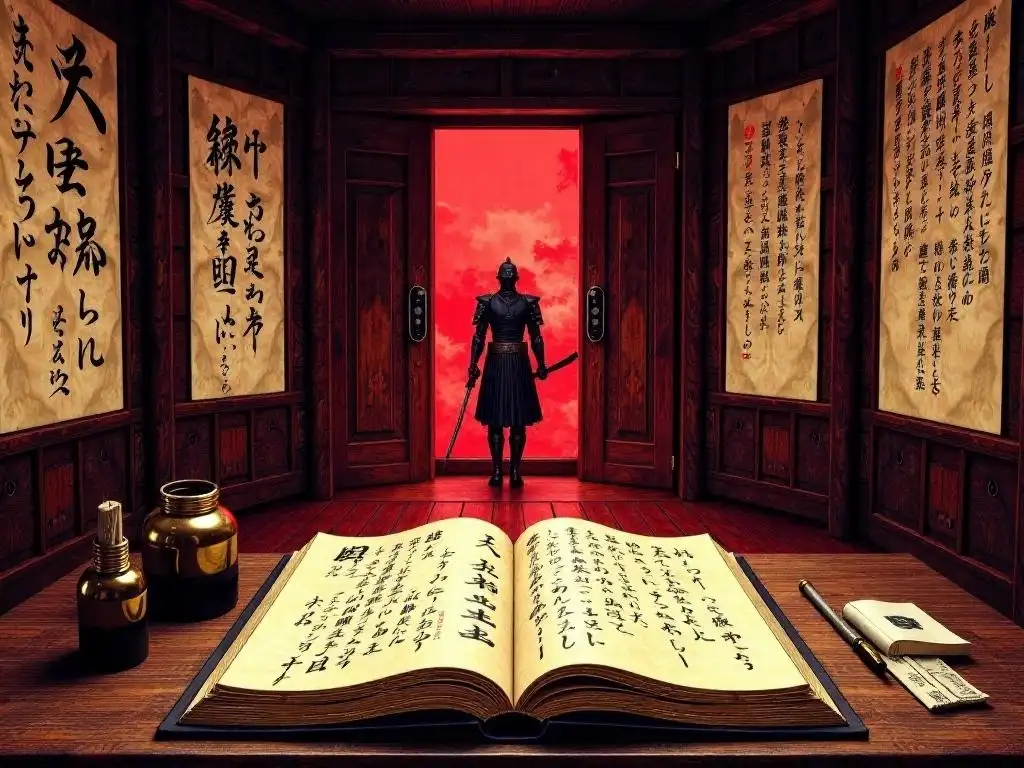
The legacy of resistance literature in feudal Japan is marked by the courageous expressions of authors who dared to challenge the prevailing social norms and injustices of their time. Through various literary forms, from poetry to prose, these writers not only documented the harsh realities of feudal life but also provided a voice for the marginalized and oppressed. This literature served as a subtle yet powerful means of resistance against the rigid hierarchies and socio-political structures that characterized feudal Japan.
One of the most notable aspects of resistance literature during this era is its ability to transcend the boundaries of its time. Authors like Matsuo Basho and Saikaku Ihara employed their works to critique societal issues, often using allegory and metaphor to address sensitive subjects without direct confrontation. Their writings resonate with themes of poverty, class struggle, and the quest for personal freedom, making them pertinent not just in their own time but also for future generations.
Literature in feudal Japan played a significant role in influencing social change by shaping public perception and fostering a sense of community among the disenfranchised. The works of authors who addressed social issues often inspired readers to reflect on their own circumstances and question the status quo. For instance, the Noh plays and Kabuki theatre, while primarily entertainment, often contained critical commentaries on the social and political issues of the day, subtly encouraging audiences to contemplate the injustices faced by the lower classes.
Moreover, the Uta and Haiku forms of poetry created an accessible medium for the common people to express their frustrations and aspirations. Through simple yet profound verses, poets captured the essence of their struggles, allowing readers to connect with their experiences on a personal level. This literary engagement cultivated a shared sense of identity among those who felt marginalized, thereby creating a collective consciousness that could challenge oppressive systems.
The impact of these works extended beyond literature; they sparked discussions in various social circles and influenced the thoughts of scholars, activists, and even political leaders. By bringing issues of inequality and suffering into the public sphere, resistance literature became a catalyst for social reform and awareness, laying the groundwork for future movements advocating for justice and equity.
The Continuing Impact of Feudal Literature on Modern Japanese Society
The resonance of feudal literature can still be felt in contemporary Japanese society, where themes of resistance and social justice continue to inspire new generations of writers and activists. Modern authors often draw upon the rich tradition of their predecessors, using literature as a platform to address ongoing social issues such as economic disparity, gender inequality, and political corruption.
For example, contemporary novels and essays often echo the stylistic and thematic elements found in feudal literature. Writers like Haruki Murakami and Banana Yoshimoto incorporate elements of magical realism to explore the complexities of modern life while subtly critiquing societal norms. Their works serve as a bridge between the past and present, reminding readers of the enduring legacy of resistance literature in the fight for social justice.
Furthermore, educational institutions in Japan emphasize the study of feudal literature, recognizing its importance in understanding the cultural and historical context of the nation. This ongoing engagement with the past not only preserves the narratives of resistance but also inspires critical thought and dialogue around current issues facing Japanese society today.
The legacy of resistance literature from feudal Japan remains a vital component of the country's cultural history, influencing both the literary landscape and the broader social fabric. As authors continue to address social issues through their works, the spirit of resistance embedded in feudal literature endures, prompting new movements and discussions for a more just society.
Conclusion: Literature as a Tool for Resistance
Throughout Japan’s feudal era, literature emerged as a powerful medium for expressing dissent and addressing pressing social issues. Authors utilized their craft to critique societal norms, challenge authority, and illuminate the struggles of marginalized groups. This literary resistance served not only as a reflection of the times but also as a catalyst for change, inspiring future generations to question and confront injustices.
By examining various forms of Japanese feudal literature, from poetry to prose, we uncover the intricate ways in which writers woven their social critiques into narratives. This resistance literature often employed allegory, metaphor, and symbolism to evade censorship and convey messages that resonated deeply with contemporary audiences. Such works remain crucial for understanding the socio-political landscape of feudal Japan and the enduring power of literature as a vehicle for social commentary.
The Importance of Preserving and Studying Feudal Literature
Preserving and studying feudal literature is essential for several reasons:
- Cultural Heritage: Japanese feudal literature represents a vital part of the country's cultural heritage. It offers insights into the values, beliefs, and struggles of past societies, enriching our understanding of Japan's historical trajectory.
- Social Commentary: Many works from this era provide poignant observations about social hierarchies, class struggles, and the human condition. By analyzing these texts, scholars can reveal how literature served as a form of resistance and an avenue for social change.
- Interdisciplinary Connections: The study of feudal literature intersects with various disciplines, including history, sociology, and political science. This interdisciplinary approach allows for a more comprehensive understanding of the complex dynamics at play during the feudal period.
- Inspiration for Modern Literature: Contemporary authors can draw inspiration from the themes and techniques employed by their feudal predecessors. Analyzing how past writers addressed social issues can inform modern storytelling, encouraging a continuation of this tradition of resistance.
As interest in Japanese feudal literature continues to grow, several key areas warrant further exploration:
- Comparative Studies: Research could benefit from comparative analyses between Japanese feudal literature and resistance literature from other cultures. Such studies may reveal universal themes and strategies employed by writers in various historical contexts.
- Digital Humanities: The application of digital tools to analyze large corpuses of feudal texts can uncover patterns and trends that traditional methods may overlook. This approach can facilitate more nuanced understandings of literary resistance.
- Emerging Voices: Future research should prioritize the examination of lesser-known authors and texts that contributed to the discourse on social issues. Unearthing these hidden voices can provide a fuller picture of the literary landscape during the feudal era.
- Gender Perspectives: Investigating the roles of women in feudal literature can reveal unique perspectives on resistance. Understanding how female writers navigated the patriarchal structures of their time can enrich the narrative of literary resistance.
The study of Japanese feudal literature as a form of resistance not only preserves a crucial aspect of cultural history but also opens doors for ongoing dialogue about literature's role in addressing social issues. As we continue to explore this rich literary tradition, we honor the voices of the past while inspiring future generations to engage in their own forms of resistance through literature.
Frequently Asked Questions
Japanese feudal literature served as a platform for resistance, enabling authors to voice dissent against social injustices and political oppression during the feudal era.
Authors utilized metaphors, allegories, and poetic expressions to subtly critique the status quo, thereby challenging the dominant social structures without direct confrontation.
Can you give examples of notable literary works that reflect resistance?
Works like "The Tale of the Heike" and "The Pillow Book" illustrate the struggles of individuals against societal norms, highlighting themes of rebellion and resilience.
What role did censorship play in Japanese feudal literature?
Censorship was prevalent, pushing authors to be innovative in their writing, often embedding their social critiques within complex narratives to evade detection by authorities.
How does the theme of resistance in literature relate to the broader context of Japanese feudal society?
The theme of resistance in literature reflects the tensions between the ruling class and the common people, serving as a historical lens to understand social dynamics during the feudal period.
Final Reflection: Literature as a Beacon of Resistance
Literature has always served as a powerful tool for social change, and its role in addressing issues of injustice remains profoundly relevant today. In an era where voices of dissent are often silenced, the written word continues to resonate as a form of resistance, echoing the struggles faced by marginalized communities. The exploration of Japanese feudal literature illustrates how authors have historically used their craft to challenge societal norms and provoke thought, reminding us that the fight for justice is timeless and universal.
The impact of literature as a form of resistance is not confined to the past; it shapes our cultural and social landscape today. The narratives woven by authors during Japan's feudal era still inspire contemporary writers and activists, emphasizing the importance of storytelling in advocating for change. As noted by literary scholar Haruki Murakami, The world is full of stories, and we must tell them to understand ourselves.
This sentiment underscores the ongoing relevance of literature in fostering empathy and awareness, encouraging us to confront the social issues that persist in our own time.
As we reflect on the lessons of literature as resistance, let us embrace the call to action it presents. Consider how you can use your voice—whether through writing, art, or activism—to challenge injustice in your community. Each of us has the power to contribute to the narrative of resistance, ensuring that the stories of those who came before us continue to inspire future generations. Together, let us honor the legacy of authors who dared to speak out and commit ourselves to the ongoing fight for a more equitable world.
Unleash Your Voice: Take Action for Change!
Thank you for delving into the powerful world of literature and its role as a force for social change. By exploring how authors address pressing issues, you’ve gained insight into the impact of storytelling in shaping our societies. Now, it's time to put that knowledge into action!
Here are a few ways you can contribute to this literary legacy:
- Start Writing: Craft your own short story or poem that highlights a social issue you are passionate about. Let your voice be heard!
- Join a Book Club: Engage with others who share your interests. Discuss how literature can inspire change and encourage readers to take action.
- Share Your Learnings: Post insightful quotes or thoughts inspired by your reading experiences on social media. Tag friends and spark meaningful conversations about literature’s role in advancing social justice.
What social issue would you like to explore through your writing, and how do you believe literature can amplify its message?