
The Influence of Chinese Tea Traditions on Japanese Ceremony Practices

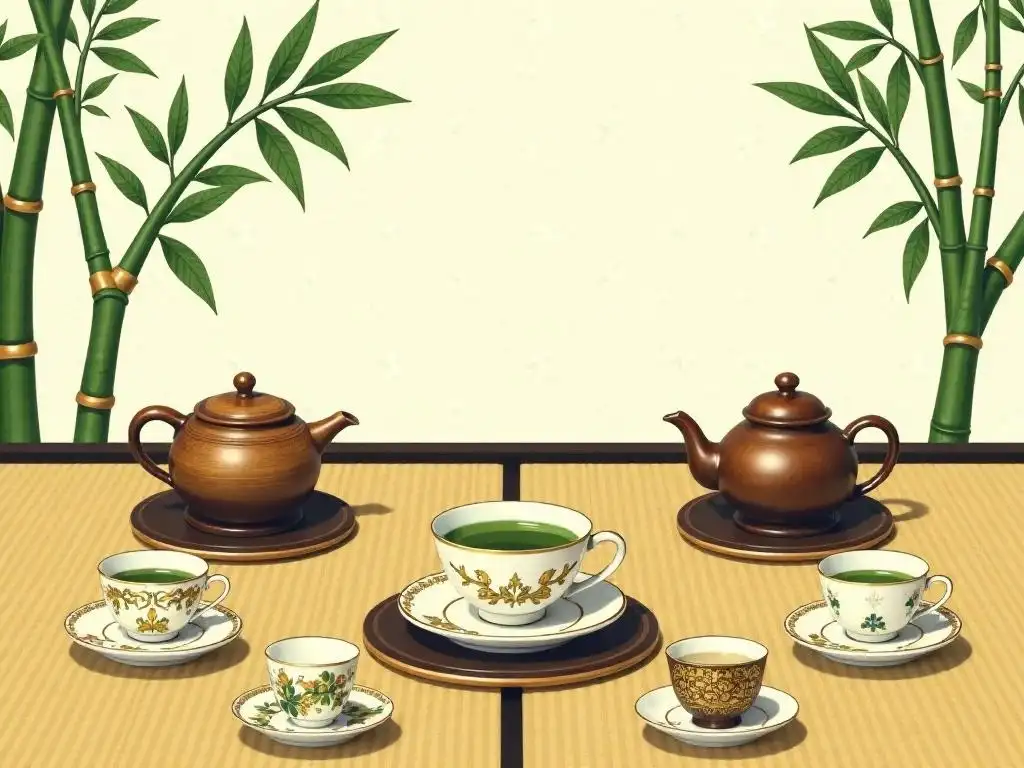
Welcome to Feudal Japan History, where we invite you to embark on a fascinating journey through the intricate tapestry of Japan’s feudal era. Within these pages, you'll uncover the profound influence of Chinese tea traditions on Japanese ceremony practices, a topic that intertwines culture, history, and society in unexpected ways. What secrets lie in the delicate dance of tea leaves and the rituals that have shaped both nations? Prepare to delve deeper into this captivating exploration that promises to reveal the rich connections between two ancient cultures. Let the story unfold!
Introduction to Chinese Tea Influence on Japan
The relationship between Chinese tea traditions and Japanese ceremony practices is a fascinating narrative that intertwines cultural, social, and historical threads. As tea transcended geographical boundaries, it carried with it not only a beverage but also a profound set of customs and philosophies that would shape the way tea was perceived and enjoyed in Japan.
This exploration aims to delve into the intricacies of how Chinese tea influence on Japan has molded ceremonial practices, fostering a unique blend of aesthetics, spirituality, and social interaction that defines Japanese tea ceremonies today. From the initial introduction of tea to the nuanced rituals that developed over centuries, understanding this cross-cultural exchange provides insight into the broader implications of cultural adaptation and transformation.
Overview of Chinese Tea Traditions
Chinese tea traditions are rich and varied, deeply embedded in the fabric of Chinese society. The practice of tea drinking in China dates back to ancient times, with references found in texts as early as the Shang dynasty (1600-1046 BC). Tea was not merely a drink; it served as a medium for social interaction, philosophical discussions, and even medicinal purposes. The different types of tea, such as green, black, oolong, and pu-erh, reflect the diverse regional practices and preferences across China.
- Philosophical Underpinnings: The art of tea drinking in China often embodies principles from Confucianism, Taoism, and Buddhism, emphasizing harmony, respect, and tranquility.
- Ceremonial Practices: Chinese tea ceremonies, such as the Gongfu tea ceremony, focus on the meticulous preparation and presentation of tea, highlighting the importance of craftsmanship and aesthetics.
Through these traditions, tea became a symbol of hospitality and cultural identity, paving the way for its introduction to Japan.
Historical Context of Tea in China
The historical context of tea in China reveals its evolution from a medicinal herb to a cultural phenomenon. By the Tang dynasty (618-907 AD), tea had become a popular drink among the elite, and its cultivation expanded significantly. The Song dynasty (960-1279 AD) further refined tea practices, introducing elaborate tea ceremonies that celebrated its cultural significance.
- Trade Development: The establishment of trade routes allowed for the exchange of tea, leading to increased accessibility and popularity.
- Cultural Significance: Tea became intertwined with literature, art, and philosophy, serving as a muse for poets and artists alike, thus reinforcing its status in Chinese culture.
The Arrival of Tea in Japan
The arrival of tea in Japan is attributed to the efforts of Zen Buddhist monks who traveled to China in search of spiritual enlightenment. The first recorded introduction of tea to Japan occurred in the early 9th century, although it did not gain widespread popularity until the 12th century.
- Monastic Influence: Japanese monks, such as Eichū and Kōbō Daishi, played crucial roles in bringing back tea seeds and knowledge of tea cultivation.
- Cultural Adoption: Initially embraced by the elite and Buddhist clergy, tea drinking slowly permeated Japanese society, leading to various adaptations of Chinese practices.
The Journey of Tea from China to Japan
Early Trade Routes and Cultural Exchange
The journey of tea from China to Japan was facilitated by early trade routes that fostered cultural exchange. Maritime routes, primarily during the Tang and Song dynasties, allowed not only for the transportation of tea but also the sharing of customs and philosophies surrounding its consumption.
- Maritime Trade: Japanese merchants and monks traveled to China, bringing back not only tea but also the accompanying rituals and traditions.
- Cultural Syncretism: This exchange laid the groundwork for a unique blend of Chinese and Japanese tea practices, reflecting both influences while developing distinct characteristics.
Key Figures in the Introduction of Tea to Japan
Several key figures were instrumental in the introduction and popularization of tea in Japan, each contributing to its cultural significance.
- Saichō (Dengyō Daishi): He is credited with introducing tea seeds to Japan and advocating for its cultivation.
- Yōjō: A Zen monk who is said to have brought back knowledge of tea preparation from China, influencing the early practices in Japan.
Their efforts not only established tea as a beverage but also integrated it into the spiritual and cultural life of Japan.
Initial Reception of Chinese Tea Practices in Japan
The initial reception of Chinese tea practices in Japan was met with intrigue and adaptation. Japanese society began to embrace tea not only as a drink but as a focal point for social gatherings and spiritual practices.
- Adaptation: While the basic rituals of tea drinking were borrowed from Chinese traditions, Japanese aesthetics and philosophies began to influence the practice, leading to a unique interpretation.
- Cultural Integration: The Tea Ceremony, or Chanoyu, emerged as a formalized ritual, emphasizing simplicity, harmony, and respect, distinct from its Chinese counterparts.
As tea practices evolved in Japan, they became emblematic of a broader cultural identity, reflecting the nuanced relationship between these two nations and their historical legacies.
Adaptation of Chinese Tea Traditions in Japan
The adaptation of Chinese tea traditions in Japan began in the 9th century when Buddhist monks brought tea seeds and brewing techniques from China to the islands. Initially, tea was consumed primarily for its medicinal properties and enjoyed by the elite. Over time, Japanese culture began to incorporate and adapt these practices, leading to a unique tea tradition that emphasized not only the beverage itself but also the ritual surrounding its preparation and consumption.
The aesthetic principles of Chinese tea culture, which focus on harmony, respect, purity, and tranquility, resonated deeply with Japanese sensibilities. The Japanese adapted these principles, infusing them with their own cultural values and practices, ultimately leading to the formation of distinct ceremonies. The evolution of these practices reflects a broader cultural exchange and adaptation process that shaped Japan's tea culture into a sophisticated art form.
Transformation of Tea Preparation Techniques
In the transition from Chinese to Japanese tea practices, significant changes occurred in preparation techniques. While Chinese tea often involved the use of loose leaves brewed in a teapot, the Japanese developed a method that focused on powdered tea, particularly matcha. This shift was notable during the Kamakura period (1185–1333), when the practice of whisking powdered tea with hot water became more prevalent.
Additionally, the utensils and tools used in tea preparation underwent transformation. The Japanese developed a unique set of tools, including the chasen (bamboo whisk), chawan (tea bowl), and chashaku (tea scoop), each specifically designed for the preparation of matcha. This focus on specialized tools highlights the importance of craftsmanship and aesthetics in the Japanese tea ceremony, further distinguishing it from its Chinese roots.
Influence on Japanese Aesthetics and Philosophy
Chinese tea traditions significantly influenced Japanese aesthetics and philosophy, emphasizing simplicity and natural beauty. The Japanese embraced the concept of wabi-sabi, which finds beauty in imperfection and transience. This philosophy is evident in the choice of materials and design of tea utensils, where rustic and handmade items are favored over polished and extravagant ones.
Moreover, the influence of Chinese calligraphy and ink painting can be seen in the decoration of tea rooms and utensils, where subtlety and restraint are valued. The overall atmosphere cultivated during tea ceremonies promotes a sense of mindfulness and presence, aligning closely with Zen principles that celebrate simplicity and the beauty of the moment.
The Role of Zen Buddhism in Shaping Tea Practices
Zen Buddhism played a pivotal role in shaping Japanese tea practices, blending the spiritual with the ceremonial. The integration of Zen concepts into tea rituals emphasized mindfulness, meditation, and the pursuit of enlightenment. This is particularly evident in the practice of the Japanese tea ceremony, or chanoyu, where each action— from the preparation of tea to the serving of guests— is imbued with deliberate intention and attention to detail.
The Zen focus on harmony and tranquility influenced the design of the tea room, known as the chashitsu. These spaces are intentionally minimalist, fostering a serene environment conducive to contemplation. The ceremonial aspects of tea drinking thus became not just a social activity but a profound spiritual experience, reflecting the deep connection between Zen Buddhism and the Japanese tea tradition.
Development of Japanese Tea Ceremonies
The development of Japanese tea ceremonies is a testament to the cultural synthesis of Chinese influences and indigenous practices. As tea consumption spread from elite circles to wider society, the rituals surrounding tea began to evolve. This evolution was marked by a growing appreciation for the aesthetics of tea preparation and the philosophical underpinnings of the practice.
Evolution of Chanoyu: The Japanese Tea Ceremony
Chanoyu, or the Japanese tea ceremony, has its roots in the early tea practices influenced by Chinese traditions. Over the centuries, it evolved into a highly ritualized form that emphasizes simplicity, elegance, and mindfulness. The formalization of chanoyu occurred during the 15th and 16th centuries, particularly under the influence of tea masters like Sen no Rikyū, who refined the aesthetics and philosophical elements of the ceremony.
Key features of chanoyu include the meticulous attention to detail in the preparation and presentation of tea, the selection of seasonal decorations, and the use of specific utensils. Each component of the ceremony is designed to create a harmonious experience that fosters connection between the host and guests, encapsulating the essence of Japanese hospitality.
Key Differences between Chinese and Japanese Tea Ceremonies
While both Chinese and Japanese tea ceremonies share a common heritage, they differ significantly in purpose, style, and execution. Chinese tea ceremonies often focus on the artistry of tea brewing and the variety of teas presented, with an emphasis on taste and aroma. In contrast, the Japanese tea ceremony prioritizes the ritual and meditative aspects of tea preparation, creating an intimate atmosphere centered around mindfulness and appreciation.
Additionally, Chinese ceremonies tend to be more elaborate, showcasing a variety of tea types and brewing techniques, while Japanese ceremonies are more streamlined, focusing on the preparation of matcha and the experience of the moment. This fundamental difference reflects the broader cultural values of each society, with Japan placing greater emphasis on simplicity and spiritual connection.
The Significance of Ceremony in Japanese Culture
The significance of tea ceremonies in Japanese culture extends beyond the act of drinking tea; it embodies the principles of harmony, respect, purity, and tranquility. The ceremonial practice serves as a means of fostering social connections, promoting mindfulness, and providing a space for reflection. It is a cultural ritual that encapsulates the essence of Japanese aesthetics and philosophy, creating a moment of beauty and peace in the fast-paced modern world.
Furthermore, the tea ceremony has become a symbol of Japanese identity, representing the nation's rich cultural history and its enduring appreciation for the arts. Through the practice of chanoyu, individuals engage in a dialogue with tradition, allowing the past to inform and enrich their present experiences. This ongoing relationship with the tea ceremony underscores its importance as a living cultural heritage in Japan.
Comparing Chinese and Japanese Tea Cultures
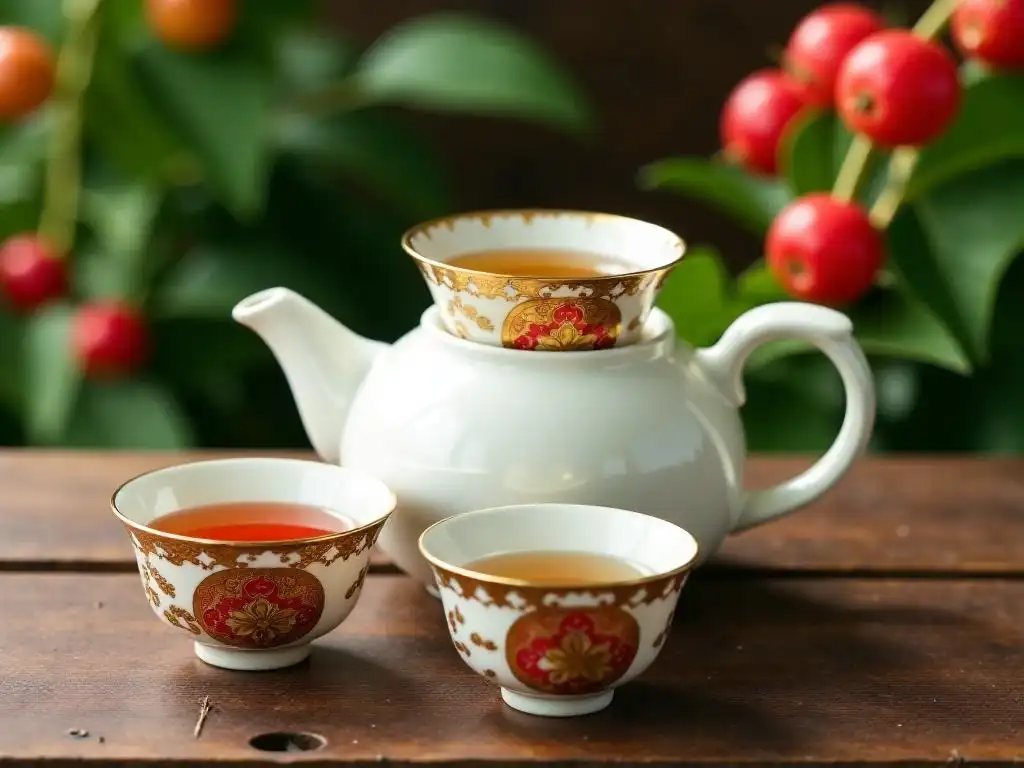
The rich and intricate tea cultures of China and Japan have significantly influenced one another throughout history. While both cultures share a deep appreciation for tea, their approaches and ceremonies reflect distinct philosophies and social practices. Understanding these nuances sheds light on how Chinese tea traditions have shaped Japanese practices, particularly in the context of tea ceremonies.
In China, tea drinking is often a communal activity, enjoyed in a relaxed setting, where conversations flow freely alongside the tea. This contrasts with Japan’s more formalized tea ceremonies, known as chanoyu, which emphasize mindfulness, aesthetics, and a deep sense of respect towards nature and the guest. Through the exchange of these traditions, Japan has adopted certain elements from Chinese tea culture while simultaneously crafting its unique identity around tea.
Similarities in Tea Appreciation and Rituals
Both Chinese and Japanese cultures hold tea in high esteem, celebrating it not just as a beverage but as a symbol of hospitality and social connection. The appreciation for high-quality tea leaves is paramount in both traditions, with specific varieties like Longjing (Dragon Well) in China and matcha in Japan being particularly revered.
In both cultures, the act of preparing and serving tea is steeped in ritual, reflecting the values of patience, precision, and respect. For instance, the ceremonial use of specific utensils, such as teapots and cups, highlights the importance of aesthetics and functionality in both Chinese and Japanese practices. Furthermore, the quiet moments of reflection and contemplation during tea preparation create an atmosphere conducive to mindfulness, which is a core aspect of both tea cultures.
Distinct Elements Unique to Japanese Tea Practices
While Japan borrowed heavily from Chinese tea traditions, it has developed its unique practices that set it apart. The Japanese tea ceremony, or chanoyu, is characterized by its emphasis on Zen principles, which prioritize simplicity, tranquility, and harmony with nature. This is most evident in the carefully choreographed movements of the tea master, the minimalist aesthetics of the tea room, and the use of seasonal flora in decoration.
Another distinct feature is the use of matcha, a powdered green tea that is whisked with water, creating a frothy beverage. This contrasts with the steeped teas more commonly associated with Chinese traditions. Additionally, the Japanese have integrated their tea culture into various aspects of life, including art, poetry, and even architecture, which further distinguishes their practices from Chinese tea customs.
The Influence of Chinese Tea on Japanese Tea Utensils and Ware
Chinese tea culture has had a significant impact on the development of Japanese tea utensils and ceramics. Early Japanese tea practitioners imported Chinese teapots, cups, and bowls, which were highly valued for their craftsmanship and utility. Over time, these imports inspired Japanese artisans to create their own distinct styles, blending Chinese techniques with local aesthetics.
Notably, the famous Japanese pottery styles, such as Raku and Shino, were influenced by Chinese stoneware, but they evolved to reflect Japan's unique artistic sensibilities. The design of tea utensils in Japan often emphasizes simplicity and natural beauty, aligning with the broader principles of Japanese aesthetics while still honoring their Chinese roots. This interplay of influence has led to a rich tradition of ceramics that celebrates both heritage and innovation.
Legacy of Chinese Tea Influence on Modern Japanese Practices
The legacy of Chinese tea traditions continues to resonate in Japan today, influencing both contemporary tea culture and the preservation of traditional practices. This enduring influence is evident in various aspects of Japanese society, from casual tea gatherings to formal ceremonies.
Contemporary Tea Culture in Japan
In modern Japan, tea remains an integral part of daily life. While the traditional tea ceremony is still practiced, contemporary tea culture has evolved to include a wide variety of tea types and brewing methods. Japanese society embraces both traditional and modern interpretations of tea, making it accessible to a broader audience.
Moreover, the health benefits associated with green tea, particularly matcha, have gained international recognition, leading to a surge in popularity among health-conscious consumers. Cafés and tea shops across Japan offer innovative tea-based beverages, blending traditional flavors with modern trends, showcasing the seamless integration of historical influences into contemporary practices.
Preservation of Traditional Tea Ceremonies
Despite the modernization of tea culture, Japan places a strong emphasis on preserving its traditional tea ceremonies. Institutions and tea schools continue to teach the art of chanoyu, ensuring that the intricate rituals, philosophies, and aesthetics are passed down through generations. Events and workshops are held regularly, allowing enthusiasts and newcomers alike to experience the depth of Japanese tea culture firsthand.
The commitment to preserving these traditions is also evident in the way tea ceremonies are incorporated into cultural festivals and celebrations, reinforcing their importance in Japanese society. This dedication not only honors the historical roots of tea practices but also keeps the cultural significance alive for future generations.
Influence on Global Tea Practices and Trends
The influence of Chinese tea traditions on Japanese practices has also had a far-reaching impact on global tea culture. As Japan's tea practices gained popularity worldwide, elements of both Chinese and Japanese tea traditions began to intertwine and inform new tea experiences in various cultures.
Tea enthusiasts around the world now celebrate the art of tea through diverse practices, blending traditional methods with modern interpretations. This global exchange highlights the enduring legacy of Chinese tea influence on Japan, as well as the broader appreciation for the complexities and nuances of tea culture worldwide. The result is a vibrant and evolving tea landscape that reflects shared histories and cultural exchanges.
Conclusion: The Lasting Impact of Chinese Tea Traditions on Japanese Ceremonies
The influence of Chinese tea traditions on Japanese ceremony practices is profound and enduring. From the early adoption of tea drinking to the sophisticated rituals observed in the Japanese tea ceremony, the cultural exchange between China and Japan has shaped the way tea is perceived and celebrated in Japanese society. This relationship illustrates not only the transfer of a beverage but also the transmission of philosophical ideas, aesthetic principles, and social customs that have enriched Japanese culture.
Japanese tea ceremonies, known as chanoyu, emphasize harmony, respect, purity, and tranquility—concepts that resonate deeply with the ideals rooted in Chinese tea culture. The meticulous preparation and consumption of tea in Japan reflect a spiritual and artistic journey influenced by the Chinese approach to tea. Over the centuries, these practices have evolved uniquely, incorporating Japanese aesthetics and philosophies, yet they remain a testament to the initial Chinese influence.
The lasting impact of these traditions can be observed in contemporary Japan, where tea remains an essential part of social and ceremonial life. The respect for nature, mindfulness, and the artistry involved in tea preparation continue to resonate, showcasing how Chinese tea traditions have woven themselves into the fabric of Japanese cultural identity.
Summary of Key Influences
- Historical Adoption: The introduction of tea to Japan from China during the early Heian period set the foundation for its cultural significance.
- Philosophical Foundations: The incorporation of Zen Buddhism into tea practices in Japan, influenced by Chinese thought, led to a deeper spiritual dimension in tea ceremonies.
- Aesthetic Evolution: Japanese tea ceremonies have adopted and adapted Chinese aesthetics, focusing on simplicity and natural beauty, which contrasts with the more ornate Chinese tea practices.
- Ritual and Social Structure: The formalization of tea-drinking as a ritual in Japan, influenced by Chinese customs, established a new social etiquette centered around hospitality and respect.
- Culinary Influence: The types of tea consumed and the accompanying snacks have evolved through the blending of Chinese and Japanese preferences, leading to unique regional variations.
Reflection on Cultural Exchange and Its Importance
Cultural exchange, as exemplified by the influence of Chinese tea traditions on Japanese ceremonies, plays a crucial role in enriching societies. This interaction fosters mutual appreciation and understanding, allowing cultures to learn from each other while preserving their unique identities. The evolution of tea culture in Japan illustrates how an external influence can inspire innovation and transformation, resulting in a distinctive tradition that reflects the essence of a society.
The tea ceremony, beyond its aesthetic and spiritual dimensions, serves as a reminder of the interconnectedness of cultures. It highlights the importance of dialogue and exchange in shaping cultural practices and beliefs. As Japan continues to embrace and celebrate its tea traditions, the roots of these practices in Chinese culture remain a vital aspect of its historical narrative.
Recognizing and honoring these influences is essential for appreciating the complexities of cultural history and the shared human experience. In a world increasingly marked by globalization, the lessons drawn from the tea traditions remind us of the beauty found in both diversity and commonality.
- Introduction to Chinese Tea Influence on Japan
- The Journey of Tea from China to Japan
- Adaptation of Chinese Tea Traditions in Japan
- Development of Japanese Tea Ceremonies
- Comparing Chinese and Japanese Tea Cultures
- Legacy of Chinese Tea Influence on Modern Japanese Practices
- Conclusion: The Lasting Impact of Chinese Tea Traditions on Japanese Ceremonies
- What is the main focus of the article on Chinese tea influence on Japan?
- How did Chinese tea traditions reach Japan?
- What are the key elements of Japanese tea ceremonies influenced by China?
- How does the article describe the cultural significance of tea in Japan?
- Are there differences between Chinese and Japanese tea practices discussed in the article?
Frequently Asked Questions
What is the main focus of the article on Chinese tea influence on Japan?
The article explores the historical impact of Chinese tea traditions on Japanese tea ceremony practices, highlighting how these influences shaped cultural and social customs.
How did Chinese tea traditions reach Japan?
Chinese tea customs were introduced to Japan via Buddhist monks and trade routes during the Nara and Heian periods, significantly influencing Japanese tea culture.
What are the key elements of Japanese tea ceremonies influenced by China?
Japanese tea ceremonies incorporate aesthetic principles, ritualistic preparation, and an emphasis on harmony, which were adapted from Chinese practices.
How does the article describe the cultural significance of tea in Japan?
The article emphasizes that tea in Japan is not just a beverage but a cultural symbol representing hospitality, mindfulness, and spirituality, deeply rooted in Zen Buddhism.
Are there differences between Chinese and Japanese tea practices discussed in the article?
Yes, the article outlines that while both cultures value tea, Japanese practices are more focused on aesthetic simplicity and spiritual experience, contrasting with the more elaborate Chinese tea ceremonies.
Final Reflection: The Enduring Legacy of Chinese Tea Traditions in Japan
The intricate relationship between Chinese tea traditions and Japanese ceremony practices underscores a profound cultural exchange that remains relevant today. As we navigate an increasingly globalized world, the appreciation for cultural influences—like that of Chinese tea on Japan—serves as a reminder of how interconnected our histories are. This connection not only enriches our understanding of tea as a beverage but also elevates it to a symbol of harmony, mindfulness, and respect in both cultures.
Cultural practices surrounding tea have shaped social interactions and spiritual reflections across generations. The influence of Chinese tea traditions on Japanese tea ceremonies is a testament to the power of cultural adaptation and transformation. As we witness the evolution of these practices, we are reminded of the words of the philosopher Confucius: The man who moves a mountain begins by carrying away small stones.
This quote encapsulates the gradual yet significant impact that one culture can have on another, illustrating how small exchanges can lead to monumental shifts in tradition and practice.
As you reflect on the themes presented in this article, consider how the lessons of respect, mindfulness, and cultural appreciation can be integrated into your own life. Take a moment to savor your next cup of tea, allowing it to be a bridge between cultures and a reminder of the shared human experience. Embrace the richness of cultural traditions, and let them inspire you to foster connections that transcend borders, creating a more harmonious world for all.
Embrace the Harmony: Start Your Tea Journey Today!
Thank you for immersing yourself in the fascinating world of Chinese tea traditions and their profound influence on Japanese tea ceremony practices. By exploring these rich cultural connections, you've taken a significant step toward understanding the artistry and mindfulness behind tea.
Now, let’s take that knowledge and transform it into action. Here’s how you can dive deeper into this beautiful tradition:
- Host your own tea ceremony: Gather friends and family to experience the elegance of a Japanese tea ceremony. You might consider incorporating elements from Chinese traditions to create a unique blend!
- Explore local tea shops: Discover and taste various teas from both China and Japan to appreciate the distinct flavors and nuances that each culture offers.
- Share your experience: Write a blog post or share on social media about your tea journey to connect with others who appreciate these rich traditions.
What aspect of tea culture are you most excited to explore or share with others?