
Zen Meditation Practices: Their Role in Feudal Japanese Education


Welcome to Feudal Japan History, your gateway to a comprehensive exploration of one of the most fascinating eras in Japan's past. Here, we delve into the intricate tapestry of historical, cultural, and societal aspects that shaped feudal Japan. In our featured article, " Zen Meditation Practices: Their Role in Feudal Japanese Education," we invite you to discover how the profound art of zen meditation not only influenced personal tranquility but also played a pivotal role in the educational philosophies of the time.
Prepare to be captivated as you uncover the layers of tradition, discipline, and enlightenment that defined this remarkable period. Your journey into the heart of feudal Japan begins now!
- Introduction to Zen Meditation in Feudal Japan
- The Role of Zen Buddhism in Feudal Japanese Education
- Zen Meditation Techniques Practiced in Feudal Japan
- The Integration of Zen Meditation into Samurai Training
- Zen Meditation's Impact on Art and Culture in Feudal Japan
- The Legacy of Zen Meditation Practices in Modern Japan
- Conclusion: The Lasting Impact of Zen Meditation on Feudal Japanese Education
-
Frequently Asked Questions
- What is the significance of zen meditation in feudal Japan?
- How did zen meditation influence the education system during the feudal era?
- What techniques were commonly used in zen meditation during the feudal period?
- Were there specific schools or traditions of zen meditation in feudal Japan?
- How did zen meditation affect the societal structure in feudal Japan?
- Final Reflection: The Enduring Legacy of Zen Meditation in Feudal Japan
- Embrace the Power of Zen: Transform Your Mind Today!
Introduction to Zen Meditation in Feudal Japan
Zen meditation, known as Zazen, has played a pivotal role in shaping the spiritual and educational landscape of feudal Japan. This contemplative practice, rooted in the principles of Zen Buddhism, emerged as a significant influence during a time when Japan was undergoing profound cultural transformation. The practice of Zen meditation not only provided individuals with a pathway to enlightenment but also became an integral part of the educational framework, particularly among the samurai class and Buddhist monks.
In the context of feudal Japan, where social hierarchies and rigid structures defined daily life, Zen meditation offered a unique approach to self-discipline and mental clarity. This article delves into the essence of Zen meditation, exploring its historical roots and significance within the societal fabric of feudal Japan. By examining the intertwining of Zen practices and educational systems, we can better understand the lasting impact of Zen meditation on Japan’s cultural history.
Understanding Zen Meditation: Historical Context
Zen meditation traces its origins back to the 6th century when it was introduced to Japan from China, where it was known as Chán. The practice quickly gained traction among Japanese monks, particularly during the Kamakura period (1185-1333), a time characterized by the rise of the samurai and the establishment of a warrior class. As feudalism took hold, Zen became synonymous with the samurai ethos, emphasizing principles such as discipline, focus, and mindfulness.
During this era, Zen temples became centers of learning, where monks not only practiced meditation but also taught philosophical concepts that guided the samurai way of life. The teachings emphasized the importance of direct experience over theoretical knowledge, fostering a culture where introspection and self-awareness were paramount. This historical context highlights how Zen meditation was not merely a spiritual exercise but a vital component of education that shaped the character and mindset of Japan’s warrior class.
The Importance of Zen Meditation in Feudal Japanese Society
The significance of Zen meditation in feudal Japanese society cannot be overstated. It served as a foundational element in the education of samurai, who were expected to embody the virtues of courage, honor, and compassion. Through regular meditation practice, these warriors cultivated mental fortitude and emotional resilience, essential traits for navigating the complexities of feudal conflicts and personal challenges.
Moreover, Zen meditation influenced various aspects of Japanese culture, including art, tea ceremonies, and martial arts. The principles of simplicity and mindfulness found in Zen teachings permeated these practices, resulting in a unique cultural heritage that emphasized harmony and balance. The integration of Zen into everyday life further solidified its role as not just a spiritual practice, but a holistic approach to living, shaping the values and beliefs of an entire era.
The exploration of Zen meditation within the context of feudal Japan reveals its profound impact on education and society. As we delve deeper into this topic, we will uncover how these practices continue to resonate in contemporary Japan, echoing the lessons learned during this rich historical period.
The Role of Zen Buddhism in Feudal Japanese Education
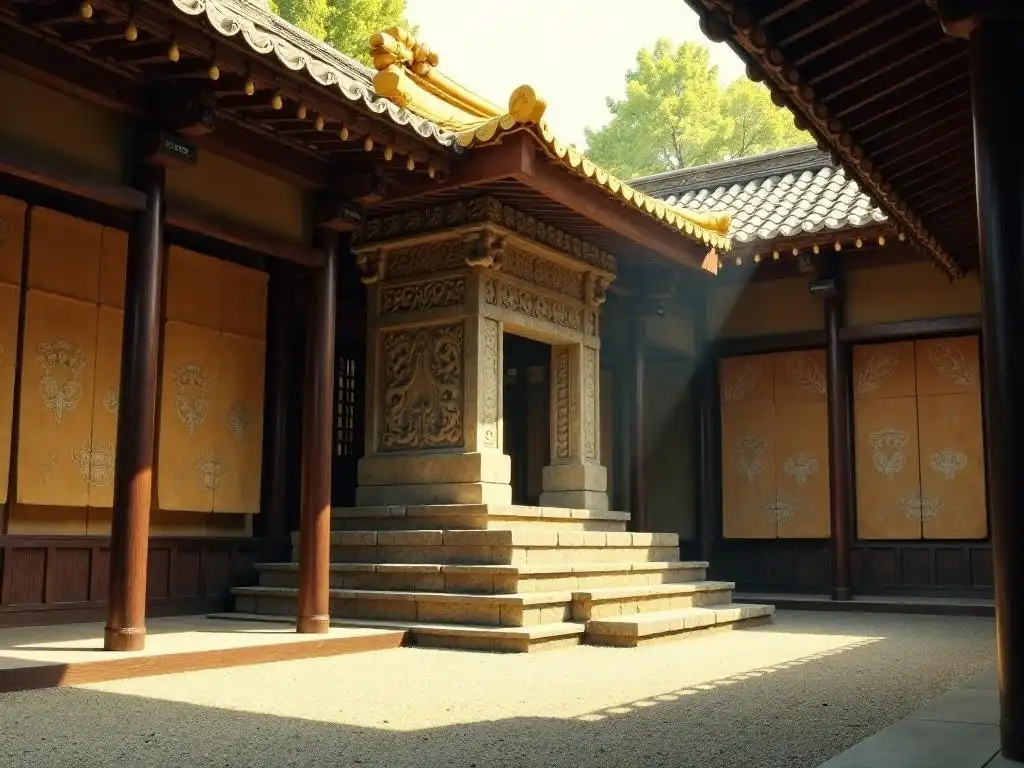
Zen Buddhism's Influence on Educational Practices
Zen Buddhism played a pivotal role in shaping educational practices during the feudal era in Japan, intertwining spiritual development with intellectual growth. This influence is evident in various educational institutions, such as temples and monastic schools, where Zen principles were integrated into the curriculum.
- Integration of Zen Philosophy:
- Meditation as a Learning Tool: Zen meditation, or zazen, became a foundational practice in educational settings. Students engaged in meditation to cultivate focus, discipline, and mindfulness, which were essential for mastering complex subjects such as poetry, calligraphy, and martial arts.
- Holistic Education: The Zen approach emphasized the development of both mind and body. Educational practices often included physical training alongside intellectual pursuits, reflecting the belief that mental clarity could enhance physical capabilities.
- Influence on Samurai Education:
- Warrior Scholars: Samurai were not only warriors but also scholars. Zen teachings fostered a sense of mental resilience and calmness in the face of adversity, qualities that were crucial for warriors. The integration of Zen into their education helped shape them into well-rounded individuals who valued both martial prowess and philosophical insight.
- Ethics and Morality: Zen Buddhism instilled a sense of ethics and morality in samurai education. The principles of compassion, respect, and self-discipline were emphasized, molding the samurai code of conduct known as bushido, which guided their actions both on and off the battlefield.
- Cultural Transmission:
- Literature and Arts: Zen influenced various forms of art and literature, which were integral to feudal education. Students were encouraged to express their understanding of Zen through poetry, painting, and tea ceremonies, leading to the development of distinct cultural practices that reflected Zen aesthetics.
Key Principles of Zen Meditation in Educational Settings
Zen meditation, or zazen, is characterized by several key principles that were instrumental in enhancing educational practices during feudal Japan. These principles not only fostered a conducive learning environment but also shaped the overall development of students.
- Mindfulness and Presence:
- Students practiced being fully present in the moment, which helped them absorb knowledge more effectively. This mindfulness practice allowed for a deeper engagement with their studies and promoted a greater understanding of the material.
- Discipline and Focus:
- The rigorous practice of meditation required students to develop discipline. This focus was essential not only in meditation but also in academic pursuits, as students learned to concentrate on their studies without distractions.
- Non-attachment and Acceptance:
- Zen teachings encouraged students to cultivate a sense of non-attachment to outcomes. This principle fostered resilience, allowing learners to approach challenges and failures with an open mind and a willingness to learn from experiences.
- Community and Collaboration:
- Zen practice often took place in communal settings, promoting a sense of camaraderie among students. This collaborative approach to learning helped students support each other in their educational journeys, reinforcing the idea that knowledge is best acquired in community.
- Experiential Learning:
- Zen education emphasized experiential learning, where students learned through direct experience rather than rote memorization. This hands-on approach was particularly effective in disciplines like martial arts and the arts, where practical application was crucial.
The integration of Zen meditation into feudal Japanese education significantly influenced the development of individuals during this era. By combining spiritual practices with academic pursuits, Zen Buddhism fostered a unique educational environment that valued personal growth, discipline, and a deep connection to both philosophy and culture.
Zen Meditation Techniques Practiced in Feudal Japan

Zazen: The Core Practice of Zen Meditation
Zazen, which translates to "seated meditation," is the quintessential practice of Zen meditation that played a pivotal role in the educational framework of feudal Japan. This technique involves sitting in a specific posture, focusing on the breath, and observing thoughts without attachment. Zazen is not merely a meditative exercise; it embodies the philosophy of Zen, emphasizing mindfulness, presence, and the cultivation of inner stillness.
The practice of Zazen typically involves the following components:
- Posture: Practitioners sit cross-legged, often in the lotus or half-lotus position. The spine is straight, hands are placed in the cosmic mudra (with palms facing up, one resting on the other), and the gaze is directed slightly downward.
- Breath Awareness: Attention is directed to the breath, usually focusing on the sensation of inhalation and exhalation. This focus helps to quiet the mind and anchor the practitioner in the present moment.
- Thought Observation: Instead of suppressing thoughts, practitioners learn to observe them as they arise and pass away. This non-attachment fosters a sense of clarity and detachment from the incessant flow of thoughts.
- Duration: Sessions can vary in length, but traditional practices often last from 30 minutes to several hours, depending on the temple or practitioner's commitment.
Zazen was instrumental in the education of samurai and monks, cultivating discipline, focus, and mental resilience. The samurai, in particular, found that regular practice of Zazen enhanced their concentration and decision-making abilities, critical skills in the tumultuous environment of feudal Japan.
Additional Zen Meditation Techniques and Their Uses
While Zazen forms the foundation of Zen meditation, several other techniques complemented this practice in feudal Japan, each serving distinct purposes in personal and communal education.
1. Kinhin: Walking Meditation
Kinhin, or walking meditation, is practiced between periods of Zazen. This technique involves slow, mindful walking, often in a circle. Key aspects include:
- Mindfulness in Motion: Practitioners focus on the sensations of walking, such as the contact of feet with the ground, promoting a deeper awareness of movement and presence.
- Integration with Zazen: Kinhin serves as a bridge, allowing practitioners to maintain a meditative state while transitioning from sitting to walking.
2. Shikantaza: Just Sitting
Shikantaza, or "just sitting," is a form of Zazen that emphasizes non-thinking. Unlike traditional Zazen, where breath focus is paramount, Shikantaza encourages practitioners to simply sit without any specific object of meditation. This method is vital for:
- Cultivating Presence: It fosters a deep sense of being in the moment, allowing thoughts and sensations to arise naturally without interference.
- Experiencing Emptiness: Practitioners learn to experience a state of emptiness and clarity, essential for Zen philosophy.
3. Koan Study
Koans are paradoxical anecdotes or riddles used in Zen practice to provoke deep thought and insight. Engaging with koans involves:
- Intensive Inquiry: Practitioners meditate on a koan, often leading to profound realizations about the nature of reality and self.
- Breaking Conventional Thinking: The nonsensical nature of koans challenges logical reasoning, encouraging a shift toward intuitive understanding.
4. Chanting and Sutra Recitation
Chanting Buddhist texts and sutras was another integral aspect of Zen practice. This technique served multiple purposes:
- Community Building: Group chanting fosters a sense of unity and shared purpose among practitioners.
- Mental Focus: The rhythmic repetition of chants aids in concentration and brings tranquility to the mind.
While Zazen remains the cornerstone of Zen meditation in feudal Japan, complementary techniques such as Kinhin, Shikantaza, koan study, and chanting enriched the meditative experience and supported the educational goals of Zen Buddhism. Together, these practices not only shaped the spiritual lives of individuals but also influenced the broader cultural and societal framework of feudal Japan, fostering a deep connection between education and spiritual development.
The Integration of Zen Meditation into Samurai Training

During the feudal era in Japan, the integration of Zen meditation into samurai training was a pivotal aspect of developing both the mental and physical capabilities of warriors. This practice was not merely a form of relaxation or spiritual contemplation; it was a rigorous discipline that complemented the samurai's martial training. Zen meditation, or "zazen," became a fundamental component of the samurai lifestyle, shaping their approach to combat, decision-making, and even their understanding of life and death.
The samurai were expected to embody a sense of unwavering focus and clarity, qualities that were deeply nurtured through Zen practices. By cultivating mindfulness and presence through meditation, samurai warriors learned to maintain composure in the face of danger and uncertainty. This was essential in the heat of battle, where split-second decisions could mean the difference between life and death.
Moreover, the practice of Zen meditation fostered a deep sense of discipline. Samurai engaged in daily meditation sessions that required them to sit in silence, focusing on their breath and thoughts. This discipline extended beyond the dojo, influencing their behavior in everyday life, promoting virtues such as patience, humility, and self-control.
The Samurai Code and Zen Philosophy
The samurai code, known as "Bushido," is deeply intertwined with Zen philosophy, influencing the ethical and moral framework of these warriors. Bushido emphasized virtues like loyalty, honor, and courage, all of which were reinforced through Zen meditation practices. The meditative discipline allowed samurai to reflect on their actions and align them with these virtues, cultivating a sense of integrity that was paramount to their identity.
Zen philosophy introduced the concept of "emptiness" (śūnyatā), which encouraged samurai to detach from material concerns and embrace a mindset of flexibility and adaptability. This philosophical foundation helped warriors develop resilience, enabling them to face the unpredictability of feudal conflicts with a calm and balanced approach.
Furthermore, Zen teachings stressed the importance of living in the present moment, a principle that resonated deeply with samurai warriors. The ability to focus entirely on the present allowed them to perform their duties with unwavering attention, whether in training or on the battlefield. This merging of Zen philosophy with the samurai code elevated their training to a holistic approach, encompassing both physical prowess and mental fortitude.
Benefits of Zen Meditation for Samurai Warriors
The benefits of Zen meditation for samurai warriors extended far beyond mere mental clarity. Below are some key advantages that this practice offered:
- Enhanced Focus and Concentration: Regular meditation practice sharpened the samurai's ability to concentrate, a crucial skill during combat scenarios where distractions could be lethal.
- Reduced Stress and Anxiety: The meditative process provided a means to manage stress and anxiety, promoting mental stability amid the chaos of battles and political intrigue.
- Improved Decision-Making: With a clearer mind, samurai could analyze situations more effectively, leading to better strategic decisions on the battlefield.
- Emotional Regulation: Zen meditation encouraged emotional control, helping samurai manage fear, anger, and frustration, which were vital for maintaining composure during conflicts.
- Spiritual Growth: Engaging in Zen practices allowed samurai to explore deeper spiritual questions, fostering a sense of purpose and connection to their role as warriors.
The role of Zen meditation in feudal Japan was instrumental in shaping the samurai ethos. By integrating meditation into their training, samurai not only honed their martial skills but also cultivated a profound understanding of themselves and their place in the world. The lasting influence of these practices can still be felt in various aspects of Japanese culture today, reflecting the enduring legacy of Zen Buddhism in shaping the samurai spirit.
Zen Meditation's Impact on Art and Culture in Feudal Japan
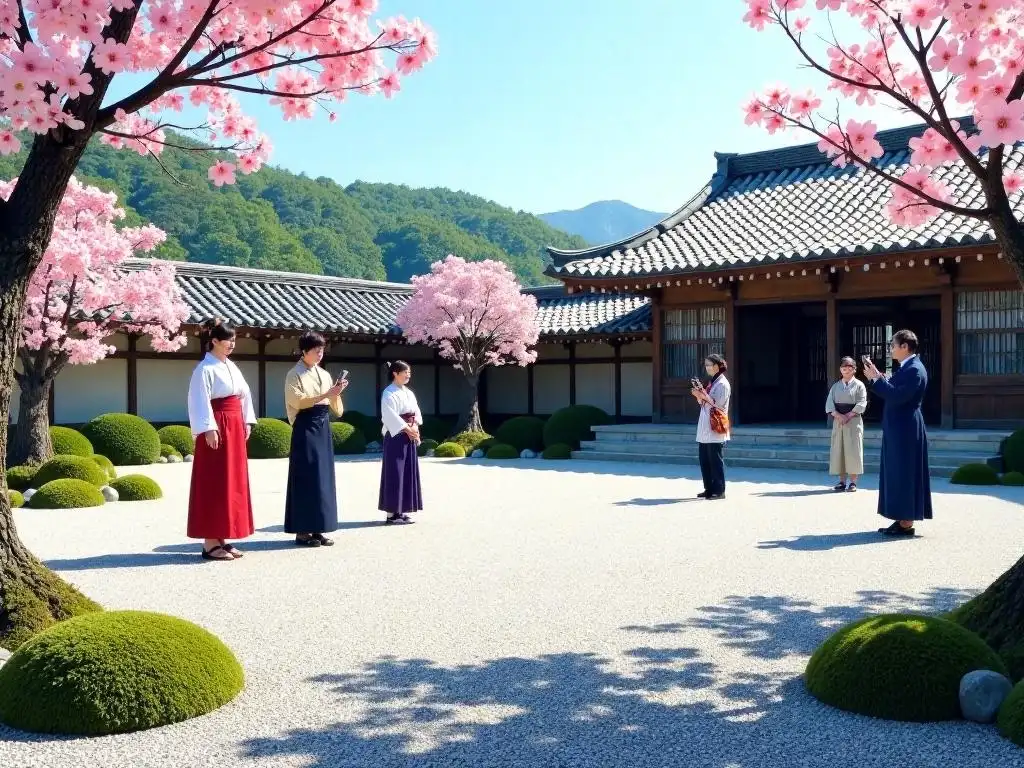
Zen Aesthetics: Reflection in Art and Architecture
Zen meditation significantly influenced the aesthetics of art and architecture during the feudal period in Japan. This influence can be seen in various aspects, from the simplicity and naturalness embodied in Zen gardens to the tranquil designs of temples and tea houses.
- Simplicity and Minimalism: Zen principles emphasize simplicity, which became a hallmark of Japanese aesthetics. This is particularly evident in the Wabi-Sabi philosophy, which appreciates the beauty of imperfection and transience. Artists and architects focused on creating spaces that fostered meditation, retreat, and contemplation, often using natural materials like wood and stone.
- Zen Gardens: These meticulously designed landscapes reflect the essence of Zen meditation. They are characterized by:
- Raked gravel symbolizing water
- Boulders representing islands or mountains
- Plants carefully chosen for their seasonal changes
- The design invites the viewer to meditate and reflects the Zen belief in the interconnectedness of nature and self.
- Tea Houses: The Chashitsu, or tea house, is another architectural manifestation of Zen principles. These spaces are designed for the tea ceremony, which is itself a meditative practice. Key features include:
- Low entrances that encourage humility
- Natural lighting and simple decor
- A layout that promotes tranquility and mindfulness.
Through these artistic expressions, Zen meditation not only shaped the physical landscape of feudal Japan but also provided a framework for understanding beauty and existence.
Literature and Zen: The Influence on Poetic Forms
The impact of Zen meditation extends deeply into the literary domain of feudal Japan, influencing poetic forms and literary expressions. The essence of Zen—mindfulness, awareness, and simplicity—resonated with poets and writers, leading to the emergence of distinct styles and themes.
-
Haiku: This short poetic form, characterized by its 5-7-5 syllable structure, embodies Zen principles through its focus on nature and the present moment. Haiku often captures fleeting moments, urging readers to appreciate the beauty in simplicity and transience. For instance:
An old silent pond...
A frog jumps into the pond—
Splash! Silence again.
— Matsuo Bashō -
Nō Drama: Zen's influence is also evident in Nō theater, where the integration of movement, minimal dialogue, and an emphasis on the present moment reflects Zen meditative practices. The slow, deliberate pacing of Nō performances allows audiences to engage in a meditative experience, leading to deeper reflections on life, death, and nature.
-
Zen Prose: Writers like Dōgen, the founder of the Sōtō school of Zen, produced works that explore the relationship between Zen practice and daily life. His texts, such as "Shōbōgenzō," emphasize the importance of mindfulness in every action, promoting a literary style that mirrors the clarity and directness of Zen meditation.
The intertwining of Zen principles with literature during the feudal era fosters a rich cultural tapestry, encouraging individuals to find deeper meanings in their experiences and creative expressions.
The Legacy of Zen Meditation Practices in Modern Japan

Zen meditation has left an indelible mark on contemporary Japanese society, reflecting a continuity of traditions that trace back to feudal Japan. This practice, which emphasizes mindfulness, simplicity, and direct engagement with the present moment, remains a cornerstone of various aspects of modern Japanese life, from personal well-being to artistic expression.
Continuing the Tradition: Zen Meditation Today
In modern Japan, Zen meditation, known as zazen, continues to flourish in various forms. Many individuals seek to incorporate these practices into their daily routines, recognizing the mental clarity and emotional stability they can provide. Here are some prevalent ways in which Zen meditation is practiced today:
- Zen Centers and Temples: Throughout Japan, numerous Zen temples open their doors to practitioners and novices alike. These centers offer structured programs that include not only meditation sessions but also teachings on Zen philosophy and rituals.
- Mindfulness in Daily Life: Many Japanese people integrate principles of Zen into their everyday activities, such as tea ceremonies, calligraphy, and even gardening. This practice encourages a mindful approach, fostering a deeper appreciation for simplicity and beauty.
- Corporate Mindfulness Programs: In recent years, the corporate world has embraced mindfulness training, often drawing inspiration from Zen practices. Companies implement meditation sessions to enhance employee well-being, reduce stress, and boost productivity.
- Mental Health and Well-Being: The therapeutic benefits of Zen meditation have garnered attention in the field of mental health. As stress levels rise in fast-paced urban environments, individuals increasingly seek refuge in meditation to cultivate inner peace and resilience.
The Enduring Influence of Feudal Japan's Zen Practices
The influence of feudal Japan's Zen practices is deeply embedded in various cultural and societal facets. This legacy extends beyond mere meditation, impacting arts, philosophy, and social conduct. Here are some key areas where this influence is evident:
- Artistic Expression: Zen principles have significantly shaped traditional Japanese arts, including painting, poetry, and ceramics. The aesthetics of simplicity and the notion of wabi-sabi—embracing imperfection—originated from Zen philosophies and continue to inspire artists today.
- Educational Systems: The educational frameworks established during feudal Japan incorporated Zen teachings, emphasizing discipline, introspection, and moral development. These values resonate in contemporary education, where the cultivation of character and mindfulness is increasingly recognized as essential.
- Cultural Festivals and Rituals: Many Japanese cultural festivals and rituals incorporate Zen elements, showcasing the practices' enduring relevance. Events such as hanami (cherry blossom viewing) and obon (a festival honoring ancestors) often reflect the meditative appreciation of nature central to Zen teachings.
- Interpersonal Relations: The Zen approach to relationships—emphasizing compassion, respect, and presence—continues to influence Japanese social interactions. This philosophy encourages individuals to engage thoughtfully and authentically with others, fostering a sense of community and harmony.
The legacy of Zen meditation practices from feudal Japan is not only preserved but also adapted to fit modern contexts. The enduring influence of these practices can be observed across various aspects of Japanese culture, emphasizing mindfulness, aesthetic appreciation, and personal growth. As society continues to evolve, the foundational principles of Zen meditation remain a vital part of Japan's cultural heritage.
Conclusion: The Lasting Impact of Zen Meditation on Feudal Japanese Education
Zen meditation, or zazen, played a pivotal role in shaping the educational landscape of feudal Japan. Its integration into the educational practices of the time not only influenced the spiritual development of individuals but also extended to the broader societal framework. The principles of Zen, emphasizing mindfulness, concentration, and simplicity, were instrumental in cultivating a disciplined mindset among students and educators alike.
One of the most significant impacts of Zen meditation in feudal Japan was its ability to foster critical thinking and self-reflection. Unlike traditional rote learning, which dominated the educational sphere, Zen encouraged students to engage deeply with their thoughts and surroundings. This approach nurtured a generation of thinkers, artists, and leaders who were capable of innovative and independent thought, thereby enriching Japanese culture and society.
Furthermore, the emphasis on meditation within educational institutions aligned with the samurai code of conduct, or bushido. Samurai warriors often practiced Zen to develop mental clarity and focus, essential qualities for their martial discipline. This connection reinforced the integration of Zen practices into various educational settings, from monastic schools to the training of samurai, establishing a holistic approach to learning that intertwined physical, mental, and spiritual development.
Summary of Key Insights on Zen Meditation in Feudal Japan
- Integration into Education: Zen meditation was incorporated into various educational systems, from monastic teachings to samurai training, promoting mental discipline and focus.
- Critical Thinking and Self-Reflection: The practice encouraged students to go beyond memorization, fostering an environment where independent thought and creativity flourished.
- Connection to Samurai Culture: Zen meditation complemented the values of bushido, enhancing the samurai's mental fortitude and ethical conduct, which became essential in their training.
- Cultural Enrichment: The influence of Zen on education contributed significantly to the development of arts, literature, and philosophy during the feudal era, leaving a lasting legacy on Japanese culture.
By synthesizing these insights, it's clear that Zen meditation significantly shaped the educational practices of feudal Japan, creating a framework that valued both intellectual and spiritual growth.
Future Research Directions in Zen Buddhism's Educational Role
As the study of Zen Buddhism's influence on feudal Japan continues to evolve, several promising areas for future research emerge:
- Comparative Studies: Examining the differences in Zen meditation practices across various schools and how these variations affected educational outcomes could provide deeper insights into its role in society.
- Impact on Women’s Education: Investigating the lesser-known aspects of how Zen teachings influenced women's education during the feudal era could uncover important narratives about gender and spirituality.
- Zen and the Arts: Exploring the relationship between Zen meditation and artistic expression in feudal Japan, including painting, poetry, and tea ceremonies, can reveal the multifaceted impact of Zen on culture.
- Contemporary Applications: Assessing how ancient Zen educational practices can inform modern educational methodologies, especially in the context of mental health and mindfulness in today's fast-paced society.
- Longitudinal Studies: Conducting longitudinal studies to trace the evolution of Zen-based educational practices over time, particularly in relation to significant historical events, can highlight the adaptability of these teachings.
By focusing on these areas, researchers can further unravel the profound and lasting impact of Zen meditation on the educational frameworks of feudal Japan, enhancing our understanding of its cultural significance and relevance today.
Frequently Asked Questions
What is the significance of zen meditation in feudal Japan?
Zen meditation played a crucial role in feudal Japan, focusing on fostering mindfulness and discipline among samurai and scholars, shaping their education and moral values.
How did zen meditation influence the education system during the feudal era?
During the feudal era, zen meditation was integrated into the education system, emphasizing mental clarity, concentration, and the development of inner peace, which were vital for samurai and monks.
What techniques were commonly used in zen meditation during the feudal period?
Common techniques included zazen (sitting meditation), koan study, and breathing exercises, all aimed at achieving a deeper understanding of self and existence.
Were there specific schools or traditions of zen meditation in feudal Japan?
Yes, notable schools such as Rinzai and Soto emerged during the feudal era, each with distinct practices and teachings, contributing to the diversity of zen meditation.
How did zen meditation affect the societal structure in feudal Japan?
Zen meditation influenced the societal structure by promoting self-discipline, ethical behavior, and a sense of community among the warrior class, ultimately impacting the broader cultural landscape of Japan.
Final Reflection: The Enduring Legacy of Zen Meditation in Feudal Japan
Zen meditation practices were not merely a means of spiritual enlightenment; they served as a cornerstone of education in feudal Japan, shaping the minds and characters of samurai and scholars alike. Today, as we navigate a world filled with distractions and stress, the principles of Zen meditation resonate more than ever, offering a pathway to mindfulness and clarity. The historical significance of these practices reminds us that the quest for inner peace is timeless and universally relevant.
The influence of Zen meditation on the cultural and social fabric of feudal Japan cannot be overstated. Its teachings fostered discipline, focus, and resilience, qualities that were essential for both warriors and intellectuals of the time. Even now, the echoes of these practices can be felt in modern education and personal development, where mindfulness and meditation are increasingly recognized as vital tools for success. The mind is everything. What you think you become.
– Buddha. This quote encapsulates the transformative power of meditation, illustrating how our thoughts shape our realities, a lesson that remains pertinent today.
As you reflect on the teachings of Zen meditation and their historical context, consider how you might incorporate these practices into your own life. Embrace the opportunity to cultivate mindfulness, discipline, and tranquility in your daily routine. Whether through formal meditation or simply taking moments to breathe and center yourself, remember that the journey towards inner peace is a personal one, yet it connects us all to a rich tradition that has stood the test of time. Let the wisdom of feudal Japan inspire you to create a more balanced and harmonious existence.
Embrace the Power of Zen: Transform Your Mind Today!
Thank you for exploring the fascinating world of Zen meditation and its profound impact on education throughout history! We hope you found valuable insights that inspire you to delve deeper into this enriching practice. Now, it’s time to put this knowledge into action and embrace the transformative power of Zen in your daily life.
Here are some actionable steps you can take right now:
- Start a Daily Meditation Practice: Dedicate just 10 minutes each day to sit in silence and focus on your breath. Notice how this simple act can bring clarity and peace to your mind.
- Join a Local Zen Group: Seek out meditation classes or community groups in your area to explore Zen practices with others. This will deepen your understanding and help you create meaningful connections.
- Read a Zen Text: Consider picking up a classic Zen book, such as The Three Pillars of Zen, to gain a deeper understanding of the philosophy and principles that have influenced education over the centuries.
What insights or changes do you think adopting a Zen practice could bring to your life? Let's discuss in the comments!