
Spotlight on Legendary Playwrights of the Feudal Era: Their Impact on Theater Today

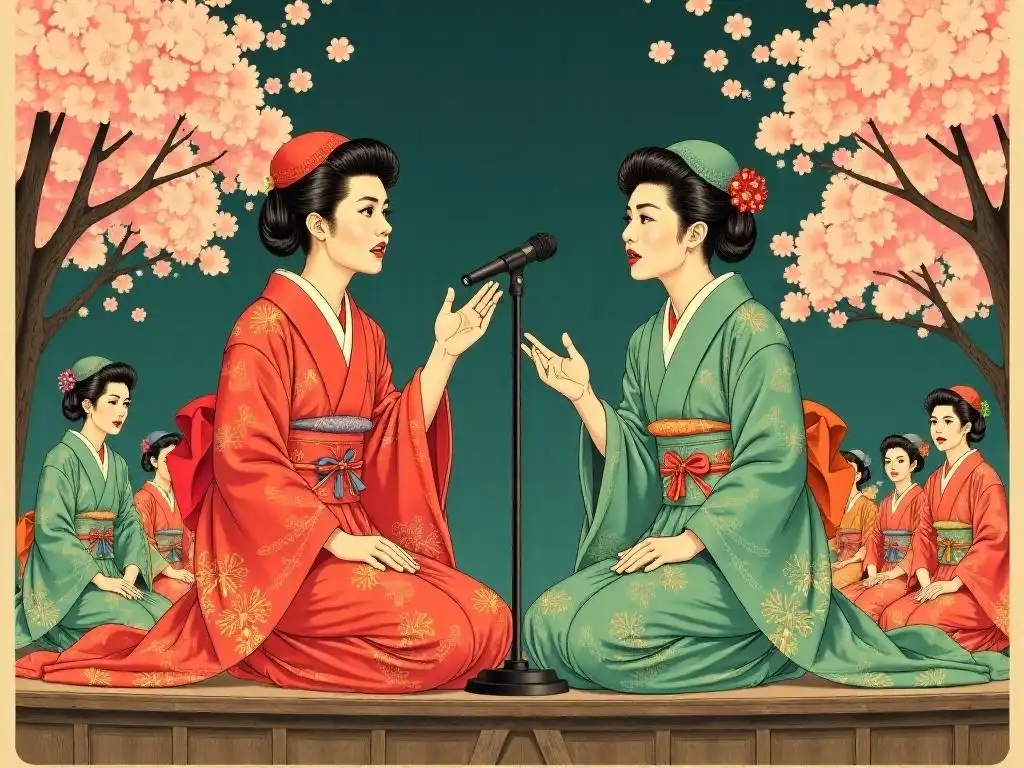
Welcome to Feudal Japan History! Immerse yourself in the captivating world of the feudal era, where artistry flourished and legendary playwrights shaped the foundations of Japanese theater. In our latest article, "Spotlight on Legendary Playwrights of the Feudal Era: Their Impact on Theater Today," we delve into the lives and legacies of these extraordinary figures, revealing how their innovative works continue to resonate in contemporary performance. Prepare to uncover the rich tapestry of cultural history that defines this fascinating period—your journey into the heart of feudal Japan begins now!
- Introduction to Feudal Era Japanese Playwrights
- Key Feudal Era Japanese Playwrights
- The Evolution of Japanese Theater During the Feudal Era
- Impact of Feudal Era Japanese Playwrights on Modern Theater
- Conclusion: The Lasting Legacy of Feudal Era Japanese Playwrights
- Further Reading and Resources
-
Frequently Asked Questions
- What were the key characteristics of feudal era Japanese theater?
- Who were some legendary playwrights of the feudal era?
- How did feudal era playwrights impact modern theater?
- What themes were prevalent in feudal era plays?
- Is there a connection between feudal Japanese theater and today’s performances?
- Final Reflection: The Enduring Legacy of Feudal Era Japanese Playwrights
- Celebrate and Carry Forward the Legacy of Feudal Playwrights!
Introduction to Feudal Era Japanese Playwrights
The feudal era of Japan, spanning from the late 12th century to the early 17th century, was a time of profound transformation and cultural richness. This period, characterized by the rise of the samurai class and the establishment of military governance, laid the groundwork for significant developments in various realms, including the arts and theater.
Among the most influential figures during this time were the playwrights, whose creative works not only entertained audiences but also reflected the complex social structures and cultural values of their era. In this article, we will delve into the lives and legacies of these legendary feudal era Japanese playwrights, examining their contributions to theater and their enduring impact on the performing arts today.
Overview of the Feudal Era in Japan
The feudal era in Japan, often referred to as the "Sengoku" period (1467-1603), was marked by political fragmentation, social upheaval, and the emergence of distinct cultural forms. This era saw the establishment of powerful feudal lords, known as daimyōs, and the rise of the samurai warrior class, which played a crucial role in shaping the cultural landscape of Japan.
- Key Features of the Feudal Era:
- Political power was decentralized, with regional lords wielding significant influence.
- Social hierarchies were strict, with the samurai at the top, followed by peasants, artisans, and merchants.
- Cultural exchanges flourished, leading to the development of unique art forms, including theater.
The interplay of these factors fostered a vibrant theatrical scene, where storytelling became a means of both entertainment and social commentary. Notably, Noh and Kabuki emerged as major theatrical forms during this time, each reflecting different aspects of Japanese culture and society.
Importance of Playwrights in Japanese Theater History
Playwrights of the feudal era were not merely creators of scripts; they were pivotal in shaping the very fabric of Japanese theater. Their works often served as a mirror to society, exploring themes of love, honor, and the human condition.
- Key Contributions of Feudal Era Playwrights:
- Cultural Reflection: Their plays encapsulated the values and struggles of the time, providing insight into the lives of the samurai and common folk.
- Artistic Innovation: Playwrights experimented with narrative structures, character development, and visual storytelling, influencing the aesthetics of Japanese theater.
- Legacy: The themes and styles they introduced continue to resonate in modern Japanese theater, making their contributions timeless.
The feudal era Japanese playwrights played an essential role in the evolution of theater, laying the foundation for contemporary performance arts in Japan. Their legacy not only enriches our understanding of historical cultural practices but also continues to inspire today's artists and audiences alike.
Key Feudal Era Japanese Playwrights
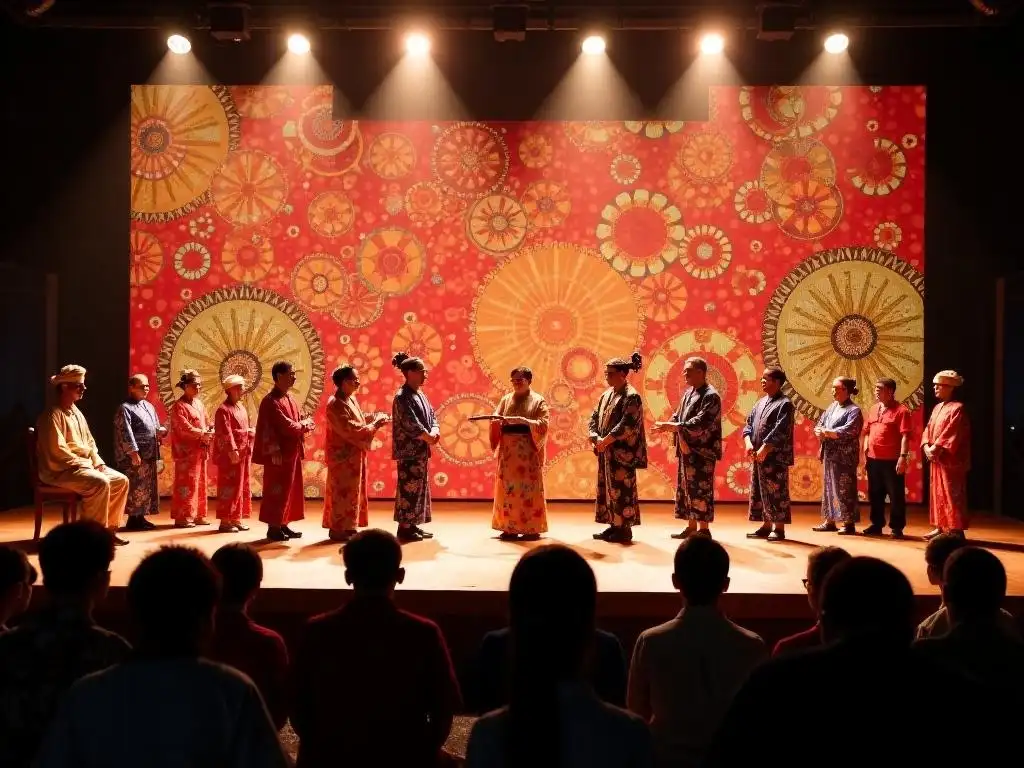
The feudal era in Japan, spanning from the late 12th century to the 19th century, was marked by a rich tapestry of cultural development, particularly in the realm of theater. This period saw the emergence of playwrights whose works not only shaped the theatrical landscape of their time but also laid the groundwork for contemporary Japanese theater. Let's delve into some of the most influential feudal era Japanese playwrights who have left an indelible mark on the arts.
Notable Figures in Traditional Japanese Theater
The feudal era gave rise to several prominent playwrights whose contributions continue to resonate in modern theater. Below are three key figures whose legacies are essential to understanding the evolution of traditional Japanese performance arts.
Playwright 1: Zeami Motokiyo
Zeami Motokiyo (1363-1443) is widely regarded as one of the most significant figures in the development of Noh theater. Born into a family of performers, Zeami's early exposure to the stage paved the way for his profound contributions to this art form.
- Innovative Techniques: Zeami introduced the concept of yugen, which refers to a profound grace and subtlety in performance. This aesthetic principle would become a cornerstone of Noh theater.
- Theoretical Works: His treatises, such as Fushikaden, detail the philosophy behind Noh and serve as essential texts for understanding the nuances of performance, character development, and the role of the actor.
- Influence on Noh: Zeami's work elevated Noh from mere entertainment to a sophisticated form of art that explored deep philosophical themes, thus influencing generations of performers and playwrights.
Playwright 2: Chikamatsu Monzaemon
Chikamatsu Monzaemon (1653-1725) is often hailed as the "Shakespeare of Japan" for his remarkable ability to blend tragedy and realism in his plays. His works primarily contributed to the Bunraku (puppet theater) and Kabuki traditions.
- Cultural Themes: Chikamatsu's plays often explored the struggles of the common people, highlighting themes of love, loyalty, and betrayal, which resonate deeply with audiences even today.
- Notable Works: His most famous plays include The Love Suicides at Sonezaki and The Battles of Coxinga, which showcase his talent for crafting compelling narratives and complex characters.
- Legacy: Chikamatsu's ability to portray human emotions and social issues laid the foundation for modern Japanese drama, influencing not only theater but also literature and film.
Playwright 3: Takeda Izumo
Takeda Izumo (circa 1670-1750) was instrumental in the development of the Kabuki theater, known for its dynamic performances and elaborate staging. His contributions helped solidify Kabuki as a respected form of artistic expression.
- Collaboration: Takeda often collaborated with other playwrights and actors, enriching the Kabuki repertoire with diverse narratives and styles.
- Innovative Plots: His plays frequently featured historical events and folklore, integrating elements of spectacle and drama that captivated audiences.
- Cultural Impact: Takeda's works not only entertained but also provided commentary on the societal issues of his time, reflecting the complexities of feudal life in Japan.
The contributions of these feudal era Japanese playwrights underscore the richness of traditional Japanese theater. Their innovative techniques and the themes they explored continue to influence contemporary performances, ensuring that their legacies endure in the cultural fabric of Japan.
The Evolution of Japanese Theater During the Feudal Era
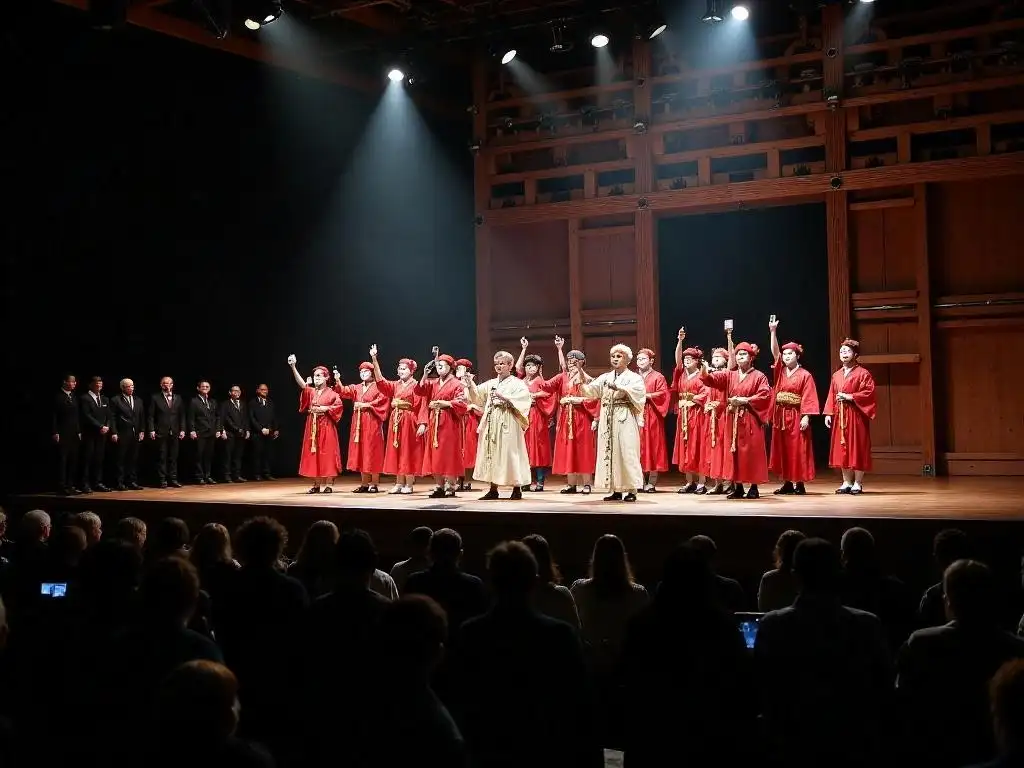
Japanese theater underwent significant transformation during the feudal era, a period marked by the rise of distinct theatrical forms and the emergence of influential playwrights. This evolution was deeply intertwined with the socio-political landscape of the time, as the ruling samurai class sought to assert its cultural identity while entertaining the masses.
The feudal era, spanning from the late 12th century to the early 19th century, saw the development of various theatrical styles, each reflecting the changing tastes and values of society. This period can be divided into three main theatrical forms: Noh, Kabuki, and Bunraku. Each form not only showcased unique performance styles and aesthetic principles but also served as a vehicle for the expression of contemporary issues, emotions, and cultural narratives.
Theatrical Forms: Noh, Kabuki, and Bunraku
- Noh Theater:
- Originating in the 14th century, Noh is characterized by its slow, stylized movements and minimalistic staging. The performances often draw from historical tales, folklore, and classical literature, emphasizing themes of spirituality and the transience of life.
- The use of masks is a defining feature, allowing actors to convey complex emotions through subtle physical expression. Noh plays are typically performed in a serene atmosphere with a focus on poetic language and musical accompaniment.
- Kabuki Theater:
- Emerging in the early 17th century, Kabuki is known for its vibrant costumes, dynamic performances, and elaborate makeup. Unlike Noh, Kabuki is more accessible to the general populace and incorporates popular stories, often revolving around love, betrayal, and heroism.
- The performances are marked by exaggerated movements and dramatic expressions, with an emphasis on spectacle. Kabuki actors are often male, even in female roles, and the art form has evolved to include innovative staging techniques and multimedia elements.
- Bunraku Theater:
- Bunraku, or puppet theater, gained prominence in the late 17th century and is renowned for its intricate puppetry and storytelling. Each puppet is operated by multiple puppeteers, creating lifelike movements and expressions.
- The narratives typically explore the complexities of human relationships, often steeped in tragedy and moral dilemmas. Bunraku performances are accompanied by live narration and musical ensembles, adding layers of emotional depth to the storytelling.
Role of Playwrights in Shaping These Forms
Playwrights played a pivotal role in the development and refinement of the feudal era's theatrical forms. They were not only creators of scripts but also cultural commentators, shaping public discourse through their works.
- Key Figures:
- Zeami Motokiyo: A seminal figure in Noh theater, Zeami's writings on performance theory and aesthetics established the foundation for future Noh plays. His emphasis on the concept of "yugen" (the profound grace and subtle beauty) revolutionized the genre.
- Chikamatsu Monzaemon: Often regarded as the father of Bunraku and a master of Kabuki, Chikamatsu's plays highlighted the struggles of ordinary people, bridging the gap between elite and popular culture. His narratives explored themes of love and sacrifice, resonating deeply with audiences.
- Influence on Performance:
- The works of these playwrights not only defined the themes and styles of their respective genres but also influenced the training and techniques of actors. Their writings provided insights into character development, emotional expression, and the use of language, ensuring that performances were not only entertaining but also intellectually engaging.
Cultural Reflections in the Plays of the Feudal Era
The plays written during the feudal era serve as a mirror reflecting the cultural, social, and political landscape of Japan at the time. They provide invaluable insights into the values, beliefs, and challenges faced by society.
- Themes of Loyalty and Honor:
- Many plays, especially in the Noh and Kabuki genres, revolve around the themes of loyalty (忠義) and honor (名誉). The samurai code of conduct, known as Bushido, significantly influenced the storytelling, often portraying characters who grappled with their obligations to family, lord, and society.
- Exploration of Gender Roles:
- The portrayal of gender in feudal era plays offers a nuanced perspective on societal norms. Kabuki, in particular, presented complex female characters, often highlighting their struggles within a patriarchal framework. This representation has prompted discussions on gender dynamics and the evolution of women's roles in Japanese culture.
- Spiritual and Supernatural Elements:
- Spirituality permeated the narratives of Noh and Bunraku, reflecting the Shinto and Buddhist beliefs prevalent at the time. Supernatural beings, such as gods and spirits, often played crucial roles in the narratives, symbolizing the connection between the physical and spiritual realms.
The feudal era Japanese playwrights not only shaped the theatrical landscape of their time but also left a lasting legacy that continues to influence contemporary theater. Their works encapsulate the complexities of human experience, providing audiences with timeless narratives that resonate across generations.
Impact of Feudal Era Japanese Playwrights on Modern Theater
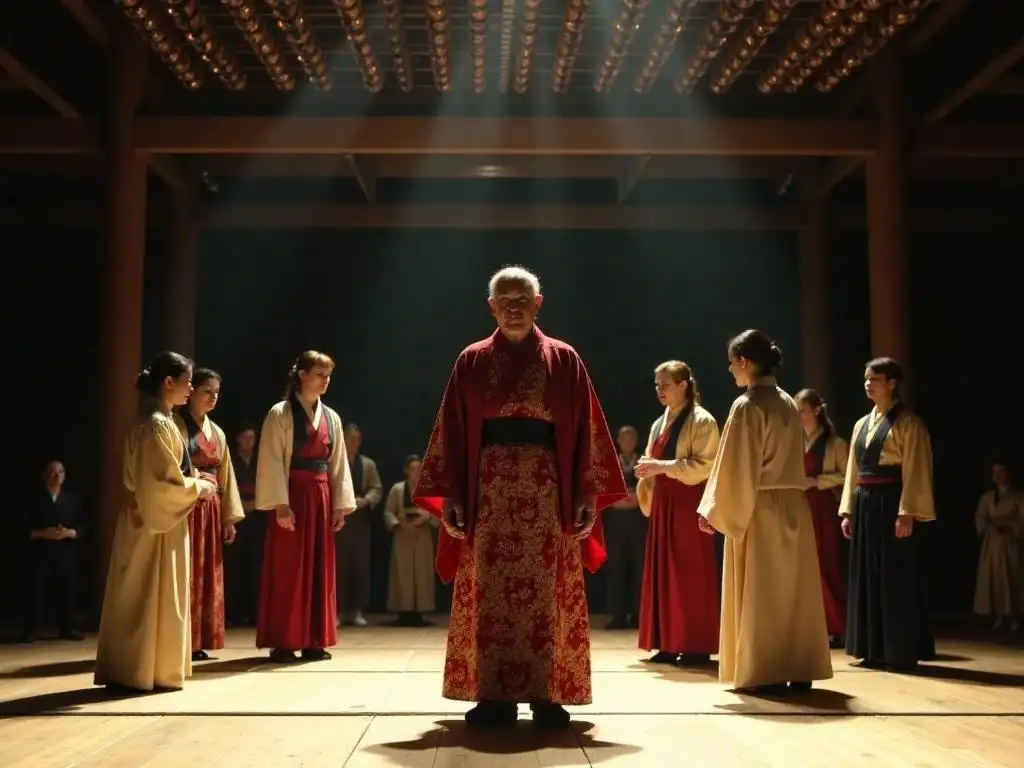
The influence of feudal era Japanese playwrights on modern theater is profound, shaping not only the aesthetics and thematic elements of contemporary works but also contributing to the global landscape of performance arts. This impact is primarily observed through the continuity of themes, styles, and techniques that have transcended time.
Continuation of Themes and Styles in Contemporary Works
Feudal era Japanese playwrights, such as Kan'ami and Zeami, established thematic elements that resonate deeply in today's theatrical productions. Key themes like honor, betrayal, and the supernatural continue to be prevalent in modern storytelling.
- Honor and Loyalty: The concepts of bushido, or the way of the warrior, deeply influenced feudal narratives and are still echoed in contemporary works. Films and plays frequently explore the moral dilemmas faced by characters navigating issues of loyalty and honor.
- The Supernatural: Ghosts and spirits, integral to the Noh and Kabuki theater traditions, are frequently utilized in modern plays and films, reflecting a cultural fascination with the afterlife that can be traced back to these earlier works.
Moreover, the stylistic elements introduced by these playwrights, such as poetic dialogue and stylized movements, have found their way into contemporary theater. The use of minimalistic staging and symbolic gestures in modern performances often hark back to the aesthetic principles established during the feudal era.
Comparison of Traditional and Modern Playwriting Techniques
The techniques employed by feudal era Japanese playwrights contrast with modern playwriting but also share certain continuities.
- Structure: Traditional Japanese plays often follow a cyclical structure, focusing on the emotional journey of characters rather than linear plots. In contrast, while modern plays may favor more complex narratives, many still incorporate non-linear storytelling and emotional arcs reminiscent of their feudal predecessors.
- Character Development: Feudal playwrights emphasized archetypal characters, such as the tragic hero or the wise mentor. Modern playwrights continue to draw upon these archetypes, often reinterpreting them in a contemporary context. The complexity of characters in modern plays can be seen as an evolution of the foundational archetypes established during the feudal era.
- Performance Styles: The highly stylized performances of Noh and Kabuki have influenced modern acting techniques, encouraging actors to explore physicality and expressiveness. The practice of integrating movement and dance into narrative forms continues to inspire contemporary theater artists.
Influence on Global Theater Practices
The legacy of feudal era Japanese playwrights extends beyond Japan, influencing global theater practices significantly.
- Cultural Exchange: The introduction of Noh and Kabuki theater to Western audiences, particularly during the late 19th and early 20th centuries, catalyzed a shift in how theater was perceived and performed. Playwrights like Bertolt Brecht and Tennessee Williams incorporated elements from these traditions, experimenting with form and breaking conventional narrative structures.
- Theater Festivals and International Collaborations: Modern theater festivals often feature adaptations of traditional Japanese plays, showcasing their relevance in today’s context. Collaborations between Japanese and Western theater companies enable a fusion of techniques, enriching the global theatrical narrative.
By examining the influence of feudal era Japanese playwrights, we uncover a rich tapestry of themes, techniques, and cultural exchanges that continue to inform and inspire contemporary theater. The legacy of these playwrights is not just a chapter in history; it is a living influence that shapes the art of performance today.
Conclusion: The Lasting Legacy of Feudal Era Japanese Playwrights
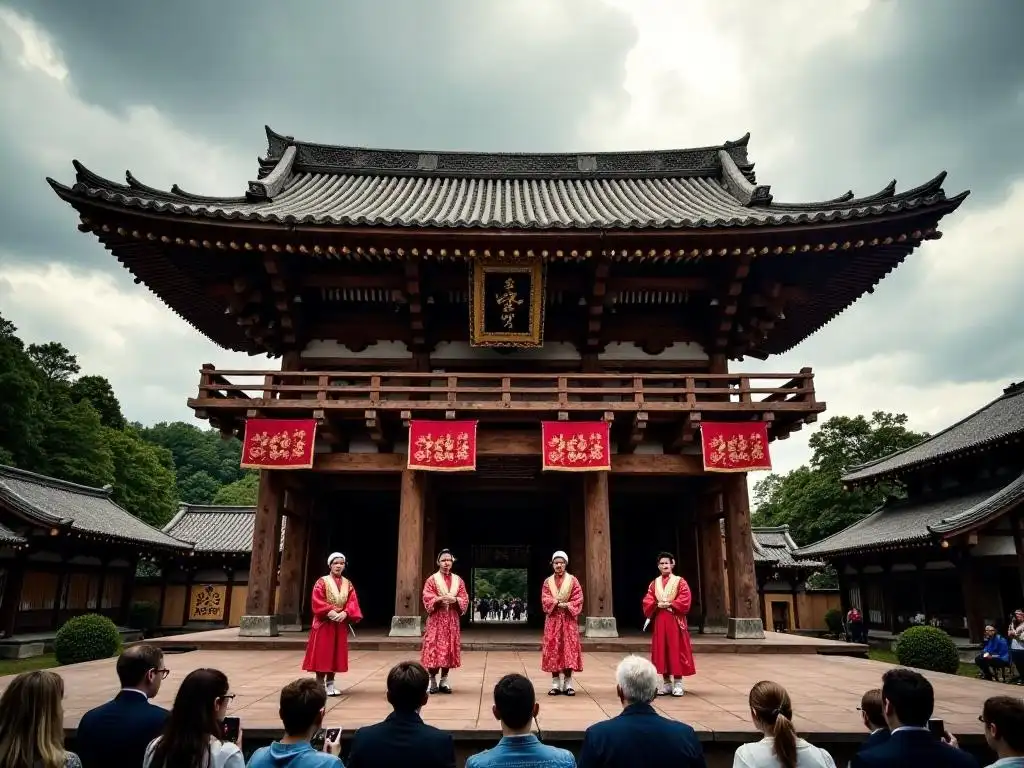
Summary of Their Contributions to Cultural Heritage
Feudal era Japanese playwrights played a pivotal role in shaping the cultural landscape of Japan, profoundly influencing the development of traditional theater forms such as Noh, Kabuki, and Bunraku. These playwrights, including notable figures like Zeami Motokiyo and Chikamatsu Monzaemon, contributed not only to the artistic techniques of theater but also to the thematic depth that continues to resonate in contemporary performance art.
- Noh Theater:
- Developed by playwrights like Zeami, Noh is characterized by its minimalist aesthetics, where the interplay of slow movements, masks, and poetic language creates a profound emotional impact. Zeami's treatises, particularly Fūshi kaden, outline the principles of Noh, emphasizing the importance of performance and the spiritual connection between the actor and the audience.
- Impact: The focus on the internal experience and the subtleties of emotion in Noh has influenced many modern theatrical forms, encouraging a deeper exploration of character psychology.
- Kabuki Theater:
- Emerging in the late 16th century, Kabuki was distinguished by its vibrant performances and elaborate staging. Playwrights such as Kawatake Mokuami pushed the boundaries of storytelling, integrating social commentary with entertainment.
- Impact: Kabuki remains a crucial aspect of Japan's cultural heritage, with its styles and narratives influencing contemporary theater and cinema, both in Japan and globally.
- Bunraku Theater:
- This puppet theater form, with contributions from playwrights like Chikamatsu, intricately combined puppetry and narrative. Chikamatsu's works often revolved around themes of love and betrayal, reflecting the societal issues of his time.
- Impact: The narrative complexity and emotional depth found in Bunraku continue to inspire modern playwrights, encouraging a blend of visual art and storytelling.
The collective contributions of these feudal era Japanese playwrights have ensured that traditional theater remains a vital part of Japan's cultural identity, influencing not only performance arts but also literature and visual arts.
Reflection on the Importance of Preserving Theater History
Preserving the history of feudal era Japanese playwrights is crucial for several reasons. Firstly, the cultural heritage encapsulated in their works provides insight into the societal values, beliefs, and struggles of the time. Understanding these aspects helps modern audiences appreciate the evolution of Japanese theater and its relevance in contemporary culture.
Moreover, the techniques and themes established by these playwrights form the foundation for today's theatrical practices. By studying their works, contemporary artists can draw inspiration, innovate, and keep the spirit of traditional theater alive. This preservation allows for the continuation of rich storytelling traditions that reflect the human experience.
In addition, efforts to maintain this history promote cultural diversity and appreciation in a global context. As the world becomes increasingly homogenized, the unique narratives and artistic expressions of feudal era theater serve as a reminder of the value of cultural specificity. They encourage dialogue among cultures, fostering mutual respect and understanding.
The legacy of feudal era Japanese playwrights is not just a historical curiosity; it is a living tradition that informs and enriches the present and future of theater. Recognizing and preserving this legacy ensures that the artistic achievements of the past continue to inspire and resonate with new generations of artists and audiences alike.
Further Reading and Resources
Recommended Books on Feudal Era Japanese Playwrights
To gain a deeper understanding of the contributions made by feudal era Japanese playwrights, consider exploring the following books that offer detailed insights into their lives, works, and the broader context of traditional Japanese theater:
- “The World of the Shining Prince: Court Life in Ancient Japan” by Ivan Morris
- This book provides a vivid depiction of court life during Japan's Heian period, laying the groundwork for understanding the cultural backdrop against which many feudal era playwrights operated.
- “Kabuki: A History of the Theatre” by Samuel L. Leiter
- An essential read for anyone interested in Kabuki theater, this book explores the evolution of Kabuki, focusing on important playwrights like Chikamatsu Monzaemon, who bridged the gap between traditional storytelling and the influence of feudal society.
- “The Noh Theatre of Japan” by James R. Brandon
- This comprehensive guide offers insights into Noh theater, highlighting the works of playwrights like Zeami Motokiyo, whose contributions were pivotal during the feudal era and continue to influence modern performances.
- “Japanese Theater: From Shamanistic Ritual to Contemporary Pluralism” by John E. Mitchell
- This book takes a broad view of Japanese theater, tracing its development from ancient rituals through the feudal period, examining the impact of various playwrights on the genre.
- “Chikamatsu: The Master of Japanese Puppet Theatre” by Donald H. Shively
- A focused study on Chikamatsu, often referred to as the "Shakespeare of Japan," this book delves into his life and works, detailing how his plays reflect the socio-political landscape of feudal Japan.
Online Resources for Exploring Traditional Japanese Theater
The internet hosts a wealth of resources that can enhance your understanding of feudal era Japanese playwrights and traditional theater. Here are some valuable online platforms:
- The Japan Foundation:
- This organization provides various resources on Japanese culture, including theater. Their website features articles, videos, and educational materials about prominent playwrights and their works.
- The National Noh Theatre:
- The official site offers a plethora of information related to Noh theater, including performance schedules, historical context, and educational resources showcasing the influence of key playwrights.
- Kabuki Web:
- An online hub dedicated to Kabuki theater, this site includes analysis of plays, biographies of significant playwrights, and resources for further study, making it a great starting point for anyone interested in this vibrant art form.
- Academia.edu:
- A platform where scholars publish papers on a variety of topics, including traditional Japanese theater. Search for specific playwrights or themes to find in-depth studies and analyses.
- YouTube Channels on Japanese Culture:
- Channels like “Nihon Culture” or “Japanese History” often feature videos that explore traditional theater, offering a visual and engaging way to learn about playwrights and their historical impact.
These resources will help you delve into the rich world of feudal era Japanese playwrights, providing both scholarly and entertaining perspectives on their lasting influence on theater today.
Frequently Asked Questions
What were the key characteristics of feudal era Japanese theater?
The feudal era in Japan saw the emergence of Noh and Kabuki theater, characterized by stylized performances, elaborate costumes, and a focus on cultural storytelling.
Who were some legendary playwrights of the feudal era?
Prominent playwrights like Zeami Motokiyo and Chikamatsu Monzaemon made significant contributions, shaping the theatrical landscape and influencing modern Japanese theater.
How did feudal era playwrights impact modern theater?
The innovations in storytelling, character development, and staging by feudal era playwrights laid the groundwork for contemporary theatrical forms in Japan and beyond.
What themes were prevalent in feudal era plays?
Common themes included love, betrayal, and moral dilemmas, reflecting the societal values and cultural context of the feudal era.
Is there a connection between feudal Japanese theater and today’s performances?
Yes, many techniques and storytelling methods from the feudal era continue to influence modern performances, showcasing the enduring legacy of these historical playwrights.
Final Reflection: The Enduring Legacy of Feudal Era Japanese Playwrights
The contributions of feudal era Japanese playwrights to the world of theater remain profoundly relevant today. Their innovative storytelling techniques and rich character development have not only shaped the landscape of Japanese theater but have also influenced global theatrical practices. As we navigate a world increasingly driven by digital narratives, the timeless themes and emotional depth found in their works serve as a reminder of the power of storytelling to connect us across cultures and generations.
The impact of these legendary playwrights extends far beyond their historical context, resonating within contemporary culture and art forms. Their ability to capture the human experience through the lens of their time continues to inspire modern playwrights and performers. As noted by theater scholar David G. Goodman, The echoes of the past can be heard in the whispers of the present; the stories told by feudal era playwrights are the foundation upon which modern narratives are built.
This ongoing dialogue between past and present highlights the importance of preserving and celebrating these cultural treasures.
As we reflect on the lessons imparted by these remarkable figures, I invite you to consider how their stories and techniques can enrich your own creative endeavors. Embrace the challenge of weaving timeless themes into your narratives, and let the spirit of these legendary playwrights inspire you to explore the depths of human emotion and experience. By doing so, you not only honor their legacy but also contribute to the ever-evolving tapestry of theater that continues to captivate audiences around the world.
Celebrate and Carry Forward the Legacy of Feudal Playwrights!
Thank you for diving into the incredible world of legendary playwrights from the Feudal Era! We hope you found inspiration in their timeless contributions to theater and culture. Now, it's time to take that inspiration and create your own legacy!
Here are a few ways you can engage with this rich history and make an impact today:
- Explore and Experience: Attend a local theater production that showcases themes or styles inspired by Feudal Japan to see these techniques come to life.
- Share Your Thoughts: Discuss this article with friends or in a theater group—how do you believe these playwrights have influenced contemporary storytelling?
- Become Inspired: Write a short play or a scene that captures the essence of the great Feudal playwrights. Allow their stories to ignite your creativity!
What aspect of Feudal Era theater do you find most fascinating, and how can you incorporate it into your own artistic expression? Share your thoughts below!