
Zen Influence on Japanese Pottery: Aesthetic and Philosophical Perspectives

Welcome to Feudal Japan History, your gateway to an enthralling journey through the intricate tapestry of Japan's feudal era. Here, we delve deep into the aesthetic and philosophical perspectives of Zen Buddhism and Japanese pottery, illuminating how these two profound traditions intertwine to shape cultural expression. As you explore our expert-driven articles, prepare to uncover the serene beauty and spiritual significance that define this captivating intersection.
What secrets lie within the delicate strokes of pottery inspired by Zen? Join us as we unravel the mysteries and invite you to discover the rich heritage that continues to influence art and philosophy today.
- Introduction to Zen Buddhism and Japanese Pottery
- The Aesthetic Principles of Zen Buddhism in Pottery
- Philosophical Perspectives of Zen Buddhism in Pottery
- Key Characteristics of Zen-Inspired Japanese Pottery
- The Impact of Zen Buddhism on Pottery Techniques
- Case Studies of Renowned Zen Potters
- Conclusion: The Enduring Legacy of Zen Buddhism in Japanese Pottery
- References
-
Frequently Asked Questions
- What is the connection between Zen Buddhism and Japanese pottery?
- How did Zen philosophy shape the techniques in pottery?
- What are the key characteristics of Zen-influenced pottery?
- How does Zen Buddhism affect the aesthetic value of pottery?
- Are there specific pottery styles associated with Zen Buddhism?
- Final Reflection: The Enduring Harmony of Zen and Japanese Pottery
- Embrace the Serenity: Explore Zen's Impact on Pottery!
Introduction to Zen Buddhism and Japanese Pottery
Zen Buddhism has profoundly influenced various aspects of Japanese culture, art, and philosophy, particularly in the realm of pottery. This article delves into the intricate relationship between Zen Buddhism and Japanese pottery, exploring how spiritual principles and aesthetic sensibilities have shaped ceramic practices throughout history.
From the simplicity and naturalness celebrated in Zen teachings to the functional elegance of pottery, this exploration highlights the harmonious blend of art and philosophy that defines this unique aspect of Japanese cultural heritage. By examining the historical context and aesthetic values rooted in Zen, we can appreciate how these elements have contributed to the evolution of Japanese pottery, resulting in pieces that are not only functional but also embody deep spiritual meaning.
Overview of Zen Buddhism
Zen Buddhism, a branch of Mahayana Buddhism, emphasizes direct experience and meditation as a means to attain enlightenment. Originating in China as Chan Buddhism, it was later transmitted to Japan, where it became known as Zen. Central to Zen is the practice of zazen, or seated meditation, which fosters a deep awareness of the present moment and encourages practitioners to let go of distractions and attachments.
Key characteristics of Zen include:
- Simplicity: Zen teachings advocate for a minimalist approach, valuing understated beauty and the essence of objects.
- Naturalness: Zen embraces the natural world, promoting a harmonious relationship between humanity and nature.
- Transience: The concept of impermanence is a crucial aspect of Zen philosophy, influencing the appreciation of objects as they exist in the moment.
These principles resonate deeply with the philosophy of Japanese pottery, where the aesthetic values of simplicity and naturalness are paramount, leading to the creation of vessels that embody both function and beauty.
Historical Context of Zen Influence on Pottery
The influence of Zen Buddhism on Japanese pottery can be traced back to the 12th century, coinciding with the rise of the Kamakura period. This era marked a significant shift in Japanese society, as samurai culture flourished alongside the introduction of Zen teachings. As Zen monasteries became centers of cultural and artistic development, pottery began to reflect the philosophical tenets of Zen.
During this time, several key developments occurred:
- Tea Ceremony (Chanoyu): The Japanese tea ceremony, which became highly ritualized during the Muromachi period, played a crucial role in elevating pottery as an art form. The use of rustic tea bowls, such as those from the Raku tradition, exemplified the Zen-inspired aesthetic of wabi-sabi—finding beauty in imperfection and transience.
- Monastic Patronage: Zen monasteries often commissioned pottery for everyday use, promoting the creation of simple yet elegant pieces that aligned with Zen philosophy. This patronage helped artisans refine their techniques and develop a distinctive style.
- Cultural Exchange: As trade routes expanded, Japanese potters were influenced by Chinese designs and techniques, integrating them into their work while maintaining a distinctly Zen character. This cross-pollination enriched the evolution of Japanese pottery, leading to diverse styles that reflect both local and foreign influences.
The historical context reveals how Zen Buddhism not only shaped individual artistry but also fostered a broader cultural appreciation for pottery as a means of expressing spiritual and aesthetic values.
The Aesthetic Principles of Zen Buddhism in Pottery
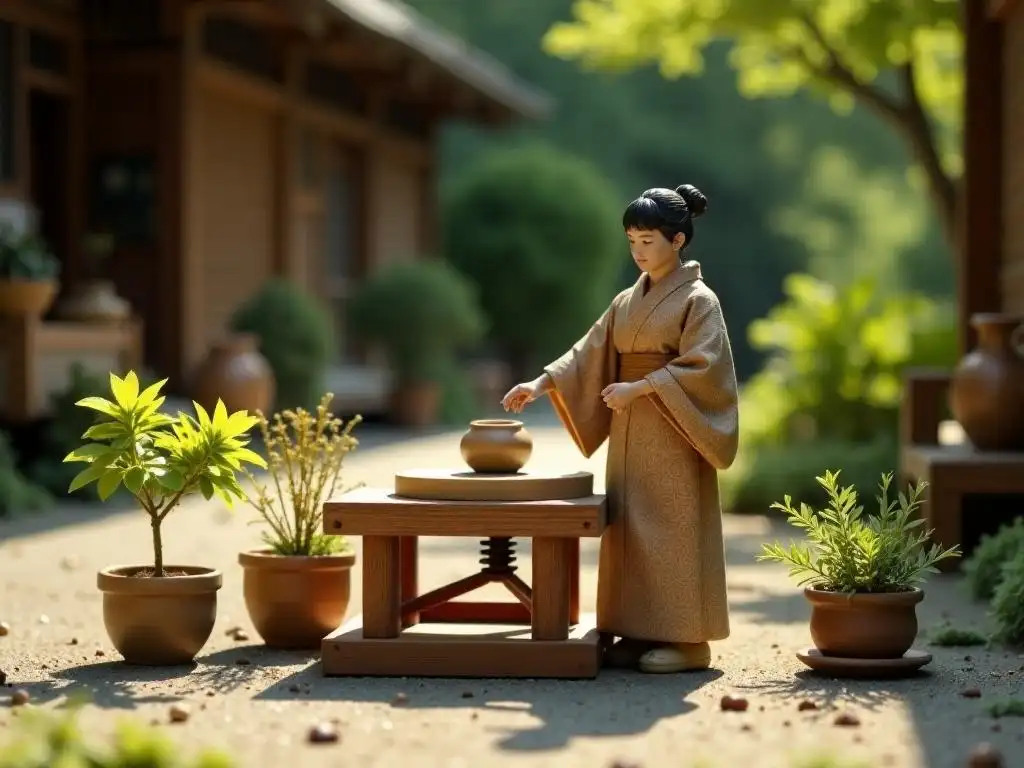
Simplicity and Minimalism in Japanese Pottery
The aesthetic of simplicity and minimalism is a cornerstone of Zen Buddhism, significantly influencing Japanese pottery. This approach emphasizes the idea of "less is more," where the beauty of an object lies not in its complexity but in its understated elegance.
In Zen philosophy, simplicity allows for a deeper connection with the essence of objects, encouraging mindfulness and reflection. Pottery that embodies this principle often features clean lines and unadorned surfaces, inviting the viewer to appreciate the craftsmanship and the natural beauty of the clay itself. For instance, traditional Japanese tea bowls, or chawan, are designed with minimal decoration, allowing their form and texture to be the focal point.
Some key elements of simplicity and minimalism in Japanese pottery include:
- Functional Design: Pottery is often created with practical use in mind, thus eliminating unnecessary embellishments.
- Organic Shapes: Many pieces reflect natural forms, avoiding geometric precision that can detract from the overall aesthetic experience.
- Subdued Color Palettes: Earthy tones and subtle glazes are common, enhancing the pottery's connection to nature and emphasizing its simplicity.
This minimalist approach not only aligns with Zen principles but also resonates with the modern aesthetic, making these ceramics timeless in their appeal.
The Concept of Wabi-Sabi in Zen Aesthetics
Wabi-sabi is a fundamental concept in Zen aesthetics that celebrates the beauty of imperfection and transience. This philosophy finds profound expression in Japanese pottery, where the marks of time and the uniqueness of each piece are embraced rather than concealed.
Wabi refers to a rustic, understated beauty that can be found in simplicity, while sabi denotes the beauty that comes with age and wear. Together, these concepts encourage a deep appreciation for the natural cycle of creation and decay. Pottery that exemplifies wabi-sabi often features:
- Irregularities: Uneven surfaces, asymmetrical shapes, and variations in glaze are cherished as they tell the story of the piece's creation.
- Natural Wear: Over time, the patina of use adds character, transforming the pottery into a unique artifact with a history.
- Transience: Wabi-sabi acknowledges the fleeting nature of existence, encouraging a mindset that finds beauty in the moment and the ephemeral.
This embrace of imperfection allows potters to create pieces that resonate on a personal level with users, fostering a sense of connection and mindfulness.
Natural Materials and Their Significance
The use of natural materials in Japanese pottery is deeply intertwined with Zen Buddhism's reverence for the environment and the philosophy of living harmoniously with nature. Clay, glazes, and other materials are sourced from the earth, each carrying its unique characteristics and stories.
Natural materials in pottery are significant for several reasons:
- Connection to Nature: The choice of materials reflects a commitment to environmental awareness, emphasizing the relationship between the potter and their surroundings.
- Unique Expressions: Different types of clay and glazes yield distinct textures, colors, and finishes, ensuring that each piece is one-of-a-kind and a direct expression of its natural origins.
- Sustainability: The focus on local and natural materials promotes sustainable practices, aligning with Zen principles of simplicity and respect for the earth.
The integration of natural materials not only reinforces the aesthetic values of Zen Buddhism but also fosters a deeper understanding of the relationship between humanity and the environment in the context of Japanese pottery.
Philosophical Perspectives of Zen Buddhism in Pottery
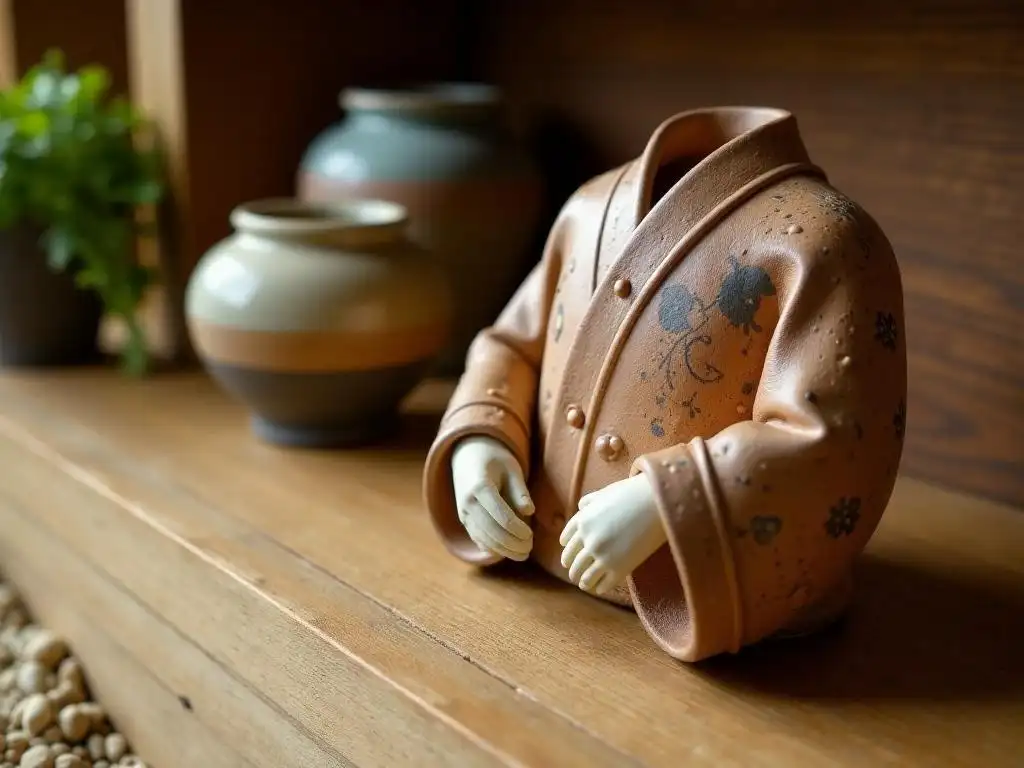
Zen Buddhism profoundly influences Japanese pottery, not only in aesthetic choices but also in the philosophical underpinnings of the craft itself. This connection between Zen and pottery transcends mere technique, embedding deeper meanings into the very act of creation. The philosophy of Zen emphasizes simplicity, mindfulness, and an appreciation for the transient nature of life—all of which are reflected in the art of pottery.
The Connection between Zen Philosophy and Craftsmanship
At the heart of Zen philosophy lies the concept of non-duality, which encourages an understanding of the interconnectedness of all things. This principle manifests in pottery through the idea that the potter is not separate from the material they shape. The act of crafting becomes a meditative practice, where the potter engages fully with the clay, allowing for a natural flow of creativity.
Key elements of this connection include:
- Simplicity: Zen teaches that beauty lies in simplicity. This principle is evident in many traditional Japanese pottery styles, such as Shino and Oribe, which often feature minimalistic designs that highlight the natural qualities of the clay.
- Impermanence: The Zen belief in mono no aware—the beauty of transience—encourages potters to embrace the fleeting nature of their work. This perspective leads to a greater appreciation of pottery as not just functional objects but also as temporary art forms that embody the moment of creation.
- Intuition in Crafting: Zen advocates for an intuitive approach to craftsmanship, where potters rely on their instincts rather than rigid techniques. This fluidity allows for spontaneous expression, resulting in unique, one-of-a-kind pieces that reflect the artist's inner state.
Mindfulness and the Pottery-Making Process
Mindfulness plays a crucial role in the pottery-making process, aligning closely with Zen practices. The act of shaping clay becomes a form of meditation, where potters focus on each movement and sensation. This careful attention leads to a deeper engagement with both the material and the artistic process.
The mindfulness aspects in pottery include:
- Focus on the Present: Potters are encouraged to immerse themselves fully in the act of creation, letting go of distractions and preoccupations. This focus enhances their connection to the clay and helps them to produce work that feels authentic and alive.
- Breath and Rhythm: Just as Zen meditation emphasizes breath control, potters often find a rhythm in their movements that mirrors this practice. This connection to breath can ground the artist, fostering a sense of calm and clarity throughout the crafting process.
- Receptiveness to Change: Pottery is inherently dynamic; the clay changes with temperature, pressure, and handling. Mindfulness allows potters to remain open to these changes, adapting their techniques and designs as needed, which aligns with the Zen acceptance of impermanence.
The Role of Imperfection in Zen and Pottery
Imperfection is a pivotal theme in both Zen philosophy and the craft of pottery, capturing the essence of beauty found in flaws. This concept, known as wabi-sabi, celebrates the beauty of things that are transitory and imperfect.
Key aspects of imperfection in pottery include:
- Embracing Flaws: Potters often intentionally leave imperfections in their work, viewing them as unique characteristics that tell a story. This practice stands in stark contrast to Western ideals of perfection and uniformity.
- Natural Aesthetics: The natural variations in clay and glazes, such as uneven surfaces and irregular shapes, are celebrated in Zen-influenced pottery. These qualities evoke a sense of authenticity and connection to nature, reinforcing the philosophy's emphasis on simplicity and the natural world.
- Symbolic Meaning: Imperfections in pottery can symbolize the transient nature of life, serving as reminders of the beauty that exists in our flaws and the inevitability of change. This perspective encourages a deeper appreciation for both the pottery and the potter’s journey.
The philosophical perspectives of Zen Buddhism in pottery cultivate a profound appreciation for craftsmanship, mindfulness, and the beauty of imperfection, resulting in a unique artistic tradition that continues to resonate within the cultural landscape of Japan.
Key Characteristics of Zen-Inspired Japanese Pottery
Zen-inspired Japanese pottery is distinct in its aesthetics, utility, and the philosophical underpinnings that govern its creation. The interplay between form and function reflects a fundamental aspect of Zen Buddhism, emphasizing simplicity, naturalness, and the beauty of imperfection. Below are the key characteristics that define this unique pottery tradition.
Functionalism vs. Artistic Expression
Zen pottery often embodies a delicate balance between functionality and artistic expression. While many Western art forms prioritize aesthetics over utility, Zen-influenced ceramics tend to merge the two seamlessly. Here are some critical aspects to consider:
- Utility as Art: Zen pottery is rooted in the belief that everyday objects can possess beauty. Tea bowls, teapots, and plates are not merely functional; they are crafted with care to enhance the user experience.
- Wabi-Sabi Philosophy: This Japanese aesthetic philosophy celebrates imperfection and transience. Potters embrace irregularities and textures, allowing for a unique narrative in each piece. The concept of wabi-sabi encourages the appreciation of the natural aging process and the beauty found in brokenness.
- Mindfulness in Creation: The act of making pottery is often meditative. Potters engage in a mindful practice, focusing on each step of the process, from shaping the clay to glazing. This mindfulness is not only reflected in the finished product but also in the potter's connection to their craft.
Iconic Styles: Raku, Bizen, and Shino Pottery
Several styles of Japanese pottery have been profoundly influenced by Zen principles, each showcasing its unique aesthetic and cultural significance.
- Raku Pottery: Originating in the 16th century, Raku is characterized by its hand-formed, low-fired ceramics, often used in tea ceremonies. The unpredictable glazing process results in vibrant, earthy colors and textures, emphasizing spontaneity and the beauty of chance.
- Bizen Pottery: Known for its rustic charm, Bizen pottery is one of Japan's oldest ceramic styles. It is traditionally unglazed and features natural ash glazes that create a warm, organic appearance. The firing process, which can take up to a week, yields pieces that embody the beauty of nature and the potter's skill.
- Shino Pottery: This style is celebrated for its distinctive white glaze and bold colors, often featuring a texture that ranges from smooth to rugged. Shino pottery reflects the Zen appreciation for simplicity and the innate beauty of materials, showcasing a harmonious blend of form and color.
Influence of Zen Gardens on Pottery Design
Zen gardens, with their meticulous design and serene landscapes, have significantly influenced the aesthetics of Japanese pottery. The connection between these two art forms can be observed in several key aspects:
- Minimalism: Just as Zen gardens utilize minimal elements to create a sense of tranquility, Zen pottery often emphasizes simplicity in design. Clean lines and unadorned surfaces reflect the same principles of minimalism, allowing the viewer to focus on the essence of the piece.
- Natural Elements: Zen gardens often incorporate stones, sand, and plants to evoke a sense of harmony with nature. Similarly, potters draw inspiration from natural materials and textures, using clay that reflects the earth and glazes that mimic the colors of the environment.
- Symbolism: Both Zen gardens and pottery often carry deep symbolic meanings. For instance, the asymmetrical arrangement of stones in a garden may represent mountains or islands, while the shape and finish of a pottery piece can express philosophical concepts tied to Zen teachings.
The influence of Zen Buddhism on Japanese pottery extends beyond mere aesthetics. It encompasses a profound philosophical approach that values functionality, embraces imperfection, and celebrates the beauty of nature, culminating in a rich tradition that continues to inspire artisans today.
The Impact of Zen Buddhism on Pottery Techniques
Zen Buddhism has had a profound influence on various aspects of Japanese culture, particularly in the realm of pottery. This impact is not limited to aesthetic approaches but extends deeply into the techniques and philosophies that underlie the art of pottery-making. The fusion of Zen principles with pottery has resulted in unique methodologies that emphasize simplicity, naturalness, and mindfulness.
Traditional Techniques Rooted in Zen Practices
Traditional Japanese pottery techniques often reflect the core values of Zen Buddhism, emphasizing simplicity and the beauty of imperfection, known as wabi-sabi. This aesthetic philosophy cherishes the transient and imperfect aspects of nature, which can be seen in various traditional pottery styles, including Raku and Shino.
- Raku Pottery: Originating in the 16th century, Raku is characterized by its unique firing process that embraces spontaneity. Potters remove the pieces from the kiln while they are still hot and place them in combustible materials, creating unpredictable effects. This practice resonates with Zen's appreciation for the moment and the beauty of chance.
- Shino Ware: Known for its rich, earthy hues and varied textures, Shino ware was often used in tea ceremonies, which are deeply rooted in Zen practices. The glazing techniques employed in Shino pottery demonstrate a respect for nature, as the results are often uneven and organic—qualities that Zen aesthetics prize.
- Mizu-yaki: This traditional technique involves using water-based clay that allows for intricate designs while maintaining a natural appearance. It emphasizes the connection between the potter and the material, highlighting the meditative aspects of the crafting process.
These techniques not only showcase artistic skill but also embody the Zen principles of mindfulness and presence during the creation process. The potter’s focus on the material, the tools, and the act of creation itself becomes a form of meditation, reflecting the Zen practice of being fully engaged in the present moment.
The Evolution of Pottery Methods through Zen Philosophy
As Zen Buddhism evolved and integrated into Japanese culture, so did the methods of pottery-making. This evolution reflects a shift towards greater philosophical depth in artistic expression.
- Influence of Zen Gardens: The aesthetics found in Zen gardens, with their emphasis on natural forms and simplicity, began to influence pottery design. Potters started to incorporate elements that mirrored the serene landscapes of these gardens, leading to the development of more abstract forms and designs.
- Tea Ceremony Influence: The tea ceremony, a ritual steeped in Zen philosophy, significantly impacted pottery. The vessels used in these ceremonies are designed not just for functionality, but also to enhance the meditative experience. The shapes, colors, and textures of tea bowls (or chawan) became expressions of the Zen philosophy of harmony and balance.
- Contemporary Practices: Today, contemporary Japanese potters continue to draw inspiration from Zen principles, often experimenting with new materials and technologies while retaining the essence of traditional practices. The dialogue between old and new allows for a dynamic evolution of techniques, making the craft relevant in modern contexts.
The interplay between Zen Buddhism and Japanese pottery illustrates a rich tapestry of cultural and philosophical influences that have shaped the art form. The techniques rooted in Zen practices not only define the aesthetics of Japanese pottery but also embody a deeper understanding of the relationship between the artist, the material, and the act of creation itself. This synergy ensures that the legacy of Zen Buddhism continues to thrive within the realm of pottery, influencing both traditional and contemporary practices.
Case Studies of Renowned Zen Potters

The intersection of Zen Buddhism and Japanese pottery is exemplified through the works of several renowned potters who have left an indelible mark on this art form. Their unique styles and philosophies reflect the profound influence of Zen principles, emphasizing simplicity, natural beauty, and a deep connection to the material world. This section delves into the contributions of notable Zen potters, illustrating how their works embody the essence of Zen Buddhism and its aesthetic ideals.
Shoji Hamada and Their Influence
Shoji Hamada (1894–1978) is one of the most influential figures in the realm of Japanese pottery, particularly known for his role in the Mingei (folk craft) movement. Hamada's pottery is characterized by its rustic appearance, organic forms, and earthy glazes, which resonate with the Zen ideals of simplicity and naturalness.
- Philosophical Approach: Hamada believed that pottery should reflect the beauty of everyday life, echoing the Zen concept of mindfulness. He often stated that the act of making pottery itself was a meditative process, allowing the potter to connect deeply with the materials.
- Techniques and Styles: His works often incorporated traditional Japanese techniques such as raku, which allows for unpredictable results that highlight the spontaneity of nature. Hamada's emphasis on craftsmanship over perfection aligns with the Zen appreciation for imperfection, known as wabi-sabi.
- Influence on Western Potters: Hamada also had a significant impact on Western ceramicists. His collaboration with British potter Bernard Leach helped to bridge the gap between Eastern and Western pottery traditions, promoting a greater appreciation for Zen influences in the West.
Bernard Leach and Their Contributions
Bernard Leach (1887–1979), often referred to as the "father of British studio pottery," was instrumental in integrating Zen principles into Western ceramics. His approach to pottery was deeply influenced by his time in Japan, where he studied under Shoji Hamada.
- Cultural Exchange: Leach's work is a testament to the blending of Zen aesthetics with Western techniques. He emphasized the importance of the potter's personal expression, which resonates with the Zen focus on individual experience and presence.
- Educational Impact: Through his writings and teachings, particularly in A Potter's Book, Leach shared his insights on the relationship between Zen Buddhism and pottery. He advocated for a holistic approach to pottery, where the potter's spirit is infused into the work, creating a dialogue between the maker and the material.
- Innovative Techniques: Leach's exploration of glazes and forms reflects a deep understanding of the natural world and its imperfections. His use of stoneware and incorporation of traditional Japanese firing techniques showcased the beauty found in simplicity and authenticity, key tenets of Zen philosophy.
The Legacy of Zen Pottery in Contemporary Art
The influence of Zen Buddhism on Japanese pottery continues to resonate in contemporary art, shaping the practices of modern potters around the world.
- Integration of Zen Philosophy: Many contemporary potters draw inspiration from Zen principles, focusing on the meditative aspects of the craft. The emphasis on mindfulness and presence during the creation process remains central to their practice.
- Modern Interpretations: Artists such as Yoshitomo Nara and Takuro Kuwata showcase how traditional Zen aesthetics can be reinterpreted in contemporary art. They often blend modern themes with classical techniques, creating pieces that speak to both tradition and innovation.
- Exhibitions and Recognition: Contemporary exhibitions often highlight the continued relevance of Zen-influenced pottery, with galleries showcasing works that embody the spirit of wabi-sabi. This celebration of imperfection and transience is a testament to the lasting impact of Zen on the artistic landscape.
The legacy of Zen Buddhism in Japanese pottery not only endures through the works of renowned potters like Shoji Hamada and Bernard Leach but also flourishes in contemporary art, ensuring that the profound aesthetic and philosophical perspectives of Zen continue to inspire and resonate in the world of ceramics.
Conclusion: The Enduring Legacy of Zen Buddhism in Japanese Pottery
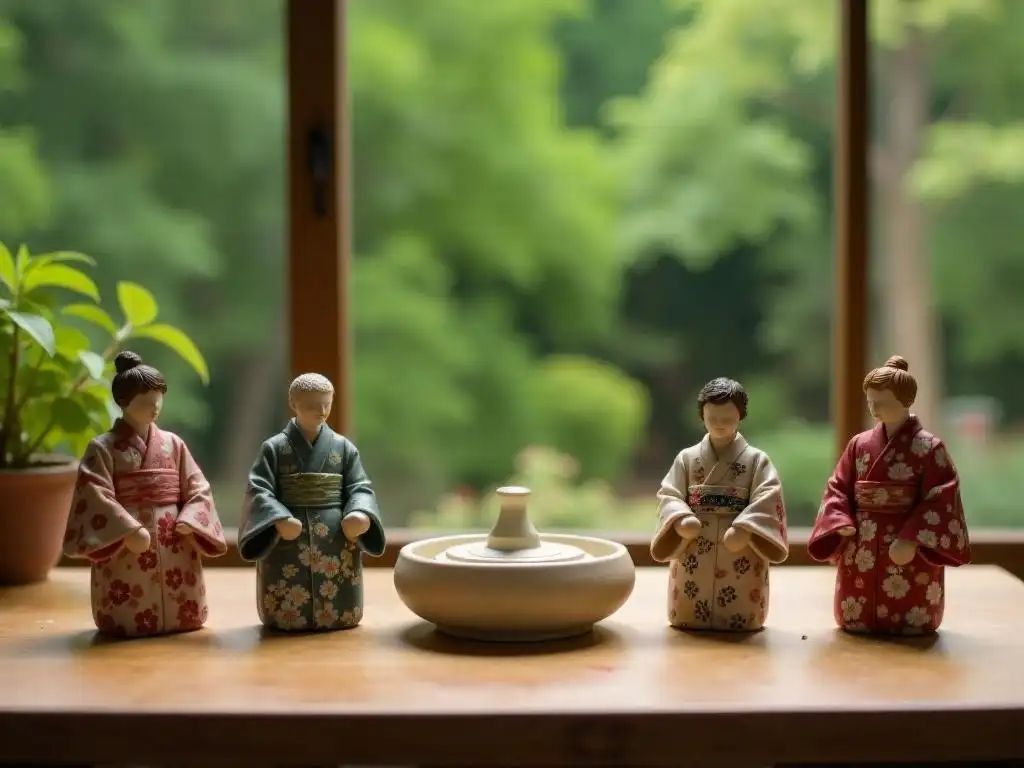
Reflection on the Cultural Significance
Zen Buddhism has profoundly influenced the aesthetic and philosophical underpinnings of Japanese pottery, creating a unique blend of form and function that transcends mere utility. The core principles of Zen, such as simplicity, mindfulness, and an appreciation for natural materials, have shaped the evolution of pottery styles that still resonate today.
The aesthetic of wabi-sabi, which celebrates imperfection and transience, is a direct reflection of Zen philosophy. This appreciation for the irregularities in handcrafted pottery encourages a deeper connection with the objects we use. For instance, the rustic beauty of mizusashi (water jars) exemplifies how Zen ideals manifest in everyday items, inviting users to embrace the natural state of materials.
Additionally, the role of the tea ceremony, or chanoyu, highlights the social and spiritual dimensions of pottery in Zen culture. Each vessel, be it a tea bowl or a serving dish, is chosen not only for its functionality but also for its ability to foster a contemplative atmosphere. The act of preparing and serving tea becomes a meditative practice, reinforcing the bond between the user and the ceramic art.
Future Directions for Zen Influence in Pottery
As the world becomes increasingly industrialized, the philosophies rooted in Zen Buddhism continue to inspire contemporary potters to innovate while respecting traditional techniques. The future of Zen influence in pottery lies in the delicate balance between modernity and tradition.
- Sustainable Practices: Many contemporary artisans are exploring eco-friendly materials and methods, reflecting a Zen-like respect for nature. This shift not only honors the environment but also aligns with Zen principles of mindfulness and responsibility.
- Cross-Cultural Collaborations: The globalization of art has allowed for enriching exchanges between Japanese potters and artists from various cultural backgrounds. This fusion of ideas can lead to new interpretations of Zen aesthetics, as potters incorporate diverse techniques and philosophies into their work.
- Digital Engagement: As technology evolves, virtual platforms can be utilized to showcase the philosophies behind Zen pottery, reaching wider audiences. Online workshops and exhibitions can promote greater understanding of the intricate relationship between Zen Buddhism and pottery craftsmanship.
- Educational Initiatives: Integrating Zen principles into pottery education can encourage a new generation of artists to appreciate the philosophical aspects of their craft, ensuring that the legacy of Zen continues to thrive.
The enduring legacy of Zen Buddhism in Japanese pottery is not merely about preserving traditional forms; it represents a living dialogue between past and present, encouraging both artisans and admirers to engage with the profound simplicity and beauty inherent in each piece. The journey of Zen and pottery is ongoing, promising to inspire future generations in their quest for aesthetic and spiritual fulfillment.
References
Suggested Readings on Zen Buddhism and Japanese Pottery
Exploring the interplay between Zen Buddhism and Japanese pottery can deepen one's understanding of both disciplines. Here are some recommended readings that capture the essence of this relationship:
-
"Zen and the Art of Pottery" by Shiro Akira
This book delves into the philosophical underpinnings of Zen and its practical applications in pottery-making. It emphasizes the meditative processes involved in creating ceramics and how these practices reflect Zen principles.
-
"The Way of Tea: Reflections on a Life with Tea" by Okakura Kakuzō
This classic text explores the aesthetic and philosophical aspects of the Japanese tea ceremony, which is heavily influenced by Zen Buddhism. The author discusses how pottery is integral to the ceremony, highlighting the spiritual connection between the two.
-
"Japanese Pottery and Porcelain" by John Stevenson
This comprehensive guide covers various styles of Japanese pottery, including those influenced by Zen. It provides historical context, detailed descriptions, and beautiful photographs of the works discussed.
-
"Zen Mind, Beginner's Mind" by Shunryu Suzuki
While not exclusively about pottery, this influential book offers insights into Zen philosophy that can be applied to the artistic process. It encourages a mindset that values simplicity and presence, both essential in pottery-making.
-
"The Art of Japanese Pottery" by Masahiro Yamamoto
This text offers a detailed examination of Japanese pottery styles, including those that embody Zen aesthetics. It discusses various techniques and the spiritual significance behind them.
Several exhibitions and collections showcase the profound influence of Zen Buddhism on Japanese pottery. Here are a few notable examples:
-
The Kyoto National Museum
This museum frequently hosts exhibitions focusing on the intersection of Zen Buddhism and the arts, including pottery. Visitors can explore collections that feature Zen-influenced ceramics, offering insights into their historical context and artistic significance.
-
The Los Angeles County Museum of Art (LACMA)
LACMA has hosted exhibitions that highlight Japanese pottery, with a focus on pieces that reflect Zen aesthetics. These exhibitions often include detailed explanations of the philosophies that inspired the works.
-
The Portland Art Museum
Known for its extensive collection of Asian art, the Portland Art Museum includes significant works of Japanese pottery. Their exhibitions often emphasize the relationship between Zen principles and the art of pottery-making.
-
The Smithsonian Institution
The Freer Gallery of Art and the Arthur M. Sackler Gallery feature collections that include Japanese ceramics influenced by Zen. These institutions provide educational resources that explore the cultural and philosophical dimensions of the artwork.
-
The Raku Museum in Kyoto
This museum specializes in Raku pottery, a style deeply connected to Zen practices. Visitors can engage with the history and techniques of Raku, including live demonstrations that illustrate the meditative aspects of pottery-making.
These readings and exhibitions collectively enhance our understanding of how Zen Buddhism has shaped the aesthetic and philosophical dimensions of Japanese pottery, illustrating a harmonious blend of art and spirituality.
Frequently Asked Questions
What is the connection between Zen Buddhism and Japanese pottery?
Zen Buddhism has significantly influenced Japanese pottery, emphasizing the importance of simplicity and natural beauty. The aesthetic principles of Zen are reflected in the forms and techniques used in pottery, promoting a sense of serenity.
How did Zen philosophy shape the techniques in pottery?
Zen philosophy encourages mindfulness and intention in the creation process. Potters adopted these principles, focusing on the spontaneity of creation, which led to the development of unique styles like wabi-sabi that celebrate imperfection.
What are the key characteristics of Zen-influenced pottery?
Key characteristics include minimalism, organic shapes, and an emphasis on earthy colors. These elements reflect the Zen ideals of harmony with nature and the appreciation of transience in art and life.
How does Zen Buddhism affect the aesthetic value of pottery?
Zen Buddhism elevates the aesthetic value of pottery by promoting a deep appreciation for subtlety and impermanence. This philosophy encourages viewers to find beauty in the ordinary and the unrefined.
Are there specific pottery styles associated with Zen Buddhism?
Yes, notable styles include Raku, known for its unique glazing techniques and connection to tea ceremonies, and Shino, celebrated for its rustic charm. Both reflect Zen ideals in their spontaneous and naturalistic qualities.
Final Reflection: The Enduring Harmony of Zen and Japanese Pottery
The intricate relationship between Zen Buddhism and Japanese pottery continues to resonate in today's world, reminding us that aesthetic beauty and philosophical depth are intertwined in our daily lives. As we navigate a fast-paced society, the principles of Zen invite us to slow down, appreciate the simplicity, and find meaning in the mundane. This connection between art and mindfulness is more relevant than ever, urging us to cultivate a deeper awareness of our surroundings and ourselves.
The influence of Zen on Japanese pottery has shaped not only the artistic landscape but also our cultural understanding of beauty and imperfection. The philosophy encourages us to embrace the transient nature of life, as seen in the wabi-sabi aesthetic that celebrates flaws and the passage of time. The beauty of things is not in the things themselves, but in the meaning they have for us.
This perspective invites us to reflect on how our own experiences and imperfections contribute to our unique narratives, fostering a sense of connection with the world around us.
As we conclude our exploration of Zen's impact on Japanese pottery, I invite you to reflect on how the principles of Zen can be woven into your own life. Consider how you can embrace simplicity, mindfulness, and appreciation for the beauty in imperfection. Let the lessons of Zen inspire you to create, whether through art, daily rituals, or simply in the way you engage with the world. By doing so, you not only honor the rich tradition of Japanese pottery but also cultivate a deeper sense of peace and fulfillment in your own journey.
Embrace the Serenity: Explore Zen's Impact on Pottery!
Thank you for diving into the captivating world of Zen influence on Japanese pottery! You've uncovered how aesthetics and philosophy intertwine to create beautiful and meaningful works. Now, let's take the next steps to deepen your connection with this enchanting art form.
Here are some engaging actions you can take:
- Visit a local pottery studio or participate in a workshop to experience the meditative processes of crafting pottery firsthand.
- Share your thoughts! Discuss this article with friends or on social media to spread appreciation for the artistry and philosophy behind Japanese ceramics.
- Explore Zen cuisine by trying your hand at a traditional tea ceremony, enhancing your understanding of how pottery and peaceful practices coexist.
Which piece of pottery resonates with you the most, and in what ways does it reflect the principles of Zen philosophy?