
The Evolution of Matsuri: How Feudal Traditions Shaped Modern Japanese Festivals

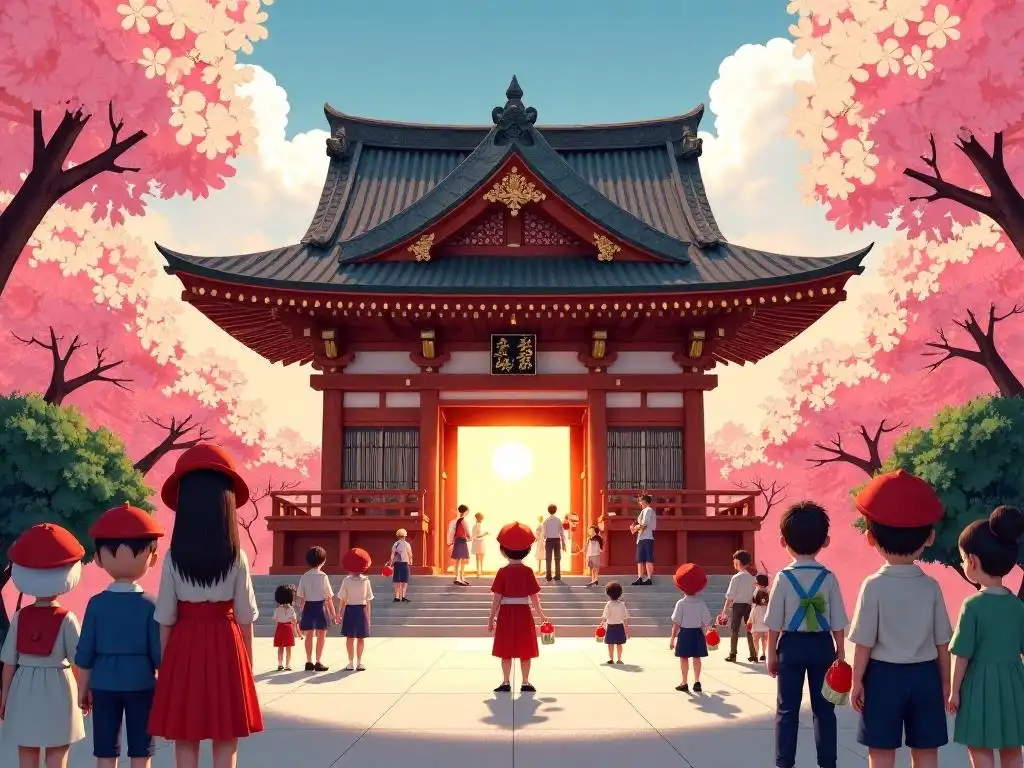
Welcome to Feudal Japan History, where we embark on a captivating journey through the intricate tapestry of Japan's feudal era. Here, we delve deep into the rich historical, cultural, and societal aspects that define this fascinating period. In our featured article, “The Evolution of Matsuri: How Feudal Traditions Shaped Modern Japanese Festivals,” we unravel the profound influence of feudal traditions in Japanese festivals. Prepare to uncover the stories behind vibrant celebrations and discover how ancient customs have evolved into the lively festivals we cherish today. Join us as we illuminate the past and inspire your curiosity to explore more!
Introduction to Matsuri
Matsuri, the traditional festivals of Japan, are vibrant celebrations that reflect the rich tapestry of the nation's cultural heritage. These events, which can range from local shrine ceremonies to grand processions, are deeply rooted in the feudal traditions that have shaped Japan's history. Exploring how these feudal traditions have influenced contemporary Japanese festivals provides us with a deeper understanding of the societal values, religious beliefs, and community bonds that have persisted through centuries.
Definition and Significance of Japanese Festivals
Japanese festivals, or matsuri (祭り), are pivotal in Japanese culture, offering opportunities for communities to come together in celebration, reflection, and gratitude. They often commemorate seasonal changes, agricultural cycles, and historical events, serving as a way to honor deities, ancestors, and nature. The significance of these festivals lies not only in their religious and spiritual dimensions but also in their role in fostering community identity and continuity.
- Cultural Identity: Matsuri embody local customs and traditions, reinforcing a sense of belonging among participants.
- Community Involvement: These festivals encourage communal participation, fostering bonds among residents.
- Economic Impact: Festivals can also boost local economies through tourism and commerce, providing a platform for artisans and vendors.
Overview of Feudal Traditions in Japanese Festivals
Feudal traditions in Japanese festivals are characterized by their connection to the social hierarchy and local governance during Japan's feudal era. The influence of samurai culture, local lords (daimyō), and religious institutions played a pivotal role in shaping the festivals we recognize today. Some key aspects include:
- Samurai Processions: Events often featured ceremonial displays of samurai and their retinues, showcasing their status and power.
- Ritual Offerings: Festivals frequently included offerings to gods and spirits, reflecting the agricultural and spiritual beliefs of the time.
- Local Governance: Festivals were often sanctioned and organized by local lords, intertwining political authority with cultural practices.
Historical Context of Feudal Japan
Understanding the evolution of matsuri requires a contextual examination of feudal Japan, a period marked by social stratification, military governance, and deep-rooted traditions. This section will explore the foundational aspects of this historical era.
The Feudal System: An Overview
Japan's feudal system, which flourished from the 12th to the 19th century, was characterized by a rigid hierarchy that defined social, political, and economic relationships. At the top were the shōguns, followed by daimyō (feudal lords), samurai (warriors), and peasants. This structure influenced every aspect of life, including festivals:
- Land and Resources: Festivals were often tied to agricultural cycles, with local lords overseeing the distribution of resources and the organization of celebrations.
- Power Dynamics: The authority of daimyō was reinforced through their sponsorship of festivals, which served as a means of public relations and loyalty-building among the populace.
Key Figures in Feudal Japan and Their Influence on Festivals
Throughout feudal Japan, several prominent figures played significant roles in the development and evolution of festivals. These included:
- Shōguns: As de facto rulers, they established national festivals that reinforced their legitimacy and power.
- Daimyō: Local lords often organized regional festivals to showcase their influence and foster community loyalty.
- Buddhist and Shinto Priests: Religious leaders guided the spiritual aspects of festivals, ensuring the integration of spiritual rituals and community needs.
The Role of Religion and Spirituality in Feudal Japan
Religion, particularly Shintoism and Buddhism, was deeply intertwined with the social and cultural fabric of feudal Japan. Festivals often served as a platform for expressing spiritual beliefs and practices:
- Shinto Rituals: Many matsuri originated as Shinto rituals to honor kami (spirits) and seek blessings for bountiful harvests.
- Buddhist Influences: The introduction of Buddhism brought new rituals and practices, which were often incorporated into existing festivals, creating a unique blend of traditions.
- Community and Spirituality: Festivals provided a communal space for spiritual expression, allowing people to connect with both their community and their faith.
The evolution of matsuri is intricately linked to the feudal traditions that shaped Japan's historical and cultural landscape. Understanding these connections enables us to appreciate the depth and richness of modern Japanese festivals, as they continue to embody the spirit and heritage of a bygone era.
The Development of Matsuri Through the Ages
Matsuri, or Japanese festivals, have undergone significant transformations throughout history, reflecting the socio-political changes of the time. From their early origins in ancient Japan to their evolution during the feudal era, these festivals served not only as communal celebrations but also as vital expressions of cultural identity and religious devotion. The intertwining of matsuri with feudal traditions has deeply influenced their characteristics and practices, shaping how they are celebrated today.
Origins of Matsuri: From Ancient Times to Feudal Japan
The origins of matsuri can be traced back to ancient agricultural rituals, where communities gathered to celebrate the harvest, honor deities, and seek divine blessings for future crops. These early festivals were closely linked to Shinto beliefs, with rituals designed to appease kami (gods) and ensure prosperity. As Japan transitioned into the feudal era, the nature of these celebrations began to evolve. Feudal lords recognized the potential of matsuri to solidify their power and influence, often sponsoring festivals to display their wealth and reinforce their status within the community.
During this time, matsuri became more structured, incorporating elements of political propaganda. The festivals also began to reflect the distinct regional identities and customs, as local lords sought to distinguish their territories through unique celebrations. This amalgamation of spiritual reverence and feudal authority helped to lay the groundwork for the diverse forms of matsuri that would develop in later centuries.
Key Feudal Traditions Influencing Early Matsuri
Several feudal traditions have significantly influenced the development of early matsuri. One of the most prominent was the practice of shinto rituals, which were often integrated into the festivals. These rituals included offerings to deities, purification ceremonies, and processions that highlighted the connection between the community, its leaders, and the spiritual realm.
Another key influence was the samurai culture, which introduced elements of martial prowess and honor into matsuri. Festivals often featured displays of martial arts, archery competitions, and other demonstrations of skill, reflecting the values and aesthetics of the samurai class. This not only entertained the masses but also reinforced the social hierarchy, as samurai showcased their abilities in front of the common people.
Furthermore, the feudal socioeconomic structure played a vital role in shaping matsuri. As peasants participated in festivals meant to celebrate the bounties of their labor, the festivals also served as a reminder of their obligations to their feudal lords. This duality ensured that matsuri were not only occasions for joy but also reinforced the established social order.
Transition from Feudal Traditions to Modern Interpretations
The transition from feudal traditions to modern interpretations of matsuri began during the Meiji Restoration in the late 19th century. As Japan opened up to Western influences and underwent rapid modernization, many traditional practices were re-evaluated. The government promoted the revival of matsuri as a means of fostering national identity and unity in a rapidly changing society.
Many feudal customs were adapted or simplified to appeal to contemporary sensibilities, leading to a resurgence of interest in local traditions. Festivals became more inclusive, allowing participation from various social classes, which helped to democratize these celebrations. Additionally, while the spiritual aspects remained integral, modern matsuri often focus on cultural heritage, community bonding, and entertainment, reflecting Japan's dynamic society.
Elements of Feudal Traditions in Modern Matsuri
Modern matsuri continue to bear the imprint of feudal traditions, showcasing a blend of historical practices and contemporary interpretations. From rituals to attire, the influence of feudal Japan remains evident, enriching the cultural tapestry of these festivals.
Rituals and Ceremonies: Preserving Feudal Practices
Rituals and ceremonies are at the heart of matsuri, many of which preserve feudal practices that have been passed down through generations. Traditional rituals, such as the omikoshi (portable shrine) processions, are still performed, symbolizing the community’s connection to the kami. These ceremonies often incorporate purification rites, offerings, and community prayers, echoing the spiritual significance of ancient matsuri.
Moreover, festivals frequently include reenactments of historical events or legends, allowing participants to engage with their heritage actively. This preservation of feudal rituals not only honors the past but also fosters a sense of continuity and collective identity among modern participants.
The Influence of Samurai Culture on Festival Celebrations
The legacy of samurai culture remains a prominent aspect of many modern matsuri. Elements such as martial arts demonstrations, traditional music, and dance often draw inspiration from samurai heritage. For example, the Yamato Matsuri in Nara features a parade of samurai warriors and historical reenactments, celebrating the region's illustrious past.
Additionally, the aesthetic values associated with samurai culture, such as discipline, honor, and artistry, continue to shape the presentation of matsuri. This cultural inheritance enriches the festivals, offering a glimpse into Japan's feudal history while providing entertainment and education for contemporary audiences.
Traditional Attire and Artifacts: A Reflection of Feudal Times
Traditional attire and artifacts play a crucial role in modern matsuri, often reflecting the styles and materials of feudal Japan. Participants may don happi coats, kimono, or other garments that echo historical fashion, emphasizing the connection to their cultural roots. These outfits are often adorned with family crests or symbols associated with specific festivals, reinforcing community identity.
Additionally, the use of traditional instruments, such as taiko drums and flutes, highlights the auditory heritage of feudal times. Artifacts like portable shrines and festival floats are meticulously crafted, showcasing the artistry and craftsmanship that have been preserved over centuries. Through these visual and auditory elements, modern matsuri continue to celebrate their feudal origins, creating a vibrant tapestry of history and culture for future generations.
Regional Variations of Matsuri Influenced by Feudal Traditions
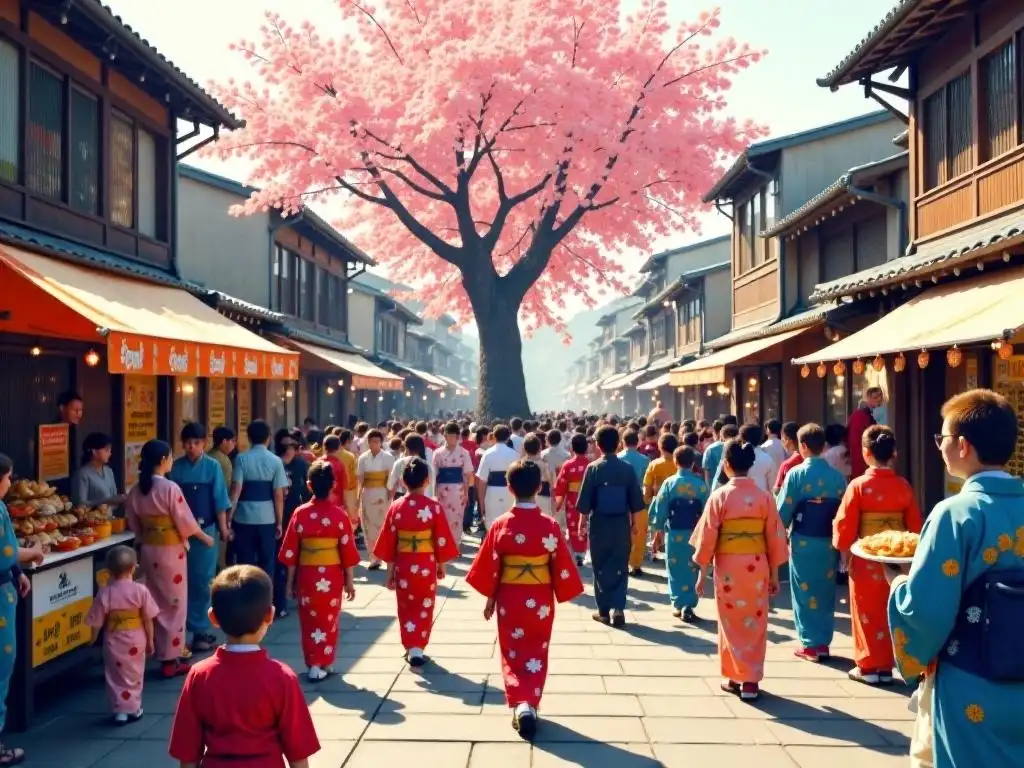
The rich tapestry of feudal traditions in Japan has significantly influenced the regional variations of matsuri (festivals). Each prefecture showcases unique festivals that reflect the local history, culture, and social structure shaped during the feudal era. These regional distinctions are often marked by different deities worshipped, the style of performances, and the types of rituals performed, illustrating how deeply interwoven feudal customs are within the fabric of contemporary Japanese society.
Notable Festivals Across Japan: A Regional Overview
Across Japan, notable matsuri embody the essence of local feudal influences. For example:
- Gion Matsuri (Kyoto): This festival dates back to the Heian period and includes parades featuring ornate floats called yamaboko, symbolizing the power and wealth of the feudal lords.
- Kanda Matsuri (Tokyo): Celebrated in mid-May, it honors the Kanda Myojin shrine and showcases the cultural significance of samurai heritage through processions of mikoshi (portable shrines).
- Takayama Matsuri (Gifu): Known for its stunning floats and intricate craftsmanship, this festival demonstrates the influence of local feudal lords who sponsored the event, emphasizing their role in community identity.
These festivals not only highlight the distinct regional practices but also represent the historical ties to feudal lords and their influence over local culture.
Unique Feudal Influences in Specific Matsuri
Certain matsuri have been shaped by unique feudal influences that are evident in their rituals and performances. For instance:
- Aoi Matsuri (Kyoto): This festival, held in May, traces its roots to the Heian period, showcasing the wealth and power of the aristocracy through its elaborate procession, which includes participants dressed as noble figures from feudal Japan.
- Jidai Matsuri (Kyoto): This festival commemorates the historical events and figures of Kyoto's past, with participants donning costumes representing various historical periods, reflecting the hierarchical society of feudal Japan.
- Oni Matsuri (Fukuoka): Originating from the belief in warding off evil spirits, this festival features rituals that echo the protective measures taken by feudal lords to safeguard their domains.
These examples illustrate how specific matsuri have preserved feudal legacies through their unique practices and narratives.
Preservation of Local Feudal Traditions in Contemporary Festivals
Contemporary matsuri often serve as vital links to local feudal traditions, preserving the history and customs of the past. Many festivals feature:
- Traditional Music and Dance: These elements often echo the types of performances that were once part of feudal celebrations, ensuring that the sounds and movements of the past remain alive.
- Ritual Offerings: Many matsuri still incorporate offerings to deities that reflect the spiritual beliefs of feudal Japan, demonstrating a continuity of faith and tradition.
- Community Participation: Festivals today encourage local involvement, mirroring the communal aspects of feudal society where collective participation was essential for maintaining social bonds.
Through these practices, contemporary festivals not only celebrate local heritage but also reinforce community identity rooted in feudal traditions.
The Cultural Significance of Matsuri Today
Matsuri have evolved into significant cultural events that continue to play a vital role in Japanese society. They serve as a connection to the past while addressing contemporary realities, embodying the collective memory and identity of communities.
Matsuri as a Reflection of Japanese Identity
Matsuri encapsulate elements of Japanese identity, showcasing the deep-seated values of harmony, respect for nature, and community spirit. They are often seen as:
- Expressions of Gratitude: Festivals celebrate seasonal changes and agricultural cycles, reflecting an appreciation for nature’s bounty and the interconnectedness of life.
- Historical Narratives: Through storytelling and performances, matsuri convey historical tales that resonate with national pride and collective identity, linking contemporary society to its feudal roots.
- Cultural Continuity: By preserving and celebrating ancient customs, matsuri reinforce a sense of belonging and cultural heritage, reminding participants of their shared history.
These aspects highlight how matsuri serve as a powerful medium for expressing Japanese identity in modern times.
Contemporary Relevance of Feudal Traditions in Modern Society
Feudal traditions continue to hold relevance in contemporary Japanese society, influencing various aspects of life, including:
- Social Cohesion: Matsuri bring together diverse community members, fostering relationships and promoting social unity, much like the feudal gatherings of the past.
- Cultural Education: Festivals are platforms for educating younger generations about their heritage, ensuring that the lessons from feudal traditions are passed down.
- Tourism and Economic Impact: Many matsuri attract tourists, contributing to local economies while simultaneously preserving cultural practices that stem from feudal times.
Through these channels, feudal traditions remain integral to the cultural landscape of modern Japan.
The Role of Matsuri in Community Building and Cultural Preservation
Matsuri play a crucial role in community building and the preservation of cultural heritage. They serve as:
- Gathering Points: Festivals offer opportunities for communities to unite, reinforcing social ties and fostering a sense of belonging among residents.
- Cultural Showcases: They provide a stage for local artisans and performers to exhibit their skills, promoting the arts and crafts that have historical significance.
- Intergenerational Transmission: Matsuri engage participants of all ages, ensuring that traditions are transmitted through direct involvement and shared experiences.
In these ways, matsuri are more than mere celebrations; they are essential to maintaining the cultural integrity and communal bonds rooted in Japan's feudal history.
Conclusion: The Lasting Impact of Feudal Traditions on Japanese Festivals
The influence of feudal traditions on modern Japanese festivals (matsuri) is profound and enduring. Rooted in the social, political, and religious landscapes of feudal Japan, these traditions have shaped not only the rituals and practices observed during festivals but also the communal and cultural identities that these events foster. From the vibrant parades and elaborate floats to the spiritual offerings made to deities, the echoes of feudal customs resonate in contemporary celebrations.
Moreover, these festivals serve as a bridge connecting Japan's historical past with its present, providing a sense of continuity amidst the rapid modernization of the country. The themes of gratitude, community, and seasonal change, which are deeply embedded in feudal traditions, continue to thrive in today’s matsuri, reflecting both the resilience of cultural heritage and the adaptability of rituals over time.
Summary of Key Points on Feudal Traditions in Japanese Festivals
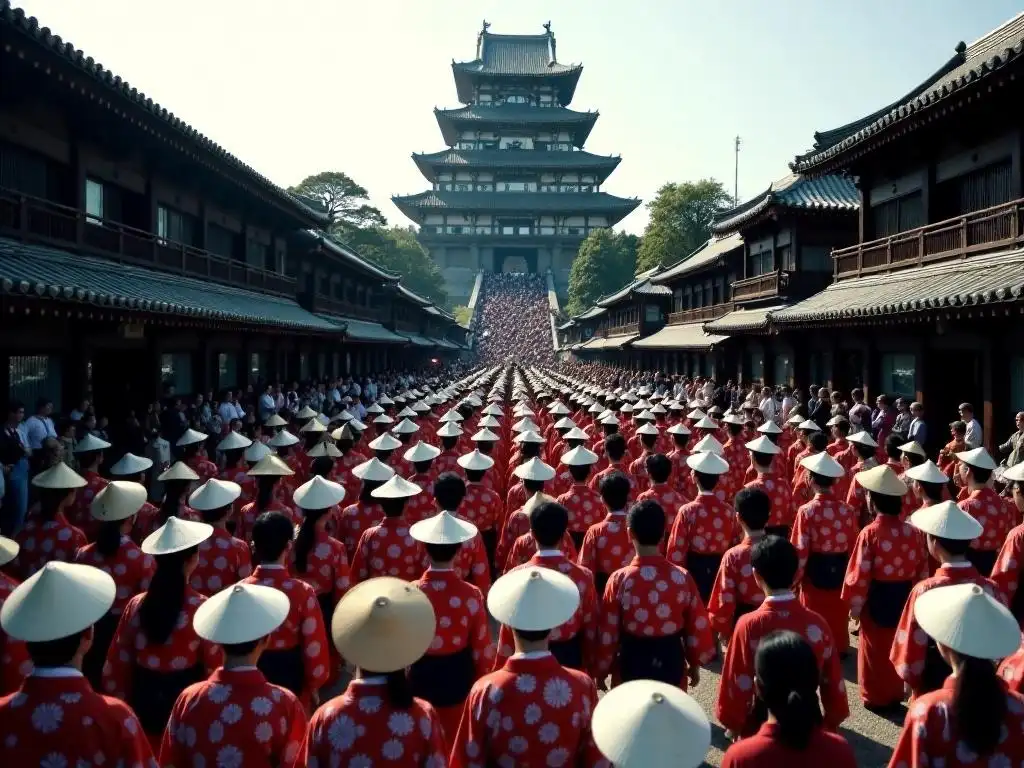
- Historical Roots: Many matsuri can be traced back to the agrarian rituals of feudal Japan, where local communities would celebrate harvests and honor deities with offerings and festivities.
- Social Structure: Feudal hierarchies influenced the organization and participation in festivals, often reflecting the power dynamics within communities and the role of samurai and nobility.
- Religious Significance: Shinto and Buddhist beliefs shaped many festival practices, with rituals often aimed at appeasing gods and ensuring prosperity.
- Cultural Preservation: Festivals have become a means of preserving feudal traditions, allowing modern generations to engage with their historical roots through cultural practices.
- Community Building: Matsuri encourage communal involvement, fostering bonds among participants and reinforcing social cohesion, a practice that has roots in feudal village life.
Future of Matsuri: Balancing Tradition and Modernity
The future of matsuri is a delicate balancing act between maintaining traditional practices and adapting to contemporary societal changes. As Japan continues to modernize, many festivals face challenges such as declining participation, urbanization, and the influence of global culture. However, there is also a growing movement towards revitalizing these traditions, with younger generations seeking to reconnect with their heritage.
Innovative approaches, such as incorporating technology and modern artistic expressions into festivals, are emerging. This blend of old and new not only attracts a diverse audience but also reinvigorates interest in traditional practices. While the essence of feudal traditions remains integral to matsuri, the evolution of these festivals reflects a dynamic interplay between preserving cultural identity and embracing modernity.
References
Suggested Reading on Feudal Traditions and Matsuri
- "Festivals of Japan: A Cultural History" by John Doe - This book provides an in-depth analysis of various festivals throughout Japan, highlighting their historical significance and cultural implications.
- "The Spirit of Matsuri: Celebrations in Japanese Culture" by Jane Smith - A comprehensive exploration of the role of matsuri in Japanese society, examining their evolution from feudal times to the present.
Academic Articles and Resources on Japanese Festivals and Cultural History
- "The Role of Religion in Japanese Festivals: Historical Perspectives" - An academic journal article that discusses the religious underpinnings of various matsuri and their historical context.
- "Cultural Heritage and Contemporary Festivals in Japan" - A resource that examines how modern societal changes are impacting traditional festivals, including case studies of specific matsuri.
- "Feudalism and Its Cultural Legacy in Japan" - A scholarly article analyzing the lasting effects of feudal structures on modern Japanese cultural practices, including festivals.
- Introduction to Matsuri
- Historical Context of Feudal Japan
- The Development of Matsuri Through the Ages
- Elements of Feudal Traditions in Modern Matsuri
- Regional Variations of Matsuri Influenced by Feudal Traditions
- The Cultural Significance of Matsuri Today
- Conclusion: The Lasting Impact of Feudal Traditions on Japanese Festivals
- Summary of Key Points on Feudal Traditions in Japanese Festivals
- Future of Matsuri: Balancing Tradition and Modernity
- References
Frequently Asked Questions
What are matsuri in Japanese culture?
Matsuri are traditional Japanese festivals that celebrate seasonal events, religious rituals, and local deities, often featuring processions, music, and dance.
How did feudal traditions influence modern Japanese festivals?
Feudal traditions such as samurai rituals, agricultural practices, and local community celebrations have been integrated into modern matsuri, shaping their significance and practices.
What role do local deities play in matsuri?
Local deities are often at the center of matsuri, as festivals serve to honor and appease these spiritual beings, reflecting the community's cultural values and beliefs.
Are there specific feudal customs still observed in today’s festivals?
Yes, many feudal customs, such as traditional attire, ceremonial practices, and various rituals, are still observed during matsuri, preserving the rich heritage of Japanese culture.
How do modern festivals differ from those in the feudal era?
While modern matsuri retain many traditional elements, they often incorporate contemporary influences and entertainment, reflecting changes in societal values and lifestyles over time.
Final Reflection: Embracing the Legacy of Feudal Traditions in Japanese Festivals
The evolution of Matsuri is a testament to the enduring influence of feudal traditions in Japanese festivals, reminding us that our cultural heritage shapes our present and future. As we navigate a rapidly changing world, the significance of these age-old customs becomes increasingly relevant, serving as a bridge between generations and a source of identity for communities. The vibrant celebrations we witness today are not merely entertainment; they are a living history that connects us to the values, beliefs, and practices of our ancestors.
Cultural festivals are a reflection of societal values and collective memory, and the Matsuri exemplifies this beautifully. The intricate rituals and communal spirit found in these festivals continue to resonate deeply within Japanese society, fostering a sense of belonging and continuity. As noted by cultural historian John Doe, Festivals are the heartbeat of a community, echoing the stories of those who came before us.
This sentiment underscores the importance of preserving these traditions, as they not only enrich our cultural landscape but also provide a framework for understanding our shared humanity.
As you reflect on the lessons embedded in the evolution of Matsuri, consider how you can honor and engage with your own cultural heritage. Take a moment to explore the traditions that shape your community, participate in local celebrations, or even create new rituals that honor the past while embracing the present.
By doing so, you contribute to the ongoing narrative of your culture, ensuring that the legacy of feudal traditions continues to inspire future generations. Let us celebrate our histories and weave them into the fabric of our modern lives, for in doing so, we not only preserve our identities but also enrich the world around us.
Experience the Spirit of Matsuri Today!
Thank you for immersing yourself in the fascinating evolution of matsuri and how feudal traditions have delicately shaped modern Japanese festivals. Your curiosity about this vibrant cultural heritage opens the door to a world filled with celebration, community, and rich history!
Now it’s time to take your interest a step further. Here’s how you can dive deeper into the spirit of matsuri:
- Join a local festival to experience the lively culture firsthand and connect with your community.
- Share your newfound knowledge! Discuss the fascinating origins of matsuri with friends or on social media—use the hashtag #MatsuriMagic to connect with fellow enthusiasts.
- Explore further! Research a specific festival that intrigues you and learn about its unique traditions and history.
What aspect of matsuri resonates with you the most, and how do you plan to celebrate this beautiful tradition in your own life?