
Edo Period Music: Traditional Sounds that Shaped Cultural Identity

Welcome to Feudal Japan History, where we invite you to embark on a journey through the captivating tapestry of Japan’s feudal era. Dive deep into the melodious world of the Edo period, where traditional music not only entertained but also played a pivotal role in shaping cultural identity. In our featured article, "Edo Period Music: Traditional Sounds that Shaped Cultural Identity," you'll discover how these enchanting sounds resonated through society, influencing art, community, and heritage. Are you ready to uncover the rhythms that defined an era? Let the exploration begin!
- Edo Period Traditional Music: An Overview of Cultural Sounds
- Historical Context of Edo Period Traditional Music
- Characteristics of Edo Period Traditional Music
- Prominent Edo Period Musicians and Composers
- Edo Period Music and Its Cultural Significance
- Evolution of Edo Period Traditional Music
- Legacy of Edo Period Music
- Conclusion: The Enduring Impact of Edo Period Traditional Music
- Frequently Asked Questions
- Final Reflection: The Enduring Legacy of Edo Period Traditional Music
- Unveil the Melodies of the Edo Period!
Edo Period Traditional Music: An Overview of Cultural Sounds
The Edo period (1603-1868) marks a significant era in Japanese history, characterized by a flourishing of arts, culture, and societal transformation. Among the various cultural expressions that emerged during this time, music played a pivotal role in shaping the identity and lifestyle of the Japanese people. Edo period traditional music is not merely a collection of melodies; it encapsulates the societal values, historical events, and the everyday lives of individuals in this vibrant period. This article delves into the rich tapestry of Edo period music, exploring its diverse forms, instruments, and the profound impact it had on Japanese culture.
Introduction to Edo Period Music
The musical landscape of the Edo period was marked by a blend of indigenous styles and external influences. Traditional music genres such as gagaku (court music) and nō (theater music) coexisted with popular forms like shamisen and enka, reflecting a wide range of emotional expressions and social themes.
- Genres and Styles:
- Gagaku: This ancient court music, with its ceremonial roots, often featured instruments like the shō (mouth organ) and biwa (lute).
- Shamisen Music: The shamisen, a three-stringed instrument, became a staple in urban entertainment, influencing folk songs and theatrical performances.
- Nō and Kabuki: The integration of music into theatrical forms such as nō and kabuki provided a rich auditory experience, enhancing the storytelling aspect of performances.
- Instruments Used:
- Shamisen: This versatile instrument was used in various genres, from folk music to theatrical performances.
- Koto: A traditional string instrument that added melodic depth to performances.
- Taiko Drums: These powerful drums provided rhythm and energy, often accompanying festivals and religious ceremonies.
The Importance of Music in Edo Period Culture
Music during the Edo period was not just a form of entertainment; it was a crucial component of cultural identity and social cohesion.
- Social Functions:
- Festivals and Celebrations: Music played a central role in local festivals, bringing communities together and celebrating cultural heritage.
- Education and Morality: Many songs contained moral lessons and societal values, serving as a means of education for the youth.
- Cultural Exchange:
- The Edo period was a time of relative peace and stability, allowing for cultural exchanges between different regions. This led to the blending of various musical styles and the emergence of new genres.
The connection between Edo period traditional music and Japanese cultural identity is profound, influencing not only artistic expression but also the social fabric of the time. As we explore further, we will uncover the intricacies of these musical traditions and their enduring legacy in contemporary Japanese culture.
Historical Context of Edo Period Traditional Music
The Origins of Edo Period Music
Edo period traditional music, flourishing from 1603 to 1868, has its roots deeply embedded in Japan's rich cultural tapestry. This era saw the emergence of a distinctive musical style that was influenced by various pre-existing forms, including court music (gagaku), folk songs, and theatrical performances, particularly Noh and Kabuki.
During the early Edo period, traditional music was characterized by a blend of these diverse influences, resulting in a unique sound that resonated with the societal changes of the time. The rise of the merchant class and urbanization in cities like Edo (modern-day Tokyo) led to the development of new music styles, such as sukeroku and jōruri, which catered to the tastes of everyday people rather than the elite.
Instruments and their Evolution
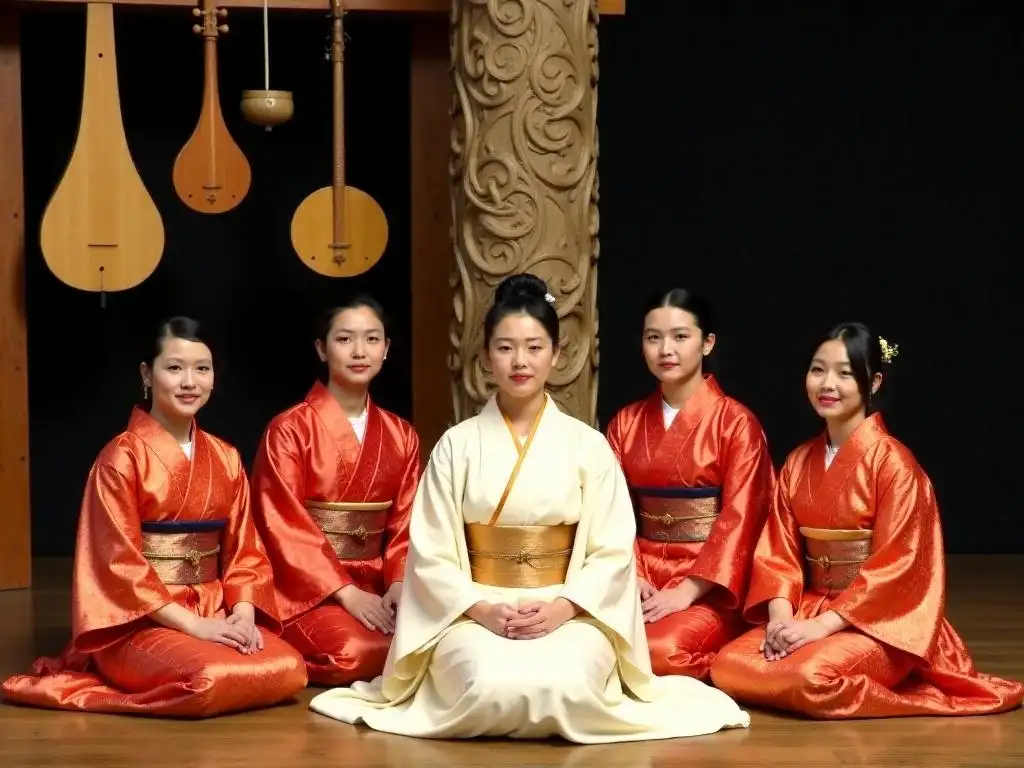
The instruments used during this period played a significant role in shaping Edo period traditional music. Some of the most notable instruments included:
- Shamisen: A three-stringed instrument that became synonymous with Edo period music; its versatility allowed it to accompany various musical genres.
- Koto: A zither-like instrument that produced a delicate sound, often used in court music and later incorporated into popular music.
- Fue: A bamboo flute that added a melodic layer to performances, widely used in both folk and classical music settings.
The evolution of these instruments coincided with the growing popularity of music in the Edo period, leading to innovations in playing techniques and compositions that reflected the cultural zeitgeist.
Key Historical Events Influencing Music Development
Several key historical events during the Edo period significantly influenced the development of traditional music. Understanding these events provides insight into how Edo period traditional music not only reflected the cultural identity of its time but also shaped the social fabric of Japan.
- The Rise of the Tokugawa Shogunate (1603): The establishment of the Tokugawa Shogunate marked the beginning of a long period of peace and stability. This allowed the arts, including music, to flourish, as patronage from the ruling class became more accessible to various artistic endeavors.
- Urbanization and the Growth of Edo: As Edo grew into one of the largest cities in the world, the influx of people from rural areas brought diverse musical traditions. The convergence of different styles led to the creation of new genres that appealed to urban audiences.
- The Emergence of Kabuki Theater (1600s): Kabuki theater became a dominant form of entertainment, incorporating music as a vital component of its performances. The music associated with Kabuki, including the use of the shamisen, transformed traditional music and popularized it among the masses.
- Censorship and Cultural Control: The Tokugawa Shogunate imposed strict censorship laws, which affected the themes and content of musical performances. While this may have limited certain expressions, it also led to a more nuanced and layered approach to lyrics and themes, reflecting societal issues in a more subtle manner.
- Western Influences in the Late Edo Period: Towards the end of the Edo period, contact with Western cultures began to influence Japanese music. This interaction introduced new instruments and styles, which would later merge with traditional forms, setting the stage for modern Japanese music.
Through these historical developments, Edo period traditional music not only defined an era but also laid the groundwork for the evolution of Japan's cultural identity, leaving an enduring legacy that continues to resonate in contemporary music.
Characteristics of Edo Period Traditional Music
Edo period traditional music, spanning from 1603 to 1868, reflects the rich cultural tapestry of Japan during a time of relative peace and stability. This era saw the flourishing of the arts, with music playing a pivotal role in society. The characteristics of Edo period traditional music can be categorized into various elements, including instrumentation, styles, and thematic content.
Edo music is marked by its melodic structures, which often emphasize simplicity and expressiveness. The melodies frequently utilize pentatonic scales, creating an accessible yet profound sound. This simplicity allowed for a wide range of emotional expression, making the music resonate with the common people as well as the elite.
The performance context of Edo period music also contributed to its unique characteristics. Music was often performed in communal settings such as festivals, theaters, and tea houses, fostering a strong sense of community and shared experience. The interaction between performers and audiences was vital, as the music often responded to the emotions and reactions of listeners.
Another defining aspect of Edo period traditional music is its integration with other art forms, such as dance and theater. This multidisciplinary approach enriched the music, resulting in performances that engaged multiple senses and deepened the cultural experience.
Instruments Used in Edo Period Music
The instruments of Edo period traditional music are essential in shaping its distinctive sound. Here are some of the most notable instruments:
- Shamisen: A three-stringed instrument played with a plectrum, the shamisen became a central figure in Edo music. Its versatility allowed it to accompany various genres, including narrative forms like joruri and bunraku.
- Koto: A long zither-like instrument with 13 strings, the koto is known for its delicate sound and is often played in ensembles. Its music typically features intricate melodies and harmonies.
- Nohkan: A transverse bamboo flute used in Noh theater, the nohkan produces a hauntingly beautiful sound, often used to evoke the emotions of a scene.
- Taiko: Traditional Japanese drums that add depth and rhythm to performances, taiko are commonly featured in festivals and theatrical performances.
The combination of these instruments created a rich auditory landscape that defined the music of the Edo period, allowing for both solo and ensemble performances that captivated audiences.
Key Musical Styles and Genres of the Edo Period
Edo period traditional music encompasses a variety of styles and genres, each with its unique characteristics and cultural significance. Some of the key genres include:
- Gagaku: This ancient court music, characterized by its slow tempo and ceremonial nature, reflects the aristocratic heritage of Japan. Gagaku performances often include dance and elaborate costumes.
- Noh Music: Integral to Noh theater, this genre features minimalistic instrumentation and emphasizes vocal performance. The music serves to enhance the dramatic narrative, highlighting the emotions of the performers.
- Kabuki Music: Known for its flamboyant style, Kabuki music combines singing, dancing, and drama. The scores often incorporate shamisen and percussion, creating a lively atmosphere that engages the audience.
- Min'yō: Folk music that reflects the daily lives of common people, min'yō often features simple melodies and lyrics that tell stories of love, nature, and regional traditions.
These genres not only showcase the diversity of Edo period traditional music but also illustrate how music served as a medium for storytelling and cultural expression.
The Role of Lyrics and Themes in Edo Music
Lyrics in Edo period traditional music are pivotal in conveying the emotions and narratives that resonate with audiences. The themes often explored in this music include:
- Nature: Many songs celebrate the beauty of the changing seasons, emphasizing the connection between humans and the natural world. For example, cherry blossoms and autumn leaves are common motifs.
- Love: Romantic themes are prevalent, often depicting the joys and sorrows of love. These songs capture the nuances of relationships and the emotions associated with longing and separation.
- Everyday Life: Lyrics frequently reflect the experiences of ordinary people, showcasing their struggles, joys, and aspirations. This relatable content allowed the music to resonate deeply with the audience.
- Historical Events: Some songs recount significant historical events or legendary tales, preserving cultural memory and tradition.
The interplay of lyrics and music during the Edo period created a rich tapestry of storytelling, allowing listeners to connect with the deeper meanings embedded in the sounds and words.
Prominent Edo Period Musicians and Composers
The Edo period (1603-1868) was a time of cultural flourishing in Japan, particularly in the realm of traditional music. This era saw the rise of many influential musicians and composers who shaped the landscape of Edo period traditional music. Their contributions not only enriched the musical repertoire but also played a crucial role in the development of Japan’s cultural identity.
Influential Figures in Edo Period Music
Several prominent musicians and composers emerged during the Edo period, each leaving a distinctive mark on traditional music. Here are a few notable figures:
- Yatsuhashi Kengyō (1614-1685): Often regarded as the father of modern koto music, Yatsuhashi is celebrated for his compositions that blended the traditional styles with innovative techniques. His work, such as "Rokudan no Shirabe," remains a cornerstone of koto repertoire.
- Tani Bunchō (1763-1840): A renowned shamisen player and composer, Tani Bunchō was known for his contributions to the narrative art of joruri (puppet theater). His compositions often incorporated poetic storytelling, enriching the shamisen's role in Edo period performances.
- Kikuchi Yōsai (1803-1879): A significant figure in the field of shakuhachi music, Kikuchi Yōsai was instrumental in reviving and popularizing the instrument. His pieces reflect a deep connection to nature and spirituality, emphasizing the meditative qualities of shakuhachi music.
- Mizutani Tōsen (Dates Unknown): Not much is known about Mizutani Tōsen, but he was a prolific composer of nagauta (long song) music. His works contributed to the evolution of kabuki theater, enhancing the dramatic narratives with intricate melodies.
These musicians not only excelled in their craft but also played pivotal roles in the transmission and transformation of Edo period traditional music, ensuring its legacy for future generations.
Contributions of Women to Edo Period Traditional Music
While much of the historical narrative surrounding Edo period traditional music focuses on male musicians, women also played a vital role in shaping this musical landscape. Their contributions, often overlooked, deserve recognition for their significance in the evolution of Edo period traditional music.
- Geisha Musicians: Many geishas were skilled musicians, particularly in playing instruments like the shamisen and koto. They were trained in the arts from a young age and played a crucial role in entertaining and preserving traditional music. Their performances often included a combination of music, dance, and storytelling, showcasing their multifaceted talents.
- Women Composers: Although not as widely recognized, there were women who composed music during the Edo period. These composers often wrote pieces for the koto and shamisen, enriching the repertoire available for female performers. Their works contributed to the development of genres such as nagauta and kouta, which were popular among women.
- Preservation of Folk Songs: Women were key figures in the preservation and transmission of folk songs, which often reflected local traditions and stories. Their efforts helped to maintain the cultural heritage of Japan, ensuring that these songs were passed down through generations.
The contributions of women in Edo period traditional music highlight the diverse influences that shaped this era’s musical identity. Their artistic expressions not only enriched the cultural landscape but also challenged the gender norms of their time, paving the way for future generations of female musicians.
Edo Period Music and Its Cultural Significance
The Edo period (1603-1868) was a transformative era in Japan's history, marked by relative peace, economic growth, and a flourishing of the arts, including music. Edo period traditional music played a crucial role in shaping the cultural identity of the time, serving not only as entertainment but also as a medium for expressing societal values, emotions, and communal bonds. This music encompassed a variety of genres, each reflecting the unique characteristics of the society in which it thrived.
Music as a Reflection of Edo Society
Edo period traditional music acted as a mirror to the evolving dynamics of society. The period witnessed a significant shift from the samurai-dominated culture of the previous eras to a more merchant-oriented society. This change is evident in the music of the time, which began to incorporate elements from various social classes.
- Instruments and Styles: Traditional instruments such as the shamisen, koto, and shakuhachi became increasingly popular among the common people. The shamisen, a three-stringed instrument, was particularly significant, as it was often used in folk songs and narrative performances, illustrating the stories of everyday life.
- Themes in Music: The themes found in Edo period music often revolved around love, nature, and the struggles of ordinary life. For instance, Uta (Japanese songs) highlighted the aspirations and emotions of the populace, reflecting their joys and sorrows.
The music of the Edo period was not merely for enjoyment; it was a vital part of the community, echoing the sentiments and stories of the people.
The Role of Music in Festivals and Celebrations
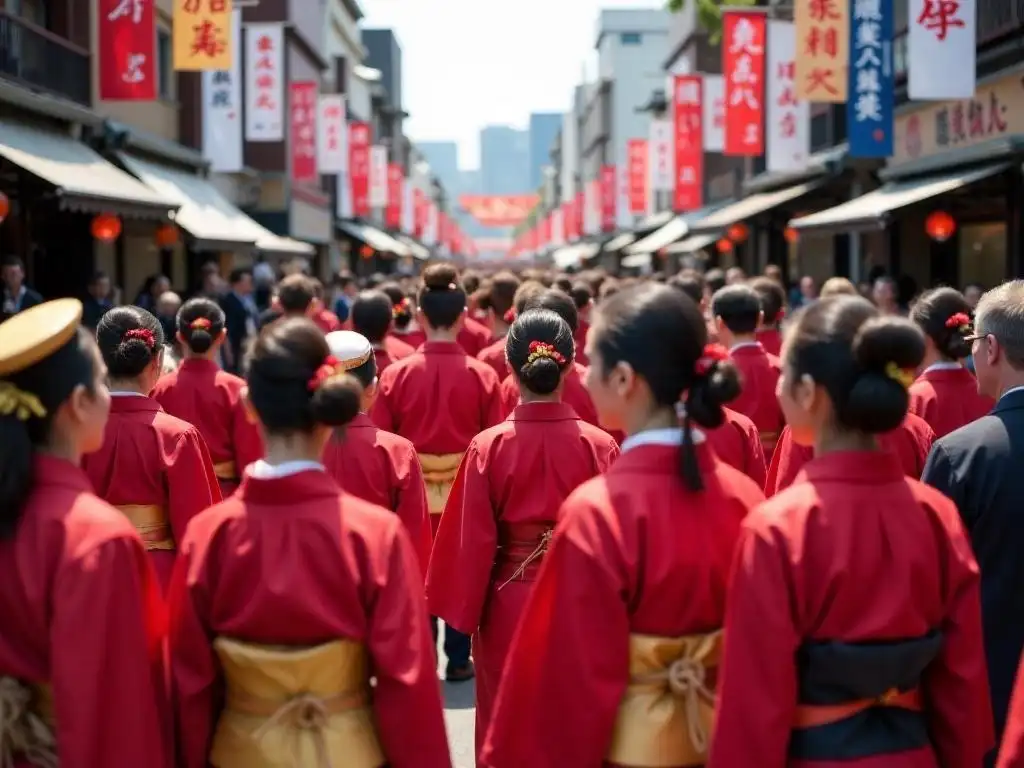
Festivals and celebrations during the Edo period were vibrant occasions where music played a central role. These events provided an opportunity for communities to come together, celebrate, and express their cultural identity.
- Seasonal Festivals: Different seasons brought various festivals, each accompanied by specific musical traditions. For example, Hanami (flower viewing) in spring often involved traditional songs that celebrated the beauty of cherry blossoms and the fleeting nature of life.
- Performances and Processions: Music was integral to processions and performances, enhancing the festive atmosphere. For instance, the use of taiko drums in processions created an energetic ambiance that captivated participants and spectators alike.
- Community Bonding: These musical festivities fostered a sense of belonging and community spirit. Groups would gather to sing, dance, and celebrate together, reinforcing social ties and cultural practices.
Edo Period Music and Its Connection to Other Art Forms
The Edo period was not only a time of musical evolution but also a hub for the interconnection of various art forms. Music influenced and was influenced by other cultural expressions such as theater, literature, and visual arts.
- Theater: Traditional music found a prominent place in Kabuki and Noh theater. The musical scores complemented the performances, enhancing the storytelling and emotional depth. The shamisen, in particular, became synonymous with kabuki performances, providing both rhythm and melody.
- Literature: Poetic forms like haiku and waka often included musical elements, with many poems being set to music. This blending of literature and music enriched the cultural landscape, allowing for deeper emotional expression.
- Visual Arts: Artists such as Ukiyo-e printmakers captured scenes of musical performances, illustrating the cultural significance of music in daily life. These artworks serve as historical documentation of the music and the societal context in which it was created.
The interplay between music and other art forms during the Edo period not only enriched the cultural tapestry of the time but also established a legacy that continues to influence Japanese culture today.
Edo period traditional music was more than a form of entertainment; it was a vital aspect of social life, a reflection of the cultural identity, and a bridge connecting various art forms, showcasing the rich heritage of Japan's feudal era.
Evolution of Edo Period Traditional Music
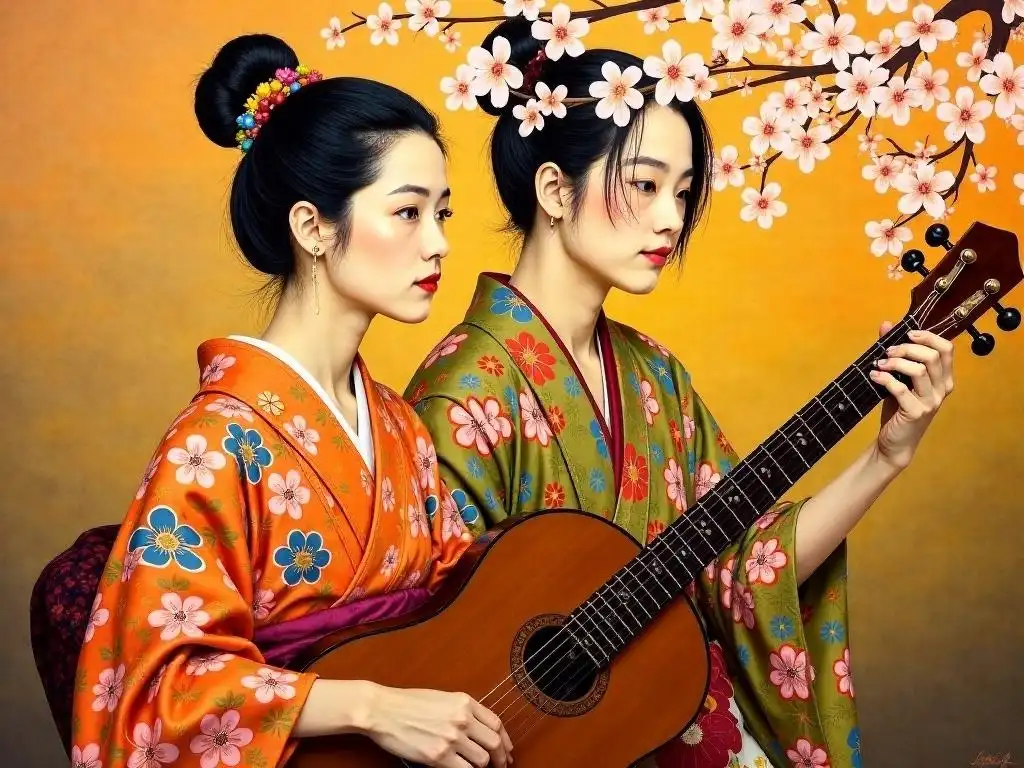
The Edo period, spanning from 1603 to 1868, was a time of significant transformation in Japan, and this evolution extended to its music. Edo period traditional music reflects a complex interplay of indigenous sounds and external influences, resulting in a rich tapestry of styles and genres. This evolution can be traced through various phases, each characterized by unique musical characteristics and cultural significance.
Changes in Musical Styles Over Time
During the early Edo period, music was heavily influenced by the traditions of the preceding Muromachi period, where forms like Noh and Gagaku dominated the cultural landscape. However, as the Edo period progressed, several new styles emerged:
- Joruri: This narrative music, accompanied by the shamisen (a three-stringed instrument), gained immense popularity in the 17th century. It often featured themes of love, tragedy, and social issues, resonating deeply with the common people.
- Kabuki: Emerging in the early 17th century, Kabuki theater incorporated music that was distinct from Noh. The nagauta style, characterized by its long melodies, became integral to Kabuki performances, blending music, dance, and drama.
- Min’yō: Folk songs known as Min’yō also flourished during this time. These songs often conveyed the daily lives and struggles of rural communities, using simple yet poignant melodies.
As these styles evolved, the instruments used also diversified. The shamisen, koto (a stringed instrument), and taiko (drums) became prominent, each contributing to the unique soundscape of the Edo period. The rise of urban centers like Edo (now Tokyo) facilitated the spread of these musical forms, leading to their adaptation and transformation in various locales.
The Influence of Western Music on Edo Period Sounds
The latter part of the Edo period saw the beginnings of Western influence on Japanese music. Although contact with the West was limited due to the sakoku (national isolation) policy, certain interactions began to reshape the musical landscape:
- Introduction of Western Instruments: The arrival of foreign traders and missionaries introduced instruments such as the piano and violin. These instruments were gradually incorporated into Japanese music, leading to innovative compositions that fused Western harmonies with traditional melodies.
- Western Musical Theory: The study of Western music theory began to permeate Japanese music education. This led to the adaptation of Western scales and compositional techniques within the existing framework of Edo period traditional music.
- Influence on Performance Practices: The performance styles began to evolve as musicians experimented with incorporating Western elements, such as dynamics and articulation, into traditional forms. This cross-pollination of ideas created a unique sound that was distinctly Edo yet influenced by global trends.
The impact of Western music, while initially subtle, laid the groundwork for the modernization of Japanese music that would flourish in the Meiji period (1868-1912). Edo period traditional music, therefore, not only serves as a reflection of its time but also as a precursor to the rich musical developments that would follow in Japan's history.
Legacy of Edo Period Music
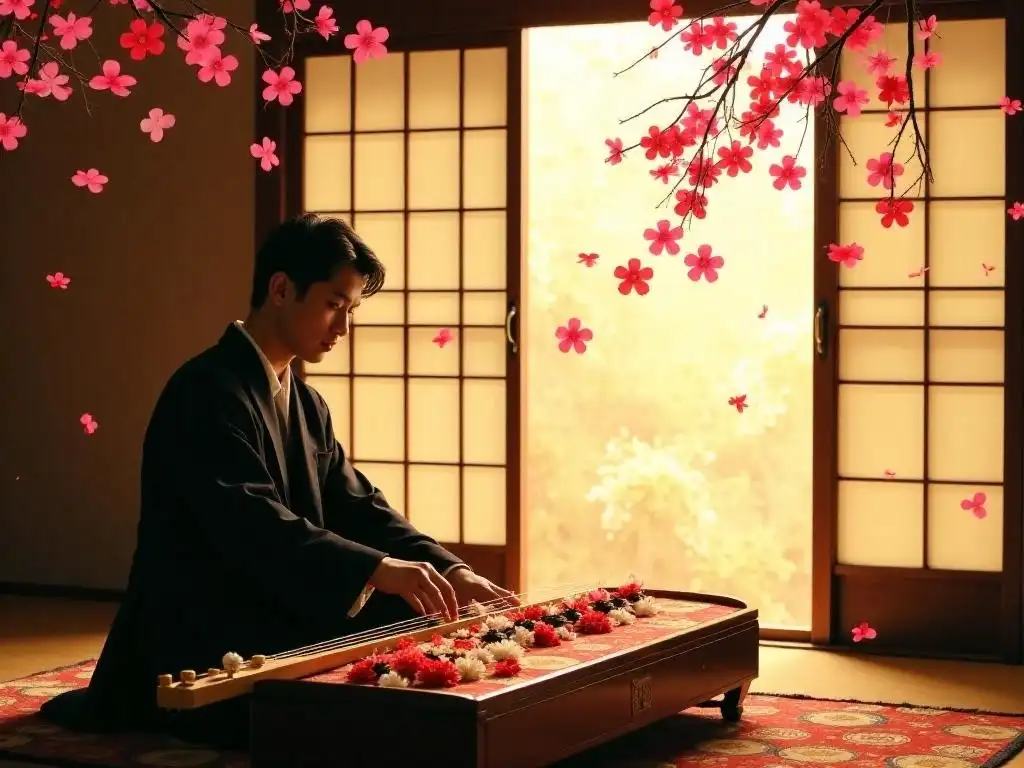
The legacy of Edo period music is profound and multifaceted, influencing not only the musical landscape of Japan but also shaping cultural identity through its unique sounds and forms. This era, spanning from 1603 to 1868, was marked by the rise of urban culture, particularly in Edo (modern-day Tokyo), where the flourishing of arts and entertainment created a rich tapestry of musical styles.
How Edo Period Traditional Music Influences Modern Japanese Music
Edo period traditional music serves as a cornerstone for contemporary Japanese music genres. The influence of traditional instruments, such as the shamisen, koto, and shakuhachi, can be clearly observed in modern compositions. These instruments have been adapted and integrated into various genres, including pop and rock, creating a fusion that resonates with both older and younger generations.
For instance, the shamisen, with its three strings and distinctive sound, has been incorporated into J-Pop songs, infusing them with a sense of historical depth and cultural authenticity. Artists often blend traditional melodies with modern rhythms, appealing to a broad audience while preserving the essence of Edo period sounds.
Moreover, the thematic content of Edo period music, which often revolves around nature, love, and societal issues, continues to inspire contemporary songwriters. This connection to cultural narratives ensures that the spirit of Edo music remains alive in modern lyrics, allowing new generations to explore and understand Japan's rich heritage.
Preservation of Edo Period Music Traditions Today
The preservation of Edo period music traditions is crucial for maintaining cultural continuity in Japan. Various organizations and cultural institutions actively work to promote these traditional forms through performances, workshops, and educational programs.
- Performances: The resurgence of nagauta (long songs) and joruri (storytelling through music) in theater, particularly in bunraku (puppet theater) and kabuki, showcases Edo music's enduring appeal. These performances not only entertain but also serve as a medium to educate audiences about the historical context and significance of the music.
- Educational Programs: Institutions such as the Tokyo University of the Arts offer courses in traditional Japanese music, ensuring that students learn the techniques and cultural history behind these art forms. This educational effort is vital in training the next generation of musicians and preserving the intricate skills involved in playing traditional instruments.
- Community Engagement: Local festivals often feature Edo period music, ensuring that these traditions are accessible to the public. Events like the Kanda Matsuri and Sanja Matsuri include performances of traditional music, allowing communities to engage with their cultural heritage actively.
The legacy of Edo period traditional music is not only a testament to Japan’s rich cultural history but also a living, evolving entity that influences modern music and continues to be preserved through various initiatives. This connection to the past enriches Japan's cultural identity, ensuring that the sounds of the Edo period resonate in contemporary society.
Conclusion: The Enduring Impact of Edo Period Traditional Music
The Edo period, spanning from 1603 to 1868, was a time of significant cultural development in Japan, particularly in the realm of music. The traditional sounds that emerged during this era not only enriched the artistic landscape but also played a pivotal role in shaping the cultural identity of the Japanese people. With the rise of various musical genres, including Noh, Kabuki, and folk songs, Edo period traditional music became a reflection of societal values, regional diversity, and the complexities of daily life.
Summary of Cultural Identity Shaped by Music
Edo period traditional music served as a powerful medium through which cultural identity was expressed and preserved. Music was deeply intertwined with the social fabric of the time, influencing and being influenced by the following elements:
- Festivals and Celebrations: Local festivals often featured unique musical styles, contributing to regional identities and community bonds. The use of traditional instruments such as the shamisen and taiko drum highlighted the distinctiveness of various locales.
- Theatrical Forms: Music played an integral role in theatrical performances, particularly in Kabuki and Noh. The incorporation of music in these dramas not only enhanced the storytelling but also helped convey moral lessons and cultural narratives.
- Social Commentary: Many Edo period songs contained layers of meaning, often serving as social commentary on the lives of the common people, their struggles, and aspirations. This aspect allowed music to become a vehicle for voicing societal issues, making it an essential part of the cultural discourse.
- Education and Transmission of Values: Traditional music was also a means of educating younger generations about cultural heritage and values. Songs often included historical narratives and moral teachings, ensuring that the knowledge and customs of the Edo period were passed down.
The impact of Edo period traditional music is evident in its enduring legacy, which continues to influence contemporary Japanese music and culture.
Final Thoughts on the Significance of Edo Period Traditional Music
The significance of Edo period traditional music extends beyond mere entertainment; it is a testament to the resilience and creativity of the Japanese people in the face of societal changes. The music of this era not only reflects the daily lives of individuals but also encapsulates the broader historical and cultural shifts that occurred during the Edo period.
As we explore the depths of Edo period traditional music, we uncover a rich tapestry of sound that reveals the complexities of identity, community, and tradition. The melodies and rhythms that emerged from this time continue to resonate today, reminding us of the vital role music plays in shaping cultural narratives and fostering connections among people.
Edo period traditional music is more than an art form; it is a crucial element of Japan's cultural heritage, illustrating the profound relationship between music and identity throughout history. Embracing this legacy allows us to appreciate the intricate ways in which sound has shaped the collective consciousness of a nation.
Frequently Asked Questions
What is the Edo period in Japanese history?
The Edo period, lasting from 1603 to 1868, was characterized by peace, stability, and a flourishing of culture in Japan. This era saw the rise of the samurai class and significant developments in arts and traditions.
How did traditional music evolve during the Edo period?
During the Edo period, traditional music evolved through the influence of various genres, including Noh, Kabuki, and folk music. These forms contributed to the rich tapestry of Japanese cultural identity.
What instruments were commonly used in Edo period traditional music?
Common instruments included the shamisen, koto, and taiko drums. Each instrument played a vital role in creating the distinctive sounds of Edo period music, reflecting the era's cultural diversity.
How did traditional music impact society during the Edo period?
Traditional music served not only as entertainment but also as a means of storytelling and cultural expression. It helped to forge a shared identity among people in various regions of Japan.
Are there any modern influences of Edo period music today?
Yes, many modern artists and musicians draw inspiration from Edo period traditional music, blending it with contemporary styles. This fusion keeps the historical sounds alive while appealing to new audiences.
Final Reflection: The Enduring Legacy of Edo Period Traditional Music
Edo period traditional music remains a vital thread in the tapestry of Japan's cultural identity, resonating with contemporary audiences in ways that bridge the past and present. The melodies and rhythms that flourished during this era not only entertained but also conveyed the values, beliefs, and experiences of a society in transition. Today, as we navigate a rapidly changing world, the echoes of Edo period music remind us of the importance of cultural heritage in shaping our identities and fostering a sense of belonging.
Culturally, the influence of Edo period traditional music extends far beyond its historical context, permeating modern art, theater, and even popular music. The intricate sounds and storytelling traditions continue to inspire artists and musicians, creating a rich dialogue between generations. As noted by musicologist Tōru Takemitsu, “Music is the most direct way to connect with our past, allowing us to understand who we are.” > This sentiment underscores the ongoing relevance of Edo period music in our lives, as it invites us to explore our roots and appreciate the artistry that has shaped our cultural landscape.
As you reflect on the themes of this article, I encourage you to consider how the lessons of Edo period traditional music can resonate in your own life. Take a moment to explore the sounds of this era, allowing them to inspire your creativity and deepen your understanding of cultural identity. Whether through listening, learning, or even creating your own music, engage with the rich heritage of the Edo period and let it guide you in shaping your unique narrative in today's world.
Unveil the Melodies of the Edo Period!
Thank you for diving into the fascinating world of Edo Period music with us! You've explored how these traditional sounds shaped Japan's cultural identity, and now it's time to carry that knowledge forward.
Here are some exciting steps you can take to deepen your connection with this incredible musical heritage:
- Listen to Edo Period Music: Find a curated playlist online or visit a local cultural center to immerse yourself in the authentic sounds that defined this remarkable era.
- Share Your Insights: Discuss what you've learned with friends or on social media to spark curiosity about Japan's rich musical history.
- Plan a Cultural Experience: Attend a live performance featuring traditional Japanese music or participate in a workshop to learn about the unique instruments used during the Edo period.
What aspect of Edo music resonates with you the most, and how does it influence your perception of Japanese culture today?