
The Influence of Chinese Festivals on Japan’s Feudal Celebrations

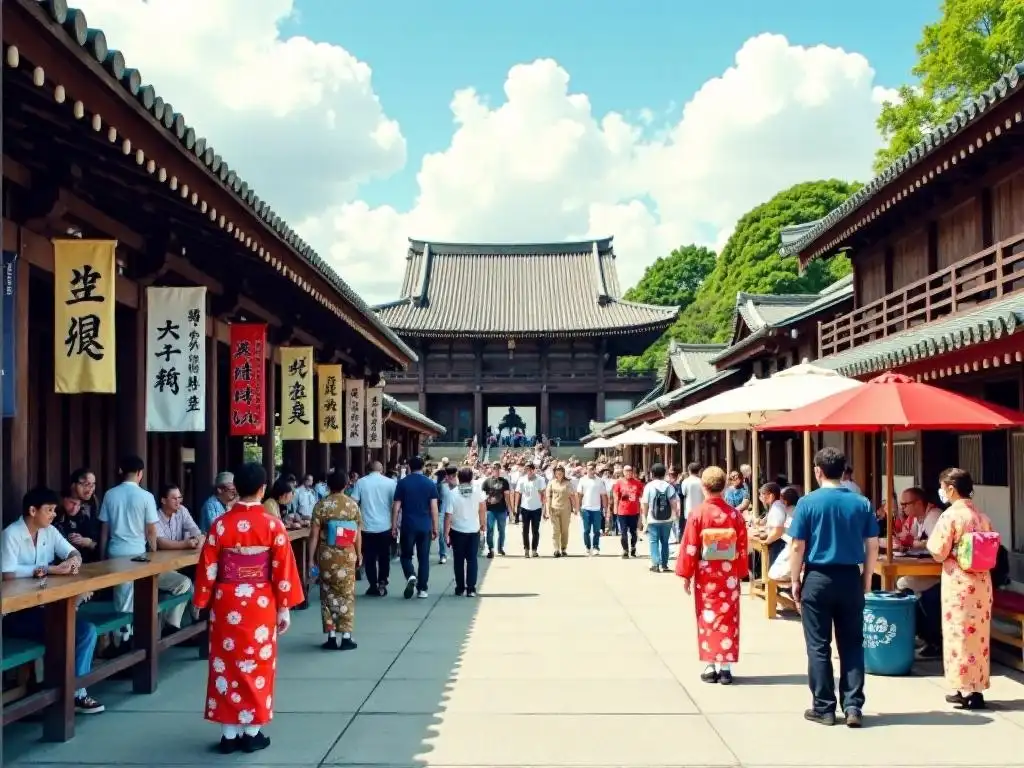
Welcome to Feudal Japan History, your gateway to the rich tapestry of Japan’s feudal era! Here, we delve deep into the historical, cultural, and societal nuances that shaped this fascinating period. In our featured article, "The Influence of Chinese Festivals on Japan’s Feudal Celebrations," we explore how vibrant Chinese traditions wove their way into the fabric of Japanese festivities, leaving an indelible mark on the culture.
What unexpected connections and transformations emerged from this cultural exchange? Join us as we uncover the intriguing interplay of influences that shaped feudal Japan, and prepare to embark on a journey through time that promises to enlighten and inspire!
Introduction to Chinese Festivals in Japan's Feudal Era
The intricate tapestry of Japan's feudal era is profoundly enriched by the myriad influences of Chinese culture, particularly through the lens of festivals. As Japan engaged with its powerful neighbor, the cultural exchange brought forth a variety of festivals that not only enhanced local traditions but also fostered a deeper understanding of societal values, rituals, and communal gatherings.
This article delves into the significant impact of Chinese festivals in Japan's feudal era, illustrating how these celebrations were assimilated and adapted, ultimately shaping the cultural landscape of feudal Japan. By examining the historical contexts, key periods of interaction, and the importance of festivals, we uncover the layers of influence that define this fascinating epoch.
Overview of Cultural Exchange between China and Japan
The cultural exchange between China and Japan dates back to ancient times, laying the groundwork for a rich dialogue of ideas, beliefs, and practices. This relationship was characterized by:
- Trade: The exchange of goods facilitated the movement of cultural artifacts and traditions.
- Buddhism: The introduction of Buddhism from China brought about significant religious and cultural adaptations.
- Art and Literature: Chinese art forms, poetry, and philosophical texts influenced Japanese aesthetics and thought.
Such interactions were pivotal in shaping the festivals celebrated in Japan, as they often mirrored Chinese customs while infusing local elements.
Importance of Festivals in Feudal Society
Festivals in feudal Japan served multiple purposes, including:
- Religious Significance: Many festivals were tied to Shinto and Buddhist beliefs, marking important spiritual events.
- Agricultural Cycles: Festivals often coincided with planting and harvest seasons, celebrating bountiful yields.
- Community Cohesion: These gatherings fostered a sense of belonging and unity among villagers, promoting social bonds.
The incorporation of Chinese festivals into this framework provided a diverse array of celebrations that enriched the feudal society's cultural fabric.
Historical Context of Chinese Festivals in Japan
Understanding the influence of Chinese festivals on Japan's feudal celebrations requires a look into the historical contexts that allowed for such exchanges.
The Arrival of Chinese Cultural Influences
The first significant waves of Chinese influence began during the early periods of Japanese history, particularly through envoys and monks who brought back Buddhist texts and cultural practices. These early interactions set the stage for later, more profound influences that would permeate various aspects of Japanese life, including the calendar of festivals.
Key Periods of Interaction: Tang and Song Dynasties
The Tang (618–907) and Song (960–1279) dynasties were especially instrumental in shaping cultural exchanges between China and Japan. Key points include:
- Tang Dynasty: Known for its cosmopolitan culture, the Tang era saw a flourishing of the arts and festivals, which were later admired and adapted by the Japanese.
- Song Dynasty: This period emphasized commerce and cultural enlightenment, further influencing Japanese celebrations that focused on themes of prosperity and community.
Adoption of Chinese Festivals in Japan’s Feudal Era
As Japan's feudal era progressed, several Chinese festivals found a place in Japanese tradition, including:
- Lantern Festival: Celebrated with colorful lanterns, symbolizing hope and renewal.
- Duanwu Festival (Dragon Boat Festival): Marked by rice dumplings and boat races, this festival emphasized community and cooperation.
- Mid-Autumn Festival: A celebration of harvest and family, reflecting the importance of agriculture in Japanese society.
The adaptation of these festivals was not merely a replication; rather, they were transformed to align with local customs and beliefs, creating unique celebrations that resonated with the Japanese populace.
In the following sections, we will explore these elements further, providing a comprehensive understanding of how Chinese festivals influenced Japan’s feudal celebrations.
Major Chinese Festivals and Their Impact on Japanese Celebrations
The influence of Chinese festivals on Japan's feudal celebrations is profound and multifaceted. As trade routes expanded and cultural exchanges flourished between the two nations, various Chinese festivals were adopted and adapted into Japanese society. This cross-cultural interaction not only enriched Japan's festive calendar but also integrated elements of Chinese philosophy, aesthetics, and spirituality into the local traditions.
Among the most notable Chinese festivals that made their mark on Japan are the Lunar New Year, the Mid-Autumn Festival, and the Dragon Boat Festival. Each of these celebrations brought unique customs, rituals, and meanings that were subsequently woven into the fabric of Japanese culture.
The Lunar New Year: Significance and Adaptation
The Lunar New Year, or "Shōgatsu" in Japan, has its roots deeply planted in Chinese tradition. Celebrated on the first day of the lunar calendar, this festival marks the arrival of spring and is associated with renewal and hope. In feudal Japan, the Lunar New Year was initially celebrated by the aristocracy and samurai classes, who would hold lavish banquets and perform rituals to ensure agricultural abundance for the coming year.
As the practice evolved, many customs from the Chinese celebration were assimilated into Japanese culture, including the use of auspicious decorations, such as pine and bamboo, which symbolize longevity and resilience. Moreover, traditional dishes, such as "osechi-ryori," began to incorporate Chinese influences, showcasing a blend of ingredients and flavors. The Lunar New Year in Japan gradually transformed from a strictly Chinese observance to a uniquely Japanese celebration, blending both cultural elements while maintaining its significance as a time for family reunions and reflection.
The Mid-Autumn Festival: Symbolism and Practices
The Mid-Autumn Festival, also known as the Moon Festival, is another significant celebration that traveled from China to Japan. Celebrated on the 15th day of the eighth lunar month, it honors the harvest and the moon's fullness, symbolizing unity and prosperity. In Japan, this festival is referred to as "Tsukimi," or moon-viewing, and reflects a deep appreciation for nature and seasonal changes.
Japanese practices associated with Tsukimi include preparing offerings of rice dumplings known as "dango," as well as seasonal fruits and vegetables. The festivities also involve viewing the moon and appreciating its beauty, often accompanied by poetry and music. The symbolism of the moon as a source of inspiration and contemplation mirrors the Chinese traditions, yet the Japanese have infused their unique aesthetic and spiritual perspectives into the celebration. This adaptation illustrates the seamless integration of Chinese cultural elements into Japan's own rich traditions.
The Dragon Boat Festival: Influence on Japanese Customs
The Dragon Boat Festival, or "Duanwu Jie," traditionally commemorates the poet Qu Yuan and is celebrated on the fifth day of the fifth lunar month. This festival is known for its vibrant dragon boat races and the consumption of zongzi (sticky rice dumplings). While the Dragon Boat Festival did not gain as much prominence in Japan as the Lunar New Year or Mid-Autumn Festival, its influence can still be seen in certain regional customs.
In Japan, some coastal communities adopted the practice of boat races during the summer festivals, inspired by the excitement and competitive spirit of the Chinese dragon boat races. Additionally, the consumption of rice-based dishes during these celebrations echoes the spirit of zongzi, reinforcing the connections between the two cultures. This melding of customs showcases the adaptability of Japanese traditions, as they selectively embraced aspects of the Dragon Boat Festival while incorporating local significance and flair.
Transformation of Chinese Festivals into Japanese Traditions
As Chinese festivals took root in Japan, they underwent significant transformations that reflected the unique cultural and spiritual landscape of the country. The interplay between Chinese influences and local customs led to the emergence of distinctly Japanese traditions that maintained the essence of the original celebrations while also showcasing Japan's rich heritage.
Changes in Rituals and Celebrations
The adaptation of Chinese festivals in Japan was marked by notable changes in rituals and celebrations. As these festivals became entrenched in Japanese culture, rituals were often simplified or modified to align with indigenous beliefs and practices. For example, the elaborate rituals of the Lunar New Year were streamlined to suit the more understated Japanese aesthetic, focusing on family gatherings and the preparation of traditional foods.
Moreover, certain elements that were central to the Chinese observances, such as the worship of deities associated with the festivals, were often replaced or integrated with Shinto and Buddhist practices. This blending allowed for the creation of unique rituals that resonated with the Japanese populace while honoring the original Chinese customs.
The Role of Buddhism and Shinto in Festival Evolution
Buddhism and Shinto played crucial roles in the evolution of Chinese festivals in Japan. As these two belief systems became foundational to Japanese culture, they influenced the way festivals were celebrated. The incorporation of Buddhist principles, such as compassion and mindfulness, enriched the observance of festivals, adding layers of spiritual meaning.
Shinto, with its focus on kami (spirits) and nature, also contributed to the transformation of these festivals. For instance, the appreciation of seasonal changes and the reverence for natural elements became integral to celebrations like Tsukimi. The fusion of these spiritual frameworks allowed Chinese festivals to resonate deeply within Japanese society, fostering a sense of continuity and cultural identity.
Regional Variations of Chinese Festivals in Japan
The regional variations of Chinese festivals in Japan reflect the diverse cultural landscape of the country. Different areas adapted the festivals based on local customs, resources, and historical influences. For example, in regions with strong agricultural traditions, the Lunar New Year might focus on agricultural blessings and harvest celebrations, while urban areas may emphasize social gatherings and festivities.
Additionally, local deities and folklore often shaped the way these festivals were observed. For instance, unique regional dishes, traditional music, and dances might be incorporated into celebrations, resulting in a rich tapestry of customs that pay homage to both Chinese origins and Japanese identity. This regional diversity highlights the dynamic nature of cultural exchange and the enduring influence of Chinese festivals on Japan's feudal celebrations.
Case Studies: Specific Festivals and Their Cultural Significance
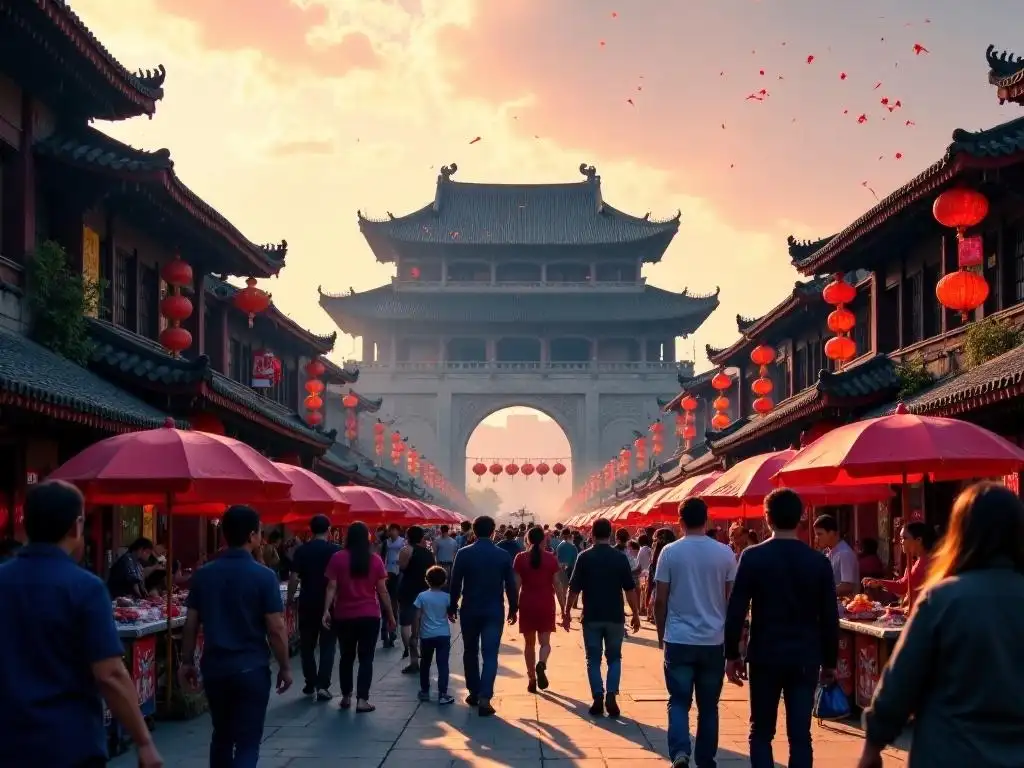
The influence of Chinese festivals on Japan's feudal celebrations can be observed through various case studies, each showcasing how these cultural exchanges enriched Japanese traditions. By examining specific festivals, we can uncover the layers of meaning and adaptation that occurred over time. These festivals illustrate the intricate relationships between Chinese and Japanese cultures, shaping the social fabric of feudal Japan.
The Influence of Lantern Festivals in Japanese Celebrations
One of the most prominent Chinese festivals that made a significant impact in Japan is the Lantern Festival, celebrated on the 15th day of the first lunar month. This festival originally marked the end of the Chinese New Year festivities, and it was characterized by the lighting of lanterns, dragon dances, and various forms of entertainment.
In Japan, the Lantern Festival evolved into the Tanabata Matsuri, which celebrates the meeting of two star-crossed lovers, Orihime and Hikoboshi. The Japanese adaptation retained the essence of illumination through colorful paper lanterns, symbolizing hopes and wishes. This transformation not only reflected a shift in narrative but also demonstrated the integration of Chinese customs into the local belief system, emphasizing romance and the power of love in human connections.
How the Chinese Mooncake Tradition Evolved in Japan
The tradition of mooncakes, which are essential during the Chinese Mid-Autumn Festival, also found its way into Japanese culture. In China, mooncakes are round pastries filled with sweet or savory fillings, symbolizing reunion and harmony.
In feudal Japan, this tradition was adapted into the Tsukimi, or Moon Viewing Festival, celebrated in the fall. While mooncakes as pastries were not widely adopted, the spirit of the festival influenced the Japanese practice of offering dumplings and seasonal produce to the moon. The Japanese version emphasized the appreciation of nature and the changing seasons, showcasing how the mooncake tradition evolved into a celebration of the harvest and family togetherness in Japan, aligning with local values and aesthetics.
The Integration of Chinese Zodiac Elements into Japanese Festivals
Chinese zodiac elements also significantly influenced Japanese festivals, particularly through the Shinji Matsuri and New Year celebrations. The twelve animals of the Chinese zodiac were integrated into Japanese culture, and each year is associated with a specific animal, which brings with it various symbolic meanings and auspicious implications.
During the New Year, the Japanese adopted customs such as using zodiac-themed decorations and engaging in rituals meant to attract good fortune for the coming year. The zodiac’s influence can also be seen in various traditional arts and crafts, where zodiac animals are depicted in paintings, textiles, and pottery. This integration demonstrates how Chinese zodiac elements were embraced and adapted to fit the Japanese cultural narrative, reinforcing community identity and continuity through shared mythos.
The Societal Impact of Festivals in Feudal Japan
Festivals in feudal Japan were not merely occasions for celebration; they served essential roles in societal structure and cohesion. The influence of Chinese festivals contributed to this by providing frameworks for socio-cultural expression and community engagement.
Festivals as a Reflection of Feudal Hierarchies
Feudal Japan's societal structure was characterized by a clear hierarchy, and festivals often mirrored these divisions. Celebrations were typically organized by the ruling class, with samurai and nobles hosting events that showcased their wealth and power.
For instance, during the Mikoshi Matsuri, portable shrines are paraded, symbolizing the presence of deities. The participation of different social classes was dictated by status, with commoners often relegated to supportive roles. This hierarchical representation was a direct reflection of the feudal system, illustrating how festivals served to reinforce social order while simultaneously providing opportunities for the lower classes to engage in communal worship and celebration.
The Role of Festivals in Community Building and Social Cohesion
Festivals also played a crucial role in fostering community spirit and social cohesion among the various classes within feudal Japan. They acted as a platform for people from different backgrounds to come together, share experiences, and strengthen communal ties.
Events like the Aoi Matsuri and Gion Matsuri brought together villagers and townsfolk, allowing them to participate in rituals, processions, and games. These gatherings were vital for enhancing social bonds, promoting mutual support, and ensuring collective identity among participants. The shared experience of festival celebrations helped to bridge class divides, creating a sense of belonging and unity in the face of the rigid feudal structure.
Economic Implications of Celebrating Chinese Festivals in Japan
The celebration of Chinese festivals in Japan had significant economic implications, as these events often spurred local commerce and trade. Festivals attracted merchants and artisans who sought to profit from the influx of visitors, leading to the growth of markets and stalls selling food, crafts, and other goods.
Moreover, the emphasis on seasonal festivals, such as the Harvest Moon Festival, stimulated agricultural productivity by reinforcing the importance of the harvest cycle. Local economies benefited from increased demand for harvest-related products and the redistribution of wealth among community members during these periods of celebration. The economic activities surrounding festivals thus played a critical role in sustaining local economies and supporting the livelihoods of various social classes during Japan's feudal era.
Conclusion: The Lasting Legacy of Chinese Festivals in Japan's Cultural History
The influence of Chinese festivals on Japan’s feudal celebrations has left an enduring mark on the cultural landscape of the nation. Throughout the feudal era, various Chinese traditions, including the Lunar New Year and the Mid-Autumn Festival, were integrated into Japanese cultural practices. These festivals not only served as occasions for celebration but also fostered a deeper understanding of agricultural cycles, family bonds, and communal harmony. Today, remnants of these ancient celebrations can still be observed in modern Japanese festivals, showcasing the lasting legacy of this cultural exchange.
The synthesis of Chinese and Japanese traditions resulted in unique adaptations that reflect Japan's distinct cultural identity. For instance, the incorporation of Chinese poetry and aesthetics into Japanese festivals has enriched the artistic expression found in traditional celebrations. Furthermore, the Japanese emphasis on local deities and customs has reinterpreted these festivals, creating a hybrid cultural experience that honors both origins.
Summary of Key Influences and Adaptations
Several key influences from Chinese festivals can be identified within Japan’s feudal celebrations. Among them are:
- Lunar New Year: Celebrated with various customs such as the preparation of special foods, the display of decorations, and family gatherings. Over time, it evolved into what is now known as "Seollal" in Korea, while in Japan, it became integrated into the New Year celebrations with distinct local variations.
- Mid-Autumn Festival: Originally centered around moon worship, this festival influenced Japan's "Tsukimi," or moon-viewing celebrations, where the beauty of the harvest moon is appreciated with offerings of seasonal foods.
- Qingming Festival: The practice of ancestor worship during the Qingming Festival inspired similar observances in Japan, leading to traditions of visiting family graves and honoring ancestors during the Obon festival.
These adaptations not only highlight the direct influence from Chinese customs but also illustrate how Japan has uniquely contextualized these practices to align with its own spiritual and cultural frameworks.
Reflection on the Continuous Cultural Exchange between China and Japan
The relationship between China and Japan has been characterized by a dynamic and reciprocal cultural exchange that extends beyond festivals. This dialogue has facilitated the sharing of philosophical, religious, and artistic ideas, enriching both cultures in the process. During the feudal era, Chinese literature, art, and religious practices were highly regarded in Japan, leading to the assimilation of various aspects of Chinese culture into Japanese society.
The continuous exchange is evident in the evolution of various cultural practices, where Japan has maintained its identity while embracing elements from Chinese traditions. This phenomenon underscores the resilience and adaptability of cultural practices, demonstrating that cultural influences can transform over time, leading to a rich tapestry of traditions that honor both their origins and new interpretations.
Further Reading and Resources on Festivals in Feudal Japan
For those interested in exploring the fascinating interplay between Chinese festivals and Japan's feudal celebrations, a variety of resources are available. These resources provide insights into the historical context, significance, and evolution of such festivals, revealing the depth of cultural history in Japan.
Recommended Books and Articles on Feudal Celebrations
- "Festivals of Japan: A Cultural Exploration": by Hiroshi Takeda: This book delves into the origins and transformations of various Japanese festivals, including those influenced by Chinese traditions.
- "The Influence of Chinese Culture on Japan" by Masako Yamamoto: This article examines the broader cultural exchanges between China and Japan, with a focus on festival practices.
- "Celebrating the Seasons: A History of Japanese Festivals": by Kenjiro Nakamura: This comprehensive study discusses the significance of seasonal festivals in Japan, highlighting adaptations from Chinese customs.
Online Resources for Exploring Cultural History in Japan
- Japanese Festivals Archive: A digital repository that collects historical documents, images, and descriptions of festivals celebrated throughout Japan, including those with Chinese origins.
- The Asia Society's Cultural Exchange Resources: This online platform provides articles, videos, and educational materials detailing the cultural interactions between China and Japan over the centuries.
- National Diet Library of Japan: The library offers extensive resources, including historical texts, studies, and publications related to Japanese cultural history and festivals.
These resources can enhance your understanding of how Chinese festivals have shaped Japan’s feudal celebrations and continue to influence contemporary cultural practices.
- Introduction to Chinese Festivals in Japan's Feudal Era
- Historical Context of Chinese Festivals in Japan
- Major Chinese Festivals and Their Impact on Japanese Celebrations
- Transformation of Chinese Festivals into Japanese Traditions
- Case Studies: Specific Festivals and Their Cultural Significance
- The Societal Impact of Festivals in Feudal Japan
- Conclusion: The Lasting Legacy of Chinese Festivals in Japan's Cultural History
- Summary of Key Influences and Adaptations
- Reflection on the Continuous Cultural Exchange between China and Japan
- Further Reading and Resources on Festivals in Feudal Japan
- What were the major Chinese festivals celebrated during Japan's feudal era?
- How did Chinese festivals impact Japanese culture?
- Were there any specific Japanese adaptations of Chinese festivals?
- How did the samurai class participate in these festivals?
- What role did religion play in the celebration of these festivals?
Frequently Asked Questions
What were the major Chinese festivals celebrated during Japan's feudal era?
Many Chinese festivals such as Lunar New Year and Mid-Autumn Festival were celebrated in Japan, influencing local customs and traditions during the feudal period.
How did Chinese festivals impact Japanese culture?
Chinese festivals introduced new customs and rituals, enriching Japan's feudal celebrations and encouraging cultural exchange, particularly in art, literature, and food.
Were there any specific Japanese adaptations of Chinese festivals?
Yes, various Japanese adaptations emerged, blending local traditions with Chinese influences, resulting in unique celebrations like Setsubun and Tanabata.
How did the samurai class participate in these festivals?
The samurai class often engaged in celebratory events, showcasing their wealth and status through elaborate feasts and ceremonies that mirrored Chinese practices.
What role did religion play in the celebration of these festivals?
Religion, particularly Buddhism and Shinto, played a significant role, intertwining with Chinese festivals to create a rich tapestry of spiritual and cultural significance during the feudal era.
Final Reflection: The Enduring Legacy of Chinese Festivals in Japan's Feudal Era
The exploration of Chinese festivals in Japan's feudal era reveals a profound cultural exchange that continues to resonate today. As we delve into the historical intricacies of how these festivals shaped Japanese celebrations, we uncover a striking reminder of the interconnectedness of cultures. This relationship not only enriched Japan's own traditions but also laid the groundwork for a unique cultural identity that persists in contemporary society.
The influence of Chinese festivals has left an indelible mark on Japan's cultural landscape, shaping social practices and community gatherings that are still celebrated today. This ongoing dialogue between cultures illustrates the power of shared traditions and the importance of understanding our roots. As the renowned historian Yuval Noah Harari once said, "> History is not just about the past; it is about the future." This sentiment encapsulates how the legacy of these festivals continues to inform and inspire modern celebrations, fostering a sense of unity and continuity among generations.
As we reflect on the lessons drawn from the interplay of Chinese and Japanese traditions, I invite you to consider how cultural influences shape your own life. Embrace the diversity around you and recognize the beauty in shared celebrations. Let this understanding inspire you to engage with your heritage and the traditions of others, fostering a spirit of appreciation and respect that transcends time and borders. Together, we can honor the past while creating a more inclusive future, where the richness of our shared histories informs the celebrations of tomorrow.
Embrace the Cross-Cultural Celebration!
Thank you for diving into the fascinating intersection of Chinese festivals and Japan’s feudal celebrations! By exploring this unique influence, you've uncovered the rich tapestry of history that binds these cultures together. Now, let’s take your newfound knowledge and transform it into action!
Here’s how you can deepen your understanding and share the joy of these traditions:
- Explore local festivals: Seek out celebrations in your community inspired by Asian cultures and experience the vibrant traditions firsthand.
- Share your insights: Discuss with friends or on social media how these historical influences shape modern festivities — your perspective could inspire others to learn more!
- Join a cultural group or class: Engage with local organizations that celebrate these rich traditions and expand your network while having fun!
What part of the cultural exchange between China and Japan intrigues you the most, and how might you incorporate that into your own traditions?