
Zen Buddhism and its Contribution to the Emergence of Modern Japan


Welcome to Feudal Japan History, where we embark on a captivating journey through the intricate tapestry of Japan's feudal era. In this exploration, we delve deep into the profound impact of Zen Buddhism on the cultural landscape that shaped modern Japan. Have you ever wondered how the serenity of Zen philosophy helped mold the very essence of Japanese society? Prepare to uncover the enlightening connections between spirituality and culture, as we guide you through expert-driven insights and in-depth articles that reveal the rich layers of this transformative period. Dive in and discover the secrets that lie within!
- Introduction to Zen Buddhism and Its Influence on Japan
- The Arrival of Zen Buddhism in Japan
- Zen Buddhism's Philosophical Foundations and Their Impact
- Zen Buddhism and the Samurai Culture
- The Role of Zen Buddhism in Japanese Arts and Literature
- Zen Buddhism's Contribution to Modern Japanese Society
- Conclusion: The Lasting Legacy of Zen Buddhism in Japan
- References and Further Reading
- Frequently Asked Questions
- Final Reflection: The Enduring Influence of Zen Buddhism on Modern Japan
- Embrace Zen: Transform Your Perspective Today!
Introduction to Zen Buddhism and Its Influence on Japan
Zen Buddhism, a profound spiritual and philosophical tradition, has played a pivotal role in shaping the cultural landscape of Japan. Originating from the teachings of Siddhartha Gautama, also known as the Buddha, Zen emphasizes personal experience and meditation as pathways to enlightenment. This unique form of Buddhism arrived in Japan during the Kamakura period (1185-1333) and quickly intertwined with the existing cultural and social frameworks. Its influence permeated various aspects of Japanese life, from art and literature to the development of martial arts and the practice of tea ceremonies.
In this article, we will delve into the multifaceted impact of Zen Buddhism on the emergence of modern Japan. By exploring its historical context, its core principles, and its lasting significance in shaping Japanese culture, we aim to illuminate the ways in which Zen Buddhism has not only influenced spiritual practices but has also contributed to the broader cultural identity of Japan.
Overview of Zen Buddhism
Zen Buddhism focuses on the practice of meditation (zazen) and the attainment of a direct, experiential understanding of reality. Unlike other forms of Buddhism that may prioritize scripture and religious rituals, Zen places significant emphasis on individual meditation and intuitive insight. The key concepts of Zen can be summarized as follows:
- Meditation (Zazen): A core practice that encourages mindfulness and self-reflection.
- Satori: The experience of enlightenment or awakening, often described as a sudden insight into the nature of reality.
- Koan: A paradoxical question or statement used as a tool to provoke deep thought and challenge conventional reasoning.
The simplicity and depth of Zen philosophy resonate with many people, making it a significant force in Japanese spirituality and cultural expression.
Historical Context of Zen Buddhism in Japan
Zen Buddhism was introduced to Japan in the late 12th century, primarily through the efforts of traveling monks from China. The Kamakura period marked a turning point in Japanese history, characterized by the rise of the samurai class and the establishment of a feudal system. Zen's practical approach to meditation and discipline appealed to the samurai, who sought mental clarity and emotional resilience in a time of social upheaval.
Key historical developments include:
- The Arrival of Zen Monks: Figures such as Eisai and Dōgen played crucial roles in establishing Zen monasteries and practices in Japan.
- Integration with Samurai Culture: Zen's emphasis on discipline and mindfulness became intertwined with the bushido code, the ethical framework guiding samurai conduct.
- Cultural Flourishing: The Muromachi period (1336-1573) saw the emergence of Zen-inspired art forms, including ink painting, calligraphy, and the tea ceremony, which reflected Zen aesthetics and philosophy.
Significance of Zen Buddhism Influence on Japanese Culture
The influence of Zen Buddhism extends beyond spiritual practice; it has significantly shaped various aspects of Japanese culture. Its impact can be observed in:
- Art and Aesthetics: Zen principles have inspired countless artworks, fostering a unique aesthetic that values simplicity, nature, and tranquility.
- Literature and Poetry: Zen has influenced literary forms, especially haiku, which encapsulate profound insights in minimalistic expressions.
- Martial Arts: The mindfulness and focus cultivated through Zen practice are integral to many traditional Japanese martial arts, enhancing both physical and mental discipline.
The profound influence of Zen Buddhism on Japan is a testament to its enduring legacy, shaping not only the spiritual lives of individuals but also the broader cultural identity of the nation. This exploration of Zen Buddhism's contributions offers valuable insights into how these ancient practices continue to resonate in modern Japanese society.
The Arrival of Zen Buddhism in Japan
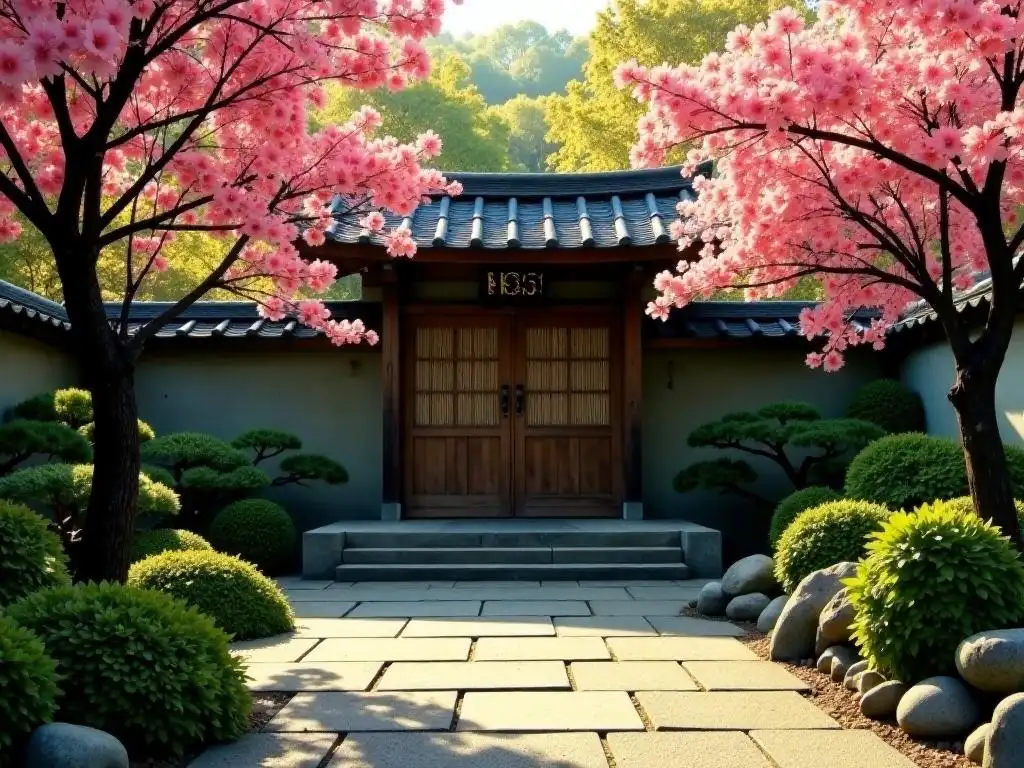
Early Contacts with Chinese Zen Buddhism
Zen Buddhism, known as Chan in China, made its initial forays into Japan during the late 12th century, a period marked by significant cultural exchange between the two nations. The first recorded transmission of Zen teachings occurred when the monk Eisai returned from China in 1191. His experiences in the Chinese monastic system profoundly influenced his vision for Japanese spirituality. Eisai sought to establish a distinct Zen tradition in Japan that would incorporate meditation and the study of texts.
The influence of Chinese Zen was facilitated by the political and economic conditions of the time. The Kamakura period (1185-1333) was characterized by a rise in warrior class culture, which found resonance in Zen's emphasis on discipline and simplicity. This era also saw the opening of trade routes, allowing for a more fluid exchange of ideas and practices. Early contacts primarily centered around the practice of meditation ( zazen) and the study of koan, which encouraged the practitioners to experience enlightenment through direct insight rather than through scholarly knowledge.
Zen’s initial foothold in Japan was fragile, often competing with the established Pure Land Buddhism, which appealed to the masses through its devotional practices. However, the elite samurai class began to adopt Zen as a means to cultivate mental fortitude, leading to a slow but steady acceptance of Zen principles in broader Japanese society.
Key Figures in the Introduction of Zen Buddhism
Several pivotal figures played crucial roles in the introduction and establishment of Zen Buddhism in Japan.
- Eisai (1141-1215) - As mentioned earlier, Eisai was instrumental in bringing Zen to Japan. He founded the Rinzai school of Zen, emphasizing the importance of direct experience in achieving enlightenment. His teachings laid the groundwork for future generations of Zen practitioners.
- Dogen (1200-1253) - Another paramount figure, Dogen, founded the Soto school of Zen, which stressed the practice of shikantaza (just sitting) as a form of meditation. His writings, particularly the Shobogenzo, integrated Zen practice with a philosophy that deeply examined the nature of reality and existence, thus enriching the Japanese intellectual landscape.
- Keizan (1268-1325) - A disciple of Dogen, Keizan played a significant role in popularizing the Soto school. He emphasized the importance of community and the monastic life, leading to the establishment of several key temples, which became centers of learning and practice.
These figures not only shaped the theological foundations of Zen but also contributed to its integration into the broader cultural fabric of Japan, influencing art, literature, and the samurai ethos.
The Role of Zen Monasteries in Japan
Zen monasteries emerged as vital institutions in the dissemination and practice of Zen Buddhism in Japan. By the late 13th century, numerous monasteries had been established, serving as centers for meditation, education, and cultural exchange.
- Cultural Hubs: Zen monasteries became cultural hubs, fostering the arts, particularly in ink painting, tea ceremony, and landscape gardening. The aesthetic simplicity of Zen principles influenced these art forms, leading to the creation of iconic Japanese gardens and tea houses that reflect Zen's emphasis on harmony and nature.
- Training and Discipline: Monasteries provided rigorous training for monks and lay practitioners alike. The structured environment emphasized discipline, meditation, and communal living, which were essential for deepening one's practice. This discipline resonated with the samurai class, who adopted Zen principles to enhance their martial skills and mental clarity.
- Political Influence: Many Zen monasteries gained political influence, serving as advisors to shoguns and other leaders. The relationship between Zen monks and the ruling class often created a symbiotic dynamic, where political leaders supported Zen institutions in exchange for their spiritual guidance and legitimacy.
Zen monasteries not only facilitated the spread of Zen teachings but also transformed Japan’s cultural landscape, contributing significantly to the development of modern Japanese identity. The Zen Buddhism influence on Japan is evident in various aspects of society, from art and culture to the philosophies that shaped its historical trajectory.
Zen Buddhism's Philosophical Foundations and Their Impact

Zen Buddhism has a rich philosophical foundation that has profoundly influenced various aspects of Japanese culture, society, and thought. Originating from the Chinese Chan Buddhism, Zen emphasizes direct experience and meditation as the paths to enlightenment. This focus on the individual's inner experience has shaped many facets of Japanese life, from martial arts to the arts of tea and flower arrangement.
One of the key aspects of Zen philosophy is the idea of simplicity and clarity. Zen teachings advocate for a minimalist approach, encouraging practitioners to strip away the unnecessary to reveal the essence of existence. This principle has permeated Japanese culture, influencing everything from architecture to daily practices, resulting in a society that values understated beauty and functionality.
Another significant philosophical tenet is the impermanence of all things, known as "mujo" in Japanese. This concept fosters an appreciation for the transient nature of life, encouraging individuals to embrace change and find beauty in the fleeting moments. This perspective has shaped Japanese aesthetics and cultural practices, embedding a sense of mindfulness and presence in the way people interact with their environment.
Core Principles of Zen Buddhism
Zen Buddhism is grounded in several core principles that define its practice and philosophy. At the heart of Zen is zazen, or seated meditation, which serves as a means to cultivate mindfulness and awareness. This practice encourages individuals to observe their thoughts without judgment, leading to a deeper understanding of the self and the world around them.
- Emphasis on Direct Experience: Zen teaches that true understanding comes not from intellectual reasoning but from direct experience. This principle has influenced various Japanese traditions, promoting practices that prioritize experiential learning over theoretical constructs.
- Non-Duality: Zen philosophy often emphasizes the non-duality of existence, where distinctions between subject and object, self and other, dissolve. This idea has fostered a holistic view of life in Japan, promoting harmony and interconnectedness in social relations and cultural expressions.
- Simplicity and Minimalism: The Zen aesthetic advocates for simplicity, encouraging practitioners to find joy in the ordinary and the mundane. This principle is reflected in various Japanese art forms, such as ink painting and calligraphy, which often emphasize the beauty of simplicity and the power of negative space.
The Concept of Satori and Its Relevance to Japanese Thought
Satori, often translated as "awakening" or "enlightenment," is a central concept in Zen Buddhism that refers to the moment of sudden realization or insight into the true nature of reality. This experience is not just an intellectual understanding but a profound transformation of perception.
- Cultural Significance: The pursuit of Satori has influenced various aspects of Japanese culture, encouraging a mindset that values introspection and self-discovery. This pursuit is evident in traditional practices such as Zen gardens and tea ceremonies, which are designed to facilitate moments of clarity and insight.
- Impact on Education and Training: The concept of Satori has also shaped educational practices in Japan, particularly in disciplines such as martial arts. The emphasis on achieving a state of flow and heightened awareness during training reflects the Zen influence on personal development and mastery.
- Connection to Nature: Satori often emphasizes a deep connection with nature, encouraging individuals to engage fully with their surroundings. This relationship is integral to Japanese aesthetics, where natural elements are celebrated and incorporated into art, architecture, and daily life.
Zen Aesthetics and Their Influence on Japanese Art
Zen Buddhism's influence is particularly pronounced in the realm of aesthetics, shaping various artistic expressions in Japan. Zen aesthetics emphasize simplicity, asymmetry, and the beauty of imperfection, which can be seen in multiple art forms.
- Ink Painting (Sumi-e): This art form exemplifies the Zen principle of simplicity and spontaneity. Artists use minimal brush strokes to convey depth and emotion, capturing the essence of their subjects rather than their physical appearance.
- Tea Ceremony (Chanoyu): The tea ceremony is a quintessential expression of Zen aesthetics, reflecting harmony, respect, purity, and tranquility. Each aspect of the ceremony, from the utensils used to the arrangement of the space, is imbued with Zen principles, creating an atmosphere conducive to mindfulness and reflection.
- Architecture: Traditional Japanese architecture, characterized by open spaces and a harmonious relationship with nature, embodies Zen principles. Structures like temples and tea houses often incorporate natural materials and designs that promote tranquility and contemplation.
The influence of Zen Buddhism on Japan is profound and multifaceted, shaping philosophical thought, artistic expression, and cultural practices. Its core principles continue to resonate within contemporary Japanese society, reflecting a deep-seated appreciation for simplicity, mindfulness, and the interconnectedness of life.
Zen Buddhism and the Samurai Culture
The Relationship Between Zen Buddhism and Bushido
Zen Buddhism's influence on the samurai culture is profound and multifaceted, particularly through its connection to Bushido, the way of the warrior. This code of conduct not only emphasized loyalty, honor, and discipline but also integrated spiritual and philosophical elements rooted in Zen teachings.
- Mindfulness and Presence: Zen advocates for a state of mindfulness, which aligns with the samurai's need for acute awareness in battle. This present-focused mindset allows warriors to react swiftly and decisively, embodying the principle of "ichi-go ichi-e" (one time, one meeting), which underscores the uniqueness of each moment.
- Meditation Practices: The samurai often engaged in Zazen, or seated meditation, as a means to cultivate inner peace and clarity. This practice enabled them to confront the chaos of battle with a calm demeanor, enhancing their effectiveness in combat scenarios.
- Philosophical Parallels: The philosophical underpinnings of Zen, including the concepts of impermanence ( anicca) and non-attachment ( anatta), resonated deeply with samurai, who were often faced with the realities of mortality in their line of work. This acceptance of death fostered a fearless approach to warfare and a profound respect for life.
Zen Practices Among Samurai Warriors
Samurai warriors adopted various Zen practices that shaped their martial skills and personal ethos. These practices were not merely rituals but integral components of their daily lives.
- Zazen (Seated Meditation):
- Samurai engaged in zazen to develop mental focus and emotional resilience. This practice was crucial before engaging in battle, serving as a form of mental preparation.
- Koan Study:
- The use of koans, paradoxical anecdotes or riddles, helped samurai warriors break free from conventional thought patterns. This encouraged intuitive decision-making, valuable on the battlefield where split-second judgments could determine life or death.
- Tea Ceremony:
- The chanoyu (tea ceremony) was not just a social custom but a meditative practice that emphasized simplicity and mindfulness. Samurai practiced this art to refine their focus and cultivate a sense of tranquility amidst the chaos of their warrior lives.
- Martial Arts and Zen:
- Many martial arts, such as Kendo and Iaido, were influenced by Zen principles. The emphasis on mental clarity and disciplined practice mirrored the ideals of Zen, blending physical prowess with spiritual growth.
The Influence of Zen on Samurai Ethics and Decision-Making
The ethical framework established by Zen Buddhism significantly impacted samurai decision-making, fostering a unique blend of moral integrity and practical judgment.
- Compassion and Non-Violence: Although samurai were warriors, Zen teachings encouraged compassion for all living beings. This dichotomy often required samurai to weigh their actions carefully, reflecting on the consequences of their choices in the context of their duties.
- Emotional Control: Zen's emphasis on emotional regulation helped samurai maintain composure in high-stress situations. This emotional discipline was crucial during warfare, as it allowed them to make rational decisions rather than being driven by fear or anger.
- Honor and Duty: The samurai's commitment to honor was deepened by Zen principles, which taught them to act with integrity and responsibility. The emphasis on righteousness in Zen philosophy aligned with the samurai's personal code, reinforcing their dedication to their lords and communities.
The synthesis of Zen Buddhism and samurai culture not only shaped the ethical landscape of feudal Japan but also laid foundational elements that continue to influence modern Japanese society. The legacy of this relationship is evident in the enduring values of mindfulness, discipline, and respect for life that permeate various aspects of contemporary Japanese culture.
The Role of Zen Buddhism in Japanese Arts and Literature
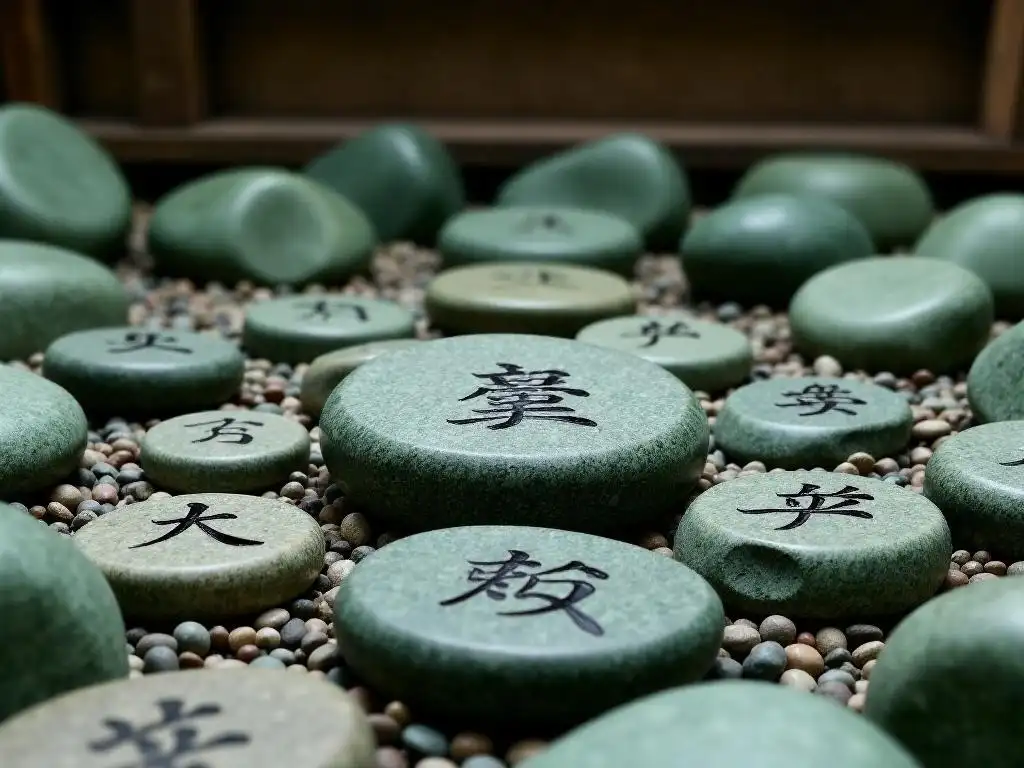
Zen Buddhism has played a pivotal role in shaping the arts and literature of Japan, particularly during the Muromachi period (1336-1573) when Zen teachings began to permeate various artistic expressions. The philosophy of Zen, emphasizing simplicity, directness, and an appreciation for the moment, resonated deeply with Japanese aesthetics. This influence can be seen in various art forms, from poetry and painting to garden design, each embodying the fundamental principles of Zen thought.
The aesthetic concepts derived from Zen, such as wabi-sabi—the beauty found in imperfection and transience—encouraged artists and writers to explore themes of nature, solitude, and the ephemeral quality of life. The minimalist approach prevalent in Zen art led to a focus on clarity and the essence of the subject rather than elaborate detail. This focus not only shaped individual works of art but also contributed to the broader cultural landscape of Japan, fostering a unique identity that combined spirituality with creative expression.
Zen Buddhism Influence on Japanese Poetry and Haiku
Japanese poetry, especially Haiku, is profoundly influenced by Zen Buddhism, reflecting its core values of mindfulness and connection with nature. The structure of Haiku, traditionally comprising three lines with a syllable pattern of 5-7-5, mirrors the Zen practice of brevity and precision. This simplicity allows poets to capture fleeting moments and subtle emotions, encouraging readers to engage with the poem on a deeper, contemplative level.
- Key Characteristics of Zen-Inspired Haiku:
- Nature Themes: Many Haiku focus on natural imagery, emphasizing the beauty and transience of the environment. For example:
- “An old silent pond... / A frog jumps into the pond— / Splash! Silence again.”
- Moments of Insight: Zen poetry often conveys sudden realizations or insights, akin to a Zen master’s teachings.
- Simplicity and Depth: The use of plain language belies the depth of meaning, inviting reflection and interpretation.
- Nature Themes: Many Haiku focus on natural imagery, emphasizing the beauty and transience of the environment. For example:
The most famous Haiku poet, Matsuo Bashō, exemplifies this influence. His works often integrate Zen principles, encouraging readers to observe the world with a fresh perspective. His poetry embodies the essence of Zen’s appreciation for the present moment, capturing the transient beauty of life through succinct and vivid imagery.
The Impact of Zen on Traditional Japanese Painting
Zen Buddhism's influence extends significantly into traditional Japanese painting, particularly in the form of ink wash painting (sumi-e) and Nihonga. These styles emphasize the use of brush strokes and monochromatic palettes, reflecting the Zen ideals of simplicity and spontaneity.
- Characteristics of Zen Painting:
- Spontaneity: Artists often employed a spontaneous approach, allowing brush strokes to flow freely, capturing the essence of the subject with minimal interference.
- Symbolic Imagery: Common motifs include landscapes, bamboo, and animals, each symbolizing various Zen teachings and philosophies.
- Empty Space (Ma): The strategic use of empty space in compositions reflects the Zen concept of ma, encouraging viewers to engage with the painting actively and contemplate its meaning.
Notable painters such as Sesshū Tōyō were instrumental in merging Zen philosophy with visual art, creating works that convey a sense of tranquility and introspection. Their paintings invite viewers to experience the meditative qualities of nature, echoing the Zen belief in the interconnectedness of all things.
Zen Gardens: Symbolism and Design Principles
Zen gardens, or karesansui, epitomize the influence of Zen Buddhism on Japanese landscape design. These gardens, characterized by their minimalist aesthetic and symbolic elements, serve as a physical manifestation of Zen principles.
- Design Elements:
- Raked Gravel: Represents water, creating a sense of movement and tranquility. The patterns created in the gravel invite contemplation and reflection.
- Rocks and Stones: Strategically placed to symbolize mountains or islands, rocks serve as focal points within the garden, embodying permanence and strength amidst the transience of nature.
- Plants and Trees: Minimalistic plantings are chosen for their symbolic significance, often emphasizing seasonal changes, which align with the Zen appreciation for impermanence.
Zen gardens are not merely decorative; they function as spaces for meditation and reflection, encouraging visitors to engage with their surroundings mindfully. The simplicity of the design echoes the Zen emphasis on living in harmony with nature and finding peace within oneself.
The influence of Zen Buddhism on Japan is profound and multifaceted, extending into poetry, painting, and garden design. These art forms encapsulate the essence of Zen philosophy, inviting individuals to explore the depths of their experience and cultivate a greater appreciation for the beauty of the moment.
Zen Buddhism's Contribution to Modern Japanese Society
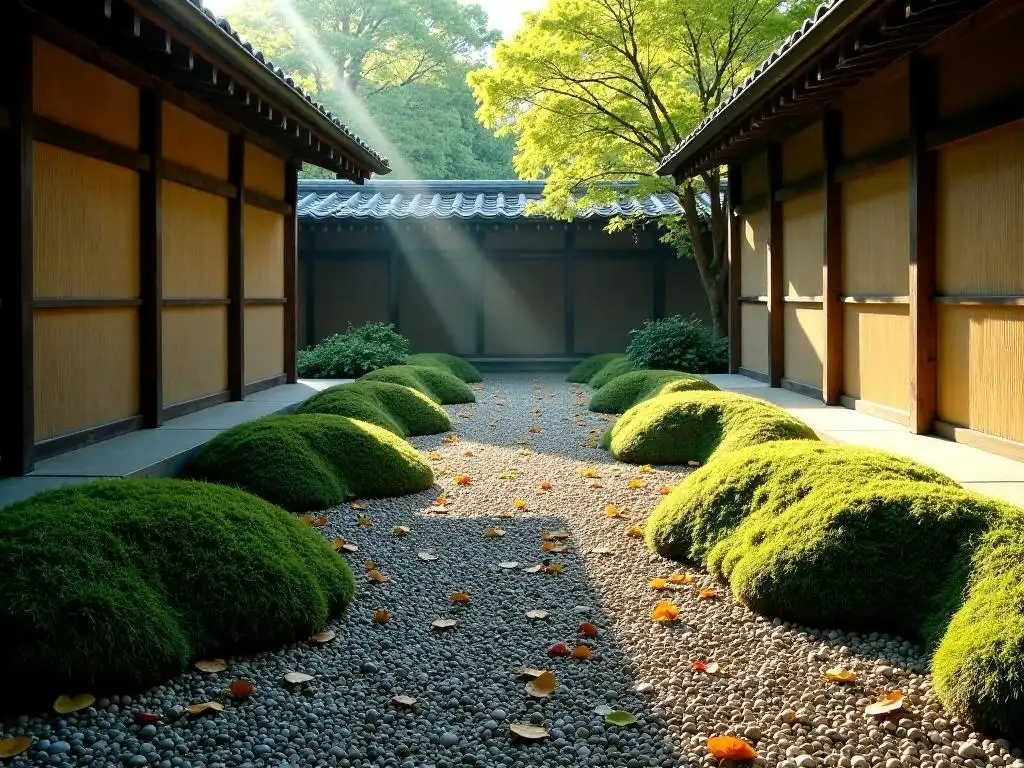
Zen Buddhism has significantly shaped modern Japanese society, influencing various facets of daily life, cultural practices, and even governance. Its core principles, emphasizing simplicity, mindfulness, and a deep connection to nature, have permeated many aspects of contemporary Japanese identity.
The introduction of Zen during the Kamakura period (1185-1333) laid the groundwork for a unique fusion of spirituality and practicality in Japanese life. Unlike other forms of Buddhism, Zen emphasizes direct experience and personal insight over doctrinal knowledge. This approach has fostered a culture of introspection and resilience, traits that are evident in modern Japanese society.
The Continued Influence of Zen Principles in Contemporary Japan
Zen principles continue to resonate in various sectors of Japanese life, from business practices to educational philosophies. The concept of zanshin, or a state of relaxed alertness, is particularly influential in corporate environments, promoting focused efficiency and mental clarity. This principle encourages employees to be fully present and engaged in their tasks, enhancing productivity and fostering innovation.
Key Areas of Influence:
- Mindfulness in Workplaces: Many Japanese companies have integrated mindfulness practices into their corporate culture, leading to improved employee well-being and performance. Companies like Toyota apply Zen-inspired techniques to streamline processes and enhance teamwork.
- Education Practices: Zen's focus on experiential learning informs modern educational methodologies. Schools encourage students to engage with nature and practice mindfulness, promoting emotional intelligence and critical thinking.
- Community Resilience: Post-disaster recovery efforts in Japan often incorporate Zen principles, encouraging communities to embrace resilience and mindfulness during challenging times, as seen after the 2011 earthquake and tsunami.
Zen Buddhism and Modern Japanese Arts
Zen Buddhism has profoundly influenced various art forms in Japan, shaping a distinctive aesthetic that values simplicity and depth. The principles of Zen are visible in traditional practices such as tea ceremonies, ink painting, and garden design, as well as in contemporary art forms.
Artistic Expressions:
- Tea Ceremony (Chanoyu): The tea ceremony exemplifies Zen aesthetics, focusing on simplicity, attention to detail, and the beauty of imperfection. This ritual fosters mindfulness and presence, creating a meditative space for participants.
- Ink Painting (Sumi-e): Sumi-e artists utilize minimal brush strokes to convey emotion and essence, reflecting the Zen belief in capturing the moment's fleeting beauty. This art form emphasizes spontaneity and intuition over meticulous planning.
- Zen Gardens: These gardens, characterized by their minimalist design, represent the Zen principle of harmony with nature. The careful arrangement of rocks, sand, and plants invites contemplation and meditation, reflecting the natural world's beauty and tranquility.
The Global Influence of Zen Buddhism on Japanese Culture
Zen Buddhism's impact extends beyond Japan, influencing global perceptions of Japanese culture. The principles of Zen have inspired various movements worldwide, promoting mindfulness, simplicity, and a deeper connection to nature.
International Reach:
- Mindfulness Movement: The growing interest in mindfulness practices in the West owes much to Zen teachings. Programs in meditation and stress reduction often draw from Zen principles, leading to a broader appreciation of its benefits.
- Art and Design: Zen aesthetics have influenced global art and design trends, promoting minimalism and a focus on natural materials. This is seen in architecture, fashion, and interior design, where simplicity and functionality take precedence.
- Culinary Arts: The Japanese culinary tradition, with its emphasis on seasonality and presentation, reflects Zen principles. This approach has inspired chefs worldwide to adopt a more mindful and aesthetic-focused cooking philosophy.
The influence of Zen Buddhism on Japan is profound and far-reaching. Its principles continue to shape modern Japanese society, arts, and even global culture, promoting values that resonate with the contemporary quest for mindfulness and simplicity.
Conclusion: The Lasting Legacy of Zen Buddhism in Japan

Zen Buddhism has profoundly shaped the cultural and societal landscape of Japan, leaving a legacy that continues to resonate in modern times. Its influence can be seen in various aspects of Japanese life, from art and architecture to philosophy and daily practices. The integration of Zen principles into Japanese culture has fostered a unique worldview that values simplicity, mindfulness, and a deep connection to nature.
As we reflect on the historical trajectory of Zen Buddhism, it becomes evident that its core teachings have not only provided spiritual guidance but have also contributed significantly to the development of Japanese identity. The meditative practices and aesthetic sensibilities rooted in Zen have permeated traditional arts such as tea ceremonies, ink painting, and garden design, embodying a harmonious relationship with the environment. This connection highlights Zen's role in cultivating a sense of beauty and tranquility that is quintessentially Japanese.
Reflections on Zen Buddhism's Role in Shaping Modern Japan
The role of Zen Buddhism in shaping modern Japan is multifaceted. In the post-war era, Japan underwent rapid industrialization and modernization, yet the teachings of Zen provided a counterbalance to the relentless pursuit of material success. Many Japanese individuals turned to Zen to find meaning and peace in their increasingly hectic lives. The principles of mindfulness and meditation have gained popularity, not just within Japan but globally, as people seek to cope with the pressures of contemporary life.
Zen practitioners have also been influential in reinterpreting traditional practices to align with modern sensibilities. For example, the tea ceremony, once a strictly formal ritual, has evolved into a more accessible and informal practice that emphasizes personal connection and introspection. This evolution reflects Zen's adaptability and enduring relevance in a rapidly changing society.
Furthermore, Zen Buddhism's emphasis on direct experience and personal insight has encouraged a culture of self-exploration and psychological well-being. Organizations and retreats focused on Zen meditation have proliferated, providing spaces for individuals to engage deeply with their inner selves, fostering a sense of community and shared purpose.
The Future of Zen Buddhism Influence on Japanese Society and Culture
Looking ahead, the influence of Zen Buddhism on Japanese society and culture appears poised for continued relevance. As Japan faces contemporary challenges such as aging populations, urbanization, and environmental concerns, Zen's teachings can offer valuable insights into sustainable living and communal harmony. The focus on simplicity and minimalism inherent in Zen philosophy aligns well with current trends towards sustainability and ecological mindfulness.
Additionally, the global interest in mindfulness practices, which often draw from Zen principles, suggests that Zen Buddhism will continue to inspire movements for mental health and well-being. As more people around the world seek solace in meditation and mindfulness, the teachings of Zen are likely to reach a broader audience, further solidifying their impact on Japanese culture and beyond.
The enduring legacy of Zen Buddhism in Japan is a testament to its profound influence, shaping not only historical narratives but also contemporary cultural practices. Its teachings continue to inspire individuals and communities, ensuring that the essence of Zen remains a vital part of Japan's cultural identity for generations to come.
References and Further Reading
Recommended Books on Zen Buddhism and Japanese Culture
-
"Zen Mind, Beginner's Mind" by Shunryu Suzuki
This classic text offers insights into Zen philosophy and practice, making it a must-read for anyone interested in understanding the foundational principles of Zen Buddhism and its influence on Japanese culture.
-
"The Three Pillars of Zen" by Philip Kapleau
Kapleau's work combines teachings, practical advice, and personal experiences that delve deep into Zen practices and their impact on Japanese society.
-
"Zen and the Art of Motorcycle Maintenance" by Robert M. Pirsig
While not strictly about Zen Buddhism, this philosophical novel explores the application of Zen principles to modern life and reflects on the cultural influences stemming from Zen in Japan.
-
"The Zen Teaching of Bodhidharma" translated by Red Pine
This book provides a direct connection to the roots of Zen Buddhism, detailing the teachings attributed to Bodhidharma, one of the key figures in the establishment of Zen in Japan.
Articles and Journals on Zen Buddhism Influence in Japan
-
"The Role of Zen Buddhism in the Development of Japanese Aesthetics"
This article explores how Zen principles shaped various art forms, including ink painting, tea ceremony, and garden design, illustrating the deep connections between Zen philosophy and Japanese aesthetics.
-
"Zen Buddhism and the Samurai: The Spiritual Underpinnings of Bushido"
This journal article analyzes the relationship between Zen Buddhism and the samurai code of conduct, highlighting how Zen influenced the ethical framework and martial practices of the samurai class.
-
"The Impact of Zen Buddhism on Modern Japanese Society"
This comprehensive study investigates how Zen continues to influence contemporary Japan, from business practices to personal spirituality, demonstrating the enduring legacy of Zen in modern cultural contexts.
-
"Cultural Syncretism: The Interplay of Shinto, Buddhism, and Zen in Japan"
This article examines the interactions between various religious traditions in Japan, with a focus on how Zen Buddhism synthesized with indigenous Shinto beliefs to shape a unique cultural landscape.
By exploring these resources, readers can gain a deeper understanding of the significant influence of Zen Buddhism on Japan's cultural and historical development, enriching their knowledge of this pivotal era.
Frequently Asked Questions
What is Zen Buddhism's role in Japanese culture?
Zen Buddhism has had a profound influence on Japanese culture, particularly in areas such as art, architecture, and tea ceremonies, promoting simplicity and mindfulness.
How did Zen Buddhism impact Japanese philosophy?
Zen Buddhism introduced concepts of non-duality and direct experience, reshaping traditional Japanese thought and encouraging a deeper introspection in philosophy.
What are the key practices of Zen Buddhism in Japan?
Key practices include zazen (seated meditation), koan study (riddles for contemplation), and mindful living, all aimed at achieving enlightenment and clarity of mind.
How did Zen Buddhism influence Japanese art?
Zen principles significantly shaped Japanese art forms, such as ink painting and gardening, emphasizing natural beauty, balance, and asymmetry.
What is the relationship between Zen Buddhism and samurai culture?
Zen Buddhism greatly influenced the samurai ethos, promoting values like discipline, focus, and a sense of inner peace, which were essential in both martial arts and governance.
Final Reflection: The Enduring Influence of Zen Buddhism on Modern Japan
Zen Buddhism's impact on Japan is not merely a historical footnote; it is a living thread that weaves through the fabric of contemporary Japanese culture and society. The principles of mindfulness, simplicity, and harmony that Zen espouses resonate deeply in today's fast-paced world, offering a counterbalance to the chaos of modern life. As we navigate the complexities of our existence, the teachings of Zen remind us of the importance of inner peace and self-awareness, making them more relevant now than ever.
The influence of Zen Buddhism extends beyond the temple walls and into the realms of art, architecture, and daily practice. Its aesthetic principles can be seen in everything from traditional tea ceremonies to contemporary design, shaping a unique cultural identity that continues to evolve. As the renowned Zen master Thich Nhat Hanh once said, Zen is not about the past or the future; it is about being fully present in the moment.
This perspective encourages us to appreciate the beauty of the present, a lesson that is crucial in our increasingly distracted world.
As you reflect on the teachings of Zen Buddhism and their relevance in your life, consider how you can incorporate its principles into your daily routine. Take a moment to breathe, to observe, and to find stillness amidst the noise. Embrace the simplicity and mindfulness that Zen offers, and allow it to guide you toward a more balanced and fulfilling existence. In doing so, you not only honor the rich legacy of Zen Buddhism in Japan but also cultivate a deeper connection with yourself and the world around you.
Embrace Zen: Transform Your Perspective Today!
Thank you for exploring the fascinating intersection of Zen Buddhism and the emergence of modern Japan with us! We hope you’ve gained valuable insights into how spirituality shapes culture and society. Now, it’s time to take that knowledge and apply it to enrich your own journey.
Here are some practical steps to deepen your understanding and connect with the spirit of Zen:
- Practice Mindfulness: Dedicate a few minutes each day to mindfulness meditation. Find a quiet space, focus on your breath, and simply be present. This practice can enhance your appreciation for the simplicity and beauty of life.
- Explore Zen Art: Delve into Zen-inspired art forms such as ink painting or calligraphy. You can create your own artwork reflecting the principles of simplicity and nature or visit a local gallery showcasing these styles.
- Share Your Insights: Connect with friends or online communities interested in Buddhism and Japanese culture. Share what you’ve learned, discuss how Zen philosophies resonate in modern life, and inspire others to embark on their own exploration.
As you reflect on Zen Buddhism’s role in shaping modern Japan, consider this: How can you incorporate Zen principles into your daily life to foster tranquility and awareness? We’d love to hear your thoughts!