
The Intergenerational Transmission of Edo Culture: From Past to Present

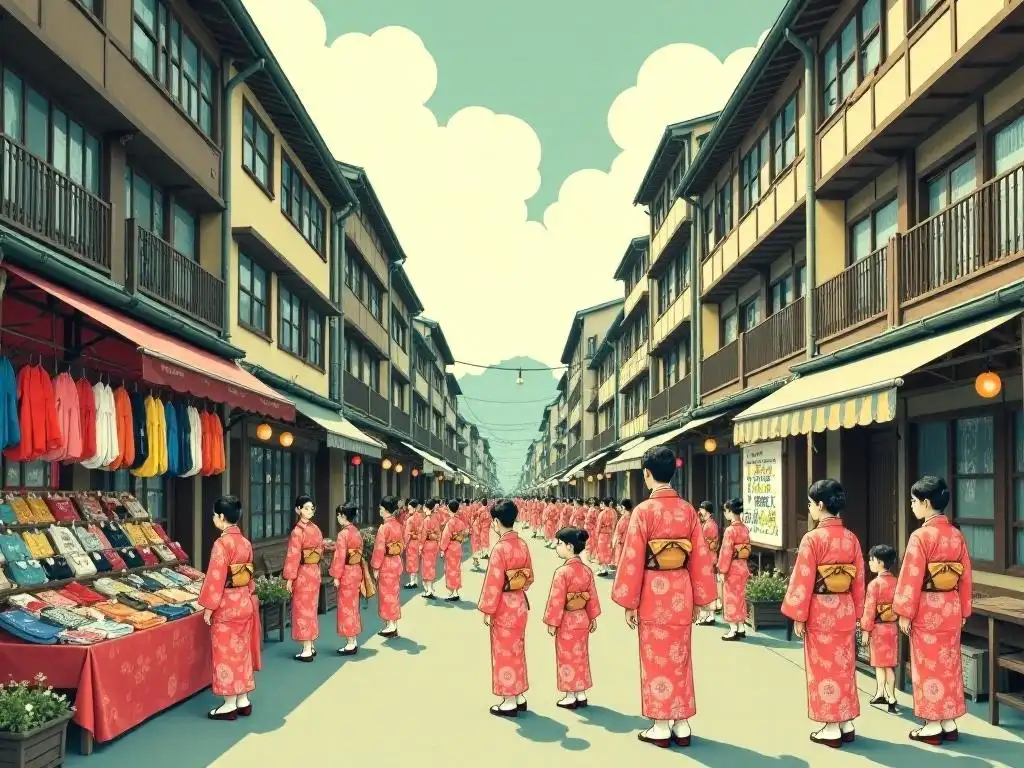
Welcome to Feudal Japan History, your ultimate gateway to the rich tapestry of Japan’s feudal era! Here, we invite you to delve into the fascinating world of Edo period cultural traditions, where the echoes of the past resonate through art, customs, and societal norms. In our featured article, "The Intergenerational Transmission of Edo Culture: From Past to Present," we uncover how these age-old practices have shaped modern Japan and continue to thrive in contemporary society.
Prepare to embark on a captivating journey that will not only enrich your understanding but also ignite your curiosity about the enduring legacy of Edo culture. Join us as we explore the intricate connections between history and the present, and let the stories unfold!
Introduction to Edo Period Cultural Traditions
The Edo period, spanning from 1603 to 1868, marks a significant era in Japanese history characterized by stability, economic growth, and cultural flourishing. During this time, the Tokugawa shogunate established a centralized government, which led to the development of a unique cultural identity that continues to resonate in modern Japan.
This article delves into the intergenerational transmission of Edo period cultural traditions, exploring how these practices, beliefs, and artistic expressions have been preserved and adapted over time. By examining the historical, societal, and cultural aspects of this era, we gain insight into the rich tapestry of traditions that have shaped contemporary Japanese culture.
Definition of Edo Period and Its Historical Significance
The Edo period is defined by the rule of the Tokugawa shogunate, established by Tokugawa Ieyasu after his victory in the Battle of Sekigahara. This era is historically significant for several reasons:
- Political Stability: The Tokugawa shogunate brought over 250 years of peace, allowing for the development of trade and urbanization.
- Cultural Renaissance: The period witnessed a flourishing of arts, literature, and entertainment, leading to the emergence of distinct cultural traditions.
- Social Structure: The rigid caste system, which categorized society into samurai, farmers, artisans, and merchants, influenced cultural practices and interactions.
This foundation set the stage for a vibrant cultural landscape that would leave a lasting legacy on Japan.
Overview of Edo Culture and Its Key Characteristics
Edo culture is characterized by a unique blend of influences that shaped its artistic and social practices. Key characteristics include:
- Urbanization: The growth of cities like Edo (modern-day Tokyo) led to a vibrant urban culture, with theaters, tea houses, and marketplaces becoming central to daily life.
- Artistic Innovation: The period saw the rise of ukiyo-e (woodblock prints), kabuki theater, and traditional crafts such as pottery and textiles.
- Social Engagement: Cultural traditions during the Edo period emphasized communal participation, with festivals and seasonal celebrations playing a crucial role in societal cohesion.
Overall, Edo culture reflects a dynamic interplay of tradition and innovation, capturing the essence of its time while influencing future generations.
The Foundations of Edo Culture
The Role of Samurai in Shaping Cultural Traditions
The samurai class, known for their martial prowess and adherence to the bushido code, played a pivotal role in shaping Edo period cultural traditions. Their influence extended beyond warfare and politics into the realms of art and philosophy. Key contributions include:
- Patronage of the Arts: Samurai were significant patrons of literature and the arts, supporting poets, painters, and craftsmen.
- Philosophical Influence: The samurai's commitment to honor and duty fostered a culture of discipline and aesthetics, influencing practices such as tea ceremonies and flower arranging (ikebana).
- Cultural Preservation: As keepers of tradition, samurai contributed to the preservation and transmission of cultural practices through formal education and mentorship.
Influence of the Merchant Class on Edo Period Culture
While the samurai upheld the warrior ideals, the merchant class, often seen as the lower tier of the social hierarchy, became instrumental in shaping Edo culture through their economic power and cultural contributions:
- Economic Growth: The rise of commerce and trade led to increased wealth among merchants, allowing them to become patrons of the arts and culture.
- Cultural Exchange: Merchants were vital in fostering cultural exchange between urban and rural areas, introducing new ideas, goods, and practices.
- Popular Culture: The merchant class played a significant role in the development of entertainment forms such as ukiyo-e and kabuki, making these art forms accessible to a broader audience.
Impact of Religion and Spirituality on Cultural Practices
Religion and spirituality were deeply interwoven with the daily lives of Edo period inhabitants, influencing various cultural practices and traditions:
- Shinto and Buddhism: The coexistence of Shinto and Buddhism shaped rituals, festivals, and artistic expressions, reflecting a syncretic approach to spirituality.
- Cultural Festivals: Religious festivals (matsuri) were central to community life, celebrating seasonal changes and honoring deities, thus reinforcing cultural traditions.
- Artistic Expression: Many art forms, including literature and visual arts, were inspired by religious themes, conveying moral lessons and reflections on the human experience.
The intergenerational transmission of Edo period cultural traditions highlights the intricate relationships between historical events, societal structures, and cultural practices. By understanding these foundations, we can appreciate the enduring legacy of Edo culture in contemporary Japan.
Artistic Expressions of Edo Period Cultural Traditions
The Edo period (1603-1868) marked a flourishing of artistic expressions in Japan, characterized by a unique blend of traditional practices and innovative forms. This era witnessed the emergence of distinct artistic styles that not only reflected the cultural values of the time but also served as a means of communication, entertainment, and societal reflection. The artistic expressions of the Edo period encompass various forms, including visual arts, performing arts, and craftsmanship, all of which continue to influence contemporary Japanese culture.
Traditional Arts: Ukiyo-e and Kabuki Theatre
Ukiyo-e, or "pictures of the floating world," represents one of the most celebrated artistic traditions of the Edo period. This woodblock printing technique captured the everyday life and landscapes of Edo (now Tokyo), showcasing scenes of kabuki actors, beautiful women, and landscapes. Artists like Hokusai and Hiroshige became renowned for their stunning prints, which not only depicted the aesthetics of the time but also provided insight into the social dynamics of Edo society.
Kabuki theatre, another hallmark of Edo culture, combined drama, music, and dance into a vibrant performance art. Originating as a form of entertainment for the common people, kabuki evolved into a sophisticated theatrical experience characterized by elaborate costumes, stylized movements, and the use of makeup. The stories often revolved around historical events, moral dilemmas, and the lives of the samurai and merchant classes, making kabuki a vital medium for artistic expression and cultural reflection.
The Influence of Zen Buddhism on Edo Period Art
Zen Buddhism profoundly influenced the artistic landscape of the Edo period, particularly in the visual arts. The principles of simplicity, nature, and the impermanence of life were often embraced by artists, leading to a focus on capturing the essence of beauty in everyday objects. This aesthetic can be seen in the works of painters and calligraphers who sought to express profound ideas through minimalistic designs and natural themes.
Moreover, Zen gardens and tea ceremonies, which emphasize mindfulness and tranquility, inspired various art forms, including ceramics and landscape paintings. The interplay of these spiritual concepts with artistic endeavors not only enriched the cultural fabric of the Edo period but also laid the groundwork for future artistic movements in Japan.
Craftsmanship: From Pottery to Textile Arts
The Edo period was also distinguished by exceptional craftsmanship, particularly in pottery and textile arts. Traditional pottery styles, such as Imari and Seto ware, showcased intricate designs and high-quality materials. Craftsmen dedicated themselves to refining their techniques, often passing down knowledge through generations, thereby ensuring the survival of these cultural traditions.
Textile arts flourished as well, with techniques such as yuzen dyeing and kasuri weaving gaining popularity. These textiles, often adorned with vibrant colors and intricate patterns, were not only used for clothing but also for ceremonial purposes, reflecting the aesthetic sensibilities of the time. The dedication to craftsmanship in these areas exemplifies the Edo period's commitment to maintaining cultural heritage through artisanal skills.
Edo Period Literature and Its Cultural Significance
Literature during the Edo period played a crucial role in shaping cultural identity and preserving societal values. Novel forms of storytelling emerged, reflecting the lives, aspirations, and struggles of the people. The literature of this era serves as a cultural artifact, offering insights into the social structures, norms, and philosophies prevalent at the time.
Key Literary Works from the Edo Period
Several key literary works from the Edo period have left a lasting legacy in Japanese culture. Notable authors include Matsuo Bashō, whose haikus encapsulated the beauty of nature and the fleeting moments of life, and Saikaku Ihara, known for his prose that captured the intricacies of merchant life. These works not only entertained readers but also provided commentary on the social issues and moral dilemmas of the time.
The emergence of the "ukiyo-zōshi," or "books of the floating world," introduced a new genre that depicted the lives of the urban populace. These narratives often highlighted the contrast between the ideals of samurai honor and the realities of life in the bustling cities, offering a multifaceted view of Edo society.
The Role of Storytelling in Preserving Cultural Identity
Storytelling was an essential aspect of Edo period literature, serving as a means of preserving cultural identity and transmitting values across generations. Oral traditions, as well as written works, provided a platform for communities to reflect on their history, beliefs, and societal norms.
Tales of heroism, love, and moral lessons were often shared in public spaces, making literature accessible to a broader audience. This collective engagement with stories fostered a sense of unity and cultural pride, reinforcing the importance of shared narratives in shaping the identity of the Japanese people.
Influence of Edo Literature on Modern Japanese Culture
The legacy of Edo period literature continues to resonate in modern Japanese culture. Contemporary authors draw inspiration from the themes, styles, and narrative techniques established during this era, creating a rich tapestry of literary expression that bridges the past and present.
Furthermore, the influence of Edo literature can be seen in various forms of media, including film, television, and manga, where adaptations of classic stories introduce Edo cultural traditions to new audiences. This ongoing engagement with Edo literature not only honors the past but also enriches the cultural landscape of modern Japan, ensuring that the traditions and values of the Edo period remain alive and relevant.
Festivals and Celebrations in Edo Culture
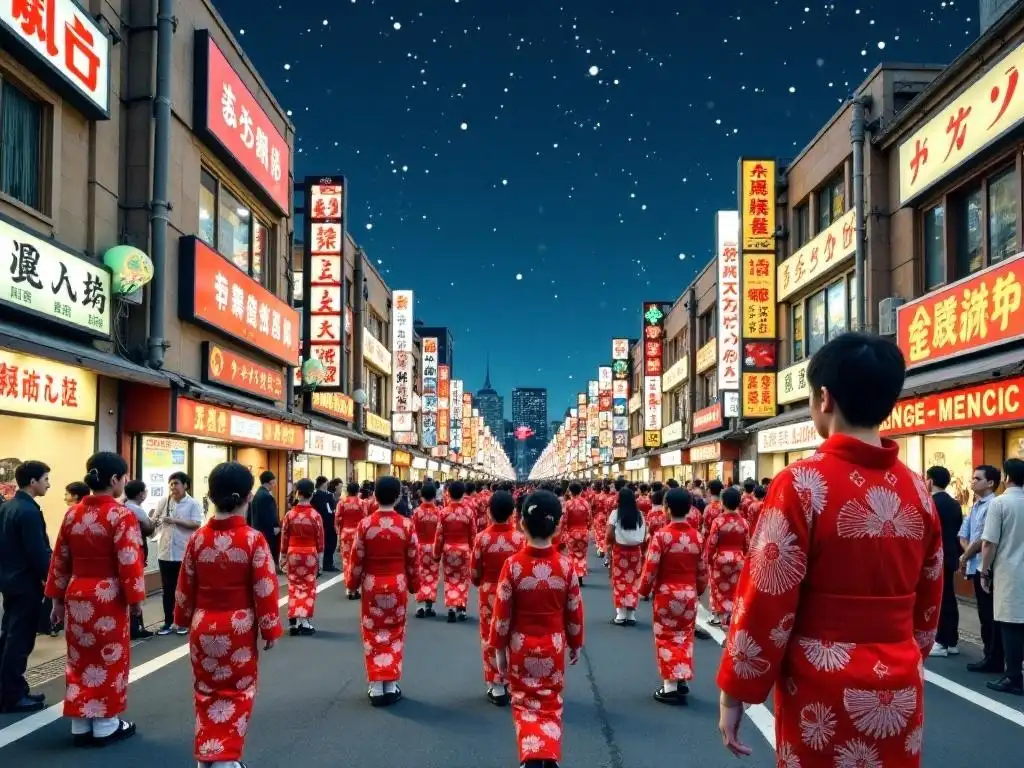
The Edo period, lasting from 1603 to 1868, was characterized by a rich tapestry of festivals and celebrations that played a pivotal role in shaping the culture of the era. These events were not merely occasions for enjoyment; they were deeply intertwined with the community's social fabric, religious beliefs, and seasonal cycles. Festivals served as a vibrant expression of the Edo people's identity, providing a platform for the transmission of cultural values and traditions across generations.
Overview of Major Festivals During the Edo Period
Several major festivals defined the Edo period, each with its unique customs and significance. Among the most notable were:
- Gion Matsuri: Originating in Kyoto, this festival took place in July and featured elaborate floats carrying sacred objects. It was a celebration of the local deity and aimed to appease the spirits during the summer months.
- Sanja Matsuri: Held in Asakusa, Tokyo, this festival honors the three founders of the Sensō-ji Temple. The event is marked by vibrant parades, traditional music, and the carrying of mikoshi (portable shrines).
- Kanda Matsuri: Celebrated in May and October, this festival honors the Kanda Myojin Shrine. It features a grand parade of floats and people dressed in traditional costumes, showcasing the community spirit and devotion of the Edo populace.
These festivals were not only religious observances but also opportunities for social interaction, commerce, and the display of local crafts.
The Cultural Significance of Seasonal Celebrations
Seasonal celebrations were integral to Edo culture, reflecting the changing rhythms of nature and the agrarian calendar. Each season brought its own festivals, which were often linked to agricultural cycles and religious observances. For instance:
- Hanami (Cherry Blossom Viewing): In spring, people would gather to admire the blooming cherry blossoms, symbolizing the transient beauty of life. This practice fostered a deeper appreciation for nature and its cycles.
- Tanabata (Star Festival): Celebrated in summer, Tanabata involved writing wishes on strips of paper and hanging them on bamboo branches. This festival emphasized the importance of dreams and aspirations, reinforcing community bonds.
- Obon: A late summer festival honoring the spirits of ancestors, Obon involved rituals to welcome and entertain the returning spirits. This celebration highlighted the Edo people's respect for their lineage and the importance of family ties.
These seasonal observances not only marked the passage of time but also reinforced cultural identities and community cohesion.
How Festivals Helped Preserve Edo Cultural Traditions
Festivals served as a crucial mechanism for preserving Edo cultural traditions. Through these communal celebrations, various aspects of culture were transmitted from one generation to the next. Key ways in which festivals contributed to this preservation included:
- Oral Traditions: Storytelling during festivals helped convey historical narratives, myths, and legends, ensuring that cultural knowledge was retained within the community.
- Artistic Expressions: Traditional music, dance, and crafts showcased during festivals played a vital role in teaching younger generations about their cultural heritage and artistic skills.
- Community Engagement: Festivals fostered a sense of belonging and identity, encouraging individuals to participate actively in cultural practices, thus ensuring their continuation.
Overall, festivals were instrumental in maintaining the cultural legacy of the Edo period, allowing its traditions and values to endure even as society evolved.
Intergenerational Transmission of Edo Cultural Traditions
The intergenerational transmission of Edo cultural traditions is a complex process that involves various mechanisms through which knowledge, values, and practices are passed down. Understanding these mechanisms is essential to appreciate how Edo culture has persisted in contemporary Japan.
Mechanisms of Cultural Transmission: Family and Community
Cultural transmission in Edo society primarily occurred through families and community networks. Families played a critical role in imparting traditions, with elders sharing stories, rituals, and practices with younger generations. This familial bond facilitated a sense of continuity and identity. Additionally, communities organized events and gatherings that reinforced shared cultural practices, creating an environment where traditions could thrive.
- Apprenticeships: Craftsmanship was often learned through apprenticeships, where skilled artisans would train younger individuals in traditional arts, ensuring that skills were not lost.
- Community Festivals: Local festivals acted as a communal repository of cultural practices, where families participated collectively, thus reinforcing shared identities and traditions.
The Role of Education in Preserving Edo Culture
Education played a pivotal role in the preservation of Edo cultural traditions. Formal and informal education systems were established to teach the younger generation about their heritage. This included:
- Temples and Shrines: Many temples and shrines offered teachings that included historical narratives, arts, and religious practices, fostering a deeper understanding of cultural values.
- Literature and Arts: The Edo period saw a flourishing of literature and arts, which were integral to educational practices. Texts, plays, and artworks often conveyed moral lessons and cultural ideals.
- Cultural Institutions: Institutions such as the Edo period’s schools (terakoya) provided a space where cultural knowledge, including poetry, calligraphy, and traditional customs, were taught to children.
Through these educational frameworks, the essential aspects of Edo culture were systematically preserved and passed on.
Challenges to Cultural Transmission in Modern Japan
While the intergenerational transmission of Edo cultural traditions has been remarkably resilient, modern Japan faces several challenges that threaten this continuity. Key challenges include:
- Urbanization: The shift from rural to urban living has led to a disconnection from traditional practices and community ties, making it harder for younger generations to engage with their cultural heritage.
- Globalization: The influence of global culture has introduced new values and practices, often overshadowing traditional customs and leading to a dilution of Edo cultural elements.
- Technological Advancements: The rise of digital media has changed the way information is consumed, potentially reducing the emphasis on traditional storytelling and communal activities that were central to cultural transmission.
Despite these challenges, efforts are being made to revitalize and preserve Edo culture, ensuring that its rich traditions continue to be honored and celebrated by future generations.
Contemporary Relevance of Edo Period Cultural Traditions
The Edo period, spanning from 1603 to 1868, was a time of significant cultural development in Japan. Its traditions and practices have persisted, influencing contemporary Japanese society in various aspects. The values, aesthetics, and social structures established during this era continue to resonate today, providing a foundation for modern Japanese identity. Edo period cultural traditions, such as tea ceremonies, traditional arts, and even culinary practices, have been meticulously preserved and adapted, creating a bridge between the past and present.
Edo's emphasis on community, simplicity, and harmony with nature can be seen in modern Japanese lifestyle choices, including sustainable living practices. Moreover, the artistic expressions from this period, like ukiyo-e (woodblock prints) and kabuki theatre, have inspired contemporary artists and performers, enriching Japan's cultural landscape. As society evolves, these traditions offer a sense of continuity and belonging, reminding individuals of their heritage and cultural roots.
How Edo Culture Influences Modern Japanese Society
Edo culture serves as a vital reference point in various facets of modern Japanese life. The aesthetic principles of simplicity and natural beauty, prevalent in traditional arts and crafts, are echoed in contemporary design and architecture. For instance, the minimalist approach seen in modern Japanese homes often draws inspiration from the refined aesthetics of Edo period residences.
Social practices derived from Edo culture, such as the spirit of omotenashi (hospitality), remain integral to Japanese interactions, emphasizing respect and consideration for others. Furthermore, traditional festivals and events rooted in Edo customs continue to play a crucial role in community bonding, helping to preserve local identities and fostering a sense of unity among residents.
In the culinary realm, Edo period food culture, particularly sushi and seasonal dining, has significantly shaped Japan's gastronomic offerings. The meticulous attention to presentation and the use of fresh, local ingredients can be traced back to the traditions established during the Edo era, highlighting its profound influence on modern Japanese cuisine.
Preservation Efforts of Edo Cultural Traditions Today
Efforts to preserve and promote Edo cultural traditions are multifaceted, involving various stakeholders including governmental bodies, cultural organizations, and local communities. One notable initiative is the designation of certain practices as Important Intangible Cultural Properties, safeguarding traditional arts like Noh theatre and kintsugi (the art of repairing pottery with gold).
Educational programs aimed at younger generations play a crucial role in maintaining these traditions. Schools and cultural institutions often host workshops and classes focusing on traditional crafts, calligraphy, and martial arts, ensuring that young people engage with their heritage. Additionally, local festivals celebrating Edo culture attract both residents and tourists, providing a platform for the community to showcase its rich traditions.
Technology has also become a valuable asset in preservation efforts, with digital archives and online platforms allowing for greater access to Edo period cultural resources. Virtual tours of historical sites and interactive learning experiences enable people worldwide to appreciate and engage with Japan's cultural heritage, which is vital for its ongoing preservation.
The Global Appreciation of Edo Period Cultural Heritage
The global appreciation for Edo period cultural heritage has grown significantly in recent years, driven by increased interest in Japanese culture and aesthetics. International exhibitions showcasing Edo art, architecture, and crafts have gained popularity, attracting diverse audiences eager to learn about Japan's historical and cultural contexts.
Moreover, the rise of Japanese pop culture—anime, manga, and video games—often draws from Edo themes, further amplifying interest in this era. Elements of Edo culture can be seen in the storytelling and visual styles of contemporary media, bridging cultural gaps and engaging a global audience.
Culinary traditions from the Edo period, particularly sushi, have seen a surge in popularity worldwide, with Japanese restaurants proliferating in many countries. This culinary exchange not only highlights Japan's rich food culture but also encourages a deeper appreciation for the historical context behind these practices.
Conclusion: The Lasting Legacy of Edo Period Cultural Traditions
The Edo period has left an indelible mark on Japan's cultural landscape, with its traditions continuing to shape modern society. The intergenerational transmission of these cultural practices ensures their relevance and vitality, as they adapt to contemporary contexts while retaining their historical significance.
Summary of Key Points
- Edo period cultural traditions provide a foundation for modern Japanese identity and aesthetics.
- Influences are evident in contemporary design, social practices, and culinary arts.
- Preservation efforts are crucial, involving educational initiatives, community engagement, and technological advancements.
- Global appreciation for Edo culture is on the rise, enhancing cultural exchange and understanding.
The Importance of Understanding Edo Culture in Today’s Context
Understanding Edo culture is vital for appreciating the complexities of modern Japanese society. It offers insights into the values, aesthetics, and social dynamics that continue to influence contemporary life. As globalization accelerates, recognizing and valuing these cultural traditions fosters respect and dialogue, allowing for a more nuanced understanding of cultural diversity. By exploring the rich heritage of the Edo period, individuals can cultivate a deeper connection to Japan's past, enriching their appreciation of the present and shaping a more informed future.
- Introduction to Edo Period Cultural Traditions
- The Foundations of Edo Culture
- Artistic Expressions of Edo Period Cultural Traditions
- Edo Period Literature and Its Cultural Significance
- Festivals and Celebrations in Edo Culture
- Intergenerational Transmission of Edo Cultural Traditions
- Contemporary Relevance of Edo Period Cultural Traditions
- Conclusion: The Lasting Legacy of Edo Period Cultural Traditions
Frequently Asked Questions
What is the Edo period?
The Edo period, spanning from 1603 to 1868, was a time when Japan was ruled by the Tokugawa shogunate. It marked a significant era of cultural flourishing and relative peace, leading to the development of unique Japanese traditions.
How did Edo culture influence modern Japan?
The cultural traditions established during the Edo period continue to shape contemporary Japanese society. Practices such as tea ceremonies, kabuki theater, and various art forms reflect the deep-rooted customs that persist today.
What are some key cultural traditions from the Edo period?
Key traditions include woodblock printing, sumo wrestling, and the festival culture that celebrated seasonal changes. These practices highlight the rich artistic heritage and community involvement characteristic of the era.
How did Edo period society function?
Edo society was structured into a strict class system consisting of samurai, farmers, artisans, and merchants. This hierarchy influenced social interactions and the transmission of cultural values across generations.
Why is the intergenerational transmission of Edo culture important?
The intergenerational transmission ensures that the cultural traditions of the Edo period are preserved and appreciated. It fosters a sense of identity and continuity, allowing future generations to connect with their historical roots.
Final Reflection: Embracing the Legacy of Edo Period Cultural Traditions
The intergenerational transmission of Edo culture remains a vital thread in the fabric of contemporary society. As we navigate the complexities of modern life, the traditions and values rooted in the Edo period serve as a guiding light, reminding us of the beauty and resilience inherent in our cultural heritage. The enduring relevance of these traditions not only enriches our understanding of history but also shapes our identity in an ever-evolving world.
Edo period cultural traditions have profoundly influenced our social landscape, fostering a sense of community and continuity across generations. The practices, art forms, and philosophies that emerged during this era continue to resonate, inspiring creativity and connection among people today. Tradition is not the worship of ashes, but the preservation of fire.
This quote encapsulates the essence of how we can honor the past while igniting the future with the wisdom and artistry of our ancestors.
As we reflect on the lessons embedded in the Edo period's cultural traditions, I invite you to consider how you can integrate these values into your own life. Take a moment to explore your cultural roots, engage with the traditions that resonate with you, and share them with others. By doing so, you not only preserve the legacy of the Edo period but also contribute to a vibrant tapestry of cultural exchange that enriches our collective experience. Let us carry forward the flame of our heritage, ensuring that it continues to illuminate the path for future generations.
Embrace and Preserve Edo Culture Today!
Thank you for exploring the rich tapestry of Edo culture with us! Your interest helps keep these vital stories alive and inspires future generations. Now, let’s take the next steps to connect more deeply with this fascinating heritage.
- Join a local or online community that celebrates or studies Edo culture to share insights and experiences.
- Explore further: Delve into literature, art, or culinary traditions from the Edo period to enhance your understanding.
- Share this article with friends or on social media to ignite conversations about the significance of cultural transmission.
As you consider your role in preserving Edo culture, reflect on this question: How can you contribute to the legacy of Edo traditions within your own life or community?