
The Impact of the Floating World on Edo Visual Arts

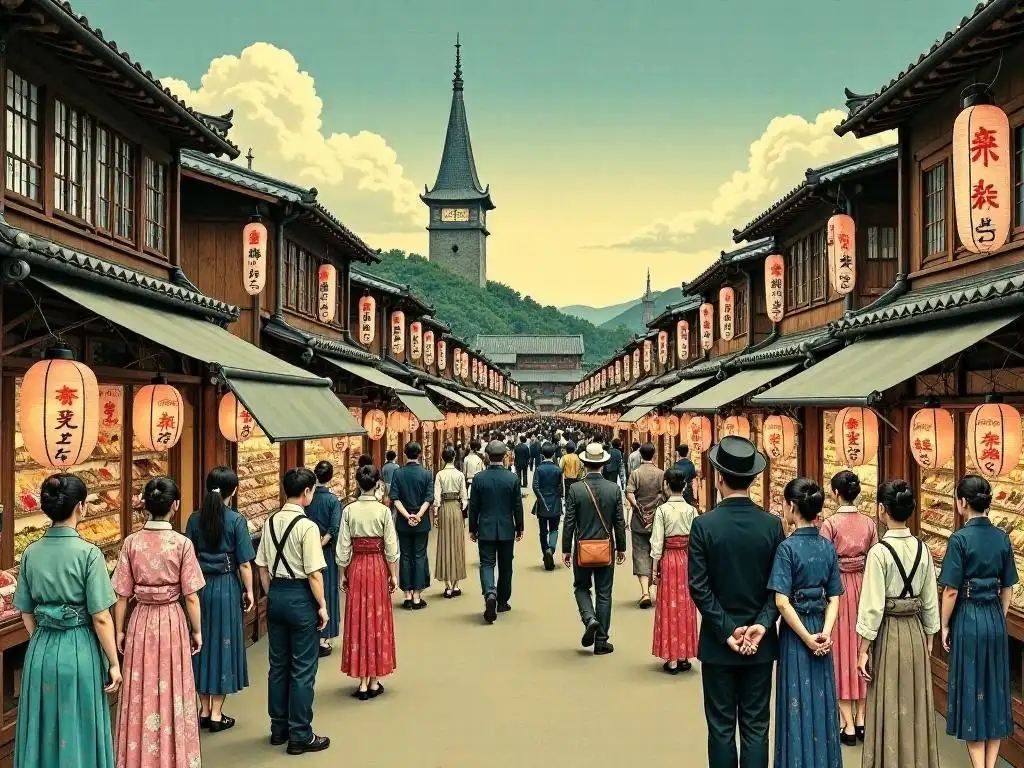
Welcome to Feudal Japan History, where the rich tapestry of Japan’s feudal era comes alive through expert insights and compelling narratives. Dive deep into the Edo period visual arts influence, a fascinating exploration of how the vibrant culture of the Floating World shaped artistic expression and societal values during this transformative time. As you journey through our pages, prepare to uncover the intricate connections between art, culture, and history that continue to resonate today. What secrets lie within the brush strokes of Edo's masterpieces? Discover the answers as you delve further into our captivating articles!
Introduction to Edo Period Visual Arts Influence
The Edo period, spanning from 1603 to 1868, stands as a pivotal era in Japanese history characterized by a profound transformation in societal structure, culture, and artistic expression. During this time, the burgeoning urban environment and the rise of the merchant class fostered a vibrant cultural landscape that deeply influenced visual arts.
The concept of the Floating World (Ukiyo) emerged as a central theme, shaping the aesthetics, subjects, and techniques of artists in the Edo period. This article delves into the intricate relationship between the Floating World and Edo period visual arts, exploring how this cultural phenomenon not only influenced artistic creation but also reflected the socio-economic realities of the time.
Overview of the Edo Period (1603-1868)
The Edo period marked the rule of the Tokugawa shogunate, a time when Japan experienced relative peace and stability following centuries of civil strife. This era witnessed significant developments, including:
- Political Stability: The Tokugawa shogunate established a strict social hierarchy, leading to enhanced governance and reduced conflict.
- Urbanization: Major cities like Edo (modern-day Tokyo) flourished, becoming cultural and economic hubs.
- Cultural Flourishing: The rise of a wealthy merchant class enabled the patronage of arts and culture, leading to unprecedented artistic innovation.
This period laid the groundwork for unique artistic movements and styles, particularly in visual arts, which were heavily influenced by the shifting dynamics of society.
Significance of Visual Arts in Edo Culture
Visual arts during the Edo period were not merely decorative; they served a vital role in society. They provided a means of storytelling and cultural expression, reflecting the lives, aspirations, and experiences of the populace. The significance of visual arts can be summarized as follows:
- Cultural Reflection: Artworks often depicted scenes of daily life, landscapes, and popular entertainment, allowing a glimpse into the era's social fabric.
- Philosophical Expression: Artists explored themes of impermanence and beauty, resonating with Buddhist and Shinto beliefs, which were deeply ingrained in Japanese culture.
- Commercial Enterprise: The art market flourished, with ukiyo-e prints becoming widely accessible, thus democratizing art consumption and appreciation.
These factors combined to create a rich tapestry of artistic achievement that defined the Edo period.
The Concept of the Floating World (Ukiyo)
The term Ukiyo, which translates to "floating world," encapsulates the ephemeral nature of life and the pleasures of the moment, prominently featuring in the art and culture of the Edo period.
Definition and Origin of Ukiyo
Ukiyo originated as a Buddhist term referring to the transient and sorrowful nature of life. However, during the Edo period, it evolved into a cultural concept celebrating the joys of urban life, leisure, and entertainment. This transformation marked a shift in focus from the spiritual to the secular, influencing various aspects of art and literature.
Relationship Between Ukiyo and Edo Society
The Floating World was a direct reflection of Edo society's values and aspirations. As the merchant class gained prominence, the desire for leisure and beauty flourished. Key aspects of this relationship included:
- The Rise of Kabuki and Geisha Culture: As entertainment forms rooted in the Floating World, kabuki theater and geisha influenced both the subject matter and themes found in visual arts.
- Consumerism: The growing middle class sought to enjoy and display art as a symbol of status, leading to a demand for ukiyo-e prints that captured the essence of urban life.
This interplay between Ukiyo and society underscored the dynamic cultural landscape of the Edo period.
Ukiyo-e: The Art of the Floating World
Ukiyo-e, or "pictures of the floating world," represents a genre of Japanese woodblock prints that flourished during the Edo period. Characterized by their vibrant colors, intricate designs, and engaging narratives, ukiyo-e prints depict a variety of themes ranging from landscapes and kabuki actors to beautiful women and scenes of everyday life.
Key characteristics of ukiyo-e include:
- Technique: The use of woodblock printing allowed for mass production, making art accessible to a broader audience.
- Iconography: Common subjects included famous landscapes, seasonal changes, and portraits of kabuki actors, reflecting the tastes and interests of the time.
Ukiyo-e not only illustrates the aesthetic values of the Edo period but also serves as a historical record of its social dynamics, ultimately shaping the trajectory of Japanese visual arts for generations to come.
Major Themes in Edo Period Visual Arts
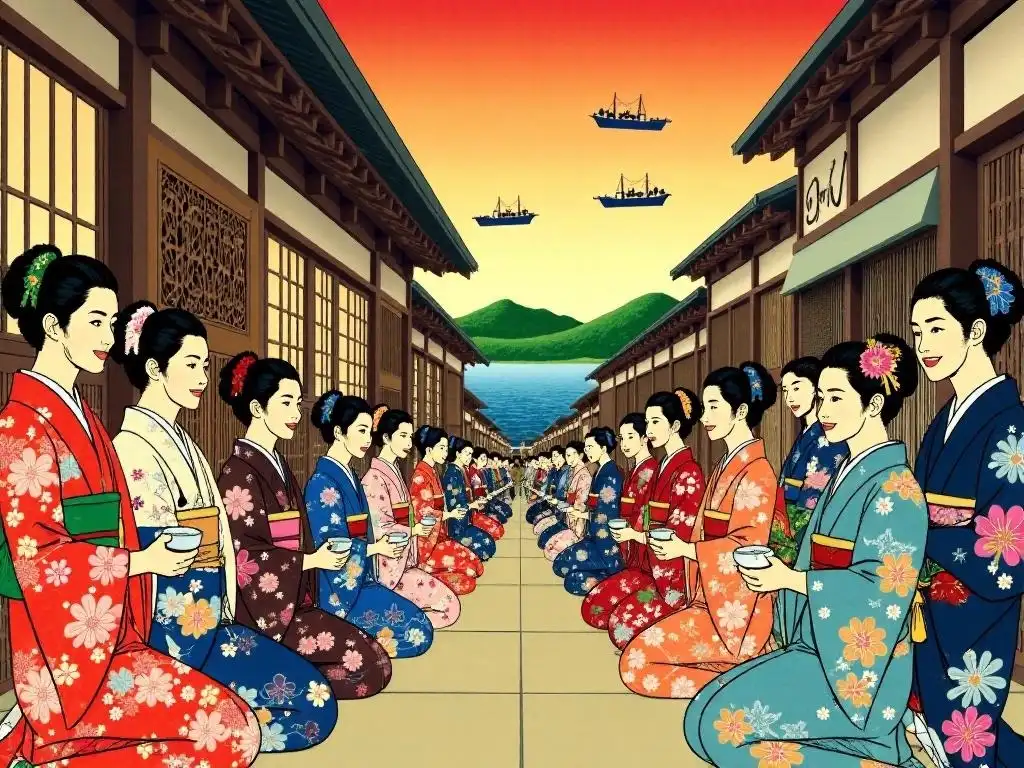
Edo period visual arts, flourishing from the early 17th century to the mid-19th century, reflect a rich tapestry of themes that encapsulate the essence of urban life, nature, and cultural practices of the time. The predominant themes include the representation of everyday life, nature, and the performing arts, all intertwined with the burgeoning merchant class's tastes and aspirations. Artists sought to capture the vibrancy of the Edo period, showcasing the pleasures of life through various artistic mediums, including ukiyo-e (floating world prints), painting, and ceramics.
The "Floating World" (ukiyo) itself became a central motif, symbolizing the transient beauty of life and the enjoyment of fleeting pleasures. Artists portrayed the bustling streets of Edo (modern Tokyo), the exquisite landscapes of Japan, and the popular entertainment of the time, including kabuki theater, which became an influential aspect of visual arts. Furthermore, the rise of the merchant class not only changed the subjects of artworks but also democratized art, allowing a broader audience to engage with and appreciate these visual narratives.
Everyday Life Depicted in Edo Visual Arts
Everyday life in Edo was rich with cultural nuances, and artists captured this vibrancy in their works. Scenes of bustling markets, festivals, and leisurely activities became prevalent subjects, revealing the daily experiences of the common people. The ukiyo-e genre flourished during this time, showcasing the lives of merchants, artisans, and women engaged in various pursuits, from tea ceremonies to street performances.
One iconic representation is the depiction of the "Yoshiwara" district, famous for its pleasure quarters. Artists illustrated the interactions between courtesans and their patrons, highlighting both the allure and the social dynamics of the time. These artworks often served as a commentary on the societal structure, capturing the essence of Edo's urban culture while also subtly critiquing its moral complexities.
Nature and Landscapes in Edo Artworks
Nature and landscapes were integral to Edo period visual arts, often serving as backdrops to human activities or as standalone themes. Artists like Hokusai and Hiroshige became renowned for their landscape prints, which celebrated the beauty of the natural world. Their works not only depicted iconic sites, such as Mount Fuji and the Tōkaidō road, but also captured the changing seasons through vibrant colors and meticulous detail.
The appreciation for nature was deeply rooted in Japanese culture, with the philosophy of "mono no aware" (the beauty of transient things) influencing artistic expression. This led to representations of cherry blossoms, autumn leaves, and serene water scenes, evoking a sense of harmony between humanity and the environment. Edo artists often employed innovative techniques to convey depth and perspective, enhancing the viewer's experience of the natural world.
The Role of Kabuki Theatre in Visual Arts
Kabuki theatre played a crucial role in shaping Edo period visual arts, intertwining performance with visual representation. The vibrant costumes, dynamic movements, and elaborate makeup of kabuki actors became popular subjects for ukiyo-e prints. Artists captured iconic performances, immortalizing the dramatic narratives and characters that defined this theatrical form.
The interplay between kabuki and visual arts extended to the promotion of actors, with prints serving as marketing tools. These portraits, known as "yakusha-e," celebrated the star power of kabuki performers, creating a visual culture that resonated with the audience. Additionally, kabuki's themes often inspired paintings, enriching the artistic dialogue between theatre and visual representation in Edo society.
Notable Artists of the Edo Period
The Edo period was marked by the emergence of several influential artists whose works left an indelible mark on the landscape of Japanese art. These artists not only defined the aesthetic of the time but also influenced generations to come. Their mastery in capturing the essence of the Edo period's culture and society contributed significantly to the development of visual arts.
Hokusai: Master of Ukiyo-e
Katsushika Hokusai is perhaps the most celebrated artist of the Edo period, renowned for his innovative ukiyo-e prints. His mastery in capturing the essence of the "floating world" is evident in iconic works such as "The Great Wave off Kanagawa" and the "Thirty-Six Views of Mount Fuji." Hokusai's unique approach combined traditional techniques with his own imaginative flair, creating dynamic compositions that resonated with audiences.
Hokusai's influence extended beyond Japan, impacting Western art movements such as Impressionism. His ability to depict the beauty of nature alongside everyday life reflects the core themes of Edo period visual arts, making him a pivotal figure in the cultural history of Japan.
Hiroshige: Capturing the Seasons
Another monumental figure in Edo period visual arts is Utagawa Hiroshige, celebrated for his landscape prints that captured the changing seasons. His works, such as "Fifty-Three Stations of the Tōkaidō," showcase not only the beauty of the landscapes but also the interplay between nature and human activities. Hiroshige's use of color and perspective brought a sense of immediacy and emotional depth to his prints, captivating viewers with their beauty and detail.
Hiroshige's legacy lies in his ability to evoke the transient beauty of nature, aligning with the philosophical ideals of the time. His works continue to inspire artists and remain significant in the study of Japanese art history.
The Influence of Other Artists on Edo Visual Arts
The Edo period was characterized by a dynamic exchange of ideas among artists, leading to a rich tapestry of styles and influences. While Hokusai and Hiroshige are often highlighted, other artists, such as Utamaro and Kuniyoshi, also made significant contributions to the visual arts. Utamaro is known for his exquisite portraits of women, portraying beauty and grace, while Kuniyoshi's bold and imaginative prints often incorporated elements of folklore and mythology.
This collaborative environment fostered innovation, as artists drew inspiration from one another, blending techniques and themes. The resulting diversity in styles not only enriched Edo period visual arts but also laid the groundwork for the evolution of Japanese art in the modern era. As these artists engaged with both traditional and contemporary influences, they shaped a cultural legacy that resonates even today.
Techniques and Materials in Edo Visual Arts
Edo period visual arts showcased an array of techniques and materials that were instrumental in shaping the artistic landscape of Japan from the early 17th to the late 19th century. Artists of this era harnessed traditional methods while also innovating new techniques that would leave a lasting legacy on both Japanese culture and the global art scene.
Woodblock Printing Methods
One of the most significant techniques that emerged during the Edo period was woodblock printing, known as ukiyo-e. This method involved several key steps, including:
- Design: Artists would create a detailed drawing of the desired image, which served as the blueprint for the print.
- Carving: Skilled artisans meticulously carved the design onto cherry wood blocks, creating separate blocks for each color used in the final print.
- Inking and Printing: The carved blocks were then inked and pressed onto paper, often requiring multiple applications to achieve the desired vibrancy and detail. This process allowed for the mass production of prints, making art more accessible to a wider audience.
The ukiyo-e style flourished, depicting scenes from everyday life, landscapes, and notable kabuki actors, solidifying its place as a defining characteristic of Edo visual arts.
Use of Color and Composition in Edo Art
Color played a pivotal role in Edo period visual arts, with artists utilizing a rich palette derived from natural pigments. The use of color was not merely aesthetic; it also conveyed emotional and thematic undertones. Key aspects include:
- Layering Techniques: Artists employed a technique called bokashi, which involved blending colors seamlessly to create gradients and depth, enhancing the emotional resonance of the artwork.
- Symbolism: Colors were often imbued with specific meanings; for example, red symbolized happiness, while blue represented calmness. This symbolic use of color added another layer of complexity to the artworks.
- Composition: Edo artists were adept at using asymmetrical compositions, guiding the viewer's eye through the artwork in a dynamic yet harmonious manner. The balance of negative space and detail drew attention to the focal points of the piece.
These elements combined to create visually striking works that resonated with the themes of beauty and transience central to the ukiyo-e movement.
Innovations in Art Techniques During the Edo Period
The Edo period was marked by significant innovations in artistic techniques that transformed the landscape of Japanese art. Notable advancements included:
- New Printing Techniques: Beyond traditional woodblock printing, artists began experimenting with color printing techniques, including nishiki-e, which allowed for intricate designs and vibrant color combinations.
- Perspectival Techniques: Influences from Western art introduced new perspectives and depth in compositions, allowing artists to create more lifelike representations of space and form.
- Mixed Media: The integration of various materials, such as silk and textiles, into paintings and prints expanded the scope of artistic expression. Artists began to incorporate metallic inks and embossing, adding texture and dimension to their works.
These innovations not only enriched the visual arts of the Edo period but also paved the way for future artistic developments in Japan.
Cultural Impact of Edo Period Visual Arts
The impact of Edo period visual arts extended far beyond mere aesthetics; it played a crucial role in shaping Japanese culture, identity, and global perceptions of Japan.
Influence on Japanese Identity and Aesthetics
Edo visual arts contributed significantly to the formation of a distinct Japanese identity. The themes prevalent in ukiyo-e art, such as nature, daily life, and the ephemeral beauty of the world, resonated deeply with the cultural values of the time. Key influences included:
- Cultural Reflection: Artworks captured the essence of Edo society, portraying the vibrancy of urban life and the interaction between social classes. This reflection of contemporary life fostered a sense of national pride and cultural identity.
- Aesthetic Principles: The principles of wabi-sabi, which embrace imperfection and transience, were visually articulated through Edo art, influencing not only subsequent art movements but also traditional Japanese aesthetics in crafts, architecture, and design.
As a result, Edo visual arts helped solidify the cultural identity of Japan during a time of significant change.
Global Reception of Edo Visual Arts
Edo period visual arts garnered international attention, particularly during the 19th century when Western artists began to appreciate Japanese aesthetics. This global reception had several implications:
- Influence on Western Art Movements: Artists such as Vincent van Gogh and Claude Monet were inspired by the composition and color techniques of ukiyo-e. This influence contributed to the development of Impressionism and other modern art movements.
- Cultural Exchange: The export of Edo art to the West facilitated a broader understanding of Japanese culture, leading to increased interest in Japanese design, fashion, and philosophy.
The global reception of Edo visual arts marked a significant moment of cultural exchange that enriched both Japanese and Western art traditions.
Legacy of Edo Visual Arts in Modern Japanese Culture
The legacy of Edo period visual arts continues to resonate in contemporary Japanese culture. Key aspects of this legacy include:
- Artistic Revival: Contemporary artists often draw inspiration from ukiyo-e, integrating traditional motifs and techniques into modern art forms, thus keeping the spirit of Edo art alive.
- Cultural Heritage: Edo visual arts are celebrated as a vital part of Japan’s cultural heritage, with museums and galleries dedicated to preserving and showcasing these works. Events such as exhibitions and festivals honor the contributions of Edo artists and promote awareness of their significance.
- Influence on Popular Culture: Elements of Edo art have permeated various aspects of modern Japanese culture, including manga, anime, and fashion, demonstrating the enduring impact of this artistic period on Japan's evolving identity.
Through these channels, the influence of Edo period visual arts remains deeply embedded in the fabric of modern Japanese culture, highlighting its importance in both historical and contemporary contexts.
Conclusion: The Lasting Influence of the Floating World
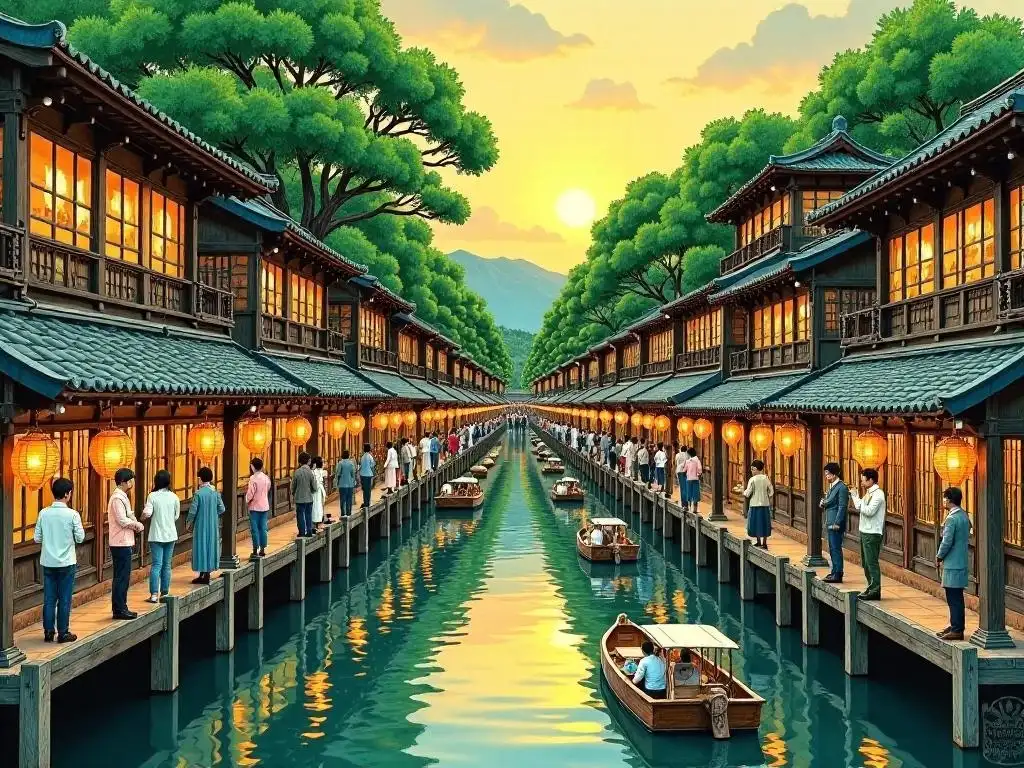
The Floating World, or Ukiyo, has left an indelible mark on Edo period visual arts, shaping not only the aesthetic sensibilities of the time but also influencing subsequent generations of artists and cultural movements. This concept, which celebrated the ephemeral pleasures of life, manifested in various art forms, including woodblock prints, paintings, and textiles. The vibrant scenes depicting landscapes, kabuki actors, and beautiful courtesans captured the essence of urban life in Edo, providing a visual narrative that resonated deeply with the populace.
The impact of the Floating World extended beyond mere artistic expression. It challenged traditional cultural norms and opened avenues for the exploration of themes such as desire, beauty, and transience. Artists like Hokusai and Hiroshige became pioneers in encapsulating these themes, creating works that not only entertained but also evoked a deeper understanding of the human experience. As a result, the Floating World became a lens through which the complexities of Edo society could be viewed, revealing insights into the desires and aspirations of its people.
Summary of Key Points on Edo Period Visual Arts Influence
- Cultural Reflection: The Floating World served as a mirror to Edo society, reflecting its values, pleasures, and social dynamics. The art produced during this era encapsulated the vibrancy and diversity of urban life.
- Artistic Techniques: Edo period artists utilized innovative woodblock printing techniques, allowing for mass production of art. This accessibility democratized art consumption, broadening its influence and reach.
- Themes of Ephemerality: Central to Ukiyo is the notion of transience. The art often depicted fleeting moments of beauty, which resonated with the philosophical underpinnings of Buddhism and Shintoism, emphasizing the impermanence of life.
- Legacy of Influence: The artistic styles and themes of the Floating World influenced later movements in both Japan and beyond, inspiring Western artists during the Impressionist movement and continuing to inform contemporary art.
Final Thoughts on the Cultural Significance of the Floating World
The Floating World stands as a testament to the richness of Edo period culture, illuminating the complexities of human emotion and experience through visual arts. This cultural phenomenon not only shaped the aesthetics of its time but also laid the groundwork for future artistic explorations. By embracing themes of beauty and transience, the Floating World has continued to resonate through the ages, highlighting the enduring nature of art as a vessel for cultural expression.
In reflecting on the significance of the Floating World, it becomes clear that its influence transcends mere visual representation; it invites a deeper contemplation of the human condition, societal norms, and the pursuit of beauty in everyday life. The legacy of Edo period visual arts remains a vibrant part of Japan's cultural tapestry, reminding us of the power of art to capture the essence of life and inspire generations to come.
- Introduction to Edo Period Visual Arts Influence
- Overview of the Edo Period (1603-1868)
- Significance of Visual Arts in Edo Culture
- The Concept of the Floating World (Ukiyo)
- Major Themes in Edo Period Visual Arts
- Notable Artists of the Edo Period
- Techniques and Materials in Edo Visual Arts
- Cultural Impact of Edo Period Visual Arts
- Conclusion: The Lasting Influence of the Floating World
- Summary of Key Points on Edo Period Visual Arts Influence
- Final Thoughts on the Cultural Significance of the Floating World
Frequently Asked Questions
What is the Floating World in relation to Edo period visual arts?
The Floating World, or Ukiyo, refers to the urban culture of Edo, characterized by pleasure districts, art, and entertainment. It significantly influenced Edo period visual arts by emphasizing themes of everyday life and transience.
How did the Edo period shape Japanese art?
The Edo period (1603-1868) fostered a unique artistic environment that encouraged innovation in visual arts, including woodblock prints and painting. Artists explored diverse subjects, blending traditional and contemporary styles.
What are key characteristics of Edo period visual arts?
Edo period visual arts are known for vivid colors, detailed compositions, and a focus on popular culture. Artists like Hokusai and Hiroshige depicted landscapes, kabuki actors, and scenes from the Floating World.
How did Ukiyo-e prints influence Western art?
Ukiyo-e prints had a profound impact on Western artists in the 19th century, inspiring movements like Impressionism. The emphasis on color, perspective, and everyday subjects introduced new techniques and perspectives in Western visual arts.
What role did women play in the Edo period visual arts?
Women were both subjects and creators in Edo period visual arts. They were often depicted in Ukiyo-e prints, showcasing beauty and daily life, while some, like Katsushika Hokusai's daughter, contributed significantly as artists themselves.
Final Reflection: The Enduring Legacy of Edo Period Visual Arts
The influence of the Floating World on Edo period visual arts is not merely a historical footnote; it is a vibrant thread woven into the fabric of contemporary culture. Today, the aesthetics and themes that emerged during this remarkable era continue to resonate, inspiring artists, designers, and creators across various mediums. The exploration of everyday life, beauty, and transience in Edo visual arts reminds us that art is a powerful lens through which we can understand our own experiences and the world around us.
The impact of the Floating World extends beyond mere artistic expression; it has shaped our cultural consciousness and social narratives. The themes of pleasure, nature, and the ephemeral beauty of life found in ukiyo-e prints and other Edo artworks have influenced everything from fashion to graphic design, creating a lasting legacy that transcends time. As the renowned artist Katsushika Hokusai once said, The only thing I can do is to draw.
This simple yet profound statement encapsulates the essence of the Edo period's artistic spirit, emphasizing the importance of creativity in capturing the human experience.
As we reflect on the lessons from the Edo period, let us embrace the invitation to find beauty in our everyday lives and to express our unique perspectives through art. Consider how the themes of the Floating World can inspire your own creative endeavors or personal reflections.
Whether through painting, writing, or simply observing the world around you, take a moment to appreciate the fleeting beauty that surrounds us and the stories that await to be told. In doing so, we honor the legacy of the Edo period while forging our own paths in the ever-evolving landscape of visual arts.
Unveil the Beauty of Edo Visual Arts Today!
Thank you for diving into the fascinating world of Edo visual arts and understanding its profound connection to the **Floating World**. Your curiosity is the first step toward appreciating this unique cultural heritage. Now, let’s take that knowledge and turn it into action!
- Explore local galleries or online exhibits showcasing Edo period artwork to deepen your appreciation.
- Share your newfound insights with friends and family by discussing how the Floating World influenced not just art, but culture as a whole.
- Join online communities or forums dedicated to Japanese art history and exchange ideas—learning is always more enriching with others!
What aspect of Edo visual arts resonates with you the most, and how do you see its influence in today’s world?