
Folktales and Fables: The Cultural Significance of Oral Traditions

Welcome to Feudal Japan History, where the whispers of the past come alive through the enchanting tales that shaped a nation. Dive into our featured article, "Folktales and Fables: The Cultural Significance of Oral Traditions," and uncover the rich tapestry of Japanese folktales that not only entertain but also illuminate the values, beliefs, and societal norms of feudal Japan. With each story, a new door opens, inviting you to explore the profound connections between folklore and the cultural heritage of Japan. Are you ready to unravel the mysteries behind these timeless narratives? Let the journey begin!
- Introduction to Japanese Folktales and Cultural Significance
- The Role of Folktales in Japanese Society
- Key Themes in Japanese Folktales
- Notable Japanese Folktales and Their Significance
- The Influence of Folktales on Japanese Culture
- Oral Tradition vs. Written Literature in Feudal Japan
- The Global Influence of Japanese Folktales
- Conclusion: The Enduring Legacy of Japanese Folktales
- Frequently Asked Questions
- Final Reflection: The Enduring Legacy of Japanese Folktales
- Unveil the Magic of Oral Traditions!
Introduction to Japanese Folktales and Cultural Significance
Japanese folktales and fables play a pivotal role in understanding the rich tapestry of feudal Japan's cultural heritage. These narratives, passed down through generations, serve not only as entertainment but also as vehicles for moral lessons, communal values, and historical perspectives. In a society where literacy was not widespread, the oral tradition became a powerful means of preserving knowledge and culture.
By exploring the significance of these tales, we can gain insight into the societal norms, beliefs, and historical contexts that shaped Japan during its feudal era. This article delves into the importance of oral traditions in feudal Japan and provides an overview of the folktales and fables that continue to influence Japanese culture today.
Importance of Oral Traditions in Feudal Japan
The oral traditions of feudal Japan were crucial for the transmission of cultural values and historical narratives. In a largely agrarian society, where communities were often isolated, these stories created a shared identity among people. They were:
- Educational Tools: Folktales were employed to instill moral values and social norms in children and adults alike. Through engaging narratives, storytellers conveyed lessons about honesty, bravery, and respect for nature.
- Cultural Preservation: Before the advent of widespread literacy, oral traditions played a vital role in preserving history. Events, legends, and significant figures from the past were immortalized through storytelling, ensuring that future generations would remember their heritage.
- Community Bonding: Storytelling sessions were often communal events, fostering a sense of togetherness. Families and neighbors would gather, sharing tales that sparked laughter, reflection, and emotional connections.
The importance of oral traditions in feudal Japan cannot be overstated; they were instrumental in shaping the cultural landscape and reinforcing the values that defined Japanese society.
Overview of Folktales and Fables in Japanese Literature
Japanese folktales and fables encompass a diverse array of narratives that reflect the complexities of life during the feudal era. These tales often feature supernatural beings, moral dilemmas, and everyday heroes, making them relatable and enchanting. Some notable types of folktales include:
- Yokai Stories: These tales feature supernatural creatures and spirits, known as yokai, that embody various aspects of nature and human emotion. They highlight the relationship between people and the unseen world, often serving as cautionary tales.
- Animal Fables: Much like Aesop's Fables, Japanese animal tales use anthropomorphism to deliver moral lessons. Characters such as the clever fox or the wise crane teach values through their actions and decisions.
- Heroic Epics: Narratives that focus on legendary figures, such as the samurai or mythical heroes, showcase ideals of bravery, loyalty, and honor. These stories often reflect the societal expectations of the time and the aspirations of the people.
Through their captivating narrative structures and profound moral implications, Japanese folktales and fables not only entertain but also provide essential insights into the cultural significance of oral traditions in feudal Japan. Understanding these narratives helps us appreciate the values and beliefs that have shaped modern Japanese society.
The Role of Folktales in Japanese Society
Preservation of Cultural Values through Storytelling
Japanese folktales have served as a vital medium for the preservation of cultural values throughout the centuries. These stories, often passed down orally from generation to generation, embody the moral lessons, traditions, and social norms that define Japanese identity. Through engaging narratives, folktales communicate essential values such as honor, loyalty, courage, and respect for nature.
For instance, the tale of Momotaro (Peach Boy) exemplifies the virtues of bravery and teamwork. In this story, Momotaro sets out on a quest to defeat ogres that threaten his village, enlisting the help of various animals along the way. This narrative not only entertains but also reinforces the importance of collaboration and community support.
Furthermore, these tales offer insight into the Shinto and Buddhist beliefs that permeated feudal Japanese society. Many folktales feature deities, spirits, and supernatural beings, reflecting the spiritual landscape of the time. The story of Urashima Taro, for example, illustrates the consequences of one's actions and the transient nature of life—central tenets in both Shinto and Buddhist philosophies.
By embedding these values within captivating plots, folktales ensure that cultural teachings remain accessible and memorable. They function as an educational tool, imparting wisdom while also fostering a sense of cultural continuity that is crucial for maintaining social cohesion.
Folktales as a Reflection of Feudal Japanese Life
The richness of Japanese folktales also serves as a mirror, reflecting the complexities and realities of feudal life in Japan. Through these narratives, one can glean insights into the social hierarchies, economic conditions, and daily struggles faced by people during this era.
Social Hierarchies and Class Dynamics
Many folktales depict the stark contrasts between the lives of the samurai, farmers, and merchants. For example, the tale of The Grateful Crane illustrates the relationship between social classes. In this story, a poor man saves a crane, which later returns in human form to help him by weaving beautiful cloth. This interaction highlights themes of gratitude and the interconnectedness of different social classes while subtly critiquing the rigid class structure of feudal Japan.
Economic Conditions and Rural Life
Folktales often center around rural settings and the agrarian lifestyle that dominated feudal Japan. The story of Kintaro, a child raised by a mountain witch, emphasizes the connection between humans and nature, illustrating the importance of the natural world in agricultural societies. The portrayal of farming practices, seasonal changes, and the struggles against natural disasters in such tales reflects the realities of rural life and the reliance on the land for sustenance.
Supernatural Elements and Daily Struggles
Moreover, the presence of supernatural elements in Japanese folktales often serves to explain the inexplicable challenges of daily life. For example, tales featuring yokai (supernatural beings) like kappa or kitsune convey fears and uncertainties regarding nature and the unknown. These stories not only entertain but also provide a means to navigate the complexities of existence, offering wisdom on how to cope with life's adversities.
Japanese folktales are not merely tales for entertainment; they are deeply intertwined with the fabric of feudal society. They preserve cultural values, reflect social dynamics, and address the realities of life in a way that remains relevant even today. By studying these narratives, one can gain a deeper understanding of the cultural significance of Japanese folktales and their enduring legacy in shaping societal norms and identity.
Key Themes in Japanese Folktales
Japanese folktales are rich tapestries woven from the threads of history, culture, and societal norms. They serve not only as entertainment but also as crucial vehicles for conveying ethical lessons, spiritual beliefs, and cultural identity. This section delves into the key themes prevalent in these narratives, highlighting their significance in the context of Japanese society during the feudal era.
Morality and Ethics in Japanese Fables
Morality plays a central role in Japanese fables, often portraying characters that embody virtues such as honesty, courage, and compassion. These tales frequently feature animal protagonists, serving as allegories for human behavior and ethical dilemmas.
- Examples of Morality Tales:
- The Grateful Crane (Tsuru no Ongaeshi): This tale illustrates the concept of gratitude and the consequences of betrayal. A poor man saves a crane, which later returns in human form to repay his kindness. However, when the man fails to honor the crane's request for secrecy, he loses both his wealth and the crane.
- Kintaro: The story of Kintaro emphasizes the virtues of strength and loyalty, as the young boy, raised by a mountain witch, becomes a samurai known for his heroism and fidelity.
The underlying messages in these fables often reflect the Confucian ideals prevalent in feudal Japan, where societal harmony and moral rectitude were valued. The lessons imparted through these narratives were crucial for instilling ethical behavior in young listeners and fostering a sense of community values.
Nature and Spirituality in Folktales
Nature is a prominent theme in Japanese folktales, often depicted as a living entity imbued with spiritual significance. Characters frequently interact with natural elements, reflecting the Shinto belief in kami (spirits) that inhabit both animate and inanimate forms.
- Key Elements of Nature in Folktales:
- Mountains and Rivers: These natural features are often personified and portrayed as protective entities or sources of wisdom. Tales such as "The Tale of the Bamboo Cutter" highlight the divine connection between humans and nature.
- Seasonal Changes: Many stories celebrate the beauty of the changing seasons, emphasizing the transience of life, a theme known as mono no aware. This sensitivity to impermanence is vividly illustrated in tales like "The Tale of the Peach Boy" (Momotaro), where the protagonist's journey is marked by seasonal motifs.
The intertwining of nature and spirituality in these folktales serves to reinforce the cultural belief that humans are part of a larger cosmic order, fostering respect for the natural world and its myriad forms.
Heroic Journeys and Their Cultural Impact
Heroic journeys are a common narrative structure in Japanese folktales, often featuring protagonists who embark on quests that test their courage, wisdom, and moral fiber. These journeys are not just physical but also metaphorical, symbolizing personal growth and the quest for identity.
- Notable Heroic Figures:
- Momotaro: The Peach Boy represents the ideal hero who overcomes obstacles through bravery and teamwork, embodying the virtues of loyalty and friendship. His journey to defeat the ogres is a classic example of the hero's quest that resonates with audiences and serves as a model for virtuous behavior.
- Urashima Taro: This tale explores the themes of time and the consequences of one's choices. Urashima's journey to the Dragon Palace and his return to a drastically changed world reflects the idea of life’s fleeting nature, urging listeners to cherish each moment.
The cultural impact of these heroic journeys extends beyond storytelling; they have influenced various art forms, from theater to literature. The archetypes and moral lessons embedded in these tales continue to resonate, providing a framework for understanding personal and societal challenges in modern Japan.
Through these themes, Japanese folktales not only entertain but also educate, preserving the cultural heritage of feudal Japan and imparting timeless lessons that remain relevant today.
Notable Japanese Folktales and Their Significance
Japanese folktales are not just entertaining stories; they embody the values, beliefs, and cultural identity of the society from which they originate. Each tale serves as a reflection of the historical context and social norms of feudal Japan, providing insight into the complexities of human behavior and moral lessons. Below, we explore three notable folktales that encapsulate the cultural significance of these narratives in shaping Japanese society.
The Tale of Momotaro: A Study of Heroism
The story of Momotaro, or "Peach Boy," is one of the most famous Japanese folktales. This tale begins with an elderly couple who find a giant peach floating down the river. When they open it, a boy emerges, claiming to be sent from heaven. Momotaro grows up to be a strong and brave young man, setting out on a quest to defeat a band of ogres terrorizing the land.
- Heroism and Morality: Momotaro symbolizes the ideal hero in Japanese culture, one who embodies bravery, strength, and righteousness. His journey showcases the importance of confronting evil and protecting the weak, reinforcing the cultural value of courage.
- Allies and Cooperation: During his travels, Momotaro befriends various animals— a dog, a monkey, and a pheasant— who join him in his battle against the ogres. This aspect of the tale emphasizes the significance of teamwork and cooperation, fundamental tenets in feudal Japanese society.
- Cultural Reflection: Momotaro’s triumph over the ogres can be viewed as an allegory for Japan's struggle against foreign threats, highlighting the underlying themes of nationalism and unity prevalent during Japan's feudal era.
Urashima Taro: Themes of Time and Consequence
Urashima Taro is another pivotal folktale that delves into the profound themes of time and consequence. The story follows a young fisherman who saves a turtle from children who are mistreating it. In gratitude, the turtle takes him to the Dragon Palace under the sea, where he meets the beautiful princess Otohime.
- Temporal Displacement: After spending what feels like a few days in the palace, Urashima Taro returns to find that many years have passed in the human world. This element of temporal displacement speaks to the concept of time as a fluid and subjective experience, a notion deeply rooted in Japanese philosophy.
- Consequences of Choices: Upon his return, Urashima discovers a tamatebako (a magical box) that Otohime gives him, with a warning never to open it. His eventual decision to open the box, releasing a cloud of smoke that ages him instantly, serves as a poignant reminder of the consequences of one’s choices and the inevitable passage of time.
- Cultural Significance: The tale reflects the Buddhist belief in impermanence and the importance of living in the present, illustrating how folklore can convey complex philosophical ideas within a narrative framework.
The Grateful Crane: Lessons of Kindness and Retribution
The Grateful Crane is a touching story that emphasizes themes of kindness, gratitude, and the repercussions of selfishness. In this folktale, a poor man saves a wounded crane. Later, the crane returns in human form to repay the man’s kindness by weaving beautiful cloth to sell.
- Kindness and Reciprocity: The central theme of the tale is the moral obligation to show kindness and the expectation of reciprocity. The crane’s transformation into a human highlights the interconnectedness of all living beings and the rewards of compassion.
- Selfishness and Regret: As the man becomes greedy, demanding that the crane continue to weave for him, he ultimately drives her away. This aspect of the story serves as a cautionary tale about the dangers of greed and the importance of appreciating the gifts one receives.
- Cultural Reflection: The Grateful Crane illustrates the values of loyalty and selflessness prevalent in feudal Japan, emphasizing the societal belief that one's actions have lasting consequences on relationships and community harmony.
These folktales not only serve as entertainment but also as vehicles for imparting crucial moral lessons and cultural values. The stories of Momotaro, Urashima Taro, and the Grateful Crane continue to resonate within Japanese culture, underscoring the enduring significance of oral traditions in shaping societal norms and individual character. The themes explored in these narratives reflect the complexities of human experience and the timeless truths that transcend generations.
The Influence of Folktales on Japanese Culture
Folktales in Japanese Arts and Crafts
Japanese folktales have profoundly influenced various forms of arts and crafts throughout history. These narratives, often rich in symbolism and moral lessons, have found their way into traditional art forms such as ukiyo-e (woodblock prints), ceramics, textiles, and more.
- Ukiyo-e: Many famous ukiyo-e artists, like Katsushika Hokusai and Utagawa Hiroshige, drew inspiration from folktales. Prints depicting scenes from stories like "Momotarō" (Peach Boy) or "Urashima Tarō" showcase the interplay between narrative and visual art.
- Ceramics: Folk motifs often appear in Japanese pottery and porcelain. For example, Arita and Imari wares frequently feature designs based on characters and scenes from well-known tales, reflecting the narratives' cultural significance and aesthetic appeal.
- Textiles: Traditional textiles, such as kimono fabrics, often incorporate patterns and images derived from folktales. The use of these motifs not only embellishes the garments but also serves to convey cultural stories and values through clothing.
The Impact of Folklore on Modern Japanese Literature
The legacy of Japanese folktales continues to resonate in contemporary literature. Modern authors often reference or reimagine classic tales, highlighting their enduring significance in Japanese culture.
- Literary Adaptations: Writers like Haruki Murakami and Yōko Ogawa have woven elements of folklore into their narratives, creating a bridge between traditional stories and modern themes. Their works often reflect the moral complexities found in folktales, exploring deeper cultural issues.
- Children's Literature: The influence of folktales is especially evident in children's books, where stories like "The Tale of the Bamboo Cutter" and "The Grateful Crane" are frequently retold. These adaptations serve not only to entertain but also to instill cultural values and ethics in young readers.
- Graphic Novels and Manga: The popularity of manga has also seen a resurgence of folktale themes. Series such as "Nausicaä of the Valley of the Wind" by Hayao Miyazaki incorporate elements of Japanese mythology and folklore, showcasing how these traditional narratives can be reinterpreted for modern audiences.
Festivals and Celebrations Inspired by Folktales
Festivals and celebrations in Japan often draw inspiration from folktales, reflecting their cultural significance and communal values. These events serve as a means to preserve and celebrate the rich tapestry of Japanese folklore.
- Tanabata Festival: Celebrated on the seventh day of the seventh month, Tanabata is rooted in the legend of two star-crossed lovers, Orihime and Hikoboshi. This festival encourages people to write their wishes on strips of paper and hang them on bamboo branches, embodying the hope and magic found in folktales.
- Obon Festival: This Buddhist tradition honors the spirits of ancestors and is steeped in folklore. Stories of spirits returning to the earthly realm during Obon highlight the cultural belief in the connection between the living and the dead, showcasing how folktales shape understanding of life and death.
- Setsubun: This event marks the transition from winter to spring and involves the scattering of roasted soybeans to drive away evil spirits. The practice is linked to the folktale of the ogre (oni), which emphasizes themes of good triumphing over evil, a common thread in many Japanese folktales.
Through these festivals, the cultural narratives embedded in Japanese folktales continue to thrive, showcasing their significance in the collective consciousness of the Japanese people.
Oral Tradition vs. Written Literature in Feudal Japan
The Transition from Oral Storytelling to Written Forms
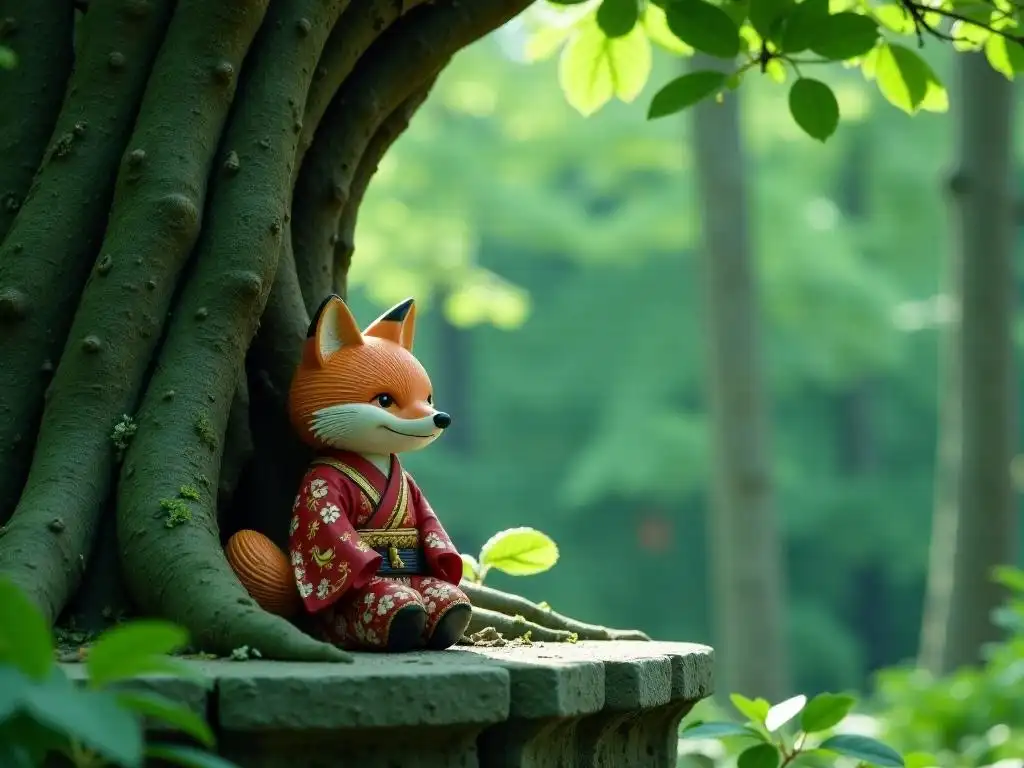
In Feudal Japan, oral traditions were the primary means of storytelling, playing a crucial role in the transmission of cultural values, beliefs, and historical narratives. Oral storytelling was not only a form of entertainment but also a method for educating the younger generations about their heritage and moral lessons. These stories were often shared in communal settings, where skilled storytellers, known as "rakugo" performers, captivated audiences with their narratives, using intonation and physical expression to bring tales to life.
As the Heian period progressed into the Kamakura and Muromachi periods, the advent of writing systems such as hiragana and kanji began to alter the landscape of literature in Japan. With the introduction of written forms, stories that were once passed down orally began to be documented. This transition marked a significant shift; while oral traditions relied on memory and improvisation, written literature allowed for precise wording and wider dissemination of stories.
The Nara period (710-794) saw the earliest examples of written Japanese literature, with texts like the "Nihon Shoki" and "Konjaku Monogatari." These works began to integrate folktales and fables alongside historical narratives, preserving them for future generations. The transition from oral to written forms also meant that the cultural significance of Japanese folktales could be scrutinized and analyzed in ways that oral storytelling could not facilitate.
The Preservation of Folktales through Written Literature
The preservation of folktales through written literature during the feudal era is a testament to the evolving landscape of Japanese culture. Written texts allowed these stories to survive beyond the limitations of oral transmission, ensuring that the rich tapestry of Japanese mythology remained accessible. Notable examples of this preservation include "The Tale of the Heike" and "The Tale of Genji," which, while not purely folktales, incorporated elements of folklore and cultural mythology that resonated deeply with the Japanese populace.
One of the most significant collections of Japanese folktales is the "Konjaku Monogatari," a text that compiles various stories from different regions and backgrounds. This anthology served not only as a record of oral traditions but also as a reflection of the societal norms and values of the time. The stories often conveyed moral lessons, supernatural elements, and the complexities of human relationships, thereby enriching the cultural fabric of Japan.
Moreover, as written literature became more prominent, it also influenced the way folktales were told and interpreted. Writers began to adapt and modify these tales to suit contemporary audiences, creating new versions that reflected changing societal values. This dynamic interaction between oral traditions and written literature ultimately led to a more profound understanding of Japanese folktales and their cultural significance.
The transition from oral tradition to written literature in Feudal Japan was not merely a change in medium; it represented a shift in how stories were perceived and valued within society. The preservation of folktales through written forms ensured that these narratives would continue to educate, entertain, and inspire future generations, solidifying their place in Japan’s cultural heritage.
The Global Influence of Japanese Folktales
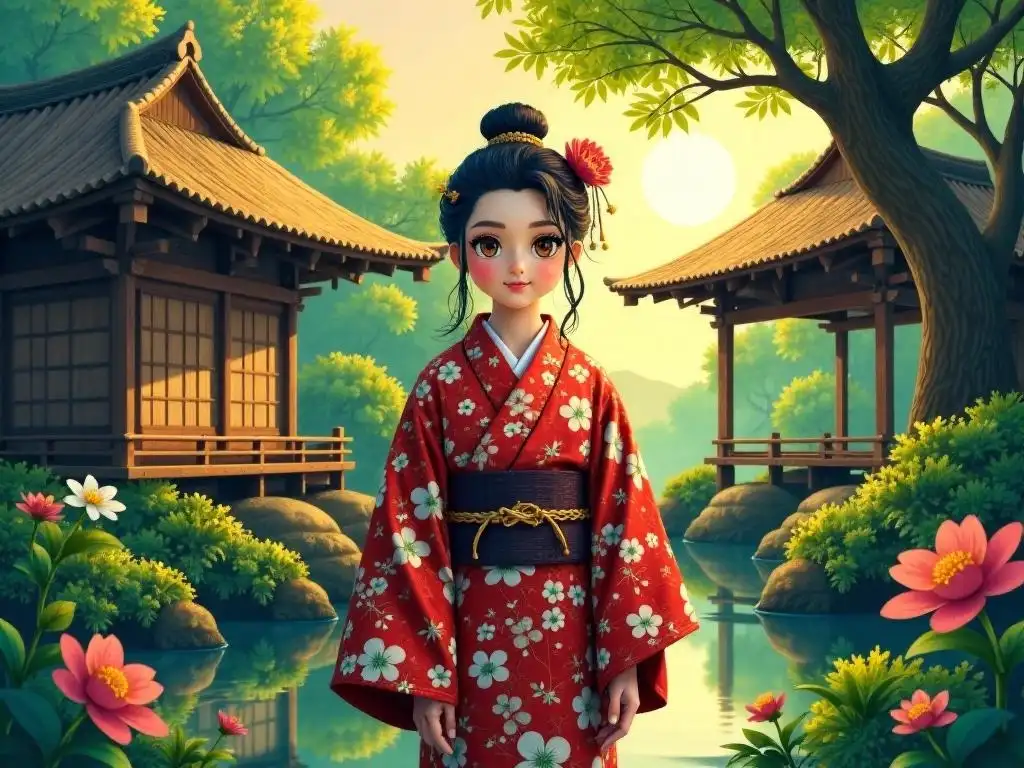
Japanese folktales have transcended geographical boundaries, influencing not only the cultural landscape of Japan but also the narratives and storytelling traditions of other cultures around the world. This influence can be seen in various forms, from literature to art, and even in modern media. The intricate weave of myth, morality, and societal values within these tales offers a unique lens through which to examine the human experience, resonating with audiences globally.
Comparisons with Folktales from Other Cultures
When examining Japanese folktales, one can draw fascinating comparisons with folktales from other cultures. For instance, both Japanese and European folktales often feature transformative journeys and moral lessons, but the methods of storytelling can differ significantly.
- Structure and Style:
- Japanese Folktales: Often employ a straightforward narrative style, characterized by a serene pacing and a deep connection to nature and the spiritual world.
- European Folktales: Frequently utilize elaborate plots with a focus on conflict, adventure, and trickster figures.
- Themes:
- Japanese Folktales: Emphasize harmony, respect for nature, and the importance of community. Tales like "Momotaro" (Peach Boy) highlight bravery and teamwork.
- European Folktales: Often revolve around individualism and personal triumphs, such as those found in the tales of the Brothers Grimm, which frequently feature protagonists overcoming evil through cunning or bravery.
- Character Archetypes:
- Japanese Folktales: Characters may include yokai (supernatural beings) and kami (spirits), reflecting Shinto beliefs and the integration of folklore with religious practices.
- European Folktales: Feature archetypes like witches, fairies, and knights, which align more closely with the cultural and historical context of medieval Europe.
These comparisons reveal how Japanese folktales not only share common ground with other cultural narratives but also retain unique characteristics that reflect Japan's distinct historical and societal context.
The Universal Themes in Japanese Fables
Japanese fables, much like their folktale counterparts, carry universal themes that resonate across cultures. These themes often address fundamental human experiences, making them relevant even in contemporary settings.
- Moral Lessons:
- Many Japanese fables, such as "The Grateful Crane," emphasize the importance of kindness, gratitude, and reciprocity. The moral of these stories often advocates for virtuous behavior and highlights the consequences of selfishness.
- Nature and Harmony:
- A recurring theme is the relationship between humans and nature. Fables like "The Tale of the Bamboo Cutter" reflect the belief that harmony with the natural world is essential for a balanced life. This resonates with many cultures that value environmental stewardship.
- Transformation and Growth:
- Transformation is a powerful theme in Japanese fables, symbolizing personal growth and change. Characters often undergo significant development, illustrating that challenges can lead to self-discovery and enlightenment.
- Community and Relationships:
- The importance of community is a central theme in many fables. Stories highlight the interplay of relationships within families and communities, emphasizing collective well-being over individual success.
These universal themes not only underscore the cultural significance of Japanese fables but also confirm their enduring relevance in a global context. The lessons embedded in these narratives continue to inspire and teach valuable life principles, bridging cultural divides and fostering understanding among diverse audiences.
Conclusion: The Enduring Legacy of Japanese Folktales
The legacy of Japanese folktales is profound and multifaceted, reflecting the rich tapestry of cultural history that has shaped Japan over centuries. These narratives serve not only as entertainment but also as vital carriers of moral lessons, societal values, and historical perspectives. The tales, often passed down through generations, encapsulate the beliefs, fears, and aspirations of the Japanese people, offering insight into their collective psyche.
The enduring nature of these stories can be attributed to their adaptability. As societal values shift and evolve, so too do the interpretations and retellings of folktales. They often reflect contemporary issues while retaining their traditional core, allowing them to remain relevant in the modern context. This dynamic nature ensures that Japanese folktales are not merely relics of the past but are woven into the fabric of present-day culture and identity.
The Cultural Significance of Oral Traditions Today
In contemporary Japan, the cultural significance of oral traditions, particularly Japanese folktales, is evident in various aspects of society. These narratives still play a crucial role in education, where they are used to impart moral values and lessons to children. Schools often incorporate folktales into their curricula, fostering a sense of cultural pride and continuity among younger generations.
Moreover, Japanese folktales have found a place in modern media, including literature, animation, and film. Works like Studio Ghibli’s "Spirited Away" and "Princess Mononoke" draw heavily from traditional tales, reinterpreting them for a global audience while preserving their essential themes. This cross-cultural exchange highlights the universal appeal of these stories, as they resonate with audiences far beyond Japan’s borders.
Additionally, festivals and cultural events often feature folktales, bringing communities together and reinforcing shared heritage. These gatherings celebrate not only the stories themselves but also the customs and practices associated with them, ensuring that the oral tradition remains a living part of Japanese culture.
Future of Japanese Folktales in Contemporary Society
Looking ahead, the future of Japanese folktales appears promising as they continue to adapt to changing societal landscapes. One key aspect of this future lies in the integration of technology. Digital storytelling platforms and social media provide new avenues for sharing these tales, allowing for innovative retellings that reach diverse audiences.
Furthermore, as globalization increases, there is a growing interest in cross-cultural storytelling. Japanese folktales can serve as a bridge between cultures, fostering understanding and appreciation for Japan’s rich heritage. Collaborations with international artists and storytellers can lead to exciting adaptations that maintain the essence of the original tales while introducing them to new audiences.
Educational initiatives also play a critical role in preserving these narratives. By incorporating folktales into language and literature studies, educators can instill a sense of cultural identity in students, encouraging them to explore and share these stories further.
Japanese folktales and their cultural significance are not just remnants of the past; they are vibrant, evolving narratives that continue to shape and reflect Japanese society. Their ability to adapt and resonate with contemporary themes ensures that they will remain a vital part of Japan’s cultural landscape for generations to come.
Frequently Asked Questions
What are Japanese folktales?
Japanese folktales are traditional stories that have been passed down through generations, often featuring mythical creatures, moral lessons, and cultural values that reflect the society's beliefs.
How do folktales impact Japanese culture?
Folktales play a crucial role in shaping cultural identity, preserving history, and transmitting values. They serve as a medium for teaching lessons about morality and community responsibilities.
What is the significance of oral traditions in Japan?
Oral traditions in Japan are significant as they maintain the historical narrative, foster community bonds, and ensure that cultural heritage is not lost over time, allowing stories to adapt and evolve.
Can you give examples of popular Japanese folktales?
Some popular Japanese folktales include "Momotaro," the tale of a boy born from a peach, and "Urashima Taro," which explores themes of time, loss, and consequences of one's actions.
How do folktales reflect the values of feudal Japan?
Folktales from feudal Japan often highlight themes of loyalty, honor, and the importance of family ties, reflecting the societal norms and values that were prevalent during that era.
Final Reflection: The Enduring Legacy of Japanese Folktales
The cultural significance of oral traditions, particularly Japanese folktales, resonates powerfully in today's society, reminding us of the values and lessons that transcend generations. These stories serve not only as entertainment but also as vital tools for cultural preservation and identity, bridging the past with the present in a world that often feels disconnected from its roots. As we navigate the complexities of modern life, the wisdom embedded in these tales remains a guiding light, illuminating paths of understanding and empathy.
The influence of Japanese folktales extends beyond mere storytelling; they shape our cultural landscape and foster a sense of community and belonging. The narratives we share reflect our shared experiences and collective wisdom, reinforcing the importance of heritage in a rapidly changing world. As noted by folklorist Alan Dundes, Folklore is a mirror of the culture from which it comes.
This observation underscores the vital role that these stories play in preserving cultural identity and instilling values that resonate across time and space.
As we reflect on the lessons imparted by these timeless tales, I invite you to consider how you can incorporate their wisdom into your own life. Take a moment to explore the folktales of your own culture or delve into the rich tapestry of Japanese narratives. By embracing these stories, we not only honor our heritage but also enrich our understanding of the world and our place within it. Let the echoes of these ancient voices inspire you to weave your own narrative, one that celebrates the beauty of diversity and the shared human experience.
Unveil the Magic of Oral Traditions!
Thank you for diving into the captivating world of folktales and fables! Your exploration of these rich stories has uncovered the cultural significance and deep-rooted values inherent in oral traditions. Now, it’s time to take that knowledge and turn it into action!
Here’s how you can continue your journey:
- Share a folktale from your own culture with friends or family, engaging in a discussion about its meanings and morals.
- Explore local folklore by visiting museums, libraries, or cultural events in your community.
- Consider creating your own fable or folktale, drawing inspiration from your personal experiences or those of your community!
What cultural stories do you cherish, and how have they influenced your perspective? We invite you to share your thoughts in the comments below!