
The Role of Humor in Edo Literature and Entertainment

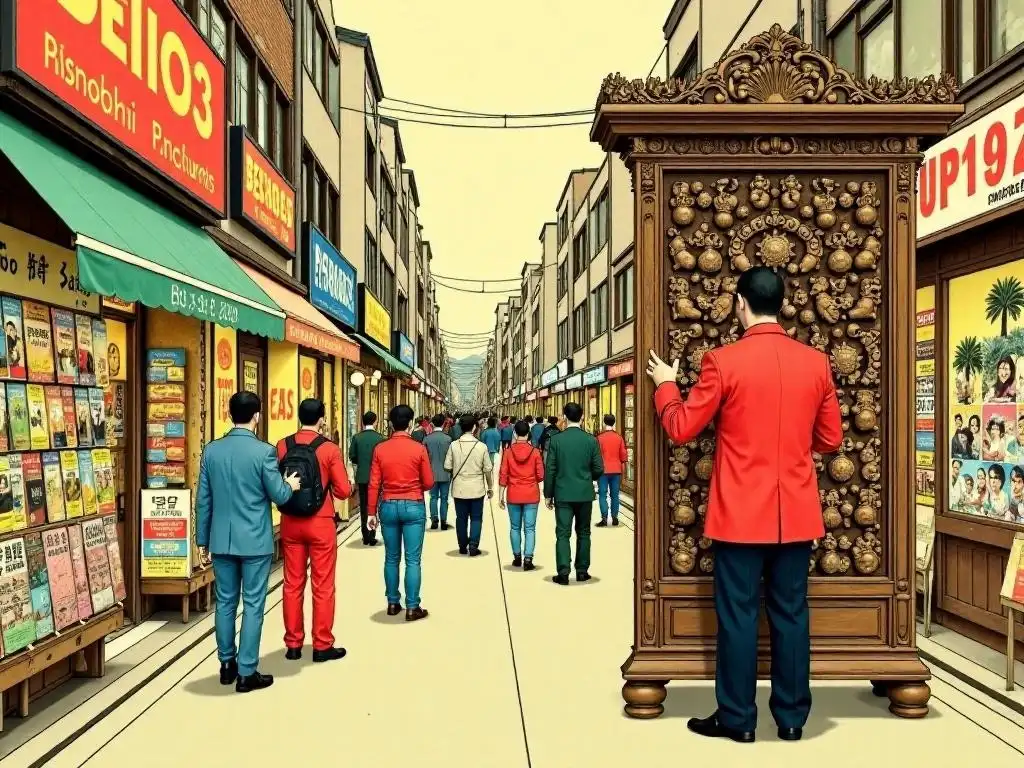
Welcome to Feudal Japan History, where we embark on an enchanting journey through the intricate tapestry of Japan's feudal era. Here, you'll uncover the fascinating nuances of Edo period humor in literature, a delightful yet often overlooked aspect of cultural history that reveals much about the society of its time. Dive into our featured article, "The Role of Humor in Edo Literature and Entertainment," and explore how laughter intertwined with life in the Edo period, sparking curiosity and reflecting the rich cultural landscape. Prepare to be captivated as we unravel the stories that shaped a nation—your adventure begins now!
Introduction to Edo Period Humor
The Edo period, spanning from 1603 to 1868, marked a transformative era in Japanese history, characterized by a flourishing of arts, culture, and literature. One of the most fascinating aspects of this period is the role humor played in shaping the literary landscape.
Edo period humor in literature not only reflects the societal norms and values of the time but also serves as a lens through which we can understand the complexities of human behavior and social dynamics in feudal Japan. This article delves into the intricate relationship between humor and literature during the Edo period, exploring its characteristics, influences, and key works that exemplify its significance.
Overview of the Edo Period (1603-1868)
The Edo period, also known as the Tokugawa period, was a time of peace, stability, and economic growth following the tumultuous Sengoku (Warring States) period. The Tokugawa shogunate established a centralized feudal system, which fostered a unique cultural environment. The rise of a merchant class, urbanization, and increased literacy rates among the populace contributed to the flourishing of various art forms, including theater, poetry, and prose.
During this era, humor emerged as a vital element of entertainment, often intertwined with social critique and commentary. Performances in kabuki theaters, the popularity of ukiyo-e prints, and the proliferation of humorous literature provided a rich tapestry of comedic expression that resonated with audiences from diverse backgrounds.
Significance of Humor in Japanese Culture
Humor in Japanese culture has deep roots, often serving as a coping mechanism for social pressures and a means of navigating the rigid class structures of feudal society. In the context of the Edo period, humor became a tool for both entertainment and enlightenment, allowing writers and performers to address serious issues in a palatable manner.
The interplay of humor and social commentary can be seen in various forms of entertainment, such as kyōgen (traditional comic theater) and jōruri (puppet theater), which utilized wit and satire to critique societal norms and behaviors. This duality highlights the importance of humor as not just a means of amusement but also as a reflection of the human condition and societal dynamics of the time.
Understanding Edo Period Humor in Literature
Characteristics of Edo Literature
Edo literature is characterized by its diverse range of genres, including narrative fiction, poetry, and humorous essays. Writers of this period often employed humor as a stylistic device to engage readers and provoke thought. Notable characteristics include:
- Satirical Commentary: Many works featured sharp wit that critiqued societal norms, politics, and human folly.
- Playful Language: Authors often experimented with wordplay and puns, creating layers of meaning that enhanced the humor.
- Relatable Characters: Humorous narratives often centered around everyday people, making the stories accessible and relatable to a broad audience.
The Influence of Societal Norms on Humor
Edo period humor was heavily influenced by the social and political climate of the time. The rigid class system, along with the emergence of a burgeoning middle class, provided fertile ground for satire and humor. Writers and performers used humor to navigate the complexities of their social realities, often poking fun at the elite while simultaneously offering solace to the common folk.
This societal backdrop allowed for a unique brand of humor that was reflective of the period’s cultural values, including confucian ideals, buddhist teachings, and shinto beliefs. The interplay of these influences shaped the comedic narratives that audiences would come to cherish.
Key Literary Works Featuring Humor
Several literary works from the Edo period stand out due to their innovative use of humor. Some key examples include:
- "Shank’s Mare" by Jippensha Ikku: A travelogue filled with comedic accounts of the protagonist's adventures, blending humor with insightful commentary on society.
- "The Life of an Amorous Man" by Ihara Saikaku: A work that explores the humorous escapades of a man devoted to pleasure, providing a satirical view of the pursuit of happiness.
- "The Tale of the Heike" (various adaptations): While primarily a historical epic, certain humorous adaptations showcased the absurdities of war and societal expectations.
These literary pieces not only entertain but also offer a glimpse into the rich tapestry of Edo period humor, highlighting its significance in the cultural history of Japan.
Types of Humor in Edo Literature
Edo period humor in literature is a rich tapestry woven from various styles and techniques that reflect the social dynamics and cultural nuances of the time. This humor often served as a means of social critique, entertainment, and the exploration of human nature. The types of humor prevalent during this period can be broadly categorized into three main forms: satire and social commentary, wordplay and puns, and physical comedy.
Satire and Social Commentary
Satire emerged as a powerful tool in Edo literature, allowing authors to critique societal norms and political issues. Writers cleverly employed humor to expose the absurdities of the samurai class, the merchant class, and the rigid social hierarchy. By exaggerating traits and behaviors, satirical works provided commentary on the moral failings of individuals and institutions.
For instance, in works like "Shank’s Mare" by Jippensha Ikku, the author uses humor to highlight the contradictions and follies of contemporary society. Characters often find themselves in ludicrous situations that reflect the absurdity of their social standings. Satirical literature not only entertained but also encouraged readers to reflect critically on their society.
Wordplay and Puns: The Art of Witty Language
Wordplay and puns were fundamental components of Edo period humor, showcasing the linguistic creativity of the authors. This type of humor relied heavily on the phonetic similarities of words, creating double meanings that could amuse and provoke thought simultaneously.
For example, "Ukiyo-e", a genre of woodblock prints that often accompanied humorous literature, frequently featured clever captions that played with language. These witty expressions engaged readers and listeners alike, creating a shared experience that fostered community laughter. The art of constructing clever puns and engaging wordplay became a hallmark of Edo literature, making it both accessible and enjoyable.
Physical Comedy and Its Representation in Literature
Physical comedy, while more prevalent in performance arts such as kabuki theatre, also found its way into literature during the Edo period. Authors depicted exaggerated physical antics and humorous scenarios that evoked laughter through vivid descriptions and slapstick humor.
Works often described characters in comically unfortunate situations, highlighting their physical missteps or clumsy behavior. This style of humor is reminiscent of the traditional "kyōgen" (comic plays), where physicality was key. The use of physical comedy in literature allowed readers to visualize the humor, bridging the gap between the written word and the physical performance, enhancing the overall enjoyment.
Prominent Edo Period Humorists and Their Contributions
The Edo period was home to several influential humorists whose works contributed significantly to the landscape of Japanese literature. These authors not only entertained their contemporaries but also left a lasting legacy that shaped future generations of writers and comedians.
The Life and Works of Jippensha Ikku
Jippensha Ikku (1765-1831) is celebrated as one of the foremost humorists of the Edo period. He is best known for his novel "Shank’s Mare" ( Tōkaidōchū Hizakurige), which follows the comedic adventures of two travelers along the Tōkaidō road. His keen observations of society, combined with sharp wit, allowed him to craft narratives that resonated with the common people while providing insightful social commentary.
Ikku’s works often featured lively dialogue and intricate wordplay, making them not only entertaining but also reflective of the humor and culture of his time. His ability to blend humor with critical reflections on society solidified his place as a cornerstone of Edo literature.
The Influence of Santō Kyōden on Edo Literature
Santō Kyōden (1761-1816) was another prominent figure in Edo period humor. Known for his "ukiyo-zōshi" (floating world novels), Kyōden's writing often included elements of humor that critiqued the lives of the urban populace. His works, such as "Yokohama Banchō", showcased the vibrant life of Edo through humor that highlighted the follies and eccentricities of everyday people.
Kyōden's unique style combined vivid storytelling with sharp wit, allowing him to create characters that were both relatable and comical. His influence extended beyond his lifetime, inspiring later writers to explore humor in literature through a similar lens of social observation and satire.
Exploring the Legacy of Shikitei Sanba
Shikitei Sanba (1776-1822) is known for his contributions to the world of Edo humor through works that blended narrative fiction with elements of entertainment. His most notable work, "The Life of a Fool", is a satirical exploration of the absurdities of human behavior. Sanba's humor often relied on exaggerated depictions of characters and situations, drawing laughter from the often ridiculous nature of his subjects.
Sanba's legacy is significant in that he not only entertained but also influenced the development of later comedic genres in Japan. His ability to weave humor into the fabric of everyday life laid the groundwork for future generations of writers, ensuring that humor remained a vital part of Japanese literature.
Through these prominent figures and their contributions, Edo period humor in literature showcases a unique blend of entertainment, social critique, and linguistic creativity that continues to resonate in contemporary Japanese culture.
The Role of Kabuki and Ukiyo-e in Humor
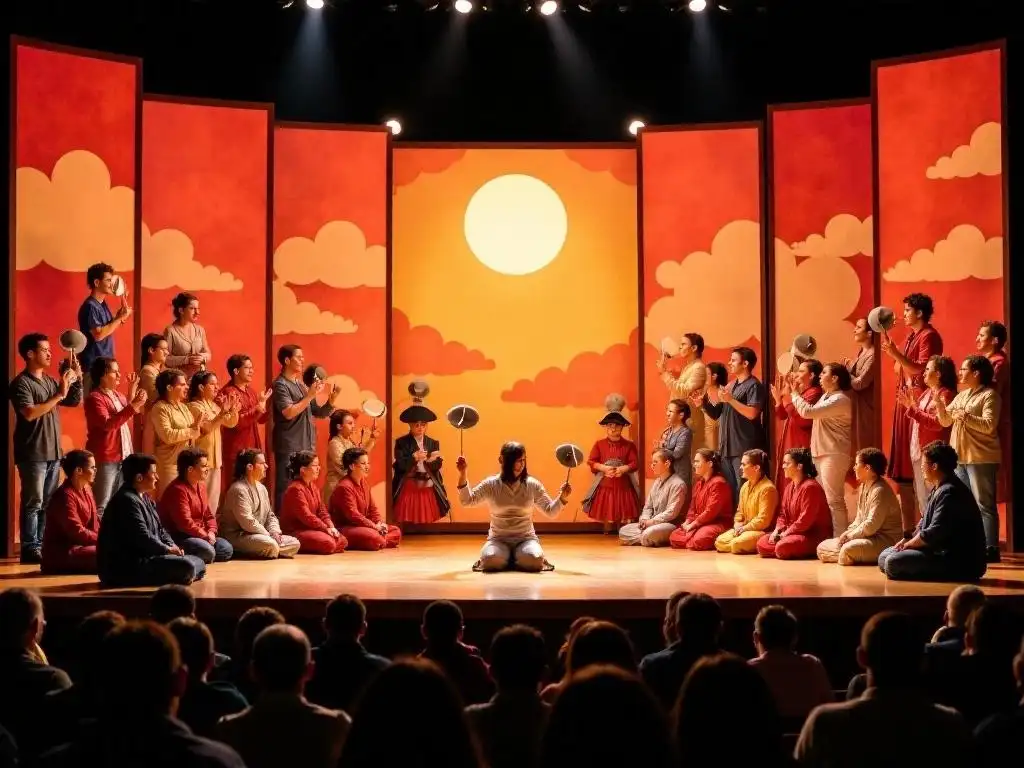
The Edo period (1603-1868) was a time of significant cultural development in Japan, marked by the flourishing of various art forms including literature, theater, and visual arts. Among these, Kabuki theater and Ukiyo-e prints emerged as pivotal mediums that encapsulated the humor of the era. Their vibrant expressions not only entertained audiences but also provided a lens through which societal norms and human follies were examined and critiqued.
Kabuki Theater: A Platform for Humorous Expression
Kabuki theater, known for its exaggerated performances and colorful costumes, played a crucial role in the dissemination of humor during the Edo period. Performances often included comedic interludes known as daimyo and katakoto, which showcased the talents of actors in portraying humorous situations. The characters were typically exaggerated archetypes, such as the bumbling samurai or the cunning merchant, whose antics resonated with the audience's everyday experiences.
The dialogue in Kabuki was rich with puns and wordplay, engaging the audience not just through visual spectacle but also through linguistic cleverness. For instance, the use of onnagata, male actors portraying female roles, often added a layer of humor through their exaggerated femininity and the situations they found themselves in. This blending of gender roles and comedic timing made Kabuki a unique platform where humor could thrive, reflecting the complexities of Edo society.
Ukiyo-e Prints: Visual Humor in Edo Culture
Ukiyo-e, or "pictures of the floating world," refers to a genre of woodblock prints that flourished during the Edo period. These prints often depicted scenes from everyday life, including humorous portrayals of people in various social contexts. Artists like Katsushika Hokusai and Utagawa Kuniyoshi infused their works with humor, capturing the absurdities of life and the whims of human nature.
These prints often employed visual puns and playful imagery, such as animals engaging in human activities or comical interactions between characters. The humor in Ukiyo-e was not solely for entertainment; it also served as a critique of social norms. By exaggerating certain traits or situations, artists could subtly comment on societal issues, making the humor both entertaining and thought-provoking.
Interconnection between Literature and Performance Arts
The relationship between Edo literature and the performing arts, particularly Kabuki, is deeply intertwined. Many Kabuki plays were adaptations of popular literary works, including narrative poetry and storytelling traditions. This cross-pollination allowed humor to permeate both mediums, as literary devices such as satire and parody found their way into theatrical performances.
Moreover, the shared audience of literature and Kabuki meant that themes and humorous elements could resonate across different art forms. For example, a humorous story in a kibyōshi (illustrated books) could inspire a Kabuki play that exaggerated the same comedic elements for the stage. This synergy between literature and performance arts not only enriched the humor of the Edo period but also solidified its place in the cultural fabric of Japan.
Themes and Motifs in Edo Period Humor
Edo period humor was characterized by its reflection of societal norms, relationships, and the everyday experiences of the common people. Thematically, it often delved into critiques of social hierarchies, love, and the absurdities of daily life, creating a rich tapestry of comedic expression.
Critique of Social Hierarchies
One of the most prominent themes in Edo humor was the critique of social hierarchies. Satirical works often lampooned the rigid class structures that defined society, poking fun at the excesses of the samurai class or the pretensions of the merchant class. This humor served as a vehicle for the common people to express their frustrations and discontent with the status quo.
For example, humorous narratives might depict a samurai who, despite his noble status, finds himself in ludicrous situations, highlighting the absurdity of privilege and power. Such portrayals not only entertained but also encouraged audiences to reflect on the inequalities of their time.
Love and Relationships: Humor in Romance
Romantic relationships were another fertile ground for humor in Edo period literature and theater. The complexities and misunderstandings inherent in love often provided comedic fodder. Works frequently depicted love triangles, mistaken identities, and the trials of courtship, all of which resonated with audiences' own experiences.
In these narratives, humorous mishaps often serve to humanize characters, making them relatable and endearing. The use of witty banter and playful teasing in dialogues added to the comedic effect, transforming romantic tales into lighthearted explorations of love's challenges.
Everyday Life and Its Comedic Elements
Everyday life was a significant source of humor in Edo literature, with many comedic works drawing inspiration from the mundane aspects of daily existence. From the struggles of farmers to the antics of townsfolk, these narratives captured the humor found in routine activities and interactions.
The portrayal of common people engaged in humorous endeavors, such as navigating market mishaps or dealing with nosy neighbors, created a sense of community and shared experience. This focus on the comedic elements of everyday life not only entertained but also fostered a sense of resilience among the populace, reminding them to find joy amid life's challenges.
Conclusion: The Enduring Impact of Edo Period Humor
The humor of the Edo period, which spanned from 1603 to 1868, serves as a fascinating lens through which to view the societal dynamics, cultural norms, and artistic expressions of the time. Edo period humor, characterized by its clever wordplay, satirical wit, and a unique blend of high and low culture, has left a lasting legacy that continues to influence contemporary Japanese literature and entertainment. As a reflection of social realities, these comedic elements provided not only amusement but also commentary on the rigid class structures and political tensions of the era.
The impact of Edo humor is evident not only in traditional storytelling and theater but also in modern forms such as manga and anime, where the essence of Edo humor is often revived and reinterpreted. The ability of humor to transcend time and adapt to new contexts highlights its significance in cultural continuity. Additionally, the enduring popularity of Edo period humor demonstrates its relevance in discussing human experiences, making it an essential component of Japan's rich cultural heritage.
Legacy of Edo Humor in Modern Japanese Culture
The legacy of Edo period humor permeates various facets of modern Japanese culture. From the sharp quips in contemporary manga to the comedic timing in television dramas, the influence of historical humor can be seen across multiple genres. Notably, the use of puns, slapstick, and situational comedy—hallmarks of Edo literature—remains prevalent in today’s media.
Moreover, festivals and theatrical performances that celebrate Edo humor continue to attract audiences, showcasing the timelessness of comedic elements from that era. Events such as Kabuki performances often incorporate humor that resonates with both historical and modern audiences, blending the old with the new. In educational contexts, scholars and students alike study the humor of the Edo period not only for its entertainment value but also for its insights into the social and political fabric of the time, affirming its enduring relevance.
Final Thoughts on the Importance of Humor in Edo Literature
Humor in Edo literature serves as a crucial cultural artifact that encapsulates the essence of the period. It offers a window into the everyday lives of the people, illustrating their struggles, joys, and aspirations with a light-hearted touch. The significance of humor extends beyond mere entertainment; it acts as a social commentary, encouraging critical reflection on the norms and practices of the time.
The ability of Edo humor to engage audiences through laughter while simultaneously provoking thought underscores its importance in Japanese literary tradition. As such, understanding the role of humor in Edo literature enhances our appreciation of the complexities of human experience and the artistic expressions that arise from it.
References and Further Reading
To delve deeper into the fascinating world of Edo period humor in literature and its cultural implications, the following resources provide valuable insights and perspectives:
Recommended Books and Articles on Edo Period Humor
-
"Edo Period Humor: A Cultural Perspective" by Hiroshi Tanaka
This book offers a comprehensive analysis of humor in Edo literature, exploring its forms and social implications.
-
"Laughing in the Face of Tragedy: The Role of Humor in Japanese Culture" by Yuki Matsumoto
Matsumoto examines the interplay between humor and tragedy in Japanese traditions, including insights specifically from the Edo period.
-
"The Art of Edo Comedy: Kabuki and Beyond" by Kenjiro Yoshida
This article looks at the evolution of comedic forms in Edo theater and their relevance today.
Notable Authors and Works for Deeper Exploration
- Jippensha Ikku: Known for his work Shank’s Mare, which blends humor and social critique in an engaging narrative style.
- Saikaku Ihara: His writings often include elements of humor that reflect the lives and loves of the merchant class during the Edo period.
- Tsunetomo Yamamoto: Although primarily known for his Hagakure, his anecdotes sometimes incorporate humor that speaks to the samurai experience.
These resources and authors provide a foundation for a richer understanding of Edo period humor in literature, showcasing its complexity and significance within Japan's cultural history.
- Introduction to Edo Period Humor
- Understanding Edo Period Humor in Literature
- Types of Humor in Edo Literature
- Prominent Edo Period Humorists and Their Contributions
- The Role of Kabuki and Ukiyo-e in Humor
- Themes and Motifs in Edo Period Humor
- Conclusion: The Enduring Impact of Edo Period Humor
- References and Further Reading
- What is the Edo period known for in terms of literature?
- How did humor influence Edo period entertainment?
- What types of literature featured humor during the Edo period?
- Who were the prominent authors known for their humorous works in the Edo period?
- How has the humor of the Edo period influenced modern Japanese culture?
Frequently Asked Questions
What is the Edo period known for in terms of literature?
The Edo period, spanning from 1603 to 1868, is notable for its vibrant literary scene, with a focus on humor and satire in various forms, including kabuki theater and ukiyo-e prints.
How did humor influence Edo period entertainment?
Humor played a crucial role in Edo period entertainment, allowing authors and performers to critique society and politics, while also providing escapism for audiences facing daily hardships.
What types of literature featured humor during the Edo period?
Various genres, including narrative fiction, poetry, and theatrical performances, incorporated humorous elements, often using wordplay and exaggeration to engage and amuse the audience.
Notable authors like Jippensha Ikku and Saikaku Ihara crafted celebrated works that combined wit and social commentary, making their literature both entertaining and insightful.
How has the humor of the Edo period influenced modern Japanese culture?
The legacy of Edo period humor continues to resonate in modern Japanese culture, evident in contemporary comedy, manga, and anime, showcasing the enduring appeal of clever and satirical storytelling.
Final Reflection: The Enduring Legacy of Edo Period Humor in Literature
The exploration of humor in Edo period literature reveals its profound relevance in today's cultural landscape. As we navigate a world often overshadowed by seriousness and strife, the ability to find joy and laughter in our narratives serves as a powerful reminder of the resilience of the human spirit. The wit and satire that characterized Edo literature not only entertained but also provided critical commentary on societal norms, making it a timeless reflection of our shared human experience.
Clearly, the humor of the Edo period has left an indelible mark on the cultural and social landscape, influencing contemporary literature and entertainment. The clever wordplay and comedic storytelling techniques from this era continue to inspire modern creators, reminding us that laughter can be a tool for both connection and critique. Humor is the universal solvent against the abrasive elements of life.
This sentiment resonates deeply as we recognize the ongoing influence of Edo humor in our lives, encouraging us to embrace laughter as a means of understanding and navigating our complexities.
As we reflect on the lessons drawn from Edo period humor, I invite you to consider how you can incorporate the spirit of this rich tradition into your own life. Seek out moments of joy, engage with literature that makes you laugh, and share that laughter with others. In doing so, you not only honor the legacy of Edo humor but also contribute to a culture that values resilience, creativity, and connection through laughter. Let us carry forward this legacy, reminding ourselves that humor is not just entertainment; it is a vital part of our humanity.
Unveil the Lightness of Edo: Embrace Humor Today!
Thank you for diving into the fascinating world of humor in Edo literature and entertainment! You’ve explored how laughter shaped cultural experiences during this vibrant era, and now it’s time to channel that inspiration into action.
Consider these engaging steps to keep the spirit of Edo alive:
- Dive Deeper: Seek out literary works from the Edo period that incorporate humor—visit your local library or browse online archives to experience the wit firsthand.
- Share the Joy: Discuss your favorite humorous excerpts with friends or on social media! Invite conversations about how laughter can bridge cultural gaps.
- Create Your Own: Try your hand at writing a short story or comic inspired by the humorous themes of Edo—let your creativity flow and share it with your community!
How do you think humor reflects the spirit of resilience and creativity in different cultures throughout history?