
The Interplay of Nature and Emotion in Noh Plays

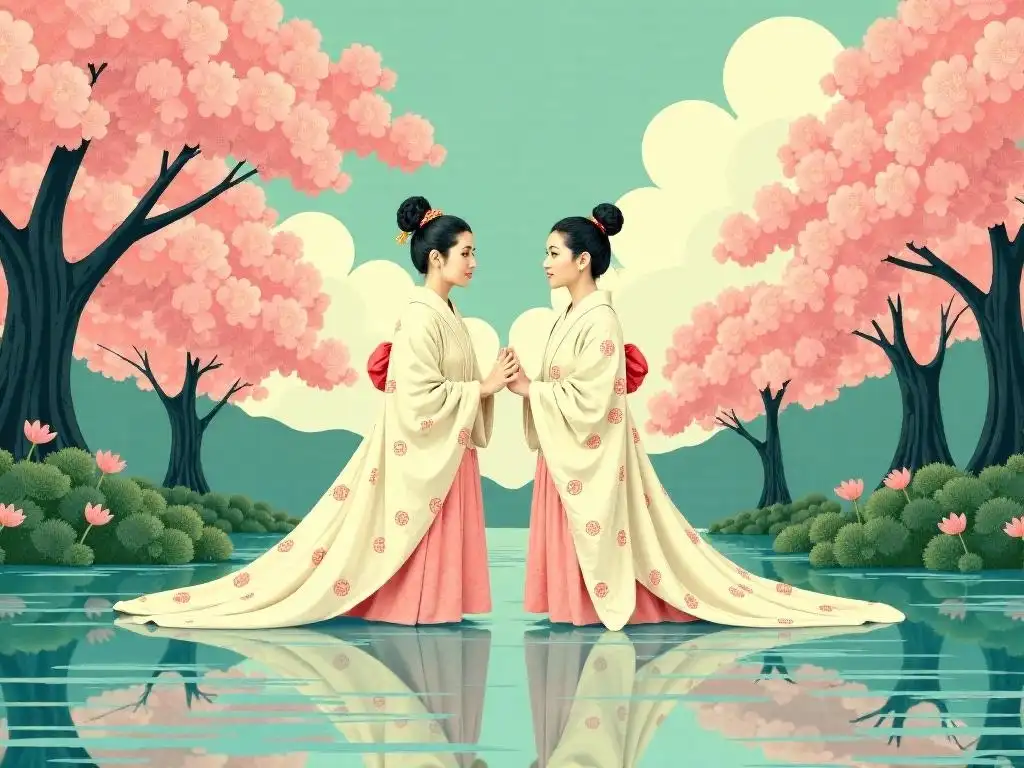
Welcome to Feudal Japan History, where we embark on a captivating journey through the intricate tapestry of Japan's feudal era. Here, we delve deep into the rich historical, cultural, and societal narratives that define this remarkable period. Today, we invite you to explore the profound interplay of nature and emotion in Noh plays, an art form that not only reflects the essence of Japanese aesthetics but also resonates with the deep emotional themes that have captivated audiences for centuries.
Are you ready to uncover the layers of meaning and beauty embedded in these timeless performances? Let’s dive in and discover the soul of Noh.
The world of Noh plays offers a profound glimpse into the emotional landscape and cultural ethos of Japan during its feudal era. This traditional form of theater, with its origins dating back to the 14th century, intricately weaves together elements of nature and human emotion, creating a unique artistic expression that resonates with audiences even today.
Noh plays are not merely performances; they are a rich tapestry of symbolism, reflecting the complex relationship between the natural world and the emotional experiences of individuals. By examining the interplay of these elements, we can gain a deeper understanding of how Noh plays encapsulate the essence of Japanese cultural values and societal norms.
Understanding Noh Plays: A Cultural Overview
What are Noh Plays?
Noh is a classical Japanese theatrical form characterized by its slow movement, elaborate costumes, and the use of masks. Each performance often explores themes of loss, longing, and the passage of time, allowing for a poignant exploration of the human condition. The distinctive aspect of Noh is its ability to convey deep emotion through minimalistic means, relying heavily on the interplay of music, dance, and poetic dialogue.
Historical Context of Noh Theatre in Japan
Originating in the 14th century during the Muromachi period, Noh theatre was heavily influenced by earlier forms of entertainment, including the sacred rituals of Shinto and the folk performances known as sarugaku. As it evolved, Noh became a favored art form among the samurai class, intertwining itself with the political and social fabric of feudal Japan. The patronage of the Ashikaga shogunate played a crucial role in its development, enabling it to flourish as a sophisticated cultural expression.
The Role of Noh in Feudal Japanese Society
Noh theatre served not only as entertainment but also as a means of cultural preservation and moral instruction. It mirrored the values of the samurai ethos, emphasizing themes such as loyalty, honor, and the transient nature of life. Audiences were often comprised of the elite, and the performances provided a space for reflection on the complexities of existence, connecting individuals to their historical and cultural roots.
Emotional Themes in Noh Plays
Exploration of Common Emotional Themes in Noh
The emotional landscape of Noh plays is rich and varied, often revolving around themes of love, grief, and the supernatural. Central to many narratives is the concept of mono no aware, which refers to the beauty found in the impermanence of things. This theme is poignantly illustrated in plays that depict tragic love stories or the haunting presence of spirits longing for resolution.
The Significance of Emotion in Noh Performances
Emotion in Noh is not merely expressed but is an integral part of the storytelling process. Through the use of subtle gestures, vocal intonations, and the haunting melodies of the accompanying instruments, performers evoke deep emotional responses from the audience. Each performance becomes an immersive experience, inviting viewers to engage with the characters’ inner turmoil and existential reflections.
How Emotion Reflects Japanese Cultural Values
The emotional themes prevalent in Noh plays are deeply intertwined with Japanese cultural values, such as the appreciation for nature, the acceptance of transience, and the recognition of interconnectedness among all living things. These themes resonate with the Shinto belief in the spirits of nature, highlighting a profound respect for the environment and a recognition of the emotional echoes that arise from human experiences within it.
In exploring the interplay of nature and emotion in Noh plays, we uncover not just a theatrical tradition but a window into the heart of Japanese culture, where art serves as a mirror reflecting the complexities of the human experience.
Nature as a Symbol in Noh Plays
Noh plays, a traditional form of Japanese theater, intricately weave nature into their narratives, using it as a powerful symbol to convey complex emotional themes. The aesthetic of Noh is deeply rooted in the natural world, where every gesture, sound, and visual element serves to evoke specific feelings and states of being. By presenting nature not simply as a backdrop but as a character in its own right, Noh plays elevate the emotional resonance of the stories they tell.
Noh utilizes natural elements—such as trees, water, and seasonal changes—to reflect the inner lives of characters. For instance, cherry blossoms often symbolize fleeting beauty and the transience of life, which resonates with the themes of loss and longing prevalent in many Noh narratives. This connection between nature and emotion creates a rich tapestry that invites the audience to engage on a deeper level, reflecting their own experiences and feelings against the backdrop of the natural world.
The Representation of Nature in Noh Theatre
In Noh theatre, representation of nature is achieved through minimalistic staging and the use of symbolic props. The stage is often adorned with a simple pine tree painted on the backdrop, which serves as a reminder of permanence amidst the impermanence of human emotions and experiences. This tree not only grounds the performance in a natural setting but also signifies resilience and endurance.
The performers, dressed in elaborate costumes that may feature motifs of nature, embody these themes through their movements and expressions. The slow, deliberate pace of the choreography mirrors the tranquility of nature, allowing audiences to connect emotionally with the unfolding story. Each movement, coupled with the haunting sound of traditional instruments, creates an immersive atmosphere where nature and human emotion converge.
Symbolism of Natural Elements in Emotional Expression
Natural elements in Noh plays are rich with symbolic meaning, often serving as metaphors for human emotions. For instance, the sound of wind can evoke feelings of melancholy or nostalgia, while the rustling of leaves may symbolize the passage of time. Water, representing both life and death, is frequently used to illustrate the fluidity of human emotion—joy can swiftly turn to sorrow, much like a river that changes course.
The cyclical nature of the seasons also plays a crucial role in emotional expression within Noh. Spring, with its blooming flowers, symbolizes hope and renewal, while autumn, often associated with fading beauty and impending winter, invokes feelings of sadness and reflection. In this way, Noh theater not only reflects nature's beauty but also its ability to encapsulate the full spectrum of human emotions.
The Connection Between Nature and Human Emotion in Noh
The connection between nature and human emotion in Noh is profound and multi-layered. The natural world serves as both a mirror and a metaphor for the emotional states of the characters. For example, a character’s despair may be echoed in the depiction of a stormy sea, while their joy may be represented by the gentle rustle of leaves on a calm day. This interplay allows audiences to experience a deeper understanding of both nature and emotion.
Moreover, the cyclical patterns found in nature often parallel human experiences, emphasizing themes of birth, death, and rebirth. This cyclical ethos resonates deeply with Japanese cultural beliefs, where nature is viewed as a living entity that influences human life. Thus, the emotional themes in Noh plays are not isolated but are intricately woven into the fabric of the natural world, inviting audiences to consider their own emotional journeys in relation to the rhythms of nature.
Key Noh Plays Illustrating Nature and Emotion
Noh plays are rich with examples that illustrate the interplay of nature and emotion, showcasing how these elements are intertwined within the theatrical narrative. Several key plays exemplify this connection, each offering unique insights into how natural symbols enhance emotional depth.
Overview of Notable Noh Plays
Some notable Noh plays that exemplify the emotional themes tied to natural elements include "Aoi no Ue," "Hagoromo," and "Matsukaze." Each of these plays employs nature as a vital component of their storytelling, using it to explore themes of love, loss, and longing.
- "Aoi no Ue" explores the emotional turmoil of a woman caught between love and duty, with nature serving as a backdrop to her internal struggles.
- "Hagoromo" presents a celestial being who descends to Earth, with the beauty of the natural world reflecting her feelings of longing and desire.
- "Matsukaze" delves into themes of nostalgia and unfulfilled love, utilizing the imagery of the wind and the changing seasons to deepen the emotional impact.
Case Study: "Aoi no Ue" and Its Emotional Landscape
"Aoi no Ue," based on the classic tale from "The Tale of Genji," vividly illustrates the emotional landscape of its characters through the use of nature. The play centers on the spirit of Aoi, who expresses her sorrow and jealousy as she observes the living world around her.
The use of cherry blossoms in the staging symbolizes Aoi's fleeting happiness and the ephemeral nature of love. As the blossoms fall, they mirror her declining emotional state, reinforcing the theme of loss. The gentle sounds of nature, such as the rustling of leaves, amplify the spirit's lament, creating an atmosphere heavy with emotional weight. In this way, "Aoi no Ue" exemplifies how Noh employs nature to evoke deep emotional responses from the audience.
Case Study: "Hagoromo" and the Nature of Longing
"Hagoromo" tells the story of a celestial maiden who descends to Earth and becomes entranced by its beauty. The play explores themes of longing and the desire for connection. The natural elements, particularly the imagery of water and the moon, play a significant role in reflecting the maiden's emotions.
The moon, often a symbol of unattainable beauty in Japanese culture, represents the maiden's yearning for her celestial home. As she dances along the shore, the gentle waves and the shimmering moonlight create a poignant atmosphere that encapsulates her inner conflict. The interplay of these elements not only enhances the emotional depth of the narrative but also invites the audience to contemplate their own experiences of longing and beauty.
In summary, "Hagoromo" serves as a powerful case study in how Noh plays intertwine nature and emotion, reflecting the profound connections that exist between the two.
The Artistic Techniques in Noh Theatre
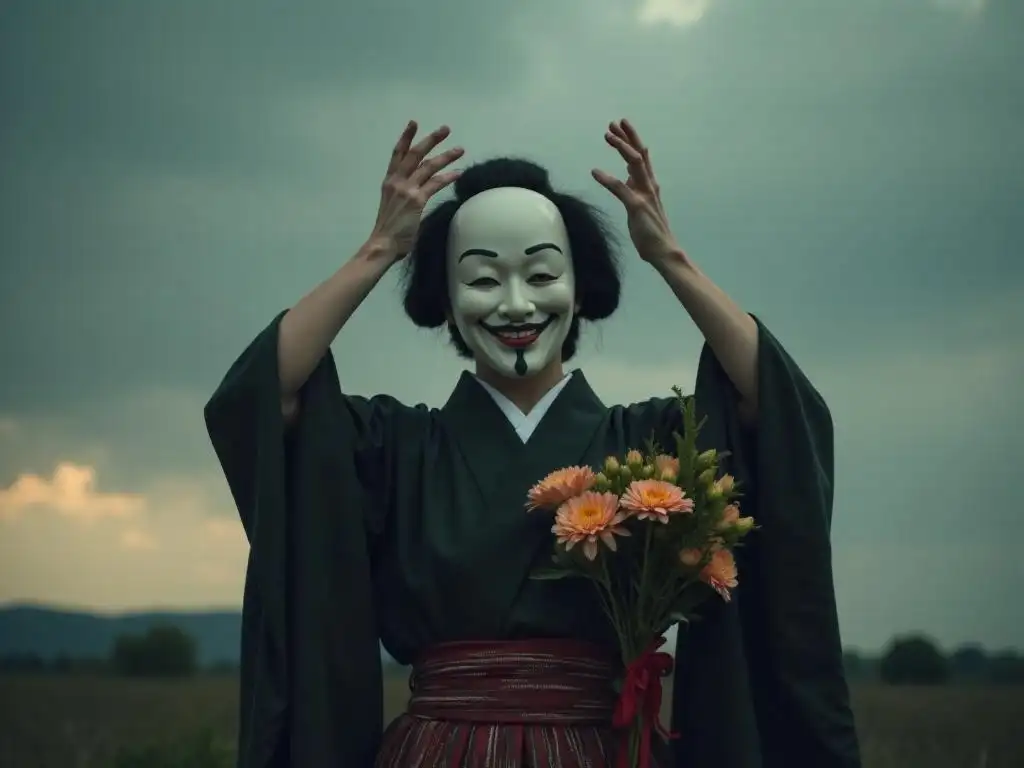
Noh theatre, a classical form of Japanese drama, is renowned for its poetic dialogue, minimalistic staging, and profound emotional depth. One of the defining characteristics of Noh is its intricate artistic techniques that serve to weave together themes of nature and emotion. These techniques are not merely aesthetic but are integral to the storytelling, allowing the audience to experience the subtleties of human feelings in conjunction with the natural world. The interplay of movement, music, and visual elements creates a rich tapestry that invites reflection and introspection.
Use of Music and Chanting to Convey Emotion
Music in Noh theatre plays a pivotal role in shaping the emotional landscape of a performance. Traditional Noh music, known as "hayashi," typically comprises three main instruments: the nohkan (a bamboo flute), taiko (drums), and ko-tsuzumi (a hand drum). These instruments contribute to a unique auditory atmosphere that enhances the emotional gravity of the narrative.
Chanting, or utai, is another critical element where performers deliver their lines in a highly stylized manner. The cadence and pitch of the chanting evoke a range of emotions, from sorrow to joy, effectively mirroring the characters' inner states. For instance, when a character laments a lost love or reflects on the fleeting nature of life, the haunting melodies resonate with the audience, intensifying the emotional connection to the themes of nature and transience.
The Role of Costumes and Masks in Expressing Nature
Costumes and masks are vital components of Noh theatre, each meticulously designed to symbolize various aspects of nature and the emotional states of characters. The elaborate costumes often feature motifs from nature, such as flowers, trees, and animals, which not only enhance the visual appeal but also serve as metaphors for the characters’ emotions and experiences.
Masks, or men, are particularly significant in Noh, as they allow for the portrayal of complex emotional states through subtle expressions. Each mask is crafted to convey specific feelings, such as grief, joy, or anger, and the player’s ability to manipulate their body language while wearing these masks can evoke profound emotional responses from the audience. The interplay between the mask and the character’s movement creates a powerful visual representation of the connection between human emotions and the natural world.
Movement and Gesture: Emotional Storytelling in Noh
Movement in Noh theatre is characterized by its slow, deliberate pace, which contrasts sharply with other forms of Japanese theatre. This deliberate style allows for a deeper exploration of emotional themes. Each gesture, however small, carries significant weight and meaning. The performers utilize a series of prescribed movements known as kata, which are designed to embody various emotions and natural elements.
For instance, a simple hand movement might symbolize the gentle flow of water, while a more forceful gesture could mimic the ferocity of wind. This integration of physicality with emotional expression allows the audience to perceive the characters’ feelings in relation to the natural environment, illustrating how emotions can be both personal and universal. The careful choreography of movement thus serves as a bridge between the internal world of the characters and the external forces of nature.
Conclusion: The Lasting Impact of Nature and Emotion in Noh Plays
The nuanced interplay of nature and emotion in Noh plays has left an indelible mark on Japanese culture, shaping the way emotions are expressed and understood within the context of the natural world. By utilizing artistic techniques such as music, costumes, and movement, Noh theatre offers a profound exploration of human experiences, highlighting the connection between emotional states and the surrounding environment.
The Importance of Noh Plays in Contemporary Japanese Culture
In contemporary Japan, Noh plays continue to hold relevance, serving as a cultural touchstone that connects modern audiences with their historical roots. The themes of nature and emotion resonate with contemporary societal issues, allowing for reflection on personal and collective experiences. Many educational institutions incorporate Noh theatre into their curriculum, emphasizing its artistic value and emotional depth, thereby ensuring its preservation and appreciation in modern culture.
Furthermore, as global interest in traditional arts grows, Noh theatre has found new audiences beyond Japan, fostering a deeper understanding of Japanese cultural identity. The emotional themes explored in Noh are universal, allowing for connections with diverse audiences worldwide.
Future Directions for Noh Theatre and Emotional Themes
The future of Noh theatre appears promising, with ongoing efforts to innovate while honoring traditional practices. Contemporary playwrights and directors are beginning to experiment with emotional themes, incorporating modern narratives and issues while still adhering to the core principles of Noh. This evolution allows for a refreshing exploration of emotions that resonate with today’s audiences.
Additionally, interdisciplinary collaborations with other forms of art, such as visual arts and contemporary dance, are emerging, expanding the emotional vocabulary of Noh theatre. These new interpretations and adaptations can breathe life into the ancient art form, ensuring that the interplay of nature and emotion continues to captivate and inspire future generations.
Further Reading on Noh Plays and Japanese Cultural History
Exploring Noh plays and their emotional themes provides a rich understanding of Japan's cultural heritage. The interplay of nature and emotion in these theatrical performances not only reflects historical sentiments but also enhances the appreciation of traditional Japanese art forms. Below are some recommended resources to delve deeper into this captivating subject.
Recommended Books and Resources
-
"The Noh Plays of Japan" by William Scott Wilson
This book offers a comprehensive translation and analysis of various Noh plays, highlighting their emotional depth and the depiction of nature. Wilson's insights allow readers to grasp the nuances of the performances and their cultural significance.
-
"Noh: The Classical Theatre of Japan" by David S. D. Phillips
Phillips provides an in-depth exploration of Noh, discussing its history, structure, and the emotional themes that permeate the plays. This resource is beneficial for both newcomers and seasoned enthusiasts of traditional Japanese theater.
-
"The Spirit of Noh: A Study of the Classical Drama of Japan" by J. Thomas Rimer
Rimer's work examines the spiritual and emotional landscapes of Noh, focusing on how nature influences the characters' feelings and actions. This book is essential for understanding the interconnections between the natural world and human emotions in Noh theater.
-
"The Noh Theatre: A History of the Classical Stage of Japan" by Richard Schechner
This resource offers a historical perspective on Noh theater, detailing its evolution and the emotional themes that have shaped its narratives over the centuries. Schechner's analysis is crucial for those interested in the broader context of Japanese cultural history.
Additional Articles on Traditional Japanese Theater
-
"Emotional Landscapes in Noh Theatre"
This article explores how Noh plays utilize natural imagery to evoke emotional responses, emphasizing the unique relationship between the characters and their environments. The analysis of specific plays illustrates the significance of this interplay.
-
"The Role of Nature in Japanese Aesthetics"
A comprehensive examination of how nature influences various forms of Japanese art, including Noh theater. This piece delves into concepts such as "wabi-sabi" and "mono no aware," providing a philosophical backdrop to the emotional themes found in Noh plays.
-
"Noh and the Expression of Emotion"
This scholarly article investigates the techniques employed in Noh to convey complex emotions, focusing on the use of masks, movement, and music. It highlights how these elements contribute to the overall emotional experience of the audience.
-
"The Influence of Zen Buddhism on Noh Plays"
An exploration of the spiritual underpinnings of Noh theater, this article discusses how Zen philosophy shapes the emotional expressions within the plays. Understanding this influence is vital for appreciating the depth of feeling portrayed in Noh performances.
- Understanding Noh Plays: A Cultural Overview
- Emotional Themes in Noh Plays
- Nature as a Symbol in Noh Plays
- Key Noh Plays Illustrating Nature and Emotion
- The Artistic Techniques in Noh Theatre
- Conclusion: The Lasting Impact of Nature and Emotion in Noh Plays
- Further Reading on Noh Plays and Japanese Cultural History
Frequently Asked Questions
What are Noh plays in the context of Japanese culture?
Noh plays are a traditional Japanese theatrical form that combines drama, music, and dance. They often explore emotional themes and reflect the interplay of nature and human experience.
How do Noh plays convey emotional themes?
Noh plays use symbolic gestures, minimalistic staging, and poetic dialogue to express complex emotions. The integration of nature motifs enhances the emotional depth of the performances.
What is the significance of nature in Noh plays?
Nature is often portrayed as a central character in Noh plays, representing the transience of life and the emotional states of characters. This connection elevates the audience's emotional experience.
How do performers prepare for Noh plays?
Actors undergo rigorous training in movement, vocal techniques, and emotion expression. They focus on embodying the psychological depth of characters to effectively communicate the emotional themes.
Why are Noh plays relevant today?
Noh plays remain significant as they offer insights into Japanese culture and historical perspectives. Their exploration of emotional themes continues to resonate with contemporary audiences, making them timeless.
Final Reflection: The Emotional Resonance of Nature in Noh Plays
The intricate relationship between nature and emotion in Noh plays remains profoundly relevant today, as it reflects our ongoing struggle to connect with our surroundings and ourselves. In a world increasingly dominated by technology and urbanization, the timeless themes of Noh remind us of the beauty and complexity of human emotions intertwined with the natural world. This interplay serves as a poignant reminder that our feelings are often mirrored in the landscapes we inhabit, urging us to seek harmony in both our internal and external environments.
Cultural expressions like Noh plays have a lasting impact on how we perceive and engage with our emotions and the world around us. The delicate balance of nature's influence on human sentiment is a theme that resonates deeply within the fabric of Japanese culture and beyond. As the playwright Zeami Motokiyo once said, The essence of Noh is to express the heart's feelings through the beauty of nature.
This encapsulates the idea that our emotional experiences are not isolated but are deeply rooted in the natural world, shaping our understanding of ourselves and our relationships.
As we reflect on the emotional themes present in Noh plays, I invite you to consider how you can cultivate a deeper connection with nature in your own life. Take a moment to pause, breathe, and immerse yourself in the beauty around you. Whether through a walk in the park, a moment of quiet reflection by a river, or simply observing the changing seasons, allow nature to guide you in exploring your emotions. By embracing this connection, we can find solace and inspiration, much like the characters in Noh, and foster a greater understanding of our own emotional landscapes.
Unveil the Depths of Emotion in Noh Plays!
Thank you for exploring the fascinating world of Noh plays and their connection to nature and emotion. We've journeyed through a rich tapestry of cultural expression that invites us to look deeper into our own feelings and experiences. Now, it's time to take the next step and connect even more with this timeless art form!
Here are some actionable suggestions to enhance your understanding and appreciation of Noh:
- Attend a Live Performance: Seek out local theaters or cultural festivals showcasing Noh plays to witness their beauty and emotional depth firsthand.
- Engage with the Community: Join online forums or local groups dedicated to Japanese theater—share insights, ask questions, and learn from others who share your passion!
- Explore Related Art Forms: Delve into other traditional Japanese arts, such as tea ceremonies or flower arranging, which also emphasize the harmony between nature and human emotions.
What resonates with you most about the emotional themes in Noh plays? Let's start a conversation—share your thoughts or experiences in the comments below!