
Unraveling the Mysteries of Obon: A Festival Honoring Ancestral Spirits

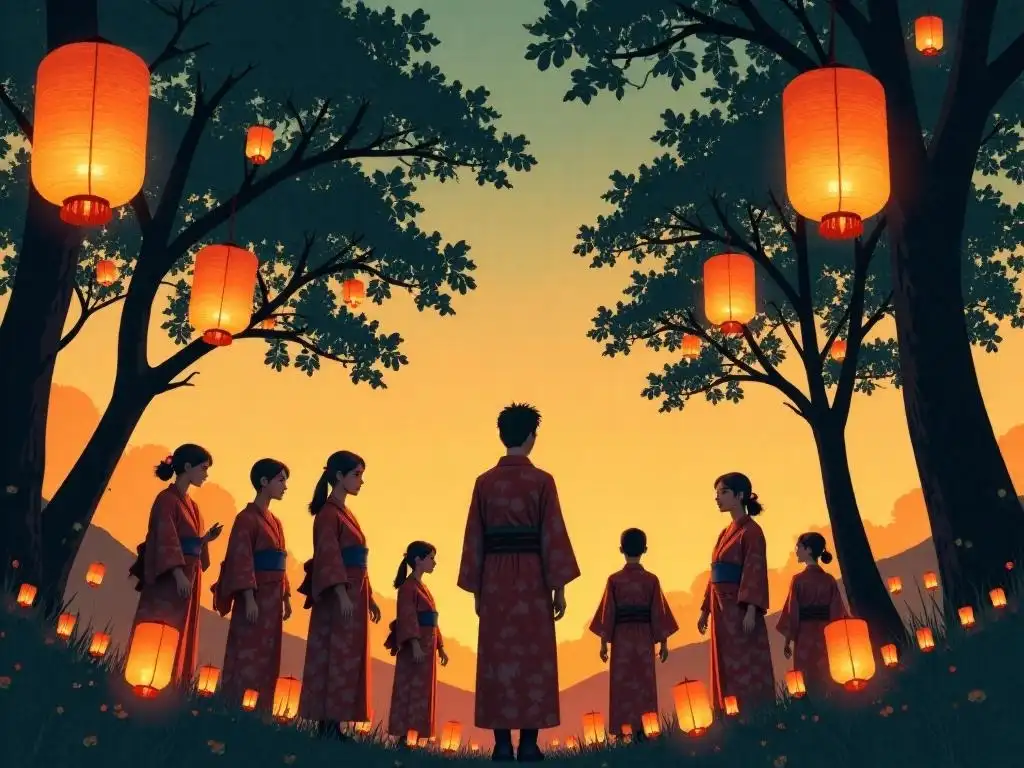
Welcome to Feudal Japan History! Here, we invite you to embark on a captivating journey through the intriguing tapestry of Japan’s feudal era. Today, we delve into the Obon festival, a profound tradition that honors ancestral spirits and reflects the rich cultural heritage of this remarkable period. What secrets does this festival hold? How does it connect the living with their forebears? Join us as we unravel the mysteries of Obon, illuminating its significance and exploring the timeless customs that continue to resonate. Prepare to be enlightened and inspired as you dive deeper into the cultural history of Japan!
The Obon festival, a poignant blend of cultural heritage and spiritual reverence, serves as a significant reminder of Japan's deep-rooted traditions honoring ancestral spirits. Celebrated annually, this festival reflects the intricate relationship between the living and the deceased, highlighting the importance of family, memory, and respect for ancestors. As we delve into the various aspects of the Obon festival, we will uncover its historical origins, cultural practices, and the societal impact it has had throughout Japan's feudal era and beyond.
Through this exploration, we aim to illuminate how the Obon festival continues to resonate with contemporary Japanese society, maintaining a vibrant connection to ancestral traditions. Join us as we unravel the mysteries of this revered celebration, shedding light on its significance as a conduit for honoring the spirits that continue to guide and influence the living.
Historical Origins of Obon
The origins of the Obon festival can be traced back to the Buddhist tradition of welcoming back the spirits of deceased ancestors. This practice, believed to have begun over 500 years ago, is rooted in the Ullambana Sutra, a Buddhist text that recounts the story of a monk who sought to save his mother from suffering in the afterlife. The festival has evolved significantly over centuries, absorbing various cultural influences and local customs, transforming it into a widespread celebration across Japan.
- Key Historical Milestones:
- 6th Century: Introduction of Buddhism to Japan, leading to the incorporation of Buddhist practices into local customs.
- 15th Century: Formalization of Obon as a festival, with distinct rituals and practices.
- Modern Era: Adaptation of Obon in contemporary society, maintaining traditional elements while embracing new interpretations.
Cultural Practices and Rituals
The Obon festival is characterized by a variety of rituals and customs that serve to honor and invite ancestral spirits. These practices vary by region but typically include lantern lighting, dancing, and offerings made at family altars.
- Lantern Lighting:
- Lanterns are lit to guide the spirits of the ancestors back home. This is often seen in Bon Odori dances, where participants celebrate the spirits' return through traditional music and dance.
- Bon Odori:
- This communal dance is a highlight of the festival, bringing together family and friends to honor their ancestors in a joyful celebration.
- Offerings:
- Families prepare special meals and offerings, including rice, fruits, and sweets, placed on altars to nourish the spirits during their visit.
Societal Impact of Obon
The Obon festival not only reinforces familial bonds but also strengthens community ties. It provides an opportunity for families to come together, remember their shared history, and reflect on their cultural identity.
- Community Engagement:
- Local festivals often feature parades, dance performances, and food stalls, fostering community spirit and engagement.
- Cultural Continuity:
- As younger generations participate in Obon celebrations, they learn about their heritage and the importance of honoring their ancestors, ensuring the tradition continues for years to come.
The Obon festival is a profound expression of gratitude and remembrance, intricately linked to Japan's cultural history. Its enduring significance highlights the importance of ancestral spirits in shaping the identity and values of Japanese society. Through this detailed exploration, we aim to provide a comprehensive understanding of the Obon festival, its roots, and its continuing legacy in honoring the spirits of those who came before.
Introduction to the Obon Festival
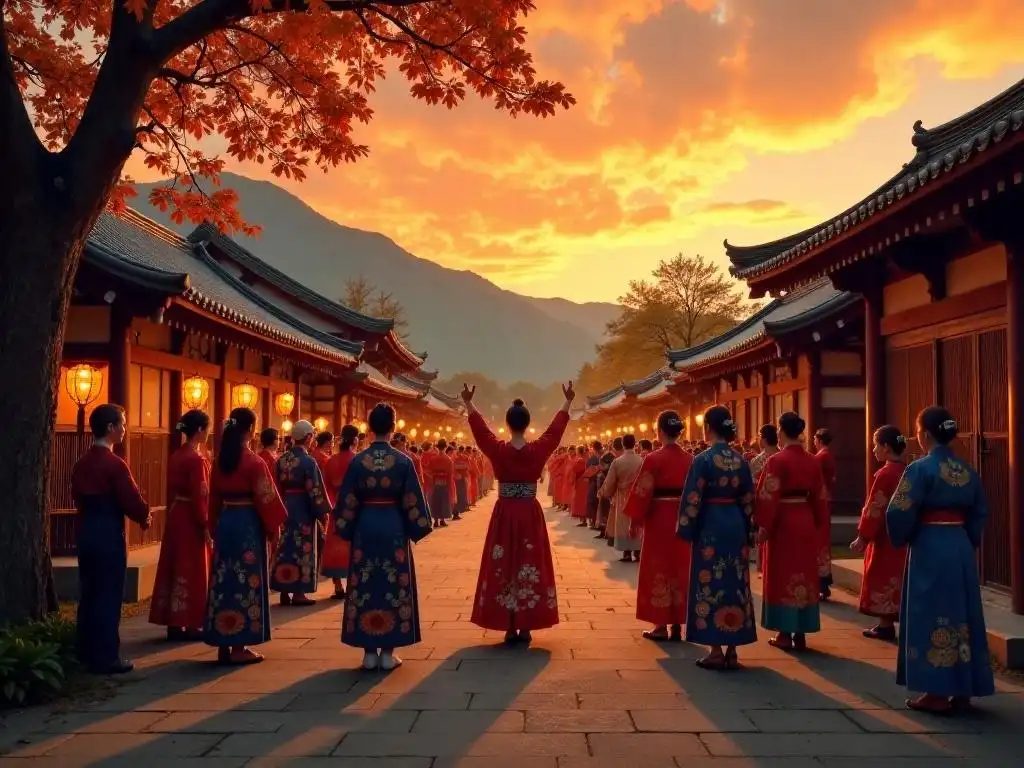
The Obon festival, also known simply as Obon, is one of the most significant and widely celebrated traditions in Japan. Held annually, this festival is dedicated to honoring the spirits of ancestors, reflecting the deep-rooted cultural belief in the importance of familial ties and reverence for those who have passed away. Each year, during the summer months, families across Japan engage in various activities that commemorate their ancestors, making it a time of reflection, reunion, and gratitude.
Overview of the Obon Festival Tradition
Obon typically takes place over a span of three days in mid-August, although in some regions, it is celebrated in July. The origins of the festival can be traced back over 500 years to the Buddhist tradition of welcoming the spirits of deceased ancestors back to the earthly realm. The festival incorporates a variety of customs and rituals, which vary by region and family.
Key elements of the Obon festival include:
- Bon Odori: A traditional dance performed during the festival, often held in public squares and temples. This dance is a way to welcome and entertain the spirits of ancestors.
- Lanterns: Families light lanterns to guide the spirits of their ancestors back home. These lanterns are often placed at the entrance of homes, and some families even float them on water to symbolize the spirits' journey.
- Offerings: Food and incense are offered at household altars, known as "butsudan," to show respect and provide sustenance for the visiting spirits.
- Family Gatherings: Obon is a time for family reunions, as many people return to their hometowns to pay respects to their ancestors and participate in local festivities.
The festival culminates in a ritual known as "Toro Nagashi," where lanterns are released into rivers, lakes, or the sea, symbolizing the spirits' return to the other world.
Importance of Ancestral Spirits in Japanese Culture
The concept of ancestral spirits holds a profound significance in Japanese culture, deeply intertwined with the beliefs and practices surrounding the Obon festival. In Shinto and Buddhist traditions, it is believed that the souls of ancestors continue to exist and influence the living. This belief fosters a sense of continuity and connection between generations, encouraging respect and reverence for those who have come before.
Several aspects highlight the importance of ancestral spirits in Japanese culture:
- Respect for the Dead: The Japanese culture places a high value on honoring the deceased. Rituals such as Obon serve not only as a means of remembrance but also as a way to express gratitude for the lives and sacrifices made by ancestors.
- Cultural Identity: Ancestral veneration is a cornerstone of cultural identity in Japan. Festivals like Obon reinforce the significance of family lineage and cultural heritage, ensuring that traditions are passed down through generations.
- Spiritual Connection: The belief in the active presence of ancestral spirits fosters a spiritual connection between the living and the dead. This connection is celebrated through various rituals, offering comfort and guidance to the living.
- Community and Family Cohesion: The communal aspect of the Obon festival encourages family and community bonding. As families gather to honor their ancestors, they strengthen relationships and foster a sense of solidarity.
The Obon festival is a vital cultural tradition in Japan that honors ancestral spirits, reflecting the deep respect for family and history ingrained in Japanese society. Through various customs and rituals, it provides a unique opportunity for reflection, remembrance, and renewal of familial ties.
Historical Background of Obon
The Obon festival, celebrated annually in Japan, is deeply rooted in the customs and beliefs surrounding the veneration of ancestral spirits. This festival, often referred to simply as Obon, serves as a significant opportunity for families to honor and remember their deceased ancestors, reflecting a blend of Buddhist and indigenous Shinto traditions. Understanding the historical context of Obon provides insight into its enduring cultural significance throughout Japan's history.
Origins of the Obon Festival
The origins of the Obon festival can be traced back to the Buddhist tradition of Ullambana, which is celebrated in various forms across different cultures. Ullambana, derived from the Sanskrit term meaning "hanging upside down," relates to the suffering of deceased ancestors. It is said that the Buddha instructed his disciple, Mokuren, to perform rituals to relieve his mother, who was suffering in the afterlife. This narrative laid the groundwork for the practices that evolved into the Obon festival.
The festival is believed to have been introduced to Japan during the Nara period (710-794 AD) as Buddhism spread through the archipelago. Over the centuries, this festival has amalgamated with indigenous Shinto beliefs, creating a unique Japanese observance centered on familial piety and respect for ancestors.
Notably, Obon is traditionally celebrated during the summer months, with the dates varying by region; however, it generally occurs in mid-August or mid-July, depending on whether one follows the lunar or solar calendar. The festival features various rituals, including the lighting of lanterns to guide spirits home and the offering of food to honor ancestors.
Evolution of Obon Through Japan's Feudal Era
During Japan's feudal era, which spanned from the 12th to the 19th centuries, the Obon festival underwent significant transformations influenced by the sociopolitical landscape of the time. The samurai class, who held significant power during this period, embraced Obon rituals, integrating them into their own practices of ancestor worship. This not only solidified the festival's importance among the elite but also contributed to its adaptation among common folk.
The rise of the Tokugawa shogunate in the early 17th century brought about a period of relative peace and stability, allowing cultural practices, including Obon, to flourish. During this time, urbanization led to the increased prominence of communal celebrations, where entire towns would participate in Obon festivities. Festivals became more elaborate, featuring traditional dances such as Bon Odori, which developed regional variations influenced by local customs and arts.
Moreover, the feudal period also saw the emergence of the "send-off" rituals, where families would perform specific ceremonies to bid farewell to the spirits of their ancestors at the end of the festival. These practices reinforced the connection between the living and the dead, emphasizing the cyclical nature of life and death within the cultural ethos of Japan.
Key Historical Figures Associated with Obon
While the Obon festival is largely a communal and familial observance, certain historical figures have played a role in shaping its practices and significance. One notable figure is Mokuren, the disciple of Buddha, whose story inspired the Ullambana tradition, directly influencing the Japanese interpretation of Obon. His dedication to alleviating the suffering of his mother resonates deeply within the festival's themes of remembrance and compassion.
Another significant figure is Sen no Rikyū, a tea master from the 16th century, who emphasized the importance of simplicity and mindfulness in rituals, which can be seen in the modern practices of Obon. His influence on Japanese aesthetics and cultural practices contributed to the serene and reflective atmosphere associated with the festival today.
Additionally, various local leaders and community figures throughout Japan's feudal era contributed to the propagation and adaptation of Obon festivals in their regions, ensuring the continuity and richness of the tradition. Local customs, such as specific dance forms and offerings, became integral to the festival's identity, showcasing the regional diversity that characterizes modern Obon celebrations.
The historical background of the Obon festival is a tapestry woven from Buddhist teachings, Shinto beliefs, and the evolving cultural landscape of feudal Japan. Understanding its origins, evolution, and the figures that have influenced it helps illuminate the profound significance of Obon as a time for honoring ancestral spirits and fostering familial bonds.
Cultural Significance of Obon
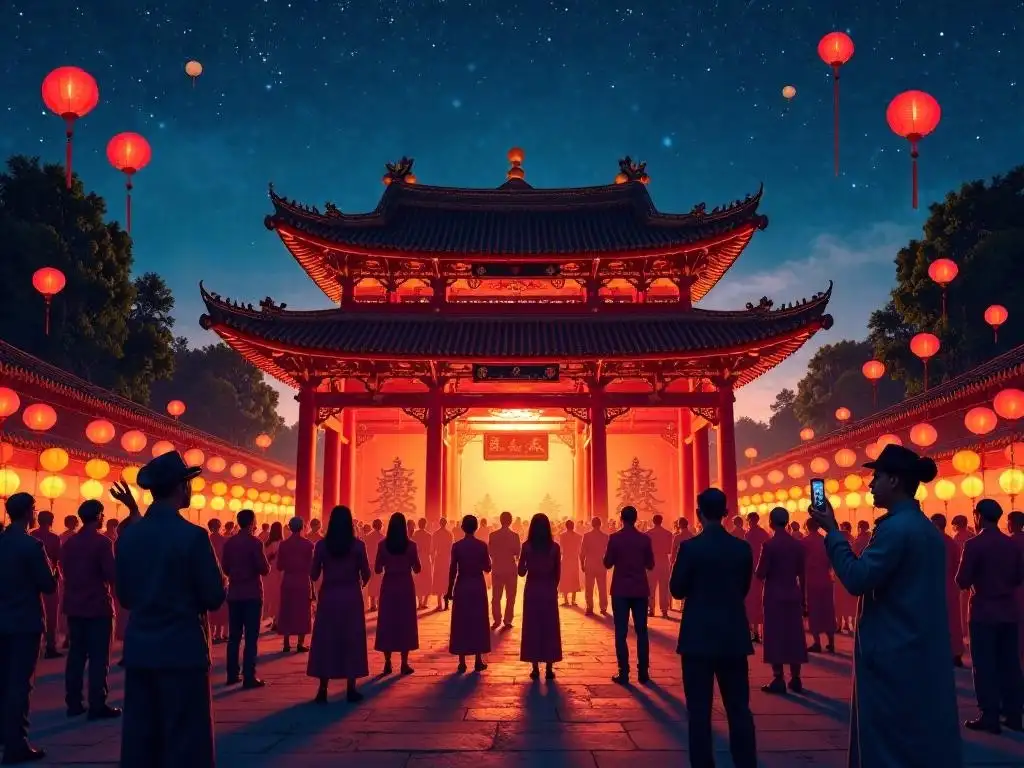
The Role of Ancestral Spirits in Obon Celebrations
The Obon festival, deeply rooted in Japanese culture, primarily serves as a time to honor and remember ancestral spirits. It is believed that during Obon, the spirits of deceased loved ones return to the earthly realm to visit their families. This belief is central to the festival, shaping its rituals and practices.
Key Elements of Ancestral Spirit Recognition:
- Lanterns (Toro): Families often light lanterns to guide the spirits back home. These lanterns are placed at entrances and around the home, symbolizing a warm welcome for the returning ancestors.
- Offerings (Mukaebi): Traditional offerings of food, fruit, and sweets are prepared and placed on altars to nourish the spirits. This act signifies respect and gratitude for the guidance and protection received from ancestors.
- Bon Odori: This traditional dance is performed as a way to entertain the spirits. Each region has its unique style of Bon Odori, but the essence remains the same—celebrating the return of ancestral spirits through joyful movement.
The connection between the living and the dead during Obon emphasizes the importance of familial bonds and the continuity of lineage, reinforcing the notion that ancestors play an active role in the lives of their descendants.
Obon as a Reflection of Japanese Values and Beliefs
Obon is more than just a festival; it encapsulates the core values and beliefs of Japanese culture. The reverence for ancestors is deeply embedded in Shinto and Buddhist traditions, which coexist harmoniously in Japan.
Core Values Reflected in Obon:
- Respect for Ancestors: The festival showcases the Japanese ethos of gratitude and reverence towards those who came before. It is an expression of loyalty and remembrance, reinforcing familial ties across generations.
- Community and Family Unity: Obon gatherings often bring together extended families and communities, fostering a sense of belonging. The communal aspect of the festival reinforces social bonds, emphasizing collective remembrance and celebration.
- Impermanence of Life (Mono no Aware): The acknowledgment of ancestral spirits serves as a reminder of the transient nature of life. This belief encourages individuals to appreciate the present moment and the relationships they hold dear.
Through these values, Obon contributes to a culture that honors the past while nurturing the present, illustrating a cyclical understanding of life and death.
Regional Variations of the Obon Festival Across Japan
The Obon festival exhibits a rich tapestry of regional variations across Japan, each reflecting local customs, practices, and interpretations of ancestral veneration.
Notable Regional Variations:
- Kanto Region: In areas like Tokyo, Obon is celebrated with the famous "Mikoshi" (portable shrines) processions, where the spirits are believed to be carried back to the afterlife.
- Kansai Region: The Gion Matsuri in Kyoto features unique bonfires and illuminations, creating a visually stunning representation of welcoming spirits.
- Hokkaido: Here, the festival is influenced by indigenous Ainu beliefs, incorporating traditional songs and dances that honor both ancestors and nature spirits.
- Okinawa: Known as "Eisa," the Obon festival in Okinawa focuses more on lively dances and music, reflecting the unique cultural influences of the Ryukyu Islands.
These regional differences highlight the adaptability of the Obon festival, demonstrating how local traditions and beliefs shape the overarching theme of honoring ancestral spirits. Each variation adds richness to the cultural landscape of Japan, allowing for a diverse expression of shared values and reverence for the past.
Rituals and Practices of Obon
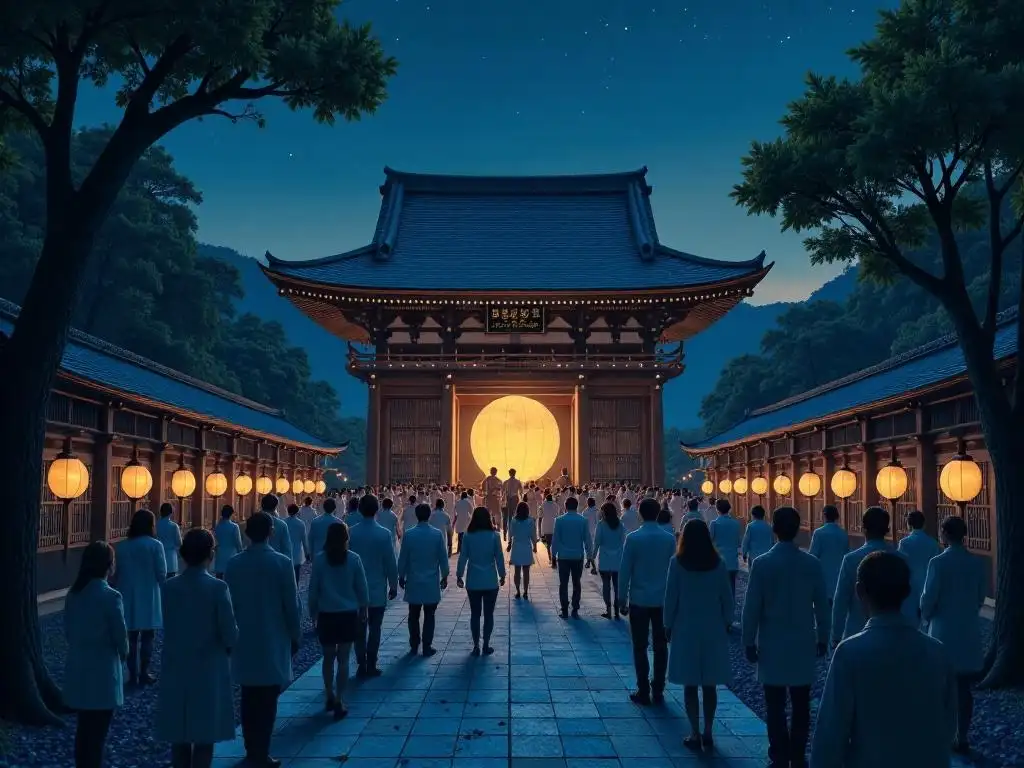
The Obon festival, deeply rooted in Japanese culture, serves as a significant occasion to honor and remember ancestral spirits. This event, held annually during the summer months, is characterized by various rituals and practices that reflect the reverence towards ancestors and the belief in their continued presence in the lives of the living.
Key Rituals Honoring Ancestral Spirits
One of the primary components of the Obon festival is the ritual of welcoming and sending off ancestral spirits. This is often done through specific ceremonies held at home and at temples.
- Mukaebi (Welcoming Fire): On the first night of Obon, families light small fires outside their homes, known as mukaebi, to guide the spirits of their ancestors back home. These fires are traditionally made of wood or bamboo, often adorned with offerings to entice spirits to visit.
- Bon Odori (Bon Dance): This is a communal dance performed to celebrate the spirits' return. The dances vary by region, each with distinct styles and music, yet all share a common purpose: to express joy and gratitude for the ancestors.
- Toba (Gravesite Visits): Families visit the graves of their ancestors during Obon, cleaning the tombstones and making offerings of food, flowers, and incense. This practice serves as a poignant reminder of the connection between the living and the deceased.
- Sending Off Rituals: At the end of the festival, families perform the okuribi (sending off fire) to guide the ancestral spirits back to the realm of the dead. This often includes lighting large bonfires or lanterns, symbolizing the spirits' journey home.
These rituals not only honor the ancestors but also reinforce familial bonds, bringing together communities in shared remembrance and celebration.
Traditional Obon Dances (Bon Odori) and Their Meanings
Bon Odori is one of the most vibrant and cherished aspects of the Obon festival. Each region in Japan has its unique Bon Odori, reflecting local customs and histories.
- Cultural Significance: The dances are more than mere entertainment; they are a spiritual representation of gratitude and respect towards the ancestors. The movements often mimic agricultural tasks, symbolizing the connection between the land, life, and the spirits.
- Regional Variations:
- Tokushima Bon Odori: Known for its lively music and energetic movements, celebrating the harvest.
- Kagoshima's Oshima Taisai: This dance emphasizes the harmony between nature and the ancestors, featuring slow, flowing movements.
- Costumes: Participants typically wear yukata (summer cotton kimono), which enhances the festive atmosphere. The colors and patterns often hold cultural significance, representing various elements of Japanese folklore.
- Community Participation: Bon Odori encourages community involvement, fostering a spirit of togetherness. People of all ages join in, showcasing a blend of tradition and modernity that keeps the festival alive.
Offerings and Decorations During Obon Festival
During the Obon festival, various offerings and decorations are prepared to honor the ancestral spirits, reflecting a deep sense of respect and love from the living.
- Food Offerings: Families prepare special meals, including rice, fruits, and sweets, which are placed on butsudan (Buddhist altars) or at family graves. These offerings are believed to nourish the spirits during their visit.
- Lanterns: Paper lanterns, called chochin, are a common sight during Obon. They are often hung outside homes to guide ancestral spirits. The lanterns are typically adorned with family crests, serving as a personal welcome to the spirits.
- Decorative Altars: Families create altars filled with offerings, flowers, and incense, which serve as focal points for prayers and remembrance. The altars may also include photographs of the deceased, further personalizing the tribute.
- Thematic Symbols: Decorations often feature motifs of nature, such as water or flowers, symbolizing purity and the cycle of life. These elements remind participants of the delicate connection between the living and the spiritual world.
Through these offerings and decorations, Obon becomes a deeply personal and collective experience, allowing participants to express their love and respect for their ancestors while embracing the continuation of cultural traditions.
Modern Celebrations of Obon
Contemporary Practices in Urban and Rural Areas
The Obon festival, celebrated annually in Japan, showcases a blend of traditional rituals and modern influences, distinguished by the variations seen in urban and rural areas. In urban settings, such as Tokyo and Osaka, Obon is often characterized by grand public events, including dance festivals known as Bon Odori. These gatherings draw large crowds, where participants don colorful yukatas and engage in rhythmic dances that celebrate the spirits of their ancestors. The urban festivals are often accompanied by food stalls offering local delicacies, creating a vibrant atmosphere that attracts both locals and tourists.
Conversely, rural areas may emphasize more intimate and family-oriented practices. Here, the focus is often on home altars, or butsudan, where families gather to honor their ancestors. Rituals may include the cleaning of graves, offering food and incense, and performing traditional dances within the family circle. The contrast between the bustling festivities of the cities and the serene, reflective observances in rural communities highlights the diverse expressions of the Obon festival across Japan.
- Urban Practices:
- Bon Odori dances in public squares
- Street food markets and entertainment
- Large-scale lantern ceremonies
- Rural Practices:
- Family gatherings at home altars
- Grave cleaning and offerings
- Local community dances that may be less formal
Influence of Globalization on Obon Traditions
The impact of globalization on the Obon festival is noteworthy, as it has led to the introduction of new elements while simultaneously prompting a reevaluation of traditional customs. The rise of social media platforms allows for the sharing of Obon celebrations beyond Japan's borders, fostering a greater appreciation of this cultural practice among international audiences. Consequently, many Japanese expatriates and enthusiasts have begun to celebrate Obon in countries around the world, adapting the rituals to fit their local contexts.
Furthermore, globalization has brought about the incorporation of Western practices into Obon festivities. For instance, some communities now include fireworks displays or music performances that deviate from traditional elements. This blending of cultures can lead to vibrant, hybrid celebrations that honor ancestral spirits while embracing contemporary influences.
Despite these changes, many communities strive to preserve the core values of Obon. This includes a continued emphasis on respect for ancestors and the importance of family connections. As a result, the festival serves as a bridge between the past and the present, maintaining its relevance in a rapidly changing world.
Community Involvement and Public Events During Obon
Community involvement plays a vital role in the Obon festival, as it fosters a sense of unity and shared purpose among participants. Public events, such as neighborhood Bon Odori dances, emphasize collaboration and collective remembrance. These events are often organized by local associations, which encourage participation from residents and create an inclusive environment for all ages.
Additionally, many communities host lantern festivals where participants float paper lanterns on rivers or oceans to guide ancestral spirits back to their resting places. This practice, known as Toro Nagashi, not only serves as a poignant reminder of the connection between the living and the dead but also functions as a community bonding experience. The sight of glowing lanterns drifting on water creates a mesmerizing spectacle that strengthens communal ties.
In urban areas, businesses often sponsor events during Obon, contributing to the local economy while promoting cultural heritage. This collaboration between the public and private sectors highlights the festival's significance as a cultural and economic driver.
- Public Events Include:
- Neighborhood Bon Odori dances
- Toro Nagashi lantern ceremonies
- Food and craft fairs celebrating local traditions
- Community Benefits:
- Strengthened social bonds
- Preservation of cultural heritage
- Economic stimulation through local businesses
The modern celebration of the Obon festival reflects a rich tapestry of tradition and innovation, where community involvement is essential in honoring ancestral spirits while adapting to contemporary society.
Myths and Realities of the Obon Festival
Common Misconceptions About Obon and Ancestral Spirits
The Obon festival, a vibrant Japanese tradition, is often shrouded in misconceptions that can obscure its true meaning and significance. One prevalent myth is that Obon is solely a mourning period for the dead. While honoring deceased ancestors is a critical aspect, the festival also celebrates the joy of family reunions and the continuation of cultural practices. The atmosphere is not only somber; it is filled with dance, music, and food, reflecting a blend of reverence and festivity.
Another common misconception is that the spirits of the ancestors return to the earthly realm only during Obon. In reality, the belief is that ancestral spirits are always present in the lives of their descendants. The festival serves as a dedicated time to strengthen these familial bonds and acknowledge their ongoing influence. This perspective emphasizes a more continuous relationship with ancestors rather than a temporary visitation.
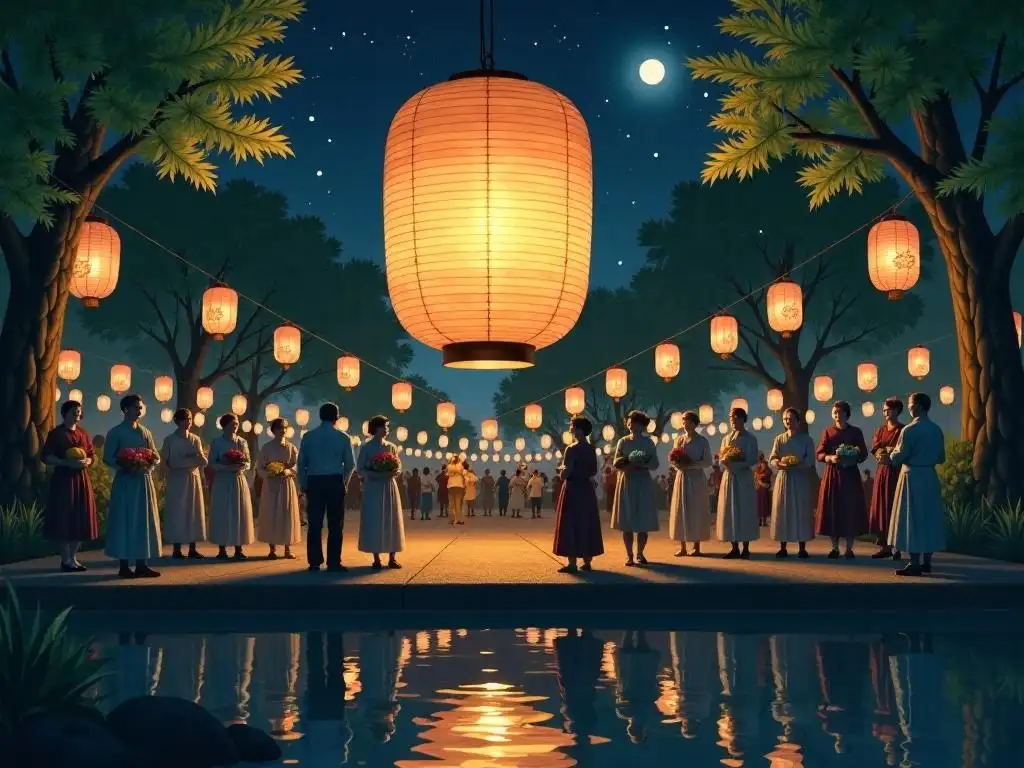
Furthermore, some people may think that the lanterns lit during Obon merely serve as decorative pieces. In truth, these lanterns symbolize guidance for the spirits, lighting their way back to the family altars. The act of lighting lanterns reflects a profound connection between the living and the deceased, underscoring the festival’s role in maintaining these sacred ties.
Debunking Myths: The True Essence of Obon Tradition
To understand the Obon festival fully, it is essential to explore its roots and traditions. Obon, or "Urabon," has origins in the Buddhist practice known as "Ullambana," which means "to be hung upside down." This signifies the suffering of spirits in the afterlife, particularly those who have not received proper offerings or recognition. However, the festival has evolved over centuries, integrating various local customs and beliefs.
One notable aspect of the Obon tradition is the Bon Odori, a dance performed to welcome the spirits of the ancestors. This dance varies by region, showcasing local culture and customs. For instance, the Awa Odori from Tokushima is renowned for its lively movements and communal participation, while the Yamagata Hanagasa Matsuri features dancers adorned with flower hats. These performances not only honor ancestral spirits but also foster community spirit and continuity of cultural heritage.
Additionally, the offerings made during Obon, known as "shōryō-mori," include food and other items that the deceased enjoyed in life. This act of providing sustenance goes beyond mere ritual; it reflects gratitude and respect for the ancestors' influence in daily life. Families often prepare special dishes, emphasizing the importance of shared meals and familial bonds during this time.
The Obon festival is also marked by the floating of lanterns on rivers and seas, known as "tōrō nagashi." This poignant ritual symbolizes the return of spirits to their resting places, serving as a farewell gesture filled with love and remembrance. The sight of illuminated lanterns drifting on the water creates a serene ambiance, reminding participants of the delicate relationship between life and death.
The Obon festival encompasses a rich tapestry of beliefs, practices, and communal activities that honor ancestral spirits. By debunking myths and uncovering the true essence of this tradition, one can appreciate the depth of connection it fosters between generations, emphasizing the importance of remembrance, gratitude, and cultural continuity.
Conclusion: The Enduring Legacy of Obon
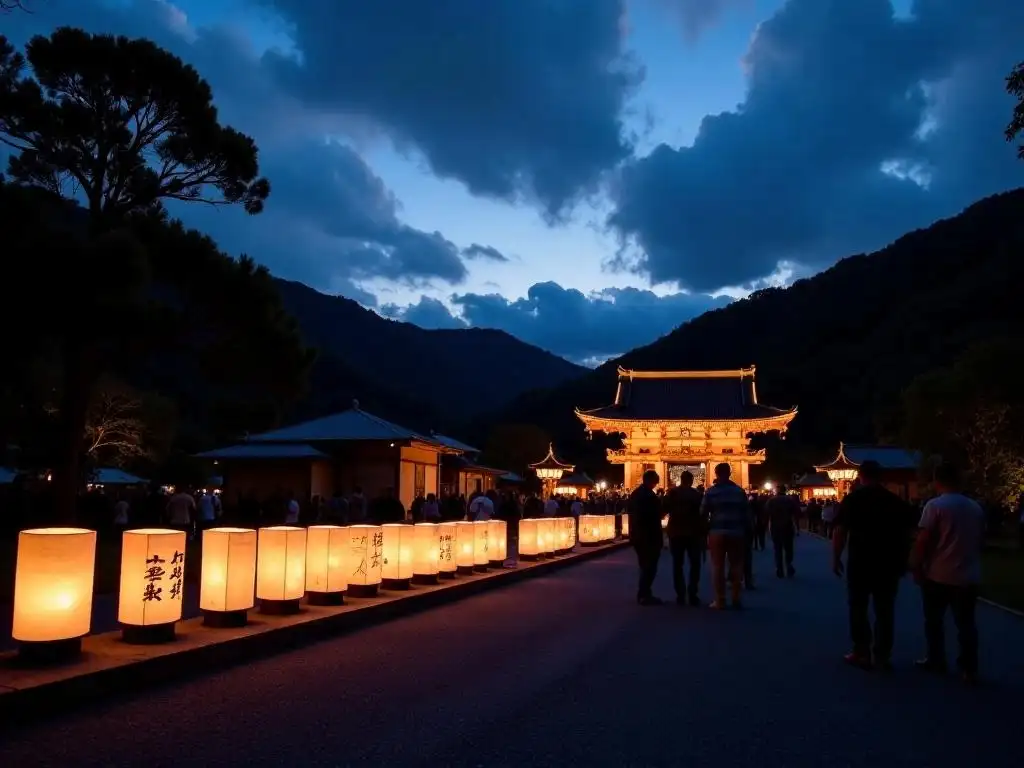
The Obon festival, deeply rooted in Japanese culture, serves as a poignant reminder of the significance of ancestral spirits in the lives of the Japanese people. This annual event, which honors the souls of deceased ancestors, encapsulates a blend of religious and cultural practices that have evolved over centuries. The legacy of Obon is not merely a relic of the past; it continues to resonate in contemporary Japan, reflecting the enduring connection between the living and their forebears.
The Continuing Relevance of Ancestral Spirits in Modern Japan
In modern Japan, the Obon festival remains a vital cultural observance that fosters a sense of community and strengthens family bonds. Despite the rapid modernization and urbanization that have transformed Japanese society, the reverence for ancestral spirits persists. Many families still engage in traditional practices such as:
- Bon Odori: A communal dance that celebrates the return of spirits, fostering a sense of unity.
- Offerings at Altars: Families create altars adorned with food, flowers, and incense, symbolizing respect and remembrance.
- Visiting Graves: Many individuals take the time to visit ancestral graves, cleaning them and presenting offerings to honor their lineage.
These actions serve not only as a way to remember the departed but also as a means to connect the younger generation with their heritage. The continued observance of these traditions underscores the importance of family history and the collective memory of communities.
Future of the Obon Festival in a Changing World
As Japan continues to navigate the complexities of a rapidly changing world, the future of the Obon festival raises intriguing questions. Globalization and shifting societal norms may influence how future generations perceive and participate in this time-honored tradition. Nevertheless, there are several ways in which the Obon festival is adapting:
- Incorporation of Technology: Virtual Obon ceremonies are becoming more common, allowing families separated by distance to participate in rituals together, thus maintaining the spirit of the festival.
- Cultural Exchange: The festival has gained international recognition, with celebrations occurring in various parts of the world. This cultural exchange not only broadens the understanding of Obon but also introduces new interpretations and practices.
- Environmental Consciousness: As awareness of environmental issues grows, some communities are exploring sustainable practices within their Obon celebrations, such as using eco-friendly materials for lanterns and offerings.
While the Obon festival faces challenges in a modern context, its core values of remembrance, family, and respect for ancestors remain strong. The adaptability of the festival suggests that it will continue to thrive, ensuring that the traditions honoring ancestral spirits endure for generations to come.
Additional Resources on Obon and Ancestral Spirits
Recommended Reading and References
For those interested in deepening their understanding of the Obon festival, its significance in honoring ancestral spirits, and its cultural context within Japan, the following resources are highly recommended:
- Books
- "Obon: A Guide to the Festival of the Dead" by Masako Suzuki
- This book offers a comprehensive overview of the Obon festival, detailing its historical origins and modern practices.
- "Japanese Festivals: A Cultural History" by Hiroshi Tanaka
- Tanaka's work provides insights into various Japanese festivals, with a dedicated chapter on Obon, highlighting its role in cultural identity.
- "Obon: A Guide to the Festival of the Dead" by Masako Suzuki
- Academic Articles
- "The Spiritual Significance of Obon in Japanese Society" - Journal of East Asian Studies
- This article explores the spiritual and social dimensions of Obon, examining how it fosters community and preserves ancestral ties.
- "Rituals and Remembrance: An Examination of Obon Practices" - Cultural Anthropology Review
- An analytical piece that discusses various Obon rituals and their meanings in contemporary Japan.
- "The Spiritual Significance of Obon in Japanese Society" - Journal of East Asian Studies
- Online Resources
- Japan National Tourism Organization (JNTO): Offers a detailed guide on Obon festivals across Japan, including travel tips and cultural insights.
- Nihonbashi Cultural Foundation: Features articles and videos showcasing traditional Obon dances and community celebrations.
These resources provide a rich tapestry of information, ranging from scholarly articles to practical guides, helping readers appreciate the depth of the Obon festival and its connection to ancestral spirits.
Japan is home to a myriad of festivals and traditions that resonate with the themes of honoring ancestors and celebrating cultural heritage. Here are some notable festivals related to the Obon festival ancestral spirits tradition:
- Higan
- Celebrated during the spring and autumn equinoxes, Higan is a time for families to visit graves and offer prayers for their ancestors, similar to the practices observed during Obon. It emphasizes the connection between the living and the deceased.
- Setsubun
- Marking the arrival of spring, this festival involves the ritual of throwing roasted soybeans to drive away evil spirits. While it's not directly related to ancestor veneration, it reflects the broader theme of purifying homes and communities.
- Shichi-Go-San
- This festival celebrates the growth of children aged three, five, and seven. Families visit shrines to pray for their children's health and happiness, often reflecting a deep respect for lineage and family heritage.
- Tanabata
- While primarily a celebration of the meeting of the deities Orihime and Hikoboshi, Tanabata includes elements of ancestor worship, as families write wishes on tanzaku (small pieces of paper) and hang them on bamboo, often in remembrance of loved ones.
- Mizuki Matsuri
- This festival is dedicated to the spirits of the deceased, where offerings and prayers are made to honor those who have passed. It shares similarities with Obon, focusing on maintaining connections with ancestral spirits.
These festivals not only highlight the rich tapestry of Japanese cultural traditions but also reinforce the significance of ancestral connections and community bonds, echoing the core themes of the Obon festival. Through participation in these events, individuals deepen their understanding of their heritage and the spiritual practices that have endured through generations.
Frequently Asked Questions
What is the Obon festival?
The Obon festival is a traditional Japanese event where families honor the spirits of their ancestors. It typically involves various rituals, dances, and offerings to welcome these spirits back to the living world.
How is the Obon festival celebrated in Japan?
Celebrations of the Obon festival vary by region but often include lighting lanterns, performing Bon Odori dances, and visiting family graves to pay respects. These activities symbolize honoring and welcoming ancestral spirits.
What is the significance of ancestral spirits in Japanese culture?
In Japanese culture, ancestral spirits are believed to guide and protect their living descendants. The Obon festival serves as a reminder of the importance of family ties and respect for one's heritage.
When does the Obon festival take place?
The Obon festival is typically observed in mid-August, although some regions follow a lunar calendar and celebrate it in mid-July. This timing aligns with the belief that ancestral spirits return during this period.
Are there any specific customs associated with the Obon festival?
Yes, customs such as lantern lighting, offerings of food, and Bon Odori dances are integral to the Obon festival. These practices help to create a spiritual connection with ancestral spirits and express gratitude for their guidance.
Final Reflection: Embracing the Legacy of Ancestral Spirits
The Obon festival serves as a poignant reminder of our connection to the past and the enduring impact of ancestral spirits in our lives. In today's fast-paced world, where the bonds of family and tradition can sometimes feel strained, the Obon festival stands as a powerful testament to the importance of honoring those who came before us. This celebration not only enriches our understanding of cultural heritage but also invites us to reflect on our own legacies and the values we wish to pass down to future generations.
The traditions surrounding the Obon festival continue to shape our cultural landscape, fostering a sense of community and belonging. As families gather to pay homage to their ancestors, they create a space for shared memories and collective healing. This festival transcends mere ritual; it is a celebration of life, love, and remembrance. To forget one's ancestors is to be a brook without a source, a tree without a root.
This quote encapsulates the essence of Obon, reminding us that our identities are deeply intertwined with those who have paved the way for us.
As we reflect on the significance of the Obon festival, I invite you to consider how you can honor your own ancestral spirits in your daily life. Take a moment to celebrate your heritage, share stories with loved ones, and create new traditions that honor the past while embracing the future.
By doing so, you not only keep the memory of your ancestors alive but also enrich your own life and the lives of those around you. Let the spirit of Obon inspire you to cultivate a deeper connection with your roots and to cherish the legacy that shapes who you are today.
Embrace the Spirit of Obon Today!
Thank you for exploring the fascinating traditions of Obon with us! You've uncovered the rich history behind this meaningful festival that honors our ancestors. Now, it’s time to take that knowledge and let it inspire your actions!
Here’s how you can connect with the spirit of Obon:
- Participate in a local Obon festival: Check your community's calendars and immerse yourself in the festivities. Experience the dances, rituals, and make new connections!
- Create your own Obon altar: Set up a space at home to honor your ancestors. Incorporate photographs, favorite foods, or meaningful items that reflect their memory.
- Share the traditions: Discuss what you’ve learned with family and friends. Sharing the significance of Obon can help preserve these rich customs for future generations.
What unique ways will you honor your ancestors this Obon season? We invite you to share your thoughts in the comments below!