
The Use of Humor in Feudal Japanese Satirical Literature

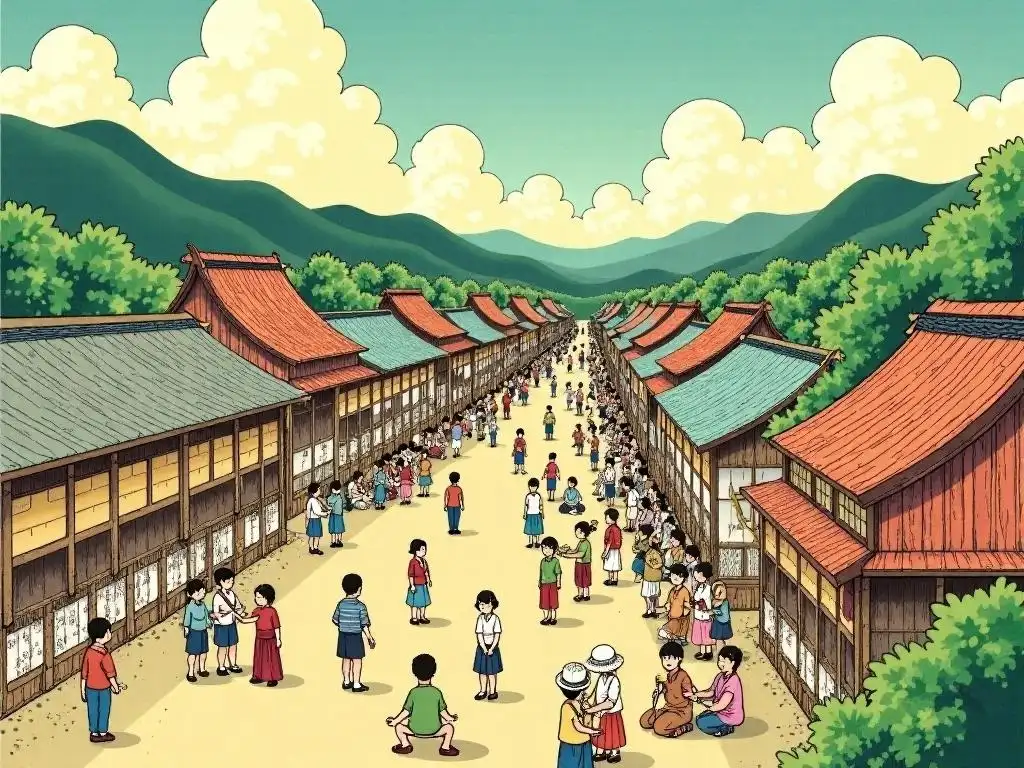
Welcome to Feudal Japan History, where we delve deep into the intriguing tapestry of Japan's feudal era. Here, we invite you to uncover the unexpected charm of feudal Japanese satirical literature, a genre that not only entertained but also offered profound insights into societal norms and cultural critiques of its time. What role did humor play in shaping the perspectives of those living in a rigid social hierarchy?
As you embark on this enlightening journey through history, prepare to challenge your assumptions and discover the clever wit that thrived even amidst feudal constraints. Continue reading to explore how laughter became a subtle yet powerful tool in the hands of writers and thinkers of the past!
- Introduction to Feudal Japanese Satirical Literature
- Historical Context of Feudal Japan
- Characteristics of Feudal Japanese Satirical Literature
- Prominent Authors and Works in Feudal Japanese Satirical Literature
- The Role of Humor in Society and Politics
- Comparison of Feudal Japanese Satirical Literature with Other Cultures
- The Legacy of Feudal Japanese Satirical Literature
- Conclusion
-
Frequently Asked Questions
- What is feudal Japanese satirical literature?
- How did humor play a role in feudal Japanese literature?
- Who were some prominent authors of satirical literature in feudal Japan?
- What themes are commonly found in feudal Japanese satirical literature?
- How has feudal Japanese satirical literature influenced modern works?
- Final Reflection: The Enduring Legacy of Humor in Feudal Japanese Satirical Literature
- Unleash the Power of Laughter in Feudal Japan!
Introduction to Feudal Japanese Satirical Literature
The realm of feudal Japanese satirical literature serves as a fascinating window into the cultural and societal dynamics of Japan's historical past. Spanning several centuries, this genre reflects not only the wit and creativity of its authors but also the intricate tapestry of social norms, political structures, and everyday life during the feudal era.
By employing humor and satire, writers were able to critique the status quo, comment on the absurdities of life, and offer insightful reflections on the human condition. This article delves into the nuances of feudal Japanese satirical literature, exploring its key characteristics, notable works, and the profound significance of humor in shaping cultural narratives during this pivotal period in Japanese history.
Overview of Satirical Literature in Feudal Japan
Satirical literature in feudal Japan emerged as a unique form of artistic expression, often characterized by its clever use of irony, parody, and exaggeration. This genre can be traced back to the Heian period (794-1185), where early examples of humorous poetry and narrative began to take shape.
- Key Characteristics:
- Irony and Parody: Many works employed irony to highlight contradictions within society, while parody served to imitate and mock various societal roles and expectations.
- Cultural Critique: Satirical pieces often reflected the authors' perspectives on contemporary issues, such as the rigid class system, feudal loyalty, and the complexities of human relationships.
- Accessible Style: The use of colloquial language made satire accessible to a broader audience, allowing for widespread engagement with the themes presented.
The Edo period (1603-1868) marked a significant evolution in satirical literature, with notable works produced by authors like Saikaku Ihara and Jippensha Ikku, who used humor to address both the follies of humanity and the intricacies of daily life during a time of relative peace and prosperity.
Importance of Humor in Cultural Expression
Humor has always played a critical role in cultural expression, and its significance in feudal Japanese literature cannot be overstated. The use of humor in satirical works served several important functions:
- Social Commentary: It provided a platform for authors to voice their critiques of social injustices, government policies, and the behavior of the ruling class, all while entertaining their readers.
- Coping Mechanism: Humor offered a way for people to cope with the hardships of life during feudal times, transforming everyday struggles into subjects of laughter and reflection.
- Cultural Identity: Through satire, authors explored and reinforced cultural identity, allowing readers to connect with shared experiences and societal values in a light-hearted yet profound manner.
Overall, feudal Japanese satirical literature not only entertained but also engaged readers in a dialogue about their world, making it an essential aspect of Japan's rich literary heritage.
Historical Context of Feudal Japan

The Feudal System and Its Influence on Literature
The feudal system in Japan, which emerged in the late 12th century and lasted until the mid-19th century, established a hierarchy that significantly influenced all aspects of society, including literature. This system was characterized by a strict social order, with the emperor at the top, followed by shoguns, daimyos, samurai, and peasants. Each class had its distinct roles, responsibilities, and cultural expressions, and the literature produced during this era often reflected the values, struggles, and humor of these social strata.
Key Aspects of the Feudal System:
- Class Hierarchy: The social structure was rigid, with limited mobility between classes. This hierarchy provided rich material for satirical literature, as authors often critiqued the absurdities and injustices within the system.
- Patronage: Many literary works were commissioned by the ruling class, which meant that satirical literature often had to navigate the fine line between critique and flattery. Authors like Ishikawa Takuboku utilized humor to address the follies of their patrons while remaining within acceptable boundaries.
- Cultural Exchange: The interactions between different classes and the influence of Chinese literature and philosophy significantly shaped Japanese literary forms. Satirical works often drew from these influences, merging traditional Japanese humor with the broader themes of human folly found in Chinese writings.
Through the lens of this feudal structure, satirical literature became a vital medium for social commentary, allowing writers to highlight the absurdities of a hierarchical society while employing humor to engage and entertain readers.
Key Historical Events Shaping Satirical Works
Several key historical events and shifts during the feudal era influenced the development of feudal Japanese satirical literature. These events not only shaped the narrative styles and themes within the literature but also provided a backdrop against which authors could craft their critiques.
- The Kamakura Period (1185-1333): This era marked the rise of the samurai class and the establishment of the shogunate. The new power dynamics created a fertile ground for satire, as authors like Kamo no Chōmei began to explore the discrepancies between the idealized samurai values and their often hypocritical practices.
- The Muromachi Period (1336-1573): This period saw the flourishing of Noh and Kabuki theaters, which incorporated humor and satire into their performances. The use of comedic elements in these art forms contributed to the popularity and evolution of satirical literature, allowing for a blending of high and low culture. Notable works, such as "Shinju Ten no Amijima," utilized humor to critique societal norms while entertaining audiences.
- The Edo Period (1603-1868): A time of relative peace and stability, the Edo period saw the rise of urban culture and the merchant class. This shift allowed for a more vibrant expression of satire as authors like Saikaku Ihara and Yosa Buson began to write about the lives of common people. Their works often included sharp wit and humor, reflecting the contradictions and follies of both the ruling class and the merchant society.
- The Arrival of Western Influence (mid-19th century): The forced opening of Japan to Western trade and culture led to a reevaluation of traditional Japanese values. Satirical literature from this period began to reflect the challenges of modernity, often poking fun at the conflicts between Western and Japanese ideologies. Notable satirists like Kunikida Doppo utilized humor to address the anxieties of a rapidly changing society.
Through these historical events, feudal Japanese satirical literature evolved, becoming a powerful tool for social critique and reflection. The humor embedded within these works provided insight into the complexities of life during the feudal era, highlighting the absurdities of the time while engaging readers in a dialogue about their own realities.
Characteristics of Feudal Japanese Satirical Literature

Feudal Japanese satirical literature is a unique and rich genre that reflects the complexities of its time, intertwining humor with social critique. This literature often served as a mirror to society, using wit and irony to comment on political, social, and cultural issues. Here are some defining characteristics of this intriguing body of work:
- Social Critique: At its core, feudal Japanese satire aimed to critique the established norms and hierarchies of society. Writers used humor to expose the absurdities of the samurai code, the extravagances of the aristocracy, and the rigid class structures.
- Irony and Parody: Satirical works frequently employed irony and parody, mimicking the language and style of more serious literary forms to highlight their shortcomings. This juxtaposition allowed authors to undermine authoritative figures and institutions, making their critiques more palatable and engaging.
- Wordplay and Puns: The use of language in feudal Japanese satire was often playful. Writers utilized puns and clever wordplay to add layers of meaning to their texts, making the humor more sophisticated and rewarding for readers who were attuned to linguistic nuances.
- Cultural References: Satirists drew heavily on contemporary cultural references, including folklore, religious texts, and popular stories. This grounding in familiar cultural narratives helped to make their critiques more accessible and resonant with the general populace.
- Moral Lessons: While humor was a significant component, many satirical works carried moral lessons. Authors often concluded their narratives with a reflection on virtue and folly, nudging readers towards a moral awakening even amidst laughter.
Common Themes in Satirical Literature
Feudal Japanese satirical literature is rich with recurring themes that reflect the societal dynamics of the time. Some of the most common themes include:
- Critique of Authority: Many satirical pieces targeted the ruling class, including samurai and shogunate officials. Writers like Ishikawa Takuboku and Jippensha Ikku often lampooned the pretensions and failures of those in power.
- Class and Social Inequality: The stark class distinctions in feudal Japan provided ample material for satire. Satirists often highlighted the absurdities of the rigid class system, portraying the struggles of commoners against the backdrop of aristocratic excess.
- Human Folly: A universal theme in satire, human folly was particularly emphasized in feudal Japanese literature. Authors humorously depicted the foolishness of characters in various social roles, from greedy merchants to bumbling samurai, showcasing the inherent flaws in human nature.
- Cultural Criticism: Satirists frequently commented on cultural practices, including the rituals of tea ceremonies or the conventions of courtly behavior, using humor to challenge and critique these traditions.
Literary Devices Used in Satire
Feudal Japanese satirical literature is characterized by a variety of literary devices that enhance its humor and critique. Key devices include:
- Hyperbole: Exaggeration is a prominent feature, allowing authors to amplify the flaws and absurdities of their subjects. This device effectively highlights the ridiculousness of certain societal norms or behaviors.
- Metaphor and Allegory: Many satirical works employed metaphor and allegory to convey deeper meanings beneath the surface humor. These devices allowed writers to discuss sensitive topics indirectly, making their critiques more palatable.
- Dialogue and Characterization: Engaging dialogue and well-developed characters are integral to feudal satire. Authors crafted memorable personalities whose interactions embodied the themes of the narrative, often leading to humorous and revealing exchanges.
- Juxtaposition: Placing contrasting ideas or characters side by side created comedic tension and highlighted the absurdities inherent in societal norms. This device is particularly effective in satirical contexts, where the clash of ideals often leads to humor.
Notable Genres and Forms of Satirical Writing
Various genres and forms within feudal Japanese literature exemplify the use of satire, each with its unique characteristics and appeal. Notable genres include:
- Ninjōbon: A narrative style that combines emotional storytelling with satirical elements, often critiquing human emotions and relationships. Works in this genre explore the complexities of love and honor, shedding light on societal expectations through humor.
- Kibyōshi: This genre of illustrated fiction from the Edo period is renowned for its satirical content. Kibyōshi often included humorous takes on contemporary events and figures, making sharp social commentary accessible to a wider audience.
- Ukiyo-zōshi: Often referred to as "books of the floating world," these narratives depicted the urban culture of Edo and included satirical elements that critiqued the lifestyles and behaviors of the merchant class and the rising urban populace.
- Mizukagami: A form of comic literature that employed humor and satire to reflect on the folly of human behavior. Mizukagami often blended fantasy and reality, using absurd situations to critique societal norms.
Feudal Japanese satirical literature is a fascinating exploration of humor that reflects the complexities of its time. Through common themes, literary devices, and notable genres, this body of work provides valuable insights into the societal dynamics of feudal Japan, making it an essential area of study for those interested in the cultural history of the era.
Influential Satirical Writers of the Era
Feudal Japanese satirical literature flourished during the Edo period (1603-1868), a time characterized by relative peace and stability that allowed for cultural and artistic expression. Among the notable writers, Jippensha Ikku emerges as a pivotal figure, alongside others like Santo Kyoden and Matsuo Basho, who contributed to the rich tapestry of humor and satire in literature.
- Jippensha Ikku: Best known for his work "Shank's Mare," Ikku's writing style combined humor with a keen social critique, making him a beloved author of the common people. His narratives often depicted the lives and struggles of ordinary citizens, poking fun at societal norms and hierarchical structures.
- Santo Kyoden: Another significant figure, Kyoden's satire often critiqued the samurai class and the rigid societal structures of feudal Japan. His works were not only humorous but also provided insightful commentary on the politics and culture of the time.
- Matsuo Basho: Although primarily known for his haiku, Basho infused his poetry with wit and humor, especially in his travel writings, showcasing the absurdities of life and human behavior. His ability to blend humor with profound observations has influenced many writers.
The contributions of these authors enriched the genre of feudal Japanese satirical literature, reflecting the complexities of their society through humor and wit.
Analysis of Key Texts and Their Impact
Feudal Japanese satirical literature is not just a reflection of humor but also a lens through which we can examine the societal norms, conflicts, and dynamics of the time. Key texts from this era showcase the interplay of satire and cultural commentary, often leading to a deeper understanding of the societal fabric of feudal Japan.
"Shank's Mare" by Jippensha Ikku
"Shank's Mare" is a seminal work in feudal Japanese satirical literature. Written in the early 19th century, this novel follows the misadventures of a group of travelers, blending humor with a critique of social customs and the absurdities of life in Edo-period Japan.
- Plot Overview: The narrative centers around the protagonist, who embarks on a journey filled with comedic encounters and observations. The title itself, a colloquial term for walking, sets the tone for a story that emphasizes the simplicity and humor found in everyday life.
- Themes: Ikku skillfully weaves themes of social class, the folly of human behavior, and the idiosyncrasies of the feudal system. His portrayal of the lower classes and their interactions with the samurai class provides a unique perspective on the rigid hierarchy of the era.
- Impact: The novel was significant in its ability to resonate with the common people, providing not just entertainment but also a sense of validation for their experiences. It opened doors for future writers to explore humor as a means of social critique.
"The Tale of the Heike" (selected passages)
While primarily a historical epic, "The Tale of the Heike" contains elements of satire that offer insight into the human condition and the transient nature of power.
- Humor in Tragedy: Selected passages from this text reveal how humor is interwoven with tragic narratives. The juxtaposition of noble pursuits and human folly serves to highlight the absurdities of war and honor, particularly through the lens of the samurai class.
- Characterization: The work features memorable characters whose exaggerated traits often elicit laughter, even amidst serious circumstances. This technique not only entertains but also critiques the values upheld by the samurai, exposing the ridiculousness of their strict codes.
- Cultural Reflection: The satirical elements within "The Tale of the Heike" reflect the societal anxieties of feudal Japan, particularly regarding the impermanence of power and status. By incorporating humor, the author invites readers to reflect on the consequences of ambition and pride.
The exploration of prominent authors and their key works in feudal Japanese satirical literature reveals a rich tradition that not only entertained but also provoked thought and discussion about societal norms, hierarchies, and human behavior. The interplay of humor and critique in these texts continues to resonate with contemporary audiences, underscoring the timeless nature of satire.
The Role of Humor in Society and Politics
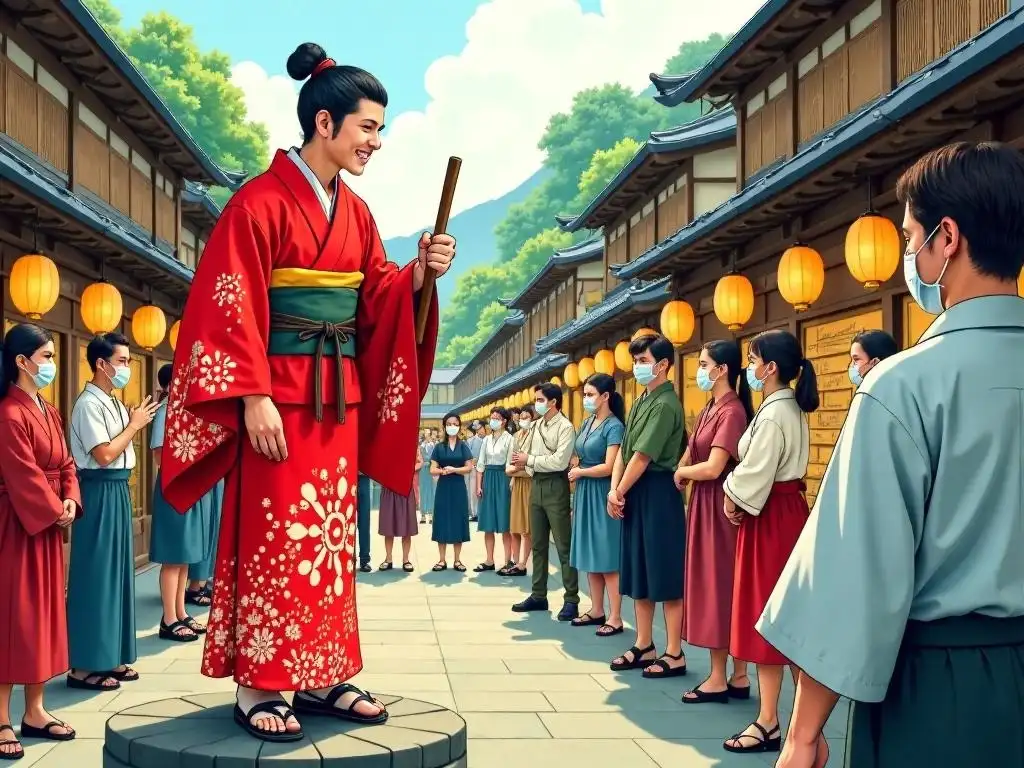
The role of humor in feudal Japanese society was multifaceted, serving not only as entertainment but also as a means of social critique and political commentary. During the feudal era, humor often found its way into literature, particularly through satirical works that reflected the cultural and societal norms of the time. These literary pieces enabled writers to address sensitive subjects, challenge authority, and provoke thought among their readers while maintaining a veil of humor that allowed for a safer exploration of controversial themes.
In a society characterized by rigid hierarchies and strict codes of conduct, humor provided a unique lens through which everyday life could be examined. It often highlighted the absurdities of social customs, the foibles of the elite, and the struggles of the common people. This interplay between humor and societal observation is a hallmark of feudal Japanese satirical literature, making it an essential component of the cultural narrative.
Feudal Japanese satirical literature was rich in social commentary, often employing humor to unveil the hypocrisies and contradictions inherent in societal norms. Writers such as Jippensha Ikku and Saikaku Ihara skillfully utilized satire to critique various aspects of their contemporary society, from the rigid class structures to the moral failings of the samurai class.
Key Themes in Social Satire:
- Class Inequality: Many satirical works addressed the disparities between the samurai elite and the common populace, highlighting the struggles faced by lower classes.
- Moral Decay: Writers often lampooned the ethical lapses of the ruling class, using humor to expose their failures and the disconnect between their ideals and actions.
- Cultural Practices: Everyday customs, such as marriage arrangements and social etiquette, were often subjects of ridicule, illustrating the absurdities of societal expectations.
For example, in Ikku's works, the clever use of humor allowed him to present serious social critiques while keeping his audience engaged and entertained. His narratives often featured characters who navigated the complexities of feudal society with wit and cunning, ultimately leading readers to reflect on their cultural realities.
Humor as a Tool for Critique and Reflection
In feudal Japan, humor transcended mere entertainment; it became a powerful tool for critique and reflection. Satirical literature provided a safe space for writers and their audiences to confront uncomfortable truths about their society. By framing serious issues in a humorous context, these literary pieces invited readers to engage in critical thinking without the fear of direct confrontation.
Functions of Humor in Literature:
- Subversion of Authority: Humor allowed writers to question and challenge those in power without facing immediate repercussions, as the comedic tone could obscure the directness of the critique.
- Encouraging Discourse: Satire spurred conversations about social norms and politics, fostering a culture of reflection and debate among readers.
- Humanizing Characters: Through exaggerated humor, characters in satirical narratives often embodied the flaws of society, making them relatable and prompting readers to reflect on their own behaviors.
An example of this is found in works like The Tales of the Heike, where humor is interwoven with the narrative to comment on the transient nature of life and the folly of human ambition. The use of humor not only entertained but also provoked deeper contemplation regarding the human condition.
The Relationship Between Humor and Political Commentary
The relationship between humor and political commentary in feudal Japanese satirical literature is particularly noteworthy. Writers often tackled political themes, using humor to address the complexities of governance, military conflicts, and the ethical dilemmas faced by the ruling class.
Political Themes in Satirical Works:
- Critique of Leadership: Satirical literature often depicted incompetent or corrupt leaders, using humor to underscore their failures and to call for accountability.
- War and Conflict: The absurdities of warfare and the heroism often associated with samurai culture were points of contention, allowing writers to probe the realities of conflict through a comedic lens.
- Censorship and Control: Humor provided a means to circumvent censorship, allowing writers to express dissenting views and critique policies in a manner that could evade direct punishment.
The works of Yosa Buson and Kobayashi Issa, for instance, frequently merged humor with political commentary, reflecting the social tensions of their times while providing insightful critiques of the political landscape. These authors demonstrated how humor could serve as a vehicle for exploring the often-difficult conversations surrounding power and governance.
Feudal Japanese satirical literature harnessed the power of humor not only to entertain but also to provoke thought and critique societal norms and political realities. Through the lens of satire, writers offered a unique perspective on their culture, allowing readers to reflect on their own lives and the world around them.
Comparison of Feudal Japanese Satirical Literature with Other Cultures

Similarities with European Satirical Literature
Feudal Japanese satirical literature shares several thematic and stylistic similarities with European satirical works, particularly those stemming from the medieval and early modern periods. Both traditions utilize humor as a vehicle for social critique, employing wit and irony to address the follies and vices of society.
- Social Critique: Just as European satirists like Jonathan Swift and Geoffrey Chaucer used humor to expose societal flaws, Japanese authors such as Matsuo Bashō and Jippensha Ikku illustrated the absurdities of their own culture. For example, Bashō's haiku often subtly critiqued the rigid structures of the samurai class, much like Swift's "A Modest Proposal" highlighted the injustices faced by the impoverished in England.
- Character Archetypes: Both traditions feature caricatures that amplify human weaknesses. In feudal Japan, the "fool" or "clown" character is prevalent, akin to the "fool" in Shakespearean plays. These characters often embody traits such as greed, ignorance, or vanity, allowing satirists to dissect societal norms and behaviors.
- Use of Allegory: Allegorical elements are prevalent in both feudal Japanese and European satirical literature. For instance, in "The Tale of the Heike," satire is used to comment on the impermanence of life and the folly of ambition, similar to how works like "The Divine Comedy" explore themes of morality and human folly through allegorical narratives.
- Cultural Reflection: Both literary traditions reflect their societies' values and conflicts. Satirical literature in both cultures serves as a mirror, showcasing the prevailing attitudes towards authority, class, and morality. This shared characteristic highlights how humor can transcend cultural boundaries to address universal human experiences.
Unique Aspects of Japanese Satire
While there are notable similarities, feudal Japanese satirical literature possesses unique characteristics that distinguish it from its European counterparts. These aspects are deeply rooted in Japan's historical, cultural, and philosophical context.
- Influence of Zen Buddhism: Japanese satire often integrates elements of Zen philosophy, emphasizing simplicity and the transient nature of life. This influence manifests in works like "Shiki no Uta" (Songs of Seasons), where humor is used to reflect on the impermanence of existence and the absurdity of human desires. This contrasts with the often more aggressive critique found in European satire.
- Integration of Visual Arts: Japanese satirical literature frequently combines literary elements with visual arts, such as ukiyo-e (woodblock prints). These prints often accompany satirical texts, enhancing the comedic effect through visual humor. This multimedia approach is less common in European traditions, where satire primarily relies on written text.
- Focus on Everyday Life: Feudal Japanese satire often draws from the everyday experiences of the common people, showcasing the lives of merchants, artisans, and farmers. This focus on the lower classes provides a more nuanced perspective on societal issues, whereas European satire often centers around the aristocracy or intellectual elite.
- Subtlety and Indirection: Japanese satirical literature tends to employ a more subtle and indirect approach to humor compared to the often blunt and confrontational style found in European works. The use of implications, innuendos, and layered meanings allows for a more refined critique of society, encouraging readers to engage in deeper reflection.
While feudal Japanese satirical literature shares common ground with its European counterparts, it also showcases distinctive features that highlight the cultural nuances of Japan's feudal era. Understanding these differences enriches our appreciation of the diverse ways in which humor can serve as a powerful tool for social commentary across cultures.
The Legacy of Feudal Japanese Satirical Literature
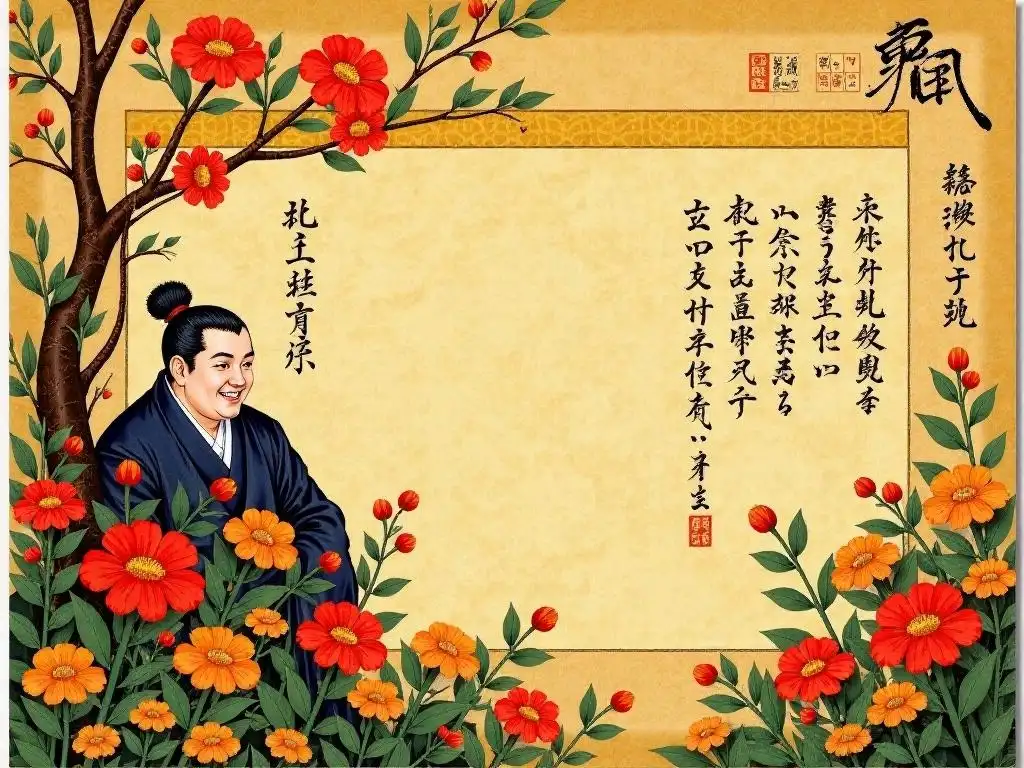
Feudal Japanese satirical literature has left an indelible mark on the cultural and literary landscape of Japan, shaping both its historical narrative and modern expression. This genre, which flourished during the Edo period (1603-1868), utilized humor and irony to critique societal norms, politics, and the samurai code. The legacy of this literature can be observed in various aspects of contemporary Japanese culture, from literature to media.
Influence on Modern Japanese Literature
The influence of feudal Japanese satirical literature on contemporary literary works is profound. Authors such as Natsume Sōseki and Osamu Dazai have drawn inspiration from earlier satirical themes, employing humor as a vehicle to explore deeper societal issues. For instance:
- Natsume Sōseki: In his novel Kokoro, Sōseki uses elements of satire to critique the isolation and moral dilemmas faced by individuals in a rapidly modernizing Japan. His narrative style reflects the nuanced wit found in earlier satirical texts.
- Osamu Dazai: Dazai’s semi-autobiographical works, like No Longer Human, incorporate dark humor and irony reminiscent of feudal satire, allowing readers to navigate the complexities of identity and existential despair.
The use of parody, puns, and exaggerated characters, prevalent in works like Shuihuzhuan (Water Margin), continues to resonate in modern storytelling, showcasing a lineage of critical thought that transcends centuries.
Continued Relevance of Satirical Themes Today
Despite the passage of time, the themes present in feudal Japanese satirical literature remain relevant in today's societal discourse. The ability to use humor as a critique of authority and societal norms is a powerful tool that continues to be exercised by contemporary writers, comedians, and artists. Some key points of relevance include:
- Political Satire: Modern Japanese media and literature often employ satire to comment on political issues, reflecting the same spirit found in feudal works. This enduring practice encourages public discourse and challenges the status quo.
- Cultural Critique: Themes such as social inequality, hypocrisy, and the absurdity of rigid societal roles still resonate with audiences today. Writers and creators leverage humor to explore these topics, echoing the satirical roots established during the feudal era.
- Adaptation in Popular Culture: The legacy of satirical literature is evident in anime and manga, where humor is frequently used to address complex societal issues, much like the works of feudal Japan. This genre continues to engage a broad audience, demonstrating the timeless nature of satirical commentary.
Feudal Japanese satirical literature not only shaped the historical context of its time but also laid the groundwork for ongoing literary and cultural dialogues. Its influences are evident in modern literature and media, ensuring that the wit and wisdom of the past continue to inspire and challenge future generations.
Conclusion
Summary of the Importance of Humor in Feudal Japanese Satirical Literature
Humor played a pivotal role in feudal Japanese satirical literature, serving as a lens through which societal norms, political dynamics, and cultural idiosyncrasies were examined and critiqued. The use of wit and satire allowed authors to address sensitive issues within the rigid structure of feudal society without facing dire repercussions. By employing humor, writers could navigate the intricacies of social commentary, often highlighting the absurdities of life during the Edo period (1603-1868).
Satirical works, including the famous "Shank's Mare" and "The Tale of the Heike," utilized humor to reflect on the follies of the samurai class, the bureaucracy, and the common folk. Through exaggerated characters and situations, these texts not only entertained but also provided deep insights into the morality, ethics, and politics of the time. They encouraged readers to question authority, challenge societal conventions, and reflect on the human condition.
To illustrate this, consider the use of parody in literature. For example, "The Pillow Book" by Sei Shonagon offers a humorous yet poignant exploration of court life, showcasing the quirks and vanity of its characters. Such works demonstrate that humor was not merely for entertainment; it was a vehicle for critique and reflection, making the literature of this era rich and multifaceted.
Final Thoughts on the Cultural Significance of Satire in Feudal Japan
The cultural significance of satire in feudal Japan cannot be overstated. It served as a mirror reflecting the complexities of a society characterized by strict hierarchies and cultural expectations. Satirical literature provided a safe space for self-reflection and discourse, allowing individuals to engage with difficult topics in a manner that was both accessible and thought-provoking.
Moreover, the legacy of feudal Japanese satirical literature continues to influence modern Japanese culture. Contemporary authors still draw on the themes and techniques established by their predecessors, demonstrating the enduring power of humor as a tool for social commentary. The blend of historical context and literary innovation found in these works enriches our understanding of Japan's past and its cultural evolution.
The exploration of humor in feudal Japanese satirical literature reveals the intricate interplay between laughter and social critique. By examining the absurdities of life and the human experience, these works not only entertained but also educated, contributing significantly to the cultural tapestry of feudal Japan. As we delve deeper into this fascinating subject, it becomes clear that humor remains a vital lens through which we can explore the complexities of human society across ages.
Frequently Asked Questions
What is feudal Japanese satirical literature?
Feudal Japanese satirical literature refers to humorous works created during Japan's feudal era, often critiquing societal norms, politics, or cultural practices through satire.
How did humor play a role in feudal Japanese literature?
Humor in feudal Japanese literature served as a tool for social commentary, allowing authors to address taboos and challenge authority while engaging audiences through wit and satire.
Notable figures include Jippensha Ikku, known for his work "Shank's Mare," and Saikaku Ihara, who blended humor with social critique, reflecting the cultural dynamics of their time.
What themes are commonly found in feudal Japanese satirical literature?
Common themes include class struggles, human folly, and political corruption, using satire to highlight the absurdities of life during the feudal period.
How has feudal Japanese satirical literature influenced modern works?
The legacy of feudal Japanese satirical literature continues to influence contemporary Japanese humor and literature, providing a foundation for modern satirical expressions and cultural critiques.
Final Reflection: The Enduring Legacy of Humor in Feudal Japanese Satirical Literature
The exploration of humor in feudal Japanese satirical literature reveals its profound relevance in today's world, where laughter serves as a powerful tool for critique and social commentary. In an era marked by political strife and social upheaval, the ability to use humor to challenge authority and provoke thought remains as vital as ever. The satirical works of feudal Japan not only entertained but also provided a mirror to society, reflecting the absurdities of human behavior and the complexities of social hierarchies.
The influence of feudal Japanese satirical literature extends beyond its historical context, shaping contemporary narratives and cultural expressions. The wit and wisdom embedded in these texts continue to resonate, reminding us of the importance of humor as a means of resistance and reflection. As the renowned Japanese author Natsume Sōseki once said, Humor is the greatest blessing of humanity.
This sentiment underscores the enduring power of laughter to bridge divides and foster understanding, even in the face of adversity.
As we contemplate the lessons from feudal Japanese satirical literature, I invite you to embrace the power of humor in your own life. Consider how laughter can serve as a tool for connection, critique, and healing in your community. Reflect on the ways in which you can incorporate humor into your conversations and interactions, using it to challenge norms and inspire change. In doing so, you not only honor the legacy of those who wielded humor as a weapon against oppression but also contribute to a more compassionate and understanding world.
Unleash the Power of Laughter in Feudal Japan!
Thank you for diving into the fascinating world of humor in feudal Japanese satirical literature! Your interest not only enriches your knowledge but also sheds light on the unique role of wit in shaping cultural narratives. Now, it’s time to take what you've learned and explore further!
Here are a few engaging steps you can take:
- Read a Collection: Explore classic satirical works from feudal Japan to witness how humor reflects societal norms and challenges authority.
- Join a Discussion: Connect with fellow enthusiasts in our community forum to share insights and interpretations of your favorite pieces.
- Share Your Thoughts: Write a brief reflection on how humor can transform perspectives in your own daily life, drawing inspiration from the lessons of the past.
What aspect of feudal Japanese humor resonates most with you, and how do you see its principles applying today? Let’s start a conversation!