The Quiet Revolution: How Zen Buddhism Transformed Japanese Culture
🌸 The Quiet Revolution explores the profound Zen Buddhism influence on Japan, revealing how this spiritual practice reshaped art, philosophy, and daily…
Read article

Discover how Zen Buddhism influenced feudal Japan 🧘♂️, shaping samurai discipline, artistic expression, garden design, tea culture, and everyday philosophy. Explore the enduring connection between Zen teachings and Japanese cultural history through insightful, expert-driven perspectives on meditation, simplicity, and spiritual practice.
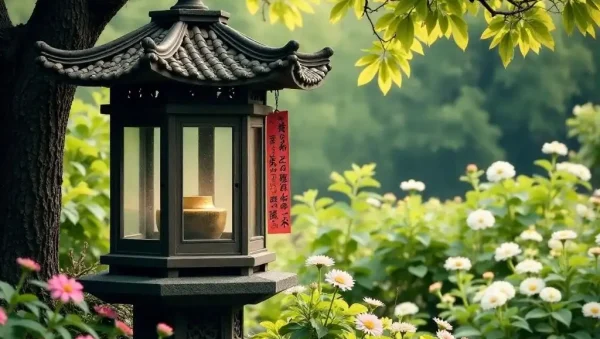
🌸 The Quiet Revolution explores the profound Zen Buddhism influence on Japan, revealing how this spiritual practice reshaped art, philosophy, and daily…
Read article
🌸 Zen monasteries influenced feudal Japan by serving as centers of spiritual growth, education, and cultural exchange. Their teachings shaped samurai ethics…
Read article
🌸 Explore how Feudal Japan spirituality influence continues to resonate in contemporary practices, shaping modern Japanese spirituality through the enduring legacy of…
Read article
In feudal Japan, the Zen Buddhism influence shaped art profoundly, inspiring minimalist aesthetics in ink painting and the serene simplicity of tea…
Read article
Exploring the intersection of Zen Buddhism and feudal Japan women reveals how these practices influenced their lives, shaping their roles within a…
Read article
The profound connection between Zen Buddhism and Japanese performing arts during the feudal era shaped artistic expression, emphasizing mindfulness, simplicity, and the…
Read article
The Zen influence on feudal governance profoundly shaped Japan's political landscape, intertwining spiritual principles with leadership. This exploration reveals how Zen Buddhism…
Read article
🌸 The influence of Zen philosophy in feudal Japan profoundly shaped the cultural and societal fabric of the era, emphasizing acceptance of…
Read article
🌸 Discover the rich Ikebana history in feudal Japan, where flower arranging transcended mere aesthetics, embodying spiritual harmony and societal values. This…
Read article
The interplay of Zen Buddhism and Chinese influence in Japan profoundly shaped the country's feudal era. This cultural exchange fostered unique artistic…
Read article
Zen Buddhism in Japanese culture profoundly shapes modern art, literature, and social practices, reflecting its historical roots. This exploration reveals how feudal…
Read article
Discover how Zen aesthetics in Japanese homes shaped feudal architecture, blending simplicity and nature. This article explores the profound impact of Zen…
Read articleExplore how Zen Buddhism influenced feudal Japan and shaped the country’s religious, cultural, artistic, political, and social history. Within the wider study of Cultural History, this subcategory examines the arrival and development of Zen traditions, the role of Buddhist temples, and the ways Zen ideas affected samurai culture, military leadership, literature, garden design, tea ceremony, ink painting, architecture, and daily life. Discover how Japanese Zen Buddhism became one of the defining forces of medieval Japan while remaining connected to China, Korea, and broader East Asian intellectual traditions.
Learn how Zen Buddhism reached Japan during the late Heian and Kamakura periods and how monks, temple networks, and overseas exchange helped establish new religious traditions. Articles explore the development of Rinzai and Sōtō Zen, influential Buddhist teachers, and the historical circumstances that allowed Zen institutions to grow under the support of military rulers and powerful patrons.
Readers can expect detailed explanations of Zen history in Japan, including the importance of meditation, discipline, monastic practice, and direct spiritual experience. This section places Japanese Zen within the wider history of Buddhism in East Asia, showing how imported teachings were adapted to local political structures, customs, and religious beliefs.
Examine the complex relationship between Zen Buddhism and samurai culture in feudal Japan. This section explores how Zen temples served as centers of education, diplomacy, administration, and artistic production, while Zen concepts such as focus, self-control, impermanence, and awareness were later associated with ideals of warrior discipline.
Rather than presenting Zen as a simple “samurai religion,” these articles provide historical nuance. Readers will discover how warriors engaged with Zen alongside Shinto, Pure Land Buddhism, esoteric Buddhism, Confucian thought, and local traditions, creating a diverse religious landscape within Japan’s medieval warrior society.
Discover the central principles of Zen Buddhism, including zazen meditation, mindfulness, non-attachment, impermanence, simplicity, and the pursuit of direct insight. This section explains how Zen teachings were practiced in monasteries and how concepts connected to discipline, awareness, and ethical conduct influenced Japanese religious and intellectual life.
Readers can also explore the difference between historical Zen practice and modern popular interpretations. Articles clarify important terms, examine the role of teachers and koans, and explain how Zen philosophy developed through Japanese institutions, written texts, ritual practices, and interactions with other Buddhist schools.
Explore the powerful impact of Zen on Japanese art and aesthetics, from monochrome ink painting and calligraphy to temple architecture, sculpture, poetry, and landscape design. Zen-associated ideals such as simplicity, asymmetry, restraint, naturalness, and quiet contemplation helped shape artistic traditions that remain closely connected with Japan’s cultural identity.
This section examines the work of artists, monks, patrons, and temple communities that contributed to medieval Japanese culture. Readers will learn how Zen aesthetics influenced visual composition, the use of empty space, the appreciation of imperfection, and the representation of mountains, water, seasons, and changing natural forms.
Understand how Zen influence extended beyond meditation halls into Japanese gardens, tea culture, architecture, and social customs. Articles examine dry landscape gardens, temple compounds, the development of the tea ceremony, and the cultural meaning of simplicity, ritual movement, hospitality, and carefully designed spaces.
Readers will discover that Zen-associated culture was created through the interaction of monks, aristocrats, warriors, artisans, merchants, and regional communities. This broader approach explains how religious ideas became visible in everyday objects, buildings, gardens, ceremonies, and patterns of social behavior during feudal Japan.
Investigate the role of Zen temples in the political and institutional history of medieval Japan. Major temples often possessed land, wealth, educational influence, and connections to ruling families. Their monks could act as diplomats, advisers, writers, teachers, and cultural intermediaries between Japan and continental Asia.
This section explores the relationship between Zen institutions and feudal government, including temple networks, official religious systems, patronage, and conflicts over authority. Readers can expect balanced historical analysis of how Zen communities contributed to cultural development while also participating in the economic and political structures of the warrior state.
Learn how Japanese Zen developed through continuing connections with China and Korea. Travel by sea, study abroad, imported books, artistic models, ritual knowledge, and diplomatic missions helped transmit Buddhist teachings and cultural practices across East Asia.
Articles highlight the international character of medieval Japanese history and explain how Japanese monks adapted continental ideas rather than merely copying them. This context is essential for understanding Zen Buddhism’s influence on feudal Japan, including the growth of temple architecture, calligraphy, painting, philosophy, and literary culture.
Zen Buddhism influenced feudal Japan through religion, education, art, architecture, literature, meditation, garden design, and cultural exchange. It was especially important in the growth of temple institutions and the development of artistic and intellectual traditions during the Kamakura and Muromachi periods.
No. Although some samurai and military leaders supported Zen temples or practiced Zen meditation, warriors followed a variety of religious traditions. Zen existed alongside Shinto, Pure Land Buddhism, Nichiren Buddhism, esoteric Buddhism, and Confucian teachings.
Zen contributed to the appreciation of simplicity, disciplined composition, natural imagery, empty space, asymmetry, and quiet contemplation. Its influence can be seen in ink painting, calligraphy, temple architecture, dry gardens, poetry, tea culture, and other forms of Japanese cultural history.
The two major Japanese Zen traditions are Rinzai Zen and Sōtō Zen. Rinzai became associated with koan study and elite temple culture, while Sōtō emphasized seated meditation and developed a broad presence across regional communities. Both played important roles in Japanese religious history.
Zen Buddhism helps explain the connections between religion, samurai government, international trade, education, art, architecture, and social life. Studying Zen reveals how spiritual practices and temple institutions shaped the cultural history of Japan’s feudal era in complex and lasting ways.