
Zen Buddhism's Lasting Impact on Contemporary Japanese Culture: A Historical Perspective


Welcome to Feudal Japan History, where we embark on a captivating journey through the intricate tapestry of Japan’s feudal era. Delve deep into the rich cultural, historical, and societal threads that have shaped this remarkable period. In our featured article, we explore Zen Buddhism in Japanese culture, unraveling its profound influence and lasting impact on contemporary practices and beliefs.
Prepare to be intrigued as we uncover the connections between ancient traditions and modern life, and discover why Zen continues to resonate in today's Japan. Join us as we navigate this fascinating landscape—your journey into the heart of feudal history begins now!
- Introduction to Zen Buddhism in Japanese Culture
- Historical Development of Zen Buddhism in Japan
- Zen Buddhism's Philosophical Influence on Japanese Culture
- Zen Buddhism’s Impact on Traditional Japanese Arts
- Zen Buddhism's Influence on Modern Japanese Society
- Comparative Analysis: Zen Buddhism vs. Other Buddhist Traditions in Japan
- Conclusion: The Lasting Impact of Zen Buddhism on Contemporary Japanese Culture
-
Frequently Asked Questions
- What is the significance of Zen Buddhism in Japanese culture?
- How did Zen Buddhism develop in Japan?
- What are the key cultural practices influenced by Zen Buddhism?
- How does Zen Buddhism continue to influence modern Japanese society?
- Why is it important to study Zen Buddhism's history in relation to Japan?
- Final Reflection: The Enduring Legacy of Zen Buddhism in Japanese Culture
- Embrace the Wisdom of Zen: Take Action Today!
Introduction to Zen Buddhism in Japanese Culture
Zen Buddhism is a profound and transformative force that has significantly shaped the cultural landscape of Japan throughout its history. Emerging from the broader traditions of Mahayana Buddhism, Zen emphasizes direct experience and meditation as pathways to enlightenment. This approach has not only influenced spiritual practices but has also permeated various aspects of Japanese culture, including art, literature, and social customs.
In this article, we will delve into the historical journey of Zen Buddhism in Japan, exploring its foundational principles, its evolution through the ages, and its enduring influence on contemporary Japanese culture. By examining these facets, we aim to provide a comprehensive understanding of how Zen Buddhism continues to resonate within modern society, underscoring its relevance in a rapidly changing world.
Brief Overview of Zen Buddhism
Zen Buddhism, or "Zen," is a school of Mahayana Buddhism that places a strong emphasis on meditation (zazen) and insight into one's true nature. Originating in China as "Chan" during the Tang dynasty, Zen migrated to Japan in the 12th century, where it began to flourish. Unlike other forms of Buddhism that focus on scripture and rituals, Zen encourages practitioners to seek direct experience of enlightenment through meditation and mindful living.
Key tenets of Zen Buddhism include:
- Zazen (Meditation): The core practice involving seated meditation to cultivate mindfulness and insight.
- Satori (Enlightenment): The sudden realization of one's true nature and the interconnectedness of all things.
- Koans: Paradoxical anecdotes or riddles that challenge conventional thinking and stimulate deeper understanding.
The simplicity and immediacy of Zen practices have made them accessible to a wide audience, fostering a unique cultural identity in Japan that emphasizes harmony, nature, and mindfulness.
Historical Context of Zen Buddhism in Japan
Zen Buddhism was introduced to Japan during the Kamakura period (1185–1333), a time characterized by political upheaval and social change. Initially embraced by samurai and the warrior class, Zen offered a philosophy that resonated with their values of discipline and self-control. The establishment of Zen monasteries, particularly the Rinzai and Soto schools, facilitated the spread of Zen teachings and practices across the country.
Throughout the Muromachi period (1336–1573), Zen further integrated into Japanese culture, influencing various art forms such as:
- Tea Ceremony (Chanoyu): A ritualistic approach to tea preparation that embodies Zen principles of simplicity and mindfulness.
- Garden Design: Zen gardens (karesansui) reflect the aesthetics of nature and tranquility, promoting contemplation.
- Ink Painting (Sumi-e): This art form emphasizes spontaneity and the expression of the artist's inner state.
The impact of Zen Buddhism continued to evolve through the Edo period (1603–1868), intertwining with indigenous practices and shaping the cultural identity of Japan.
Importance of Zen Buddhism in Contemporary Japanese Culture
Today, Zen Buddhism remains a vital part of Japanese culture, influencing various aspects of daily life and societal values. Its principles of mindfulness, simplicity, and harmony resonate in contemporary practices, such as:
- Mindfulness Practices: Meditation and mindfulness have gained popularity in Japan and globally, promoting mental well-being and stress relief.
- Art and Aesthetics: Zen aesthetics continue to influence modern design, architecture, and art, emphasizing minimalism and natural materials.
- Culinary Arts: The ethos of Zen is reflected in traditional Japanese cuisine, particularly in the presentation and appreciation of food.
Incorporating Zen principles into modern life allows individuals to navigate the complexities of contemporary society while maintaining a connection to their cultural heritage. As we explore the historical perspective of Zen Buddhism's impact on Japanese culture, we will uncover how this ancient tradition continues to shape and inspire the way people live, think, and create today.
Historical Development of Zen Buddhism in Japan
Introduction of Zen Buddhism to Japan
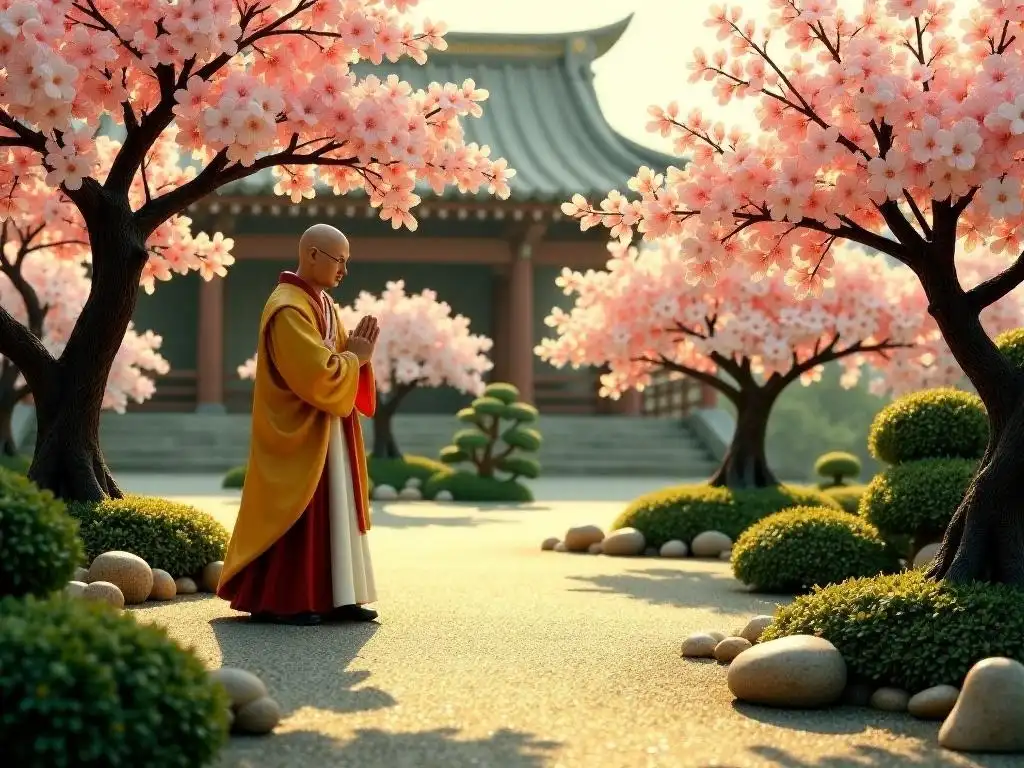
Zen Buddhism, known as Zen in Japan, was introduced in the late 12th century during the Kamakura period, a time marked by significant social and political changes. The arrival of Zen practices was heavily influenced by Chinese Chan Buddhism, which emphasized direct experience and meditation over doctrinal study.
The first prominent figure to bring Zen to Japan was Eisai (1141-1215), a monk who studied in China and returned with teachings that emphasized the importance of meditation ( zazen) as a means to achieve enlightenment. Eisai's efforts laid the foundation for the establishment of Zen monasteries, particularly in the Kamakura area, which became a center for Zen practice.
Another key figure in this early period was Dogen (1200-1253), who founded the Soto school of Zen. Dogen's teachings emphasized the practice of zazen as a path to awakening, and he introduced unique practices that differentiated Soto from other forms of Buddhism. His seminal work, Shobogenzo, outlined the philosophy and practice of Zen, influencing generations of practitioners.
Key Figures in the History of Zen Buddhism
The history of Zen Buddhism in Japan is marked by several influential figures who contributed to its development and spread.
- Eisai: As mentioned, Eisai was crucial in introducing Zen to Japan. He advocated for the integration of Zen meditation into the samurai class, linking it with the warrior ethos.
- Dogen: Often considered the most significant figure in Japanese Zen, Dogen's establishment of the Soto school and his writings have had a lasting influence on Zen philosophy and practice.
- Rinzai School Founders:
- Huangbo Xiyun: His teachings on the sudden awakening were adopted by Japan's Rinzai school.
- Linji Yixuan: Known as Rinzai Gigen in Japan, he emphasized direct experience and the use of koans in Zen practice.
- Hakuin Ekaku (1685-1768): A revitalizer of the Rinzai school, Hakuin emphasized the practice of koans and is credited with bringing Zen to a broader audience, integrating elements of Japanese culture.
- Taisen Deshimaru (1914-1990): A contemporary Zen master who played a vital role in the global spread of Zen, establishing centers across Europe and North America.
These figures not only shaped Zen practice but also influenced Japanese culture at large, intertwining Zen principles with various aspects of art, literature, and martial disciplines.
Major Schools of Zen Buddhism in Japan
Zen Buddhism in Japan is primarily divided into two major schools: Soto and Rinzai, each with distinct practices and philosophies.
Soto School
- Founded by: Dogen
- Focus: Emphasizes shikantaza, or "just sitting" meditation, where practitioners are encouraged to focus on the present moment without attachment to thoughts or distractions.
- Key Texts: Shobogenzo, a collection of Dogen's writings outlining his teachings.
- Cultural Impact: Soto Zen has influenced Japanese aesthetics, particularly in the tea ceremony, flower arranging (ikebana), and Zen gardens.
Rinzai School
- Founded by: Influenced by Linji Yixuan
- Focus: Known for its use of koans—paradoxical questions or statements used to provoke deep thought and insight.
- Key Texts: The Record of Linji, which contains teachings and stories from the Rinzai lineage.
- Cultural Impact: Rinzai has had a significant influence on the martial arts, emphasizing mindfulness and presence in action, as well as the arts, particularly in ink painting and poetry.
| Feature | Soto School | Rinzai School |
|---|---|---|
| Meditation Style | Shikantaza (just sitting) | Koan practice |
| Founding Figure | Dogen | Linji |
| Cultural Influence | Tea ceremony, Zen gardens | Martial arts, ink painting |
The distinct characteristics of these schools illustrate the diversity within Zen Buddhism in Japanese culture, showcasing how different practices have been integrated into various facets of life, from art to philosophy.
Zen Buddhism's historical development and its key figures have left an indelible mark on Japanese culture, influencing not only spiritual practices but also various cultural expressions that continue to resonate in contemporary Japan.
Zen Buddhism's Philosophical Influence on Japanese Culture

Zen Buddhism has profoundly shaped various facets of Japanese culture, introducing philosophical principles that have permeated through art, literature, and social practices. Rooted in the teachings of Siddhartha Gautama and further developed in China as Chan Buddhism, Zen emphasizes direct experience and the cultivation of insight through meditation. This focus on personal experience over doctrinal knowledge has allowed Zen to adapt seamlessly within the context of Japanese culture, contributing to its unique identity.
Core Principles of Zen Buddhism
At the heart of Zen Buddhism lies a set of core principles that define its philosophy and practice. These principles have not only influenced religious practices but also extended into everyday life, shaping the moral and ethical framework of Japanese society.
- Simplicity: Zen promotes a lifestyle characterized by minimalism and simplicity. This principle is evident in various aspects of Japanese culture, from traditional tea ceremonies to the design of Zen gardens. The idea is that removing unnecessary distractions allows for greater clarity and focus.
- Mindfulness: Central to Zen practice is the concept of mindfulness, which encourages individuals to be fully present in the moment. This practice fosters a deeper connection to one's surroundings and is reflected in the Japanese concept of "mono no aware," the appreciation of the transient beauty of life.
- Interconnectedness: Zen teaches that all things are interconnected, and this understanding fosters a sense of harmony with nature and others. In contemporary Japanese culture, this principle can be seen in environmental practices and community-oriented initiatives that promote sustainability.
- Non-attachment: Zen philosophy advocates for non-attachment to material possessions and outcomes. This perspective encourages individuals to find contentment within themselves rather than relying on external factors, a concept that resonates deeply in modern Japanese society where consumerism often prevails.
By integrating these core principles into daily life, Zen Buddhism has established a philosophical framework that continues to influence contemporary Japanese culture.
Zen Aesthetics and Aesthetic Values in Japanese Art
The aesthetic values derived from Zen Buddhism have played a significant role in shaping various forms of Japanese art. The Zen approach encourages a deep appreciation for simplicity and the natural world, which are reflected in multiple artistic expressions:
- Tea Ceremony (Chanoyu): This ritual embodies Zen aesthetics, emphasizing simplicity, harmony, and tranquility. The intricate yet understated design of tea utensils and the serene environment of a tea room mirror the Zen principle of minimalism.
- Zen Gardens: Characterized by carefully arranged rocks, gravel, and minimalist plant life, Zen gardens serve as a physical manifestation of Zen philosophy. These gardens are designed for contemplation, inviting observers to engage with nature and reflect on their inner selves.
- Calligraphy (Shodō): Zen calligraphy emphasizes the spontaneity and flow of brush strokes, reflecting the artist's state of mind. This art form values the process of creation as much as the final product, demonstrating Zen's influence on artistic expression.
- Literature and Poetry: Zen literature, such as haiku, showcases the beauty of brevity and the power of suggestion. The simplicity of language and focus on nature in haiku captures the essence of Zen thought, allowing readers to experience profound insights through minimal words.
These aesthetic values resonate throughout Japanese culture, shaping not only artistic practices but also everyday life, encouraging individuals to find beauty in simplicity and presence.
The Role of Meditation in Japanese Cultural Practices
Meditation is a cornerstone of Zen Buddhism and plays a pivotal role in various cultural practices across Japan. The emphasis on meditation fosters a sense of peace and clarity, influencing societal norms and behaviors:
- Zazen (Seated Meditation): This form of meditation is central to Zen practice, where individuals engage in seated meditation to cultivate mindfulness and insight. The practice has permeated various aspects of Japanese life, promoting mental well-being and resilience.
- Mindful Movement Practices: Activities such as Ikebana (flower arranging) and martial arts (like Aikido) incorporate meditative principles. These practices emphasize focus, intention, and a connection with the present moment, reinforcing Zen's influence on physical expression and creativity.
- Rituals and Festivals: Many traditional Japanese rituals and festivals incorporate meditative elements, encouraging participants to reflect and engage with deeper meanings. For example, the Obon festival, a time for honoring ancestors, often includes meditative practices that promote peace and connection with loved ones.
- Contemporary Mindfulness: In modern Japan, the principles of Zen meditation have gained popularity as a method for stress relief and personal growth. Mindfulness practices are increasingly integrated into daily routines, reflecting a broader cultural shift towards mental health awareness.
Through these practices, meditation serves not only as a spiritual discipline but also as a tool for enhancing quality of life, demonstrating Zen Buddhism's lasting impact on contemporary Japanese culture.
Zen Buddhism’s Impact on Traditional Japanese Arts

Zen Buddhism has had a profound influence on traditional Japanese arts, shaping various forms of expression that reflect its philosophical underpinnings. The principles of simplicity, mindfulness, and the pursuit of inner peace are deeply woven into the fabric of these artistic practices, making them not only aesthetic endeavors but also spiritual journeys. This section will explore three significant areas where Zen Buddhism has left an indelible mark: the Japanese tea ceremony, gardening and landscape design, and calligraphy and painting.
Zen Buddhism and Japanese Tea Ceremony (Chanoyu)
The Japanese tea ceremony, known as Chanoyu, is perhaps one of the most iconic representations of Zen influence in Japanese culture. This ritualistic practice goes beyond just preparing and serving tea; it embodies the essence of Zen principles such as harmony, respect, purity, and tranquility.
- Philosophical Foundations:
- Simplicity: The tea ceremony emphasizes minimalism. The utensils used are often unadorned and rustic, reflecting the Zen aesthetic that values the beauty of imperfection (wabi-sabi).
- Mindfulness: Each action during the ceremony is performed with meticulous attention, encouraging participants to be fully present. This practice of mindfulness resonates with the Zen focus on living in the moment.
- Cultural Significance:
- The tea ceremony serves as a meditative practice, allowing individuals to connect with nature and each other. It fosters a sense of community and respect among participants, transcending social barriers.
- Events such as the Hanami (flower viewing) often incorporate tea ceremonies, further blending Zen practices with seasonal appreciation.
In essence, Chanoyu is a living testament to Zen Buddhism's impact, weaving together spirituality and artistry in a ritual that continues to be celebrated in contemporary Japanese culture.
Influence on Japanese Gardening and Landscape Design
Zen Buddhism has also significantly shaped Japanese gardening and landscape design, leading to the creation of serene spaces that promote contemplation and inner peace.
- Design Principles:
- Asymmetry and Naturalism: Traditional Zen gardens often feature asymmetrical layouts, which symbolize natural landscapes and reflect the Zen understanding of harmony in chaos.
- Use of Natural Elements: Stones, water, and plants are carefully selected and arranged to create a microcosm of nature. The placement of rocks, for instance, is intentional, often representing mountains or islands.
- Types of Zen Gardens:
- Karesansui (Dry Landscape Gardens): These gardens utilize gravel and rocks to symbolize water and land, creating a tranquil space for meditation. The act of raking the gravel is a meditative practice in itself, reflecting Zen principles.
- Tea Gardens: Designed to lead visitors to a tea house, these gardens incorporate winding paths and natural elements that encourage contemplation along the journey.
Zen gardens serve as a retreat from the chaos of modern life, providing a space for reflection and spiritual growth. The careful attention to detail and the integration of natural beauty resonate with the core tenets of Zen Buddhism, making them a significant aspect of Japanese cultural heritage.
Zen Buddhism in Calligraphy and Painting
The influence of Zen Buddhism is also prominently displayed in the realms of calligraphy and painting, where the art form serves as a medium for spiritual expression.
- Zen Calligraphy (Shodō):
- This form of calligraphy emphasizes the flow of the brush and the spontaneity of the moment. Each stroke is a reflection of the artist's state of mind, embodying the Zen idea that the act of creation is a form of meditation.
- The practice encourages practitioners to let go of preconceived notions of perfection, promoting a sense of freedom and authenticity in their expression.
- Zen Painting (Sumi-e):
- Sumi-e, or ink wash painting, captures the essence of subjects with minimal brush strokes, mirroring the Zen philosophy of simplicity and directness.
- Artists often focus on capturing the spirit of a subject rather than its literal representation, aligning with Zen's emphasis on perception and awareness.
Both calligraphy and painting are more than artistic disciplines; they are deeply meditative practices that allow individuals to explore their inner selves and connect with the world around them. The enduring impact of Zen Buddhism on these arts continues to inspire contemporary artists, reaffirming the relevance of Zen principles in modern Japanese culture.
Through these expressions in the arts, Zen Buddhism not only contributes to aesthetic beauty but also enriches the cultural tapestry of Japan, fostering a profound connection between spiritual practice and artistic endeavor.
Zen Buddhism's Influence on Modern Japanese Society
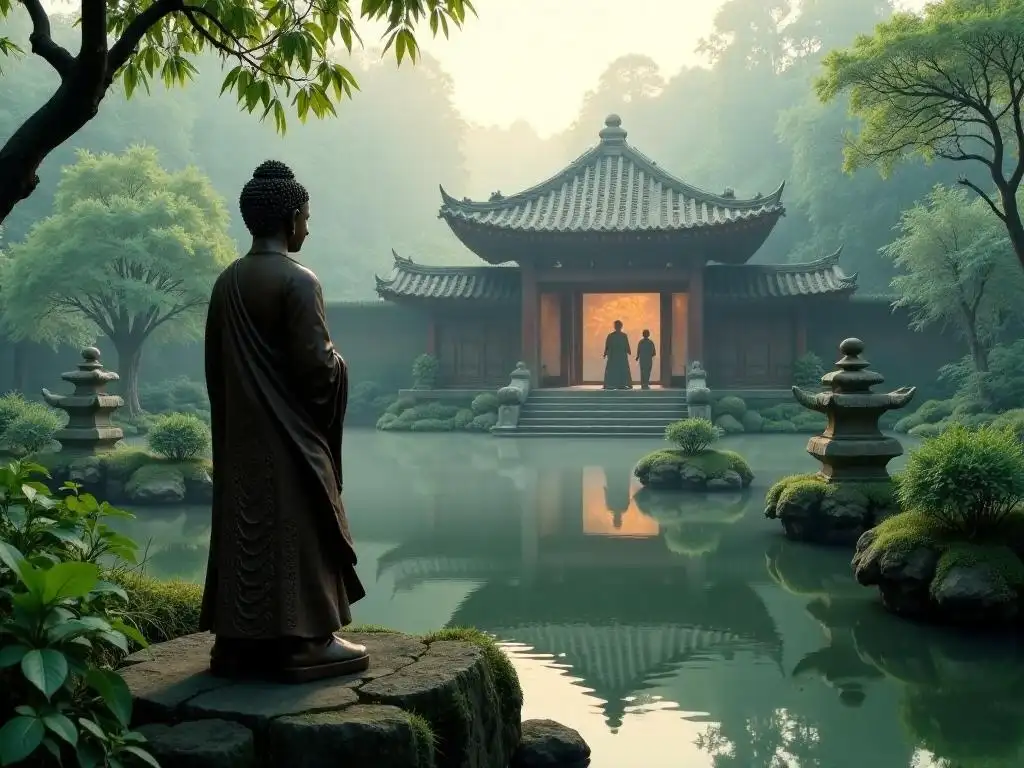
Zen Buddhism has profoundly shaped modern Japanese society, creating a bridge between traditional practices and contemporary life. Its influence extends across various sectors, including art, philosophy, and daily routines, which continue to resonate with many aspects of Japanese culture today.
Zen Practices in Contemporary Japanese Life
In Japan, many individuals incorporate Zen practices into their daily lives, promoting mindfulness and tranquility. Some of the common practices include:
- Meditation (Zazen): Regular sitting meditation is a cornerstone of Zen practice. Many Japanese now attend meditation sessions at Zen temples or practice at home, emphasizing stillness and self-awareness.
- Tea Ceremony (Chadō): Rooted in Zen principles, the Japanese tea ceremony embodies simplicity, harmony, and respect. This practice remains popular, often taught in schools and cultural workshops, and serves as a means of fostering mindfulness in everyday interactions.
- Mindful Living: The concept of living in the moment, a fundamental tenet of Zen, influences various aspects of Japanese life, from work practices to personal relationships. Mindfulness training programs continue to gain traction, helping individuals navigate the complexities of modern life.
The integration of these practices into contemporary culture showcases the adaptability of Zen Buddhism, allowing its principles to thrive in an ever-changing society.
The Role of Zen Buddhism in Japanese Mental Health and Wellbeing
As mental health awareness has grown in Japan, Zen Buddhism has emerged as a significant contributor to psychological wellbeing. The emphasis on mindfulness and meditation within Zen practices offers various benefits:
- Stress Reduction: Engaging in Zen meditation has been shown to lower stress levels. The focus on breath and presence aids individuals in managing anxiety and promoting emotional stability.
- Emotional Resilience: Zen teachings encourage acceptance and detachment from negative thoughts, fostering a healthier emotional landscape. Practitioners often report increased resilience to life's challenges.
- Therapeutic Integration: Many mental health professionals in Japan are incorporating Zen principles into therapeutic practices. Techniques such as mindfulness-based cognitive therapy (MBCT) draw upon Zen meditation to enhance therapeutic outcomes.
The intersection of Zen Buddhism and mental health reflects a growing recognition of holistic approaches to wellbeing, emphasizing the importance of mental health as part of overall health.
Zen Buddhism's Influence on Japanese Pop Culture and Media
Zen Buddhism's impact is also evident in Japan's vibrant pop culture and media, influencing various forms of artistic expression:
- Anime and Manga: Numerous anime and manga series explore Zen themes, such as mindfulness, enlightenment, and the nature of existence. Works like Naruto and Kino's Journey often incorporate Zen philosophies, appealing to audiences seeking deeper meanings.
- Film and Literature: Renowned filmmakers, such as Akira Kurosawa and Yasujirō Ozu, draw inspiration from Zen aesthetics, emphasizing simplicity and nature. Literature, too, often reflects Zen ideals, with authors like Haruki Murakami weaving Zen concepts into their narratives.
- Fashion and Design: The minimalist design philosophy rooted in Zen is prevalent in contemporary Japanese fashion and architecture. Brands often emphasize simplicity, functionality, and the beauty of imperfection, aligning with Zen principles.
Through these avenues, Zen Buddhism continues to shape the cultural landscape of Japan, demonstrating its enduring relevance in a rapidly evolving society. The integration of Zen into pop culture not only entertains but also invites reflection on deeper philosophical questions, making it a vital component of contemporary Japanese culture.
Comparative Analysis: Zen Buddhism vs. Other Buddhist Traditions in Japan

Zen Buddhism, a major school of Mahayana Buddhism, has significantly shaped Japanese culture and spirituality. To appreciate its unique position, it is essential to conduct a comparative analysis with other prominent Buddhist traditions in Japan, such as Pure Land Buddhism and Shingon Buddhism, as well as its relationship with Shinto, the indigenous spirituality of Japan.
Key Differences Between Zen Buddhism and Pure Land Buddhism
Zen Buddhism and Pure Land Buddhism represent two distinct approaches to spiritual practice and enlightenment within the broader Buddhist context in Japan.
- Philosophical Foundations:
- Zen Buddhism emphasizes direct experience and meditation (zazen) as pathways to enlightenment (satori). It advocates for an experiential understanding of reality, often expressed through koans—paradoxical anecdotes or riddles used in meditation.
- Pure Land Buddhism, on the other hand, focuses on faith and devotion to Amitabha Buddha. Adherents believe that reciting the nembutsu (the name of Amitabha) can lead to rebirth in the Pure Land, a paradise where attaining enlightenment is easier.
- Practice and Ritual:
- Zen practitioners engage in rigorous meditation and mindfulness practices. The Zen aesthetic is also reflected in arts like tea ceremonies, ink painting, and rock gardens, which emphasize simplicity and natural beauty.
- Pure Land Buddhism involves devotional practices, such as chanting, which create a communal atmosphere. Temples often feature elaborate rituals and ceremonies centered around Amitabha.
- Goals of Practice:
- The ultimate goal in Zen is to achieve a spontaneous realization of one’s true nature, transcending dualistic thinking.
- In contrast, Pure Land Buddhism offers a more accessible path to enlightenment, focusing on faith in Amitabha's compassion and the hope of rebirth in a realm conducive to spiritual growth.
Similarities and Differences with Shingon Buddhism
Shingon Buddhism, founded by the monk Kukai in the early 9th century, offers a rich tapestry of esoteric practices and beliefs that both contrast with and complement Zen Buddhism.
- Esoteric vs. Exoteric Practices:
- Shingon Buddhism is characterized by its esoteric practices, including complex rituals, mantras, and mandalas. It teaches that enlightenment can be attained through secret teachings and initiatory practices.
- Zen Buddhism, while also emphasizing meditation, is more exoteric, encouraging practitioners to engage directly with their thoughts and experiences without relying on elaborate rituals.
- Philosophical Orientation:
- Zen focuses on the mind's direct experience, often advocating for a non-conceptual understanding of reality. It encourages practitioners to cut through intellectualization.
- Shingon, however, integrates concepts such as the cosmic Buddha (Dainichi Nyorai) and the interconnectedness of all beings, incorporating a more ritualistic and symbolic understanding of enlightenment.
- Cultural Influence:
- Both traditions have profoundly influenced Japanese culture, but in different ways. Zen has shaped aesthetics in arts and architecture, while Shingon has contributed to the development of ritual practices and temple architecture, often characterized by elaborate designs and mystical symbolism.
The Interplay Between Zen Buddhism and Shinto
Zen Buddhism's relationship with Shinto is complex, reflecting a broader pattern of integration between Buddhism and indigenous beliefs in Japan.
- Syncretism:
- Historically, Zen Buddhism has coexisted and intertwined with Shinto practices. Many Zen temples are located near Shinto shrines, and the two traditions share common themes such as nature reverence and the pursuit of harmony.
- This syncretism is evident in practices such as the veneration of kami (spirits) and the incorporation of Shinto rituals into Buddhist ceremonies.
- Philosophical Overlaps:
- Both Zen and Shinto emphasize a deep connection with nature. Zen's focus on simplicity and mindfulness resonates with Shinto's appreciation for the natural world, creating a shared cultural ethos that values harmony with the environment.
- The concept of "mono no aware," or the beauty of transient things, is prevalent in both traditions, reflecting a common appreciation for impermanence.
- Cultural Expressions:
- The influence of Zen on Shinto practices can be seen in various aspects of Japanese culture, including the tea ceremony, gardens, and arts that embody a Zen aesthetic while also honoring Shinto principles.
- Additionally, festivals often incorporate elements from both traditions, illustrating a seamless blend of beliefs and practices that enriches Japanese cultural identity.
The comparative analysis of Zen Buddhism with other Buddhist traditions and Shinto reveals a rich tapestry of beliefs and practices that have shaped contemporary Japanese culture. Understanding these nuances offers deeper insights into the lasting impact of Zen Buddhism in Japan today.
Conclusion: The Lasting Impact of Zen Buddhism on Contemporary Japanese Culture
Zen Buddhism has profoundly shaped the cultural landscape of Japan, infusing various aspects of daily life, art, and philosophy with its teachings and practices. Its influence can be observed in everything from traditional tea ceremonies to contemporary aesthetics, demonstrating a seamless integration of Zen principles into the fabric of Japanese identity.
The enduring impact of Zen Buddhism in Japan is not merely historical; it continues to resonate in modern society, influencing how individuals and communities perceive mindfulness, simplicity, and the interconnectedness of life. This conclusion encapsulates the significance of Zen Buddhism as a spiritual and cultural cornerstone, reflecting its evolution from a religious practice to a key component of Japanese cultural identity.
Summary of Zen Buddhism's Contributions to Japanese Identity
Zen Buddhism has contributed significantly to shaping Japanese identity through its emphasis on mindfulness, simplicity, and the appreciation of nature. Here are some key areas where Zen's influence is evident:
- Art and Aesthetics:
- Simplicity and Minimalism: Zen principles are embodied in traditional Japanese arts such as ink painting, calligraphy, and flower arrangement (ikebana), emphasizing simplicity and the beauty of the natural world.
- Architecture: Zen-inspired architecture, particularly in the design of temples and gardens, promotes harmony with nature, using natural materials and open spaces to create serene environments.
- Literature and Philosophy:
- Poetry: Haiku, a succinct form of Japanese poetry, often reflects Zen themes, capturing fleeting moments of beauty and the essence of nature.
- Philosophical Texts: Zen teachings have influenced various philosophical discussions in Japan, promoting introspection and the exploration of the self.
- Daily Practices:
- Tea Ceremony (Chanoyu): The Zen-inspired tea ceremony emphasizes mindfulness, simplicity, and the appreciation of the moment, transforming an everyday activity into a meditative practice.
- Martial Arts: Many traditional Japanese martial arts incorporate Zen principles, focusing on mental discipline, self-awareness, and the unity of mind and body.
Zen Buddhism's contributions have woven a rich tapestry of cultural elements that define Japanese identity today, leading to a unique blend of tradition and modernity that continues to evolve.
Future Prospects of Zen Buddhism in Japan
As Japan navigates the complexities of contemporary life, the relevance of Zen Buddhism remains prominent. Several prospects for its future influence can be anticipated:
- Mindfulness Movement:
- The global rise in mindfulness practices has reignited interest in Zen Buddhism, offering tools for managing stress and enhancing well-being. This trend is likely to strengthen the appeal of Zen teachings among younger generations.
- Cultural Preservation:
- Efforts to preserve traditional practices, such as tea ceremonies and zazen (seated meditation), are ongoing. Educational initiatives aimed at teaching these practices can help maintain Zen's cultural roots while adapting them for modern contexts.
- Interdisciplinary Applications:
- Zen principles are increasingly being integrated into various fields, including psychology, education, and corporate culture. This interdisciplinary approach may expand Zen's influence, making it a valuable resource for addressing contemporary challenges.
- Global Exchange:
- As Japan continues to engage with a global audience, the exchange of Zen practices and ideas with other cultures is likely to enrich its evolution. This cross-cultural dialogue may foster a deeper understanding of Zen Buddhism and its application in diverse contexts.
The enduring legacy of Zen Buddhism in Japanese culture is characterized by its adaptability and relevance. As society evolves, so too will the interpretations and applications of Zen principles, ensuring that this rich tradition remains a vital part of Japan's cultural heritage for generations to come.
Frequently Asked Questions
What is the significance of Zen Buddhism in Japanese culture?
Zen Buddhism has profoundly influenced various aspects of Japanese culture, including art, tea ceremonies, and garden design, emphasizing mindfulness and simplicity.
How did Zen Buddhism develop in Japan?
Zen Buddhism was introduced to Japan from China in the 12th century, blending with existing Japanese spiritual practices and evolving into a unique form that emphasizes meditation and direct experience.
What are the key cultural practices influenced by Zen Buddhism?
Key practices include Zen gardens, tea ceremonies, and martial arts, all of which reflect the principles of austerity, focus, and harmony with nature that are central to Zen philosophy.
How does Zen Buddhism continue to influence modern Japanese society?
Today, Zen principles can be seen in many aspects of Japanese life, from contemporary art and literature to business practices, promoting values such as calmness, clarity, and efficiency.
Why is it important to study Zen Buddhism's history in relation to Japan?
Understanding Zen Buddhism's history provides insight into its lasting impact on Japanese identity, helping to explain the enduring presence of spirituality and philosophy in modern Japanese culture.
Final Reflection: The Enduring Legacy of Zen Buddhism in Japanese Culture
Zen Buddhism's profound influence on contemporary Japanese culture remains strikingly relevant today, as it continues to shape artistic expression, social values, and personal mindfulness. The principles of simplicity, tranquility, and deep introspection that Zen embodies resonate in a fast-paced world, reminding us of the importance of finding balance and peace amidst chaos. This ancient philosophy is not merely a relic of the past; it is a living tradition that informs the way many Japanese people navigate their daily lives.
Culturally, Zen Buddhism has woven itself into the very fabric of Japanese identity, influencing everything from tea ceremonies to modern art forms. The aesthetic of Zen, characterized by minimalism and an appreciation for nature, has inspired countless artists and thinkers, fostering a unique cultural landscape that values depth over superficiality. As the renowned Zen master D.T. Suzuki once said, Zen is not a matter of intellectual understanding; it is a matter of experiencing reality.
This ongoing influence serves as a reminder of the importance of experiential knowledge and the need to engage with the world on a deeper level.
As we reflect on the teachings of Zen Buddhism, let us consider how we can incorporate its principles into our own lives. Take a moment to pause, breathe, and appreciate the beauty of simplicity around you. Whether through meditation, art, or simply observing nature, we can all find ways to embrace the Zen philosophy and cultivate a sense of peace and mindfulness in our daily routines. In doing so, we not only honor the rich heritage of Zen Buddhism but also enrich our own lives in a meaningful way.
Embrace the Wisdom of Zen: Take Action Today!
Thank you for diving into the fascinating world of Zen Buddhism and its enduring influence on contemporary Japanese culture. Your exploration of this rich history equips you with a deeper understanding of how ancient practices shape modern society. Now, it's time to bring this wisdom into your life!
Here are some actionable steps you can take to continue your journey:
- Incorporate mindfulness into your daily routine: Try a short meditation or practice mindful breathing for just five minutes each day.
- Explore local Zen centers or temples: Find a nearby location offering workshops or meditation sessions to immerse yourself in Zen practices.
- Share your insights: Engage with friends or online communities about what you've learned—start a discussion or write about your experiences to inspire others!
As you reflect on your newfound knowledge, consider this: How can the principles of Zen Buddhism inspire meaningful changes in your life today?