
How Zen Aesthetics Influenced the Design of Feudal Japanese Homes

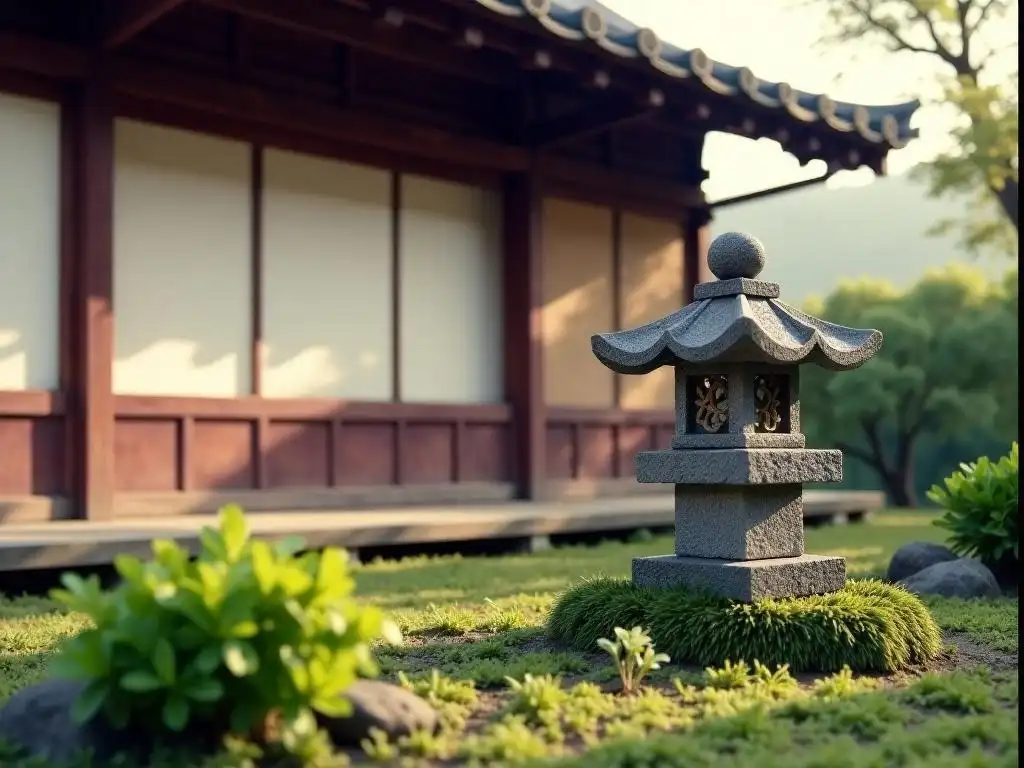
Welcome to Feudal Japan History, where we embark on a captivating journey through the intricate tapestry of Japan's feudal era. Here, you'll uncover the profound influences that shaped the cultural and societal landscape of this fascinating period. In our featured article, “How Zen Aesthetics Influenced the Design of Feudal Japanese Homes,” we delve into the serene beauty and philosophical underpinnings of Zen aesthetics, revealing how they transformed domestic spaces into sanctuaries of tranquility.
Prepare to be intrigued as we explore how these timeless principles continue to resonate in modern design. Dive deeper with us and discover the art of simplicity that defined an era!
- Introduction to Zen Aesthetics in Japanese Homes
- Historical Context of Feudal Japanese Homes
- Key Principles of Zen Aesthetics
- Design Elements Influenced by Zen Aesthetics
- Zen Gardens and Their Impact on Home Design
- Case Studies of Feudal Japanese Homes Reflecting Zen Aesthetics
- The Lasting Legacy of Zen Aesthetics in Modern Japanese Homes
- Conclusion: The Enduring Influence of Zen Aesthetics on Japanese Homes
-
Frequently Asked Questions
- What are Zen aesthetics in Japanese homes?
- How did Zen aesthetics influence feudal Japanese home design?
- What are some key features of feudal Japanese homes influenced by Zen?
- How did Zen Buddhism contribute to the development of these aesthetics?
- Can Zen aesthetics be incorporated into modern homes?
- Final Reflection: Embracing Zen Aesthetics in Our Lives
- Transform Your Space: Embrace Zen Aesthetics Today!
Introduction to Zen Aesthetics in Japanese Homes
The design of feudal Japanese homes was profoundly influenced by the principles of Zen aesthetics, a philosophy that seeks to embody simplicity, tranquility, and harmony with nature. During the feudal era, which spanned from the 12th to the 19th century, the integration of Zen concepts into home design not only shaped the architectural landscape but also reflected the societal values and cultural practices of the time.
This article delves into the intricate relationship between Zen aesthetics and Japanese domestic architecture, exploring how these principles manifested in the design and functionality of homes, as well as their broader implications on the lifestyle and spiritual practices of the feudal period. Through this exploration, we aim to provide a comprehensive understanding of how Zen aesthetics influenced the ambiance and arrangement of living spaces, creating a legacy that continues to resonate in contemporary Japanese culture.
Overview of Zen Aesthetics
Zen aesthetics, rooted in the spiritual teachings of Zen Buddhism, emphasizes the beauty found in simplicity and the natural world. This aesthetic is characterized by several key principles:
- Simplicity: The minimalist approach focuses on the essential, stripping away unnecessary ornamentation.
- Natural Materials: Wood, stone, and paper are commonly used, reflecting a deep connection to nature.
- Asymmetry: Unlike Western design, which often seeks balance through symmetry, Zen aesthetics embraces asymmetry, suggesting a dynamic and organic beauty.
- Transience: Acknowledging the impermanence of life, Zen designs often incorporate elements that change with the seasons, such as gardens and sliding doors.
These principles were not merely decorative; they were intended to create spaces that fostered contemplation and connection with the environment. The result was homes that were both functional and imbued with a sense of peace and serenity, providing a sanctuary for introspection and spiritual growth.
The Role of Zen Buddhism in Feudal Japan
Zen Buddhism, which gained prominence in Japan during the Kamakura period (1185-1333), played a pivotal role in shaping various aspects of Japanese culture, including architecture, art, and daily life. The teachings of Zen monks emphasized meditation and mindfulness, encouraging individuals to seek enlightenment through direct experience rather than through intellectual understanding. This philosophical shift had several significant effects on feudal Japanese homes:
- Meditative Spaces: Homes often included dedicated spaces for meditation, such as tatami rooms, designed to facilitate quiet reflection and a connection to the inner self.
- Garden Design: Zen gardens, characterized by carefully raked gravel and strategically placed rocks, were integrated into residential designs to serve as a visual representation of harmony and tranquility.
- Flexible Spaces: The use of sliding doors (fusuma) allowed for adaptable room layouts, promoting a sense of fluidity and openness that aligned with Zen principles.
In essence, the influence of Zen Buddhism on feudal Japanese homes transcended mere aesthetics; it fostered a lifestyle that prioritized mindfulness, simplicity, and harmony, leaving an indelible mark on the cultural fabric of Japan.
Historical Context of Feudal Japanese Homes
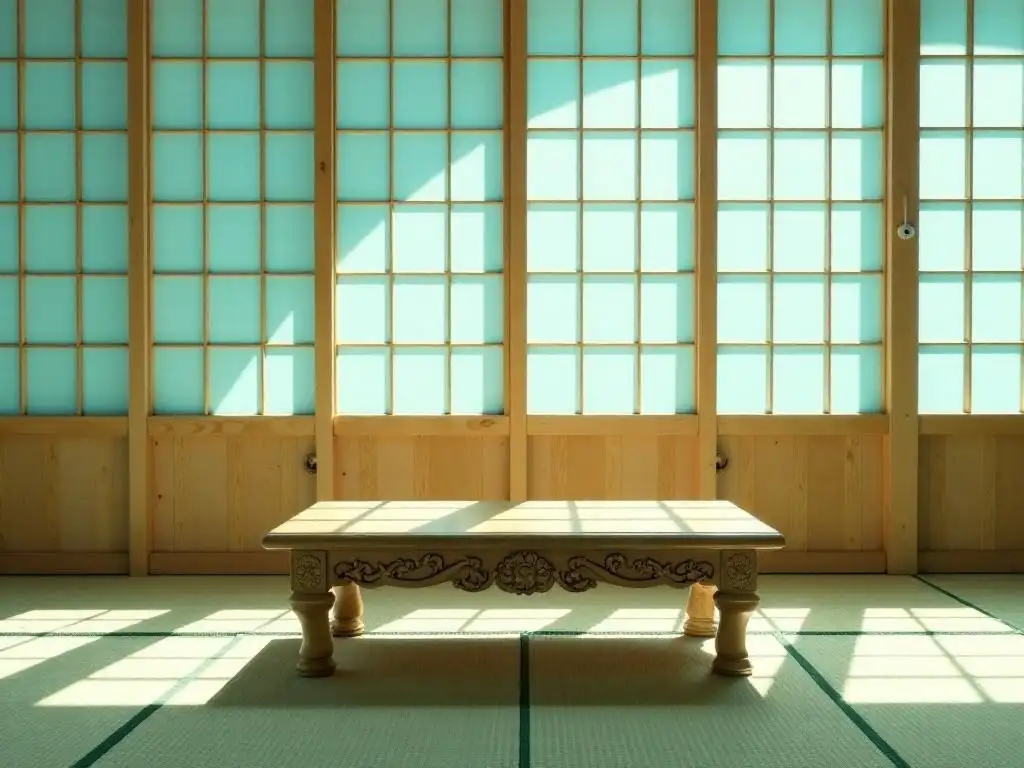
The historical context of feudal Japanese homes is deeply intertwined with the socio-political structure and cultural practices of the time. Feudal Japan, spanning from the late 12th century to the mid-19th century, was characterized by a hierarchical society dominated by the samurai class. This period saw the development of distinct architectural styles and living arrangements that reflected the values and beliefs of the time.
During this era, homes were not merely places of residence; they were reflections of one's social status and cultural ideals. The architecture of feudal Japan evolved from the influence of various dynasties and was marked by the incorporation of natural elements, simplicity, and functionality. The use of wood as a primary material, for instance, was not only practical but also resonated with the Shinto belief in the sacredness of nature.
Architectural Styles in Feudal Japan
The architectural styles of feudal Japan can be categorized into several key forms, each with its unique characteristics:
- Shinden-zukuri:
- Originating in the Heian period, this style was characterized by elegance and sophistication, with buildings raised off the ground and surrounded by gardens.
- Common features included tatami flooring and sliding shoji doors, allowing for flexibility in space usage.
- Sukiya-zukuri:
- This style emerged during the Muromachi period and is closely associated with the tea ceremony and Zen culture.
- It emphasizes simplicity, natural materials, and harmony with the surrounding environment. Elements such as asymmetrical layouts and rustic finishes are hallmarks of this style.
- Mansions of the Samurai:
- These homes often reflected the wealth and power of the samurai class.
- They featured fortified walls, larger living spaces, and elaborate gardens, demonstrating not only status but also a connection to nature.
- Farmhouses (Mura-zukuri):
- Typical of rural areas, these homes were designed for functionality, with thatched roofs and earthen floors.
- They often included communal spaces and were closely integrated with agricultural practices.
In all these styles, the influence of Zen aesthetics can be seen in the emphasis on simplicity, natural beauty, and a connection to nature. This architectural evolution laid the groundwork for the homes in feudal Japan, setting the stage for a deeper exploration of how Zen Buddhism would further shape these designs.
Influence of Zen Buddhism on Japanese Culture
Zen Buddhism, introduced to Japan from China in the late 12th century, profoundly influenced various facets of Japanese culture, including architecture, art, and philosophy. Its core tenets—simplicity, mindfulness, and a deep appreciation for nature—found expression in the design of homes and gardens during the feudal era.
- Emphasis on Simplicity:
- Zen aesthetics favored minimalism, advocating for uncluttered spaces that promote tranquility and contemplation.
- This principle is evident in the design of traditional Japanese homes, where each element is carefully chosen to create harmony and balance.
- Integration with Nature:
- Zen philosophy encourages a connection with the natural world, and this is reflected in the architecture of feudal homes.
- Large windows, sliding doors, and gardens are designed to blur the boundaries between indoor and outdoor spaces, fostering a sense of unity with nature.
- Tea House Design:
- The tea ceremony, a practice rooted in Zen, has significantly influenced home design.
- Tea houses are characterized by their simplicity and the use of natural materials, creating an atmosphere conducive to meditation and mindfulness.
- Symbolism and Spirituality:
- Many architectural elements carry symbolic meanings, such as the use of specific plants or water features in gardens, which represent purity and tranquility.
- The layout of homes often reflects spiritual beliefs, with rooms arranged to promote harmony and flow.
Zen aesthetics in Japanese homes during the feudal era were not just about visual appeal but were deeply interwoven with the cultural and philosophical fabric of the time. This influence continues to resonate in modern Japanese architecture, showcasing the enduring legacy of Zen Buddhism in shaping the design and experience of living spaces.
Key Principles of Zen Aesthetics
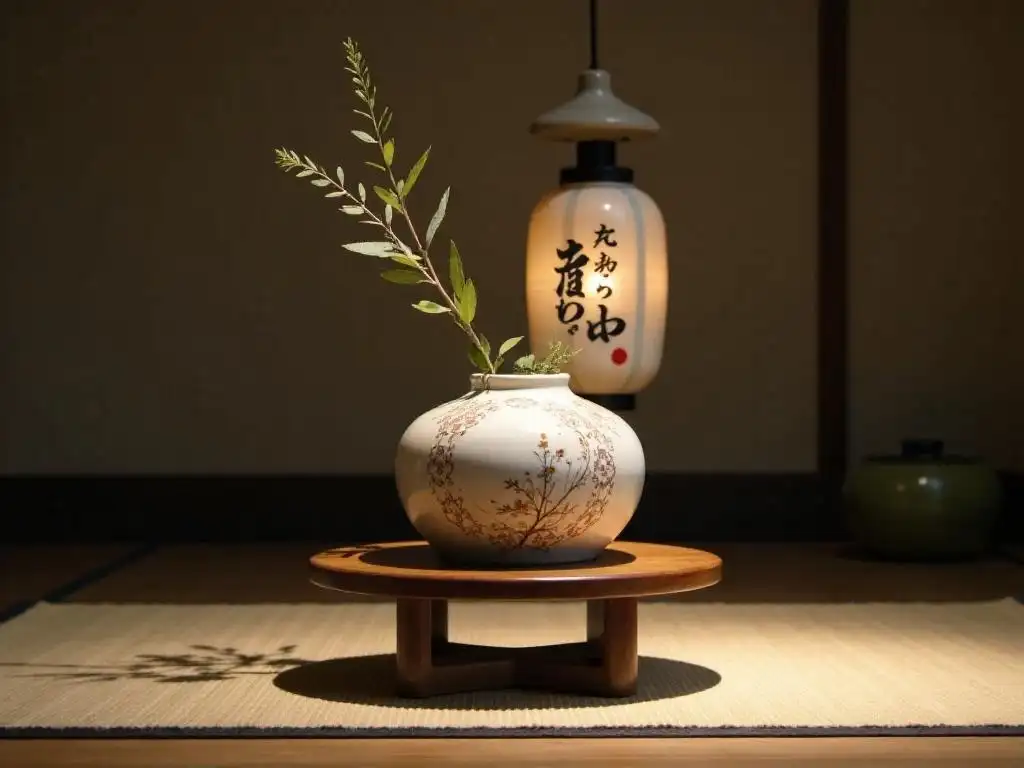
Zen aesthetics in Japanese homes is deeply rooted in the principles that define the broader philosophy of Zen Buddhism. These principles emphasize the beauty found in simplicity, naturalness, and a deep connection with nature. By exploring these key elements, we can better understand how they shaped the architecture and design of feudal Japanese homes.
Simplicity and Minimalism in Design
Simplicity and minimalism are core tenets of Zen aesthetics. In the context of feudal Japanese homes, this translates to a design philosophy that prioritizes essential elements over unnecessary embellishments.
- Open Spaces: Traditional Japanese homes often feature open floor plans that promote a sense of tranquility. This layout allows for fluid movement throughout the space, echoing Zen principles of harmony and balance.
- Natural Materials: The use of natural materials such as wood, rice paper, and clay contributes to a minimalist aesthetic. These materials not only enhance the connection to nature but also bring warmth and authenticity to the living environment.
- Functional Design: Every element in a Zen-influenced home serves a purpose. For instance, tatami mats are not only flooring but also provide a sense of comfort and are conducive to meditation practices.
This focus on simplicity creates an environment that fosters mindfulness and reflection, aligning perfectly with the spiritual goals of Zen Buddhism.
The Concept of Wabi-Sabi in Japanese Homes
Wabi-sabi is a Japanese aesthetic that finds beauty in imperfection and transience. This concept is intricately linked to Zen aesthetics and deeply influences the design of Japanese homes.
- Embracing Imperfections: Wabi-sabi encourages the appreciation of natural flaws, such as the grain in wood or the irregularities in hand-crafted pottery. In feudal homes, this can be seen in the use of aged materials, which tell a story and evoke a sense of history.
- Transience and Change: Reflecting the impermanence of life, wabi-sabi is evident in design choices that celebrate the changing seasons. Shoji screens, for example, can be adjusted to allow different levels of light, creating a dynamic living space that evolves throughout the year.
- Intimate Spaces: Wabi-sabi promotes smaller, intimate spaces that encourage contemplation. This design philosophy resonates in areas like tea rooms, which are intentionally designed to facilitate quiet reflection and connection with others.
By integrating wabi-sabi into the architecture of feudal Japanese homes, inhabitants are reminded of the beauty of life's fleeting moments.
Nature Integration and Its Importance
The integration of nature into the design of Japanese homes is another vital aspect of Zen aesthetics. This connection is not merely decorative; it reflects a philosophical belief in the unity of humans and the natural world.
- Garden Design: Japanese gardens are meticulously crafted to create a harmonious balance between the home and its surroundings. Features such as koi ponds, stone pathways, and carefully placed rocks serve to blur the boundaries between indoor and outdoor spaces.
- Natural Light and Airflow: Homes are designed to maximize natural light and airflow, fostering a sense of openness and vitality. Large windows and sliding doors, often made from shoji screens, allow residents to interact with the environment seamlessly.
- Seasonal Changes: The design of feudal homes often includes spaces that encourage a connection to the changing seasons. For instance, the placement of a home might be strategically chosen to capture the beauty of cherry blossoms in spring or the vibrant colors of maple leaves in autumn.
This deep integration of nature within the design of Japanese homes exemplifies the Zen belief in living harmoniously with the environment, fostering a peaceful and contemplative lifestyle.
Design Elements Influenced by Zen Aesthetics
Use of Natural Materials in Feudal Japanese Homes
The essence of Zen aesthetics in Japanese homes is profoundly rooted in the use of natural materials. This preference stems from the Zen philosophy that emphasizes harmony with nature. Key elements include:
- Wood: Predominantly used for structural frameworks and flooring, wood provides a warm, inviting atmosphere. Varieties like cedar and cypress are favored for their durability and aromatic properties.
- Stone: Often utilized in gardens and pathways, stone represents permanence and stability, grounding the home within its natural surroundings.
- Bamboo: A versatile material, bamboo is employed in various aspects, from flooring to decorative elements, embodying flexibility and resilience.
- Paper: Traditional washi paper is used in shoji screens, allowing light to filter softly into spaces, enhancing the tranquil ambiance.
This choice of materials not only reflects aesthetic values but also contributes to a sustainable living environment that resonates with the Zen principle of simplicity.
Spatial Arrangement and Flow in Zen-Inspired Architecture
Zen aesthetics profoundly influences the spatial arrangement of feudal Japanese homes. The design prioritizes flow and balance, creating an environment conducive to meditation and reflection. Key characteristics include:
- Open Spaces: Homes are designed with open layouts that encourage movement and air circulation, promoting a sense of freedom and tranquility.
- Integration with Nature: Rooms often have direct access to gardens or outdoor spaces, blurring the boundaries between the interior and exterior. This connection fosters a sense of peace and mindfulness.
- Asymmetry and Balance: Zen-inspired homes often feature asymmetrical designs that create visual interest while maintaining harmony. This design approach reflects the natural irregularities found in nature.
- Minimalist Furnishings: The arrangement of furniture is intentional, with minimal pieces that serve functional purposes without overcrowding the space. This simplicity encourages a calm mental state.
This careful consideration of spatial dynamics embodies the Zen ideal of creating a serene environment that promotes contemplation and inner peace.
The Significance of Shoji and Fusuma in Interior Design
Shoji and fusuma are integral components of Zen aesthetics in Japanese homes, serving both functional and aesthetic purposes. Their significance can be broken down as follows:
- Shoji: These sliding doors made of a wooden frame with translucent paper allow natural light to permeate living spaces while maintaining privacy. The soft illumination creates a serene atmosphere, pivotal to Zen practices.
- Fusuma: Unlike shoji, fusuma are opaque sliding doors used to partition rooms. They can be adorned with beautiful ink paintings or calligraphy, adding artistic value while enabling flexible room configuration.
- Symbolism: Both shoji and fusuma symbolize the Zen principles of flexibility and simplicity. Their ability to redefine spaces mirrors the transient nature of life, a core tenet of Zen philosophy.
- Cultural Integration: The use of these elements illustrates the deep cultural integration of Zen aesthetics into daily life, transforming homes into sanctuaries of peace and reflection.
Shoji and fusuma are not merely functional elements but vital components that enhance the aesthetic and philosophical dimensions of feudal Japanese homes, embodying the essence of Zen aesthetics in Japanese homes.
Zen Gardens and Their Impact on Home Design
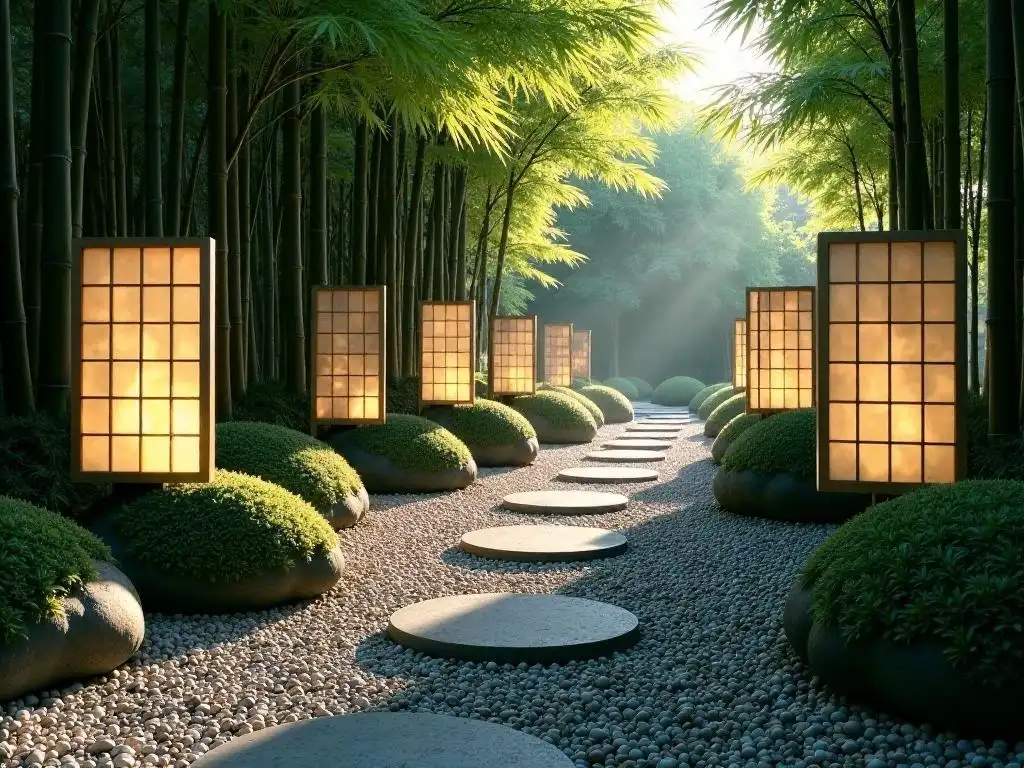
Zen gardens, also known as karesansui, represent a significant aspect of Zen aesthetics in Japanese homes, influencing not only the visual appeal but also the spiritual ambiance of feudal residences. These gardens are meticulously designed landscapes that emphasize simplicity and the beauty of nature, aligning with the principles of Zen Buddhism that prioritize mindfulness and meditation. The integration of zen gardens in feudal home design served as a vital connection between the natural world and everyday living, creating spaces for contemplation and harmony.
The Philosophy Behind Zen Gardens
The philosophy underpinning zen gardens is deeply rooted in Zen Buddhism, which emphasizes simplicity, asymmetry, and the beauty of impermanence. Key principles include:
- Simplicity: Zen gardens strip away unnecessary elements, focusing only on what is essential. This minimalist approach encourages clarity of thought and promotes a sense of peace.
- Asymmetry: Unlike Western landscaping, which often emphasizes symmetry and order, zen gardens embrace asymmetry. This reflects the natural world, where balance is found not through equal division but through the harmonious arrangement of diverse elements.
- Impermanence: Inspired by the Buddhist concept of impermanence, zen gardens typically incorporate elements that change over time, such as moss that grows or rocks that shift due to weather. This aspect encourages a deeper appreciation of the present moment.
The design of a zen garden often includes gravel, sand, rocks, and carefully placed plants, embodying these principles. The act of raking the gravel into patterns mimics the ripples of water, providing a meditative practice that enhances tranquility.
Incorporation of Zen Gardens in Feudal Homes
During the feudal era, the integration of zen gardens into Japanese homes was a deliberate choice that reflected the values of the samurai class and the aesthetics of the time. Key features of these gardens in feudal homes included:
- Placement: Zen gardens were often located in close proximity to the main living areas, allowing residents to engage with the garden easily. This proximity fostered a connection to nature and provided a space for reflection.
- Design Elements: Common elements included rocks symbolizing mountains, sand or gravel representing water, and strategically placed plants that added color and texture without overwhelming the simplicity of the design. The layout encouraged movement and exploration, promoting mindfulness.
- Cultural Significance: In addition to their aesthetic appeal, zen gardens served as a form of expression for the homeowner's status and taste. They were often viewed as a status symbol within the feudal hierarchy, showcasing a family's connection to Zen ideals and their appreciation for nature.
The incorporation of zen gardens in feudal homes not only enhanced the physical environment but also contributed to the spiritual well-being of its inhabitants, making these spaces vital components of domestic life.
Benefits of Zen Gardens for Tranquility and Reflection
Zen gardens offer numerous benefits that extend beyond aesthetic appeal, promoting a sense of tranquility and facilitating reflection. These benefits include:
- Stress Reduction: The serene atmosphere of a zen garden provides a retreat from the chaos of daily life. Engaging with the garden—whether through raking gravel or simply observing its beauty—can significantly lower stress levels.
- Mindfulness Practice: Zen gardens encourage mindfulness, as the act of maintaining or simply being present in the garden fosters a deep sense of awareness. This practice aligns perfectly with the principles of Zen Buddhism, promoting inner peace and clarity.
- Connection to Nature: The careful design of a zen garden allows individuals to connect with nature, even in urban settings. This connection can enhance overall well-being and foster a greater appreciation for the natural world.
The influence of zen aesthetics in Japanese homes, particularly through the incorporation of zen gardens, has left an indelible mark on feudal architecture and culture. These gardens not only beautified living spaces but also served as sanctuaries for reflection, tranquility, and the cultivation of mindfulness.
Case Studies of Feudal Japanese Homes Reflecting Zen Aesthetics
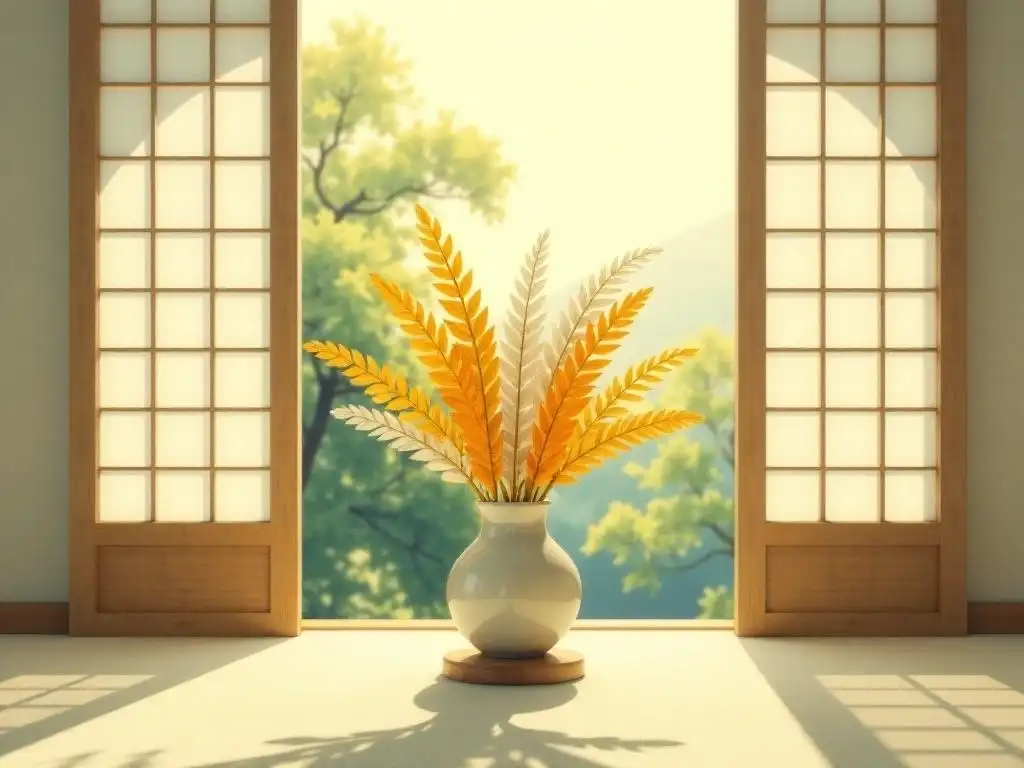
Case Study 1: Daitoku-ji Temple's Zen Influence on Architecture
Daitoku-ji Temple, located in Kyoto, is a quintessential example of how Zen aesthetics permeated the architectural design of feudal Japanese homes. Established in the 14th century, this temple complex embodies the principles of simplicity, tranquility, and natural beauty that are central to Zen philosophy. The layout of Daitoku-ji emphasizes harmony with nature, featuring carefully arranged gardens that invite contemplation and reflection.
Key Elements of Zen Aesthetics at Daitoku-ji:
- Asymmetry: The gardens and structures are designed to avoid symmetrical layouts, creating a more organic and natural feel.
- Natural Materials: Wood, stone, and gravel are predominant, aligning with the Zen focus on the natural world.
- Integration with Nature: The buildings are positioned to offer views of the surrounding gardens, encouraging a seamless transition between indoor and outdoor spaces.
The use of tatami mats, sliding doors (fusuma), and shoji screens within the temple further exemplifies Zen aesthetics. These elements foster a sense of openness and fluidity, allowing spaces to adapt to various functions while maintaining a serene atmosphere.
Case Study 2: Analysis of the Katsura Imperial Villa
The Katsura Imperial Villa, completed in the early 17th century, stands as a monumental representation of Zen aesthetics in Japanese homes. This villa is not only a residence but also a masterpiece of garden design and architecture, harmonizing with its natural surroundings.
Notable Features of Katsura Imperial Villa:
- Simplicity in Design: The villa's architecture is characterized by clean lines and an absence of excessive ornamentation, reflecting the Zen principle of simplicity.
- Connection to Nature: The villa is strategically positioned near the Hirosawa Pond, with views that change throughout the seasons, emphasizing the Zen appreciation for the transient beauty of nature.
- Spatial Harmony: The layout incorporates open spaces that encourage fluid movement and interaction with the gardens, allowing guests to experience the tranquility of the environment.
The villa's tea houses, particularly the Shokintei, are designed for tea ceremonies, integrating Zen principles of mindfulness and presence. The use of natural materials and the careful attention to detail in every aspect of the villa's design illustrate how Zen aesthetics profoundly influenced feudal Japanese architecture.
Case Study 3: Influence of Zen on the Jōdo-ji Tea House
The Jōdo-ji Tea House, located in Takayama, is another significant case study illustrating the impact of Zen aesthetics on feudal Japanese homes. This tea house embodies the essence of Zen through its architectural simplicity and the experience it offers to visitors.
Characteristics of the Jōdo-ji Tea House:
- Minimalist Design: The tea house reflects a minimalist approach, with unadorned wooden structures that emphasize the beauty of the materials themselves.
- Serene Environment: The tea house is surrounded by a carefully curated garden, designed to promote tranquility and mindfulness during tea ceremonies.
- Focus on Nature: Windows and sliding doors open to the garden, blurring the lines between indoor and outdoor spaces, allowing guests to immerse themselves in the natural surroundings.
The layout and design of the Jōdo-ji Tea House encourage a meditative experience, aligning with the Zen practice of mindfulness. Every element, from the choice of materials to the placement of windows, is intentional, fostering an atmosphere conducive to reflection and appreciation of the present moment.
The exploration of these case studies highlights the profound influence of Zen aesthetics on the design of feudal Japanese homes. Through simplicity, a connection to nature, and an emphasis on mindfulness, these architectural masterpieces continue to resonate with the principles of Zen Buddhism, illustrating a deep-seated cultural heritage that persists in contemporary Japanese design.
The Lasting Legacy of Zen Aesthetics in Modern Japanese Homes
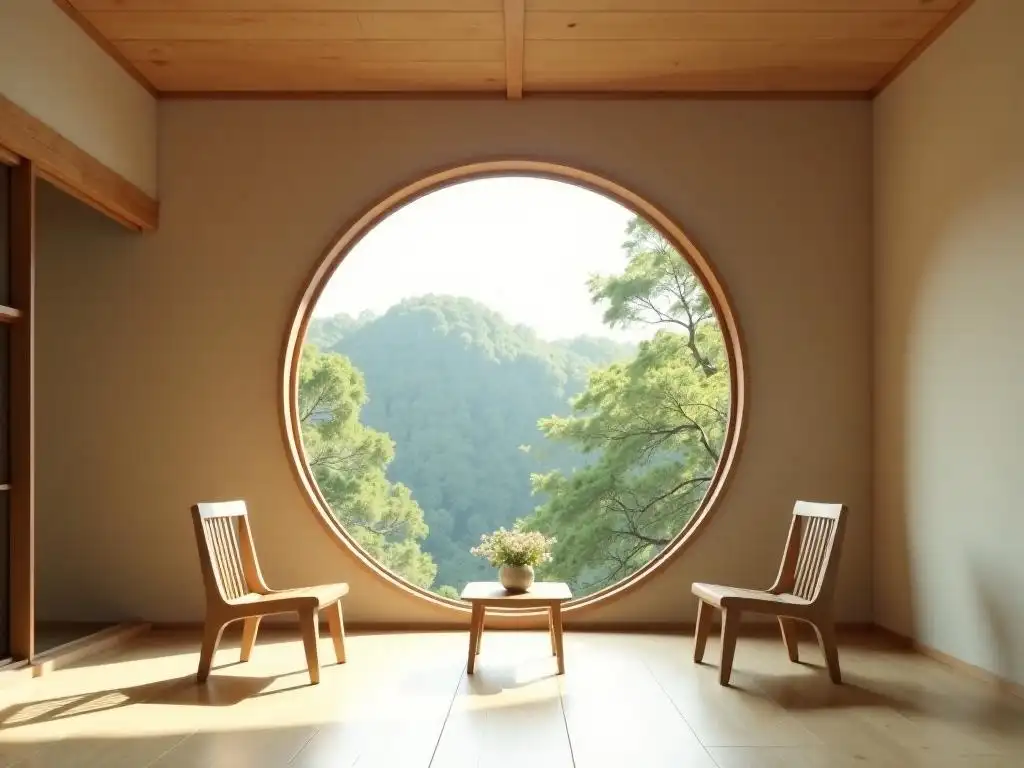
The influence of Zen aesthetics on Japanese homes extends far beyond the feudal era, shaping not only historical designs but also the architecture of contemporary Japan. The principles of simplicity, harmony, and natural beauty rooted in Zen Buddhism have left an indelible mark on modern Japanese residential architecture. Today, Zen aesthetics are celebrated for their ability to create spaces that promote tranquility and mindfulness, which are increasingly sought after in a fast-paced world.
Evolution of Zen Aesthetics into Contemporary Design
The evolution of Zen aesthetics into contemporary design reflects a seamless integration of traditional values with modern needs. In the post-war period, as Japan underwent rapid industrialization and urbanization, architects sought to reconnect with traditional forms while addressing contemporary lifestyles.
- Minimalism: The minimalist philosophy, a core tenet of Zen aesthetics, is evident in modern Japanese homes. Designers prioritize clean lines, uncluttered spaces, and a restrained color palette. This approach fosters a sense of calm and encourages a connection with nature.
- Use of Natural Materials: Modern architecture often incorporates natural materials like wood, stone, and paper, reminiscent of traditional homes. These materials not only provide aesthetic appeal but also promote sustainability and a sense of harmony with the environment.
- Integration of Nature: Contemporary designs frequently emphasize the indoor-outdoor connection, a concept rooted in Zen. Large windows, sliding doors, and open spaces blur the boundaries between the home and the surrounding landscape, allowing natural light and fresh air to flow freely within.
- Functional Spaces: Inspired by the traditional tatami room, modern homes often feature multipurpose spaces that can be adapted for various uses. This flexibility is essential in urban settings where space is limited, aligning with the Zen principle of simplicity.
Preservation of Traditional Elements in Modern Architecture
While contemporary Japanese homes have evolved, many architects and designers consciously preserve traditional elements to honor their cultural heritage. This preservation is crucial for maintaining the unique character of Japanese architecture amid global influences.
- Tatami Matting: The use of tatami mats continues in modern homes, serving as both flooring and a symbol of traditional Japanese aesthetics. The natural fibers and earthy colors contribute to a soothing environment.
- Shoji Screens: Shoji, or sliding screens made of wood and paper, remain popular in modern designs. They provide privacy while allowing soft, diffused light to permeate spaces, embodying the Zen focus on light and shadow.
- Gardens and Courtyards: Many modern homes incorporate traditional Japanese gardens or courtyards. These spaces are designed to be contemplative, reflecting the Zen influence on creating environments conducive to meditation and reflection.
- Feng Shui Principles: The principles of Feng Shui, which share similarities with Zen aesthetics, are often applied in modern Japanese home design. This includes the careful arrangement of furniture and elements to facilitate positive energy flow, further enhancing the home’s tranquil atmosphere.
The enduring legacy of Zen aesthetics in modern Japanese homes illustrates how historical influences can adapt and thrive in contemporary contexts. By embracing these principles, today's architects and homeowners continue to foster spaces that reflect tranquility, simplicity, and a deep connection to nature, ensuring that the essence of Zen remains an integral part of Japanese culture.
Conclusion: The Enduring Influence of Zen Aesthetics on Japanese Homes
The influence of Zen aesthetics on the design of feudal Japanese homes is profound and enduring. Central to Zen philosophy is the principle of simplicity, which manifests in architectural choices that prioritize minimalism and functionality. This aesthetic approach not only reflects a deep appreciation for nature but also embodies the spiritual quest for tranquility and harmony within one's living space.
Zen aesthetics in Japanese homes can be observed through various elements such as open spaces, the use of natural materials, and an integration of the surrounding environment. Features like tatami mats, shoji screens, and engawa (verandas) exemplify how these homes were designed to foster a connection with nature, promoting a sense of peace and serenity.
Moreover, Zen gardens, which often accompany these homes, serve as a meditation space, further enhancing the calming atmosphere that Zen aesthetics aim to achieve. The overall design philosophy prioritizes balance and simplicity, allowing residents to cultivate mindfulness in their daily lives.
Summary of Key Points
- Simplicity and Minimalism: Zen aesthetics emphasize simplicity in design, leading to homes that are functional yet beautiful.
- Natural Integration: The use of natural materials and open spaces fosters a connection with the environment, promoting tranquility.
- Mindfulness and Meditation: Elements such as Zen gardens are incorporated into home design, serving as spaces for reflection and peace.
- Cultural Significance: The design principles rooted in Zen philosophy have significantly impacted the cultural heritage of Japan, influencing not only architecture but also art and lifestyle.
The Importance of Understanding Zen's Role in Cultural History
Understanding the role of Zen aesthetics in Japanese homes is crucial for several reasons. Firstly, it provides insights into how cultural and spiritual beliefs shape architectural practices. The emphasis on harmony with nature and mindfulness reflects broader philosophical concepts that have permeated Japanese society.
Additionally, studying Zen aesthetics helps to appreciate the historical context of feudal Japan, where social structures, such as the samurai class, interacted with spiritual ideologies. This intersection of culture and spirituality offers a richer understanding of how Zen influenced various aspects of daily life, from domestic spaces to communal practices.
Moreover, recognizing the lasting impact of these design principles on contemporary architecture and interior design highlights Zen's relevance today. As modern society grapples with the complexities of urban living, the simplicity and tranquility embodied in Zen aesthetics serve as a valuable counterpoint, encouraging contemporary designers and homeowners alike to seek balance and serenity in their environments.
The exploration of Zen aesthetics in Japanese homes is not merely an examination of architectural style; it is an invitation to understand a profound cultural narrative that resonates through history and continues to influence modern life.
Frequently Asked Questions
What are Zen aesthetics in Japanese homes?
Zen aesthetics refer to the principles and philosophies that emphasize simplicity, natural materials, and harmony with nature in interior design. This aesthetic is characterized by clean lines, muted colors, and a minimalist approach.
How did Zen aesthetics influence feudal Japanese home design?
Feudal Japanese homes were designed to reflect Zen principles, promoting tranquility and a connection to nature. Elements like tatami mats, sliding doors, and gardens were incorporated to create peaceful, meditative spaces.
What are some key features of feudal Japanese homes influenced by Zen?
Key features include shoji screens, tatami flooring, and a simple, open layout that encourages a flow of space and light. Gardens often serve as extensions of the living area, enhancing the natural aesthetic.
How did Zen Buddhism contribute to the development of these aesthetics?
Zen Buddhism emphasized mindfulness, simplicity, and the appreciation of nature, heavily influencing the design principles of feudal homes. This led to a harmonious living environment that promotes reflection and peace.
Can Zen aesthetics be incorporated into modern homes?
Absolutely! Modern homeowners can adopt Zen aesthetics by using natural materials, maintaining clutter-free spaces, and integrating indoor plants or minimalist decor to create a calming atmosphere reminiscent of feudal Japan.
Final Reflection: Embracing Zen Aesthetics in Our Lives
The profound influence of Zen aesthetics in Japanese homes transcends mere architectural design; it embodies a philosophy that resonates deeply with our modern quest for simplicity and tranquility. In a world increasingly cluttered with distractions, the principles of Zen aesthetics remind us of the beauty found in minimalism and the importance of creating spaces that foster peace and mindfulness. This timeless approach to design not only shapes our physical environments but also invites us to cultivate a deeper connection with ourselves and our surroundings.
The impact of Zen aesthetics extends beyond the confines of traditional Japanese architecture; it has permeated global design trends and continues to inspire contemporary living spaces. By embracing natural materials, open spaces, and a harmonious relationship with nature, we can create environments that promote well-being and serenity. As the renowned architect Tadao Ando once said, The space in between is more important than the space itself.
This observation highlights the significance of intentional design in fostering a sense of calm and balance in our lives.
As we reflect on the lessons of Zen aesthetics, let us consider how we can incorporate these principles into our daily lives. Take a moment to evaluate your own space—what can you simplify or eliminate to create a more peaceful environment? By embracing the essence of Zen aesthetics, we not only enhance our living spaces but also nurture our inner selves, paving the way for a more mindful and fulfilling existence. Let this be an invitation to cultivate tranquility, both in our homes and in our hearts, as we navigate the complexities of modern life.
Transform Your Space: Embrace Zen Aesthetics Today!
Thank you for exploring the beautiful world of Zen aesthetics in feudal Japanese home design! You’ve gained insight into how simplicity and harmony shaped spaces that foster tranquility. Now, it’s time to bring those principles into your life.
Here are some simple yet impactful ways to incorporate Zen elements into your own space:
- Create a Minimalist Corner: Designate a small area in your home filled with a few carefully selected items that inspire peace and calmness. Consider adding natural elements such as plants or stones to enhance the serene atmosphere.
- Explore Nature: Take a mindful walk in a local garden or park. Notice how the beauty of nature evokes a sense of serenity and strive to replicate that peacefulness in your home environment.
- Share and Connect: Engage with a community focused on Zen design, whether online or in-person. Share your ideas and seek inspiration from others who are dedicated to creating harmonious living spaces.
Which element of Zen aesthetics will you incorporate into your life first, and how do you envision it transforming your space?