🎨 Arts and Crafts in Feudal Japan: Tradition, Technique, and Cultural Heritage
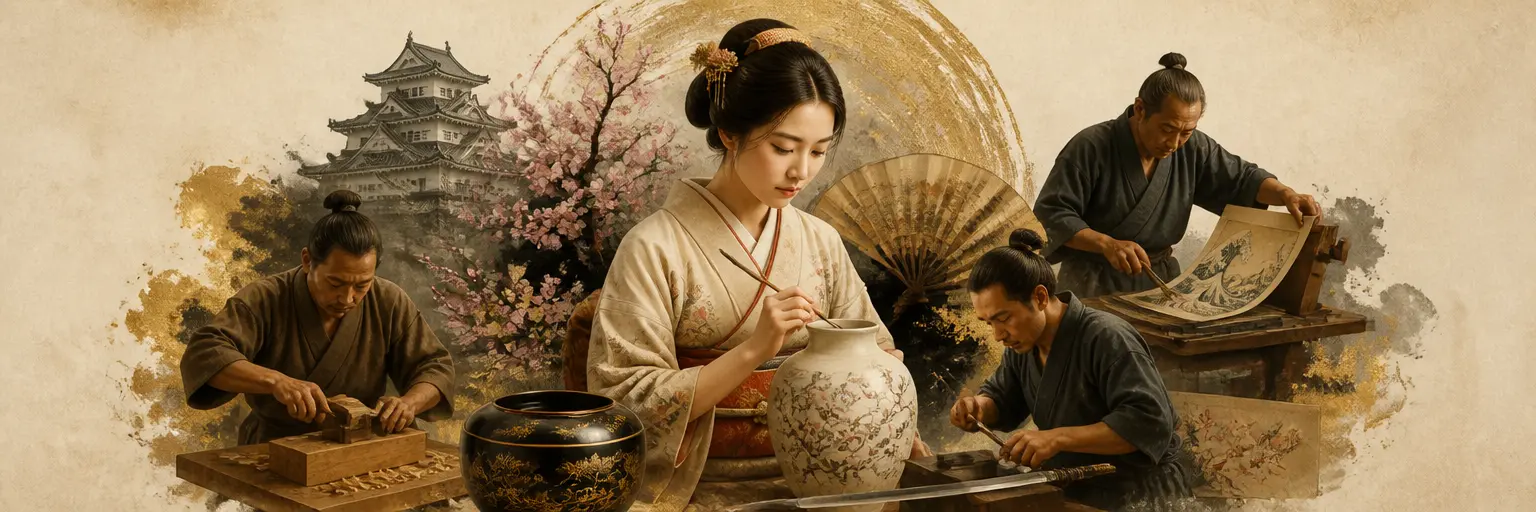
Explore the rich world of Arts and Crafts in feudal Japan, where artistic expression, religious belief, social identity, and everyday life were closely connected. This subcategory examines the development of Japanese craftsmanship from the Kamakura and Muromachi periods through the Sengoku era and into the Edo period, revealing how samurai, monks, merchants, artisans, and regional communities shaped Japan’s cultural history. Discover expert-driven articles about Japanese pottery, samurai armor, swordsmithing, textiles, lacquerware, woodblock printing, calligraphy, tea ceremony objects, Buddhist sculpture, traditional architecture, and decorative arts.
🗡️ Samurai Armor, Swordsmithing, and Metalwork
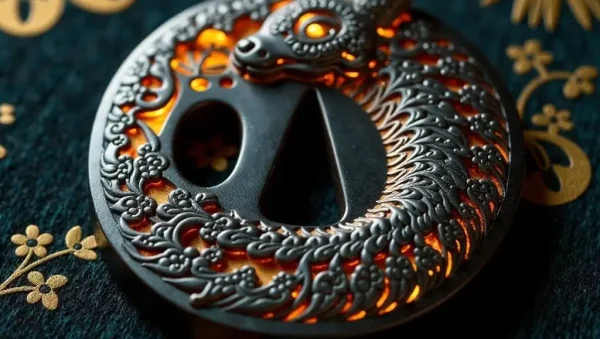
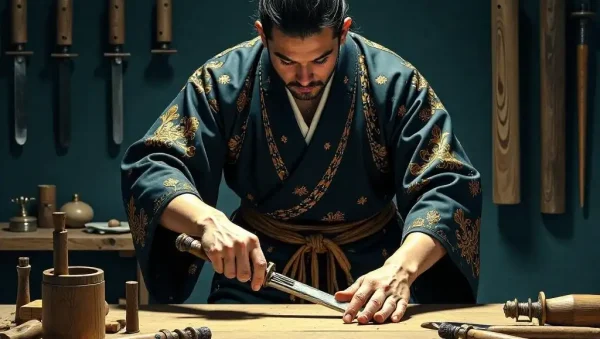
Learn how Japanese swordsmiths and armorers combined technical precision with symbolic design to create objects that represented warrior status, family identity, and spiritual protection. Articles explore katana construction, tamahagane steel, sword fittings, helmets, lamellar armor, crests, and the specialized crafts that supported the samurai class.
Readers can also examine how metalwork evolved during periods of warfare and political change. Detailed explanations connect craftsmanship with military history, including the roles of sword schools, castle towns, guild traditions, and regional production centers in the development of feudal Japanese arms and armor.
🏺 Japanese Pottery, Ceramics, and Tea Culture
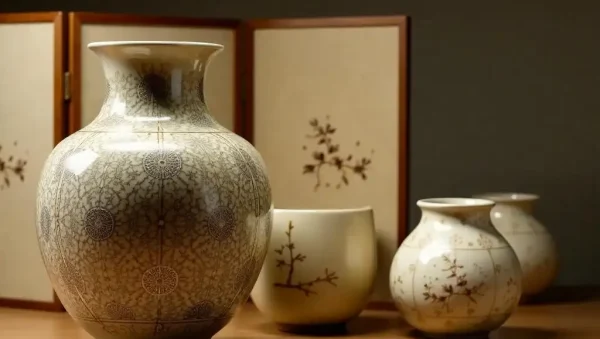
Discover the history of Japanese ceramics, from practical household vessels to treasured objects used in Buddhist ceremonies and the Japanese tea ceremony. This section explores influential traditions such as Raku, Seto, Tokoname, Bizen, Shigaraki, and Karatsu, explaining their distinctive materials, firing methods, forms, and visual characteristics.
Articles reveal why deliberately imperfect surfaces, natural glazes, asymmetrical shapes, and rustic textures became central to the aesthetics of wabi-sabi. Readers will understand how tea masters, daimyo patrons, Zen Buddhism, and artisan communities helped ceramics become one of the defining art forms of medieval and early modern Japan.
🌸 Japanese Textiles, Kimono, and Decorative Design
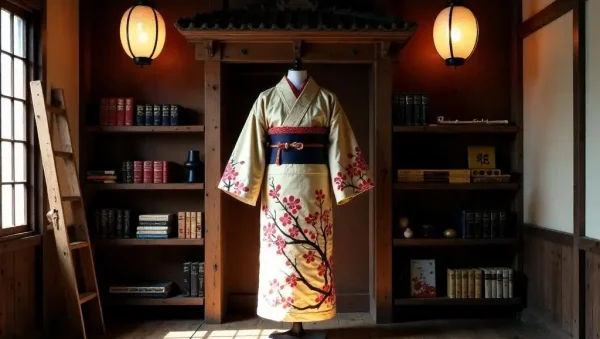
Explore the craftsmanship behind Japanese textiles, including silk weaving, embroidery, dyeing, brocade, resist-dye techniques, and traditional garments. Content covers kimono, kosode, samurai clothing, Buddhist robes, theatrical costumes, and household fabrics while explaining how color, pattern, material, and dress codes reflected social rank.
Readers can expect coverage of regional textile centers, artisan workshops, imported influences, and the changing relationship between fashion and authority. Articles also examine motifs such as cherry blossoms, cranes, dragons, waves, pine trees, and family crests, showing how Japanese textile design communicated seasonality, status, religion, and personal identity.
🖌️ Calligraphy, Painting, and Japanese Visual Arts
Study the major traditions of feudal Japanese painting and calligraphy, including ink wash painting, Buddhist imagery, narrative picture scrolls, screen painting, portraits, and courtly decorative art. This section explains how artists used brushwork, empty space, mineral pigments, gold leaf, and expressive line to create distinctive forms of Japanese visual culture.
Articles place artworks within their historical context, discussing Zen monasteries, aristocratic households, samurai patrons, castle interiors, and artistic schools. Readers will learn how Chinese artistic influence was adapted into Japanese styles and how painting served religious, political, educational, and ceremonial purposes.
🪵 Woodworking, Architecture, and Traditional Craftsmanship
Discover the engineering and artistry of Japanese woodworking, from temples and shrines to castles, tea houses, residences, furniture, masks, and everyday tools. Content explores joinery techniques, locally sourced timber, modular design, roof construction, carved ornament, and the role of master carpenters in preserving traditional Japanese architecture.
Readers will also see how buildings and crafted objects reflected Buddhist principles, Shinto beliefs, military power, regional identity, and environmental adaptation. By connecting architecture with craft history, this section offers a deeper understanding of how feudal Japanese communities created durable spaces for worship, governance, defense, and domestic life.
🏮 Lacquerware, Woodblock Printing, and Applied Arts
Learn about Japanese lacquerware, including the painstaking use of urushi lacquer, carved decoration, gold and silver powder, inlay, and polished surfaces. Articles examine boxes, writing desks, bowls, religious objects, and ceremonial furnishings, emphasizing the skill, patience, and layered processes required to produce high-quality lacquer art.
This section also introduces the history of illustrated books, printed images, and early woodblock techniques. Readers can explore how printing supported religious education, literature, artistic reproduction, and popular culture, helping Japanese arts and crafts reach audiences beyond elite courts, temples, and warrior households.
⛩️ Religious Art, Buddhist Sculpture, and Shrine Craft
Examine the relationship between craftsmanship and belief through Buddhist statues, temple ornaments, mandalas, shrine architecture, votive objects, ritual textiles, and sacred paintings. These articles explain how sculptors and artisans represented Buddhas, bodhisattvas, kami, protective deities, and ancestral figures within the religious landscape of feudal Japan.
Readers will gain insight into the materials and techniques used in religious art, including wood carving, lacquer, metal casting, pigments, and gilding. Historical context shows how temples, Shinto shrines, pilgrimage routes, and religious institutions supported artisan networks and helped preserve Japan’s spiritual and artistic heritage.
❓ Frequently Asked Questions About Arts and Crafts in Feudal Japan
What were the most important arts and crafts in feudal Japan?
Major traditions included swordsmithing, samurai armor, pottery, lacquerware, textile production, calligraphy, painting, woodworking, Buddhist sculpture, shrine architecture, and tea ceremony utensils. These crafts served practical, religious, ceremonial, and social purposes.
How did the samurai influence Japanese arts and crafts?
The samurai supported artisans through patronage, commissions, and regional domains. Their influence encouraged the production of armor, swords, castle decoration, formal clothing, tea utensils, calligraphy, paintings, and objects that communicated military authority and family status.
What is wabi-sabi in Japanese craft history?
Wabi-sabi is an aesthetic associated with simplicity, imperfection, natural materials, age, and impermanence. It became especially influential in tea culture, where rustic ceramics and understated objects were valued for their authenticity and quiet beauty.
Why was the tea ceremony important to Japanese craftsmanship?
The tea ceremony created demand for carefully designed bowls, water containers, kettles, bamboo utensils, flower vessels, scrolls, and tea rooms. It also encouraged appreciation for craftsmanship, seasonal themes, modest materials, and intentional simplicity.
Where can I learn more about Japanese arts and crafts in cultural history?
Feudal Japan History provides in-depth articles connecting Japanese art, traditional craftsmanship, religion, warfare, social classes, and daily life. Explore related topics on samurai culture, Zen Buddhism, castles, tea ceremony, Japanese clothing, medieval society, and the historical development of regional artisan traditions.