🎎 Festivals and Traditions in Feudal Japan
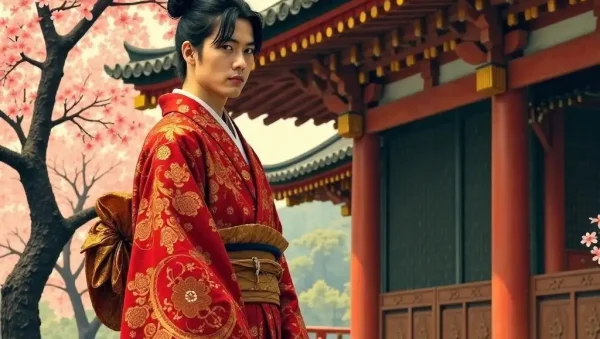
Explore the vibrant world of festivals and traditions in feudal Japan, where religious ceremonies, seasonal celebrations, samurai customs, village rituals, and courtly practices shaped everyday life. This subcategory of Cultural History examines how people across medieval and early modern Japan expressed identity, spirituality, social status, and community through festivals, ceremonies, food, clothing, music, dance, and traditional arts. Discover how Shinto beliefs, Buddhist practices, agricultural cycles, regional customs, and feudal institutions influenced Japanese culture during the Kamakura, Muromachi, Sengoku, and Edo periods.
⛩️ Religious Festivals and Sacred Traditions
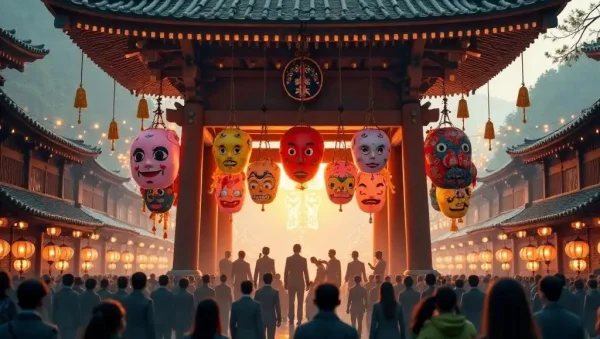
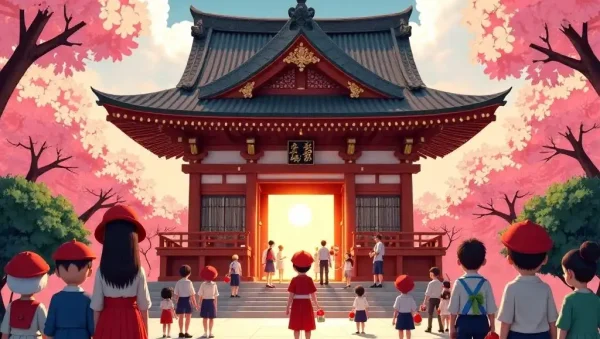
Learn how Shinto matsuri, Buddhist observances, shrine processions, temple ceremonies, and seasonal rituals connected communities with kami, ancestors, and the natural world. Articles in this section explain the origins, symbolism, and historical development of religious festivals in feudal Japan.
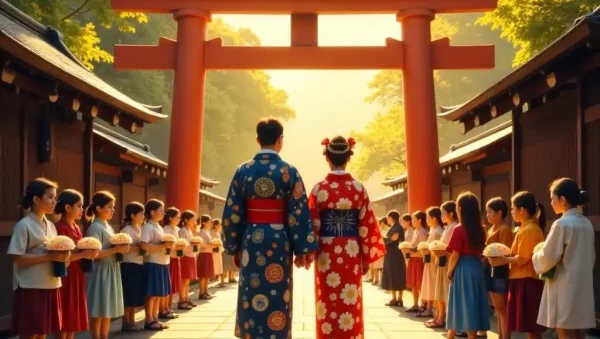
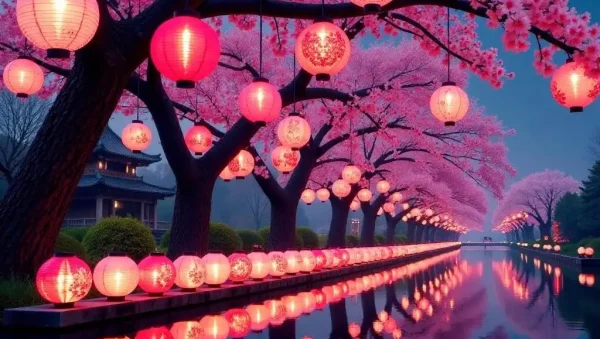
Readers can expect detailed insights into purification rituals, offerings, sacred dances, pilgrimage traditions, lantern ceremonies, temple fairs, and shrine festivals. Discover how these practices reflected Japanese spirituality while also reinforcing local authority, social cooperation, and regional identity.
🌸 Seasonal Celebrations and Agricultural Customs
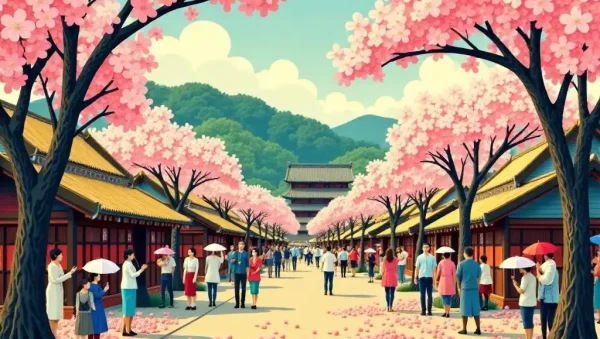
Feudal Japanese society depended heavily on farming, making the changing seasons central to the cultural calendar. Explore celebrations connected with rice cultivation, planting and harvest periods, New Year customs, spring festivals, summer purification, autumn thanksgiving, and winter observances.
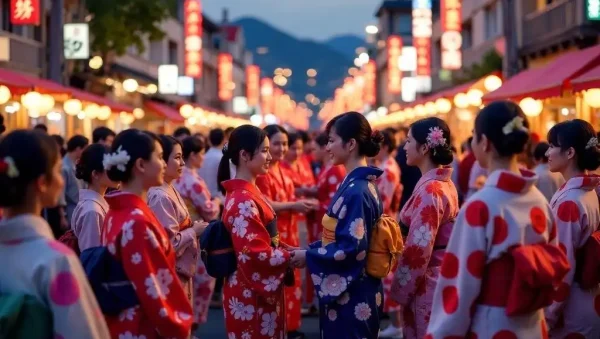
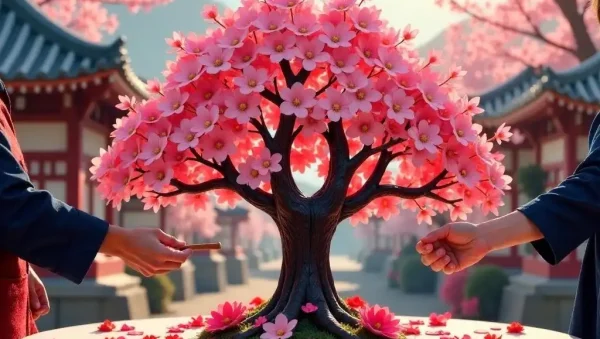
These articles reveal how seasonal festivals in Japan combined practical agricultural concerns with religious belief and communal entertainment. Learn about traditional foods, decorations, songs, dances, games, and ceremonies that helped communities mark time and seek prosperity, health, and protection.
⚔️ Samurai Customs and Warrior Traditions
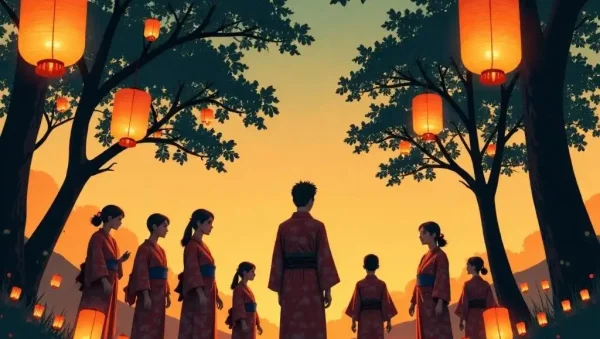
Discover the traditions that shaped the lives of samurai, military households, castle communities, and feudal lords. This section explores warrior ceremonies, formal greetings, gift-giving, loyalty rituals, martial celebrations, ancestral remembrance, and the cultural ideals associated with bushido and samurai identity.
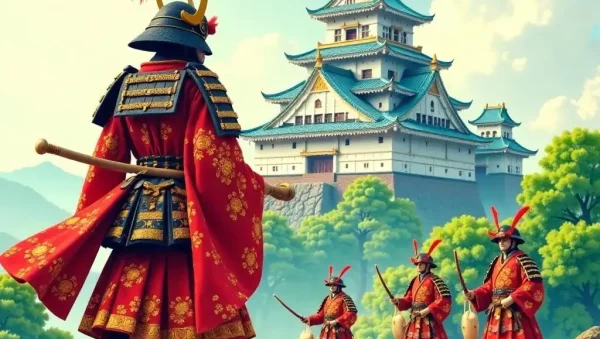
Readers will gain a deeper understanding of how festivals and customs supported military hierarchy and political authority. Topics may include castle ceremonies, coming-of-age practices, victory celebrations, memorial rites, banners, armor displays, and the relationship between warrior culture, Zen Buddhism, and Confucian values.
👘 Clothing, Food, Music, and Traditional Arts
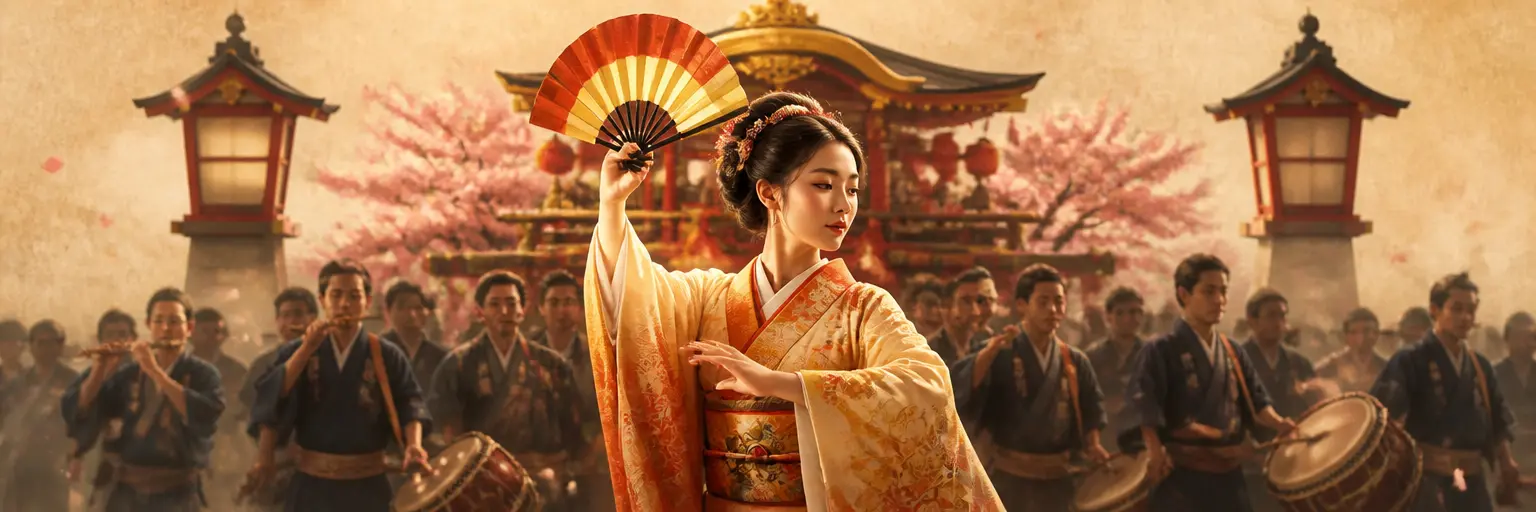
Feudal Japanese festivals were multisensory events filled with distinctive clothing, ceremonial foods, instruments, theatrical performances, and decorative arts. Explore the role of kimono, festival costumes, masks, taiko drums, flutes, tea culture, calligraphy, flower arrangement, and traditional cuisine in historical celebrations.
Articles explain how Japanese traditional arts and customs communicated age, gender, occupation, rank, and regional belonging. Learn how festivals brought together performers, artisans, merchants, religious specialists, samurai, farmers, and townspeople in shared cultural experiences.
🏯 Regional Festivals and Community Identity
Japan’s feudal domains developed diverse local traditions shaped by geography, climate, economic life, religious institutions, and political history. This section examines regional matsuri, village ceremonies, coastal customs, mountain traditions, and urban festivals from across the Japanese archipelago.
Discover how local festivals preserved historical memory and strengthened community bonds. Readers can explore the influence of daimyo rule, domain administration, shrine networks, temple communities, merchant organizations, and village governance on the development of regional Japanese culture.
📜 Festivals, Social Class, and Daily Life
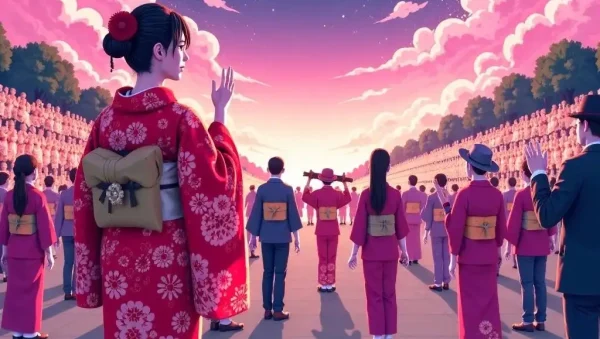
Festivals offered opportunities for interaction across the social structure of feudal Japan, while also reflecting strict distinctions between samurai, farmers, artisans, merchants, religious figures, and court nobles. Learn how participation, clothing, procession order, seating, and ceremonial roles could reveal social rank.
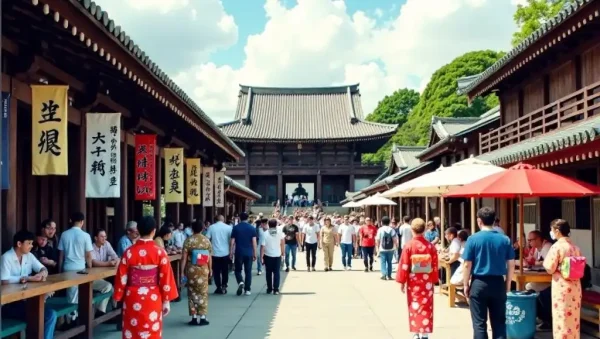
This section places Japanese festivals in their historical context, showing how celebrations influenced family life, gender roles, local politics, commerce, and social discipline. Articles also consider how ordinary people experienced religious holidays, public entertainment, market fairs, and communal rituals.
❓ Frequently Asked Questions About Festivals and Traditions in Feudal Japan
What were festivals called in feudal Japan?
Many Japanese festivals were called matsuri, a term commonly associated with religious celebrations held at Shinto shrines. Buddhist temples, villages, courts, castles, and local communities also organized ceremonies, fairs, processions, and seasonal events with their own names and customs.
What role did religion play in Japanese festivals?
Religion was central to many festivals in feudal Japan. Shinto rituals honored kami and sought protection, fertility, health, or good harvests, while Buddhist ceremonies focused on ancestors, spiritual merit, memorial observances, and temple life. In practice, Shinto and Buddhist traditions often existed together.
Did samurai participate in festivals and traditional celebrations?
Yes. Samurai took part in religious ceremonies, ancestral rites, seasonal celebrations, military commemorations, coming-of-age rituals, weddings, funerals, and domain events. Feudal lords could also sponsor festivals to demonstrate authority, support religious institutions, and strengthen loyalty among local communities.
What foods were associated with festivals in feudal Japan?
Festival foods varied by region and season but could include rice dishes, mochi, seasonal vegetables, fish, noodles, sweets, tea, sake, and ceremonial offerings. Food often reflected agricultural cycles, religious customs, local ingredients, and the social importance of hospitality during communal celebrations.
Why are feudal Japanese festivals and traditions important today?
Many modern Japanese festivals preserve elements of medieval and early modern culture, including shrine processions, sacred dances, traditional music, costumes, lanterns, food, and seasonal rituals. Studying their historical roots helps explain the continuity of Japanese cultural heritage and the enduring relationship between community, religion, and tradition.