
Crafting the Future: The Artisans Behind Traditional Japanese Festival Crafts

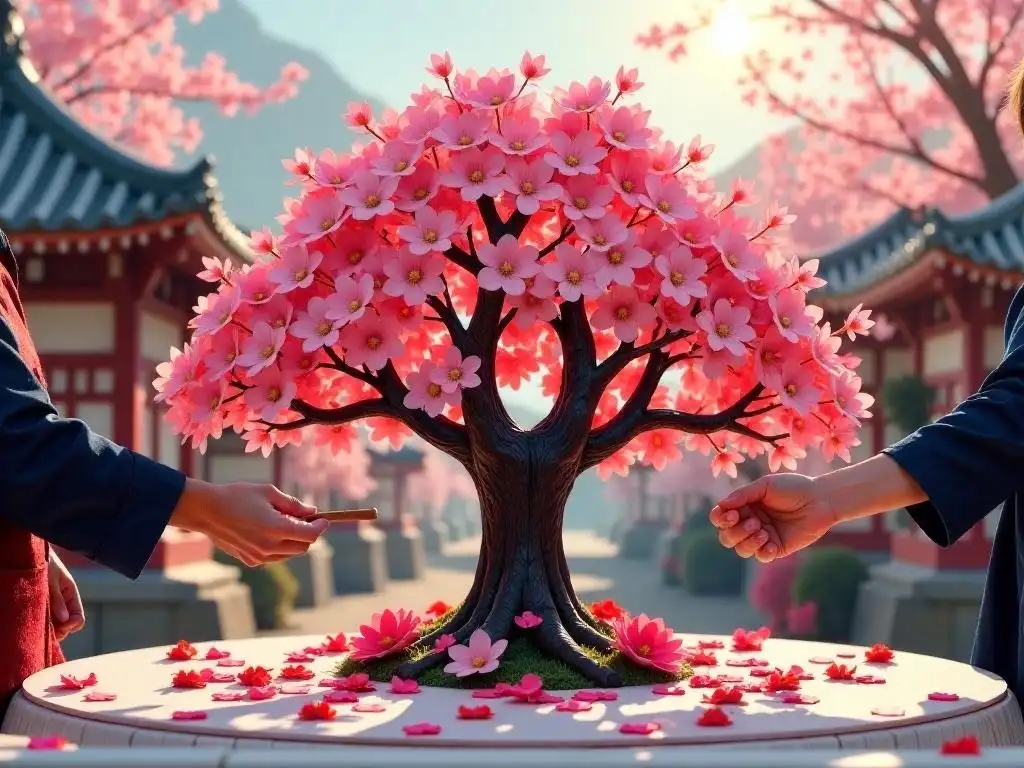
Welcome to Feudal Japan History, where we invite you to embark on a captivating journey through the rich tapestry of Japan’s feudal era. In our featured article, “Crafting the Future: The Artisans Behind Traditional Japanese Festival Crafts,” we delve into the intricate world of traditional Japanese festival artisans, exploring their timeless skills and the vibrant cultural significance of their crafts.
Discover how these talented individuals not only preserve age-old traditions but also shape the future of Japan's cultural heritage. Join us as we unlock the stories behind the artistry, inviting you to explore deeper into this fascinating period of history.
The vibrant tapestry of Japan's cultural history is intricately woven with the threads of its festivals, where traditional practices and artisanal craftsmanship come together to create a rich and immersive experience. At the heart of these celebrations are the traditional Japanese festival artisans, whose skills and creativity breathe life into the rituals and visual spectacles of each event.
From the delicate art of paper lantern making to the intricate designs of festival floats, these artisans play a crucial role in preserving and evolving Japan's cultural heritage. This article delves into the significance of these craftsmen and craftswomen, exploring their techniques, the materials they use, and the impact of their work on both local communities and the broader cultural landscape.
Through expert-driven insights, we will uncover the historical roots of these crafts, the challenges faced by artisans in the modern era, and the ways in which they are adapting their skills for future generations. As we embark on this exploration, it becomes evident that the artisans not only create tangible artifacts but also foster a sense of identity and continuity within the communities they serve. Join us as we celebrate the artistry, dedication, and resilience of traditional Japanese festival artisans, whose contributions are vital to the ongoing narrative of Japan's festivals and traditions.
- Introduction to Traditional Japanese Festival Artisans
- Historical Context of Festival Crafts in Japan
- The Role of Artisans in Traditional Japanese Festivals
- Techniques and Tools Used by Traditional Japanese Festival Artisans
- The Cultural Significance of Festival Crafts
- Challenges Facing Traditional Japanese Festival Artisans
- Revitalization Efforts for Traditional Festival Crafts
- Conclusion: The Future of Traditional Japanese Festival Artisans
- Call to Action: Engaging with Traditional Japanese Festival Artisans
- Frequently Asked Questions
- Final Reflection: Honoring Tradition Through Craftsmanship
- Embrace the Craft: Ignite Your Passion for Japanese Festivals!
Introduction to Traditional Japanese Festival Artisans
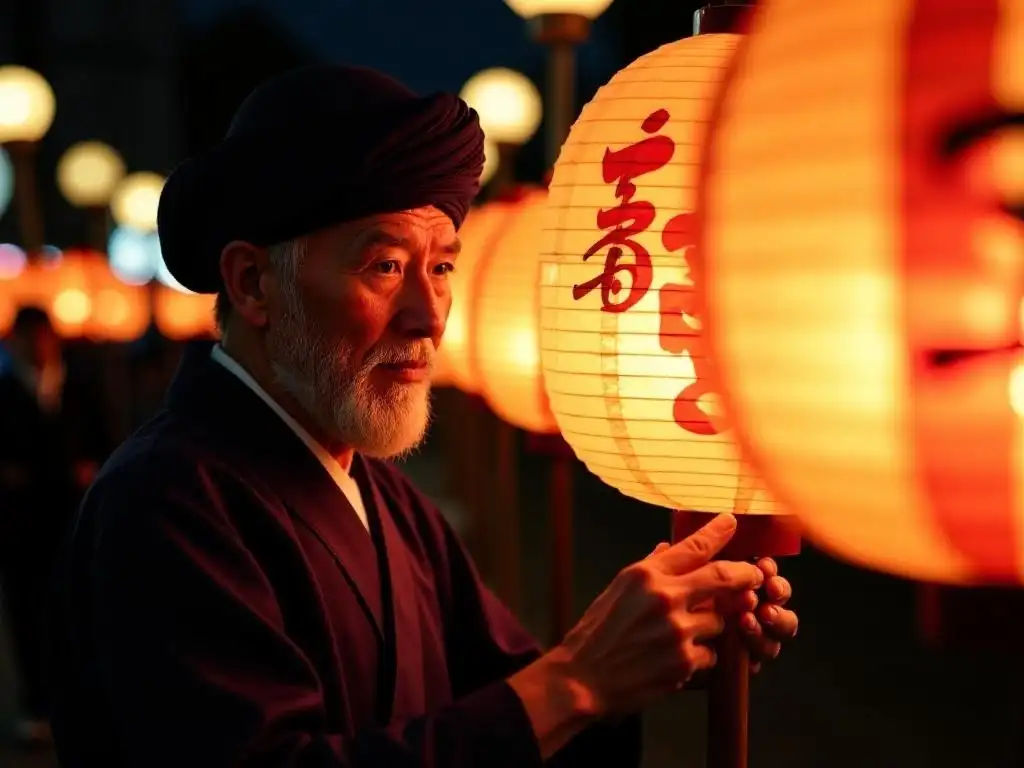
In Japan, festivals are not merely events of celebration; they are vibrant tapestries woven from the threads of history, culture, and craftsmanship. Central to these festivals are the traditional Japanese festival artisans, whose skills and dedication breathe life into time-honored traditions. These artisans play a critical role in preserving the cultural heritage of Japan, ensuring that each festival not only reflects the joys of the present but also honors the legacy of the past.
The term "traditional Japanese festival artisans" encompasses a diverse group of skilled craftsmen, including but not limited to, textile weavers, potters, woodworkers, and paper makers. Each artisan specializes in a unique craft that contributes to the overall aesthetic and experiential richness of festivals. From the elaborate floats of the Gion Matsuri in Kyoto to the intricate decorations of the Nebuta Matsuri in Aomori, these artisans are integral to the authenticity and vibrancy of the celebrations.
Overview of Traditional Crafts in Japanese Festivals
Traditional crafts in Japanese festivals are deeply rooted in regional identities and historical practices. Each festival showcases specific artisanal skills that have been honed over centuries, often passed down through generations. Here are some key crafts associated with Japanese festivals:
- Textile Weaving:
- Kimonos: Worn during festivals, these garments are often embellished with intricate designs that represent nature, mythology, or regional symbols. The craftsmanship involved in kimono making includes dyeing (such as the art of yuzen), weaving, and embroidery.
- Paper Crafting:
- Washi: Traditional Japanese paper is used in festival decorations and ceremonial items. Artisans skilled in washi production utilize techniques that date back to the 7th century, creating paper that is both beautiful and durable.
- Woodworking:
- Mikoshi and Yatai: These portable shrines and festival floats are meticulously crafted from wood. Artisans carve intricate designs that often depict deities, historical figures, or cultural symbols, embodying the spirit of the festival.
- Ceramics:
- Festival Utensils: Pottery artisans create vessels and dishes used during festivals, often adorned with motifs that reflect local culture or the season. The craftsmanship involves techniques like raku firing and glazing, resulting in unique pieces that are both functional and decorative.
Importance of Artisans in Cultural Preservation
The role of traditional Japanese festival artisans extends far beyond mere craftsmanship; they are custodians of cultural heritage. Their work embodies the values, beliefs, and historical narratives of their communities. This preservation is crucial for several reasons:
-
Cultural Identity:
Traditional crafts reinforce local identities and foster a sense of pride among community members. Festivals provide a platform for artisans to showcase their skills, thereby connecting the past with the present.
-
Intergenerational Knowledge Transfer:
Many artisans engage in apprenticeships, ensuring that traditional techniques and knowledge are passed down to future generations. This not only maintains the craft but also strengthens community bonds through shared learning experiences.
-
Economic Sustainability:
By promoting traditional crafts, festivals can stimulate local economies. Artisans often sell their creations during festivals, providing them with a source of income and encouraging the continuation of their crafts.
-
Reviving Interest in Heritage:
As younger generations become increasingly detached from traditional practices, the visibility of artisans during festivals sparks interest in cultural heritage. This revival plays a crucial role in ensuring that these practices do not fade into obscurity.
Traditional Japanese festival artisans are vital to the preservation and celebration of Japan's rich cultural history. Their craftsmanship not only enhances the visual and experiential aspects of festivals but also contributes to the ongoing narrative of Japanese identity and heritage. By supporting these artisans, communities can ensure that their traditions remain vibrant and relevant for generations to come.
Historical Context of Festival Crafts in Japan
The tradition of festival crafts in Japan has deep roots in the country’s feudal era, which spanned from the late 12th century to the mid-19th century. This period was marked by a rigid social hierarchy and a unique blend of cultural influences, which together shaped the artisanship seen in traditional Japanese festivals today.
During the feudal era, Japan was divided into numerous provinces, each governed by local lords known as daimyō. These lords not only wielded political power but also played a pivotal role in the patronage of the arts. As a result, artisans flourished under the support of these feudal lords, creating intricate works that reflected both local customs and the broader aesthetic values of the time.
Festivals, known as matsuri, emerged as significant community events that not only celebrated religious beliefs but also showcased the skills of local artisans. Crafts such as textiles, pottery, and woodwork became intertwined with these festivals, providing artisans with a platform to demonstrate their craftsmanship. The materials and techniques employed often drew from the natural resources available in their regions, leading to a diverse array of festival crafts across Japan.
Evolution of Traditional Crafts During the Feudal Era
The evolution of traditional crafts during the feudal era can be traced through three significant phases:
- Early Feudal Period (12th - 15th Century):
- Artisans primarily served the needs of the samurai class and temples.
- Crafts were often functional, with an emphasis on utility and durability.
- The introduction of Zen Buddhism influenced aesthetics, leading to minimalist designs.
- Middle Feudal Period (16th - 18th Century):
- Increased trade and cultural exchange during the Sengoku period (Warring States) fostered innovation.
- Artisans began to specialize in crafts, such as kintsugi (the art of repairing pottery with gold) and origami (paper folding), which became integral to festival celebrations.
- The rise of the merchant class led to greater demand for ornamental items, impacting the style and complexity of festival crafts.
- Late Feudal Period (19th Century):
- The Edo period (1603-1868) saw the flourishing of urban centers, which became hubs for artisans.
- Festivals became grander, with elaborate floats ( yamaboko) and vibrant decorations showcasing the pinnacle of artisan skills.
- Crafts evolved to incorporate new materials and techniques, reflecting both local traditions and global influences as Japan opened to the world.
The culmination of this evolution resulted in a rich tapestry of festival crafts that not only highlight the skilled work of traditional Japanese festival artisans but also encapsulate the historical and cultural narratives of the time.
Key Festivals That Showcase Artisan Skills
Numerous festivals across Japan celebrate the remarkable craftsmanship of traditional Japanese festival artisans. Here are some of the most prominent ones:
- Gion Matsuri (Kyoto):
- Celebrated in July, this festival features intricate floats known as yamaboko, crafted by skilled artisans.
- The floats are adorned with elaborate textiles, showcasing weaving and dyeing techniques that have been passed down for generations.
- Aoi Matsuri (Kyoto):
- Held in May, it is known for its historical processions and the use of traditional clothing crafted by artisans.
- The festival highlights the skill of textile artists who create garments that reflect the Heian period's aesthetics.
- Tanabata Matsuri (Star Festival):
- Celebrated throughout Japan, it involves the creation of colorful paper decorations and bamboo displays.
- Artisans engage in tanzaku, where they write wishes on strips of paper, showcasing calligraphy skills alongside craftwork.
- Nebuta Matsuri (Aomori):
- This festival features gigantic illuminated floats depicting warriors and mythical figures, crafted from washi (Japanese paper).
- Artisans combine painting, lantern-making, and sculpture techniques to bring these vibrant floats to life.
These festivals not only serve as a showcase for traditional Japanese festival artisans but also promote a sense of community and cultural heritage, preserving the artistry and craftsmanship of Japan's feudal past for future generations.
The Role of Artisans in Traditional Japanese Festivals
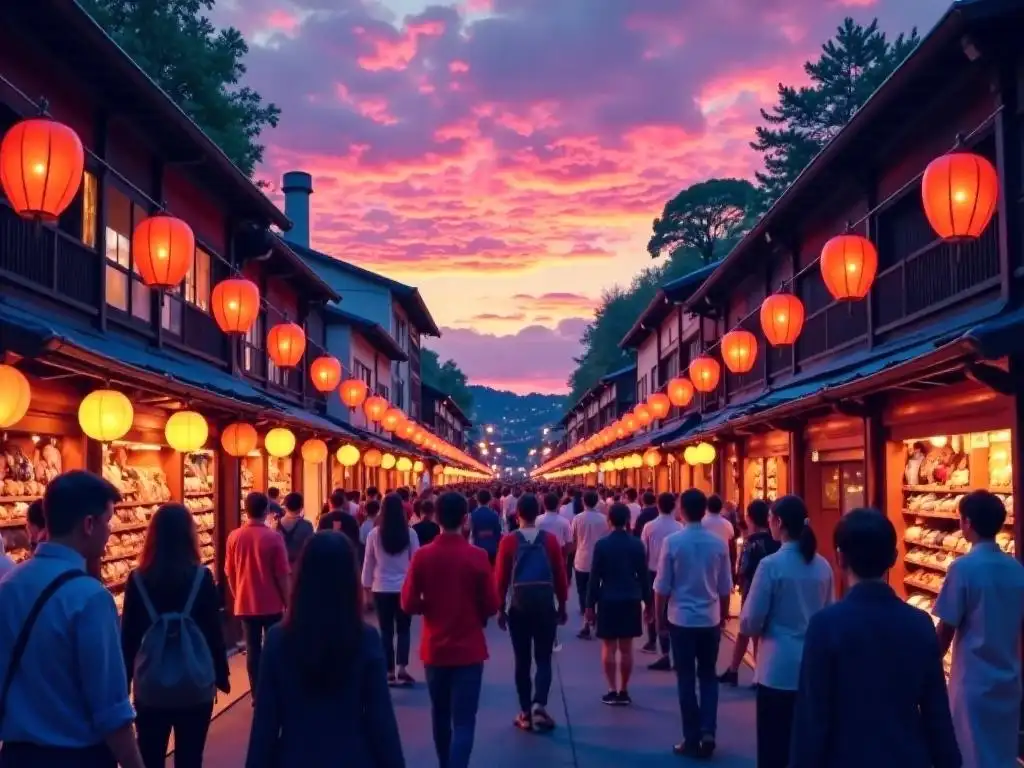
In traditional Japanese festivals, artisans play a crucial role, not only in the creation of festival items but also in the preservation of cultural heritage. These skilled individuals are the backbone of the vibrant celebrations, bringing to life the intricate designs and symbolic meanings embedded in every craft. Their expertise ensures that the festivals remain a rich tapestry of history, artistry, and community spirit.
Artisans, often passing down their skills through generations, embody the essence of Japan's cultural identity. The techniques they employ are often deeply rooted in local traditions and reflect the unique characteristics of the regions where they are based. Each festival, from the grand Gion Matsuri in Kyoto to the lively Nebuta Matsuri in Aomori, showcases the diverse craftsmanship that contributes to the overall atmosphere and spiritual significance of the events.
Types of Artisans: Crafting Specialties and Techniques
The variety of artisans involved in traditional Japanese festivals is vast, with each specializing in unique crafts that contribute to the festivities. Here are some key categories:
- Woodworkers: Responsible for creating elaborate festival floats and structures.
- Textile Artisans: Experts in fabrics, dyes, and patterns used in costumes and decorations.
- Potters and Ceramists: Makers of symbolic pottery and ceremonial items.
This diversity not only enhances the aesthetics of the festivals but also reinforces the cultural narratives that accompany each craft.
Woodworkers and Their Contributions to Festival Floats
Woodworkers are essential to the construction of festival floats, known as yatai, which are often the centerpiece of celebrations. These floats are not merely vehicles for display but are intricately designed works of art that showcase the skill and creativity of the artisans involved.
- Design and Construction: Each float is a representation of local history and mythology, often adorned with elaborate carvings, paintings, and decorations. The craftsmanship involved requires a keen understanding of both traditional carpentry techniques and artistic design principles.
- Symbolism: The floats typically carry symbolic meanings, representing deities or historical figures, which further enhances the spiritual experience of the festival.
The meticulous work of woodworkers ensures that these floats are not only visually stunning but also structurally sound, capable of withstanding the lively processions they partake in.
Textile Artisans: Weaving the Colors of Tradition
Textile artisans are pivotal in creating the vibrant costumes worn during festivals. Their work involves a combination of ancient techniques and modern innovations, resulting in textiles that are both beautiful and functional.
- Dyeing Techniques: Traditional methods such as shibori (tie-dye) and yuzen (silk dyeing) are often employed to produce stunning patterns that reflect the festival's themes. These techniques require a deep understanding of color and material properties.
- Costume Design: Costumes worn by participants, including kimono and happi, are often handcrafted, featuring intricate embroidery and artistic motifs that tell stories of local culture and history.
The expertise of textile artisans not only enhances the visual impact of the festivals but also connects participants and spectators to the cultural narratives represented in the fabrics.
Pottery and Ceramics: The Symbolism Behind Festival Items
Pottery and ceramics play a significant role in traditional Japanese festivals, often used in rituals and as decorative elements. Artisans in this field create items that are both functional and symbolic.
- Ceremonial Pottery: Items such as shrine offerings and tea ceremony wares are crafted with precision, reflecting the spiritual significance of the festivals. The designs often draw from nature and local motifs, emphasizing harmony with the environment.
- Decorative Ceramics: Festival-specific ceramics, such as lanterns and dishware, are designed to enhance the aesthetic experience of festival-goers. These items often incorporate vibrant glazes and intricate patterns that resonate with the festival's themes.
The craftsmanship of pottery artisans not only serves practical purposes but also enriches the cultural experience, highlighting the connection between art, spirituality, and community celebrations.
Through the dedication and skill of traditional Japanese festival artisans, festivals continue to thrive as vibrant expressions of culture and creativity. Their work not only preserves historical practices but also fosters a sense of community and belonging, ensuring that the legacy of these traditions endures for future generations.
Techniques and Tools Used by Traditional Japanese Festival Artisans
Handcrafted Techniques Passed Down Through Generations
Traditional Japanese festival artisans are known for their exceptional craftsmanship, with techniques that have been meticulously honed and passed down through generations. These artisans utilize a variety of handcrafted methods that not only reflect the rich cultural heritage of Japan but also showcase the distinct artistry of each festival.
- Kintsugi (金継ぎ): This ancient technique involves repairing broken pottery with lacquer mixed with powdered gold, silver, or platinum. Rather than attempting to hide the imperfections, kintsugi highlights them, celebrating the object's history and uniqueness. This philosophy is deeply rooted in the Japanese aesthetic of wabi-sabi, which embraces transience and imperfection.
- Washi (和紙) Making: The creation of traditional Japanese paper, or washi, is a time-honored craft that involves hand-pulping fibers from plants such as mulberry or bamboo. Artisans use a refined process that includes soaking, beating, and layering the fibers to create paper that is not only beautiful but also remarkably durable. Washi is essential for many festival crafts, including lanterns and decorations.
- Mizuhiki (水引): This intricate art involves binding decorative knots using thin cords made from rice paper. Mizuhiki knots are often used in gift-wrapping and ceremonial occasions, symbolizing good fortune and longevity. Artisans employ a variety of knotting techniques, each with its own significance, to create stunning pieces that adorn festival offerings and decorations.
- Bonsai and Ikebana: While primarily associated with gardening and floral arrangements, the principles of bonsai (the art of miniature tree cultivation) and ikebana (flower arranging) also influence festival decorations. Artisans skillfully manipulate natural forms to create aesthetically pleasing displays that reflect the seasons and local culture, often using them in floats and altars during festivals.
- Textile Dyeing (Shibori - 絞り): This traditional dyeing technique involves binding, twisting, or folding fabric to create intricate patterns. Each design is unique, and the process can be labor-intensive, requiring great skill and patience. Artisans use natural dyes derived from plants, ensuring that the resulting textiles are both vibrant and environmentally friendly.
These handcrafted techniques not only embody the artisans' deep respect for tradition but also their commitment to sustainability and cultural preservation, ensuring that the legacies of Japanese festivals continue to thrive.
Tools of the Trade: Essential Instruments for Crafting
The mastery of traditional Japanese festival artisans is equally dependent on their tools, which have evolved over centuries to support the intricate processes involved in their crafts. Here are some essential instruments that play a critical role in the creation of festival crafts:
| Tool | Description |
|---|---|
| Nomi (鑿) | A traditional chisel used by woodworkers to carve intricate designs into wooden festival floats and decorations. |
| Bōchō (包丁) | A specialized knife used in various crafts, including washi making, where precision is crucial for cutting fibers. |
| Kōbō (工房) | A workshop space where artisans create their crafts, equipped with various hand tools and materials essential for their art. |
| Tō (刀) | Swords or blades often used in ceremonial aspects of festivals, requiring skilled craftsmanship for both form and function. |
| Chōchō (提灯) | Lanterns crafted using washi and bamboo, often hand-painted with intricate designs, illuminating festivities. |
| Kigurumi (着ぐるみ) | Costumes worn by performers during festivals, intricately sewn and adorned, showcasing the skills of textile artisans. |
The tools used by traditional Japanese festival artisans are not merely instruments; they are extensions of the artisans themselves, each selected for its unique properties and ability to facilitate the creation of art that reflects the spirit of Japan's rich cultural tapestry. The relationship between the artisan and their tools is one of harmony, where mastery of technique and instrument leads to the creation of breathtaking works that define the essence of Japanese festivals.
The Cultural Significance of Festival Crafts
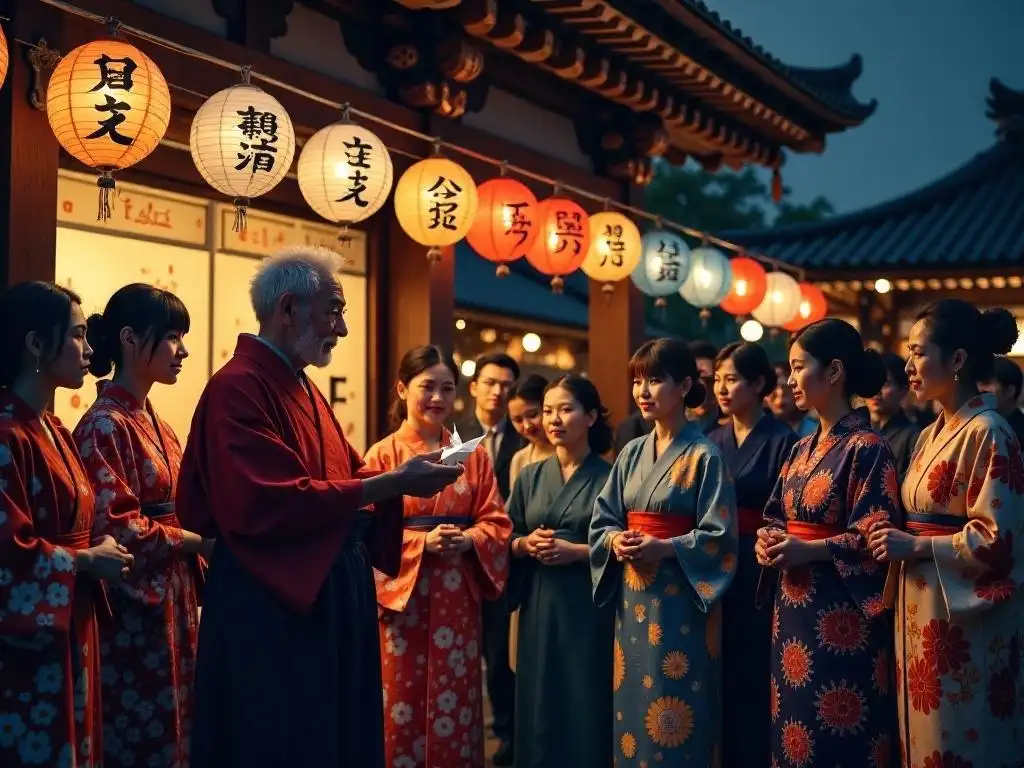
Traditional Japanese festival crafts serve as a vibrant reflection of the cultural heritage and identity of Japan. These crafts, which encompass a wide array of artistic expressions, play a pivotal role in preserving customs and transmitting values across generations. Festivals, often held seasonally or to commemorate historical events, become platforms where artisans showcase their skills, and the community comes together to celebrate their shared history.
The creation of festival crafts is not merely an artistic endeavor; it embodies the principles and philosophies that define Japanese culture. Each craft, whether it be intricate lanterns, colorful floats (yamaboko), or handmade textiles, tells a story that resonates with the beliefs, aesthetics, and traditions of the people. This connection to identity is deeply ingrained, as artisans often dedicate their lives to mastering their craft, ensuring that these skills are passed down through familial lines.
How Crafts Reflect Japanese Identity and Values
Traditional Japanese festival artisans encapsulate the essence of Japanese identity and values through their meticulous craftsmanship. This artistry is characterized by several key elements:
- Attention to Detail: A hallmark of Japanese craftsmanship is the extraordinary attention to detail. Artisans often spend years honing their skills, resulting in works that reflect precision and dedication.
- Harmony with Nature: Many festival crafts are inspired by the natural world, showcasing Japan’s deep-rooted appreciation for nature. For instance, the use of seasonal flowers in decorations or natural dyes in textiles highlights the seasonal changes and the beauty of the environment.
- Symbolism: Each craft item carries symbolism that reflects cultural beliefs. For example, the use of certain colors or motifs can represent good fortune, protection, or the changing seasons, reinforcing the connection between the crafts and the cultural narratives they embody.
- Collective Identity: Festival crafts often represent the collective identity of a region. Specific styles or materials used in crafts can signify local history, making them a source of pride and a means of cultural expression for the community.
Through these characteristics, traditional Japanese festival artisans ensure that their crafts are not only visually stunning but also rich with meaning, reinforcing the cultural fabric of Japan.
The Role of Festivals in Community Bonding and Heritage
Festivals in Japan serve as crucial events for community bonding and the reinforcement of cultural heritage. They are not just occasions for celebration; they are vital expressions of community life that foster connections among individuals and generations. The following points illustrate the role of festivals in community cohesion:
- Shared Experiences: Festivals bring people together, creating shared experiences that strengthen community ties. The collective participation in crafting, decorating, and celebrating fosters a sense of belonging and unity.
- Transmission of Knowledge: During festivals, artisans often engage with the community, sharing their knowledge and skills. This interaction promotes the transmission of traditional crafts to younger generations, ensuring that these skills are preserved.
- Celebration of Local Identity: Each community may have its unique festival, often tied to local history or agricultural cycles. This celebration of local identity fosters pride and a deeper understanding of one’s heritage.
- Innovation and Adaptation: While steeped in tradition, festivals also allow for innovation. Artisans may incorporate contemporary elements into their crafts, reflecting the dynamic nature of cultural expression and keeping traditions relevant for future generations.
Traditional Japanese festival artisans play a crucial role in maintaining the cultural significance of festivals. Their crafts not only reflect the identity and values of the Japanese people but also serve as a means of community bonding and heritage preservation. Through these vibrant expressions of artistry, the legacy of Japan’s rich cultural history continues to thrive.
Challenges Facing Traditional Japanese Festival Artisans
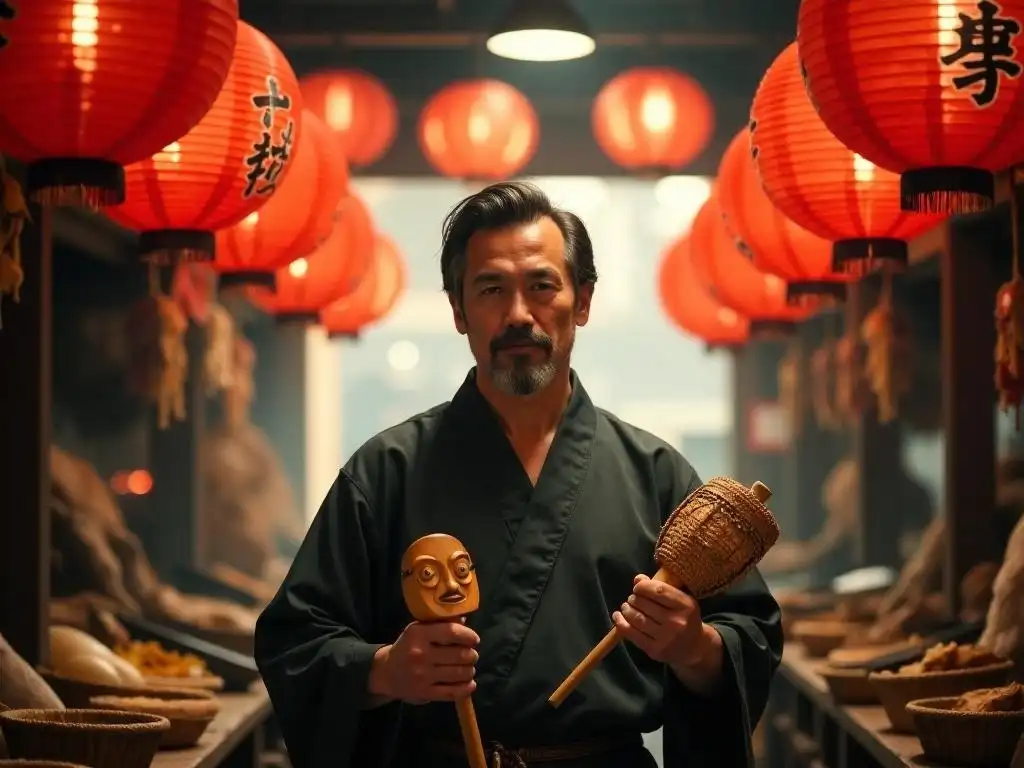
The role of traditional Japanese festival artisans is crucial in preserving the cultural heritage of Japan. However, they face numerous challenges that threaten the continuation of their age-old crafts. This section delves into the complexities of their environment, focusing on the impact of modernization and the struggle to maintain traditional skills in a rapidly changing society.
Modernization and Its Impact on Craftsmanship
Modernization has brought about significant changes in various aspects of Japanese life, including the arts and crafts associated with traditional festivals. Here are some of the key effects:
- Shift in Consumer Preferences: With the rise of mass production and consumerism, many festival-goers now prefer modern, ready-made items over handcrafted goods. This shift poses a challenge for artisans who have dedicated years to mastering their crafts.
- Decline in Demand: As traditional festivals evolve and some lose their significance, the demand for specific crafts may decline. For instance, certain traditional masks or festival floats may no longer be sought after, leading to financial instability for artisans.
- Technological Advancements: While technology can enhance production efficiency, it also risks overshadowing traditional techniques. Artisans are often caught between embracing new methods for survival and adhering to the authentic practices that define their art.
- Cultural Homogenization: The globalization of culture has led to a blending of styles and practices. As foreign influences permeate Japanese festivals, traditional craftsmen may struggle to maintain their unique identities and traditions.
The tension between preserving tradition and adapting to modern demands is a delicate balance for today’s artisans.
Modernization significantly impacts traditional Japanese festival artisans, challenging their survival and the authenticity of their crafts.
The Struggle to Maintain Traditional Skills in Contemporary Society
As society evolves, the preservation of traditional skills among artisans becomes increasingly difficult. Here are some factors contributing to this struggle:
- Aging Artisan Population: Many traditional artisans are aging, and fewer young people are entering these crafts. The average age of artisans has risen, leading to concerns about the future of these skills. Without new blood, many techniques risk becoming extinct.
- Lack of Formal Education: There are few formal educational programs dedicated to traditional crafts. Most skills are passed down through apprenticeships, which can be time-consuming and less appealing to young individuals looking for quicker career paths.
- Economic Viability: The financial returns from traditional crafts often do not match those of more modern professions. This economic reality discourages younger generations from pursuing careers in artisan crafts, as they prioritize financial stability.
- Cultural Disconnect: As urbanization increases, younger generations may feel disconnected from their cultural heritage. This disconnect can lead to a lack of interest in the intricate processes and stories behind traditional crafts, making it challenging for artisans to find apprentices and enthusiasts.
| Challenge | Description |
|---|---|
| Aging Artisan Population | Many artisans are elderly, leading to a decline in traditional skills. |
| Lack of Formal Education | Few institutions teach traditional crafts, relying on apprenticeships. |
| Economic Viability | Low financial returns discourage youth from pursuing artisan careers. |
| Cultural Disconnect | Urbanization leads to a disinterest in traditional cultural practices. |
Traditional Japanese festival artisans face significant obstacles in maintaining their crafts amidst modernization and contemporary societal challenges. Addressing these issues is vital for ensuring that these invaluable cultural traditions endure for future generations.
Revitalization Efforts for Traditional Festival Crafts
The preservation and revitalization of traditional Japanese festival crafts are essential to maintaining the rich cultural heritage associated with these events. Over the years, numerous initiatives and programs have been established to support and sustain the artisans who create these intricate works, ensuring that the skills and techniques passed down through generations are not lost to modernity.
Initiatives and Programs Supporting Artisans
In Japan, various governmental and non-governmental organizations actively promote the preservation of traditional crafts. These initiatives often focus on providing financial support, resources, and platforms for artisans to showcase their work:
- Cultural Grants and Subsidies:
- The Japanese government offers financial assistance through grants aimed at artisans who specialize in traditional crafts. This funding can be crucial for those looking to maintain or expand their craft businesses.
- Local governments frequently provide subsidies to promote regional crafts, ensuring that the unique traditions of specific areas are preserved.
- Craft Exhibitions and Festivals:
- Annual craft exhibitions, such as the Nihon Mingei Kan, highlight the work of traditional artisans and provide them with a venue to sell their crafts. These events not only generate income but also raise awareness about the importance of preserving traditional skills.
- Local festivals often feature demonstrations and workshops led by master artisans, allowing the public to engage directly with the craft and its creators.
- Collaborations with Modern Designers:
- Some initiatives encourage collaboration between traditional artisans and contemporary designers. This fusion creates innovative products that respect traditional techniques while appealing to modern consumers, thus expanding the market for traditional crafts.
- Online Platforms and E-commerce:
- The rise of e-commerce has opened new avenues for traditional artisans. Websites dedicated to Japanese crafts allow artisans to reach a broader audience. This shift not only enhances visibility but also increases sales potential for traditional festival crafts.
The Role of Education in Preserving Craft Techniques
Education plays a pivotal role in ensuring that traditional Japanese festival artisans can pass on their skills to future generations. Various educational programs aim to teach both the techniques and the cultural significance behind these crafts.
- Apprenticeship Programs:
- Many traditional artisans offer apprenticeship programs where aspiring craftsmen can learn directly from masters. This hands-on experience is invaluable for acquiring the intricate skills necessary to produce high-quality festival crafts.
- These apprenticeships often last several years, during which students immerse themselves in the craft's techniques and history.
- Workshops and Community Classes:
- Local communities often organize workshops where artisans teach specific craft techniques to interested participants. These classes serve not only to educate but also to foster appreciation for traditional crafts.
- Schools and universities have begun incorporating traditional crafts into their curricula, providing students with opportunities to learn about and engage with these art forms.
- Cultural Exchange Programs:
- Some initiatives promote cultural exchange between Japan and other countries, allowing artisans to share their skills and knowledge globally. These programs help raise awareness of traditional crafts and encourage international collaboration.
- By participating in cultural exchanges, artisans can gain new perspectives on their craft, further enriching their techniques and approaches.
- Documentation and Research:
- Ongoing research and documentation of traditional crafts play a crucial role in preserving their techniques. Scholars and artisans collaborate to create comprehensive records of processes, materials, and cultural contexts, ensuring that this knowledge is available for future generations.
The revitalization of traditional Japanese festival crafts relies heavily on collaborative efforts between artisans, educational institutions, and cultural organizations. Through targeted initiatives and educational programs, these crafts continue to thrive, ensuring that the rich heritage of Japan's festivals remains vibrant and relevant in the modern age.
Conclusion: The Future of Traditional Japanese Festival Artisans
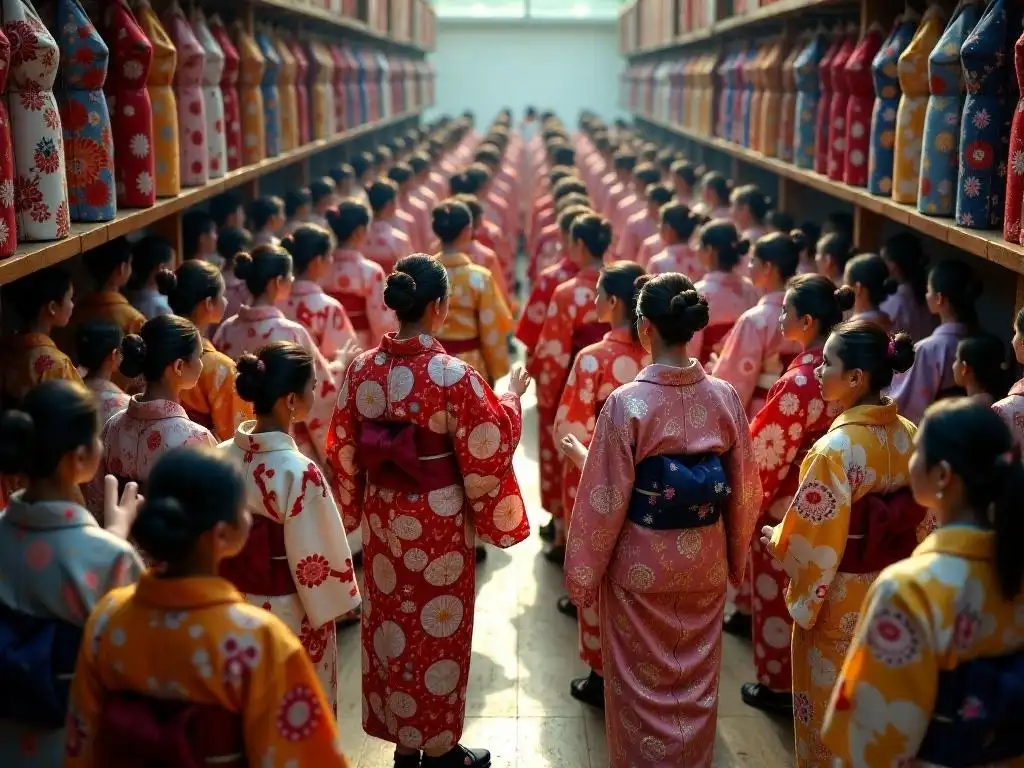
The future of traditional Japanese festival artisans is a tapestry woven with the threads of cultural heritage, community bonding, and innovative expressions. As society evolves, the role of these artisans becomes increasingly vital in preserving not only the crafts themselves but also the rich narratives and traditions they represent. With modern influences and technological advancements, the challenge lies in balancing innovation with tradition, ensuring that these unique crafts continue to thrive in contemporary society.
The Importance of Supporting Artisans for Cultural Heritage
Supporting traditional Japanese festival artisans is essential for several reasons:
- Preservation of Skills: Many of the techniques employed by these artisans are passed down through generations. By providing support, whether through funding, training, or promotion, we help to ensure that these skills do not disappear.
- Cultural Identity: Artisans are the custodians of Japan’s cultural identity. Their crafts tell stories of historical significance, regional pride, and artistic expression. By fostering their work, we contribute to a greater appreciation of Japan’s diverse cultural landscape.
- Economic Sustainability: Supporting artisans also means supporting local economies. Traditional crafts often rely on local materials and labor, creating jobs and sustaining communities. Economic viability encourages artisans to continue their work, reinforcing the cycle of heritage preservation.
- Inspiring Future Generations: When artisans receive recognition and support, it inspires young people to consider craft as a viable career path. This can lead to a resurgence in interest in traditional crafts and a new wave of creativity that respects and revitalizes old techniques.
Encouraging a New Generation of Craftsmen and Women
To ensure that traditional Japanese festival crafts flourish in the years to come, it's crucial to encourage a new generation of craftsmen and women. Here are some strategies to achieve this:
- Educational Programs: Implementing workshops and classes in schools and community centers can introduce young people to traditional crafts. This hands-on experience can spark interest and passion in the craft.
- Mentorship Opportunities: Pairing seasoned artisans with apprentices can facilitate knowledge transfer. This mentorship can help young artisans hone their skills while also gaining insights into the cultural significance of their crafts.
- Digital Engagement: Utilizing social media and online platforms can help artisans showcase their work to a wider audience. Creating engaging content that highlights their processes and stories can inspire others and attract potential customers.
- Collaborative Projects: Encouraging collaboration between traditional artisans and contemporary artists can lead to innovative creations that honor tradition while appealing to modern tastes. This fusion can breathe new life into old crafts.
- Community Support: Building community events that celebrate traditional crafts can create a supportive environment for artisans. Festivals, markets, and exhibitions can provide artisans with platforms to sell their work and connect with patrons who appreciate their craft.
By embracing these strategies, we can cultivate a vibrant future for traditional Japanese festival artisans, ensuring that their invaluable contributions to cultural heritage continue to be recognized and celebrated. The journey ahead involves a shared commitment from communities, educational institutions, and the artisans themselves to keep the spirit of these traditions alive for generations to come.
Call to Action: Engaging with Traditional Japanese Festival Artisans
Engaging with traditional Japanese festival artisans is not only a means of preserving cultural heritage but also an opportunity to experience the vibrant artistry that defines Japan's rich history. These artisans dedicate their lives to mastering crafts that have been passed down through generations, contributing to the unique tapestry of Japan's festivals. By actively participating in the preservation and promotion of these crafts, you can help ensure their continuity for future generations.
How to Support and Experience Traditional Crafts
Supporting traditional Japanese festival artisans can take many forms. Here are some effective ways to engage and contribute:
- Purchasing Handmade Goods: Seek out local artisans who sell their crafts at festivals or through dedicated shops. By buying handmade items, you not only support their livelihood but also acquire unique pieces of cultural art.
- Visiting Craft Studios: Many artisans welcome visitors to their workshops. This allows you to witness the craftsmanship firsthand and purchase items directly from the creator. A hands-on experience often enriches your understanding of the techniques and stories behind each craft.
- Online Platforms: Utilize platforms that promote traditional crafts. Websites and marketplaces dedicated to Japanese artisans can provide access to a wider array of products, from textiles to ceramics, while also supporting the artisans' reach beyond local markets.
- Documenting and Sharing: As you experience these crafts, consider documenting your journey through photography or writing. Sharing your experiences on social media or blogs can raise awareness and appreciation for traditional crafts, encouraging others to explore this rich cultural heritage.
Encouraging Participation in Local Festivals and Workshops
Local festivals are vibrant celebrations filled with cultural significance, and participating in these events is a fantastic way to immerse yourself in traditional practices. Here’s how you can get involved:
- Attend Festivals: Plan to visit local festivals where traditional crafts are showcased. Engage with artisans during these events, participate in demonstrations, and learn about the significance of their crafts.
- Workshops and Classes: Many artisans offer workshops where you can learn about specific crafts, such as calligraphy, pottery, or fabric dyeing. Participating in these classes not only enhances your skills but also deepens your appreciation for the effort and artistry involved.
- Volunteer Opportunities: Many festivals rely on volunteers to help organize events. By volunteering, you can gain behind-the-scenes access and directly support the artisans involved in the festival.
- Advocacy and Awareness: Spread the word about upcoming festivals and workshops in your community. Encourage friends and family to attend and participate, fostering a collective appreciation for traditional Japanese craftsmanship.
By actively supporting and engaging with traditional Japanese festival artisans, you contribute to the preservation of an essential aspect of Japan's cultural heritage and ensure that these timeless crafts continue to thrive.
Frequently Asked Questions
What are traditional Japanese festival artisans?
Traditional Japanese festival artisans are skilled craftsmen who create intricate decorations, costumes, and ceremonial objects used during various festivals in Japan. Their work is essential for preserving cultural heritage.
How do traditional Japanese festival artisans contribute to society?
These artisans play a crucial role in maintaining cultural traditions and fostering a sense of community during festivals. Their crafts not only enhance the celebratory atmosphere but also educate the public about Japan's rich history.
What types of crafts do these artisans specialize in?
Artisans specialize in a range of crafts, including mask-making, lantern crafting, and textile design. Each craft is often tied to specific festivals, showcasing the artistic diversity of Japan's cultural landscape.
Are there any modern influences on traditional festival crafts?
Yes, while many artisans maintain age-old techniques, some have begun to incorporate contemporary designs and materials. This evolution helps keep the crafts relevant and appealing to newer generations.
How can one support traditional Japanese festival artisans?
Support can be provided by attending local festivals, purchasing their crafts, or participating in workshops. This not only helps sustain the artisans' livelihoods but also promotes the appreciation of traditional arts.
Final Reflection: Honoring Tradition Through Craftsmanship
The legacy of traditional Japanese festival artisans is not merely a relic of the past; it is a vibrant thread woven into the fabric of contemporary culture. As we navigate a world increasingly dominated by mass production and digital experiences, the artistry and dedication of these craftsmen remind us of the profound connection between heritage and identity. Their work transcends mere utility, serving as a celebration of culture, community, and the timeless values that bind us together.
The influence of traditional Japanese festival artisans extends far beyond their immediate craft; it shapes our understanding of cultural preservation and the importance of skilled craftsmanship in a rapidly changing society. Their creations are not just objects; they are stories, memories, and expressions of collective identity. As the renowned Japanese artist Yoshitomo Nara once said, "> Art is a way of survival."
This sentiment resonates deeply, as it underscores the necessity of keeping these traditions alive in the face of modern challenges. The artisans' commitment to their craft inspires a renewed appreciation for the beauty of handmade artistry and the stories that each piece carries.
As we reflect on the importance of traditional Japanese festival artisans, I invite you to consider how you can incorporate the lessons of craftsmanship and cultural appreciation into your own life. Take a moment to explore your own heritage, support local artisans, or engage in a craft that connects you to your roots.
By doing so, you not only honor the past but also contribute to a future where tradition and innovation coexist harmoniously. Let us celebrate the artisans who shape our cultural landscape and inspire us to craft a future that respects and cherishes the artistry of our ancestors.
Embrace the Craft: Ignite Your Passion for Japanese Festivals!
Thank you for diving into the vibrant world of traditional Japanese festival crafts! We hope you’ve uncovered the rich history and exceptional skills of the artisans who bring these celebrations to life. Now, let’s channel that inspiration into action!
Here’s how you can deepen your connection to this fascinating culture:
- Explore your creativity: Try your hand at crafting an object commonly found at local festivals or create something inspired by Japanese designs. Gather your materials and let your imagination flow!
- Share the magic: Spread the word about the beauty of Japanese festival crafts! Share this article with friends and family, or showcase your creations on social media along with a brief description of their significance.
- Join a community: Connect with other craft enthusiasts or cultural groups that celebrate traditional Japanese arts. Participate in workshops or attend festivals to gain firsthand experience!
What aspect of Japanese festival crafts would you like to explore or create next? Share your thoughts in the comments below and inspire others!