
The Role of Print Media in Edo Culture and Society

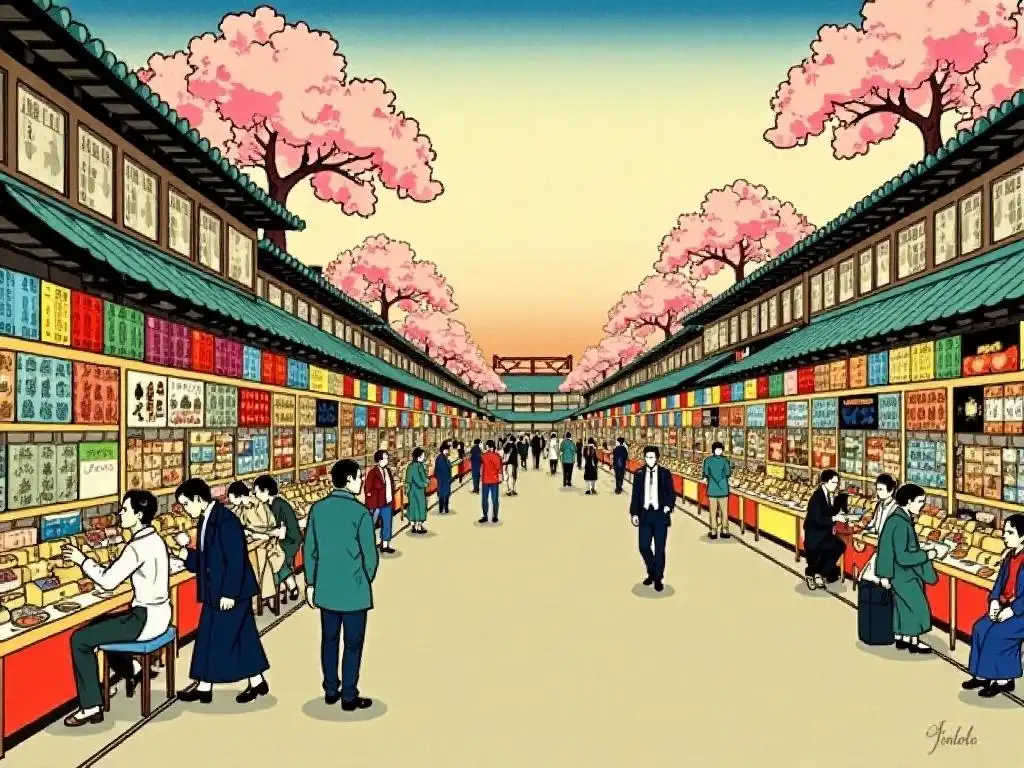
Welcome to Feudal Japan History, where we embark on a captivating journey through the intricate tapestry of Japan's feudal era. Delve into the Edo period print media impact, a fascinating topic that reveals how art and literature shaped cultural identity and societal values during this transformative time. What secrets lie within the pages of history? As you explore our expert-driven articles, prepare to uncover the profound influence of print media on Edo culture and society—an adventure that promises to enlighten and inspire. Join us as we unravel the past!
Introduction to Edo Period Print Media Impact
The Edo period (1603-1868) represents a significant chapter in Japanese history, marked by a flourishing of arts, culture, and societal transformation. One of the most pivotal developments during this era was the advent of print media, which played a crucial role in shaping public discourse, disseminating knowledge, and influencing everyday life.
This article delves into the impact of print media during the Edo period, exploring how it not only reflected but also molded the cultural and social landscapes of the time. Through an examination of the evolution of print technologies and their societal implications, we aim to illuminate the profound legacy that Edo period print media has left on Japanese culture and beyond.
Overview of the Edo Period (1603-1868)
The Edo period, established by the Tokugawa shogunate, was characterized by relative peace and stability following centuries of civil war. This era saw the rise of a vibrant urban culture, particularly in cities like Edo (modern-day Tokyo), where a burgeoning merchant class began to emerge. Social stratification defined the society, with the samurai class at the top, followed by farmers, artisans, and merchants. This hierarchical structure influenced various aspects of daily life, including education, entertainment, and communication.
During this time, the population of Edo grew exponentially, leading to increased literacy rates and a demand for accessible information. As a result, print media became an essential tool for both the elite and the common people, aiding in the spread of ideas and cultural practices across Japan.
Significance of Print Media in Historical Context
Print media emerged as a transformative force in Edo period society, enabling the rapid dissemination of literature, news, and artistic works. The significance of print media can be attributed to several key factors:
- Cultural Exchange: Print media facilitated the sharing of cultural narratives, allowing for the exchange of ideas between different social classes and regions.
- Literacy and Education: The proliferation of printed materials contributed to rising literacy rates, encouraging self-education and public discourse.
- Artistic Expression: Artists utilized print media as a means to reach wider audiences, creating vibrant works that reflected both traditional and contemporary themes.
By examining these elements, we can better understand how print media did not merely serve as a communication tool but became a vital component of Edo cultural identity.
Objectives of the Article
This article aims to provide a comprehensive analysis of the impact of print media during the Edo period. The objectives include:
- Exploring the evolution of print technologies and their role in shaping Edo society.
- Investigating the cultural significance of print media, particularly its influence on literature and the arts.
- Assessing the lasting legacy of Edo period print media in contemporary Japanese culture.
Evolution of Print Media in the Edo Period
The evolution of print media during the Edo period is a fascinating story of innovation and adaptation that reflects the dynamic nature of Japanese society at the time.
The Birth of Woodblock Printing in Japan
Woodblock printing, or ukiyo-e, originated in Japan during the early Edo period and revolutionized how images and texts were produced. This technique allowed for the mass production of prints, making art and literature more accessible to the general public. Key features of woodblock printing included:
- Colorful Designs: Artists used multiple woodblocks to create vibrant, multi-colored prints.
- Diverse Subject Matter: From landscapes to portraits, these prints captured various aspects of daily life and popular culture.
- Cultural Impact: Woodblock prints became a significant medium for storytelling, shaping public perceptions and cultural narratives.
Key Innovations in Print Technology
As the Edo period progressed, several key innovations emerged in print technology that further enhanced the quality and quantity of printed materials:
- Improved Techniques: Advances in carving and printing methods resulted in finer details and clearer images.
- Integration of Text and Image: The combination of written narratives with visual art became popular, enriching the storytelling experience.
- Commercialization: The rise of publishing houses and a market-oriented approach led to the proliferation of printed materials, catering to diverse audiences.
Transition from Manuscripts to Printed Materials
The shift from handwritten manuscripts to printed materials marked a significant turning point in Edo period communication. Key aspects of this transition include:
- Increased Availability: Printed books and pamphlets became widely available, democratizing access to knowledge.
- Standardization of Content: Print media allowed for the standardization of texts, ensuring consistent messaging and quality.
- Cultural Shifts: The move towards print fostered a culture of inquiry and debate, laying the groundwork for modern Japanese thought.
The evolution of print media during the Edo period was not merely a technological advancement; it was a catalyst for cultural and societal change that continues to resonate in Japan today.
Types of Print Media in Edo Society
The Edo period (1603-1868) marked a significant transformation in Japanese culture, particularly through the proliferation of print media. This era witnessed the emergence of various print forms that not only served as entertainment but also played a crucial role in shaping societal norms and public discourse. The following are the main types of print media that flourished during this time:
Ukiyo-e: The Popular Art of the Floating World
Ukiyo-e, or "pictures of the floating world," emerged as one of the most celebrated forms of print media during the Edo period. These woodblock prints depicted scenes of everyday life, landscapes, kabuki actors, and beautiful women, encapsulating the essence of Edo culture. Artists like Hokusai and Hiroshige became iconic figures through their innovative techniques and vibrant compositions.
Ukiyo-e prints were accessible to the masses, making art a part of daily life rather than a privilege of the elite. They not only served aesthetic purposes but also acted as cultural commentaries, reflecting the social changes and values of the time. The popularity of these prints contributed significantly to a burgeoning consumer culture, where they were collected, traded, and displayed in homes.
Kobijutsu: The Arts of Commercial Print
Kobijutsu refers to the art of commercial printing that emerged as a response to the demand for accessible publications. This category encompassed a variety of printed materials, from illustrated books to calendars, and was pivotal in disseminating information across all strata of society. Kobijutsu practitioners utilized advanced woodblock printing techniques to produce materials that were both affordable and visually appealing.
The growth of kobijutsu not only democratized access to literature and art but also fostered a vibrant marketplace of ideas. By bridging the gap between artistic expression and commercial viability, kobijutsu played a crucial role in the economic and cultural landscapes of Edo society, laying the groundwork for future publishing ventures.
Literary Publications: Books and Pamphlets
Literary publications in the form of books and pamphlets gained immense popularity during the Edo period. These printed materials covered a wide range of genres, including fiction, poetry, history, and philosophy. Notably, the rise of the "chōnin" class—merchants and townspeople—created a new audience eager for literary works that reflected their experiences and aspirations.
The production of these publications was facilitated by advancements in printing technology, which allowed for quicker and more efficient printing processes. As a result, literature became more accessible, leading to an increase in literacy rates among the urban population. Furthermore, these publications often included illustrations, making them appealing to a broader audience and enhancing their cultural significance.
Broadsheets and their Role in Information Dissemination
Broadsheets, or "hanshibon," played a pivotal role in the dissemination of information during the Edo period. These single-sheet prints covered various topics, including news, political events, and social issues. Often displayed in public places, broadsheets served as a means for the populace to stay informed about current affairs and community events.
The impact of broadsheets was profound; they not only provided a platform for public discourse but also reflected the sentiments and concerns of the common people. By circulating information widely, broadsheets contributed to a more informed citizenry, allowing for discussions on governance, morality, and societal norms.
The Impact of Print Media on Edo Culture
The influence of print media on Edo culture was profound, affecting various aspects of life from public opinion to personal identity. The accessibility of print materials allowed for the widespread sharing of ideas, which in turn shaped the cultural and social landscape of the period.
Shaping Public Opinion and Awareness
Print media significantly shaped public opinion and awareness during the Edo period. With the rise of various publications, individuals were exposed to new ideas, perspectives, and information. This accessibility fostered a more politically engaged populace, as people began to discuss and critique societal norms and government actions.
Pamphlets and broadsheets, in particular, played a critical role in highlighting issues of public concern, such as social justice and governance. The ability to circulate information rapidly meant that public sentiment could be gauged and influenced more effectively, laying the groundwork for a more participatory society.
Influencing Fashion, Entertainment, and Lifestyle
The impact of print media also extended to fashion, entertainment, and lifestyle choices within Edo society. Ukiyo-e prints, for instance, often depicted the latest fashion trends, popularizing specific clothing styles among the urban populace. This visual representation of fashion not only influenced consumer behavior but also defined social status and identity.
Similarly, illustrated publications showcased kabuki theater and other entertainment forms, allowing audiences to engage with and adopt these cultural phenomena. The interplay between print media and lifestyle choices created a dynamic cultural environment where trends could emerge, evolve, and be disseminated rapidly throughout society.
Print Media as a Reflection of Edo Society’s Values
Print media served as a mirror reflecting the values and beliefs of Edo society. Through the themes explored in ukiyo-e, literature, and broadsheets, one can glean insights into the societal norms, aspirations, and challenges of the time. For example, many prints celebrated the transient beauty of life, encapsulating the philosophy of "mono no aware," or the awareness of impermanence.
Moreover, print media often critiqued social hierarchies and advocated for moral conduct, thus reinforcing ethical standards within the community. The ability of print to convey both the joys and struggles of everyday life made it an essential instrument for expressing the collective consciousness of Edo society, allowing it to document its evolution through the years.
Print Media and Education in the Edo Period

During the Edo period (1603-1868), print media played a pivotal role in shaping education and literacy among various social classes. The advent of woodblock printing technology revolutionized the way knowledge was disseminated, making it more accessible than ever before. This era saw a significant increase in the production of educational materials, which not only enhanced literacy rates but also contributed to the cultural and intellectual development of Japanese society.
The Role of Print in Literacy and Learning
Print media was instrumental in promoting literacy during the Edo period. The widespread availability of printed materials, including books, pamphlets, and illustrated stories, fostered an environment where reading became increasingly popular among the populace. The ukiyo-e prints, for example, not only served as artistic expressions but also conveyed narratives that were relatable to ordinary people.
As a result of this democratization of knowledge, literacy rates began to rise, particularly among the merchant and samurai classes. Schools known as terakoya emerged, where children of various social standings could learn to read and write, often using printed materials as primary resources. This shift not only enabled individuals to access literature and educational texts but also encouraged a culture of learning that permeated through Edo society.
Educational Texts and Their Accessibility
The range of educational texts available during the Edo period was diverse, encompassing subjects such as history, science, philosophy, and literature. Notable works like "Shinpen Jikkinsho" (New Edition of Jikkinsho) and "Wakan Sansai Zue" (Illustrated Book of the Three Countries) provided foundational knowledge and were widely circulated.
The print industry facilitated the production of these texts at a fraction of the cost compared to earlier manuscript methods, making them accessible to a broader audience. As a result, even those from lower social standings began to engage with educational content, contributing to a more educated society. This accessibility not only nurtured individual growth but also promoted a collective intellectualism that characterized the Edo period.
Impact on the Samurai and Merchant Classes
The impact of print media on the samurai and merchant classes was particularly profound. For the samurai, education was essential for maintaining their status and responsibilities within the feudal system. Printed materials allowed them to study military strategies, governance, and ethical philosophies, which were critical for their roles as leaders and warriors.
For merchants, literacy and access to printed information enabled better business practices and trade negotiations. They could read contracts, understand market trends, and engage in the burgeoning commerce of the time. The ability to communicate effectively through written materials helped elevate the merchant class, leading to their increased importance in Edo society.
The Economic Influence of Print Media
The print media of the Edo period was not merely an instrument of education; it also had a substantial economic impact. The print industry became a significant economic force, contributing to job creation and stimulating various sectors within society.
The Print Industry as a Driving Economic Force
The woodblock printing industry flourished during the Edo period, creating a vibrant market for artists, publishers, and craftsmen. The demand for printed materials spurred innovation and competition among print shops, leading to an increase in quality and variety.
This economic boom was not limited to the production of books and images; it also extended to the sale of print materials in marketplaces, where they became popular commodities. The convergence of art and commerce allowed for the emergence of renowned publishers, such as Ehonya, who specialized in producing illustrated books, making print media a central aspect of the Edo economy.
Trade and Commerce Related to Print Media
Print media also played a crucial role in trade and commerce during the Edo period. As literacy spread, printed materials became essential for merchants who relied on pamphlets and advertisements to promote their goods. The rise of commercial guides and maps further facilitated trade, allowing merchants to navigate the complex networks of Edo's economy.
Moreover, the circulation of printed materials fostered communication between different regions, enhancing the exchange of ideas and commodities. This interconnectedness ultimately contributed to the economic prosperity of the Edo period, as print media served as a catalyst for growth and innovation.
Patronage and the Growth of Print Publishers
The growth of print publishers during the Edo period was largely supported by patronage from wealthy merchants and samurai. These patrons recognized the value of print media as a means of promoting their own status and influence. By sponsoring publications, they not only contributed to the arts but also ensured their ideals and values were disseminated among the populace.
This patronage system allowed for the proliferation of various genres, from literature to instructional guides, and encouraged publishers to explore new themes and artistic styles. As a result, the print media industry became a culturally significant and economically viable sector, reflecting the tastes and aspirations of Edo society.
Challenges and Limitations of Print Media
Despite the flourishing of print media during the Edo period, several challenges and limitations hindered its full potential. These obstacles shaped the landscape of information dissemination and cultural expression in Japan. Understanding these challenges offers a more nuanced appreciation of the Edo period print media impact on society.
Censorship and Government Control
One of the most significant challenges faced by print media in Edo Japan was censorship imposed by the government. The Tokugawa shogunate implemented strict controls over publications to maintain social order and political stability. This censorship manifested in several ways:
- Licensing Requirements: Printers and publishers were required to obtain licenses, which allowed the government to monitor and regulate the content being produced. Unauthorized works could lead to severe penalties, including imprisonment.
- Content Restrictions: The shogunate prohibited the publication of material deemed subversive or harmful, particularly those that criticized the government or promoted dissent. This led to a culture of self-censorship among writers and artists who wished to avoid repercussions.
- Booksellers' Compliance: Booksellers were often pressured to adhere to these restrictions, resulting in a limited selection of available literature that could safely circulate in society.
Despite these limitations, some creative works managed to circumvent censorship, often using allegory and metaphor to comment on contemporary issues without triggering government intervention.
The Competition with Other Media Forms
In addition to government control, print media faced stiff competition from various other forms of entertainment and information dissemination during the Edo period. This competition included:
- Oral Communication: Storytelling and kabuki theater were immensely popular, drawing large audiences and providing a vibrant alternative to printed materials. Oral traditions allowed for immediate emotional engagement that print could not replicate.
- Visual Art: Woodblock prints (ukiyo-e) and paintings flourished, capturing the public's imagination and serving as both art and information. These visual media often conveyed narratives and societal critiques in ways that print could not.
- Performing Arts: The rise of theatrical performances, particularly kabuki and bunraku (puppet theater), offered interactive experiences that attracted crowds, further diverting attention away from printed literature.
These competing forms of media challenged print to innovate and evolve, leading to the development of new genres and styles within print media.
The Decline of Print Media Post-Edo Period
The end of the Edo period in 1868 marked a significant transition for print media in Japan. Several factors contributed to its decline during this period:
- Modernization and Western Influence: The Meiji Restoration ushered in rapid modernization and Westernization, transforming cultural consumption patterns. New technologies, such as photography and later, cinema, began to replace traditional print media.
- Shifts in Information Needs: As society evolved, the demand for different types of information and entertainment increased, leading to a decline in the popularity of Edo-style prints and literature.
- Economic Changes: The post-Edo economic landscape also affected print media. Publishers struggled to adapt to the new market dynamics, and many traditional print shops closed, signaling a broader decline in the print industry.
Despite this decline, the legacy of Edo period print media continued to influence later generations, as many modern Japanese artists and writers drew inspiration from the rich traditions established during this era.
Conclusion: The Lasting Legacy of Edo Period Print Media
The Edo period was a pivotal time for print media in Japan, shaping cultural practices and societal norms. Its impact resonates through various forms of art and literature, establishing a foundation for future developments in Japanese media.
Summary of Key Points on Print Media Impact
The impact of Edo period print media can be summarized through several key points:
- Cultural Expression: Print media facilitated diverse cultural expressions, from literature to visual art, reflecting the complexities of Edo society.
- Accessibility of Information: The proliferation of printed materials democratized access to knowledge, allowing a broader audience to engage with literature and art.
- Influence on Modern Media: Edo print media laid the groundwork for contemporary Japanese media, influencing modern artistic and literary movements.
Reflection on the Cultural Heritage of Edo Print Media
Edo period print media represents a rich cultural heritage that highlights the interplay between art, literature, and society. It serves as a testament to the creativity and resilience of Edo artists and writers who navigated the challenges of censorship and competition. The themes explored in Edo prints and literature continue to resonate today, inviting ongoing reflection on Japan's cultural identity and historical narrative.
Future Research Directions in Edo Period Studies
The study of Edo period print media offers numerous avenues for future research, such as:
- Exploring Regional Variations: Investigating how print media varied across different regions of Japan and how local culture influenced content and style.
- Analyzing Gender Representation: Understanding the portrayal of gender roles in print media and how these representations reflect societal attitudes during the Edo period.
- Assessing Technological Innovations: Examining how advancements in printing technology impacted the production and distribution of print media in Edo Japan.
By pursuing these research directions, scholars can deepen their understanding of the Edo period and its enduring legacy in Japanese culture.
- Introduction to Edo Period Print Media Impact
- Evolution of Print Media in the Edo Period
- Types of Print Media in Edo Society
- The Impact of Print Media on Edo Culture
- Print Media and Education in the Edo Period
- The Economic Influence of Print Media
- Challenges and Limitations of Print Media
- Conclusion: The Lasting Legacy of Edo Period Print Media
- What was the significance of print media during the Edo period?
- How did woodblock printing influence Edo society?
- What types of content were commonly found in Edo period print media?
- How did print media affect the economy in Edo Japan?
- In what ways did print media shape cultural identity during the Edo period?
Frequently Asked Questions
What was the significance of print media during the Edo period?
Print media played a crucial role in disseminating information, entertainment, and culture, making literature and art accessible to the wider public.
How did woodblock printing influence Edo society?
Woodblock printing allowed for the mass production of art and literature, which contributed to the growth of literacy and the popularity of ukiyo-e prints among all social classes.
What types of content were commonly found in Edo period print media?
Edo period print media included literature, plays, and illustrations, often focusing on urban life, landscapes, and social commentary, reflecting the culture of the time.
How did print media affect the economy in Edo Japan?
The rise of print media stimulated the economy by creating a new market for books and prints, fostering a thriving publishing industry that contributed to urban growth.
In what ways did print media shape cultural identity during the Edo period?
Print media helped to establish a shared cultural identity by promoting regional styles, narratives, and the celebration of everyday life, influencing social norms and values.
Final Reflection: The Enduring Impact of Edo Period Print Media
The exploration of Edo period print media reveals its profound influence on culture and society, underscoring the idea that communication shapes civilizations. Today, as we navigate an age dominated by digital media, the lessons from Edo's print culture remind us of the power of storytelling and the dissemination of knowledge. The ability of print media to connect communities and foster dialogue remains as relevant now as it was in the 17th to 19th centuries, highlighting the timeless nature of human expression.
Edo period print media not only transformed the landscape of Japanese society but also laid the groundwork for modern communication practices. The vibrant woodblock prints and illustrated books of the time served as a mirror reflecting societal values, aspirations, and challenges. This historical legacy continues to resonate, as we witness a resurgence of interest in traditional forms of media in our increasingly digital world. The past is never dead. It's not even past.
– William Faulkner. This quote encapsulates the ongoing relevance of Edo print media, reminding us that the narratives crafted in the past continue to inform our present and future.
As we reflect on the lessons of Edo period print media, I invite you to consider how you can harness the power of storytelling in your own life. Think about the ways you communicate, share ideas, and connect with others. Whether through writing, art, or conversation, each of us has the potential to contribute to a rich tapestry of culture and understanding. Embrace the spirit of the Edo period by celebrating the stories that shape our identities and communities, and let your voice be a part of this ongoing dialogue.
Embrace Edo Culture: Dive Deeper into Print Media!
Thank you for exploring the fascinating impact of print media on Edo culture and society! You've uncovered essential insights into how this influential medium shaped the lives and perspectives of the people during this vibrant period. Now, it's time to take those insights further!
Here are some actionable steps you can take to deepen your understanding and appreciation:
- Explore further: Visit your local library or online archives to find prints and literature from the Edo period. Delve into the visual and textual narratives that defined this era!
- Join the conversation: Share your thoughts and newly discovered insights on Edo print media in our community forum—let's learn from each other's perspectives!
- Create your own: Consider participating in a printmaking workshop or an art project inspired by Edo designs. Transform your understanding into creativity!
As you continue your journey through the rich tapestry of Edo culture, what aspect of print media resonates with you the most and why? Your thoughts could spark an enlightening discussion!