
Edo Period Cuisine: A Culinary Journey Through Japan’s Feudal Era

Welcome to Feudal Japan History, where we invite you to embark on a captivating journey through the rich tapestry of Japan’s feudal era. In this exploration, we delve deep into the Edo period traditional Japanese food, uncovering the culinary delights that defined a time of cultural flourishing and societal transformation. What secrets lie within the kitchens of the past?
Join us as we unravel the flavors, traditions, and stories that shaped this remarkable period, sparking your curiosity and palate alike. Dive into our main article, "Edo Period Cuisine: A Culinary Journey Through Japan’s Feudal Era," and discover how food not only nourished the body but also reflected the intricate social fabric of feudal Japan.
Introduction to Edo Period Traditional Japanese Food
The Edo Period, spanning from 1603 to 1868, marks a significant era in Japanese history characterized by peace, stability, and cultural flourishing under the Tokugawa shogunate. This period not only witnessed the development of various art forms and social structures but also brought about a transformation in Japanese cuisine.
The rich tapestry of Edo period traditional Japanese food reflects the complexities of society, geography, and economy during this time. As we delve into this culinary journey, we will explore how the ingredients, cooking techniques, and dining customs evolved, providing a window into the daily lives of people in feudal Japan.
Historical Context of Edo Period Cuisine
Overview of the Edo Period (1603-1868)
The Edo Period was a time of relative peace in Japan, following years of civil strife during the Sengoku period. The Tokugawa shogunate established a centralized government in Edo (modern-day Tokyo), leading to significant population growth and urbanization. With an increase in commerce and trade, the availability of various ingredients expanded, allowing for a diversification of culinary practices. Traditional Japanese dishes began to take shape, influenced by both local resources and contact with foreign cultures.
Significance of Cuisine in Feudal Japan
Cuisine in feudal Japan transcended mere sustenance; it became a reflection of social status, cultural identity, and regional pride. The preparation and presentation of food were often considered an art form, with meticulous attention to detail. Meals were not only a means of nourishment but also a way to showcase hospitality and social hierarchy. The intricate rituals surrounding dining, from tea ceremonies to seasonal festivals, highlighted the importance of food in fostering community bonds and cultural continuity.
Historical Context of Edo Period Cuisine
Influence of Geography on Edo Period Food
Japan's diverse geography played a pivotal role in shaping its culinary landscape during the Edo Period. The archipelago's varying climates and topographies allowed for a wide range of agricultural products, seafood, and wild game. Particularly, the abundance of fresh fish from the surrounding seas led to the emergence of sushi and sashimi, which are now iconic components of Japanese cuisine. Furthermore, the cultivation of rice, a staple food, was heavily influenced by the regional conditions, contributing to different rice varieties and cooking methods across the country.
Socioeconomic Factors Shaping Edo Period Diet
The Edo Period was marked by a rigid social structure, with distinct classes including the samurai, farmers, artisans, and merchants. Each class had its own dietary restrictions and access to resources, which influenced the types of food consumed. The samurai class often prioritized status and refinement in their meals, while the merchant class, with newfound wealth, began to seek out luxurious ingredients and elaborate dining experiences. Economic factors, such as trade routes and taxation policies, also affected what was available in local markets, further diversifying the Edo period diet.
The Role of the Samurai and Merchant Class in Culinary Development
The samurai and merchant classes played crucial roles in the evolution of Edo period cuisine. Samurai, known for their strict codes of conduct, emphasized simplicity and seasonality in their meals, often adhering to Zen Buddhist principles. This led to the development of dishes that were not only flavorful but also aesthetically pleasing.
On the other hand, merchants, seeking to enhance their social standing, pushed culinary boundaries by experimenting with new ingredients and elaborate cooking techniques. Their influence led to the rise of street food culture and the establishment of restaurants, making dining an integral part of urban life in Edo.
Through this exploration of Edo period traditional Japanese food, we will uncover the intricate connections between history, culture, and cuisine that defined this remarkable era in Japan's past.
Key Characteristics of Edo Period Traditional Japanese Food
Edo period traditional Japanese food is distinguished by its emphasis on freshness, simplicity, and seasonal ingredients. This period, spanning from 1603 to 1868, saw a flourishing of urban culture, particularly in Edo (modern-day Tokyo), which influenced culinary practices throughout Japan. The food prepared during this time was not just about sustenance; it was also a reflection of the social hierarchy, seasonal changes, and the artistry of the chefs. Key characteristics include:
- Seasonality: The cuisine celebrated seasonal ingredients, showcasing the best of what each season had to offer. This practice not only ensured freshness but also enhanced the flavors of dishes.
- Simplicity and Balance: Meals were designed to be simple yet balanced, focusing on the natural flavors of ingredients. This simplicity is a hallmark of traditional Japanese cooking that continues to resonate today.
- Variety and Presentation: A meal in the Edo period often consisted of multiple small dishes, each carefully presented. The aesthetics of food were just as important as its taste, highlighting the cultural significance of dining.
Seasonal Ingredients and Their Importance
Seasonal ingredients played a pivotal role in Edo period cuisine, as they do in contemporary Japanese cooking. The Edo period's geographic and climatic conditions allowed for a diverse range of produce, fish, and meats, which were celebrated in various dishes.
- Local Produce: Farmers supplied fresh vegetables that varied with the seasons, such as bamboo shoots in spring and persimmons in autumn. This not only supported local agriculture but also encouraged the use of ingredients that were at their peak flavor.
- Seafood: Edo, being close to the bay, provided access to a rich array of seafood. Fish such as tuna and eel were commonly used, with their availability dictating their inclusion in seasonal dishes.
- Cultural Significance: The practice of eating with the seasons was deeply rooted in Shinto beliefs, which emphasized harmony with nature. This connection fostered a sense of appreciation for the natural world.
Cooking Techniques Unique to the Edo Period
The Edo period saw the development and refinement of cooking techniques that are integral to traditional Japanese cuisine today. Several methods became prominent during this era:
- Grilling (Yakimono): Grilling fish and meats over an open flame became increasingly popular, allowing for the development of flavors that complemented the natural taste of the ingredients.
- Simmering (Nimono): This technique involved gently cooking ingredients in a broth, enhancing their flavors while maintaining their integrity. Dishes like nimono became staples in Edo households.
- Fermentation: The use of fermented ingredients such as miso and soy sauce became widespread, offering depth of flavor and preservation methods that are still prevalent in modern Japanese cooking.
Presentation and Aesthetics in Edo Cuisine
In the Edo period, the presentation of food was considered an art form, reflecting the cultural values of the time. The way food was arranged and served played a significant role in the dining experience:
- Bento Boxes: The introduction of bento boxes allowed for an aesthetically pleasing and portable way to enjoy meals. These boxes showcased a variety of dishes, highlighting seasonal ingredients and vibrant colors.
- Plating Techniques: Chefs paid careful attention to the arrangement of food on plates, often using natural elements like leaves and flowers to enhance visual appeal. This practice underscored the importance of beauty in dining.
- Ceramics and Utensils: The use of finely crafted tableware added to the overall dining experience, with different styles reflecting regional identities and status.
Popular Dishes of the Edo Period
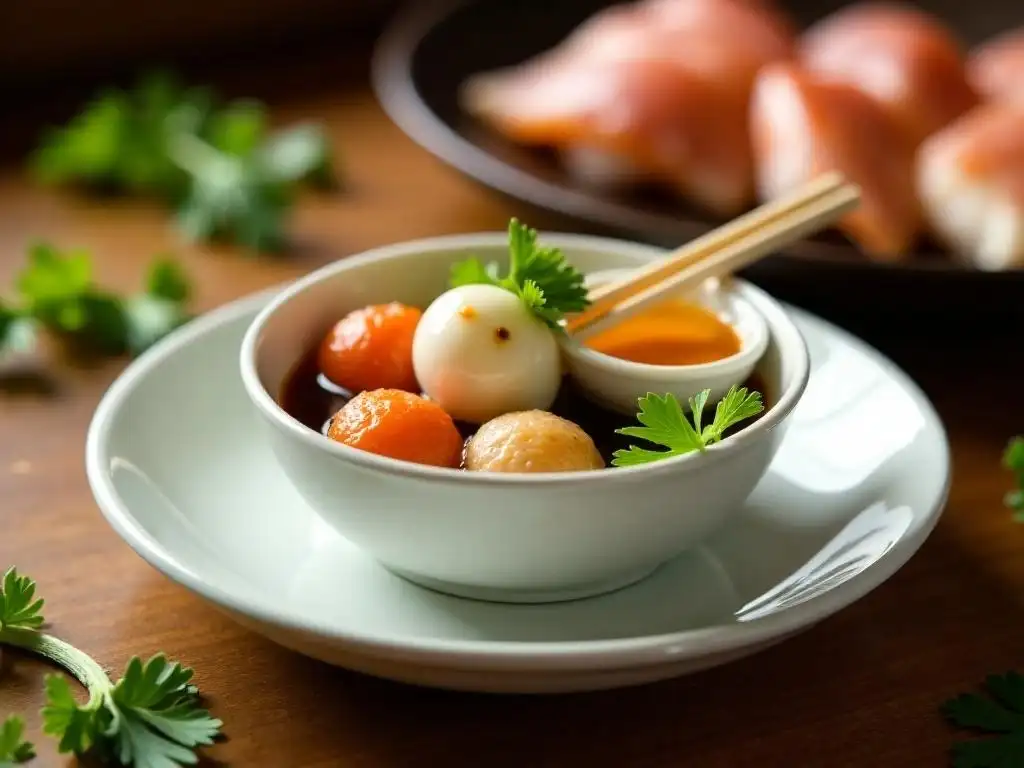
Edo period cuisine gave rise to some of Japan's most iconic dishes, each with a rich history and cultural significance. These dishes not only reflect the culinary practices of the time but also the evolution of Japanese gastronomy.
Sushi: From Street Food to Culinary Art
Sushi traces its roots back to the Edo period, evolving from a simple street food into a celebrated culinary art. Originally, sushi was a method of preserving fish in fermented rice. However, during the Edo period, the practice transformed:
- Narezushi to Edomae-zushi: The transition from narezushi (fermented sushi) to Edomae-zushi (Edo-style sushi) marked a significant change. Chefs began using fresh fish from Tokyo Bay, served over vinegared rice, which became a fast, popular street food.
- Culinary Techniques: Sushi chefs honed their skills in rice preparation and fish selection, creating a balance of flavors and textures that remains a hallmark of sushi today.
Soba and Udon: Noodles of the Edo Period
Soba and udon noodles became staples of Edo period cuisine, each offering unique flavors and textures:
- Soba: Made from buckwheat flour, soba noodles were celebrated for their health benefits and distinct nutty flavor. They were often served cold with a dipping sauce or in hot broth.
- Udon: Thick wheat noodles, udon became popular for their hearty texture and versatility. They were typically served in savory broth with various toppings, such as tempura or green onions, reflecting regional variations.
Tempura: The Fusion of Portuguese Influence
Tempura, a dish of battered and deep-fried vegetables and seafood, showcases the cultural exchange that occurred during the Edo period:
- Origins: Introduced by Portuguese missionaries in the 16th century, the technique of frying food in batter was adapted and embraced by Japanese cooks.
- Culinary Evolution: Over time, tempura evolved into a refined dish, often served with dipping sauce and accompanied by rice or soba, highlighting the integration of foreign techniques into Japanese cuisine.
Kaiseki: The Evolution of Traditional Japanese Multi-Course Meals
Kaiseki, a sophisticated multi-course dining experience, emerged during the Edo period, reflecting the era's culinary artistry:
- Historical Roots: Initially associated with the tea ceremony, kaiseki evolved into an elaborate meal that showcased seasonal ingredients and cooking techniques.
- Artistic Presentation: Each course is meticulously prepared and presented, emphasizing color, texture, and balance. Kaiseki dining exemplifies the aesthetics of Edo cuisine and the importance of harmony in food.
- Culinary Philosophy: Kaiseki embodies a philosophy of seasonality and simplicity, allowing the natural flavors of ingredients to shine through while offering diners a journey through Japan’s diverse culinary landscape.
Edo period traditional Japanese food represents a rich tapestry of cultural influences, seasonal ingredients, and artistic expression that continue to shape Japanese cuisine today.
Ingredients and Flavors in Edo Period Cuisine
The culinary landscape of the Edo period (1603-1868) was characterized by a rich tapestry of ingredients and flavors that reflect the era's unique cultural developments. The isolationist policies of the Tokugawa shogunate allowed for the refinement of local ingredients and cooking techniques, leading to a distinct style of traditional Japanese food that emphasized freshness and seasonality. Edo period cuisine primarily revolved around rice, seafood, and vegetables, forming the foundation of many dishes that are still celebrated in modern Japanese cooking.
Common Ingredients Used in Edo Period Cooking
Edo period cooking featured a variety of ingredients that were sourced both locally and from the surrounding regions. Key ingredients included:
- Rice: The staple of Japanese cuisine, served in various forms, such as steamed or in sushi.
- Fish and Seafood: Given Edo's coastal location, fresh fish, especially sushi and sashimi, were central to the diet. Common varieties included tuna, mackerel, and shrimp.
- Vegetables: Seasonal vegetables like daikon radish, eggplant, and various greens were frequently used.
- Soy Sauce and Miso: These fermented products were essential for flavoring, contributing to the dishes' umami and savory profiles.
- Tofu: Widely consumed as a protein source, tofu was often seasoned or incorporated into soups and stews.
These ingredients not only shaped the flavors of Edo period cuisine but also reflected the agricultural practices and economic conditions of the time.
The Influence of Preservation Methods (e.g., Fermentation, Drying)
Preservation methods played a pivotal role in Edo period cuisine, enabling the people to enjoy a variety of foods throughout the year. Techniques such as fermentation, drying, and pickling were widely adopted:
- Fermentation: Fermented foods like miso and soy sauce were staples, enhancing the flavors of dishes while also providing nutritional benefits.
- Drying: Fish and vegetables were often dried to extend their shelf life. This method allowed for the creation of dishes that could be enjoyed out of season.
- Pickling: Tsukemono, or pickled vegetables, were common accompaniments to meals, adding crunch and a burst of flavor.
These preservation methods not only ensured food availability but also contributed to the depth of flavors inherent in Edo period cuisine.
Distinctive Flavors: Sweet, Savory, and Umami in Edo Cooking
Edo period cuisine is renowned for its distinctive flavor profiles, particularly the balance of sweet, savory, and umami. The careful combination of ingredients and seasonings created a harmonious dining experience:
- Umami: The savory depth in dishes came from ingredients like dashi (a broth made from kelp and bonito flakes), miso, and soy sauce, which were foundational to many recipes.
- Sweetness: Ingredients such as mirin (sweet rice wine) and sugar were used sparingly to enhance flavors without overwhelming the dish.
- Savory Elements: The use of salt and various seasonings helped to bring out the natural flavors of the ingredients.
This sophisticated interplay of flavors not only defined the cuisine of the time but also laid the groundwork for contemporary Japanese culinary practices.
Cultural Significance of Edo Period Food
Food in the Edo period was more than just sustenance; it played an integral role in the cultural fabric of society. It was deeply intertwined with rituals, festivals, and social gatherings, reflecting the values and traditions of the time.
Rituals and Festivals Celebrated with Food
Food was central to many rituals and festivals during the Edo period, serving as a means of honoring deities and ancestors. Celebratory dishes varied by season and occasion, including:
- Osechi Ryori: Specially prepared foods consumed during the New Year, symbolizing prosperity and good fortune.
- Matsuri: Local festivals often featured unique dishes that reflected regional specialties, bringing communities together in celebration.
These culinary traditions highlighted the connection between food, spirituality, and community life in Edo Japan.
The Role of Food in Social Gatherings and Ceremonies
Social gatherings and ceremonies in the Edo period were marked by elaborate meals that showcased the host's hospitality and culinary skills. Important aspects included:
- Kaiseki: A multi-course dining experience that emphasized seasonal ingredients and presentation, often enjoyed during tea ceremonies and special events.
- Banquets: Large gatherings, such as weddings and public feasts, featured an array of dishes that fostered social interaction and bonding among participants.
Food served as a medium for communication and expression, reinforcing social ties and cultural identity.
Literature and Art Inspired by Edo Period Cuisine
Edo period cuisine also inspired a wealth of artistic and literary works, showcasing the significance of food in everyday life. Notable influences included:
- Cookbooks and Recipes: The publication of culinary texts documented regional dishes and cooking techniques, preserving the knowledge for future generations.
- Artistic Depictions: Ukiyo-e woodblock prints often illustrated food scenes, depicting the beauty of seasonal ingredients and culinary practices.
This artistic exploration of food not only reflected the aesthetics of Edo society but also contributed to the cultural legacy of Japan.
Evolution of Edo Period Cuisine into Modern Japanese Food
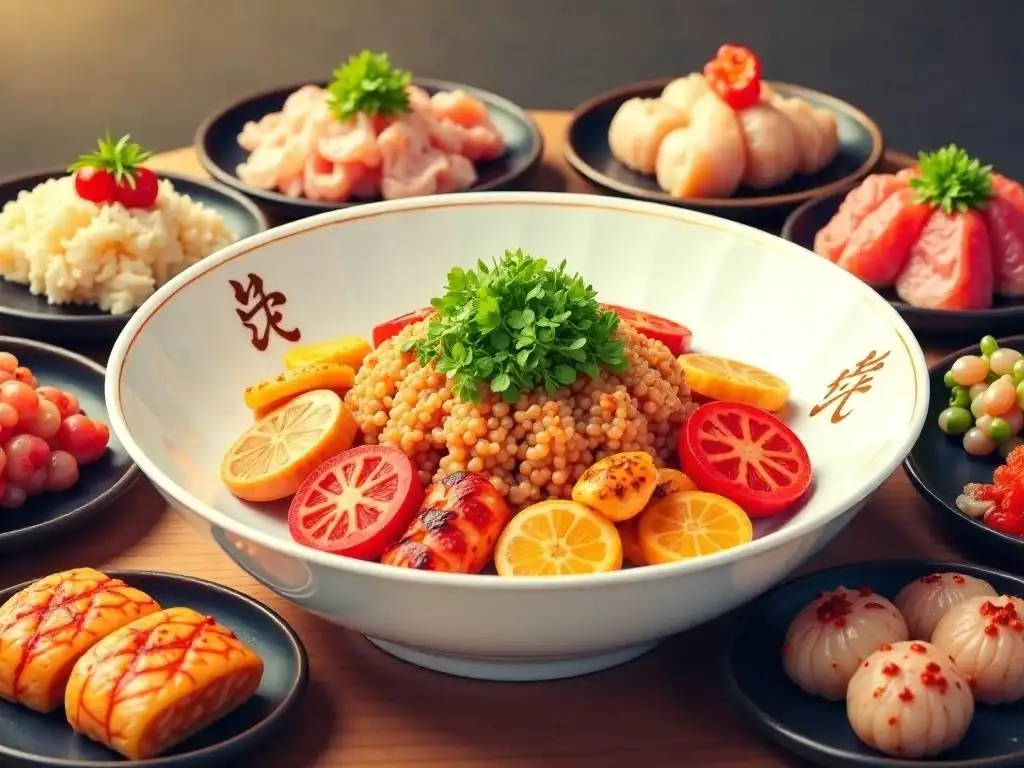
The Edo period, spanning from 1603 to 1868, marked a significant transformation in Japanese cuisine that laid the groundwork for what we recognize today as modern Japanese food. This era saw the emergence of a culinary culture that was not only diverse but also deeply influenced by societal changes, trade, and the development of urban centers like Edo (modern-day Tokyo). The dietary habits of the time reflected the availability of local ingredients, seasonal variations, and the artistic presentation of food, which have all persisted into contemporary Japanese culinary practices.
During this period, the introduction of new cooking techniques and the refinement of existing ones were pivotal. The use of grilling, steaming, boiling, and simmering became prevalent, alongside the practice of preserving food through pickling and drying. Ingredients such as rice, fish, and vegetables were staples, and the rise of street food culture in bustling urban centers popularized dishes like sushi and tempura, which continue to be cherished in modern cuisine. The Edo period also saw the establishment of kaiseki dining, which emphasized seasonal ingredients and aesthetic presentation—principles that still influence haute cuisine in Japan today.
The Transition from Edo Period to Meiji Era Cuisine
The transition from the Edo period to the Meiji era (1868-1912) was marked by significant changes in Japanese society, including the opening of Japan to foreign influences. This period saw the introduction of Western ingredients and cooking methods, which began to blend with traditional Japanese practices. For instance, the incorporation of dairy products, meats, and Western-style bread altered the Japanese diet, leading to the creation of unique dishes such as curry rice and tonkatsu.
Despite these changes, the foundational elements established during the Edo period remained influential. Many traditional dishes were adapted rather than replaced, allowing for a fusion of flavors that enriched the culinary landscape. The importance of seasonality and presentation continued to dominate, ensuring that even as new influences emerged, the essence of Edo period cuisine persisted in various forms.
Lasting Impact of Edo Period Food on Contemporary Japanese Cuisine
The legacy of Edo period cuisine is evident in numerous aspects of contemporary Japanese food. The emphasis on seasonal ingredients, umami flavors, and aesthetic presentation are hallmarks that define modern Japanese culinary practices. Sushi, which gained immense popularity during the Edo period, has evolved but retains its cultural significance, becoming a global ambassador of Japanese food.
Moreover, the Edo period's focus on regional specialties has fostered a rich tapestry of culinary diversity across Japan. Each region has its own traditional dishes that reflect local ingredients and practices, many of which can trace their origins back to the Edo period. The concept of "washoku," or traditional Japanese cuisine, rooted in these historical practices, was recognized as an Intangible Cultural Heritage by UNESCO in 2013, further highlighting the enduring impact of this era on Japan's food culture.
Preservation of Traditional Recipes and Techniques Today
Today, there is a growing movement to preserve Edo period culinary traditions and techniques. Many chefs and home cooks are dedicated to reviving historical recipes, ensuring that the knowledge of traditional cooking methods is passed down through generations. This preservation effort often involves using locally sourced ingredients and adhering to time-honored practices that reflect the values and aesthetics of the Edo period.
Culinary schools in Japan increasingly emphasize the importance of traditional techniques, teaching students not only how to prepare dishes but also the cultural significance behind them. Additionally, festivals and food events celebrate Edo period cuisine, allowing modern audiences to experience the flavors and traditions of this rich culinary history firsthand.
Conclusion: The Legacy of Edo Period Traditional Japanese Food
The legacy of Edo period traditional Japanese food extends far beyond the historical context; it continues to shape the culinary landscape of contemporary Japan and the global appreciation of Japanese cuisine. Understanding the evolution of these culinary practices provides valuable insights into Japan's cultural heritage and the societal shifts that influenced its food.
Reflection on the Culinary Journey of the Edo Period
Reflecting on the culinary journey of the Edo period reveals a time of innovation and creativity that laid the groundwork for modern Japanese cuisine. The period's focus on local ingredients, artistic presentation, and communal dining experiences fostered a unique food culture that resonates today. From street food to fine dining, the principles established during this time are evident in every aspect of Japanese culinary art.
Importance of Understanding Historical Cuisine in Modern Context
Understanding historical cuisine is crucial for appreciating the complexities of modern food culture. The Edo period serves as a vital link in the evolution of Japanese cuisine, offering lessons on sustainability, seasonality, and the importance of preserving cultural heritage. By studying these historical practices, we can better understand the roots of contemporary culinary techniques and the ongoing dialogue between tradition and innovation in the world of food. This knowledge not only enriches our culinary experiences but also fosters a deeper appreciation for the cultural narratives embedded within the dishes we enjoy today.
References and Further Reading on Edo Period Cuisine
The Edo period (1603-1868) was a transformative time in Japan’s history, not only politically but also culturally and gastronomically. The culinary practices that emerged during this era have left a lasting impact on Japanese cuisine today. To delve deeper into the subject of Edo period traditional Japanese food, a variety of resources can provide valuable insights ranging from academic texts to online databases.
Suggested Books and Articles on Edo Period Traditional Japanese Food
-
"Food in Japan: From the Jomon Period to the Edo Period" by Eric C. Rath
This book offers a comprehensive overview of the evolution of Japanese food, with particular emphasis on the Edo period. Rath explores how socio-economic factors influenced culinary practices and the types of ingredients used during this time.
-
"The Book of Japanese Cooking: A Complete Guide to the Food and Cooking of Japan" by Yoshiko Murakami
While not exclusively about the Edo period, this book includes traditional recipes and historical context that trace back to the Edo era, providing insight into how these dishes have evolved.
-
"Savoring Japan: Recipes and Reflections on Japanese Cuisine" by John H. D. A. Kelsey
Kelsey examines the cultural significance of Japanese food, weaving in stories and recipes that hark back to the Edo period, highlighting the culinary traditions that define Japan's feasts.
-
"Japanese Foodways, Past and Present" edited by I. T. H. McNaughton
This compilation features essays that explore various aspects of Japanese food culture, including the Edo period's influence on contemporary dining practices and culinary trends.
-
"Edo Period Cuisine: A Historical Perspective" by Hiroshi Nakano
This article provides an academic look into the ingredients, cooking techniques, and dining customs prevalent during the Edo period, detailing how they shaped modern Japanese cuisine.
Online Resources for Exploring Japanese Culinary History
- National Diet Library of Japan: The digital archives of the National Diet Library offer a wealth of resources, including historical documents and texts related to Edo period cuisine. Researchers can access rare manuscripts and publications that shed light on food practices of the time.
- Japan National Tourism Organization (JNTO): The JNTO website features sections dedicated to traditional Japanese food, highlighting dishes that originated in the Edo period. It serves as a great starting point for anyone interested in the culinary history of Japan.
- The Japan Times: This English-language news outlet often publishes articles on Japanese culture, including food. Their archives include features on traditional Japanese dishes, with a focus on the Edo period and its culinary legacy.
- YouTube Channels such as "Japanese Cooking 101": While primarily focused on cooking demonstrations, many channels explore the historical context of the dishes they prepare, including those that trace back to the Edo period.
- Blogs like "Just One Cookbook": This popular blog offers insights into traditional Japanese cooking, with recipes and articles that often reference the Edo period’s food culture, making it accessible for home cooks and history enthusiasts alike.
Through these resources, readers can embark on a culinary journey that not only highlights the flavors of the Edo period but also provides a deeper understanding of its cultural significance in Japan’s history.
- Introduction to Edo Period Traditional Japanese Food
- Historical Context of Edo Period Cuisine
- Historical Context of Edo Period Cuisine
- Key Characteristics of Edo Period Traditional Japanese Food
- Popular Dishes of the Edo Period
- Ingredients and Flavors in Edo Period Cuisine
- Cultural Significance of Edo Period Food
- Evolution of Edo Period Cuisine into Modern Japanese Food
- Conclusion: The Legacy of Edo Period Traditional Japanese Food
- References and Further Reading on Edo Period Cuisine
Frequently Asked Questions
What is the Edo period in Japanese history?
The Edo period, lasting from 1603 to 1868, was a time of peace, stability, and cultural flourishing in Japan, marked by the rule of the Tokugawa shogunate.
How did the Edo period influence traditional Japanese food?
During the Edo period, culinary practices evolved significantly, introducing seasonal ingredients and regional specialties, which laid the foundation for modern Japanese cuisine.
What are some examples of traditional dishes from the Edo period?
Notable dishes include sushi, soba noodles, and tempura, which became popular during this era and reflect the cultural exchange that occurred in urban centers like Edo (now Tokyo).
How did food culture change during the Edo period?
The Edo period saw the rise of street food, sake breweries, and tea houses, contributing to a vibrant food culture that emphasized social dining and culinary artistry.
What role did seasonality play in Edo period cuisine?
Seasonality was crucial in Edo period cuisine, with chefs focusing on utilizing fresh, local ingredients to create dishes that celebrated the natural flavors of each season.
Final Reflection: The Enduring Legacy of Edo Period Traditional Japanese Food
Edo period traditional Japanese food is not merely a relic of the past; it is a vibrant tapestry that continues to influence modern culinary practices in Japan and beyond. The meticulous attention to detail, seasonal ingredients, and the philosophy of balance that characterized this era resonate strongly in today's culinary world. As we explore the rich flavors and techniques of this historical period, we uncover a profound connection to our present, reminding us that food is not just sustenance but a cultural narrative that shapes our identities.
Culinary traditions from the Edo period have woven themselves into the fabric of contemporary Japanese cuisine, enriching our dining experiences and cultural appreciation. The emphasis on simplicity and quality in Edo cuisine has inspired chefs worldwide to honor local ingredients and traditional methods. As the renowned chef Masaharu Morimoto once said, Food is not just about eating; it is about sharing stories.
This sentiment captures the essence of Edo period cuisine, where every dish tells a story of the land, the seasons, and the people who crafted it.
As we reflect on the lessons from the Edo period, let us embrace the importance of tradition in our own lives. Consider how you can incorporate the values of this culinary journey into your daily meals—whether it's sourcing local ingredients, honoring seasonal changes, or simply taking the time to appreciate the art of cooking. In doing so, we not only celebrate the past but also cultivate a deeper connection to our food and the world around us. So, take a moment to savor your next meal, and remember that each bite carries a legacy worth cherishing.
Embark on Your Own Culinary Adventure Today!
Thank you for joining us on this exploration of Edo Period cuisine! We hope you’ve gained valuable insights into the rich flavors and historical significance of Japan's feudal culinary traditions. Now it’s your turn to take action and dive deeper into this fascinating world.
Here are some exciting ways to connect with the wisdom of the past:
- Experiment with Edo Period Recipes: Try your hand at recreating a traditional meal from the Edo era. Choose a recipe that piqued your interest and savor the flavors of history!
- Share the Journey: Invite friends or family to join you in discovering Edo cuisine. Host a themed dinner or discussion, and share your experiences on social media with the hashtag #EdoCulinaryAdventure.
- Join a Historical Cooking Class: Look for workshops that focus on traditional Japanese cooking techniques. Uncover the secrets of Edo cuisine while immersing yourself in Japan’s culinary heritage.
What dish from the Edo Period are you most excited to recreate, and why? We would love to hear your thoughts in the comments below!