
The Cultural Exchange Between Zen Buddhism and Chinese Influences in Japan


Welcome to Feudal Japan History, your gateway to the captivating world of Japan's feudal era. Here, we delve into the intricate tapestry of historical, cultural, and societal aspects that shaped a nation. In our featured article, “The Cultural Exchange Between Zen Buddhism and Chinese Influences in Japan,” we invite you to uncover the profound impact of these spiritual traditions on Japanese culture. What connections lie between the serene practices of Zen and their Chinese roots? Join us as we explore these enticing intersections, sparking your curiosity and deepening your understanding of this fascinating period in history.
- Introduction to Zen Buddhism and Chinese Influences in Japan
- The Arrival of Zen Buddhism in Japan
- The Philosophical Foundations of Zen Buddhism
- Artistic and Cultural Influences
- Zen Buddhism's Impact on Japanese Society
- The Evolution of Zen Buddhism in Japan
- Conclusion: The Lasting Legacy of Zen Buddhism and Chinese Influence in Japan
- Suggested Further Reading on Zen Buddhism and Cultural Exchange
-
Frequently Asked Questions
- What is the significance of Zen Buddhism in Feudal Japan?
- How did Chinese influence contribute to the development of Zen Buddhism in Japan?
- What are some examples of the cultural exchange between China and Japan regarding Zen Buddhism?
- How did Zen Buddhism influence Japanese society during the feudal era?
- What are the lasting impacts of the Zen Buddhist traditions on contemporary Japanese culture?
- Final Reflection: The Enduring Legacy of Zen Buddhism and Chinese Influence in Japan
- Unveil the Depths of Cultural Exchange!
Introduction to Zen Buddhism and Chinese Influences in Japan
The cultural tapestry of feudal Japan is intricately woven with threads of influence from various traditions, among which Zen Buddhism stands out as a transformative force. Emerging from the depths of Chinese philosophy and spirituality, Zen Buddhism made its way to Japan, where it not only took root but also evolved into a unique expression of Japanese culture. This article delves into the Zen Buddhism Chinese influence in Japan, exploring the profound interplay between these two rich cultural heritages.
We will examine the fundamental principles of Zen Buddhism, the historical context that facilitated its transmission, and the significance of this cultural exchange during the feudal era. By understanding these elements, we can appreciate how Zen Buddhism shaped not only spiritual practices but also various aspects of Japanese art, literature, and societal norms.
Overview of Zen Buddhism
Zen Buddhism, rooted in the teachings of Siddhartha Gautama (the Buddha), emphasizes direct experience and meditation over theoretical knowledge. Originating in China as Chan Buddhism in the 6th century, it focuses on the attainment of enlightenment through zazen (sitting meditation). Key characteristics of Zen Buddhism include:
- Simplicity and Minimalism: Zen aesthetics advocate for simplicity, which is reflected in various art forms such as tea ceremonies, garden design, and ink painting.
- Mindfulness and Presence: Practitioners aim to cultivate a deep awareness of the present moment, a practice that extends beyond meditation into daily life.
- Non-Dualism: Zen teaches the interconnectedness of all things, encouraging practitioners to see beyond the illusion of separation.
As Zen Buddhism spread to Japan in the late 12th century, it was embraced by samurai and aristocrats alike, leading to a profound transformation in Japanese spirituality and culture.
Historical Context of Chinese Influence in Japan
The influence of China on Japan during the feudal era was significant and multifaceted. As trade and diplomatic relations blossomed between the two nations, so did the exchange of ideas and cultural practices. Key factors influencing this relationship include:
- Buddhism's Introduction: Buddhism, initially introduced from Korea, was heavily influenced by Chinese teachings and practices. This paved the way for the arrival of Zen Buddhism as practitioners sought a more direct and experiential approach to spiritual practice.
- Cultural Transmission: The Tang and Song dynasties were periods of great cultural and artistic achievement in China, which inspired Japanese scholars, artists, and monks. Japanese emissaries would bring back knowledge of Chinese literature, art, and philosophy, further enriching Japanese culture.
- Political Relations: The establishment of the Kamakura shogunate in the late 12th century created an environment conducive to the spread of Zen Buddhism. Shoguns and samurai adopted Zen as a means of personal discipline and to enhance their martial prowess.
This historical context set the stage for the flourishing of Zen Buddhism in Japan, where it would integrate and adapt to local customs and beliefs.
Significance of Cultural Exchange in Feudal Japan
The cultural exchange between Zen Buddhism and Chinese influences during feudal Japan was not merely a transfer of ideas; it was a dynamic interaction that reshaped the Japanese identity. The significance of this exchange can be understood through several key aspects:
- Art and Aesthetics: Zen principles influenced various art forms, leading to the development of distinct Japanese styles in painting, poetry, and architecture. Notable examples include the Zen gardens and the art of tea ceremony, which reflect the Zen ideals of harmony and simplicity.
- Literature and Philosophy: Zen philosophy encouraged the creation of new literary forms, such as haiku and Nō theater, which emphasize brevity and depth of experience. These forms became central to Japanese cultural expression.
- Social Structures: The adoption of Zen practices among the samurai class contributed to the development of a code of ethics and conduct, blending martial values with spiritual discipline.
The cultural exchange between Zen Buddhism and Chinese influences profoundly impacted Japan's feudal society, leaving an enduring legacy that continues to resonate within Japanese culture today. By examining these influences, we gain valuable insights into the interconnectedness of historical narratives and cultural developments.
The Arrival of Zen Buddhism in Japan
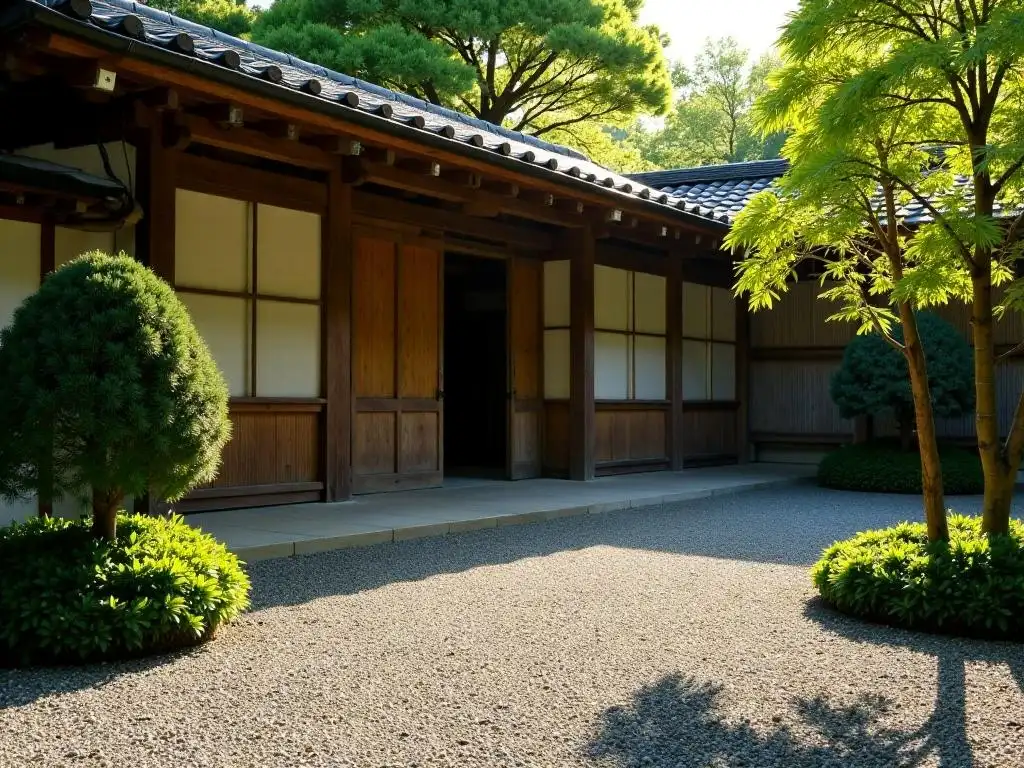
Early Contacts between China and Japan
The cultural exchange between China and Japan dates back to ancient times, with significant interactions shaping Japan's spiritual landscape. One of the pivotal moments in this exchange occurred during the 6th century when Buddhism was introduced to Japan from the Korean Peninsula, which had already been influenced by Chinese thought and culture. The transmission of Buddhism included various schools, but it was Zen Buddhism that would later flourish and become deeply rooted in Japanese culture.
The early contacts between China and Japan were not limited to religious exchanges; they also encompassed trade and diplomatic missions. Notably, the Tang Dynasty (618-907) played a crucial role in facilitating this exchange. Japanese envoys traveled to China to study its advanced civilization, including its governance, literature, and philosophical systems. It was during these missions that the seeds of Zen Buddhism began to take root in Japan.
- Key Events:
- 552 CE: Introduction of Buddhism to Japan via Korea.
- 600-800 CE: Japanese missions to China, where envoys studied various Buddhist teachings.
These historical interactions laid the foundation for the eventual establishment of Zen as a distinct and influential school of Buddhism in Japan, characterized by its emphasis on meditation (zazen) and direct experience over doctrinal study.
Key Figures in the Introduction of Zen Buddhism
Several pivotal figures played instrumental roles in the introduction and development of Zen Buddhism in Japan, each contributing uniquely to its establishment and integration into Japanese culture.
- Eisai (1141-1215):
- Often regarded as the founder of the Rinzai school of Zen in Japan, Eisai traveled to China and studied under Chinese Zen masters. Upon his return, he introduced the practice of tea drinking, linking it to Zen meditation and promoting its health benefits. Eisai's writings, such as Kissa Yōjōki (Book of Tea and Health), emphasized the significance of tea as a spiritual and physical aid for monks.
- Dōgen (1200-1253):
- A disciple of the Chinese Zen master Rujing, Dōgen founded the Sōtō school of Zen, which emphasizes "just sitting" (shikantaza) as a form of meditation. Dōgen's seminal work, Shōbōgenzō, explores the nature of reality and the practice of Zen, integrating Chinese influences while also developing a distinctly Japanese approach.
- Myōan Eisai (also known as Myōan Shōnin):
- Another significant figure, Myōan Eisai, played a central role in establishing Zen monasteries in Japan. His efforts contributed to the institutionalization of Zen Buddhism, creating a framework for its practice and ensuring its longevity in Japanese society.
These figures not only introduced Zen teachings but also adapted them to fit the unique cultural context of Japan, paving the way for Zen Buddhism to flourish in the following centuries.
The Role of Chinese Monks in Promoting Zen in Japan
Chinese monks were crucial in promoting and legitimizing Zen Buddhism in Japan, serving as both teachers and cultural ambassadors. Their influence can be categorized into several key aspects:
- Transmission of Knowledge: Chinese monks, such as Linji Yixuan and Huangbo Xiyun, brought with them authentic teachings of Zen, emphasizing meditation and direct experience. Their teachings resonated with Japanese monks and laypeople alike, leading to the establishment of Zen monasteries throughout Japan.
- Cultural Integration: These monks not only taught Zen practices but also introduced various aspects of Chinese culture, including poetry, painting, and calligraphy. This cultural integration significantly impacted Japanese arts, leading to the development of distinctive Zen-inspired aesthetics.
- Establishment of Monastic Systems: The presence of Chinese monks in Japan facilitated the establishment of Zen monastic systems, which became centers for spiritual training and cultural exchange. These monasteries, such as Daitoku-ji and Rinzai-ji, became important cultural hubs that fostered the growth of Zen Buddhism and its practices.
- Networking and Collaboration: The collaboration between Japanese monks and their Chinese counterparts led to a vibrant exchange of ideas and practices. This network not only strengthened Zen Buddhism's foundation but also contributed to the broader cultural dialogue between China and Japan.
Through these efforts, Chinese monks played an integral role in the establishment and propagation of Zen Buddhism in Japan, ensuring its lasting influence on Japanese culture and society.
The Philosophical Foundations of Zen Buddhism
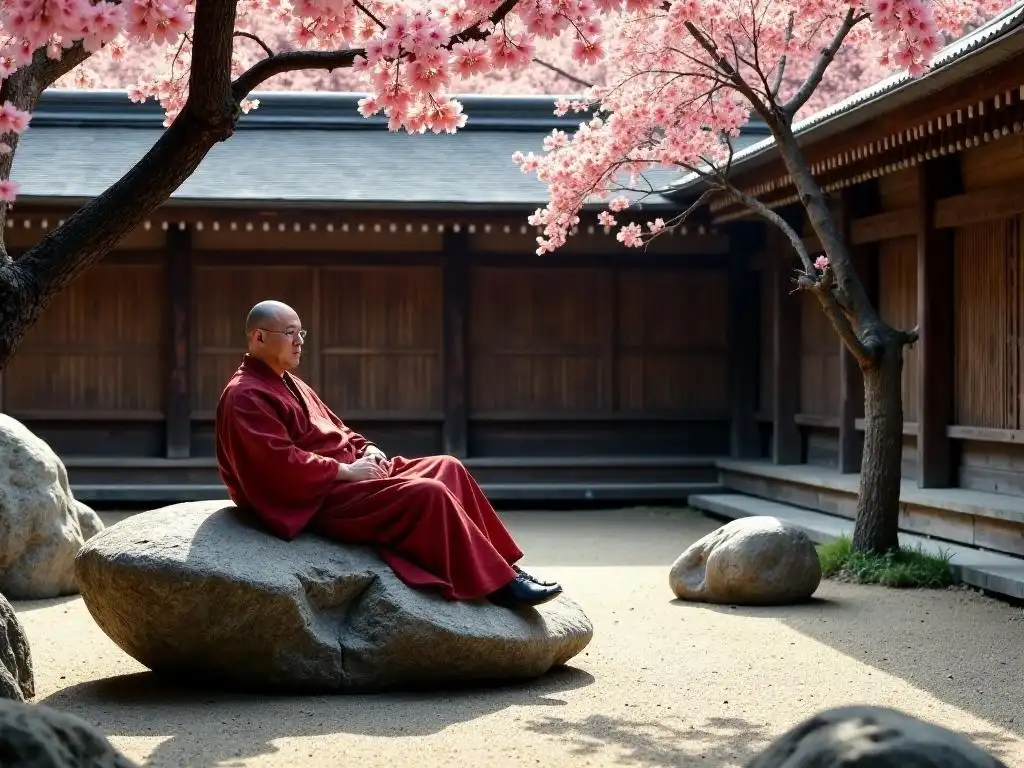
Core Principles of Zen Buddhism
Zen Buddhism, emerging as a distinct school within the broader tradition of Mahayana Buddhism, emphasizes direct experience and insight rather than reliance on scripture or doctrinal study. Its core principles can be summarized as follows:
- Zazen (Meditation): The practice of seated meditation (zazen) is central to Zen. It is through zazen that practitioners cultivate mindfulness and experience the present moment. This meditative state is considered essential for achieving enlightenment (satori).
- Direct Transmission: Zen emphasizes the transmission of knowledge and insight from teacher to student, often through non-verbal means. This concept is illustrated in the famous saying, "A special transmission outside the scriptures," which highlights the importance of personal experience over textual study.
- Simplicity and Naturalness: Zen advocates for simplicity in both thought and action. This is reflected in the aesthetic principles of Zen, such as wabi-sabi, which appreciates the beauty of imperfection and transience.
- Non-Duality: Zen teaches the idea of non-duality, where distinctions between self and other, subject and object, dissolve. This perspective encourages practitioners to see beyond conventional dualistic thinking.
These principles not only shape the practice of Zen but also influence the broader cultural landscape of Japan, intertwining with the nation's artistic, social, and philosophical developments.
Comparison of Zen Buddhism and Traditional Chinese Philosophies
The origins of Zen Buddhism can be traced back to the interactions between Indian Buddhism and Chinese philosophical traditions, particularly Daoism and Confucianism. This synthesis led to a unique form of spirituality characterized by specific differences when compared to traditional Chinese philosophies:
- Daoism's Influence:
- Naturalism: Zen shares with Daoism a profound appreciation for nature. Both philosophies encourage a harmonious relationship with the natural world, valuing spontaneity and natural flow.
- Wu Wei (Non-Action): The Daoist principle of wu wei, or effortless action, resonates deeply within Zen practice. Practitioners are encouraged to move with the natural currents of life rather than against them.
- Confucianism's Role:
- Social Order vs. Individual Experience: While Confucianism emphasizes social harmony, moral duty, and hierarchical relationships, Zen focuses on individual experience and self-realization. Zen practitioners often seek enlightenment through personal insight rather than adherence to societal norms.
- Rituals: Confucianism’s structured rituals contrast sharply with Zen's spontaneous, direct approach to spiritual practice. Zen often rejects formalized rituals in favor of immediate experience and insight.
In essence, while Zen Buddhism incorporates elements from both Daoism and Confucianism, it prioritizes personal experience and direct realization of truth, setting it apart as a uniquely Japanese adaptation of Chinese philosophical thought.
The Impact of Daoism and Confucianism on Zen Thought
The integration of Daoism and Confucianism into Zen Buddhism has profoundly shaped its development and practice in Japan. Each philosophical tradition contributed distinct elements that enriched Zen thought:
- Daoism:
- Emphasis on Nature: Daoism's veneration for the natural world influenced Zen's aesthetic values, leading to a deep appreciation for simplicity and the beauty of nature. This is evident in Zen gardens and ink wash painting, which reflect the Daoist belief in the interconnectedness of all things.
- Meditative Practices: Daoist meditation practices informed Zen meditation techniques, fostering a culture of introspection and tranquility. The Daoist understanding of the flow of energy (qi) complements Zen’s focus on mindfulness and presence.
- Confucianism:
- Moral Framework: While Zen emphasizes personal enlightenment, Confucian moral teachings provided a social context in which Zen could flourish. The Confucian ideals of respect and duty helped shape the ethical conduct of Zen practitioners within society.
- Education and Scholarship: The Confucian emphasis on education contributed to the intellectual development of Zen. Many Zen masters were also scholars, blending philosophical inquiry with spiritual practice.
The interaction between Zen Buddhism and Chinese influences, particularly Daoism and Confucianism, created a rich tapestry of thought and practice that has left a lasting legacy on Japanese culture and spirituality. The synthesis of these philosophies not only shaped Zen’s unique characteristics but also facilitated its growth and adaptation in the Japanese context.
Artistic and Cultural Influences
Chinese Aesthetics in Japanese Zen Art
The relationship between Zen Buddhism and Chinese aesthetics has profoundly shaped Japanese art, particularly during the Kamakura period (1185–1333). The arrival of Zen from China brought with it a distinct style of artistic expression that emphasized simplicity, natural beauty, and spiritual depth.
Characteristics of Chinese Aesthetics in Zen Art:
- Minimalism: Chinese Zen art is characterized by minimalistic approaches. Japanese artists adopted this principle, leading to a focus on negative space and the use of fewer elements to convey deeper meanings.
- Naturalism: Inspired by the Chinese appreciation for nature, Japanese Zen artists often depicted landscapes, flora, and fauna in a way that highlights the transience of life.
- Symbolism: Elements such as bamboo, rocks, and water are frequently used symbols reflecting Zen teachings. They serve as metaphors for various philosophical concepts, including resilience and adaptability.
A notable example of this influence is found in ink wash painting, or sumi-e, which emphasizes the fluidity and spontaneity of brush strokes. This technique was imported from China and became a hallmark of Japanese Zen art, encouraging artists to express their inner emotions through a meditative approach to painting.
The Integration of Zen Philosophy in Japanese Gardens
Japanese gardens have long been a reflection of Zen philosophical principles, integrating natural landscapes with spiritual concepts. The design of these gardens embodies the Zen belief in harmony, balance, and the impermanence of life.
Key Elements of Zen Gardens:
- Asymmetry: Unlike Western gardens that often emphasize symmetry, Zen gardens embrace asymmetry, creating a more natural and spontaneous appearance. This reflects the Zen concept of embracing the imperfections of life.
- Use of Rocks and Gravel: Rocks symbolize mountains and islands, while gravel represents water. Raking the gravel is a meditative practice that encourages mindfulness and contemplation.
- Water Features: Ponds and streams are often included to symbolize the flow of life and the interconnectedness of all things.
The Ryoan-ji rock garden in Kyoto is a quintessential example of this integration. Its minimalist design encourages visitors to reflect deeply, embodying the Zen practice of mindfulness through nature.
Influence of Zen Buddhism on Traditional Japanese Tea Ceremony
The Japanese tea ceremony, or chanoyu, is deeply influenced by Zen Buddhism. This ritualistic practice transcends mere beverage consumption, embodying spiritual and aesthetic principles associated with Zen philosophy.
Core Principles of the Tea Ceremony:
- Wabi-Sabi: Central to the tea ceremony is the aesthetic of wabi-sabi, which finds beauty in imperfection and transience. This principle encourages participants to appreciate the simplicity and authenticity of their surroundings.
- Mindfulness and Presence: The tea ceremony emphasizes the importance of being present in the moment. Each movement is deliberate, reflecting Zen teachings about mindfulness and the nature of existence.
- Harmony and Respect: The interaction between host and guests is rooted in respect and harmony, essential tenets of Zen philosophy. This fosters a sense of community and interconnectedness during the ceremony.
The tea utensils, often handmade and displaying imperfections, further illustrate the Zen influence—highlighting the beauty of simplicity and the importance of the moment. Overall, the tea ceremony serves as a profound expression of Zen values, merging art, spirituality, and culture into a singular experience.
Zen Buddhism's Impact on Japanese Society

Zen Buddhism, which emerged as a significant school of thought in the 12th century, profoundly influenced various aspects of Japanese society. Its introduction to Japan was not merely a transference of religious beliefs but a transformative process that reshaped cultural, artistic, and social frameworks.
Transformation of Monastic Practices in Japan
The arrival of Zen Buddhism from China led to a notable transformation of monastic practices in Japan. Initially, Japanese Buddhism was characterized by elaborate rituals and adherence to scriptures. However, Zen's emphasis on meditation (zazen) and direct experience shifted the focus from textual study to personal enlightenment. This transformation can be summarized in the following key aspects:
- Emphasis on Meditation:
- Zen monks practiced zazen, often in serene, minimalist settings, promoting an inward focus that contrasted sharply with the ornate temples of earlier Buddhist schools.
- Simplification of Rituals:
- The complexities of the rituals were streamlined. Zen monasteries adopted a more austere lifestyle, reflecting the belief that enlightenment could be achieved through simplicity and direct experience of reality.
- Integration with Daily Life:
- Zen teachings permeated various aspects of daily life, prompting the adoption of mindfulness practices beyond the monastery walls. This integration fostered a culture of contemplation and presence within Japanese society.
The changes in monastic practices also led to the establishment of numerous Zen temples across Japan, which became centers of learning, culture, and community life. These temples played a crucial role in promoting Zen philosophy, attracting not just monks but laypeople who sought spiritual growth.
Zen Buddhism and the Samurai Culture
Zen Buddhism's influence on the samurai culture was profound, intertwining martial values with spiritual principles. The samurai, known for their code of conduct (bushido), found a sympathetic philosophy in Zen that emphasized discipline, focus, and the acceptance of death. Key points of this relationship include:
- Mindfulness in Combat:
- Zen practices encouraged samurai to develop a state of 'no-mind' (mushin), allowing them to act spontaneously and decisively in battle. This mental clarity was essential for survival in a feudal society marked by conflict.
- Ethical Framework:
- The teachings of Zen Buddhism provided a moral framework for samurai, emphasizing virtues such as loyalty, honor, and selflessness, which aligned closely with the bushido code.
- Arts and Aesthetics:
- The samurai were not only warriors but also patrons of the arts. Zen's influence led to the appreciation of simplicity and natural beauty, evident in practices such as tea ceremonies, ink painting, and garden design, which were often sponsored by samurai.
The synergy between Zen and samurai culture fostered a unique societal structure where martial prowess and spiritual depth coexisted, influencing Japan's historical trajectory.
The Role of Zen in Japanese Literature and Poetry
Zen Buddhism's impact extended to the realm of literature and poetry, where its philosophical tenets inspired a rich tradition of artistic expression. This influence is particularly evident in the following areas:
- Haiku and Zen Aesthetics:
- The haiku form of poetry, which emphasizes brevity and the evocation of nature, aligns closely with Zen principles. Poets like Matsuo Bashō infused their works with Zen insights, capturing ephemeral moments and the essence of existence.
- Prose Literature:
- Zen themes permeated prose literature, particularly in works that explored the nature of reality, self, and consciousness. Writers often drew on Zen metaphors to convey complex ideas simply and powerfully.
- Cultural Narratives:
- Zen narratives often explore the tension between enlightenment and the mundane, offering a lens through which to view the human experience. This duality is a recurring theme in Japanese storytelling, reflecting the Zen view of life as a path to understanding.
Zen Buddhism's influence on Japanese literature and poetry not only enriched the artistic landscape but also provided a framework for exploring fundamental questions about existence, consciousness, and the nature of reality. Its legacy continues to resonate in contemporary Japanese culture, highlighting the enduring impact of this profound spiritual exchange.
The Evolution of Zen Buddhism in Japan

Historical Developments of Zen Schools in Japan
Zen Buddhism was formally introduced to Japan from China in the late 12th century, during the Kamakura period. The primary schools that emerged were Rinzai and Soto, each with distinct characteristics and practices.
- Rinzai School: Founded by Eisai (1141-1215), this school emphasized the use of koans—paradoxical anecdotes or riddles meant to challenge logical thinking and provoke enlightenment. Eisai brought with him the practice of tea, which eventually evolved into the Japanese tea ceremony, further intertwining Zen with Japanese culture.
- Soto School: Founded by Dogen (1200-1253), who studied in China, the Soto school focused on shikantaza, or "just sitting." This form of meditation emphasized direct experience and the importance of everyday actions as pathways to enlightenment. Dogen's writings, particularly "Shobogenzo," reflect deep philosophical insights and a strong connection to Chinese Zen traditions.
The establishment of Zen temples, such as the famous Daitoku-ji and Nanzen-ji, facilitated the growth of Zen culture in Japan. These temples became centers for the arts, inspiring practices in ink painting, calligraphy, and garden design, all of which were heavily influenced by Chinese aesthetics and philosophy.
Modern Interpretations of Zen Buddhism
In contemporary Japan, Zen Buddhism has adapted to modern society while maintaining its core principles. The practice has seen a revival in recent years, attracting both Japanese and international practitioners seeking mindfulness and meditation techniques.
- Integration into Daily Life: Zen practices have been integrated into everyday life, with many people engaging in zazen (seated meditation) as a means of stress relief. This has led to a broader understanding of Zen beyond the confines of traditional temple life.
- Influence on Arts and Culture: Modern Japanese artists and writers continue to draw inspiration from Zen philosophy. Notable figures, like poet Matsuo Basho and painter Sesshu Toyo, have influenced contemporary expressions of Zen in literature, visual arts, and performance.
- Global Zen Movement: The globalization of Zen Buddhism has led to various interpretations and adaptations of Zen practices outside Japan. Many Western practitioners incorporate elements of Zen into their spiritual and wellness practices, reflecting a blend of Eastern and Western philosophies.
Continuing Chinese Influence on Contemporary Zen Practices
Despite the evolution of Zen in Japan, the influence of Chinese Buddhism remains significant. This can be observed in several key areas:
- Philosophical Foundations: The core teachings of Zen, including concepts of emptiness (śūnyatā) and non-duality, are rooted in Chinese Buddhist thought. These philosophical foundations continue to guide contemporary Zen practitioners.
- Meditation Techniques: Many meditation techniques and rituals practiced in modern Zen temples can be traced back to their Chinese origins. For instance, the use of silent meditation and the role of the Zen master in guiding students are practices that have been preserved from the Song Dynasty.
- Cultural Exchange: The cultural exchange between Japan and China persists in modern Zen practices, where traditional Chinese art forms, such as landscape painting and calligraphy, are revered and practiced within Zen contexts in Japan.
The interplay between Zen Buddhism and Chinese influences has profoundly shaped the development and practice of Zen in Japan, from its historical roots to its modern interpretations. This ongoing dialogue reflects the dynamic nature of cultural exchange that continues to enrich both traditions.
Conclusion: The Lasting Legacy of Zen Buddhism and Chinese Influence in Japan

Summary of Cultural Exchange Effects
The cultural exchange between Zen Buddhism and Chinese influences has profoundly shaped various aspects of Japanese society from the Kamakura period onward. This interaction resulted in a unique synthesis of ideas, practices, and artistic expressions, which continue to resonate in contemporary Japan.
- Philosophical Integration: Zen Buddhism introduced concepts of mindfulness and meditation that were rooted in Chinese Chan Buddhism. These ideas permeated various facets of Japanese life, fostering a culture of introspection and spiritual discipline.
- Art and Aesthetics: The influence of Chinese aesthetics is evident in traditional Japanese art forms, including ink painting and calligraphy. The emphasis on simplicity and nature in these artworks reflects Zen principles, contributing to Japan's distinctive artistic identity.
- Architecture: Zen gardens and temples, inspired by Chinese designs, have become emblematic of Japanese architecture. The use of natural elements in these spaces exemplifies the Zen ideal of harmony with nature, which is deeply ingrained in Japanese culture.
- Literature and Poetry: The exchange also enriched Japanese literature, particularly haiku and Zen poetry, which draw heavily from Chinese literary traditions. These forms emphasize brevity and depth, capturing profound truths in few words.
The lasting effects of this cultural exchange are evident in Japan's ongoing appreciation for Zen philosophy and aesthetics, influencing everything from tea ceremonies to modern design.
Reflection on the Importance of Zen Buddhism in Japanese Identity
Zen Buddhism has become a cornerstone of Japanese identity, transcending its religious origins to permeate everyday life and cultural practices. This significance can be observed in several key areas:
- Spiritual Framework: For many Japanese, Zen provides a spiritual framework that emphasizes personal experience and direct understanding, rather than dogma. This approach resonates deeply within the collective psyche of the nation, encouraging a sense of inner peace and resilience.
- Cultural Practices: Zen principles have been woven into various cultural practices, such as the tea ceremony (chanoyu), which embodies tranquility and mindfulness. This ritual is not merely about drinking tea; it is a meditative practice that fosters connection with the self and others.
- Philosophical Influence: The teachings of Zen have influenced Japanese philosophy, encouraging values such as simplicity, humility, and appreciation for the transient nature of life. These values have shaped social norms and behaviors, fostering a community-oriented mindset.
- Art and Design: Zen aesthetics continue to influence modern Japanese design and architecture, emphasizing minimalism and natural materials. This enduring legacy reflects a cultural inclination toward finding beauty in simplicity, a principle that resonates in contemporary Japanese life.
The integration of Zen Buddhism and Chinese influences has left an indelible mark on Japanese culture, shaping its identity and continuing to inform both traditional and modern practices. This rich tapestry of cultural exchange highlights the dynamic nature of Japan's historical evolution and its ongoing journey toward spiritual and artistic expression.
Suggested Further Reading on Zen Buddhism and Cultural Exchange
Recommended Books and Articles
For those interested in delving deeper into the intricate relationship between Zen Buddhism and Chinese influences in Japan, a variety of insightful books and scholarly articles are available. Here are some recommended readings:
- "Zen and the Art of Japanese Culture" by John S. Brown
- This book explores the profound impact of Zen Buddhism on various aspects of Japanese culture, including art, literature, and philosophy. Brown emphasizes the Chinese roots of Zen and how they adapted within the Japanese context.
- "The Zen Teachings of Bodhidharma" translated by Red Pine
- A collection of teachings attributed to Bodhidharma, the founder of Zen Buddhism, this text provides foundational insights into the philosophy that traveled from China to Japan, influencing the country's spiritual landscape.
- "Japanese Zen: The Art of Inner Peace" by Shunryu Suzuki
- Suzuki’s work offers an accessible introduction to Zen practice and its cultural significance in Japan, highlighting the dialogue between Chinese Zen and Japanese adaptations.
- "The Influence of Chinese Culture on Japanese Zen" by Takashi Yoshikawa
- An academic article that critically examines how Chinese Zen philosophies were integrated into Japanese society, reshaping religious practices and cultural expressions.
- "Zen Buddhism: A History" by Heinrich Dumoulin
- This comprehensive history details the evolution of Zen Buddhism, including its origins in China and its migration to Japan, providing context for the cultural exchange between the two regions.
Key Historical Sites to Explore Zen Buddhism in Japan
Exploring historical sites that embody the essence of Zen Buddhism can enhance understanding of its Chinese influences in Japan. Here are some significant locations to consider:
- Daitoku-ji Temple, Kyoto
- A major temple complex known for its beautiful gardens and Zen practices, Daitoku-ji showcases the architectural style and artistic influences that stem from Chinese culture.
- Nanzen-ji Temple, Kyoto
- This temple is an exemplar of the integration of Chinese Zen philosophies into Japanese practices. The complex features notable structures and gardens that reflect the serene aesthetics of Zen.
- Ryoan-ji Temple, Kyoto
- Famous for its rock garden, Ryoan-ji represents the minimalist beauty of Zen and the influence of Chinese landscape aesthetics. It invites visitors to contemplate the essence of nature and tranquility.
- Eihei-ji Temple, Fukui
- Founded by the Zen master Dogen, Eihei-ji is a significant site for Soto Zen practice. The temple's design reflects traditional Chinese Buddhist architecture and emphasizes the teachings that transcended borders.
- Tenryu-ji Temple, Kyoto
- Recognized as a UNESCO World Heritage Site, Tenryu-ji is an important Zen temple that features gardens influenced by Chinese landscape design, embodying the cultural exchange between the two nations.
These readings and sites provide a comprehensive framework for understanding the profound cultural exchange between Zen Buddhism and its Chinese influences in Japan.
Frequently Asked Questions
What is the significance of Zen Buddhism in Feudal Japan?
Zen Buddhism played a crucial role in shaping Japanese culture, influencing art, philosophy, and social practices during the feudal era. Its principles promoted mindfulness and meditative practices, which permeated various aspects of Japanese life.
How did Chinese influence contribute to the development of Zen Buddhism in Japan?
The Chinese influence introduced foundational elements of Zen Buddhism, such as meditative practices and philosophical concepts. This exchange enriched the Japanese interpretation of Zen, leading to unique developments in their spiritual and cultural landscape.
What are some examples of the cultural exchange between China and Japan regarding Zen Buddhism?
Key examples include the adoption of Zen art forms such as ink painting and calligraphy, as well as the establishment of Zen gardens that reflect Chinese aesthetics while adapting to Japanese sensibilities. These practices illustrate the deep cultural interconnection.
How did Zen Buddhism influence Japanese society during the feudal era?
Zen Buddhism fostered a sense of discipline and self-control, which was particularly valued by the samurai class. Its teachings encouraged a lifestyle that emphasized simplicity, humility, and a strong connection to nature, shaping societal norms and values.
What are the lasting impacts of the Zen Buddhist traditions on contemporary Japanese culture?
The Zen Buddhist traditions continue to influence modern Japanese aesthetics, such as tea ceremonies and landscape gardening. They also promote a deep appreciation for mindfulness and spiritual practices, which remain relevant in today's fast-paced society.
Final Reflection: The Enduring Legacy of Zen Buddhism and Chinese Influence in Japan
The cultural exchange between Zen Buddhism and Chinese influences in Japan is not just a historical phenomenon; it is a living testament to the power of cross-cultural dialogue. Today, as we navigate an increasingly interconnected world, the principles of Zen Buddhism—mindfulness, simplicity, and harmony—resonate more than ever. This ancient philosophy continues to inspire individuals seeking solace and clarity amidst the chaos of modern life, reminding us that the wisdom of the past can illuminate our present.
The interplay between Zen Buddhism and Chinese culture has profoundly shaped Japan's artistic, spiritual, and social landscapes. This rich tapestry of influence is evident in everything from traditional tea ceremonies to contemporary art forms. As we reflect on this ongoing legacy, we are reminded of the words of D.T. Suzuki, who said, "> Zen is not a philosophy, it is a way of life." This perspective underscores the importance of integrating these teachings into our daily experiences, fostering a deeper connection to ourselves and the world around us.
As we conclude this exploration of Zen Buddhism and its Chinese influences, I invite you to reflect on how these teachings can be woven into your own life. Consider the ways in which mindfulness and simplicity can enhance your daily routines and interactions. Embrace the spirit of cultural exchange by seeking wisdom from diverse traditions, allowing these insights to guide you on your journey. In doing so, you not only honor the past but also contribute to a future rich in understanding and compassion.
Unveil the Depths of Cultural Exchange!
Thank you for diving into the fascinating intertwining of Zen Buddhism and Chinese influences in Japan! You’ve explored how these rich traditions have shaped the cultural landscape, and now it's time to turn that knowledge into action. Let’s keep the spirit of cultural exploration alive and engage more deeply with these profound themes.
Here are some exciting steps you can take:
- Embrace Zen: Start a mindfulness practice by exploring meditation techniques rooted in Zen Buddhism. Dedicating just 10 minutes a day can significantly transform your perspective!
- Discover More: Explore additional resources and literature on the history of Zen Buddhism and its impact on Japanese culture. **You may uncover surprising stories and insights! **
- Share Your Journey: Engage in discussions with friends or online communities that are interested in cultural history. **Initiating a conversation can spark deeper understanding and connections! **
What unique perspective or experience do you think Zen mindfulness could bring to your daily life?