
Beyond the Sword: The Role of Literature in Samurai Culture

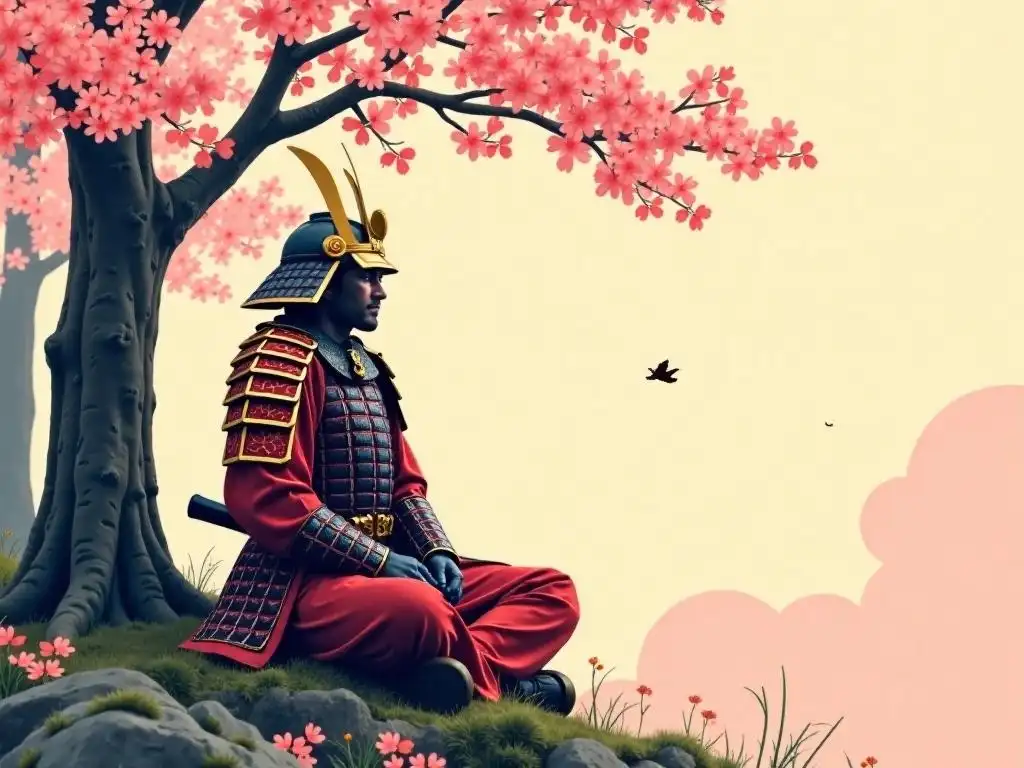
Welcome to Feudal Japan History, where we embark on a captivating journey through the intricate tapestry of Japan’s feudal era. Here, history unfolds not only through the clash of swords but also through the profound words that shaped a culture. In our featured article, “Beyond the Sword: The Role of Literature in Samurai Culture,” we dive deep into how samurai warriors wielded pens as skillfully as they did their weapons.
Discover the rich literary traditions that flourished alongside the fierce battles, and unlock the secrets of a society where honor and artistry coexisted. Are you ready to explore the powerful narratives that defined a generation?
Introduction to Samurai Culture and Literature
The samurai, often romanticized as the ultimate warriors of Japan, played a pivotal role not only in the military landscape of feudal Japan but also in shaping its cultural and literary heritage. Beyond their prowess with the sword, samurai were deeply influenced by the philosophies, values, and ethical codes that permeated their existence.
Literature in samurai culture serves as a vital window into understanding this multifaceted society, reflecting the ideals, struggles, and aspirations of these noble warriors. This article delves into the intricate connections between samurai values and literature, exploring how written works captured the essence of honor, loyalty, and the age-old code of Bushido.
Overview of Samurai Culture in Feudal Japan
Samurai culture emerged during the Heian period (794-1185) and crystallized in the Kamakura period (1185-1333), evolving into a complex social class known for its martial skills and adherence to a strict ethical code. The samurai not only served as warriors but also as administrators and cultural custodians. Their lives were governed by principles that emphasized:
- Honor: Maintaining personal and family reputation was paramount.
- Loyalty: Service to one's lord (daimyo) was non-negotiable.
- Discipline: Rigorous training and self-control defined their character.
The samurai's impact on Japanese society extended beyond the battlefield, influencing art, philosophy, and, crucially, literature. Through poetry, prose, and the storytelling traditions, samurai conveyed their experiences, values, and the spiritual dimensions of their lives.
Significance of Literature in Japanese Society
Literature served as an essential medium for expressing the thoughts and emotions of the samurai, allowing them to document their experiences and share their philosophies. It played several critical roles in Japanese society:
- Cultural Preservation: Literary works helped preserve historical events and cultural practices.
- Moral Instruction: Many texts served didactic purposes, teaching virtues and ethical dilemmas.
- Emotional Expression: Poetry, particularly forms like haiku and tanka, allowed samurai to express their innermost feelings and reflections on life and death.
Through literature, samurai could articulate their struggles, aspirations, and the weight of their duties, creating a rich tapestry of narrative that resonates to this day.
The Influence of Samurai Values on Literary Themes
Honor and Loyalty in Samurai Literature
Central to samurai literature are the themes of honor and loyalty, which are often portrayed through heroic narratives and tragic tales. Works like The Tale of the Heike illustrate the conflict between personal duty and loyalty to one's clan, portraying characters who grapple with these principles in life's toughest moments.
- Heroic Ideals: Samurai literature frequently idealizes figures who embody honor, portraying their sacrifices and the consequences of their choices.
- Tragic Outcomes: Many stories reflect the tragic nature of loyalty, where characters face inevitable doom due to their unwavering allegiance to their lords.
These narratives reinforce the samurai's moral framework, emphasizing that honor and loyalty are not just virtues but essential elements of their identity.
The Concept of Bushido and Its Literary Reflections
Bushido, the "way of the warrior," is the ethical code that guided samurai behavior and decision-making. This concept is intricately woven into the fabric of samurai literature. Texts such as Hagakure and The Book of Five Rings explore the principles of Bushido, providing insights into its philosophical underpinnings and practical applications.
- Philosophical Depth: Bushido literature often contemplates the nature of duty, the acceptance of death, and the pursuit of wisdom.
- Practical Application: Works on Bushido provide guidelines on how to live honorably, reflecting the samurai's commitment to self-improvement and societal contribution.
Through these literary works, the ideals of Bushido were disseminated, shaping not only the samurai class but also influencing broader Japanese culture and society.
Major Literary Works of the Samurai Era
The samurai era in Japan, spanning from the late 12th century to the 19th century, produced a wealth of literary works that reflect the values, beliefs, and experiences of the warrior class. This era is marked by significant texts that not only provide insights into the lives of samurai but also showcase the intricate relationship between martial prowess and artistic expression.
Key literary works include The Tale of the Heike, an epic that chronicles the rise and fall of the Taira clan, and The Book of Five Rings by Miyamoto Musashi, a treatise on strategy and philosophy that remains influential in martial arts today.
Another notable work is The Tale of Genji, although primarily associated with the Heian period, its themes of love and aesthetics influenced later samurai literature. The Nihon Shoki and Chronicles of Japan also contribute to understanding the historical context in which the samurai operated. These texts not only narrate historical events but also serve as a means of introspection for the samurai, blending the literary with the philosophical and the practical.
Epic Tales and Historical Narratives
Epic tales and historical narratives played a crucial role in samurai literature, often intertwining history with mythology. The Tale of the Heike stands out as a seminal work, detailing the struggles between the Taira and Minamoto clans. This narrative not only illustrates the samurai's valor in battle but also reflects on the transient nature of life, a concept deeply embedded in Buddhist philosophy.
Additionally, The Chronicles of Japan capture the evolution of samurai society, chronicling not only battles but also the societal structures that supported the samurai way of life. These historical narratives served to legitimize the samurai's social standing and provide moral lessons, emphasizing the virtues of loyalty, honor, and courage. They were often recited in gatherings, reinforcing the communal values that bound the samurai class.
Poetry and Prose in Samurai Literature
Poetry and prose flourished within the samurai culture, with forms such as haiku and renga becoming popular among the warriors. The discipline required in composing poetry mirrored the samurai's martial training, promoting a sense of aesthetic appreciation and emotional expression. Renowned samurai poets like Matsuo Bashō and Yosa Buson contributed to the haiku tradition, capturing the beauty of nature and the fleeting moments of life.
Prose works, including essays and philosophical treatises, also emerged during this time. The Hagakure, a guide to the samurai way of life, combines practical advice with poetic reflections, emphasizing the importance of mindfulness and duty. These literary forms were not merely artistic endeavors; they served as a means of self-reflection and a way to articulate the samurai's internal struggles and ideals.
The Relationship Between Samurai and Literary Arts
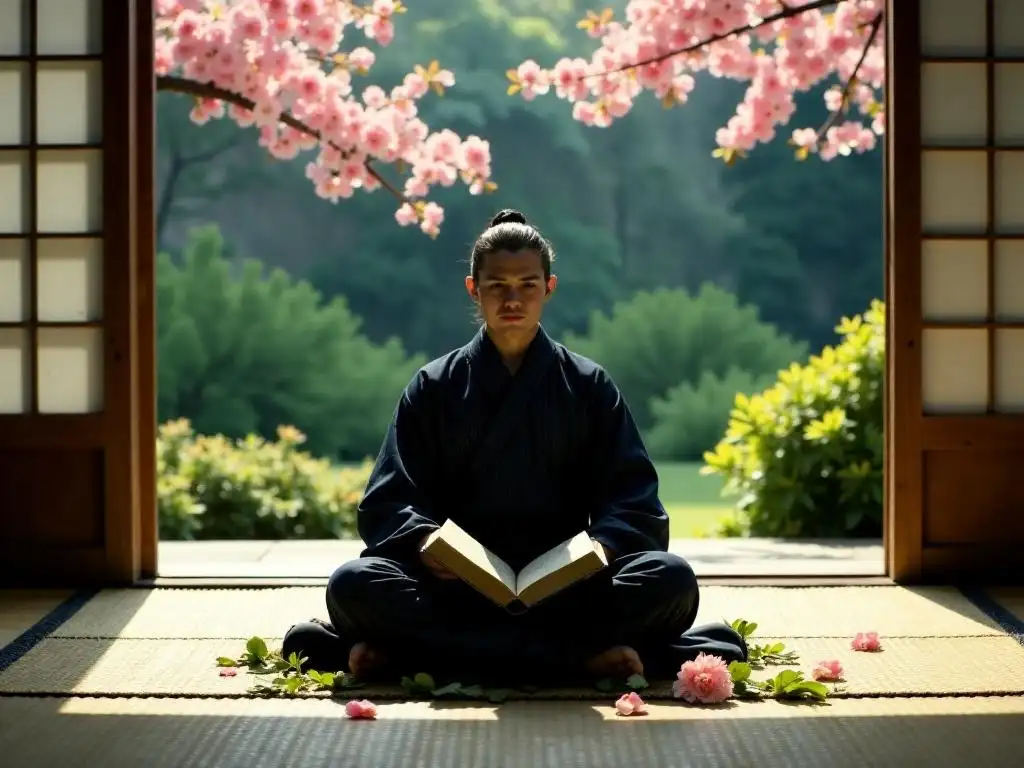
The relationship between samurai and literary arts was complex and multifaceted, characterized by a mutual respect that underscored the importance of intellectual pursuits alongside martial skills. Literature was seen as a means of cultivating the mind, enhancing the samurai's ability to lead and inspire others. This duality is a defining feature of samurai culture, where the sword and the pen were both regarded as vital tools of influence.
Samurai as Patrons of Literature
Many samurai acted as patrons of literature, supporting writers, poets, and artists. This patronage was not only a reflection of their wealth and status but also a desire to promote the cultural richness of their domain. Prominent samurai families often hosted literary gatherings, where poets and scholars could share their works and ideas.
For instance, the Uesugi clan, known for its patronage of the arts, encouraged the creation of various literary works that conveyed the ideals of bushido—the way of the warrior. This fostering of literary talent contributed to a vibrant cultural scene, allowing literature to thrive alongside the martial traditions of the samurai.
The Role of Education and Literacy Among Samurai
Education and literacy were highly valued among the samurai, with many receiving formal training in reading, writing, and poetry. This emphasis on education stemmed from the belief that a well-rounded warrior was better equipped to serve his lord and society. Samurai were taught not only the art of warfare but also philosophy, history, and literature, which enriched their understanding of the world.
The development of schools, such as the Hankō, played a significant role in educating samurai youth, ensuring that they were literate and capable of engaging in intellectual discourse. This educational foundation allowed samurai to appreciate literature deeply, fostering a cultural legacy that would influence future generations. The literary pursuits of samurai not only enhanced their personal lives but also contributed to the broader cultural heritage of Japan, highlighting the enduring significance of literature in samurai culture.
The Legacy of Samurai Literature in Modern Japanese Culture
The legacy of samurai literature is deeply woven into the fabric of modern Japanese culture, influencing a wide spectrum of artistic expressions, philosophical thought, and societal values. This literature, characterized by its themes of honor, loyalty, and the warrior ethos, continues to resonate in contemporary narratives, both in Japan and beyond. Works such as the Tale of the Heike, which chronicles the rise and fall of the Taira clan, provide not only historical context but also moral lessons that remain relevant today.
Moreover, the aesthetic principles found in samurai literature, such as simplicity and depth of feeling, have permeated modern Japanese art, poetry, and even design. The concept of mono no aware, or the awareness of the impermanence of things, first articulated in classical literature, continues to inform contemporary Japanese sensibilities. Thus, samurai literature serves as a bridge connecting past values with present-day cultural practices.
Influence on Contemporary Literature and Media
The influence of samurai literature extends into contemporary literature and media, where themes of valor, conflict, and the moral dilemmas faced by warriors are frequently explored. Modern authors, such as Haruki Murakami and Yukio Mishima, draw upon the samurai ethos, depicting characters grappling with identity and existential questions.
Additionally, samurai narratives have found a prominent place in film and television, with productions like Seven Samurai and Rashomon shaping global perceptions of samurai culture. These works not only entertain but also provoke discussions about honor, sacrifice, and the human condition, echoing the sentiments found in earlier literary traditions. Video games, too, have embraced samurai themes, with titles like Ghost of Tsushima immersing players in the rich tapestry of samurai lore and philosophy.
Preservation of Samurai Literature: Museums and Archives
The preservation of samurai literature is vital for maintaining the cultural heritage of Japan. Numerous museums and archives across the country are dedicated to safeguarding these literary treasures. Institutions such as the National Museum of Japanese Literature and the Tokyo National Museum house extensive collections of samurai texts, scrolls, and artifacts that provide insight into the lives and philosophies of these warriors.
Moreover, digital initiatives have emerged to make samurai literature accessible to a global audience. Online databases and e-libraries allow scholars and enthusiasts to explore these historical works, ensuring that the wisdom and artistry of samurai literature continue to inspire future generations. Through exhibitions, educational programs, and public engagement, these institutions play a crucial role in fostering an appreciation for the literary heritage of the samurai.
Conclusion: The Enduring Impact of Literature in Samurai Culture
The enduring impact of literature in samurai culture is marked by its ability to reflect and shape societal values. Literature served not only as a means of entertainment but also as a vehicle for moral instruction and philosophical reflection. The samurai's commitment to their ideals is captured in poetry, prose, and drama, revealing the complexities of their existence and the world around them.
Reflection on the Importance of Literary Heritage
Reflecting on the importance of literary heritage, it becomes evident that the narratives crafted by samurai writers offer invaluable insights into the historical and cultural contexts of their time. The themes of honor, duty, and the transient nature of life explored in these works continue to resonate with contemporary audiences, inviting reflection on personal and societal values.
By understanding and appreciating this literary heritage, modern society can draw lessons from the past, fostering a deeper connection with the ideals that once guided the samurai. Literature not only preserves the memory of these warriors but also encourages ongoing dialogue about ethics, identity, and the human experience.
Final Thoughts on the Role of Literature in Shaping Samurai Identity
Literature played a pivotal role in shaping the identity of the samurai, reflecting their values, struggles, and aspirations. It provided a medium through which the samurai could articulate their experiences and philosophical beliefs, ultimately influencing their actions and worldview.
As modern society continues to grapple with themes of honor, duty, and personal integrity, the legacy of samurai literature remains a powerful testament to the enduring spirit of these warriors. By studying and engaging with this literary tradition, we can gain a greater appreciation for the complexities of samurai culture and its profound impact on Japanese society as a whole.
- Introduction to Samurai Culture and Literature
- The Influence of Samurai Values on Literary Themes
- Major Literary Works of the Samurai Era
- The Relationship Between Samurai and Literary Arts
- The Legacy of Samurai Literature in Modern Japanese Culture
- Conclusion: The Enduring Impact of Literature in Samurai Culture
- What is the significance of literature in samurai culture?
- How did samurai literature influence Japanese culture?
- What types of literature were popular among samurai?
- Who were the prominent literary figures in samurai culture?
- How did the samurai view the relationship between literature and warfare?
Frequently Asked Questions
What is the significance of literature in samurai culture?
Literature served as a vital medium for samurai to express their philosophies, values, and ethics, reflecting the complexities of their societal roles beyond just warfare.
How did samurai literature influence Japanese culture?
Samurai literature shaped Japanese culture by promoting ideals such as honor, loyalty, and self-discipline, which continue to resonate in modern Japanese society.
What types of literature were popular among samurai?
The samurai engaged with various forms of literature, including poetry, prose, and philosophical writings, with haiku and Noh plays being particularly influential.
Who were the prominent literary figures in samurai culture?
Notable figures include Miyamoto Musashi, known for his treatise on strategy, and Yamamoto Tsunetomo, whose work "Hagakure" offers insights into samurai ethos and spirituality.
How did the samurai view the relationship between literature and warfare?
Samurai believed that literature complemented warfare by fostering mental clarity and strategic thinking, essential for effective leadership and decision-making in battle.
Final Reflection: The Enduring Legacy of Literature in Samurai Culture
Literature in samurai culture is not merely a historical artifact; it is a vibrant testament to the complexities of honor, loyalty, and the human experience. Today, as we navigate a world often overshadowed by conflict and division, the insights gleaned from samurai literature resonate more than ever. The samurai's deep philosophical reflections challenge us to seek wisdom and understanding in our own lives, reminding us that the pen can indeed be mightier than the sword.
The impact of literature in samurai culture extends far beyond the pages of ancient texts; it continues to shape our cultural and social landscapes. The themes of courage, introspection, and the pursuit of virtue found in works like "The Book of Five Rings" and "Hagakure" inspire not only martial artists but also individuals striving for personal growth in a modern context. The ultimate aim of the martial arts is not having to use them.
This quote encapsulates the essence of samurai literature, emphasizing that true strength lies in wisdom and restraint, a lesson that remains relevant in our contemporary society.
As we reflect on the profound lessons embedded in samurai literature, I invite you to consider how these teachings can be woven into your own life. Embrace the spirit of the samurai by cultivating a mindset of resilience, honor, and continuous learning.
Whether through reading, writing, or simply reflecting on the values presented in these texts, let us honor the legacy of the samurai by applying their wisdom to foster a more compassionate and understanding world. The journey of self-discovery and growth begins with the stories we choose to engage with—let them guide you toward a life of purpose and integrity.
Unleash the Spirit of Samurai Through Literature!
Thank you for diving deep into the fascinating world of samurai culture! By exploring the intricate relationship between literature and these revered warriors, you've unlocked insights that connect the art of words to the valor of the sword. Now, let’s take those insights further!
- Join a community of enthusiasts: Share your discoveries by participating in our discussion forum, where you can connect with fellow history buffs and exchange ideas about samurai literature.
- Dive into a samurai book recommendation: Pick up a classic work like The Book of Five Rings by Miyamoto Musashi, and reflect on how its teachings apply to your own life and challenges.
- Create and share: Write a short piece inspired by samurai literature or your favorite samurai story, and share it on social media with the hashtag #SamuraiLiterature to inspire others!
What aspect of samurai literature resonates with you the most, and how might it influence your personal journey? We can’t wait to hear your thoughts!