
Kabuki Theatre: The Revolutionary Performing Art of Edo Japan

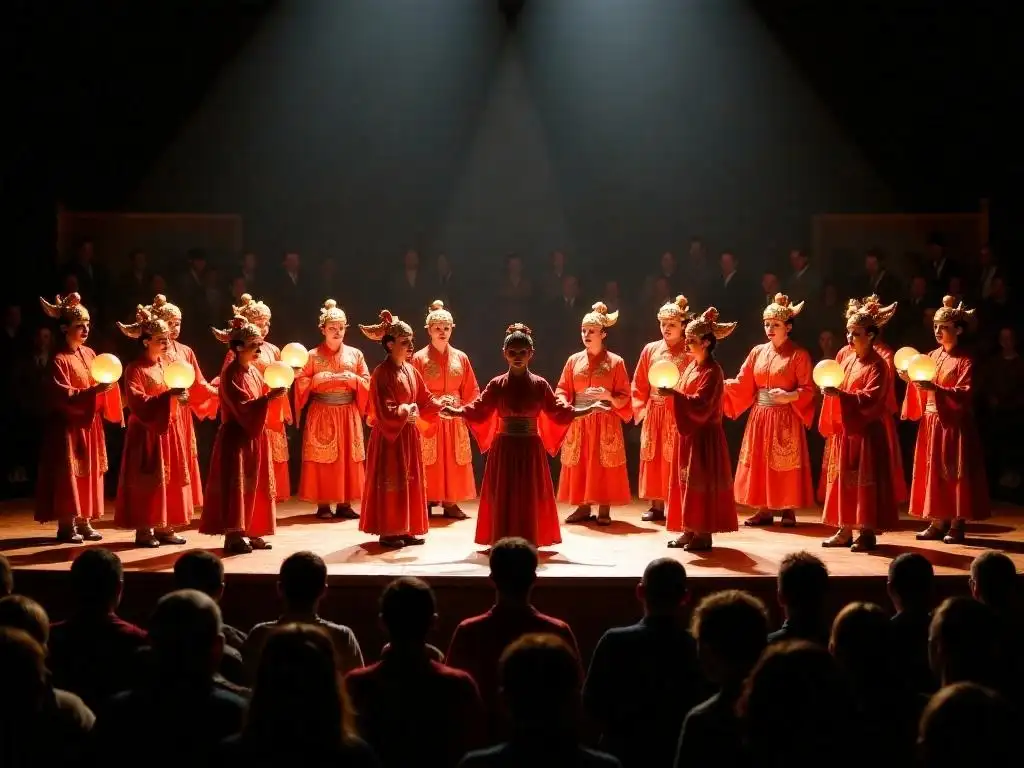
Welcome to Feudal Japan History, where we invite you to delve into the rich tapestry of Japan’s feudal era. In this journey, we shine a spotlight on the mesmerizing world of Kabuki Theatre, a revolutionary performing art that emerged during the Edo period. Discover how this vibrant form of entertainment not only captivated audiences but also reflected the cultural and societal shifts of its time.
Prepare to be intrigued as we unpack the history of Kabuki Theatre and its lasting impact on Japanese culture. Are you ready to step into the enchanting realm of Edo Japan? Let the exploration begin!
Introduction to Edo Japan Kabuki Theatre History
Kabuki Theatre stands as one of the most iconic and transformative art forms to emerge from Edo Japan, reflecting the rich tapestry of cultural, social, and political influences of its time. Originating in the early 17th century, Kabuki quickly evolved from its humble beginnings into a sophisticated theatrical genre that captivated audiences across the nation.
This article aims to provide a comprehensive exploration of the Edo Japan Kabuki Theatre history, delving into its origins, evolution, and the profound impact it had on the cultural landscape of Japan. By understanding the nuances of Kabuki, we can better appreciate its role in shaping not only Japanese theatre but also the broader cultural identity of Edo Japan.
Overview of Kabuki Theatre and Its Significance
Kabuki is characterized by its stylized performances, elaborate costumes, and the use of makeup known as kumadori, which helps convey the emotions and personalities of characters. Thematically rich, Kabuki often intertwines historical events, moral dilemmas, and romantic tales, making it a reflection of the societal values and struggles of its era. The significance of Kabuki extends beyond mere entertainment; it served as a medium for commentary on contemporary issues, allowing for a dialogue between performers and audiences.
Key elements of Kabuki Theatre include:
- Performative Techniques: The use of exaggerated movements and vocal expressions to convey emotion.
- Visual Spectacle: Elaborate staging and costuming that enhance the theatrical experience.
- Dramatic Storytelling: Narratives often drawn from history, folklore, and literature.
This unique combination has solidified Kabuki's place as a vital part of Japan's cultural heritage, influencing various art forms and continuing to inspire modern interpretations.
The Evolution of Kabuki during the Edo Period
As Kabuki matured throughout the Edo Period (1603-1868), it underwent significant transformations that reflected the changing social dynamics and artistic aspirations of the time. Initially performed by women, the genre faced restrictions and was subsequently dominated by male actors, leading to the establishment of the onnagata—male actors who specialized in playing female roles. This shift not only redefined gender roles within the theatre but also enriched the performance style.
Key phases of Kabuki's evolution include:
- Early Kabuki: Characterized by its spontaneous and often improvisational nature.
- Classic Kabuki: The establishment of formalized scripts and performance styles.
- Modern Kabuki: Integration of contemporary themes and technology in performances.
These phases highlight Kabuki's adaptability and its ability to resonate with audiences across generations.
The Origins of Kabuki Theatre in Edo Japan
The roots of Kabuki can be traced back to the early 1600s, a period marked by significant social and political changes in Japan. Understanding the origins of this captivating art form requires a closer look at the historical context that fostered its development.
Historical Context of Kabuki's Emergence
Kabuki emerged in the midst of Japan's transition from a feudal society to a more centralized state under the Tokugawa shogunate. This era was characterized by peace and stability, which allowed for cultural flourishing. As urban centers like Edo (modern-day Tokyo) grew, so did the demand for entertainment.
- Social Structure: The rise of the merchant class created a new audience for Kabuki, who sought art forms that reflected their experiences and aspirations.
- Cultural Exchange: Increased interactions with foreign cultures introduced new artistic influences that enriched Kabuki.
These factors combined to create an environment ripe for the birth of Kabuki Theatre, setting the stage for its enduring legacy.
Influential Figures in the Early Development of Kabuki
The early years of Kabuki were shaped by a number of pioneering figures who played crucial roles in its establishment and evolution. Among them, Izumo no Okuni, a female performer, is often credited with founding Kabuki in the early 1600s. Her innovative performances, which blended dance and drama, captured the public's imagination and laid the groundwork for future developments.
Other notable figures include:
- Matsumoto Koshiro: A prominent actor who helped popularize the onnagata style.
- Chikamatsu Monzaemon: A playwright known for his poignant narratives that explored human emotions and relationships.
These influential personalities not only contributed to the artistic richness of Kabuki but also helped to elevate its status as a revered cultural institution in Edo Japan.
Characteristics of Edo Japan Kabuki Theatre
Kabuki theatre emerged during the Edo period (1603-1868) as a vibrant form of entertainment that combined drama, music, and dance. Unlike traditional Noh theatre, which was more subdued and formal, Kabuki was characterized by its dynamic and expressive style. The performances were marked by exaggerated movements, elaborate costumes, and a focus on visual spectacle, making it accessible to a broad audience. Kabuki was initially performed by women, but due to various societal changes, men eventually took over the roles, leading to the development of the unique style we recognize today.
One of the defining characteristics of Kabuki is its use of mise-en-scène, which includes a highly stylized stage design and intricate props that enhance the storytelling. The stage often features a rotating platform and trapdoors that allow for dramatic entrances and exits, contributing to the overall excitement of the performances. The performances are usually accompanied by live music, incorporating traditional instruments such as shamisen, drums, and flutes, which help to elevate the emotional impact of the scenes.
Distinctive Elements of Kabuki Performance
Kabuki performances are noted for their distinctive elements, which set them apart from other theatrical forms. The use of exaggerated facial expressions and movements allows actors to convey complex emotions and narratives without reliance on realistic dialogue. This stylization is known as "kata," a term that refers to the specific forms and techniques that actors must master to achieve authenticity in their performances.
Moreover, Kabuki incorporates a unique method of "onnagata," where male actors portray female characters. This tradition highlights the artifice of performance, allowing for a rich exploration of gender roles within the narratives. The actors often employ specific gestures and postures to embody the femininity of their characters, adding an additional layer of complexity to the performance.
Costumes and Makeup: A Visual Feast in Kabuki
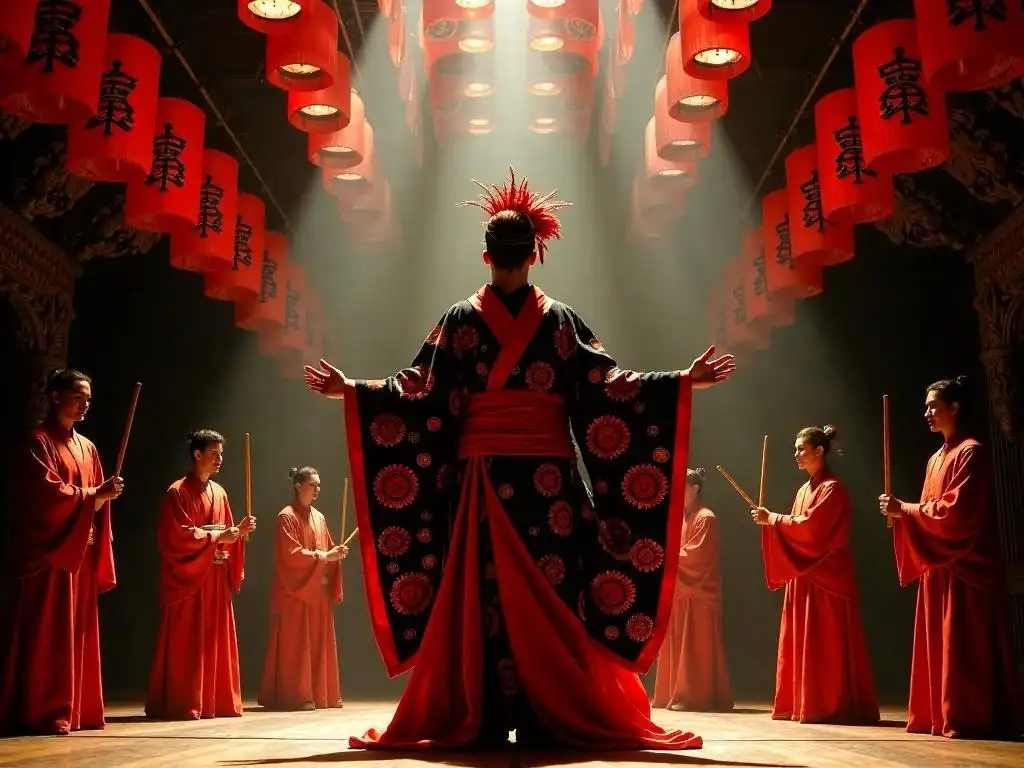
Costumes and makeup in Kabuki theatre are nothing short of spectacular, serving as a crucial component of the overall aesthetic. The costumes are often extravagantly designed, with vibrant colors, intricate patterns, and attention to detail that reflect the character's status and personality. Fabrics used range from silk to cotton, with layers that sometimes include elaborate accessories like wigs and headdresses.
Makeup, known as "kumadori," is another defining aspect of Kabuki. This makeup is applied in bold colors and patterns to represent various character traits, emotions, and even supernatural elements. For instance, red is often used to signify a heroic character, while blue or black might denote a villain. The application of makeup is an art form in itself, with the actors spending considerable time preparing before each performance, often elaborating their features through thick lines and vibrant hues to ensure visibility from afar.
The Role of Music and Dance in Kabuki Theatre
Music and dance are integral to the Kabuki experience, enhancing the narrative and emotional depth of the performances. The shamisen, a three-stringed instrument, is the primary musical accompaniment, providing a rhythmic foundation for the storytelling. Musicians are positioned on stage, allowing the audience to appreciate the live music as an essential part of the performance.
Dance in Kabuki is not merely an accompaniment but an essential storytelling device. Each movement is carefully choreographed and imbued with meaning, allowing characters to express their internal struggles and emotions through physicality. The combination of music and dance creates a symphony of sound and movement, captivating audiences and immersing them in the world of the play. The intricate footwork and hand gestures often correspond to specific emotions or narrative turns, reinforcing the storytelling in a unique and powerful way.
Thematic Elements in Edo Japan Kabuki Plays
Kabuki theatre is rich in thematic elements that reflect the complexities of Edo society. Common themes include love, revenge, loyalty, and the conflict between duty and desire. These narratives often draw from historical events, folklore, and classic literature, presenting them in a way that resonated with contemporary audiences.
The themes in Kabuki are not just entertainment; they also serve as a critique of societal norms and expectations. By exploring the struggles of their characters, Kabuki playwrights provided audiences with a lens through which to examine their own lives and societal constraints. The emotional depth of these narratives continues to attract modern audiences, ensuring Kabuki's relevance in contemporary culture.
Common Themes and Storylines in Kabuki Theatre
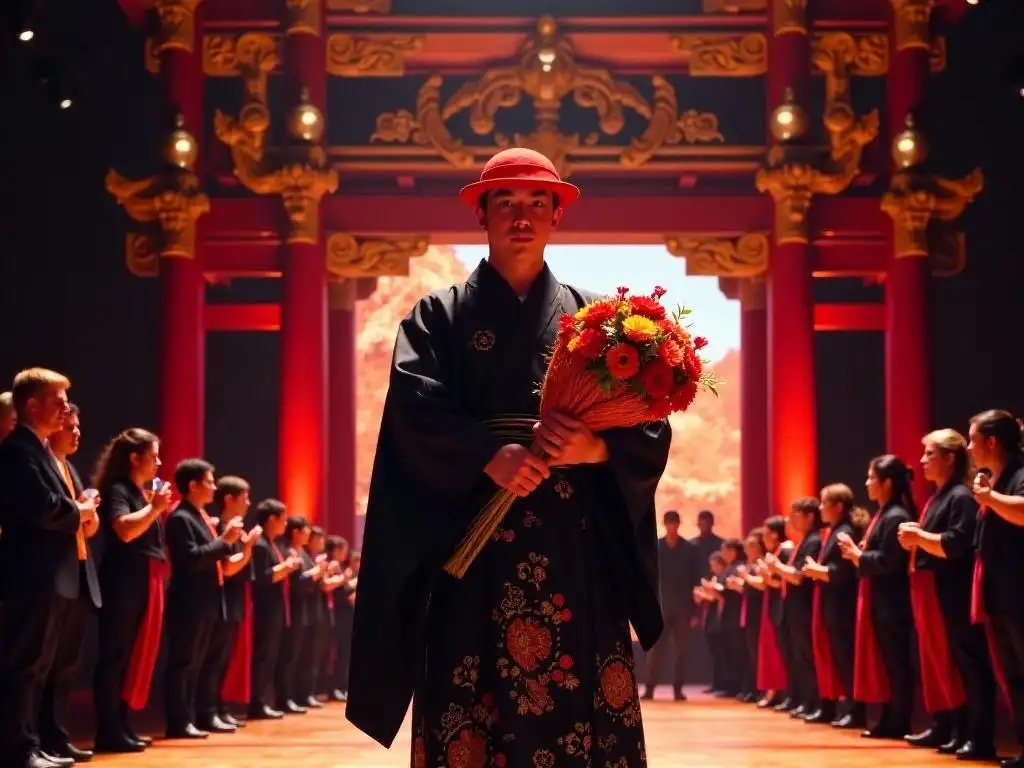
The storylines in Kabuki theatre frequently revolve around romantic entanglements, moral dilemmas, and the clash of social classes. One popular narrative arc involves the tragic love story, where characters face insurmountable obstacles due to societal pressures or personal flaws. These tales often culminate in dramatic resolutions that highlight themes of loyalty and sacrifice.
Additionally, many Kabuki plays draw upon historical events, reinterpreting them for dramatic effect. For instance, tales of samurai honor and betrayal allow audiences to engage with their cultural heritage while reflecting on the values of loyalty and bravery. Plays also incorporate elements of the supernatural, wherein spirits or mythical creatures play pivotal roles, further enriching the narrative tapestry.
Symbolism and Cultural Reflections in Kabuki Performances
Kabuki theatre is deeply embedded with symbolism that reflects the cultural beliefs and societal issues of the Edo period. Colors, gestures, and stage settings are loaded with meaning; for example, the use of specific colors in costumes can denote character traits or societal status. The elaborate staging and props often symbolize broader themes, such as the transience of life or the duality of human nature.
Moreover, Kabuki serves as a mirror to the socio-political landscape of Edo Japan. Through its narratives, it addresses issues such as class struggle, gender roles, and the tension between tradition and modernity. The ability of Kabuki to adapt and comment on societal changes has allowed it to endure through centuries, maintaining its relevance even in the face of contemporary challenges. The reflective nature of Kabuki ensures that it remains a vital cultural artifact, celebrating the complexity and richness of Edo Japan's history.
The Impact of Kabuki Theatre on Edo Society
Kabuki theatre had a profound impact on the society of Edo Japan, transcending mere entertainment to shape cultural norms and social structures. Emerging in the early 17th century, Kabuki quickly became a popular form of performance art, attracting audiences from various social strata, including the samurai, merchants, and commoners. This accessibility fostered a unique cultural exchange, allowing for interactions between different classes that were often restricted in other societal aspects.
The themes portrayed in Kabuki plays often reflected real-life issues, social injustices, and the struggles of daily life, resonating deeply with the populace. This narrative power not only entertained but also served as a subtle critique of societal norms, encouraging audiences to reflect on their own lives and societal structures. Moreover, Kabuki's vibrant costumes and elaborate staging contributed to the visual culture of the Edo period, influencing fashion and aesthetics beyond the theatre.
Kabuki Theatre as a Form of Entertainment
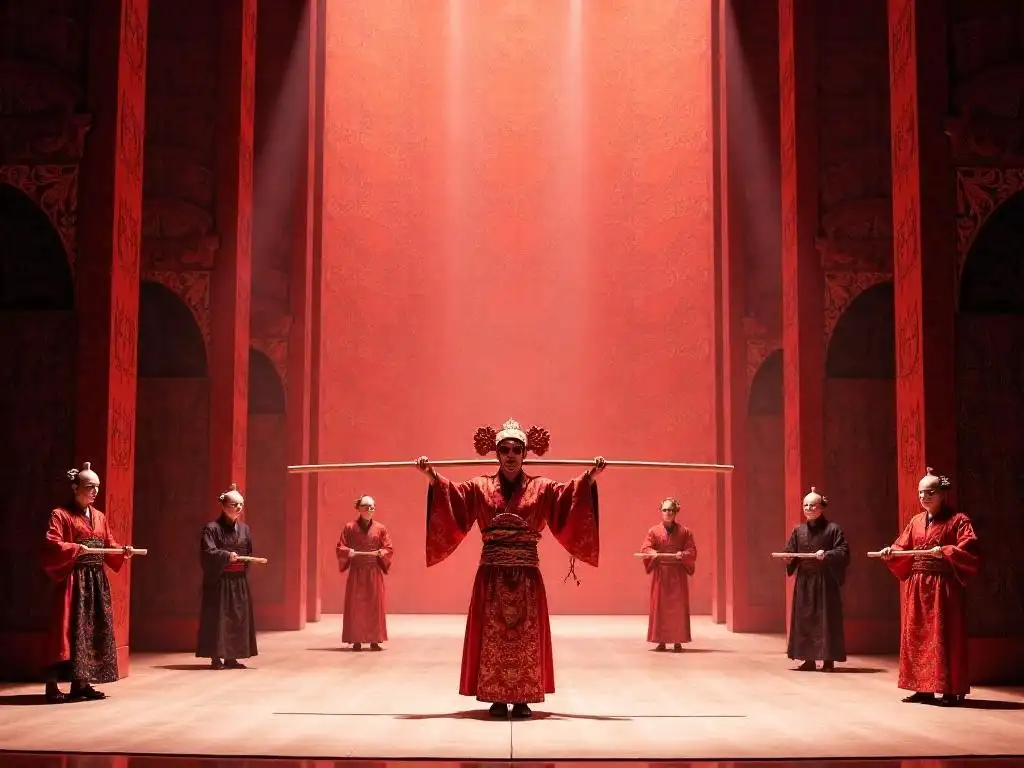
Kabuki theatre was renowned for its sensational performances that combined drama, music, and dance. The performances were characterized by exaggerated movements, elaborate costumes, and the use of makeup, which collectively created a vivid spectacle that captivated audiences. Kabuki actors, known for their skill and dedication, became celebrities of their time, drawing large crowds to theatres such as the famous Nakamura-za in Edo.
The structure of Kabuki performances was unique, often featuring a mix of serious and comedic elements, which ensured that there was something for everyone. This diversity in content made Kabuki not just a form of entertainment but also a social event, where people gathered to enjoy performances together, share laughter, and engage in lively discussions about the plays. The interactive nature of Kabuki, with its use of audience participation, further solidified its role as a communal entertainment form, making it a staple of Edo society.
Influence of Kabuki on Art and Literature during the Edo Period
Kabuki theatre's influence extended beyond performance, significantly impacting the realms of art and literature. Artists such as Utagawa Kuniyoshi and Utagawa Hiroshige created woodblock prints that depicted iconic Kabuki scenes and actors, contributing to the popularization of the theatre through visual art. These prints not only served as entertainment but also became collector's items, reflecting the cultural significance of Kabuki in Edo Japan.
In literature, Kabuki inspired various playwrights and poets, who incorporated its themes and characters into their works. The narratives often explored complex human emotions and moral dilemmas, echoing the dramatic storytelling found in Kabuki. This literary influence helped to elevate the status of Kabuki as a revered art form and demonstrated its integral role in shaping the cultural landscape of the Edo period.
The Decline and Resurgence of Kabuki Theatre
As the Edo period progressed, Kabuki faced challenges that contributed to its decline. Political changes, societal shifts, and the emergence of Western entertainment forms began to erode the popularity of traditional performance arts.
Factors Leading to the Decline of Kabuki in Later Years
Several factors contributed to the decline of Kabuki theatre in the late Edo period. The Meiji Restoration in 1868 marked a significant turning point as Japan opened its doors to Western influences, leading to a cultural shift. Traditional arts, including Kabuki, faced criticism for being outdated, and many theatres struggled to adapt to the changing tastes of the audience. Additionally, the rise of other entertainment forms, such as Western-style theatre, cinema, and modern music, diverted audiences away from Kabuki.
Furthermore, there were attempts by the government to regulate Kabuki performances, often censoring content deemed inappropriate or politically sensitive. This censorship stifled creativity and led to a decline in attendance, pushing many Kabuki theatres to close their doors.
Modern Revival of Kabuki Theatre: Preserving Tradition in a Contemporary Context
Despite the challenges it faced, Kabuki theatre has experienced a remarkable resurgence in modern times. Efforts to preserve this unique art form have led to a renewed interest in traditional performances, both domestically and internationally. Modern Kabuki productions often blend traditional elements with contemporary themes, attracting new audiences while maintaining the essence of the original art.
The establishment of Kabuki schools and training programs has ensured that the techniques and styles of Kabuki are passed down to future generations. Renowned actors and directors have also worked to innovate within the framework of Kabuki, incorporating modern technology and storytelling techniques to enhance the theatrical experience.
Today, Kabuki continues to be celebrated as a vital part of Japan's cultural heritage, with performances held in theatres across Japan and international tours that showcase this extraordinary art form to a global audience. The blend of tradition and modernity ensures that Kabuki remains not only a historical artifact but a living, evolving expression of Japanese culture.
Conclusion: The Legacy of Edo Japan Kabuki Theatre
Kabuki Theatre, a vibrant and dynamic art form that emerged during the Edo period, has left an indelible mark on Japanese culture and performing arts. Its unique blend of dramatic storytelling, stylized performance, elaborate costumes, and intricate makeup has not only captivated audiences during its inception but continues to resonate with modern-day spectators.
The legacy of Kabuki is a testament to the rich cultural tapestry of Edo Japan, embodying the values, social dynamics, and artistic innovations of the era. This revolutionary performing art has evolved over the centuries while retaining its core characteristics, and its influence can be observed across various facets of contemporary Japanese culture.
The Enduring Influence of Kabuki on Japanese Culture
Kabuki's impact extends far beyond the theatre stage; it has permeated various aspects of Japanese culture, influencing literature, fashion, and even contemporary media. The themes explored in Kabuki plays—love, betrayal, and the complexities of human emotions—continue to inspire writers and filmmakers today. Additionally, the unique style of Kabuki performance, characterized by exaggerated facial expressions and movements, has influenced modern acting techniques and performance arts in Japan.
Moreover, Kabuki has made a significant imprint on traditional Japanese festivals and events. Elements of Kabuki can be seen in the performances at Matsuri (festivals), where traditional dances and rituals echo the theatricality of Kabuki. The distinct costumes and makeup styles have also inspired contemporary fashion trends, showcasing the enduring allure of this art form.
To this day, Kabuki remains a vital part of Japan’s cultural heritage, celebrated and preserved through various initiatives aimed at educating younger generations about its history and significance. Festivals dedicated to Kabuki, as well as educational programs, ensure that this art form continues to thrive and evolve, reflecting the changing dynamics of Japanese society.
Kabuki Theatre as a Window into Edo Japan's Cultural History
Kabuki Theatre serves as a crucial lens through which we can examine the cultural, social, and political landscapes of Edo Japan. Emerging in the early 17th century, Kabuki was initially a form of entertainment for the common people, reflecting their lives, struggles, and aspirations. The themes and narratives of Kabuki plays often mirrored the societal norms and issues of the time, providing insight into the everyday experiences of the Edo populace.
The evolution of Kabuki also parallels significant historical events and shifts in societal structure, such as the rise of the merchant class and the decline of the samurai's power. Kabuki plays often included commentary on the rigid class system, making them not only a form of entertainment but also a subtle critique of the status quo. This duality of Kabuki as both an art form and a social commentary allows us to glean valuable insights into the values and conflicts of Edo Japan.
Additionally, the aesthetics of Kabuki, from elaborate stage designs to the use of color and light, reflect the artistic innovations of the period. The integration of music, dance, and visual elements in Kabuki performances showcases the rich cultural heritage of Edo Japan and its commitment to artistic expression. By studying Kabuki Theatre, we gain a deeper understanding of how art and culture intertwined to shape the identity of a nation during a transformative period in its history.
- Introduction to Edo Japan Kabuki Theatre History
- The Origins of Kabuki Theatre in Edo Japan
- Characteristics of Edo Japan Kabuki Theatre
- Distinctive Elements of Kabuki Performance
- Costumes and Makeup: A Visual Feast in Kabuki
- The Role of Music and Dance in Kabuki Theatre
- Thematic Elements in Edo Japan Kabuki Plays
- Common Themes and Storylines in Kabuki Theatre
- Symbolism and Cultural Reflections in Kabuki Performances
- The Impact of Kabuki Theatre on Edo Society
- Kabuki Theatre as a Form of Entertainment
- The Decline and Resurgence of Kabuki Theatre
- Conclusion: The Legacy of Edo Japan Kabuki Theatre
Frequently Asked Questions
What is Kabuki Theatre?
Kabuki Theatre is a traditional Japanese performing art that originated during the Edo period (1603-1868), known for its exaggerated movements, vibrant costumes, and elaborate makeup.
How did Kabuki Theatre evolve during the Edo period?
Kabuki Theatre evolved significantly during the Edo period, transitioning from a popular entertainment form for the masses to a more refined art, incorporating drama, music, and dance.
Who were the primary performers in Kabuki Theatre?
The primary performers of Kabuki Theatre were male actors, as women were banned from performing. These actors specialized in various roles, including female characters, through the use of makeup and costumes.
What themes are commonly explored in Kabuki plays?
Kabuki plays often explore themes of love, betrayal, honor, and revenge, reflecting the societal values and cultural norms of Edo Japan, making them resonate with the audience.
How is Kabuki Theatre significant in Japanese culture?
Kabuki Theatre is significant as it represents a unique blend of artistic expression, historical storytelling, and cultural heritage, and it continues to influence modern performing arts in Japan and beyond.
Final Reflection: The Enduring Legacy of Edo Japan's Kabuki Theatre
Kabuki theatre, a vibrant expression of Edo Japan's cultural landscape, continues to resonate in today's world, reminding us of the power of storytelling through performance. As we explore its rich history, we uncover not only the artistry and innovation that defined this unique theatrical form but also its relevance in contemporary society, where the need for cultural connection and expression remains paramount. The intricate performances of Kabuki serve as a testament to the resilience of human creativity, transcending time and geography.
The influence of Kabuki theatre extends far beyond the stage, shaping the cultural and social fabric of Japan and inspiring global art forms. Its ability to convey complex emotions and societal narratives through stylized movements and elaborate costumes has left an indelible mark on performing arts worldwide. As the playwright and actor, Tamasaburo Bando, once said, "> Kabuki is not just a performance; it is a reflection of the human experience." This sentiment encapsulates how Kabuki continues to inspire artists and audiences alike, fostering a deeper appreciation for the nuances of life and culture.
As we reflect on the lessons of Kabuki theatre, let us embrace the spirit of innovation and storytelling in our own lives. Consider how you can incorporate the essence of Kabuki—its creativity, emotional depth, and cultural significance—into your personal or professional endeavors. Whether through art, communication, or community engagement, the legacy of Edo Japan's Kabuki theatre invites us to explore our own narratives and share them with the world, ensuring that the art of performance remains a vital part of our shared human experience.
Embrace the Enchantment of Kabuki Theatre!
Thank you for journeying through the vibrant world of Kabuki theatre with us! Your curiosity has unveiled the fascinating history and artistry of this revolutionary performing art. Now, it's your turn to step beyond the page and immerse yourself further.
Here’s how you can deepen your connection with Kabuki:
- Experience a Live Performance: Seek out a local venue or streaming option to enjoy a Kabuki show. It’s a unique opportunity to witness the **dramatic storytelling** and **stunning visuals** firsthand!
- Dive into Learning: Explore books or documentaries about Kabuki’s history and techniques. Discover the nuances that make this art form so captivating!
- Share the Passion: Discuss what you learned with friends or on social media. Encourage others to appreciate the beauty of Kabuki and keep the conversation going!
What aspect of Kabuki theatre fascinates you most, and how do you plan to incorporate it into your life?