
The Art of Sumie: Ink Painting and Its Philosophical Roots

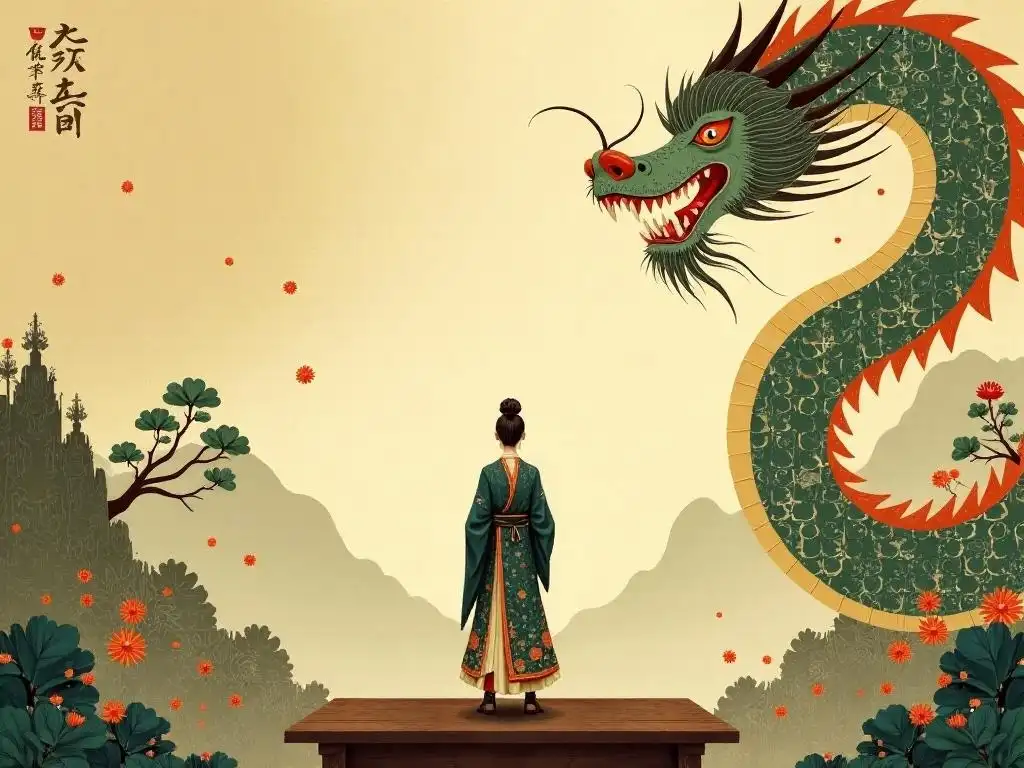
Welcome to Feudal Japan History, where the rich tapestry of Japan's feudal era unfolds before your eyes. Dive into our latest exploration of Sumie ink painting philosophy, an art form that transcends mere aesthetics and delves deep into the heart of cultural expression. Discover how this exquisite technique not only captures the beauty of nature but also embodies profound philosophical ideals. What secrets lie within the strokes of ink? Join us on this captivating journey as we unravel the intricate connections between art and thought in feudal Japan. Your adventure into the past begins here!
Introduction to Sumie Ink Painting
The art of Sumie ink painting is a profound and intricate practice that originated in China but found its unique expression in Japan, particularly during the Edo period. This traditional form of painting, characterized by its use of black ink and minimalist aesthetics, serves not only as a visual art but also as a medium for philosophical expression.
The philosophy behind Sumie is deeply intertwined with the cultural and spiritual currents of its time, reflecting the values and beliefs of Japanese society. In this article, we will explore the historical, cultural, and philosophical dimensions of Sumie, shedding light on its significance during the Edo period and the enduring impact of its techniques and themes.
Definition of Sumie Ink Painting
Sumie, or ink wash painting, utilizes a simple palette of black ink, often applied in varying concentrations to create depth and texture. The technique emphasizes brushwork and spontaneity, allowing the artist to convey emotion and atmosphere through each stroke. Unlike Western painting methods that focus on realism and detail, Sumie captures the essence of the subject, often depicting landscapes, flora, and fauna, alongside abstract concepts.
Key characteristics of Sumie include:
- Monochromatic Palette: Primarily using shades of black, grey, and white.
- Expressive Brushwork: Each brushstroke carries emotional weight, reflecting the artist's state of mind.
- Minimalism: Emphasis on simplicity and the use of empty space to enhance the overall composition.
Historical Context of Sumie in Japan
The practice of Sumie was introduced to Japan in the 14th century, influenced by Chinese ink painting techniques. Over the centuries, it evolved into a distinct art form during the Edo period (1603-1868), a time marked by peace, stability, and cultural flourishing. Artists such as Sesshū Tōyō and later, Yamato-e painters, integrated their styles with Sumie, leading to a rich dialogue between different artistic traditions.
The Edo period saw the rise of merchant classes and the patronage of arts, allowing for greater accessibility to Sumie. Workshops and schools emerged, teaching the techniques and philosophies behind the craft. Artists became revered figures, contributing to the cultural landscape of the time.
Importance of Sumie in Edo Period Culture
During the Edo period, Sumie ink painting held a significant place in Japanese culture. It was not merely an artistic endeavor but a reflection of the spiritual and philosophical ideals of the time. Sumie was often associated with the samurai class, who appreciated its meditative qualities and the discipline required to master the technique.
Moreover, Sumie became a medium through which artists could express their thoughts on nature, impermanence, and the human experience. As such, it played a vital role in shaping the cultural identity of Edo Japan, influencing various aspects of literature, poetry, and even garden design.
The Philosophy Behind Sumie Ink Painting
Understanding the Essence of Sumie Ink Painting Philosophy
At the heart of Sumie ink painting lies a philosophy that emphasizes the harmony between the artist and the subject matter. This philosophy encourages practitioners to engage in a mindful practice, where the act of painting becomes a form of meditation. The focus is on capturing the spirit of the object rather than its physical form, which aligns with broader philosophical tenets in Japanese culture.
Key philosophical concepts include:
- Wabi-sabi: The appreciation of beauty in imperfection and transience.
- Ma: The concept of negative space, allowing the viewer to engage with the artwork on a deeper level.
- Yūgen: A sense of mystery and depth that transcends the surface of the painting.
Connection Between Nature and Sumie Philosophy
Nature plays an integral role in Sumie philosophy, as the natural world is seen as a source of inspiration and wisdom. Artists often seek to emulate nature's simplicity and elegance, capturing the ephemeral qualities of landscapes and flora. This connection reflects a broader Shinto belief in the spiritual significance of nature, where every element is imbued with life and meaning.
Incorporating nature into Sumie encourages artists to observe their surroundings with mindfulness, often leading to a deeper understanding of their relationship with the world. This philosophy not only resonates within the artwork itself but also influences the artist's approach to life.
Zen Buddhism's Influence on Sumie Techniques
The influence of Zen Buddhism on Sumie ink painting is profound and far-reaching. Zen principles, such as mindfulness, simplicity, and spontaneity, permeate the practice of Sumie. The act of painting becomes a meditative exercise, where artists cultivate a state of presence and awareness.
Key aspects of Zen influence on Sumie include:
- Spontaneity: Encouraging artists to embrace the unpredictability of each brushstroke.
- Mindfulness: Fostering a deep connection between the artist, the tools, and the subject.
- Impermanence: Acknowledging that each painting is a momentary expression of life, reflecting the transient nature of existence.
Through the lens of Zen, Sumie transcends mere artistic expression, becoming a pathway to spiritual enlightenment and self-discovery.
Techniques and Materials in Sumie Ink Painting
Sumie, or ink painting, is a distinguished art form that embodies simplicity and depth through its techniques and materials. Central to this style is the use of black ink made from soot, which is traditionally ground on a stone ink slab using water to achieve varying shades. The fluidity and expressiveness of Sumie rely heavily on the artist’s mastery of brushwork, as each stroke conveys emotion and intention.
The paper used in Sumie painting is often handmade from mulberry or rice, which allows for excellent absorption and texture. This choice of material enhances the painting’s aesthetic appeal and supports the philosophy of impermanence central to many Japanese art forms. The techniques employed in Sumie include the use of washes, gradations, and bold strokes, all of which contribute to the overall harmony of the composition.
Traditional Tools Used in Sumie Painting
Sumie artists utilize a specific set of tools that are integral to the creation of their works. The primary tools include:
- Brushes (Fude): These are specially designed for Sumie and vary in size and shape, allowing artists to create both fine details and broad strokes. The bristles are often made from animal hair, providing flexibility and control.
- Ink Stick and Ink Stone (Suzuri): The ink stick is ground against the ink stone with a small amount of water to produce the desired ink consistency. This process is meditative and emphasizes the connection between the artist and their materials.
- Paper (Washi): Traditional Japanese paper, known for its durability and texture, is essential for absorbing the ink and producing the desired visual effects.
- Mounting Materials: After completion, Sumie paintings are often mounted on silk or washi to enhance their presentation and protect the work for posterity.
These traditional tools not only facilitate the artistic process but also embody the cultural heritage and philosophical underpinnings of Sumie.
The Process of Creating Sumie Ink Paintings
The creation of a Sumie painting is a meticulous and contemplative process that reflects the artist’s philosophy and emotional state. It typically involves several key steps:
- Preparation of Materials: Artists begin by preparing their tools and materials, ensuring that their workspace is conducive to concentration and mindfulness.
- Sketching: Some artists start with a light sketch using a pencil or a light ink wash to outline their composition. This step allows them to visualize the overall structure before applying the more permanent ink.
- Layering Ink: The artist applies ink in layers, using washes to create depth and varying tones. The control of water content is crucial, as it affects the ink’s fluidity and permanence.
- Brush Techniques: Through diverse brush techniques—such as bold strokes, delicate lines, and soft washes—artists express their emotions and philosophies. Each stroke is intentional, embodying the concept of “one stroke, one life.”
- Final Touches: After the main composition is complete, artists may add final details or calligraphy, often reflecting philosophical concepts or poetic sentiments.
This process emphasizes the importance of mindfulness and presence, traits central to the philosophy of Sumie.
Significance of Brushwork in Sumie Philosophy
Brushwork in Sumie painting goes beyond mere technique; it is a manifestation of the artist's inner state and philosophical beliefs. Each brushstroke is imbued with emotion and intentionality, reflecting the artist’s connection to Zen principles, such as simplicity, spontaneity, and the beauty of imperfection.
The philosophy of “muga” (no self) is central to Sumie, where the artist becomes one with their work, allowing instinct and intuition to guide their hand. This approach fosters a sense of freedom, as the artist sheds preconceived notions of perfection in favor of authentic expression. The fluidity and spontaneity of brushwork echo the transient nature of life itself, aligning with the Buddhist view of impermanence.
The significance of brushwork in Sumie philosophy lies in its ability to convey profound meanings through seemingly simple gestures. Each stroke captures the essence of nature, emotion, and existence, making brushwork a vital element in the narrative of the painting.
The Cultural Impact of Sumie Ink Painting in Feudal Japan
Sumie ink painting played a crucial role in shaping the cultural landscape of Feudal Japan, particularly during the Edo period. It was not merely an artistic endeavor but a reflection of societal values, aesthetics, and philosophical traditions.
Sumie as a Reflection of Edo Period Society
During the Edo period (1603-1868), Japan experienced significant social and political changes, including urbanization and the rise of a merchant class. Sumie painting reflected these changes by incorporating themes of nature, simplicity, and the everyday life of the emerging bourgeoisie.
Artists began to depict not only traditional subjects like landscapes and flowers but also scenes that resonated with the experiences of common people. This shift in focus allowed Sumie to serve as a visual narrative of the societal dynamics of the time, celebrating both the beauty of the natural world and the human experience.
Additionally, Sumie became a means of self-expression for the educated classes, who sought to embody the ideals of Zen Buddhism and the aesthetics of wabi-sabi (the beauty of imperfection). Such themes resonated deeply with the societal values of the Edo period, emphasizing harmony and balance.
Role of Sumie in Japanese Aesthetics and Aestheticism
Sumie ink painting significantly influenced Japanese aesthetics and the broader concept of aestheticism. Central to this influence is the notion of “yūgen”, which refers to a profound, mysterious sense of beauty found in the natural world. Sumie artists aimed to capture the essence of this beauty through their brushwork and composition, emphasizing simplicity and minimalism.
The aesthetic principles of Sumie promoted restraint and subtlety, hallmarks of Japanese culture. This approach encouraged viewers to engage with the artwork on a deeper, contemplative level, fostering an appreciation for the fleeting moments of beauty in life.
Furthermore, Sumie served as a bridge connecting various aspects of Japanese culture, including poetry, tea ceremonies, and calligraphy. The shared values of simplicity, nature, and mindfulness found in these forms created a cohesive aesthetic experience that permeated Edo period society.
Sumie in the Context of Other Edo Period Art Forms
Within the rich tapestry of Edo period art, Sumie ink painting coexisted alongside various other forms, including ukiyo-e (woodblock prints), ceramics, and traditional crafts. Each art form contributed to a broader cultural dialogue, yet Sumie maintained a unique position due to its philosophical underpinnings and connection to Zen Buddhism.
While ukiyo-e focused on the vibrant and often commercial aspects of urban life, Sumie sought to convey deeper truths through its simplicity and connection to nature. Artists like Hakuin Ekaku and Baido Kuniyoshi exemplified this distinction, using Sumie to explore themes of spirituality and the fleeting nature of existence.
The interplay between Sumie and other art forms enriched the cultural landscape, allowing for cross-pollination of ideas and techniques. As a result, Sumie not only flourished as an art form but also influenced the evolution of other artistic expressions throughout the Edo period, leaving a lasting legacy in Japan's cultural history.
Symbolism and Themes in Sumie Ink Painting
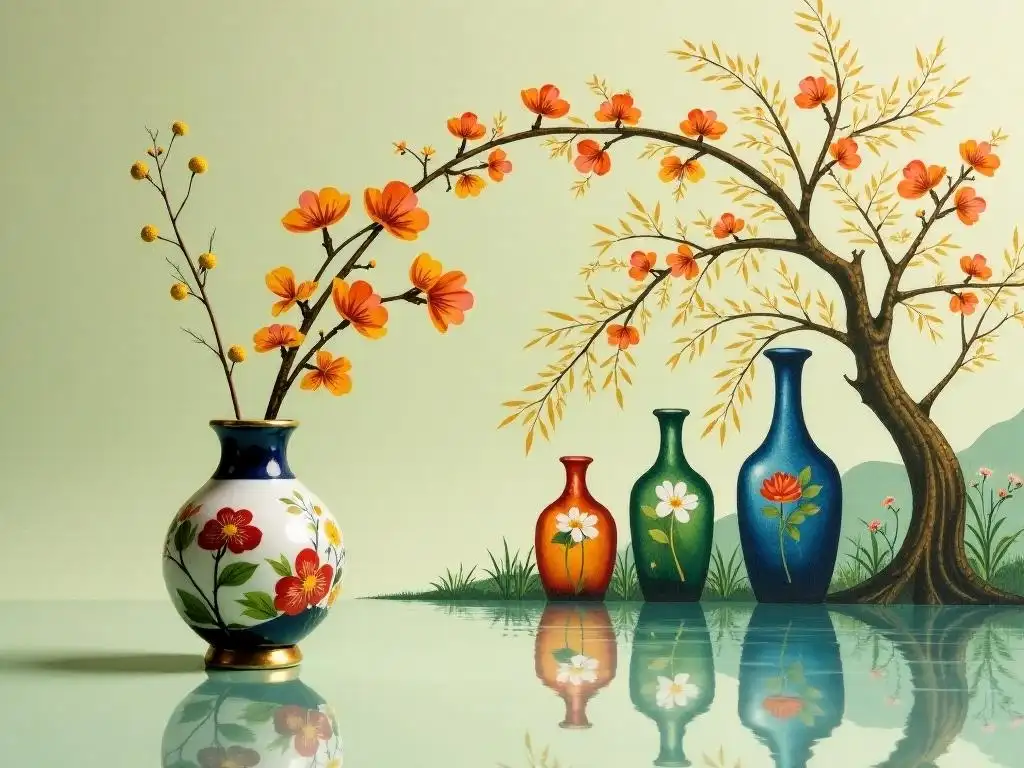
Sumie, or ink painting, is steeped in rich symbolism and thematic depth that reflect the philosophical underpinnings of Zen Buddhism and the aesthetic values of the Edo period. Each brushstroke is laden with meaning, serving as a meditative practice that embodies the artist's connection to nature and the universe. The themes in Sumie often revolve around nature, human emotion, and the transient nature of life, encapsulating the essence of impermanence—an essential concept in both Buddhism and the broader Japanese cultural ethos.
Color and Space:
The use of monochromatic ink allows for a dynamic interplay of light and shadow, emphasizing the importance of negative space, or "ma." This concept is not merely an absence of form but a vital component that enhances the overall composition, inviting viewers to engage with the painting on a deeper level.
Nature as a Reflection of the Self:
Motifs such as mountains, rivers, and flora are prominent in Sumie, representing not only the external world but also the inner landscape of the artist's mind. Each element serves as a metaphor for personal growth, enlightenment, and the cyclical nature of existence. The brushwork often mirrors the emotional state of the artist, transforming nature into a canvas of self-expression and philosophical inquiry.
Common Motifs in Sumie and Their Philosophical Meanings
In Sumie ink painting, common motifs are imbued with profound philosophical meanings, often derived from Buddhist teachings and the natural world. Here are some notable motifs and their interpretations:
-
Bamboo:
Symbolizes resilience and flexibility, representing the strength to withstand adversity while maintaining grace.
-
Cherry Blossoms:
Reflects the beauty and transience of life, reminding viewers of the fleeting nature of existence and the importance of appreciating the moment.
-
Crane:
Represents longevity and wisdom, often associated with good fortune and the quest for enlightenment.
-
Mountains and Water:
Symbolize stability and fluidity, representing the balance between the solid and the ephemeral, echoing the duality of life.
These motifs are not merely decorative; they serve as conduits for philosophical reflection and emotional depth, inviting viewers to consider their own experiences and beliefs.
The Role of Simplicity in Sumie Ink Painting Philosophy
Simplicity is a cornerstone of Sumie ink painting philosophy, reflecting the Zen principle of minimalism. The deliberate use of fewer elements in a composition encourages viewers to engage deeply with what is present, fostering a sense of mindfulness. This notion is encapsulated in the idea of "less is more," where the absence of excessive detail allows the viewer to focus on the essence of the subject.
Brushwork and Technique:
Each brushstroke is intentional, conveying a sense of immediacy and spontaneity. The practice of capturing the subject in its simplest form aligns with the Zen belief in the beauty of imperfection and the value of authenticity. This simplicity serves as a reminder of the natural world's inherent elegance and the complexity that can arise from minimalism.
Philosophical Reflection:
By stripping away the unnecessary, Sumie encourages a meditative state, prompting both the artist and the viewer to reflect on the deeper truths of existence. The philosophy of simplicity invites an exploration of thoughts and feelings, fostering a connection between the artwork and the observer's inner world.
Emotional Expression Through Sumie Artwork
Emotional expression in Sumie is intricately woven into the fabric of its philosophy, allowing artists to convey profound feelings through the simplicity of ink and brush. The fluidity of ink allows for a wide range of expressions, from tranquil serenity to turbulent passion, reflecting the artist's emotional landscape at the moment of creation.
Intuition and Gesture:
The process of painting is often intuitive, with artists allowing their emotions to guide their brushwork. This spontaneity can evoke a visceral response in viewers, enabling them to connect with the artwork on an emotional level. Each stroke becomes a physical manifestation of the artist's feelings, creating a dialogue between the artwork and its audience.
The Influence of Zen:
Zen Buddhism plays a significant role in shaping emotional expression in Sumie. The practice encourages artists to embrace their emotions without judgment, allowing feelings to flow freely onto the canvas. This connection between emotion and art aligns with the Zen principle of experiencing life fully and authentically.
Modern Interpretations of Sumie Ink Painting Philosophy
Modern interpretations of Sumie ink painting philosophy reflect the evolving landscape of contemporary art, where traditional techniques are reimagined and infused with new ideas. Artists today draw inspiration from Sumie’s rich heritage while exploring personal and societal themes, resulting in a diverse array of interpretations.
Contemporary Artists Influenced by Sumie Philosophy
Numerous contemporary artists have embraced the philosophy of Sumie, integrating its principles into their work while exploring modern narratives. Artists such as:
-
Rina Banerjee:
Fuses traditional ink techniques with contemporary themes, reflecting the complexities of identity and globalization.
-
Yoshitomo Nara:
Incorporates elements of Sumie in his whimsical yet poignant depictions of childhood, expressing deep emotional undertones.
These artists demonstrate how the philosophical roots of Sumie can be adapted to address contemporary issues, bridging the gap between the past and present.
The Evolution of Sumie Techniques in Modern Art
The techniques of Sumie have evolved significantly over time, adapting to the changing context of modern art. While traditional methods remain foundational, contemporary artists often experiment with materials, styles, and techniques, leading to innovative expressions of the Sumie philosophy.
Mixed Media and Digital Art:
Today, many artists incorporate mixed media, blending ink with materials such as watercolor, collage, and digital techniques. This evolution retains the essence of Sumie while expanding its boundaries, allowing for new forms of storytelling and emotional exploration.
Workshops and Cultural Exchange:
The rise of art workshops and cultural exchange programs has facilitated the sharing of Sumie techniques with a global audience. This has led to a resurgence of interest in traditional practices, as well as the incorporation of diverse influences, enriching the Sumie art form.
Sumie Ink Painting Philosophy in Global Context
The philosophy of Sumie ink painting has transcended its Japanese roots, influencing artists and art movements worldwide. As a form of meditation and expression, Sumie resonates with diverse cultural contexts, emphasizing universal themes of nature, simplicity, and emotional depth.
Cross-Cultural Adaptations:
Artists around the world have incorporated Sumie philosophies into their practices, exploring themes of mindfulness, impermanence, and the relationship between humans and nature. This cross-cultural exchange has enriched the global art scene, fostering a dialogue that celebrates both tradition and innovation.
Art as a Reflection of Society:
In a globalized world, the principles of Sumie serve as a reminder of the importance of introspection and emotional resonance. As contemporary artists navigate complex social issues, the philosophy of Sumie offers a framework for exploring and expressing the intricacies of human experience, making it relevant in today's artistic landscape.
Conclusion: The Enduring Legacy of Sumie Ink Painting Philosophy
The philosophy of Sumie ink painting extends far beyond mere artistic expression; it embodies a profound understanding of life, nature, and the self. Rooted in Zen Buddhism, Sumie emphasizes simplicity, spontaneity, and the interplay of ink and water. This art form invites practitioners and viewers alike to meditate on the essence of existence, fostering a deep appreciation for the transient beauty of the world around them. The enduring legacy of Sumie is reflected in its influence on contemporary art, where its principles continue to inspire artists seeking a deeper connection with their craft and the universe.
Moreover, the techniques and philosophies of Sumie have transcended cultural boundaries, finding resonance in various artistic traditions worldwide. As artists integrate elements of Sumie into their work, they not only preserve its rich heritage but also explore new dimensions of creativity. This cross-cultural exchange illustrates how Sumie’s philosophical roots can enrich artistic expression, encouraging a holistic approach to creation that values mindfulness and harmony.
Summary of Key Aspects of Sumie and Its Philosophy
- Zen Influence: Sumie is heavily influenced by Zen Buddhism, which emphasizes mindfulness and the impermanence of life. This influence encourages artists to express their inner feelings without overthinking, resulting in spontaneous and authentic works.
- Minimalism: The art of Sumie is characterized by its minimalist approach, where less is often more. Each brushstroke is intentional, reflecting the idea that simplicity can convey profound meanings.
- Nature and Harmony: Sumie captures the essence of nature, often depicting landscapes, flora, and fauna. This focus on nature is intertwined with the philosophy of harmony, reminding viewers of the interconnectedness of all living things.
- Emotional Expression: The practice of Sumie encourages artists to pour their emotions onto the canvas. Each painting becomes a reflection of the artist's state of mind, revealing their innermost thoughts and feelings.
- Transience: One of the core philosophical tenets of Sumie is the acceptance of impermanence. The art form celebrates the fleeting moments of beauty, encouraging both the artist and the viewer to appreciate the present.
The Relevance of Sumie in Today’s Artistic Expression
In today's fast-paced world, the principles of Sumie ink painting offer a refreshing perspective on artistic creation. Artists are increasingly drawn to the philosophy behind Sumie as they seek to cultivate mindfulness in their work. The focus on simplicity and intentionality resonates with contemporary movements that prioritize authenticity over commercialism.
Moreover, the adaptability of Sumie allows it to merge with various art forms, including digital art, installation, and mixed media. Artists are exploring the boundaries of traditional Sumie techniques, infusing modern themes and technologies while maintaining the core philosophical ideals. This evolution showcases the versatility of Sumie and its ability to remain relevant in a constantly changing artistic landscape.
In educational settings, Sumie is being embraced as a tool for teaching mindfulness and creativity. Workshops and classes focused on Sumie not only impart technical skills but also encourage participants to engage with the philosophical aspects of the art form. This holistic approach fosters a deeper understanding of self-expression and the creative process.
The philosophy of Sumie ink painting continues to inspire and influence artists around the world. Its emphasis on mindfulness, simplicity, and connection to nature provides a framework for meaningful artistic expression, making it a vital part of contemporary culture.
- Introduction to Sumie Ink Painting
- The Philosophy Behind Sumie Ink Painting
- Techniques and Materials in Sumie Ink Painting
- The Cultural Impact of Sumie Ink Painting in Feudal Japan
- Symbolism and Themes in Sumie Ink Painting
- Modern Interpretations of Sumie Ink Painting Philosophy
- Conclusion: The Enduring Legacy of Sumie Ink Painting Philosophy
Frequently Asked Questions
What is Sumie ink painting?
Sumie ink painting is a traditional Japanese art form that emphasizes the use of black ink and brush techniques to create expressive, minimalistic artworks that reflect the philosophy of simplicity.
What are the philosophical roots of Sumie?
The philosophy behind Sumie is deeply influenced by Zen Buddhism, which teaches the importance of mindfulness, spontaneity, and the connection between nature and the human experience.
How does Sumie differ from other painting styles?
Unlike many Western styles that focus on realism and detail, Sumie prioritizes expressive brush strokes and the essence of the subject, often leaving some parts of the canvas blank to represent emptiness and balance.
What materials are used in Sumie painting?
The primary materials for Sumie include special ink sticks, rice paper, and brushes made from animal hair, all of which contribute to the unique texture and fluidity of the artwork.
Can anyone learn Sumie ink painting?
Yes, while mastering Sumie requires practice and dedication, anyone can learn the fundamentals of this art form, which encourages personal expression and a deeper understanding of its philosophical concepts.
Final Reflection: Embracing the Philosophy of Sumie Ink Painting
The exploration of Sumie ink painting philosophy reveals a profound connection between art and the human experience. In today's fast-paced world, where digital distractions dominate our lives, the meditative practice of Sumie offers a sanctuary for mindfulness and reflection. This ancient art form invites us to slow down, breathe, and engage with the present moment, reminding us that beauty lies not just in the final stroke but in the journey of creation itself.
Culturally, Sumie has transcended its origins, influencing contemporary art and spiritual practices around the globe. The principles of simplicity, spontaneity, and harmony resonate deeply in our increasingly chaotic society. As we navigate our own lives, we can draw inspiration from the wisdom embedded in this art form. The brush is a tool of the heart, and through it, we express our innermost thoughts.
This quote encapsulates the essence of Sumie, illustrating how art serves as a bridge between our inner selves and the outer world.
As you reflect on the teachings of Sumie ink painting, consider how you can incorporate its philosophy into your daily life. Take a moment to engage with your surroundings, find beauty in simplicity, and allow your creativity to flow freely. Embrace the lessons of patience and presence, and let them guide you on your journey. In doing so, you not only honor the art of Sumie but also enrich your own life with deeper meaning and connection.
Unveil Your Inner Artist Through Sumie Painting!
Thank you for diving into the fascinating world of Sumie ink painting! You've gained insight into this beautiful art form and its deep philosophical roots. Now, it’s your turn to experience the tranquility and creativity that Sumie offers.
Here’s how you can embark on your own artistic journey:
- Start your own Sumie practice: Gather some basic materials like ink, brushes, and high-quality paper, and create your first painting today. Remember, it’s about the process, not perfection!
- Explore online tutorials or classes: Join a virtual class or watch instructional videos to enhance your skills and deepen your understanding of various techniques.
- Share your experience: Post your artwork on social media and connect with fellow enthusiasts. Use relevant hashtags to engage with the vibrant Sumie community!
What aspect of Sumie painting resonates with you the most, and how do you plan to incorporate its philosophies into your daily life?