
The Evolution of Kabuki Music: Traditional Sounds and Modern Innovations

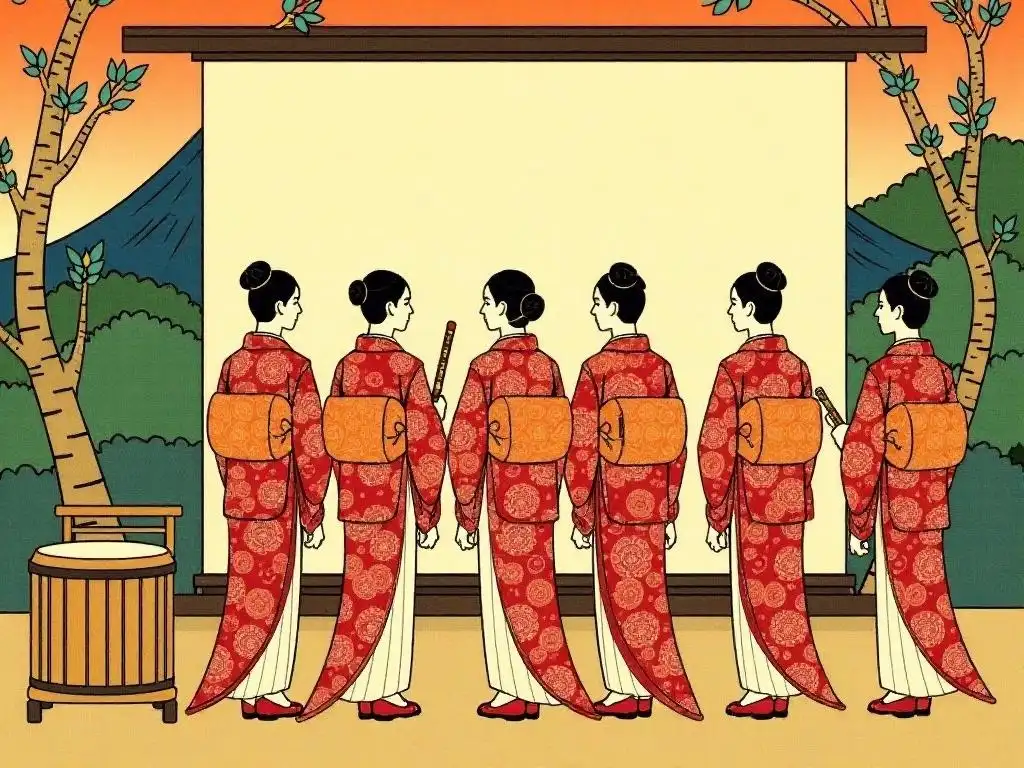
Welcome to Feudal Japan History! Immerse yourself in the captivating world of Japan’s feudal era as we unravel the intricate tapestry of its history, culture, and society. In our featured article, “The Evolution of Kabuki Music: Traditional Sounds and Modern Innovations,” you’ll discover how this vibrant art form has transformed over centuries, blending time-honored traditions with groundbreaking innovations. What secrets lie within the melodies that once echoed through ancient theaters? Join us on this journey and delve deeper into the fascinating legacy of Kabuki music that continues to resonate today!
Introduction to Kabuki Music History and Innovations
Kabuki music, an integral part of Japan’s rich cultural tapestry, embodies the dynamic interplay between tradition and innovation. This traditional performing art, which emerged during the Edo period, showcases a unique blend of music, dance, and drama that captivates audiences to this day.
The evolution of Kabuki music reflects not only the historical context in which it developed but also the cultural shifts and artistic innovations over the centuries. This article aims to provide a comprehensive exploration of Kabuki music history and innovations, tracing its roots, influences, and key developments that have shaped its identity in both traditional and contemporary settings.
Overview of Kabuki as a Traditional Japanese Theater
Kabuki theater is renowned for its stylized performances and vibrant costumes, characterized by its dramatic narratives and exaggerated movements. Originating in the early 17th century, Kabuki was initially performed by women, but it later transitioned to an all-male cast due to various societal changes. Each performance is marked by its unique blend of music, which serves as a vital narrative device, enhancing the emotional depth and storytelling of the plays. The intricate choreography and elaborate staging further elevate the experience, making Kabuki a significant cornerstone of Japan's cultural heritage.
Importance of Music in Kabuki Performances
Music in Kabuki is not merely an accompaniment; it is a pivotal element that drives the performance. Instrumentation, vocal styles, and musical compositions are meticulously crafted to evoke specific emotions and atmospheres. The use of traditional instruments such as the shamisen, taiko drums, and flute creates a distinctive sound that is synonymous with Kabuki. Furthermore, the music aids in setting the scene, providing cues for actors, and immersing the audience in the unfolding drama. Understanding the role of music in Kabuki is essential for appreciating the complexity and artistry of this traditional theater form.
Historical Context of Kabuki Music
Origins of Kabuki Music in the Edo Period
The origins of Kabuki music can be traced back to the early Edo period (1603-1868), a time of relative peace and stability in Japan. It was during this era that Kabuki emerged as a popular form of entertainment among the merchant class. The music of this period was influenced by various genres, including Noh and Bunraku, leading to the development of a unique musical style that characterized Kabuki. This distinctive soundscape was instrumental in establishing Kabuki as a prominent theatrical form, encapsulating the spirit and culture of the time.
Influences of Folk Music and Traditional Instruments
Folk music played a crucial role in shaping the sound of Kabuki. The integration of regional melodies and rhythms enriched the musical repertoire, allowing for a diverse array of performances that resonated with different audiences. Traditional instruments, particularly the shamisen, became central to Kabuki music, with its three-stringed body producing a sharp, resonant sound that complements the theatrical elements. The blending of folk influences and traditional instrumentation underscores the adaptability of Kabuki music, as it continuously evolved to reflect the societal changes and artistic movements of its time.
Key Historical Developments in Kabuki Music
Throughout its history, Kabuki music has undergone significant transformations, influenced by various artistic and cultural movements. Notable developments include the introduction of new musical genres, the incorporation of Western musical elements in the Meiji period, and the emergence of contemporary innovations in the 20th century. These changes have not only modernized Kabuki music but have also broadened its appeal, attracting new audiences and fostering a resurgence of interest in this traditional art form. Understanding these key historical developments provides insight into how Kabuki music continues to thrive in today's cultural landscape.
Traditional Elements of Kabuki Music
Kabuki music, integral to the performance of this traditional Japanese theater, encompasses a rich tapestry of sounds that enhances the dramatic narratives portrayed on stage. Central to Kabuki music are its distinct rhythms, melodies, and vocal styles, all of which serve to accentuate the emotional depth of the performances. The music is characterized by its use of traditional Japanese scales, which contribute to the unique tonal quality that audiences have come to associate with Kabuki.
The interplay between the music and the actors is vital; the musicians often respond to the on-stage action, creating an immersive experience. This dynamic relationship is evident in the use of specific musical motifs that signal different characters or themes, enriching the storytelling aspect of Kabuki. Additionally, Kabuki music often includes a range of improvisational elements, allowing musicians to showcase their skill while adapting to the performance's unfolding narrative.
Instruments Used in Traditional Kabuki Music
The instrumentation of Kabuki music is diverse, featuring a combination of string, wind, and percussion instruments. Each instrument contributes its unique sound and character to the overall composition. The primary instruments include:
- Shamisen: A three-stringed, plucked instrument that serves as the backbone of Kabuki music. Its sharp, percussive tones are essential for establishing the rhythmic and melodic foundation.
- Nohkan: A bamboo flute that adds a haunting quality to the music, often used to convey deep emotions. Its sound can evoke a sense of nostalgia or longing in the audience.
- Taiko: Traditional Japanese drums that provide powerful rhythmic support. The taiko's deep, resonant beats are often used during climactic moments in performances.
- Koto: A thirteen-stringed zither that adds a delicate and melodic layer to the music, enhancing the overall atmosphere and emotion of the scenes being portrayed.
Each of these instruments not only supports the vocal performances but also plays a pivotal role in creating the distinct auditory landscape of Kabuki theater.
Vocal Techniques in Traditional Kabuki Music
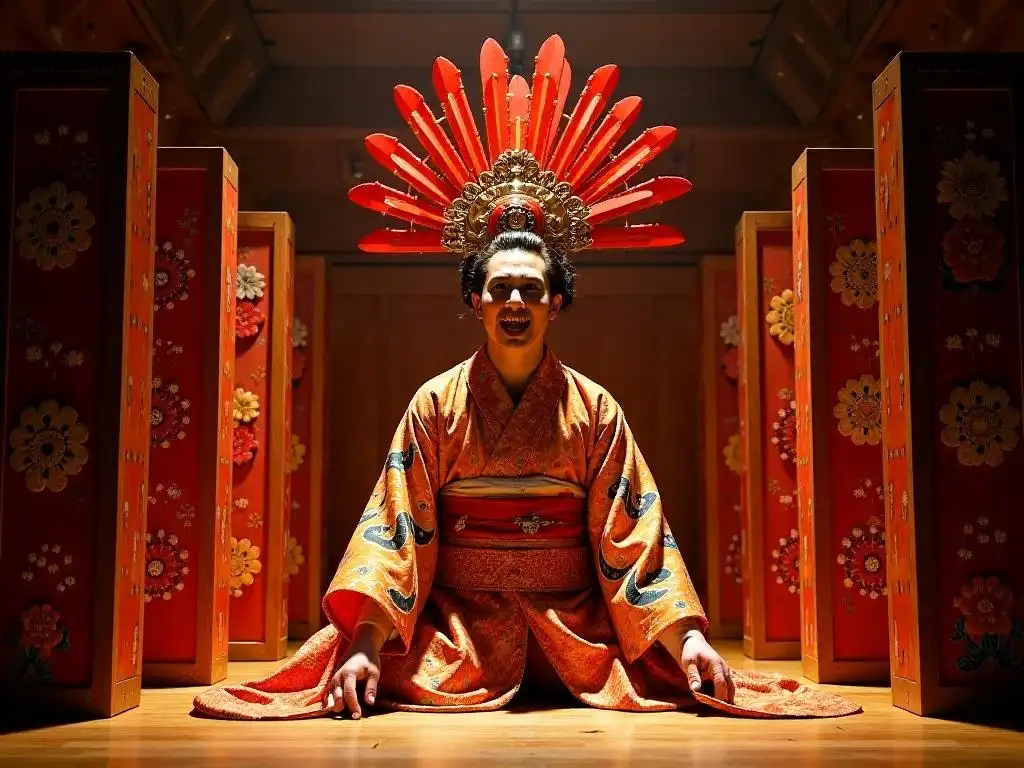
Vocalization in Kabuki is marked by specific techniques that are both stylistic and functional. The singers, known as onnagata (male actors portraying female roles) and tachiyaku (male actors), employ distinct vocal styles to convey various emotions and character types. Key vocal techniques include:
- Chanting (Suri): A form of rhythmic speech that allows actors to deliver lines with heightened intensity. This technique often involves ornamentation, accentuating emotional peaks in the dialogue.
- Ningyo: A vocal style characterized by melodic lines that mimic the natural inflections of speech. This approach creates an engaging connection between the character and the audience.
- Yogaku: A technique that incorporates Western musical forms, blending them with traditional Kabuki styles. This has been increasingly used in modern performances to attract contemporary audiences.
These vocal techniques not only enhance the storytelling aspect of Kabuki but also showcase the performers' training and artistry.
Innovations in Kabuki Music
As Kabuki continues to evolve, so too does its music. Contemporary composers and musicians are exploring new avenues to integrate traditional elements with modern influences, ensuring that Kabuki remains relevant in today's cultural landscape. Innovations in Kabuki music can be seen in various forms, including the incorporation of new musical styles and collaborations with artists from different genres.
Modern Adaptations of Traditional Kabuki Music
Modern adaptations of Kabuki music often seek to blend traditional sounds with contemporary musical elements. This fusion can be observed in performances that incorporate genres such as jazz, rock, and electronic music. For instance, some Kabuki productions have experimented with live DJ performances alongside traditional musicians, creating a unique auditory experience that resonates with younger audiences.
Moreover, adaptations also include reinterpretations of classic Kabuki scores, allowing for a fresh take on historical works while preserving their emotional core. These modern adaptations not only attract new viewers but also challenge traditional perceptions of Kabuki as a static art form.
Technological Advancements Impacting Kabuki Music
Technological advancements have significantly impacted Kabuki music in recent years. The introduction of electronic instruments and sound systems has allowed for richer soundscapes and enhanced audio experiences. For example, electronic effects can be used to amplify the shamisen or create ambient soundscapes that complement live performances.
Additionally, digital platforms have enabled broader access to Kabuki music, allowing global audiences to experience this unique art form. Streaming services and social media have become vital tools for promoting Kabuki performances and educating new audiences about its history and innovations. These technological advancements not only preserve the traditional aspects of Kabuki music but also pave the way for its future evolution.
Case Studies in Kabuki Music Innovations
The evolution of Kabuki music has seen significant transformations through various productions and the influence of notable artists. Case studies of specific performances highlight how traditional elements have merged with contemporary innovations, creating a dynamic musical landscape. One such example is the production of "Shinju Ten no Amijima," which illustrates the seamless integration of Western musical styles alongside traditional instruments like the shamisen and taiko.
In this case, composers experimented with harmonies and rhythms, introducing jazz elements that resonated with younger audiences while maintaining the integrity of Kabuki's aesthetic. Similarly, the adaptation of "Yamato Takeru" showcased how electronic music can enhance the storytelling aspect of Kabuki, providing a modern soundscape that captivates viewers without overshadowing the traditional narrative.
These case studies demonstrate a broader trend in which Kabuki music not only preserves its roots but also embraces innovation, ensuring its relevance in the contemporary theater scene.
Notable Kabuki Productions Showcasing Musical Evolution
Several Kabuki productions have prominently featured musical evolution, serving as benchmarks for the genre's transformation. One standout example is "Miyamoto Musashi," a production that redefined the use of music in storytelling. The incorporation of live orchestras alongside traditional performers created a rich auditory experience that deepened the narrative's emotional impact.
Another notable production is "Kanjincho," which effectively utilized sound effects and innovative orchestration techniques to enhance the drama. The use of modern lighting and stage design, coupled with traditional music, created a multi-sensory experience that appealed to both traditionalists and modern audiences.
These productions exemplify how Kabuki music has evolved, pushing the boundaries of art while respecting its historical roots. The balance between innovation and tradition is crucial in these performances, as they strive to attract new audiences while preserving the essence of Kabuki.
Impact of Artists and Composers on Modern Kabuki Music
The landscape of modern Kabuki music has been profoundly influenced by various artists and composers, whose innovative contributions have redefined the genre. Artists like Yoshida Kyōden and Takemitsu Toru have played pivotal roles in this evolution, blending traditional Japanese music with contemporary styles.
Yoshida Kyōden's compositions often reflect the fusion of Kabuki with Western musical elements, introducing new rhythmic patterns and melodies that resonate with today’s audiences. His work has encouraged other composers to explore diverse influences, leading to a renaissance in Kabuki music.
Similarly, Takemitsu Toru’s avant-garde approach has opened doors for experimental compositions within Kabuki. His integration of natural sounds and unconventional instruments has challenged traditional norms, inspiring a new generation of musicians to rethink how Kabuki music can interact with other genres.
These artists' contributions are vital as they not only preserve the historical context of Kabuki music but also adapt it for a modern audience, ensuring its survival and growth in contemporary culture.
The Future of Kabuki Music
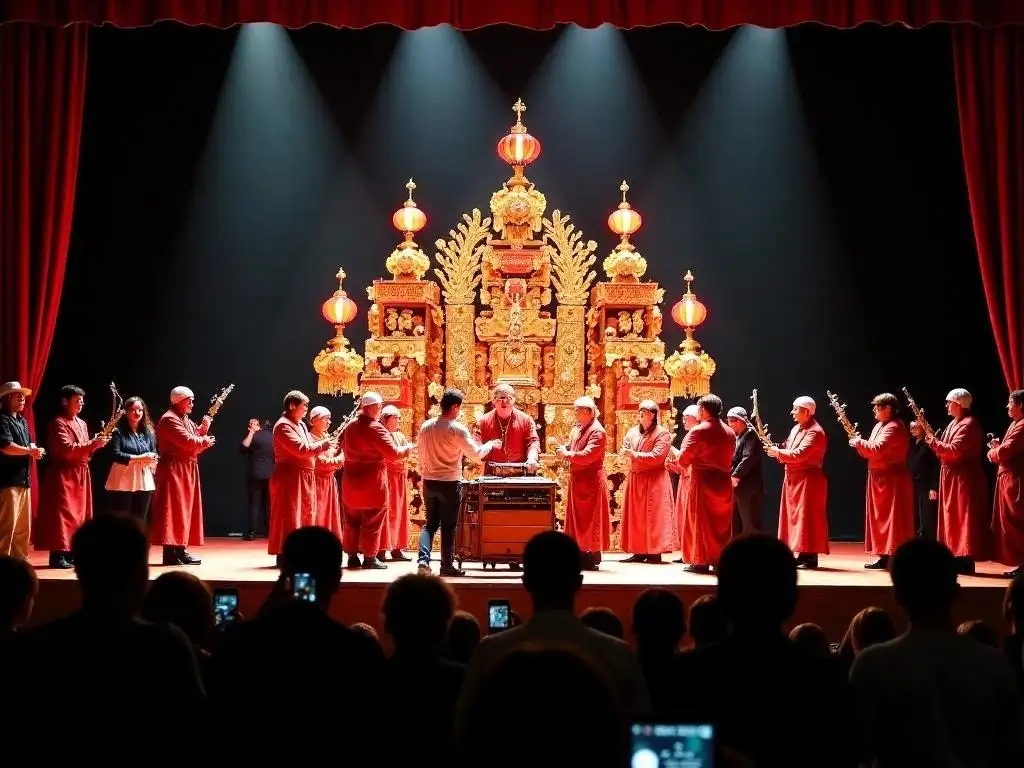
As we look to the future, Kabuki music stands at a crossroads of tradition and innovation. The ongoing dialogue between preservation and modernization suggests a vibrant future for this unique art form. Emerging artists and composers are expected to continue exploring new territories while respecting the rich heritage of Kabuki music.
Trends in Modern Kabuki Music
Several trends are shaping the future of Kabuki music. Firstly, the incorporation of technology, such as digital soundscapes and multimedia elements, is becoming increasingly prevalent. This trend allows for a more immersive experience that appeals to younger audiences who are accustomed to high-tech entertainment.
Additionally, collaborations with various musical genres, including pop and electronic music, are expanding the reach of Kabuki. This blending of styles not only revitalizes the traditional sounds but also introduces Kabuki to new audiences who may not have engaged with it otherwise.
Finally, the trend of international collaborations is gaining momentum, with Kabuki artists partnering with international musicians and composers. This global exchange of ideas fosters innovation while showcasing the universal appeal of Kabuki music.
The Role of Cultural Preservation in Contemporary Innovations
Cultural preservation plays a crucial role in the ongoing innovations within Kabuki music. As artists explore new avenues, the commitment to preserving the traditional aspects of Kabuki remains paramount. This balance ensures that the essence of Kabuki is not lost amidst modernization.
Organizations dedicated to the preservation of Kabuki often support educational initiatives, encouraging younger generations to engage with the art form. By integrating traditional training with modern techniques, they create a new breed of artists capable of innovating while honoring the past.
Furthermore, the dialogue between older and newer generations of musicians fosters a creative environment where traditional music can evolve without losing its identity. This collaborative spirit is essential for the sustainability of Kabuki music, as it navigates the complexities of modern cultural dynamics while remaining rooted in its historical context.
Conclusion: The Ongoing Journey of Kabuki Music
Kabuki music, with its rich tapestry of sounds and styles, reflects the dynamic spirit of Japan's cultural evolution. From its origins in the early 17th century to its contemporary adaptations, Kabuki music has continually transformed, resonating with both traditionalists and modern audiences. The interplay of historical significance and innovative practices has allowed Kabuki music to thrive, ensuring its place in the modern cultural landscape. As artists and scholars explore new avenues of expression, Kabuki music remains a vibrant part of Japan's artistic heritage, adapting to the times while honoring its roots.
Reflection on the Balance Between Tradition and Innovation
The delicate balance between tradition and innovation is central to the evolution of Kabuki music. Traditional compositions and instruments, such as the shamisen, retain their essential roles in performances, providing a foundation that connects modern interpretations to historical practices. However, contemporary influences and experimental approaches have begun to reshape the landscape of Kabuki music.
Artists today often incorporate elements from various genres, such as jazz and pop, creating a fusion that appeals to younger generations while still respecting the core principles of Kabuki. This ongoing dialogue between the old and the new not only enriches the art form but also highlights the adaptability of Kabuki music in a rapidly changing society. As performers navigate this balance, they contribute to a living tradition that honors its past while embracing future possibilities.
The Importance of Kabuki Music in Cultural Heritage
Kabuki music serves as a vital thread in the fabric of Japan's cultural heritage. It encapsulates the historical narratives, societal norms, and artistic expressions of various periods throughout Japanese history. Each performance is a reflection of the era it stems from, providing insights into the cultural psyche of the time. This music is not merely an accompaniment to the dance and drama of Kabuki but also a storytelling medium that conveys emotions, themes, and messages.
Moreover, Kabuki music plays a crucial role in fostering community and national identity. It acts as a cultural touchstone that unites people through shared experiences, whether they are attending a performance in a theater or listening to recordings at home. As such, the preservation and promotion of Kabuki music are essential for keeping alive the cultural narratives that define Japan, ensuring that future generations can appreciate its significance and beauty.
References and Further Reading on Kabuki Music History and Innovations
- "Kabuki: A History of the Japanese Theater": by Yoko Green
- "The Art of Kabuki: A Guide to the Tradition and Performance": by Mark D. West
- "Japanese Music and Musical Instruments" by Richard S. S. Tsai
- "Kabuki, the Classical Theater of Japan" by Geraldine D. McLeod
- "Sounds of Japan: The Role of Music in Japanese Culture": by Haruko Takeda
These resources provide a deeper understanding of Kabuki music's historical context, its evolution over time, and its significance in contemporary culture. Exploring these texts can offer valuable insights for anyone interested in the intricate relationship between Kabuki music history and innovations.
- Introduction to Kabuki Music History and Innovations
- Historical Context of Kabuki Music
- Traditional Elements of Kabuki Music
- Instruments Used in Traditional Kabuki Music
- Vocal Techniques in Traditional Kabuki Music
- Innovations in Kabuki Music
- Case Studies in Kabuki Music Innovations
- The Future of Kabuki Music
- Conclusion: The Ongoing Journey of Kabuki Music
- References and Further Reading on Kabuki Music History and Innovations
Frequently Asked Questions
What is Kabuki music?
Kabuki music is an essential component of Kabuki theatre, characterized by its unique instrumentation and vocal techniques. It enhances the dramatic storytelling and emotional depth of performances.
How has Kabuki music evolved over time?
Kabuki music has undergone significant changes, incorporating traditional sounds and modern innovations. These transformations reflect broader cultural shifts and the influence of various musical genres.
What are some traditional instruments used in Kabuki music?
Traditional instruments in Kabuki music include the shamisen, taiko drums, and flutes. Each instrument contributes to the distinctive soundscape that defines Kabuki performances.
How do modern innovations influence Kabuki music today?
Modern innovations introduce new instruments, technological enhancements, and fusion with other musical styles, making Kabuki music more accessible and appealing to contemporary audiences while preserving its heritage.
Why is understanding Kabuki music important in studying feudal Japan?
Understanding Kabuki music provides insight into the cultural and societal values of feudal Japan. It reflects the historical context, artistic expressions, and community engagement of the era, enriching our overall comprehension of Japanese history.
Final Reflection: The Timeless Resonance of Kabuki Music
The evolution of Kabuki music is not merely a historical account but a vibrant narrative that continues to resonate in today's cultural landscape. As we explore the intricate layers of Kabuki music history and innovations, we uncover how this traditional art form has adapted and thrived, reflecting the dynamic nature of Japanese culture itself. The enduring appeal of Kabuki music lies in its ability to bridge the past with the present, reminding us that tradition can coexist with innovation in a harmonious dance.
Cabuki music has profoundly influenced not just the performing arts but also the broader cultural identity of Japan. Its unique blend of storytelling, emotion, and musicality has inspired countless artists and musicians, both within Japan and globally. As we witness the modern adaptations of Kabuki, it becomes clear that this art form is not static; it evolves while honoring its roots. Tradition is not the worship of ashes, but the preservation of fire.
This quote encapsulates the essence of Kabuki music, highlighting its role as a living tradition that ignites creativity and expression.
As we reflect on the journey of Kabuki music, let us embrace the lessons it offers about resilience and adaptation. I invite you to explore your own connections to tradition and innovation in your life. Consider how you can honor the past while embracing new ideas, just as Kabuki music has done through the ages. By engaging with this rich cultural heritage, we not only celebrate the artistry of Kabuki but also inspire our own creative journeys, ensuring that the spirit of innovation continues to thrive.
Explore the Harmony of Tradition and Innovation in Kabuki Music!
Thank you for joining us on this enlightening journey through the captivating world of Kabuki music! We hope you’ve gained valuable insights into its rich history and modern transformations. Now, it’s time to take your newfound knowledge further and delve deeper into the enchanting sounds of this unique art form.
Here are a few actions you can take to continue your exploration:
- Immerse yourself in Kabuki performances—attend a local show or watch a recording online to appreciate the blend of music and drama firsthand.
- Share your thoughts about this fascinating genre on social media or in community forums to inspire others to discover the beauty of Kabuki music.
- Join a workshop or class where you can learn about Kabuki music techniques or even the instruments used in these performances—unleash your unique creativity!
What aspect of Kabuki music fascinates you the most, and how do you think it influences modern musical expressions?