
Analyzing the Themes of Love and Betrayal in Kabuki Plays

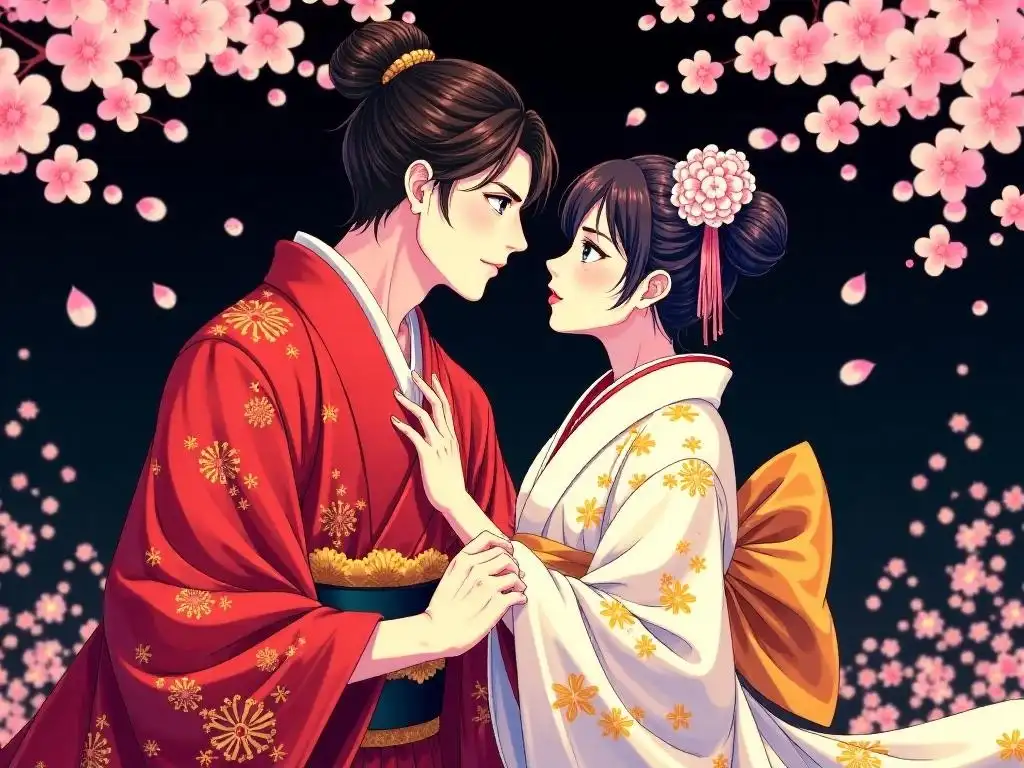
Welcome to Feudal Japan History, where we embark on an intriguing journey through the captivating tapestry of Japan's feudal era. Here, you will discover the rich historical, cultural, and societal layers that define this remarkable period. Today, we delve into the world of Kabuki plays, exploring the profound themes of love and betrayal that have enchanted audiences for centuries. What secrets do these performances hold about human emotion and societal norms? Join us as we unravel the complexities behind these timeless narratives, inviting you to dive deeper into the heart of feudal Japan's cultural legacy.
Introduction to Kabuki Plays
Kabuki plays, a distinguished form of traditional Japanese theater, serve as a vibrant canvas reflecting the complexities of human emotions, particularly the intertwined themes of love and betrayal. Emerging during the Edo period, Kabuki has developed into a rich artistic tradition that offers insights into the societal norms, familial ties, and personal relationships of its time.
As audiences engage with the elaborate performances, they are transported into a world where the passions of the heart collide with the harsh realities of life, making it an enduring subject of exploration within Japanese cultural history. This article delves into the essence of love and betrayal in Kabuki plays, examining how these themes resonate through the narratives, character portrayals, and dramatic expressions that define this art form.
Overview of Kabuki Theater
Kabuki is characterized by its stylized drama, elaborate costumes, and the use of makeup known as kumadori, which highlights the emotions and intentions of characters. The performances are typically marked by a blend of music, dance, and dialogue, creating a captivating experience for the audience. The actors in Kabuki, notably male performers, are trained rigorously to master the art of storytelling through physical expression and vocal techniques. This theatrical style emphasizes the dramatic contrasts between love and betrayal, allowing audiences to experience the emotional turbulence of the characters.
Historical Context of Kabuki in Feudal Japan
Originating in the early 17th century, Kabuki arose during a time of significant political and social change in Japan. The Tokugawa shogunate, which established a period of relative peace, allowed for the flourishing of arts and culture. Kabuki theater became a popular form of entertainment, particularly among the merchant class.
Its performances often reflected the societal issues of the time, including class struggles, romantic entanglements, and the consequences of betrayal. Understanding this historical backdrop is essential to appreciate how Kabuki plays encapsulated the zeitgeist of feudal Japan and highlighted the universal themes of love and betrayal that persist in storytelling today.
Significance of Love and Betrayal Themes
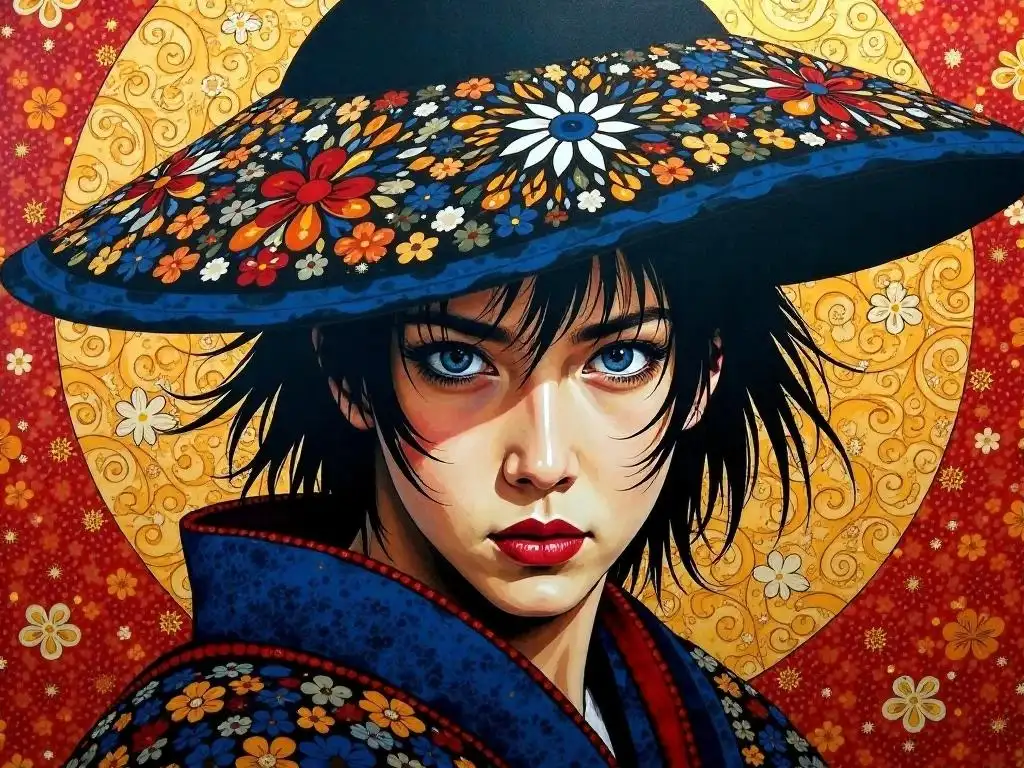
The themes of love and betrayal are pivotal in Kabuki plays, serving as a mirror to the human experience. These narratives explore the duality of love—its capacity to uplift and bind, as well as its potential to lead to heartbreak and treachery. Characters often find themselves torn between their desires and societal expectations, leading to dramatic conflicts that resonate with audiences past and present. The exploration of such themes not only entertains but also provokes deep reflection on the nature of human relationships, making Kabuki an enduring medium for examining the complexities of love and betrayal.
The Theme of Love in Kabuki Plays
Expressions of Love in Traditional Kabuki
In Kabuki, love is expressed through a variety of dramatic techniques, including the use of poetic dialogue, expressive body language, and dynamic stage compositions. The portrayal of love often encompasses different types: romantic love, familial love, and unrequited love, each bringing its unique flavor to the narrative. Through these expressions, the audience witnesses the characters’ emotional journeys, from the blissful heights of romantic union to the desperate lows of betrayal. The intricate choreography and musical accompaniment enhance the emotional depth, allowing viewers to feel the weight of love's joys and sorrows.
Iconic Kabuki Plays Featuring Love
Several iconic Kabuki plays exemplify the intertwining themes of love and betrayal. For instance, The Tale of the Heike reflects on tragic love amidst the backdrop of warfare and familial strife, while The Love Suicides at Sonezaki highlights the devastating consequences of forbidden love.
These narratives not only captivate the audience with their poignant storytelling but also serve as a cultural commentary on the consequences of love and the painful realities of betrayal. As we delve deeper into the specific plays, we uncover how these themes are intricately woven into the fabric of Kabuki, illustrating their timeless relevance in both historical and contemporary contexts.
The Theme of Betrayal in Kabuki Plays
Betrayal is a central theme in Kabuki plays, often depicted with intense emotional depth and dramatic flair. This theme resonates with audiences due to its exploration of human relationships and the moral dilemmas characters face. The portrayal of betrayal in Kabuki is not only about the act itself but also the motivations behind it, the consequences that ensue, and the societal implications. These narratives often reflect the complexities of loyalty, honor, and the personal struggles that arise from betrayal, making them compelling and relatable.
Understanding Betrayal in Kabuki Context
In the context of Kabuki, betrayal can manifest in various forms, whether it is a betrayal of trust between lovers, friends, or family members. It often serves as a catalyst for conflict, driving the narrative and character development. The concept of giri-ninjo (obligation versus emotion) plays a crucial role, where characters may feel torn between their duties and personal feelings, leading them to commit acts of betrayal. This conflict adds depth to the characters, as they navigate the complexities of their relationships while grappling with societal expectations.
Betrayal in Kabuki is also intertwined with the notion of revenge, where the betrayed seek justice or retribution. This theme resonates with the samurai code of honor, emphasizing the consequences of dishonor and the lengths to which individuals will go to restore their honor or avenge their betrayal. The dramatic tension created by these situations captivates audiences, making betrayal a powerful element in Kabuki storytelling.
Notable Kabuki Plays Centered on Betrayal
Several Kabuki plays poignantly illustrate the theme of betrayal. Among them are:
- "The Love Suicides at Sonezaki" (Sonezaki Shinjū): This play revolves around the tragic love story of a couple whose love leads them to betray societal norms. Their ultimate act of suicide is a profound commentary on the consequences of their betrayal to their respective families and society.
- "Kanadehon Chūshingura" (The Treasury of Loyal Retainers): A quintessential tale of samurai honor, it explores themes of betrayal when a loyal retainer is forced to confront the dishonor brought upon them by their lord's enemies. The play highlights the moral complexities of loyalty and revenge.
- "Yoshitsune and the Thousand Cherry Trees" (Yoshitsune Senbon Zakura): This narrative depicts betrayal within the context of political intrigue and personal relationships, showcasing how ambition and betrayal can lead to tragic outcomes.
These plays not only entertain but also provoke thought on the intricate dynamics of human emotions and relationships, further solidifying betrayal as a significant theme in Kabuki theater.
The Interconnection of Love and Betrayal
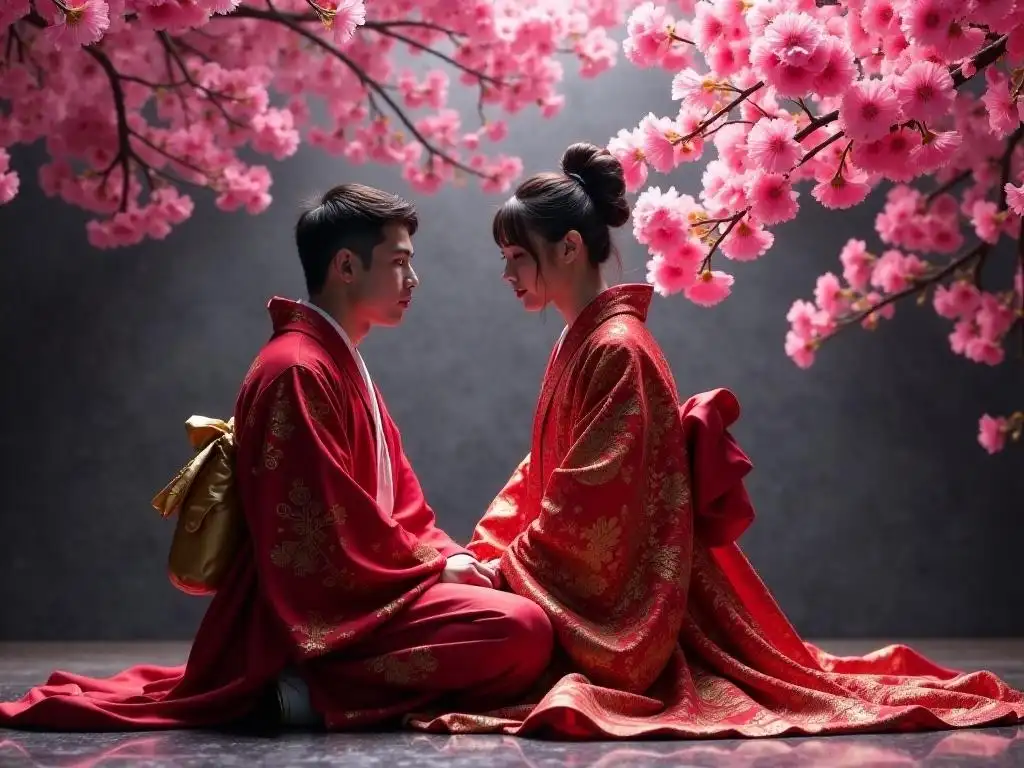
The interplay of love and betrayal in Kabuki plays creates a rich tapestry of emotional conflict and dramatic tension. Love, often portrayed in its myriad forms, can sometimes lead to betrayal, whether intentional or accidental. This duality serves as a powerful narrative device that challenges characters and captivates audiences, inviting them to reflect on the complexities of love and the fragile nature of trust.
How Love and Betrayal Intertwine in Kabuki Narratives
In many Kabuki narratives, love is depicted as a motivating force that can lead to both noble and tragic outcomes. Characters often face dilemmas where their love for someone conflicts with their obligations or societal expectations. This tension can result in betrayal, as characters may choose to follow their hearts at the expense of loyalty to others.
For instance, a lover may betray their partner for personal gain or out of desperation, leading to a cycle of vengeance and further betrayal. Conversely, acts of betrayal can sometimes stem from misguided attempts to protect a loved one, illustrating how complex motivations can blur the lines between right and wrong. The nuanced portrayal of these dynamics adds depth to Kabuki plays, allowing audiences to engage with the emotional weight of each character's choices.
Case Studies of Love and Betrayal in Specific Plays
Several Kabuki plays exemplify the intertwining of love and betrayal, providing poignant case studies:
- "The Tale of the Heike" (Heike Monogatari): In this classic tale, love and betrayal are intricately woven into the fabric of the narrative. Characters experience profound love that leads to betrayal on the battlefield, showcasing how personal relationships can be shattered by the demands of war and duty.
- "The Flower of Edo" (Edo no Hana): This play features a love story that culminates in betrayal when one lover is forced to choose between their affection and their family's honor. The emotional turmoil experienced by the characters highlights the tragic consequences of their decisions.
- "The Tale of the Samurai" (Samurai Monogatari): In this narrative, love leads to betrayal as a character is torn between their romantic feelings and their loyalty to a friend. This inner conflict results in devastating repercussions, demonstrating the far-reaching impact of betrayal in personal relationships.
Through these case studies, it becomes evident that love and betrayal are not merely themes but essential elements that drive the narratives in Kabuki theater, resonating with audiences across generations.
Cultural Significance of Love and Betrayal in Kabuki
Kabuki plays are renowned for their intricate storytelling, elaborate costumes, and stylized performances, but at the heart of many productions lies the profound exploration of love and betrayal. These themes resonate deeply within the cultural fabric of Japan, particularly during the feudal era, when social hierarchies and personal relationships were fraught with complexities. Love, often depicted as a powerful and sometimes destructive force, intertwines with betrayal, highlighting the fragile nature of human connections in a society governed by loyalty and honor.
In Kabuki, love is not merely a romantic notion; it encompasses various forms, including familial devotion, loyalty to one’s lord, and the passionate affairs that can lead to downfall. The portrayal of tragic love stories often serves as a reflection of the societal expectations of the time, emphasizing the consequences of personal desires that clash with the rigid structures of feudal society. Betrayal, on the other hand, emerges as a recurring motif that illustrates the moral dilemmas faced by characters, prompting audiences to contemplate the implications of loyalty and the potential for treachery in human relationships.
The aesthetic choices in Kabuki, such as the use of vibrant colors and dynamic movements, further enhance the emotional gravity of love and betrayal, making these themes not only intellectually engaging but also visually captivating. This combination ensures that the audience remains invested in the characters’ journeys, experiencing the highs of love and the depths of betrayal alongside them.
Reflection of Societal Norms in Feudal Japan
The themes of love and betrayal in Kabuki plays serve as a microcosm of societal norms and values during feudal Japan. During this period, the samurai code of honor, known as bushido, dictated personal conduct, placing immense value on loyalty, duty, and sacrifice. Kabuki dramatizes the intense conflicts that arise when personal desires challenge these societal expectations. For instance, a character’s romantic entanglement may lead to a betrayal of their lord or family, resulting in tragic consequences that reflect the societal pressures of the time.
This interplay between personal and societal obligations is evident in plays such as "Chushingura," where the loyalty of the 47 ronin leads to a complex narrative of love for their fallen master and the betrayal of their own lives to seek vengeance. Such narratives illustrate how the characters navigate their emotions within the confines of strict societal norms, ultimately emphasizing the idea that love and betrayal are not merely personal failures but are also reflections of broader cultural values.
Moreover, Kabuki plays often depict women in roles that challenge traditional gender norms, highlighting their agency in matters of love and betrayal. Female characters, such as the tragic heroine in "Tōkaidō Yotsuya Kaidan," confront societal limitations, using their love as a means to assert their identity, even in the face of betrayal. Through these portrayals, Kabuki not only entertains but also critiques and reflects upon the complexities of love and the social dynamics of feudal Japan.
Influence on Modern Interpretations of Love and Betrayal
The themes of love and betrayal in Kabuki continue to resonate in contemporary interpretations, influencing various forms of art, literature, and performance. Modern adaptations of traditional Kabuki works often recontextualize the themes to address current societal issues, showcasing the timeless nature of these narratives. For instance, contemporary playwrights may incorporate modern relationship dynamics or reinterpret the motivations behind betrayal, allowing audiences to engage with these classic themes in a new light.
Additionally, the influence of Kabuki on global theater and cinema cannot be overstated. The dramatic tension inherent in Kabuki’s exploration of love and betrayal has inspired filmmakers and playwrights worldwide, leading to a cross-cultural examination of these themes. Many modern works borrow the aesthetic elements and narrative structures of Kabuki, demonstrating how deeply ingrained these motifs are in the collective consciousness.
Furthermore, the resurgence of interest in traditional Japanese theater has led to a revival of Kabuki performances, often emphasizing the emotional depth of love and betrayal. These performances attract audiences not only for their historical significance but also for their ability to evoke powerful emotions that transcend time and cultural boundaries. The enduring appeal of these themes in Kabuki highlights their relevance in understanding human relationships, making them a vital part of both historical and modern narratives.
Conclusion
Summary of Key Insights on Love and Betrayal in Kabuki Plays
The themes of love and betrayal in Kabuki plays are intricately woven into the narrative fabric of Japanese culture, reflecting the societal norms and values of feudal Japan. Through the lens of Kabuki, audiences witness the profound consequences of love intertwined with loyalty and betrayal, showcasing the emotional struggles of characters caught between personal desires and social obligations. The exploration of these themes not only serves to entertain but also invites contemplation of ethical dilemmas that remain relevant today.
The Lasting Legacy of These Themes in Japanese Culture
The legacy of love and betrayal in Kabuki continues to influence Japanese culture, providing a rich source for artistic expression and cultural discourse. These themes have permeated various aspects of Japanese literature, cinema, and theater, inspiring generations of artists and playwrights.
The emotional resonance of love and betrayal in Kabuki plays ensures that these narratives remain a significant part of Japan's cultural heritage, reflecting the complexities of human relationships that are as relevant now as they were in feudal times. As audiences engage with these timeless themes, they are reminded of the enduring power of storytelling to illuminate the human experience.
- Introduction to Kabuki Plays
- Overview of Kabuki Theater
- Historical Context of Kabuki in Feudal Japan
- Significance of Love and Betrayal Themes
- The Theme of Love in Kabuki Plays
- The Theme of Betrayal in Kabuki Plays
- The Interconnection of Love and Betrayal
- Cultural Significance of Love and Betrayal in Kabuki
- Conclusion
- What are the main themes explored in Kabuki plays?
- How do love and betrayal manifest in Kabuki performances?
- What historical context influenced Kabuki plays?
- Are there specific examples of Kabuki plays that focus on these themes?
- How has the perception of love and betrayal in Kabuki evolved over time?
Frequently Asked Questions
What are the main themes explored in Kabuki plays?
Kabuki plays often delve into complex human emotions such as love, betrayal, and honor, reflecting the societal values of feudal Japan and the intricacies of personal relationships.
How do love and betrayal manifest in Kabuki performances?
In Kabuki, love and betrayal are often portrayed through dramatic narratives that highlight tragic outcomes, showcasing how personal choices lead to heartbreak and conflict.
What historical context influenced Kabuki plays?
Kabuki emerged during the Edo period, a time characterized by social hierarchy and political intrigue, which greatly influenced the themes of love and betrayal in its storytelling.
Are there specific examples of Kabuki plays that focus on these themes?
Yes, notable Kabuki plays like "The Tale of the Heike" and "The Love Suicides at Sonezaki" vividly depict love and betrayal, illustrating the consequences of passion and deception.
How has the perception of love and betrayal in Kabuki evolved over time?
Over the years, the portrayal of love and betrayal in Kabuki has evolved, incorporating modern interpretations while still maintaining the traditional elements that resonate with audiences today.
Final Reflection: The Enduring Dance of Love and Betrayal in Kabuki
The intricate themes of love and betrayal in Kabuki plays resonate powerfully in today's world, reminding us that these emotions are timeless and universal. As we navigate our own relationships, the lessons embedded in these performances challenge us to confront the complexities of human connection. The dramatic portrayals of passion and treachery serve as a mirror, reflecting our own struggles and triumphs in love, urging us to recognize the depth of these experiences.
The cultural significance of Kabuki extends beyond the stage, influencing our understanding of loyalty, heartbreak, and redemption. The stories told through this art form have shaped societal norms and expectations, creating a rich tapestry of emotional narratives that continue to inspire audiences. As noted by renowned playwright Yukio Mishima, The beauty of Kabuki lies in its ability to capture the essence of human emotion, transcending time and culture.
This enduring influence invites us to explore our own emotional landscapes, fostering a deeper appreciation for the complexities of love and betrayal in our lives.
As you reflect on the themes presented in Kabuki plays, consider how they manifest in your own experiences. Embrace the lessons of love and betrayal, allowing them to guide your interactions and choices. Let the powerful narratives of Kabuki inspire you to cultivate empathy and understanding in your relationships, reminding you that every story—whether on stage or in life—holds the potential for growth and transformation.
Unveil the Depths of Emotion in Kabuki!
Thank you for exploring the intricate themes of love and betrayal in Kabuki plays! Your engagement with this powerful art form has undoubtedly opened new perspectives on its cultural significance. Now, it's time to take these insights further and immerse yourself in the vibrant world of Kabuki.
Here are some actionable steps to enhance your journey:
- Attend a Kabuki performance: Experience the emotions firsthand and witness the portrayal of love and betrayal live on stage.
- Join a local theater group or workshop: Get involved in the art by learning about Kabuki performance techniques and storytelling methods.
- Share your thoughts: Discuss your insights about Kabuki plays with friends or on social media. Which themes resonated with you the most?
As you reflect on these themes, consider this: How do you think contemporary storytelling compares to the timeless dilemmas found in Kabuki?