
The Dance of the Dancers: Exploring the Historical Significance of Noh and Kabuki

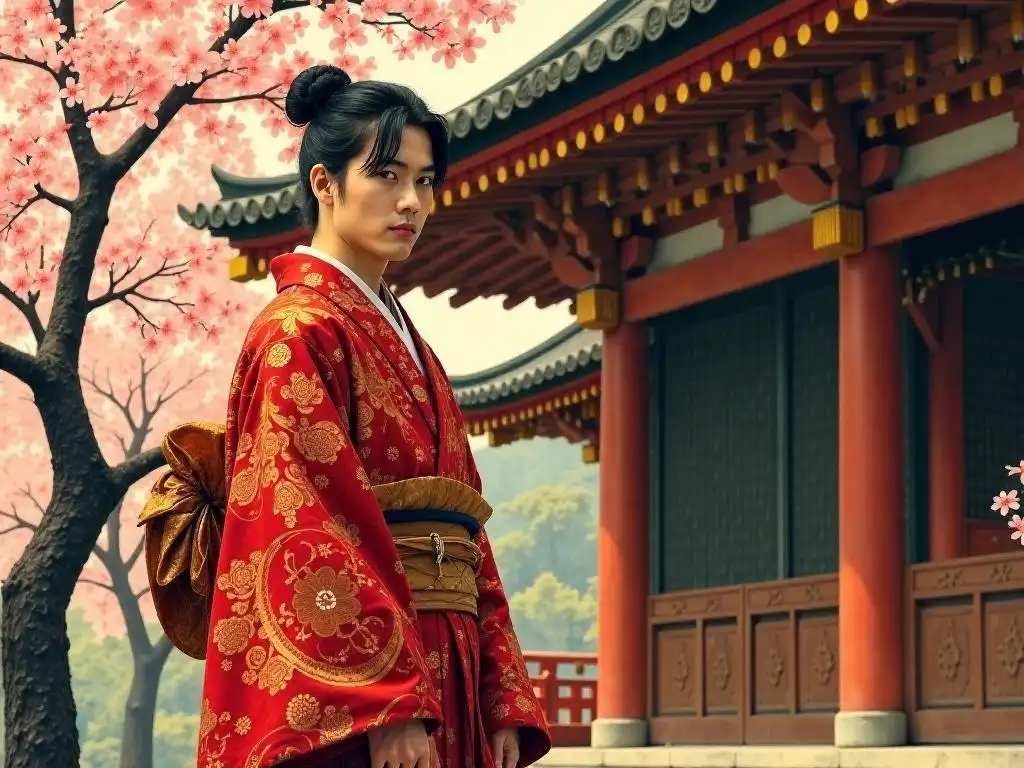
Welcome to Feudal Japan History, where we invite you to embark on a fascinating journey through the intricate tapestry of Japan’s feudal era. Here, we delve deep into the rich historical, cultural, and societal aspects that shaped this remarkable period. In our featured article, "The Dance of the Dancers: Exploring the Historical Significance of Noh and Kabuki," discover how these traditional performing arts not only entertained but also reflected the values and complexities of feudal society. Are you ready to uncover the hidden stories behind the masks and movements? Let your exploration begin!
- Introduction to Noh and Kabuki
- Historical Context of Noh and Kabuki
- The Cultural Significance of Noh and Kabuki
- Thematic Elements in Noh and Kabuki
- Noh and Kabuki Performance Techniques
- The Influence of Noh and Kabuki on Modern Japanese Culture
- Conclusion: The Enduring Legacy of Noh and Kabuki
- References and Further Reading
- Frequently Asked Questions
- Final Reflection: The Enduring Legacy of Noh and Kabuki
- Unveil the Rich Heritage of Japanese Theater!
Introduction to Noh and Kabuki
The world of traditional Japanese performing arts is rich and complex, with Noh and Kabuki standing out as two of the most significant forms. Both of these theatrical styles not only entertain but also serve as vital cultural artifacts that reflect the historical, social, and philosophical landscapes of their respective eras.
Originating in different periods and embodying distinct aesthetic principles, Noh and Kabuki offer profound insight into the evolution of Japanese culture. This article embarks on a comprehensive exploration of the historical significance of Noh and Kabuki, shedding light on their development, unique characteristics, and enduring impact on Japanese society.
Overview of Noh and Kabuki
Noh is a form of classical Japanese drama that dates back to the 14th century, characterized by its slow, stylized movements and minimalist staging. The performances often draw upon themes of transience, spirituality, and the supernatural, employing masks to convey deep emotional expressions. The music and poetry accompanying Noh are integral, creating a haunting atmosphere that captivates audiences.
Kabuki, on the other hand, emerged in the early 17th century and is known for its vibrant costumes, dynamic choreography, and elaborate makeup. Unlike Noh, Kabuki performances are more accessible to the general public and often incorporate lively narratives that reflect the everyday life and struggles of the common people. The energetic style and theatricality of Kabuki make it a beloved art form that continues to thrive in contemporary Japan.
Importance of Noh and Kabuki in Japanese Culture
The significance of Noh and Kabuki extends beyond mere entertainment; they are vital expressions of Japanese identity and cultural heritage. Both art forms serve as vehicles for storytelling, preserving historical narratives and moral lessons that resonate through generations.
- Cultural Reflection: Noh often encapsulates the philosophical and spiritual beliefs of its time, while Kabuki reflects the social dynamics and popular sentiments of the Edo period.
- Artistic Excellence: The meticulous craftsmanship involved in the creation of Noh masks and Kabuki costumes exemplifies Japan's artistic dedication, showcasing the skill and creativity of artisans.
- Community Engagement: Festivals and performances of Noh and Kabuki foster community participation and cultural pride, reinforcing social bonds through shared experiences.
In this way, Noh and Kabuki not only represent historical moments but also contribute to the ongoing dialogue about Japanese culture and identity.
Objectives of the Article: Understanding Historical Significance
This article aims to delve deeply into the historical significance of Noh and Kabuki, addressing key objectives that will enhance our understanding of these art forms:
- Historical Context: Explore the origins and evolution of Noh and Kabuki, tracing their development through significant historical events.
- Cultural Significance: Analyze the impact of these theatrical styles on Japanese culture, including their influence on modern performing arts.
- Comparative Analysis: Examine the contrasts and similarities between Noh and Kabuki, shedding light on their unique contributions to Japan’s artistic landscape.
Through this exploration, readers will gain a comprehensive understanding of Noh and Kabuki not only as forms of entertainment but as essential components of Japan's rich cultural tapestry.
Historical Context of Noh and Kabuki
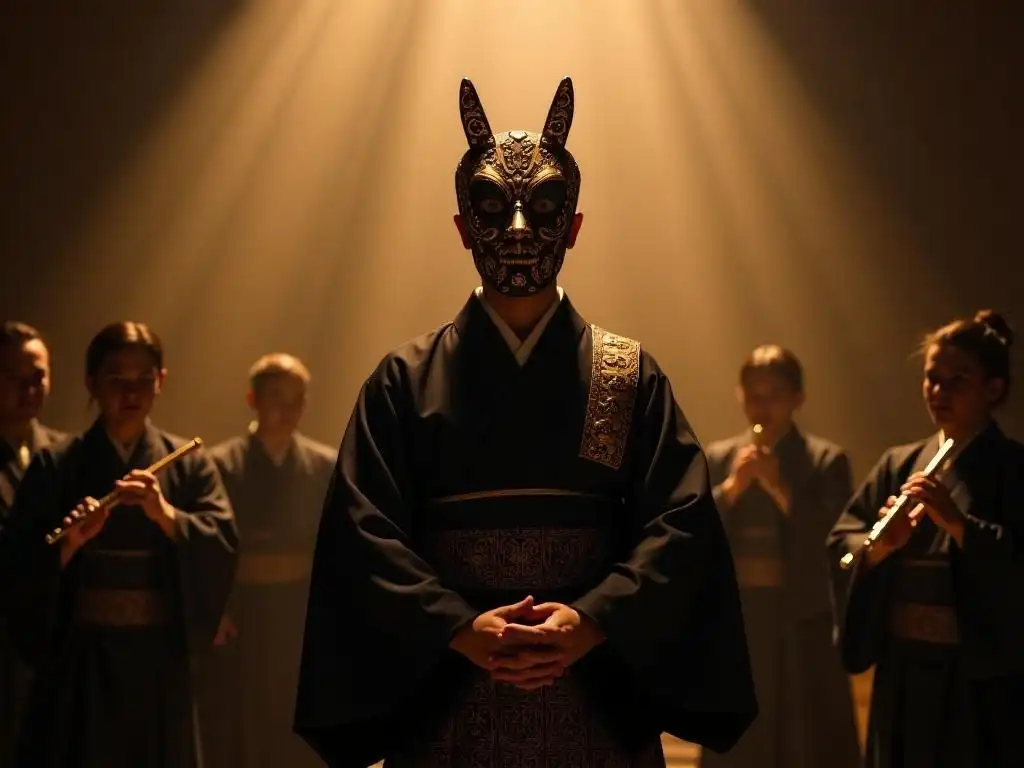
The historical context of Noh and Kabuki is essential for understanding their significance in Japanese culture. Both theatrical forms emerged during the feudal era and reflect the societal, political, and artistic dynamics of their times. Noh, with its roots in the 14th century, and Kabuki, which came to prominence in the 17th century, each contributed uniquely to Japan's cultural tapestry.
Origins of Noh Theatre
Noh theatre, recognized as one of the oldest forms of Japanese drama, can trace its origins back to the 14th century. It evolved from earlier forms of entertainment, including sangaku (a form of acrobatics and dance) and kusemai (dance with music). The Muromachi period (1336-1573) marked a pivotal moment for Noh as it began to be formalized under the patronage of the Ashikaga shogunate.
The key figure in this evolution was Kan'ami (1333-1384), who, alongside his son Zeami (1363-1443), is credited with developing the art form into a highly stylized and philosophical theatre. Noh performances are characterized by their use of masks, minimalistic staging, and the incorporation of poetry and music, which convey deep emotions and complex narratives.
Noh's themes frequently draw from classical literature, folklore, and historical events, providing audiences with a connection to Japan's rich past. The performances often focus on the dichotomy of life and death, the supernatural, and human emotions, making it a profound exploration of the human experience.
Development of Kabuki Theatre
Emerging later than Noh, Kabuki theatre began in the early 17th century during the Edo period (1603-1868). It originated as a form of entertainment for the common people, starkly contrasting with the elite audience of Noh. The first known Kabuki performer, Okuni, was a female dancer who began performing in Kyoto around 1603. Her performances, which included dance and drama, quickly gained popularity, leading to the establishment of Kabuki as a recognized theatrical form.
Kabuki is known for its vibrant costumes, elaborate makeup, and dynamic performances that often incorporate music, dance, and dialogue. The use of onnagata (male actors portraying female roles) is a notable feature of Kabuki, which adds complexity to the performances. Over time, Kabuki evolved to include a range of genres, from historical dramas to contemporary issues, reflecting the societal changes of the Edo period.
The theatre flourished during this time, with famous Kabuki theatres like the Kabukiza in Tokyo becoming cultural landmarks. The art form underwent various transformations, including the introduction of new themes and styles influenced by Western theatre in the late 19th century.
Key Historical Events Influencing Noh and Kabuki
Several key historical events have significantly influenced the development of Noh and Kabuki, shaping their cultural significance in Japan.
- The Ashikaga Shogunate: The support of the Ashikaga shoguns for Noh theatre during the Muromachi period helped legitimize and elevate its status as an art form, embedding it within the cultural framework of the samurai class.
- The Rise of the Merchant Class: The Edo period saw the emergence of a prosperous merchant class, which fostered the popularity of Kabuki among the common people, leading to its rapid growth and diversification.
- Censorship and Regulation: Both Noh and Kabuki faced periods of censorship and regulation. For instance, during the Meiji Restoration (1868), the government imposed restrictions on Kabuki, which led to changes in its style and themes to align with modern sensibilities.
- Western Influence: The opening of Japan to the West in the late 19th century introduced new artistic influences, prompting both Noh and Kabuki to adapt and incorporate elements from Western theatre, which further solidified their historical significance in a rapidly changing society.
Ultimately, the historical significance of Noh and Kabuki lies not only in their artistic expressions but also in their reflections of Japan's evolving culture, societal norms, and historical narratives.
The Cultural Significance of Noh and Kabuki
The cultural significance of Noh and Kabuki extends beyond mere entertainment; these traditional performing arts encapsulate the historical, social, and aesthetic values of feudal Japan. Rooted in their respective origins, they have evolved over centuries, offering insights into the ethos of Japanese society during the feudal era. This section delves into the reflections of feudal values in Noh, the societal roles of Kabuki, and how both forms of art exemplify the unique aesthetics of Japan.
Noh as a Reflection of Feudal Values
Noh, with its origins tracing back to the 14th century, embodies the spiritual and philosophical underpinnings of feudal Japan. The art form is characterized by its minimalist staging, slow movements, and profound themes, often drawing from historical tales and folklore. Here are key aspects that highlight how Noh mirrors feudal values:
- Themes of Transience and Impermanence: Central to many Noh plays is the concept of mono no aware, or the awareness of the impermanence of things. This aligns with the feudal samurai ethos, which revered honor and the fleeting nature of life. The focus on ghosts and spirits in Noh often serves as a reminder of the consequences of one’s actions in life, resonating with the samurai's understanding of duty and loyalty.
- Symbolism and Language: The language and symbolism in Noh are steeped in cultural significance, utilizing metaphor and allegory to convey moral lessons. For instance, the use of specific masks can represent various emotions and states of being, reflecting the complexities of human nature and the rigid societal roles during the feudal period.
- Patronage and Class Structure: Noh was primarily sponsored by the samurai class, illustrating the connection between art and social hierarchy. The performances were often exclusive to the elite, serving not only as entertainment but also as a means of reinforcing social structures and cultural capital.
Kabuki’s Role in Society and Entertainment
Kabuki emerged in the early 17th century, evolving as a more accessible form of entertainment compared to Noh. Its lively performances and dramatic narratives resonated with a broader audience, including the merchant class. Kabuki’s role in society can be understood through the following lenses:
- Cultural Representation: Kabuki often portrays contemporary stories, historical events, and moral tales, making it a vibrant reflection of societal norms and challenges. The characters depicted in Kabuki range from noble samurai to commoners, showcasing the diverse fabric of Japanese life and providing commentary on social issues.
- Gender and Performance: Traditionally, Kabuki featured male actors playing female roles, known as onnagata. This practice not only challenged gender norms but also highlighted the complexities of identity and performance within a patriarchal society. The art form provided a platform for exploring themes of love, betrayal, and social justice, engaging audiences in a dialogue about their realities.
- Festivals and Community: Kabuki performances were often integrated into local festivals, serving as communal events that strengthened social bonds. These festivals allowed for the celebration of cultural identity and served as a means of preserving heritage, making Kabuki a vital part of Japan’s cultural landscape.
How Noh and Kabuki Represent Japanese Aesthetics
Both Noh and Kabuki are exemplary expressions of Japanese aesthetics, each embodying distinct yet complementary artistic philosophies. Their contributions to art and culture can be highlighted through the following characteristics:
- Aesthetic Principles: Noh emphasizes simplicity and subtlety, often evoking a sense of tranquility and reflection. In contrast, Kabuki is characterized by its extravagant costumes, elaborate makeup, and dynamic staging. This dichotomy illustrates the breadth of Japanese aesthetic principles, from the serene beauty of wabi-sabi (the beauty of imperfection) in Noh to the exuberance of iki (stylishness) in Kabuki.
- Integration of Nature: Both forms of art draw heavily from nature, employing symbolism and imagery to enhance emotional resonance. Noh often incorporates natural elements to evoke a sense of spirituality, while Kabuki uses vibrant scenery to create immersive environments that captivate audiences.
- Cultural Preservation: The continued practice of Noh and Kabuki today serves as a testament to Japan’s commitment to preserving its cultural heritage. These art forms are not only historical artifacts but also active components of modern Japanese culture, reflecting the enduring relevance of their aesthetic and cultural significance.
Noh and Kabuki not only entertain but also serve as profound reflections of feudal Japan's values and aesthetics, capturing the essence of a society shaped by its history and cultural evolution. Their historical significance is marked by a deep connection to the social fabric of the time, making them vital components of Japan’s rich cultural history.
Thematic Elements in Noh and Kabuki
The thematic elements of Noh and Kabuki are deeply intertwined with the cultural, spiritual, and social fabric of Japan during the feudal era. Both art forms reflect the complexities of human emotion, societal norms, and the philosophical underpinnings of life and death, yet they do so in markedly different ways. Understanding these themes provides insight into the historical significance of Noh and Kabuki as essential components of Japan's cultural heritage.
Common Themes in Noh Performances
Noh theater, with its roots in the 14th century, is characterized by its austere aesthetics and profound thematic depth. The common themes found in Noh performances include:
- Transience and Impermanence: Noh often explores mono no aware, the awareness of the impermanence of things, which evokes a sense of melancholy. This theme is prevalent in plays that deal with spirits of the deceased reflecting on their past lives.
- Spirituality and the Supernatural: Many Noh plays feature supernatural beings, such as gods and spirits, that interact with humans. For example, in the play "Aoi no Ue", the spirit of Lady Aoi revisits the world of the living, highlighting the connection between the spiritual and physical realms.
- Conflict and Resolution: Noh frequently depicts conflicts, whether internal struggles or interpersonal disputes, often culminating in a resolution that restores harmony. This reflects the societal values of the time, emphasizing balance and reconciliation.
- Nature and the Seasons: The natural world plays a significant role in Noh, often symbolizing the emotions of the characters. For instance, cherry blossoms may represent fleeting beauty, while changing seasons evoke the passage of time.
These themes reflect the philosophical and existential questions prevalent during Japan's feudal period, showcasing the artistry and introspective nature of Noh.
Distinctive Features of Kabuki Narratives
In contrast, Kabuki, emerging in the early 17th century, is known for its vibrant storytelling and dynamic performances. The distinctive features of Kabuki narratives include:
- Historical and Domestic Themes: Kabuki often focuses on historical events and the lives of everyday people. Plays like "Kanadehon Chūshingura" (The Treasury of Loyal Retainers) dramatize the samurai code of honor, illustrating the societal values of loyalty and sacrifice.
- Exaggerated Emotions: Kabuki utilizes exaggerated expressions and gestures to convey intense emotions. This hyperbolic style allows audiences to connect with characters on a visceral level, making their struggles and triumphs more relatable.
- Gender Roles and Identity: Kabuki has a complex relationship with gender, traditionally featuring all-male casts. This leads to a fascinating exploration of masculinity and femininity through characters known as onnagata (male actors portraying female roles), challenging the audience's perceptions of gender.
- Visual Spectacle: Kabuki is recognized for its elaborate costumes, makeup, and staging. The visual elements enhance the narrative, creating a captivating experience that draws audiences into the world of the play.
Kabuki's vivid storytelling and theatricality not only entertain but also serve as a reflection of the societal norms and narratives of the time.
Comparison of Themes: Noh vs. Kabuki
While both Noh and Kabuki share a commitment to storytelling and performance, their thematic approaches illustrate profound differences:
| Aspect | Noh | Kabuki |
|---|---|---|
| Themes | Spirituality, transience, nature | Historical events, domestic life, gender roles |
| Emotional Expression | Subtle and introspective | Exaggerated and dynamic |
| Character Focus | Spirits and historical figures | Everyday people, samurai, and mythical characters |
| Performance Style | Minimalistic, emphasizing slow movements | Highly theatrical, incorporating dance and music |
| Aesthetic | Simplicity and elegance | Opulence and visual spectacle |
The comparison highlights how Noh's reflective and spiritual narratives contrast with Kabuki's energetic and dramatic storytelling. Together, they encapsulate the rich cultural tapestry of Japan's feudal era, showcasing the diverse ways in which human experiences and societal values have been articulated through performance art. The historical significance of Noh and Kabuki lies not only in their artistic merit but also in their capacity to mirror and shape the cultural identity of Japan.
Noh and Kabuki Performance Techniques
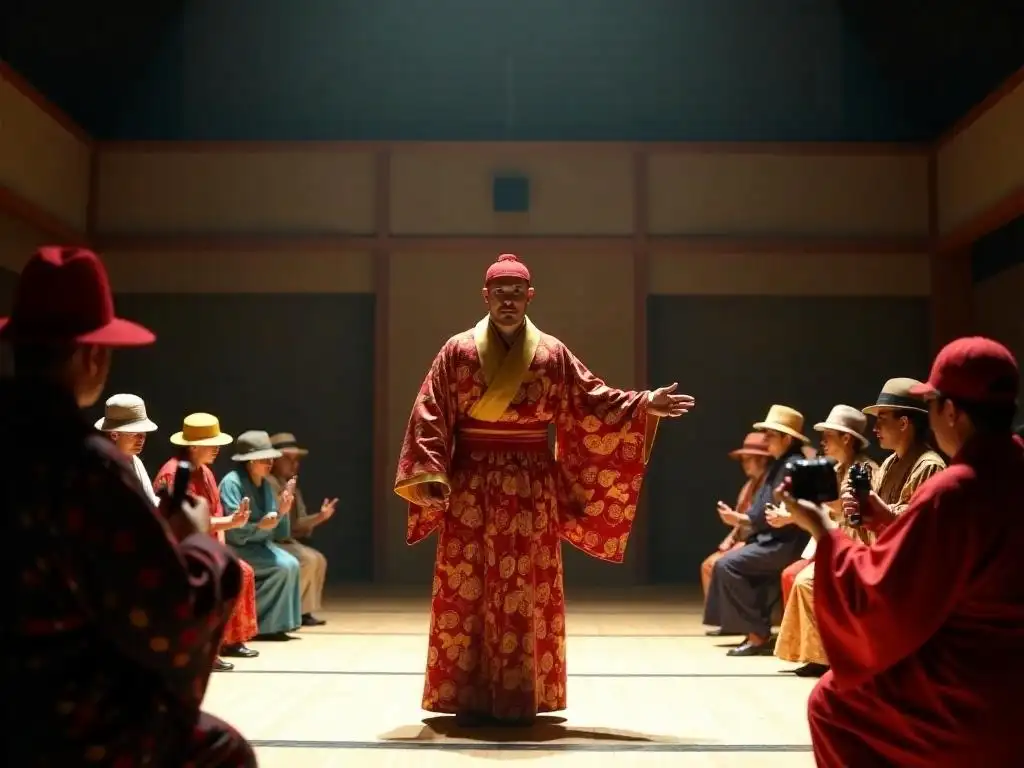
The performance techniques of Noh and Kabuki are distinct yet complementary aspects of Japan's rich theatrical tradition. Each form showcases unique characteristics that reflect the cultural and artistic values of their respective periods. A deep understanding of these techniques enhances our appreciation of their historical significance in the context of feudal Japan.
Unique Characteristics of Noh Performance
Noh, known for its austere elegance and minimalism, employs a unique set of performance techniques that differentiate it from other forms of Japanese theater. Some of the defining characteristics include:
- Slow, Deliberate Movements: Noh actors perform with a measured grace, emphasizing slow movements that convey deep emotion and thought. This approach contrasts sharply with the more energetic style of Kabuki.
- Mask Usage: The use of meticulously crafted wooden masks is a hallmark of Noh. Each mask portrays different emotions and characters, allowing the actors to convey complex feelings with subtle facial expressions. The play of light on the masks adds to the mystical aura of the performances.
- Minimalistic Stage Design: Noh performances take place on a simple stage, often adorned with a single pine tree painting. This simplicity encourages the audience to focus on the actors’ movements and the narrative being conveyed, fostering a deeper emotional connection.
- Language and Poetry: The dialogue in Noh is heavily stylized and often drawn from classical Japanese literature, making it rich in poetic nuance. The actors' delivery is slow and measured, allowing the audience to absorb the beauty of the language.
Noh's performance techniques not only serve artistic purposes but also encapsulate the philosophical and spiritual essence of Japan's feudal society, where restraint and subtlety were highly valued.
Kabuki's Dynamic Performance Style
In stark contrast to Noh, Kabuki is characterized by its vibrant and dynamic performance style that incorporates a range of techniques aimed at captivating audiences. Key aspects of Kabuki performance include:
- Expressive Movement: Kabuki is known for its exaggerated movements and poses, often referred to as mie. These dramatic stances are designed to highlight the emotional weight of a scene, making it accessible to the audience.
- Elaborate Costumes and Makeup: The visual spectacle of Kabuki is enhanced by its elaborate costumes and striking makeup, which are crucial in defining characters. The use of bold colors and intricate designs serves to amplify the narrative and emotional impact.
- Choreographed Fight Scenes: Kabuki often features stylized combat sequences that are choreographed to create thrilling visual spectacles. These scenes are carefully planned and executed, enhancing the drama and excitement of the performance.
- Audience Interaction: Kabuki performances often break the fourth wall, engaging directly with the audience. This interactive element fosters a lively atmosphere, making the experience more immersive and participatory.
Through its dynamic performance techniques, Kabuki reflects the exuberance of the Edo period, where entertainment and art flourished, making it a significant cultural phenomenon in Japan’s history.
The Role of Music and Dance in Both Art Forms
Music and dance play integral roles in both Noh and Kabuki, serving as essential components that enhance the storytelling and emotional depth of the performances.
- Noh Music: The musical accompaniment in Noh is minimalistic, featuring traditional instruments such as the nōkan (a type of flute), tsuzumi (a hand drum), and kotsuzumi (a shoulder drum). The music is often hauntingly beautiful, underscoring the spiritual themes and enhancing the ethereal quality of the performances. The rhythm and tempo are deliberately slow, matching the pace of the actors’ movements.
- Kabuki Music: In contrast, Kabuki music is vibrant and varied, employing a wider range of instruments, including shamisen (a three-stringed lute), drums, and flutes. The lively, rhythmic nature of Kabuki music complements its energetic dance style, creating an exhilarating atmosphere. Vocal elements, such as nagauta (long songs), provide narrative depth and emotional resonance.
- Dance Integration: Both Noh and Kabuki incorporate dance as a means of expression. In Noh, dance is subtle and restrained, reflecting inner emotions, while in Kabuki, dance is flamboyant and exaggerated, often conveying dramatic action and character traits. The choreography in both forms serves to enhance the narrative, making it an essential aspect of storytelling.
The interplay of music and dance in Noh and Kabuki not only enriches the theatrical experience but also underscores their respective historical significance, highlighting the cultural values and artistic innovations of feudal Japan.
The Influence of Noh and Kabuki on Modern Japanese Culture
Continuation of Noh Traditions Today
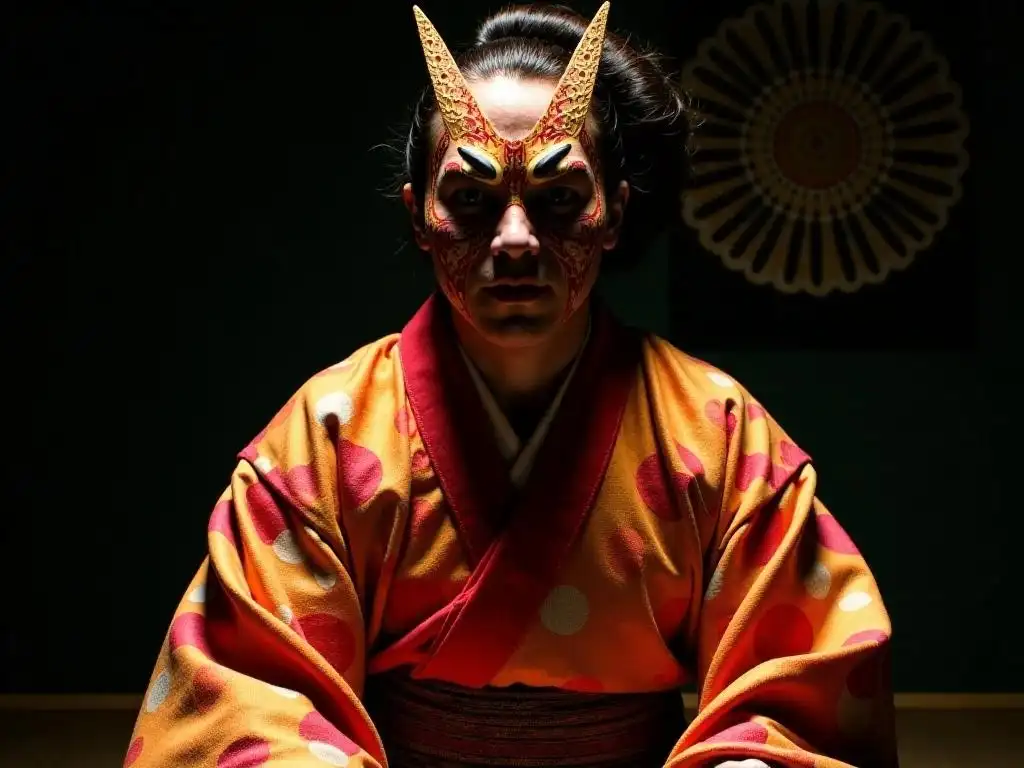
Noh, the oldest form of Japanese theater, has maintained its relevance through a blend of preservation and adaptation. This classical art form, characterized by its slow, stylized movements and the use of masks, continues to be performed today, attracting audiences both locally and internationally. One notable aspect of Noh's continuation is its incorporation into educational programs. Schools often include Noh performances in their cultural curriculum, ensuring that younger generations appreciate this traditional art.
Moreover, modern Noh practitioners are exploring innovative ways to engage with contemporary themes, often collaborating with other art forms such as dance and visual arts. For instance, recent performances have integrated multimedia elements, allowing for a fusion of traditional and modern aesthetics. This blending not only preserves the core of Noh but also makes it accessible to a broader audience who may find traditional styles less engaging.
The Noh mask itself has become a symbol of Japanese culture, often represented in various forms of art and merchandise. Exhibitions showcasing Noh costumes and masks have gained popularity, illustrating how these traditional elements are reinterpreted in modern contexts. Furthermore, Noh has influenced various contemporary artists, who draw inspiration from its themes and aesthetics in their own work, thus ensuring its legacy continues.
Kabuki in Contemporary Arts and Media
Kabuki, known for its vibrant performances and elaborate costumes, has also seen a resurgence in modern Japanese culture. Theatrical productions today often revisit classic Kabuki plays, presenting them with contemporary interpretations that resonate with current audiences. This practice not only maintains the traditional art form but also revitalizes its themes, making them relevant to today's social issues.
In addition to the theater, Kabuki's influence has spilled over into popular media, including film and television. Directors and screenwriters frequently draw upon Kabuki's dramatic storytelling techniques and visual stylizations, blending them into modern narratives. This has led to a renewed interest in the aesthetics of Kabuki, with filmmakers utilizing its distinctive visual language to create compelling cinematic experiences.
Moreover, Kabuki has made significant inroads into global culture. International tours and collaborations have introduced Kabuki to audiences worldwide, creating a cross-cultural dialogue that enriches both Japanese and global arts. Festivals celebrating Kabuki are now held outside Japan, where artists and enthusiasts gather to appreciate this unique form of expression, showcasing its historical significance and ongoing influence.
Global Impact of Noh and Kabuki
The global impact of Noh and Kabuki cannot be overstated. These art forms have transcended their geographical origins, captivating audiences around the world. The interest in Noh and Kabuki has sparked numerous academic studies, leading to a deeper understanding of their cultural significance and historical context. Universities and cultural institutions frequently host symposiums and workshops that explore these traditional theaters, further fostering international appreciation.
In the realm of performing arts, Noh and Kabuki have inspired countless artists and performers globally. Their unique storytelling methods and aesthetic principles have influenced various theatrical traditions worldwide. For example, the minimalist approach of Noh has resonated with contemporary theater movements that prioritize subtleties in performance over grandiosity.
Additionally, the increasing globalization of art and culture has led to innovative adaptations of Noh and Kabuki elements in various genres. Musicians, choreographers, and visual artists are incorporating motifs and themes from these traditional performances into their work, resulting in a rich tapestry of cultural exchange. This interaction not only highlights the historical significance of Noh and Kabuki but also reinforces their relevance in the contemporary cultural landscape.
The enduring legacy of Noh and Kabuki is evident in their continued influence on modern Japanese culture and their growing presence on the global stage. As these art forms evolve, they maintain their core principles while adapting to meet the needs and interests of contemporary audiences.
Conclusion: The Enduring Legacy of Noh and Kabuki
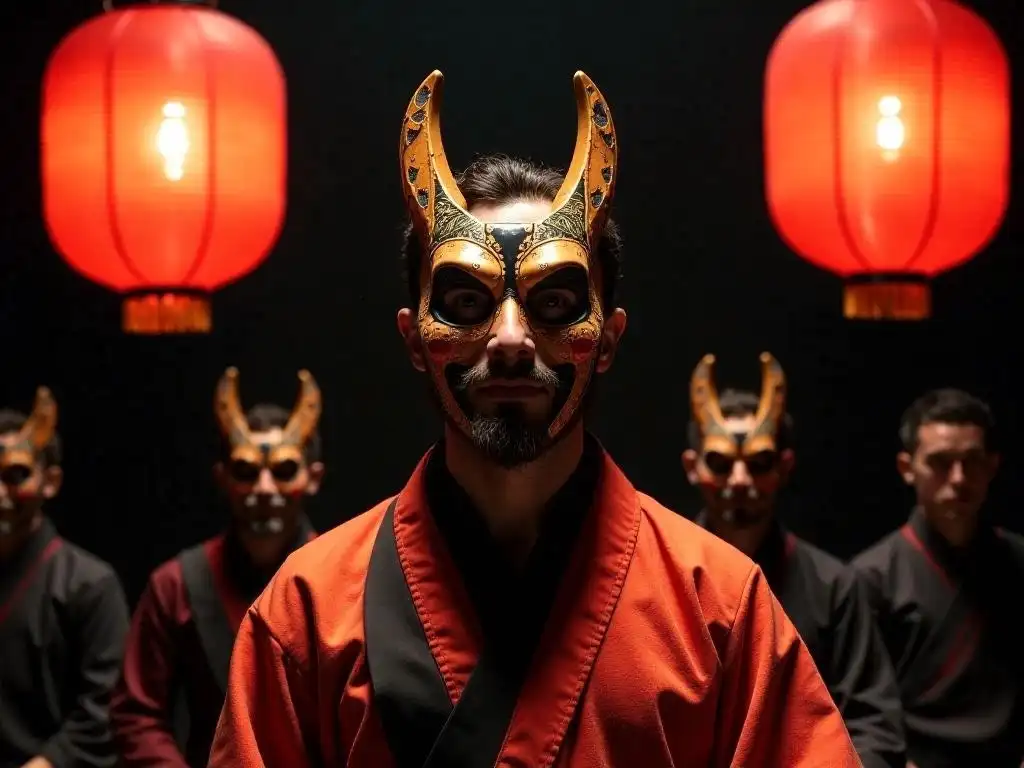
The historical significance of Noh and Kabuki extends far beyond mere entertainment; these art forms encapsulate centuries of Japanese culture, tradition, and social commentary. Both Noh and Kabuki emerged during the feudal era, reflecting the evolving societal structures and the philosophical underpinnings of their time.
Noh, with its roots traceable back to the 14th century, is characterized by its minimalist aesthetic and profound thematic depth. It often explores themes of spirituality, morality, and the human condition. Through the use of masks, slow movements, and poetic dialogue, Noh presents a unique blend of music, drama, and dance that engages audiences on an emotional and intellectual level.
On the other hand, Kabuki, which gained prominence in the early 17th century, is vibrant and theatrical, showcasing elaborate costumes, dynamic performances, and a more accessible narrative style. Kabuki reflects the lives of common people and social issues, engaging its audience through a blend of humor, drama, and visual spectacle. Its historical significance lies not only in entertainment but also in its role as a platform for social commentary, illustrating the struggles and aspirations of ordinary citizens.
Summary of Historical Significance
| Aspect | Noh | Kabuki |
|---|---|---|
| Origin | 14th Century | Early 17th Century |
| Aesthetic | Minimalist, symbolic | Vibrant, elaborate |
| Themes | Spirituality, morality, human condition | Common life, social commentary |
| Performance Style | Slow movements, masked actors | Dynamic movements, colorful costumes |
The significance of these art forms is also evident in their recognition as UNESCO Intangible Cultural Heritage, highlighting their importance in preserving Japan's cultural identity. As they continue to evolve, Noh and Kabuki adapt to contemporary contexts while maintaining their historical roots, ensuring that future generations appreciate their cultural heritage.
Final Thoughts on Cultural Preservation
The preservation of Noh and Kabuki is essential not only for maintaining Japan's artistic traditions but also for fostering a deeper understanding of the nation's societal evolution. Efforts to revive and promote these art forms through festivals, educational programs, and community engagement are crucial for sustaining their relevance in today's rapidly changing world.
Cultural preservation initiatives are increasingly incorporating modern technology, such as virtual performances and digital archives, to reach broader audiences. Such innovations ensure that Noh and Kabuki remain accessible and engaging, allowing new generations to connect with their historical significance.
Noh and Kabuki are more than mere performances; they are living legacies that embody Japan's feudal history, cultural richness, and the ongoing dialogue between the past and the present. By embracing these art forms, we not only celebrate their historical significance but also contribute to the vibrant tapestry of cultural heritage that defines Japan.
References and Further Reading
Recommended Books on Noh and Kabuki
Exploring Noh and Kabuki requires a foundational understanding of their history, techniques, and cultural significance. Here are some notable books that provide in-depth insights:
-
"Noh: A Complete Guide" by A. C. F. H. K. R. K.
This comprehensive volume covers the origins, forms, and performance aspects of Noh theater, alongside critical reflections on its significance in Japanese culture.
-
"The Kabuki Theatre of Japan" by F. K. S.
A detailed examination of Kabuki's evolution, this book highlights key performances and notable actors, offering readers a glimpse into its vibrant history.
-
"The World of Noh" by A. H. K.
This book delves into the aesthetics and philosophy behind Noh theater, providing context about its spiritual and artistic dimensions.
-
"Kabuki: The Popular Stage of Japan" by T. H. K.
An essential read for anyone interested in the interplay between Kabuki and Japanese society, this book analyzes its role in shaping cultural norms and values.
-
"Noh and Kabuki: The History of Japan's Two Great Theatrical Traditions" by J. M.
A comparative study that highlights the differences and similarities between Noh and Kabuki, exploring their respective impacts on Japanese arts.
Articles and Journals for In-Depth Knowledge
For those seeking scholarly articles and research papers, the following journals and publications focus on Noh and Kabuki:
-
The Journal of Japanese Studies
This journal often features articles related to the historical significance of Noh and Kabuki, providing critical analyses from various academic perspectives.
-
Asian Theatre Journal
A key publication for theater studies, it includes in-depth articles on performance, history, and cultural contexts of Noh and Kabuki.
-
Theatre Research International
This journal covers global theatrical traditions with occasional special issues dedicated to the examination of Japanese performance arts.
-
Noh and Kabuki Studies: A Selected Bibliography
This resource compiles significant articles and research related to both forms, making it easier to find relevant studies.
Online Resources for Noh and Kabuki Enthusiasts
The internet offers a wealth of resources for those interested in learning more about Noh and Kabuki. Below are some valuable online platforms:
-
The National Noh Theatre
This official site provides extensive information about Noh performances, including schedules, background information, and educational resources.
-
Kabuki-za Theatre
The main site for Kabuki performances in Tokyo, offering insights into upcoming shows, ticket purchases, and historical context.
-
YouTube Channels Dedicated to Noh and Kabuki
Various channels offer performances and educational content, such as analysis and behind-the-scenes glimpses into the theatrical process.
-
Academic Databases
Platforms like JSTOR and Project MUSE offer access to a range of scholarly articles and books on Noh and Kabuki, ideal for deeper study.
By exploring these resources, readers can gain a comprehensive understanding of the Noh and Kabuki historical significance, enhancing their appreciation of these remarkable art forms.
Frequently Asked Questions
What are Noh and Kabuki?
Noh and Kabuki are traditional Japanese performing arts that originated in the feudal era. Noh is characterized by its slow movements and masked performances, while Kabuki is known for its colorful costumes and dynamic acting.
How did Noh and Kabuki develop during the feudal era?
During the feudal era, both art forms evolved to reflect the societal values and cultural influences of the time. Noh was often performed in aristocratic settings, whereas Kabuki emerged from the common populace and addressed everyday life and popular themes.
What is the historical significance of Noh and Kabuki?
The historical significance of Noh and Kabuki lies in their ability to convey cultural narratives and social commentary through performance. They serve as important reflections of Japan's historical context and artistic evolution during the feudal period.
How do Noh and Kabuki differ from each other?
Noh focuses on poetic storytelling and utilizes minimalist staging, while Kabuki is known for its elaborate sets, exaggerated movements, and vivid storytelling. This contrast highlights the diversity in Japan's performing arts.
Why are Noh and Kabuki still relevant today?
Noh and Kabuki remain relevant as they continue to be performed and appreciated for their artistic beauty and cultural heritage. They provide insights into Japan's historical narrative and are celebrated for their unique aesthetics and traditions.
Final Reflection: The Enduring Legacy of Noh and Kabuki
The historical significance of Noh and Kabuki transcends mere performance; it serves as a vital link to Japan's cultural identity and artistic evolution. In today's fast-paced world, where traditional art forms often struggle for relevance, the rich narratives and intricate aesthetics of Noh and Kabuki remind us of the importance of preserving our cultural heritage. These art forms are not just relics of the past; they are living expressions that continue to resonate with contemporary audiences, inviting us to explore the depths of human emotion and societal values through their unique storytelling.
The influence of Noh and Kabuki extends beyond the stage, shaping Japan's cultural landscape and inspiring countless artists worldwide. These performances encapsulate centuries of tradition, reflecting the complexities of human experience and the nuances of social commentary. As the renowned playwright Antonin Artaud once said, "> The theater is a spiritual and social force." This sentiment rings true as we witness the revival and adaptation of these art forms, which continue to inspire new generations of artists and audiences alike, fostering a deeper understanding of Japan's historical narrative and its impact on global culture.
As we reflect on the significance of Noh and Kabuki, I invite you to consider how these art forms can inspire your own journey of cultural exploration and appreciation. Take a moment to engage with the stories, emotions, and artistry that these performances convey.
Whether through attending a live performance, studying their historical context, or simply appreciating their aesthetic beauty, let the dance of the dancers encourage you to delve deeper into the rich tapestry of human expression that connects us all. Embrace the lessons of the past, and allow them to guide you in shaping a more culturally aware and empathetic future.
Unveil the Rich Heritage of Japanese Theater!
Thank you for diving into the captivating world of Noh and Kabuki with us! We hope you’ve gained valuable insights into their historical significance and unique artistry. Now, it's time to take those newfound inspirations and put them into action!
Here are some exciting ways to deepen your appreciation and engagement with these extraordinary forms of theater:
- Explore a local performance of Noh or Kabuki—whether virtually or in person, immerse yourself in the experience!
- Share your newfound knowledge with friends and family; introduce them to the beauty of these art forms by hosting a viewing party.
- Join an online forum or community dedicated to Japanese arts—this is a fantastic way to discuss insights, exchange thoughts, and connect with fellow enthusiasts.
As you embark on this journey into the fascinating realm of Japanese theater, we’d love to hear from you: What captivated you the most about Noh and Kabuki, and how do you plan to explore more of this rich tradition?