The Evolution of Tea Ware: A Journey Through History and Craftsmanship
🌸 Discover the rich tapestry of Japanese tea ware history, tracing its evolution from humble beginnings to exquisite craftsmanship. This article delves…
Read article
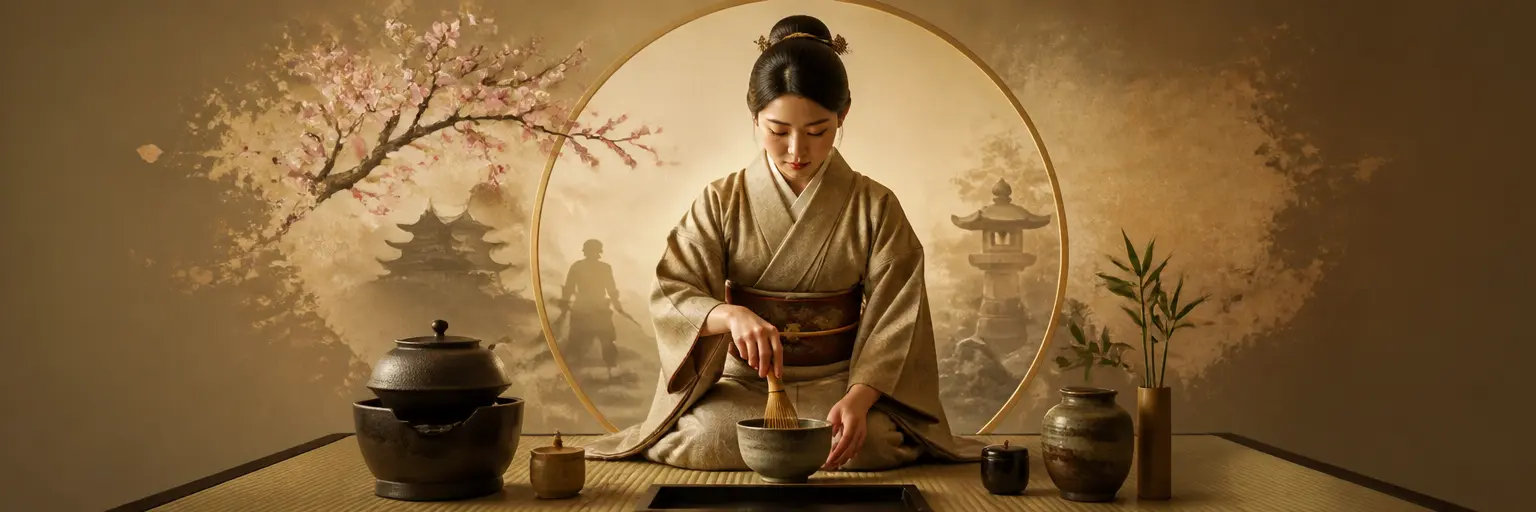
Explore the refined world of Japanese tea ceremonies 🍵, where ritual, mindfulness, and hospitality reveal the cultural history of Feudal Japan. Discover how chanoyu shaped samurai culture, Zen philosophy, traditional arts, and social customs through carefully prepared tea, symbolic movements, and elegant tea-room design. Delve into the enduring legacy of this iconic Japanese tradition and gain deeper insight into the values that defined Japan’s feudal society.
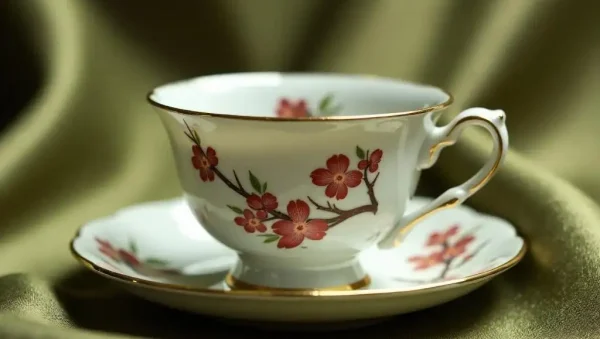
🌸 Discover the rich tapestry of Japanese tea ware history, tracing its evolution from humble beginnings to exquisite craftsmanship. This article delves…
Read article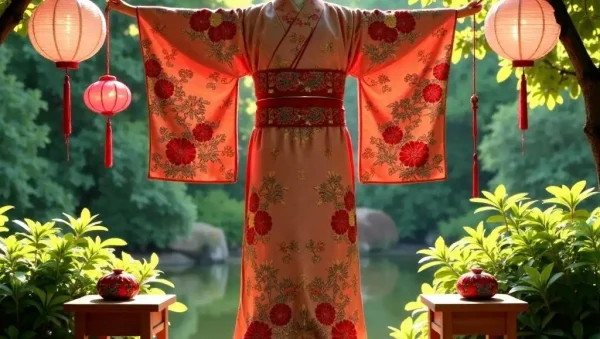
The Japanese tea ceremony traditions are deeply intertwined with the vibrant celebrations of Japanese festivals, reflecting a rich tapestry of cultural heritage.…
Read article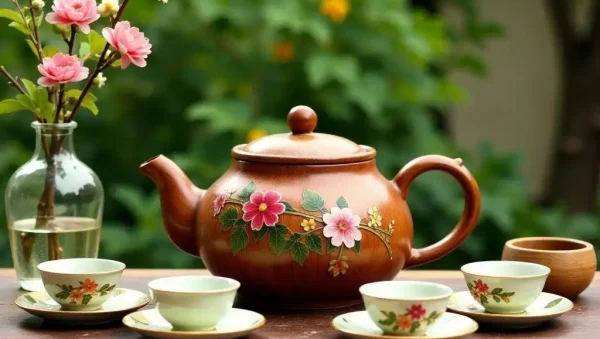
🌿 The seasonal changes in Japanese tea ceremony traditions reflect a deep reverence for nature. Each ritual, infused with cultural significance, celebrates…
Read article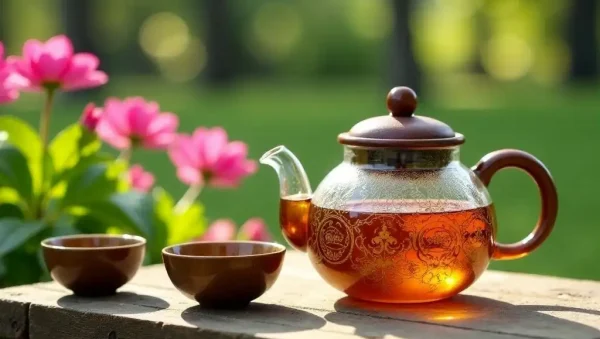
🌸 Discover the art of tranquility in our Japanese tea ceremony preparation guide, where each step is a meaningful ritual. Explore the…
Read article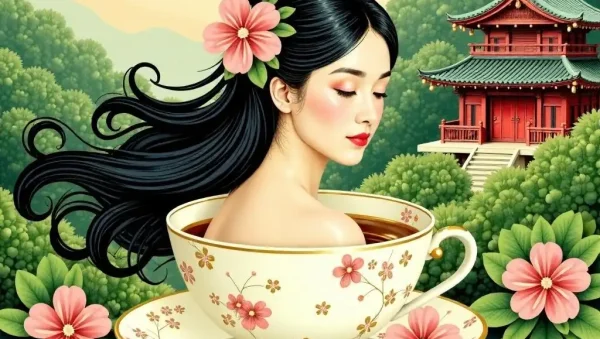
🌿 The Japanese tea ceremony embodies a profound connection to nature, reflecting the country's worldview. Through nature symbolism, each element—from the meticulously…
Read article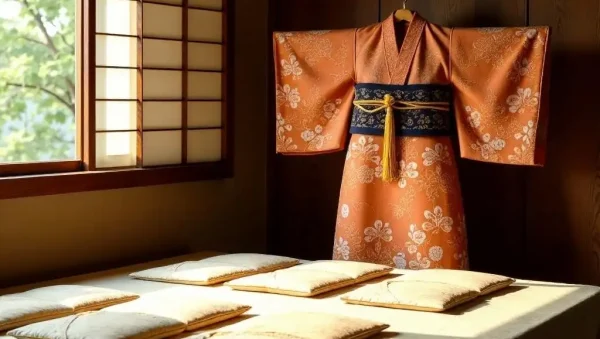
✨ The Japanese tea ceremony meditation transcends mere beverage preparation, embodying a profound spiritual journey. This practice fosters mindfulness, connection, and appreciation…
Read article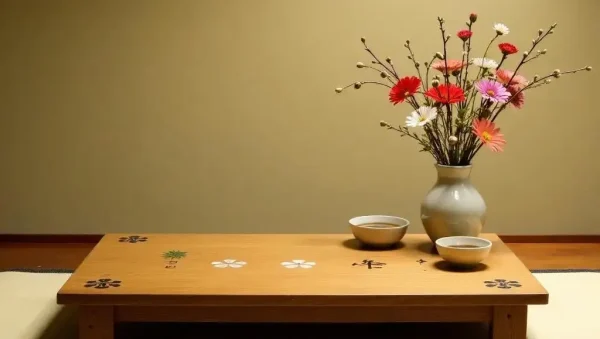
☕ The Japanese tea ceremony history intertwines artistry and tradition, reflecting the profound cultural values of Japan's feudal era. This ritual, steeped…
Read article
😊 Wabi Sabi in Japanese tea ceremonies embodies the beauty of imperfection and transience, reflecting the deep cultural values of harmony and…
Read article
🌸 The western influence on Japanese tea practices has introduced modernity, yet risks diluting centuries-old traditions. This article delves into how globalization…
Read article
🌍 The journey of Japanese tea culture history, from its feudal roots to global appreciation, reveals a rich tapestry of tradition, rituals,…
Read article
🍵 Japanese tea culinary influence has profoundly shaped the flavors and techniques of traditional dishes, reflecting centuries of cultural exchange. This exploration…
Read article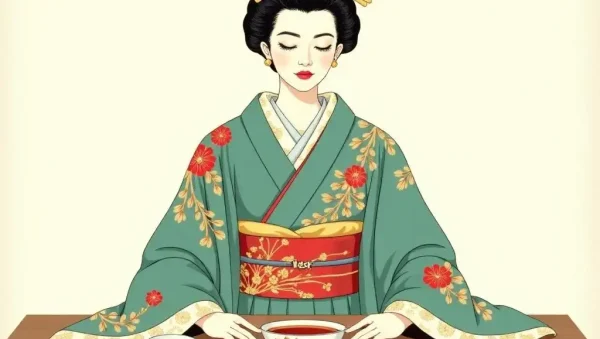
🌸 Tea masters in feudal Japan were not merely artisans; they were the custodians of a profound cultural heritage. Their meticulous practices…
Read articleExplore the fascinating world of Japanese tea ceremonies through the history of feudal Japan. This subcategory examines how chanoyu, also called sado or chado, developed from a Buddhist-inspired practice into one of Japan’s most influential cultural traditions. Discover the rituals, philosophies, social customs, tea masters, architecture, utensils, and historical events that shaped the Japanese tea ceremony during the medieval and early modern periods.
Readers can expect an in-depth look at the introduction of tea to Japan and the religious, political, and cultural forces that influenced its development. Articles explore how tea traveled from China, how Buddhist monks promoted tea drinking, and how powdered matcha became connected with meditation, hospitality, and elite culture.
This section also explains the transformation from informal tea gatherings into a structured ceremonial practice. Learn how the origins of chanoyu in Japan connect to Zen Buddhism, aristocratic customs, warrior society, and the broader cultural history of feudal Japan.
Discover the life and influence of Sen no Rikyū, the most famous tea master in Japanese history. His teachings helped define the principles of wabi-cha, emphasizing simplicity, humility, natural materials, quiet beauty, and the importance of a meaningful encounter between host and guest.
Articles in this section examine how Rikyū’s interpretation of the tea ceremony influenced samurai culture, political relationships, Japanese aesthetics, and traditional architecture. Readers will learn why the concepts of wabi-sabi, mindfulness, imperfection, and impermanence remain central to the history of Japanese tea culture.
Feudal lords and samurai adopted tea gatherings as important social and political occasions. This section explores how tea ceremonies were used to demonstrate refinement, establish alliances, negotiate power, honor guests, and strengthen relationships among daimyo, military leaders, religious figures, and wealthy merchants.
Readers will discover how the tea room could become a carefully controlled setting within a highly structured society. Topics include samurai tea culture, political hospitality, gift exchange, prestigious tea utensils, and the role of chanoyu in the social history of Japan’s Sengoku and Edo periods.
Learn about the objects that give the Japanese tea ceremony its distinctive character, including the chawan tea bowl, chasen bamboo whisk, chashaku tea scoop, natsume tea container, kettle, brazier, and water jar. Each item carried practical, artistic, and symbolic meaning.
This section explains how tea masters selected and arranged utensils according to the season, occasion, guests, and style of the gathering. Articles also examine the rise of Japanese ceramics, famous tea bowls, regional pottery traditions, and the cultural value of handcrafted tea ceremony equipment.
Explore the design of the traditional chashitsu, or tea house, and the surrounding roji garden. Readers will learn how narrow entrances, rustic materials, stepping stones, waiting areas, and carefully arranged paths prepared guests mentally and physically for the tea ceremony.
Articles explain how tea architecture expressed ideas of equality, restraint, privacy, and harmony. The design of the tea room often contrasted with the grandeur of castles and warrior residences, creating a quiet environment where attention focused on hospitality, nature, and the present moment.
Understand the formal sequence of a Japanese tea ceremony, from entering the tea room and cleansing the hands to viewing the scroll, appreciating seasonal decorations, receiving sweets, and drinking matcha. Clear explanations make traditional tea ceremony etiquette easier to understand for both beginners and history enthusiasts.
This section also explores the symbolic meaning behind bows, gestures, seating arrangements, silence, clothing, and the host’s movements. Readers can expect helpful historical context explaining why every detail of Japanese tea ceremony procedure contributes to harmony, respect, purity, and tranquility.
Follow the evolution of tea culture through influential figures such as Murata Jukō, Takeno Jōō, Sen no Rikyū, and the later generations of the Urasenke, Omotesenke, and Mushakōjisenke schools. Their teachings shaped different approaches to tea preparation, aesthetics, training, and formal practice.
Readers will also learn how chanoyu changed across the Muromachi, Azuchi-Momoyama, and Edo periods. Articles connect the history of tea ceremony schools with the development of merchant culture, urban society, religious institutions, and the changing political structure of feudal Japan.
Japanese tea ceremonies are closely connected to the seasons. This section examines seasonal flowers, calligraphy, sweets, incense, utensils, and decorations used to create a harmonious atmosphere. Discover how hosts adapted each gathering to reflect spring blossoms, summer freshness, autumn colors, or winter intimacy.
Topics also include kaiseki cuisine, traditional Japanese sweets, seasonal matcha practices, and the principle of ichigo ichie, meaning “one time, one meeting.” Readers will see how hospitality transformed an ordinary gathering into a memorable cultural experience.
A Japanese tea ceremony is a formal practice centered on preparing and serving powdered green tea, usually matcha. Known as chanoyu, sado, or chado, it combines ritual, hospitality, aesthetics, and Buddhist-inspired ideas about harmony, respect, purity, and mindfulness.
Tea ceremonies were important because they served religious, cultural, social, and political purposes. Samurai leaders and daimyo used tea gatherings to display taste, build alliances, welcome guests, exchange valuable objects, and demonstrate cultural sophistication.
Wabi-sabi is an aesthetic that values simplicity, natural materials, imperfection, age, and impermanence. In tea culture, it can be expressed through rustic tea rooms, handmade pottery, restrained decoration, and an appreciation of the unique moment shared by host and guests.
Sen no Rikyū was a sixteenth-century tea master who had a profound influence on Japanese tea ceremony history. He developed and popularized wabi-cha, emphasizing simplicity, disciplined preparation, humility, and sincere hospitality. His teachings continue to shape major tea ceremony schools today.
Common tea ceremony equipment includes a chawan tea bowl, chasen bamboo whisk, chashaku tea scoop, tea container, kettle, brazier, water ladle, cloth, and seasonal decorations. The selection and arrangement of these objects are important parts of the ceremony’s artistic and historical meaning.