
The Impact of Westernization on Traditional Japanese Tea Practices

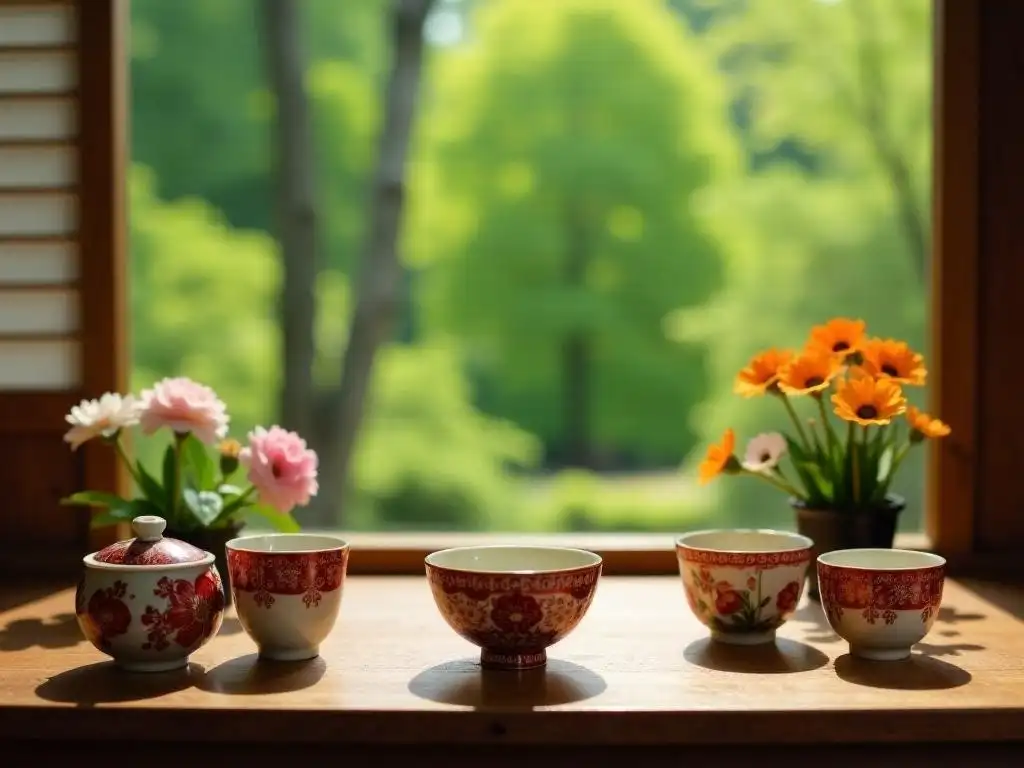
Welcome to Feudal Japan History, where we invite you to embark on a journey through the intricate tapestry of Japan's feudal era. Here, you will uncover the rich historical, cultural, and societal layers that shaped this fascinating period. In our featured article, “The Impact of Westernization on Traditional Japanese Tea Practices,” we delve into how the tides of Western influence have transformed one of Japan's most cherished traditions. Prepare to be captivated as we reveal the surprising intersections of culture and change—curiosity awaits, so dive in and explore the depths of this intriguing topic!
Introduction to Japanese Tea Culture
Japanese tea culture is a rich tapestry woven from centuries of tradition, spirituality, and artistry. It represents not only a beverage but a profound aspect of Japanese life, embodying social customs, aesthetics, and philosophical ideals. The practice of tea drinking in Japan dates back to the early centuries of the first millennium, evolving through various influences and societal changes.
Among these, the impact of Westernization during the late 19th and early 20th centuries reshaped many aspects of Japanese life, including tea practices. This article explores the intricate interplay between Western influence on Japanese tea and how these changes have affected traditional tea ceremonies and cultural significance.
Overview of Traditional Japanese Tea Practices
Traditional Japanese tea practices are characterized by their meticulous attention to detail, aesthetics, and the ceremonial aspects of tea preparation and consumption. At the heart of these practices lies the Chanoyu, or tea ceremony, which emphasizes harmony, respect, purity, and tranquility. The process involves a series of well-defined steps, from the selection of tea leaves to the preparation of the utensils, all reflecting deep cultural meanings.
- Key Elements of Traditional Practices:
- Utensils: Each tool used in tea preparation, such as the chawan (tea bowl) and chasen (whisk), has its own significance and history.
- Seasonal Variations: The tea ceremony often reflects the changing seasons, incorporating seasonal flowers and utensils to enhance the experience.
- Mindfulness: The ceremony promotes a sense of mindfulness, encouraging participants to immerse themselves fully in the moment.
Importance of Tea in Japanese Society
Tea serves as a vital social lubricant in Japanese culture, bridging gaps between individuals and fostering connections. Historically, it has been a symbol of hospitality and respect, with the act of offering tea embodying goodwill. Beyond its social implications, tea also plays a role in various cultural rituals and festivals, reinforcing its importance in Japanese society.
- Cultural Significance:
- Symbol of Hospitality: Offering tea is seen as a gesture of respect and warmth.
- Celebration of Tradition: Tea ceremonies are often held during significant life events, such as weddings and new year celebrations.
- Artistic Expression: The aesthetics of tea preparation and presentation form a unique art form, influencing many other cultural expressions in Japan.
Historical Context of Japanese Tea
Understanding the historical context of Japanese tea allows us to appreciate its evolution and the factors that have shaped its practices over time. From its introduction to Japan to its integration into daily life and culture, tea has undergone significant transformations influenced by various political, economic, and social factors.
Origins of Tea in Japan
Tea is believed to have been introduced to Japan from China in the early 9th century, primarily for medicinal purposes. It wasn't until the 12th century that tea began to be consumed more widely, thanks in part to the efforts of Buddhist monks who recognized its stimulating effects and used it to enhance their meditation practices.
- Key Points:
- Early Adoption: Initially popular among the aristocracy and religious figures.
- Cultural Exchange: The trade routes facilitated cultural exchanges that helped integrate tea into Japanese life.
Development of Tea Ceremonies through the Ages
As tea gained popularity, the rituals surrounding its preparation and consumption evolved. The tea ceremony, as we know it today, began to take shape during the 15th and 16th centuries, influenced by various historical figures, including Sen no Rikyū, who is credited with codifying the principles of the tea ceremony.
- Evolutionary Phases:
- Ritualization: Formalization of the tea ceremony into a highly ritualized practice.
- Aesthetic Refinement: Development of distinct styles and schools of tea-making, each with its own philosophy.
Influence of Zen Buddhism on Tea Practices
Zen Buddhism played a crucial role in shaping the philosophy and aesthetics of Japanese tea practices. The principles of Zen, emphasizing simplicity, tranquility, and a deep connection to nature, are echoed in the tea ceremony's design and execution.
- Zen Principles in Tea:
- Mindfulness: Emphasis on being present during the tea preparation and consumption.
- Nature Appreciation: Incorporation of natural elements into the ceremony to foster a connection with the environment.
The historical evolution of Japanese tea practices is a testament to the resilience and adaptability of culture in the face of external influences, particularly Westernization. The following sections will delve deeper into the nuances of Western influence on Japanese tea, examining how these changes have transformed traditional practices.
Understanding Western Influence on Japanese Tea
Western influence on Japanese tea practices has been profound, particularly since the late 19th century. The integration of Western customs into Japanese society brought about significant transformations in how tea is perceived, prepared, and consumed. This influence is not merely a matter of adopting new styles; it encompasses a broader cultural exchange that reshaped traditions, led to innovations in tea products, and altered rituals surrounding tea consumption. This section will explore the historical context of this influence and its ramifications on the traditional practices of tea in Japan.
Introduction to Westernization in Japan
Westernization in Japan began in earnest during the Meiji Restoration (1868-1912), a period characterized by rapid modernization and an opening up to foreign influences. The Japanese government recognized the need to adopt Western technologies and cultural practices to compete on the global stage. This era saw the influx of Western ideas, lifestyles, and consumer goods, which included tea products and preparation techniques. Traditional practices began to adapt, leading to a unique blend of Japanese and Western tea customs.
As Western culture permeated Japanese society, elements such as tea drinking habits, serving methods, and even the types of tea consumed evolved. The introduction of Western-style cafes and the popularity of black tea, in particular, marked a significant shift in Japan's tea landscape.
Key Historical Events Leading to Western Influence
Several key historical events directly contributed to the Western influence on Japanese tea practices:
- Commodore Perry’s Arrival (1853): The arrival of Commodore Matthew Perry and his black ships signified the end of Japan's isolationist policies, bringing about trade agreements that introduced Western goods and customs.
- Meiji Restoration (1868): This pivotal period marked the start of modernization efforts in Japan, including the adoption of foreign customs and practices in various aspects of daily life, including tea consumption.
- The Rise of Tea Houses and Cafes (Late 19th Century): As Western-style tea houses emerged, they offered new tea experiences that contrasted sharply with traditional tea ceremonies, leading to a blending of practices.
These events paved the way for a cultural shift that would redefine Japanese tea traditions.
The Role of Western Culture in Modern Japan
Western culture plays a significant role in contemporary Japan, influencing everything from fashion to cuisine, including tea. The infusion of Western aesthetics and practices into Japanese life has led to the development of new forms of tea consumption. Many modern Japanese people enjoy tea in settings that reflect Western influences, such as cafes and restaurants, rather than traditional tea houses.
Additionally, Western ideals of convenience and efficiency have impacted how tea is marketed and prepared. Pre-packaged teas and ready-to-drink tea products have gained popularity, reflecting a shift away from the elaborate rituals traditionally associated with Japanese tea practices. This evolution illustrates the dynamic nature of cultural exchange and adaptation.
Changes in Japanese Tea Practices Due to Western Influence
The Western influence on Japanese tea has led to notable changes in tea practices, affecting everything from preparation methods to the types of tea consumed. These shifts highlight the adaptability of Japanese culture and its ability to incorporate external influences while maintaining a connection to its rich heritage.
Adaptation of Tea Ceremonies to Western Preferences
One of the most significant impacts of Western influence is the adaptation of traditional tea ceremonies. While the authentic Japanese tea ceremony, or chanoyu, emphasizes mindfulness, aesthetics, and ritual, modern adaptations have emerged to cater to Western tastes and lifestyles.
For example, some tea ceremonies now incorporate elements typical of Western gatherings, such as light snacks and a more casual atmosphere. This blending of styles allows participants to experience the essence of traditional tea practices while enjoying a more relaxed and social environment. Additionally, the emphasis on matcha has surged in the West, leading to its incorporation into various culinary applications, further transforming how it is perceived and enjoyed.
Impact on Tea Preparation Methods
The preparation methods for tea have also evolved due to Western influence. Traditional methods, which often involve meticulous attention to detail and specific rituals, have been streamlined in many instances to accommodate modern lifestyles.
For instance, the popularity of tea bags and instant tea products reflects a move toward convenience. While these products may lack the depth of flavor and the ceremonial aspects of traditional tea preparation, they cater to a fast-paced society that values efficiency. Furthermore, the introduction of electric kettles and other appliances has made tea preparation quicker and more accessible, further distancing contemporary practices from traditional methods.
Emergence of New Tea Products and Blends
Western influence has led to the emergence of innovative tea products and blends that cater to a global market. Traditional Japanese teas, such as green tea and matcha, have been blended with Western flavors, resulting in unique combinations that attract diverse consumers.
Examples include:
- Matcha Latte: A fusion of matcha with milk, often sweetened, has gained immense popularity in both Japan and the West.
- Herbal and Fruit Blends: The introduction of herbal teas and fruit-infused blends has expanded the range of available tea products, appealing to a broader audience.
These new products not only reflect the influence of Western tastes but also demonstrate how Japanese tea culture continues to evolve while still honoring its historical roots. The interplay between tradition and innovation shows the resilience and adaptability of Japanese tea practices in the face of changing cultural landscapes.
Cultural Implications of Westernization on Japanese Tea
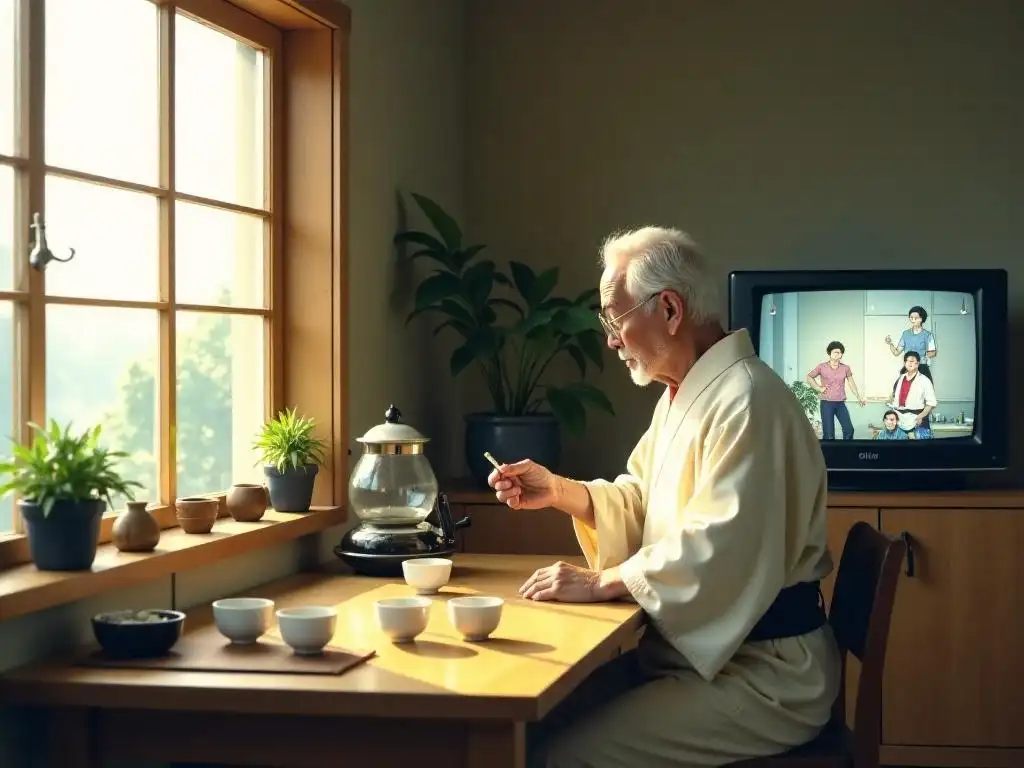
The advent of Western influence in Japan during the late 19th and early 20th centuries brought profound changes to the traditional tea culture. As Japan opened its doors to foreign interactions, the way tea was consumed and appreciated began to shift significantly. This transformation not only altered the methods of tea preparation but also the social contexts in which tea was enjoyed. The infusion of Western customs and practices began to reshape the cultural significance of tea, leading to a diverse spectrum of tea experiences that vary from traditional to modern interpretations.
Shifts in Tea Drinking Habits
With the introduction of Western lifestyles, Japanese tea drinking habits experienced notable changes. Traditionally, tea was consumed primarily in the context of the tea ceremony (chanoyu), which emphasized mindfulness, aesthetics, and a deep appreciation for the ritual. However, as Western influence grew, casual tea drinking became more prevalent. The rise of tea houses and cafes where people could enjoy tea in a less formal atmosphere reflected this shift.
Moreover, the types of tea consumed also diversified. While green tea (matcha and sencha) remained popular, black tea and herbal teas gained traction, leading to new blends and flavors that appealed to a broader audience. This diversification not only altered consumption patterns but also influenced the marketing and presentation of tea, moving from a cultural ritual to a more commercialized beverage.
The Role of Tea in Modern Japanese Society
In contemporary Japan, tea still holds cultural significance, but its role has evolved. While traditional tea ceremonies are respected and practiced, especially during formal occasions, tea is now often consumed as a daily beverage. The convenience of tea bags and bottled teas has further integrated tea into the fast-paced lifestyle of modern society.
Tea also plays a role in social interactions, often served during meetings and gatherings as a gesture of hospitality. Furthermore, with the resurgence of interest in health and wellness, many Japanese are returning to traditional teas known for their health benefits, such as matcha, which is celebrated for its antioxidant properties.
Preservation of Traditional Practices Amidst Change
Despite the pervasive Western influence, a concerted effort to preserve traditional Japanese tea practices remains evident. Organizations and tea schools continue to teach the art of tea ceremony, emphasizing its historical and cultural importance. Events such as tea festivals and workshops promote awareness and appreciation of traditional tea culture, attracting both locals and tourists.
Additionally, artisans dedicated to maintaining the craftsmanship of tea utensils and the intricacies of tea preparation find a niche market among enthusiasts. This blend of preservation and adaptation highlights the resilience of traditional practices in the face of modernization, showcasing a dynamic cultural landscape where old and new coexist harmoniously.
Case Studies: Examples of Western Influence on Japanese Tea
Examining specific instances of Western influence on Japanese tea practices reveals the multifaceted nature of this cultural exchange. Various case studies illustrate how traditional tea practices have been adapted or transformed by Western elements, creating unique blends of tradition and modernity.
The Introduction of Western Tea Brands in Japan
The entry of Western tea brands into the Japanese market marked a significant turning point in tea consumption. Companies like Lipton and Twinings introduced not only black tea but also a variety of flavored teas that appealed to Japanese consumers. This influx of Western brands prompted local producers to innovate and market their teas more aggressively, leading to a competitive landscape that encouraged the development of unique Japanese blends.
The popularity of iced tea and ready-to-drink tea products, heavily influenced by Western consumption patterns, also emerged. Japanese companies began to produce bottled teas that catered to the growing demand for convenience, thus blending Western drinking habits with traditional Japanese flavors.
Fusion of Western and Japanese Tea Ceremonial Practices
One of the most intriguing aspects of Western influence on Japanese tea is the fusion of ceremonial practices. Events such as "tea parties" began to incorporate elements of Western hospitality, where the formalities of the traditional tea ceremony were adapted to suit a more casual and social context.
Some tea houses even began offering hybrid experiences, combining the aesthetics of the Japanese tea ceremony with Western-style service. This blending not only highlights the adaptability of Japanese culture but also fosters a dialogue between Eastern and Western customs, enriching the experience for participants.
While Western influence has undeniably altered traditional Japanese tea practices, it has also led to a revitalization and recontextualization of tea culture in Japan. The interplay between tradition and modernity continues to shape the landscape of Japanese tea, ensuring its relevance in contemporary society.
The Future of Japanese Tea Amidst Western Influence
The evolution of Japanese tea culture in the face of Western influence presents both challenges and opportunities for its future. As globalization continues to reshape cultural practices, traditional Japanese tea rituals find themselves adapting to contemporary tastes and lifestyles. This transformation is not merely a dilution of tradition but rather a fascinating interplay between old and new, where both can coexist and enrich each other.
Proponents of traditional practices emphasize the importance of preserving the essence of Japanese tea ceremonies, with their deep-rooted philosophies of mindfulness and harmony. However, the influx of Western tea varieties and brewing techniques introduces a broader palette of flavors and experiences. This duality may lead to hybrid practices that reflect both Japanese heritage and Western innovation, suggesting a potential future where the art of tea evolves rather than diminishes.
Balancing Tradition and Modernity in Tea Culture
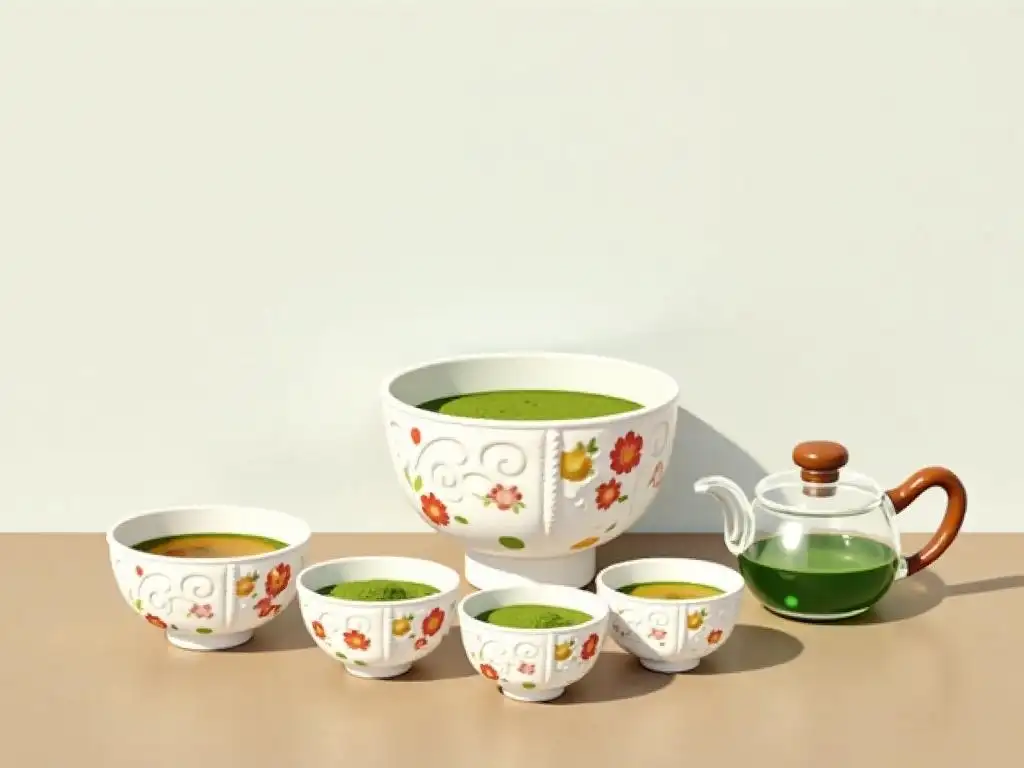
Achieving a balance between tradition and modernity is crucial for the future of Japanese tea culture. Traditional tea practices emphasize meticulous preparation, aesthetic presentation, and an underlying philosophy that promotes tranquility and connection with nature. However, as Western tea culture gains popularity, particularly among younger generations, there is a push towards more casual and accessible forms of tea consumption.
Tea houses are increasingly incorporating modern designs and diverse tea offerings, which can attract a broader audience while still honoring traditional elements. For instance, the introduction of bubble tea and flavored teas reflects a willingness to innovate without completely abandoning the foundational principles of Japanese tea. This blending of styles creates an inviting atmosphere where both traditionalists and new enthusiasts can appreciate the art of tea.
Prospects for Traditional Tea Practices in a Globalized World
In a globalized world, traditional Japanese tea practices are poised for both revival and reinterpretation. As international interest in Japanese culture grows, so does the appreciation for its traditional tea ceremonies. Workshops and tea experiences are being offered worldwide, allowing people from different backgrounds to engage with and learn about the intricacies of Japanese tea culture.
However, this global exposure poses a challenge: how to maintain authenticity while appealing to a diverse audience. It is essential for practitioners and educators to remain steadfast in the core values of tea culture, ensuring that the rich history and philosophy behind each ceremony are not lost in translation. This balance could result in a resurgence of interest in traditional practices, fostering a deeper understanding of the significance of tea in Japanese culture.
Conclusion
The impact of Western influence on traditional Japanese tea practices is a complex phenomenon that embodies both adaptation and preservation. As these practices evolve, they hold the promise of enriching the cultural landscape, blending the esteemed traditions of Japan with the innovative spirit of the West.
Summary of Key Findings on Western Influence on Japanese Tea
Key findings highlight the dual nature of Western influence on Japanese tea:
- Cultural Exchange: Increased interaction leads to a blending of tea practices, creating new experiences while respecting traditional elements.
- Market Expansion: Western demand for Japanese teas has contributed to a broader understanding and appreciation of their cultural significance.
- Innovation: The introduction of new flavors and brewing methods presents both a challenge and an opportunity for traditional tea practices to evolve.
Reflection on the Future of Japanese Tea Culture
Looking ahead, the future of Japanese tea culture amidst Western influence is one of dynamic evolution. As traditional practices adapt to contemporary contexts, there is potential for a vibrant exchange of ideas and customs. By embracing both tradition and innovation, Japanese tea can continue to thrive, offering timeless wisdom and enjoyment to generations to come. The challenge lies in fostering this relationship without losing sight of the deep cultural roots that define Japanese tea practices. In this way, the art of tea can remain a cherished tradition that resonates in an increasingly interconnected world.
- Introduction to Japanese Tea Culture
- Historical Context of Japanese Tea
- Understanding Western Influence on Japanese Tea
- Changes in Japanese Tea Practices Due to Western Influence
- Cultural Implications of Westernization on Japanese Tea
- Case Studies: Examples of Western Influence on Japanese Tea
- The Future of Japanese Tea Amidst Western Influence
- Balancing Tradition and Modernity in Tea Culture
- Prospects for Traditional Tea Practices in a Globalized World
- Conclusion
- What was the impact of Westernization on Japanese tea practices?
- How did Western influence change the way tea is consumed in Japan?
- What role did Western trade play in Japanese tea culture?
- Are there any specific Western styles of tea that influenced Japanese practices?
- How do contemporary Japanese tea practices reflect Western influence?
Frequently Asked Questions
What was the impact of Westernization on Japanese tea practices?
The impact of Westernization introduced new techniques and tastes, altering traditional Japanese tea rituals and leading to a fusion of cultures.
How did Western influence change the way tea is consumed in Japan?
Western influence led to the adoption of tea as a casual beverage, moving away from the formal tea ceremonies that characterized traditional practices.
What role did Western trade play in Japanese tea culture?
Western trade opened up new markets for Japanese tea, increasing its global popularity and prompting innovations in production methods to meet demand.
Are there any specific Western styles of tea that influenced Japanese practices?
Yes, the introduction of black tea and milk tea from the West influenced Japanese preferences, resulting in unique blends and preparations that still exist today.
How do contemporary Japanese tea practices reflect Western influence?
Today, many teahouses and cafes offer both traditional and Western-style tea drinks, showcasing a blend of cultural influences while maintaining core Japanese values.
Final Reflection: Embracing Tradition Amidst Western Influence
The impact of Westernization on traditional Japanese tea practices is more relevant today than ever, as we navigate a world increasingly defined by cultural exchange and globalization. The delicate balance between preserving age-old customs and adapting to modern influences presents both challenges and opportunities for the future of Japanese tea culture. As we witness the fusion of traditions, it becomes evident that the essence of these practices can either be diluted or enriched by Western influence on Japanese tea.
The ongoing dialogue between tradition and modernity shapes not only the tea ceremony but also our broader cultural landscape. The way we engage with tea today reflects a synthesis of historical reverence and contemporary innovation. As we sip our matcha lattes or enjoy a traditional tea ceremony, we are participating in a cultural evolution that honors the past while embracing the future. Tradition is not the worship of ashes, but the preservation of fire.
This quote encapsulates the spirit of adaptation that defines the current state of Japanese tea practices, reminding us that evolution does not equate to loss.
As you reflect on the themes presented in this article, consider how you can integrate the lessons of tradition and innovation into your own life. What aspects of your heritage do you cherish, and how can you share them in a way that resonates with contemporary society? Embrace the beauty of cultural exchange, and let it inspire you to cultivate a deeper appreciation for both the past and the present. In doing so, you contribute to a vibrant tapestry of traditions that honors history while welcoming new influences.
Revitalize Your Connection to Traditional Japanese Tea Practices!
Thank you for diving into the fascinating world of traditional Japanese tea practices. You’ve explored how Westernization has shaped these cherished rituals and gained insight into preserving their authenticity. Now is the perfect moment to reconnect with these traditions and delve into their rich history!
Here are a few actions you can take to embrace and appreciate Japanese tea culture:
- Explore local tea ceremonies: Find a nearby tea house or cultural center that offers authentic Japanese tea experiences.
- Host a tea tasting: Gather friends and family for an evening dedicated to sampling various types of Japanese tea and discovering their unique flavors.
- Share your learning: Connect with others by discussing your insights on social media or in local history groups, fostering conversations about the importance of cultural preservation.
What unique aspects of Japanese tea practices resonate most with you, and how do you envision incorporating them into your daily life?