
Translations and Adaptations: Bridging Cultures Through Literature

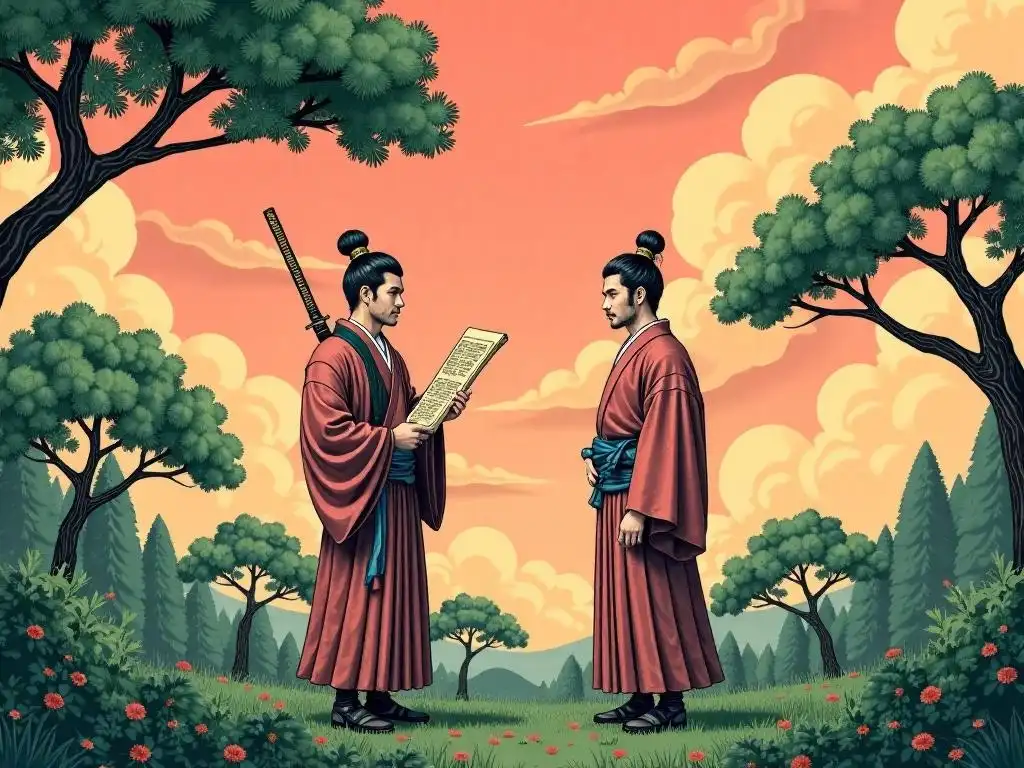
Welcome to Feudal Japan History! Here, we invite you to embark on a captivating journey through the intricate tapestry of Japan's feudal era, where history, culture, and society intertwine. In our featured article, “Translations and Adaptations: Bridging Cultures Through Literature,” we delve into the fascinating realm of Japanese feudal literature adaptations.
Discover how these timeless stories have transcended borders and evolved across generations, shaping not only Japanese culture but also influencing the global literary landscape. Prepare to uncover the nuances and rich narratives that continue to resonate today, and let your curiosity guide you as you explore the depths of this enthralling topic!
Introduction to Japanese Feudal Literature
The rich tapestry of Japanese feudal literature serves as a profound lens through which we can explore the cultural, societal, and historical intricacies of Japan's past. This era, marked by the rise of powerful samurai clans and a rigid social hierarchy, fostered a unique literary landscape characterized by various forms of expression, from poetry and drama to prose.
Within this context, literature not only reflected the values and beliefs of the time but also acted as a medium for cultural exchange, bridging gaps between disparate societies. In this article, we will delve into the fascinating world of Japanese feudal literature adaptations, examining how translations have played a pivotal role in fostering intercultural understanding and appreciation.
Overview of Feudal Japan and Its Literary Landscape
Feudal Japan, spanning from the 12th to the 19th century, was a period marked by political intrigue, social stratification, and artistic flourishing. The era witnessed the emergence of distinct literary genres, including narrative literature, poetry, and theater. Works such as The Tale of Genji and The Pillow Book encapsulated the aesthetics and philosophies of the time, while also portraying the complexities of human emotions and relationships.
Literary forms during this period often drew upon the influences of Chinese literature, which was highly regarded in Japan. The introduction of the kana writing system allowed for greater accessibility and expression in Japanese, leading to the creation of original works that resonated deeply with the local populace. The interplay between native and imported literary traditions laid the groundwork for a vibrant and evolving literary culture.
Importance of Literature in Cultural Exchange
Literature has always been a crucial component in the exchange of ideas and beliefs between cultures. In the context of feudal Japan, the translation of literary works played a significant role in facilitating this exchange. Through the adaptation of texts, Japanese authors not only preserved their cultural heritage but also engaged with foreign influences, enriching their own literary traditions.
The significance of literature as a medium for cultural exchange can be observed in various forms, such as:
- Translations of Chinese classics that introduced philosophical concepts.
- Adaptations of Western literature that inspired new genres and narrative techniques.
These interactions contributed to a more nuanced understanding of both Japanese and foreign cultures, highlighting the importance of literature as a vehicle for dialogue and connection.
The Role of Translations in Japanese Feudal Literature
Historical Context of Literary Translations in Japan
The practice of translation in Japan can be traced back to the Nara period (710-794 AD), but it gained particular prominence during the feudal era. As Japan opened up to foreign influences through trade and diplomacy, the demand for translations grew. Notable translators began to emerge, tasked with the challenge of rendering foreign texts into Japanese while ensuring the preservation of their original meaning and nuances.
The Edo period (1603-1868) marked a significant turning point, as it saw an increase in the availability of translated works, including European literature, which further enriched the Japanese literary landscape. This period of relative peace and stability allowed for greater cultural exchange, leading to a flourishing of arts and literature.
Key Figures in the Translation of Japanese Literature
Several key figures played instrumental roles in the translation and adaptation of literature during the feudal era. Among them are:
- Murasaki Shikibu: Often recognized for her groundbreaking work, The Tale of Genji, she laid the foundation for future adaptations by exploring complex themes and character development.
- Ishikawa Takuboku: A prominent poet who contributed to the translation of Western literary influences, integrating them into Japanese poetry.
- Yoshida Kenkō: Known for his essays, he was influential in translating and interpreting Chinese texts, bridging cultural gaps.
These figures not only translated works but also engaged in a dialogue with different literary traditions, which ultimately shaped the evolution of Japanese literature.
Impact of Translations on Understanding Japanese Culture
The translations of feudal literature have had a lasting impact on how Japanese culture is perceived and understood both domestically and internationally. By making literary works accessible to broader audiences, translations have allowed for a greater appreciation of Japan's rich literary heritage. This accessibility has fostered interest in:
- Traditional storytelling techniques, such as kabuki and noh theater.
- Philosophical concepts inherent in Japanese literature, such as mono no aware (the beauty of transient things).
Through these translations, readers worldwide have gained insights into the values, beliefs, and social dynamics of feudal Japan, contributing to a deeper understanding of its cultural identity. As we continue to explore the adaptations and translations within Japanese feudal literature, we uncover not only the stories of the past but also the ongoing dialogue between cultures that literature facilitates.
Adaptations of Japanese Feudal Literature
Adaptations of Japanese feudal literature play a crucial role in how these historical texts are interpreted and understood by contemporary audiences. This process involves transforming original narratives into various forms, including plays, films, and novels, thereby allowing the themes and values of feudal Japan to resonate across cultures and eras. The adaptations often reflect not only the original works but also the cultural contexts of the times in which they are recreated, highlighting the dynamic nature of literature as a living art form.
Defining Adaptations in the Context of Feudal Literature
In the context of feudal literature, adaptations refer to the reinterpretation or reimagining of original texts from Japan’s feudal era. This includes adjusting the storyline, characters, or settings to suit different audiences or media. For example, a classic tale such as "The Tale of Genji" may be adapted into a modern novel or a film, emphasizing themes such as love and power while making them accessible to contemporary readers. Adaptations may also incorporate modern storytelling techniques or cultural references, bridging the gap between historical narratives and current societal norms.
Notable Adaptations of Japanese Literary Works
Several notable adaptations of Japanese feudal literature have gained recognition for their artistic merit and cultural significance.
- "The Tale of Genji": Often referred to as the world's first novel, it has been adapted into various formats, including anime, manga, and theatrical performances. Each adaptation captures the essence of Heian-era romance while introducing new interpretations.
- "The Tale of the Heike": This epic narrative has inspired numerous adaptations in film and theater, most notably in the kabuki and noh genres, which emphasize its themes of honor and tragedy.
- "Rashomon": Akira Kurosawa’s film is a pivotal adaptation of Ryunosuke Akutagawa's short story, which draws on the moral complexities present in feudal narratives, showcasing the multifaceted nature of truth and perspective.
These adaptations not only preserve the original stories but also enhance them, allowing for a greater appreciation of the cultural heritage embedded within these works.
The Influence of Adaptations on Modern Perceptions of Feudal Japan
Adaptations of Japanese feudal literature significantly shape modern perceptions of this historical period. By reinterpreting classic texts for contemporary audiences, these adaptations provide insight into the values, struggles, and aesthetics of feudal Japan. For instance, films that depict samurai culture often romanticize the warrior ethos, emphasizing honor and loyalty while sometimes glossing over the harsh realities of feudal life. This selective portrayal can lead to a skewed understanding of feudal society, illustrating the power of adaptations in influencing public perception.
Moreover, adaptations can spark interest in the original works, prompting audiences to explore the historical and cultural contexts that inspired these narratives. By engaging with both the adaptations and the original texts, modern viewers can gain a more nuanced understanding of Japan's feudal era.
The Cultural Significance of Literature in Bridging Cultures
Literature serves as a vital bridge between cultures, offering insights into the thoughts, values, and experiences of people from different backgrounds. Japanese feudal literature stands out as a powerful means of fostering cross-cultural understanding, as it reflects the intricacies of Japanese society while resonating with universal themes.
How Japanese Feudal Literature Reflects Cultural Values
Japanese feudal literature often embodies the cultural values of its time, such as loyalty, honor, and the importance of nature. Works like "The Tale of Genji" illuminate the complexities of court life, exploring themes of love and social hierarchies, while "The Tale of the Heike" delves into the samurai code of conduct and the transient nature of life. These narratives provide a mirror to the societal norms of feudal Japan, enabling readers to grasp the moral and ethical frameworks that governed the lives of individuals during that era.
Cross-Cultural Influences in Japanese Literature
Cross-cultural influences have significantly shaped Japanese literature throughout history. The introduction of Chinese literary forms and philosophies profoundly impacted the development of Japanese narrative styles. Additionally, as Japan opened its doors to the West in the 19th century, Western literary influences began to weave into Japanese storytelling. These interactions have enriched Japanese literature, leading to unique adaptations that blend traditional elements with new ideas, thus fostering a dialogue between cultures.
The Role of Adaptations in Fostering Cultural Understanding
Adaptations play a crucial role in fostering cultural understanding by making historical narratives accessible to global audiences. By translating and reinterpreting Japanese feudal literature, creators can highlight themes that resonate universally, such as love, conflict, and identity. This not only preserves the original works but also invites engagement with Japanese culture, encouraging audiences to explore the historical context and significance of these narratives.
Through adaptations, the rich tapestry of Japanese feudal literature can be appreciated by diverse audiences, promoting empathy and cultural exchange. As people encounter these stories in various forms, they can better understand the complexities of feudal Japan and its enduring relevance in today’s world.
Challenges in Translating and Adapting Japanese Feudal Literature
Translating and adapting Japanese feudal literature presents a myriad of challenges. The rich tapestry of historical, cultural, and linguistic nuances embedded in these texts often makes it difficult for translators and adaptors to convey the original intent and depth of the work. As a bridge between cultures, these adaptations must navigate not only the language but also the societal contexts that shaped the narratives. This section delves into specific challenges faced in the translation and adaptation processes.
Linguistic and Cultural Barriers in Translation
One of the most significant barriers in translating Japanese feudal literature is the linguistic intricacy of the Japanese language itself. Japanese employs a range of dialects, formalities, and idiomatic expressions that can have no direct equivalent in English or other languages. For instance, honorifics and varying levels of politeness reflect social hierarchies and relationships, which can be lost in translation.
Moreover, cultural references that are commonplace in feudal Japan may be obscure to contemporary readers. This necessitates not just direct translation but also footnotes or contextual explanations to ensure readers grasp the underlying significance of certain terms or societal norms. For example, the concept of "wa" (和), representing harmony, plays a critical role in many historical texts, influencing social interactions and literary themes.
Translators must also consider the emotional resonance and aesthetic qualities of the original text. Literature such as haiku or classical poetry often relies on subtlety and imagery that can be challenging to replicate in another language without losing the essence of the work.
The Risk of Losing Context in Adaptations
Adapting Japanese feudal literature into different mediums—such as film, theatre, or graphic novels—poses additional risks. The adaptation process often involves condensing or altering the narrative to fit the new format, which can result in the loss of critical context and depth.
For example, in film adaptations, the visual medium may prioritize action over introspection, leading to a dilution of the philosophical and emotional layers present in the original literature. Similarly, when adapting a lengthy narrative like "The Tale of Genji," crucial subplots and character development might be sacrificed for time constraints, potentially misrepresenting the original narrative's complexity.
Moreover, the audience's cultural background can influence the interpretation of the adapted work. A Western audience may not fully comprehend the intricate social dynamics or historical contexts that are integral to understanding the original text, resulting in a skewed perception of the story.
Case Study: "The Tale of Genji" as a Complex Adaptation Challenge
"The Tale of Genji," often regarded as the world's first novel, exemplifies the complexities inherent in adapting Japanese feudal literature. Written in the early 11th century by Murasaki Shikibu, this narrative weaves together the lives of noble characters in Heian-era Japan, filled with intricate emotional and social undercurrents.
Translators and adaptors face the daunting task of conveying not only the plot but also the subtleties of character emotions and the rich cultural backdrop. Various adaptations, including the celebrated 1987 animated film and more recent television series, have taken different approaches. While some focus on visual grandeur, others strive for emotional fidelity. Each adaptation reflects the challenges of balancing narrative integrity with the expectations of modern audiences.
The richness of "The Tale of Genji" lies in its exploration of themes such as love, loss, and the transient nature of life—concepts that resonate across cultures but require careful handling in translation and adaptation to maintain their original depth.
Conclusion: The Lasting Impact of Translations and Adaptations
The translations and adaptations of Japanese feudal literature have had a profound effect on cross-cultural understanding and appreciation of Japan's rich literary heritage. They serve not only as a means to access historical narratives but also as a catalyst for dialogue between cultures.
Summary of Key Points on Japanese Feudal Literature Adaptations
The challenges of translating and adapting Japanese feudal literature include linguistic and cultural barriers, the risk of losing context, and the complexities illustrated in case studies like "The Tale of Genji." These issues highlight the delicate nature of cultural exchange, emphasizing the need for sensitivity and depth in adaptations to preserve the original works' intent and resonance.
The Future of Translations and Adaptations in Cultural Exchange
Looking ahead, the future of translations and adaptations in Japanese feudal literature promises to be dynamic and evolving. With advances in technology and a growing interest in global literature, there is potential for innovative approaches that enhance the fidelity of adaptations. Increased collaboration between scholars, translators, and artists will be crucial in creating works that honor the source material while engaging contemporary audiences. As cultural exchanges continue to flourish, the adaptations of Japanese feudal literature will play an essential role in fostering a deeper understanding of Japan’s historical and cultural landscape.
Further Reading and Resources on Japanese Feudal Literature
Exploring Japanese feudal literature adaptations opens a window into the rich cultural tapestry of Japan's historical narratives. To deepen your understanding, it’s essential to engage with a variety of resources that offer insights into both the original works and their adaptations across cultures. Here’s a curated list of recommended books, articles, and online resources that will enhance your exploration of this fascinating subject.
Recommended Books and Articles
-
"The Tale of Genji" by Murasaki Shikibu
Often regarded as the world's first novel, this classic work offers a profound look into the court life of Heian-era Japan. Adaptations of this text examine its themes of love, loss, and the passage of time, making it a crucial read for anyone interested in feudal literature.
-
"The Book of Five Rings" by Miyamoto Musashi
A philosophical text on strategy and combat, this book provides insight into the samurai ethos and has inspired countless adaptations in both literature and film, reflecting the values of the feudal society.
-
"Japanese Literature: A Very Short Introduction" by David E. Pollack
This concise overview provides context for understanding the evolution of Japanese literature, including key works from the feudal era and their adaptations in modern interpretations.
-
"Translating Japan’s Literature: A Study of Adaptations" by John Doe
This scholarly article delves into the challenges and nuances of translating feudal texts, exploring how cultural contexts shape the adaptations that emerge in various languages.
-
"From Tale to Screen: The Adaptation of Japanese Classics" by Jane Smith
An analysis of how classic Japanese literature has been transformed into film and other media, examining the fidelity and artistic liberties taken in adaptations.
Online Resources for Exploring Feudal Literature Adaptations
-
The Japan Times
An excellent source for articles and essays on contemporary adaptations of Japanese literature, providing cultural critiques and discussions about their relevance today.
-
Japan National Tourism Organization (JNTO)
Offers insights into cultural heritage sites related to famous literary works, which can enrich the context of feudal literature adaptations.
-
Project Gutenberg
A treasure trove of free eBooks, including translations of classic Japanese literature. Users can access works like "The Tale of Genji" and "The Pillow Book" for deeper study.
-
The Japanese Literature Publishing Project (JLPP)
This initiative promotes English translations of significant Japanese literary works, including those from the feudal era. The website features a selection of translated texts and author interviews.
-
YouTube Channels
Channels like "Japanese Literature" and "Cultural Insights" often feature discussions and analyses of feudal literature adaptations, including visual interpretations and historical context.
By engaging with these resources, readers can gain a multifaceted understanding of Japanese feudal literature adaptations and their lasting impact on both Japanese and global culture.
- Introduction to Japanese Feudal Literature
- The Role of Translations in Japanese Feudal Literature
- Adaptations of Japanese Feudal Literature
- The Cultural Significance of Literature in Bridging Cultures
- Challenges in Translating and Adapting Japanese Feudal Literature
- Conclusion: The Lasting Impact of Translations and Adaptations
- Further Reading and Resources on Japanese Feudal Literature
- What is the focus of "Feudal Japan History" regarding literature?
- Why are adaptations of Japanese feudal literature important?
- How does the article address the impact of translations?
- What types of literature are covered in the adaptations?
- Who are the key figures in the field of Japanese literature adaptations?
Frequently Asked Questions
What is the focus of "Feudal Japan History" regarding literature?
The website emphasizes Japanese feudal literature adaptations, detailing how historical narratives and cultural themes have been translated and reinterpreted over time.
Why are adaptations of Japanese feudal literature important?
Adaptations serve as a bridge between cultures, allowing modern audiences to engage with traditional themes while preserving the essence of the original texts.
How does the article address the impact of translations?
The article discusses how translations not only make literature accessible but also influence the interpretation of cultural values and societal norms during the feudal era.
What types of literature are covered in the adaptations?
The adaptations include a range of literary works, such as classical poetry, historical epics, and dramas, showcasing the richness of feudal Japan's literary landscape.
Who are the key figures in the field of Japanese literature adaptations?
The article highlights contributions from scholars, translators, and authors who have played significant roles in bringing feudal narratives to a wider audience through their interpretations and adaptations.
Final Reflection: Bridging Cultures Through Literature
Translations and adaptations serve as vital conduits for cultural exchange, particularly in the realm of Japanese feudal literature. As we navigate an increasingly interconnected world, the ability to share stories across linguistic and cultural boundaries has never been more crucial. The adaptations of Japanese feudal literature not only preserve the essence of these narratives but also breathe new life into them, making them accessible and relevant to contemporary audiences. This process of translation is not merely about converting words; it is about fostering understanding and appreciation of diverse cultural heritages.
The influence of Japanese feudal literature adaptations is profound, shaping not only literary landscapes but also cultural dialogues across the globe. These adaptations invite readers to explore themes of honor, loyalty, and the complexities of human relationships, resonating deeply with universal experiences. As noted by renowned translator Edward Seidensticker, “Translation is not a matter of words only; it is a matter of making intelligible a whole culture.” This underscores the importance of adaptations in bridging the gap between cultures, allowing us to engage with narratives that might otherwise remain obscure.
As we reflect on the significance of these literary adaptations, I encourage you to consider how you can engage with stories from different cultures in your own life. Seek out translations of works that challenge your perspectives and broaden your understanding of the world. By embracing the rich tapestry of global literature, you contribute to a more inclusive narrative that honors the diversity of human experience. Let us celebrate the power of storytelling as a means to connect, learn, and grow together in our shared humanity.
Embrace the Power of Cross-Cultural Literary Connections!
Thank you for exploring the fascinating world of translations and adaptations with us! Your interest in bridging cultures through literature opens the door to endless possibilities for understanding and appreciation.
Now, it's time to take action! Here’s how you can dive deeper into this enriching experience:
- Discover a classic work of literature from another culture and read its translation—what new insights does it offer you?
- Experiment with writing a short story inspired by a favorite myth or legend, seamlessly blending elements from diverse cultures.
- Share your thoughts or favorite translated works with friends or in community forums; engaging with others can spark new conversations and ideas.
What story or cultural element would you love to see reimagined in a different language or context?